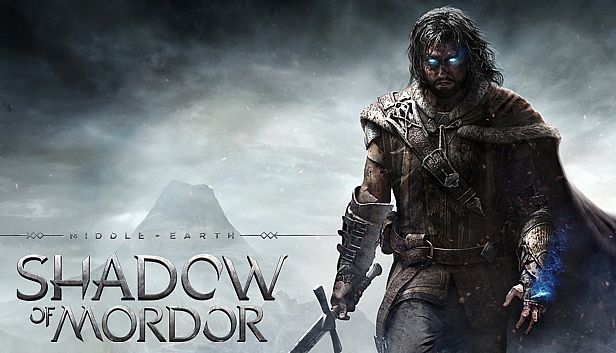



















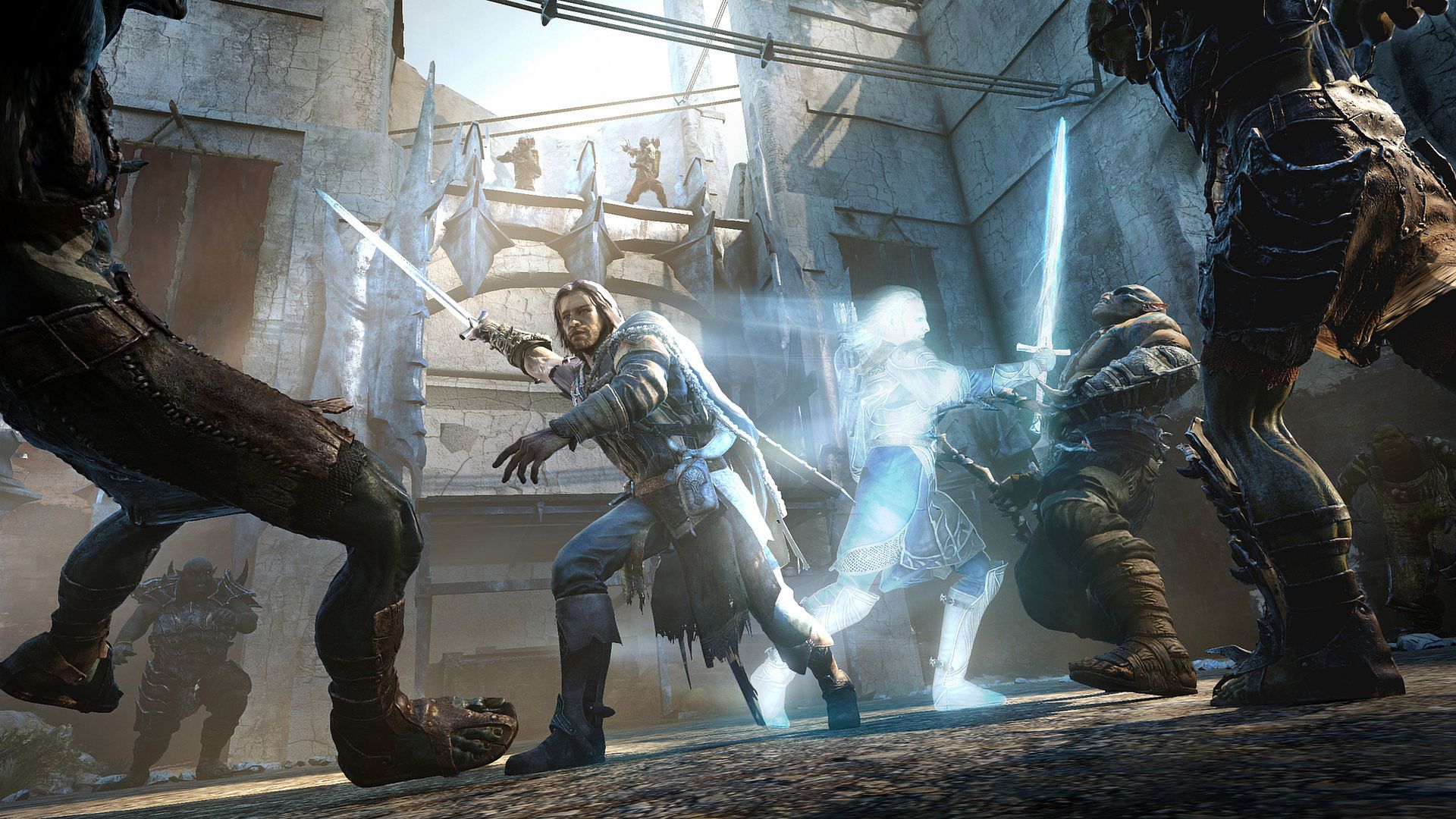
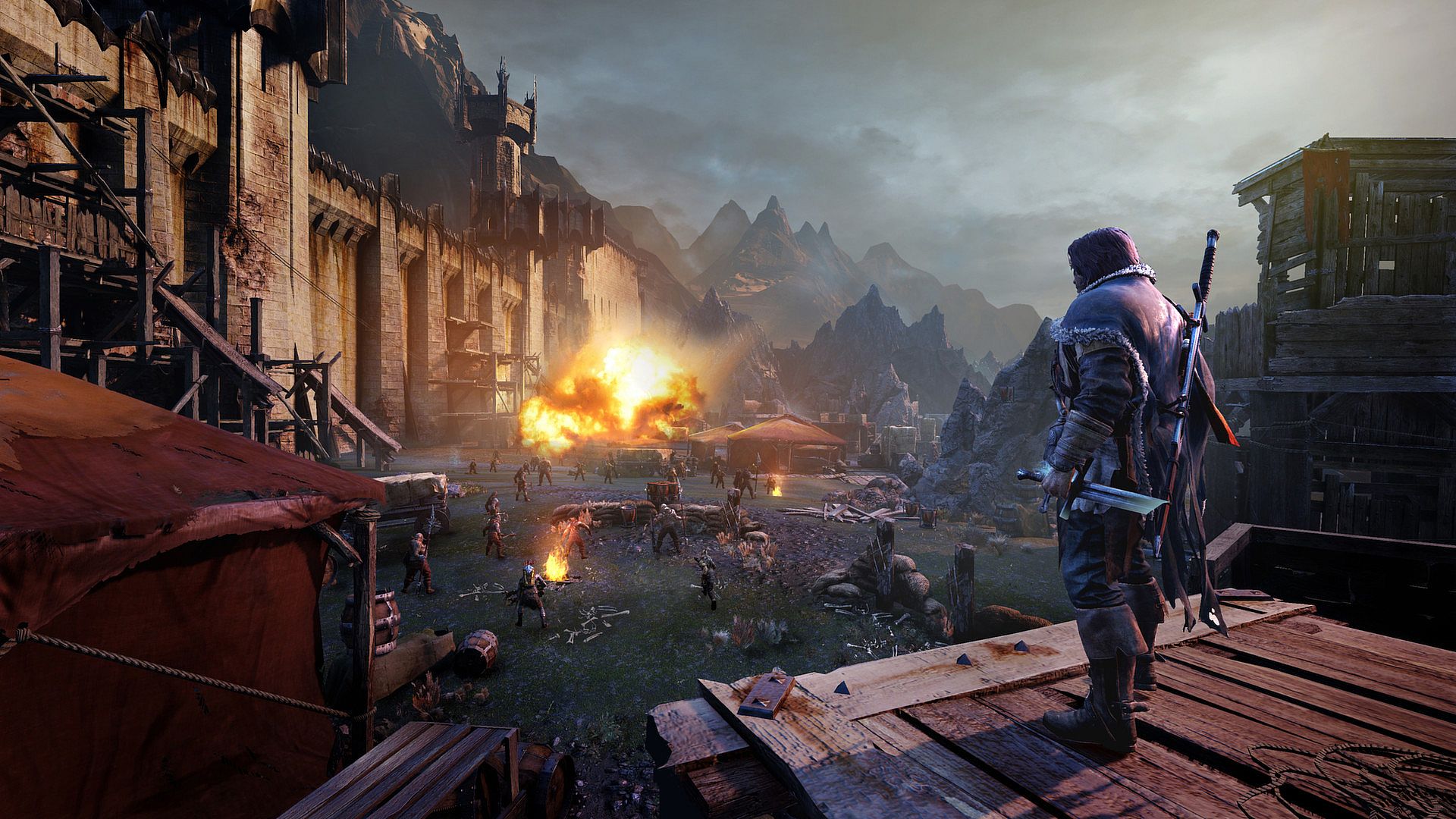
Middle-earth: Shadow of Mordor stands out as a third-person open-world action-adventure game set between the events of The Hobbit and The Lord of the Rings. Released in 2014, it follows Talion, a Gondorian Ranger seeking revenge after his family is killed by Sauron's forces. Bonded with the wraith of elf lord Celebrimbor, Talion explores the regions of Mordor, battling Uruks and uncovering ancient powers. This title emphasizes fluid combat, strategic enemy manipulation, and exploration in a dynamic environment shaped by player choices.
Gameplay
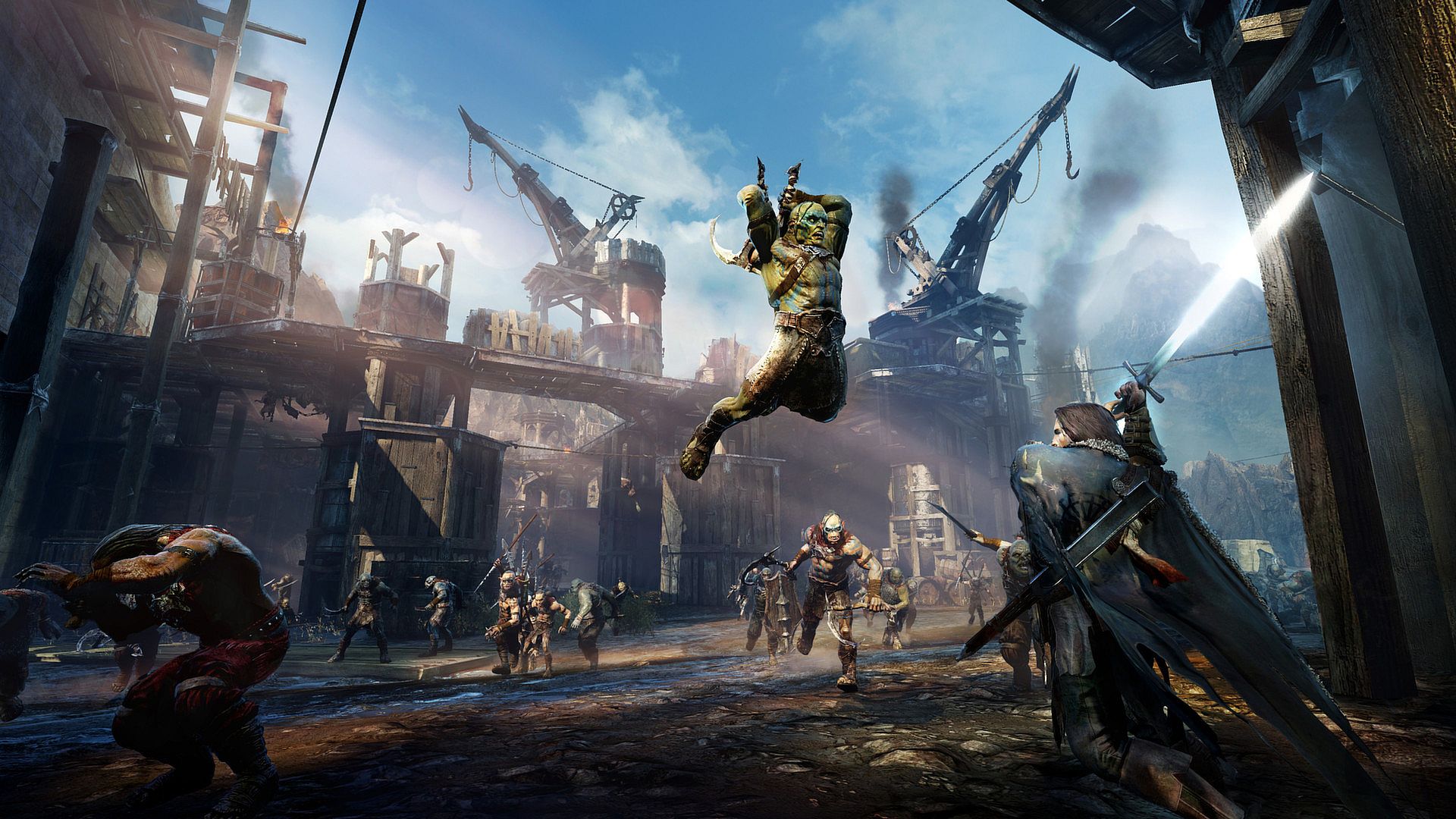
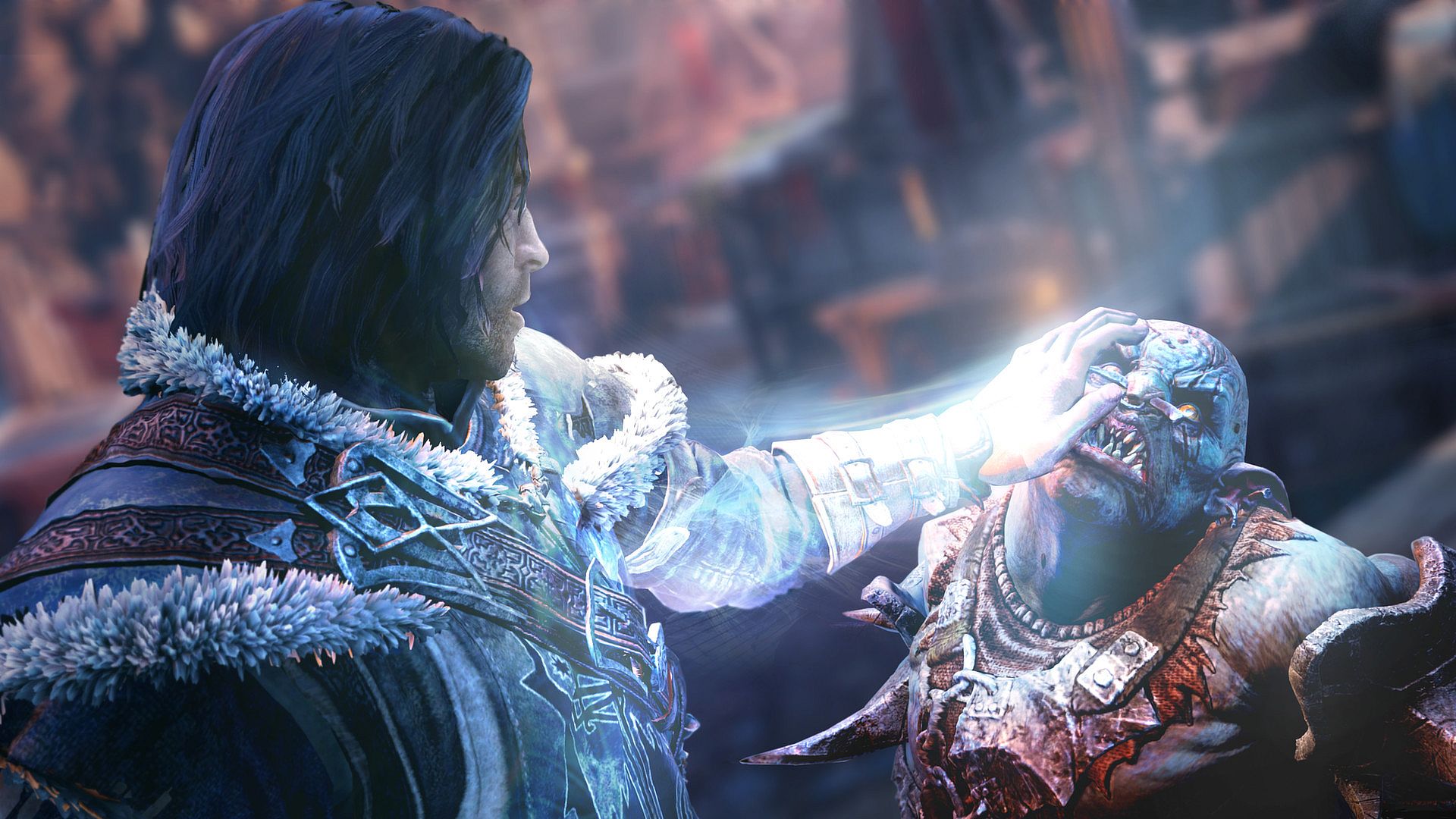
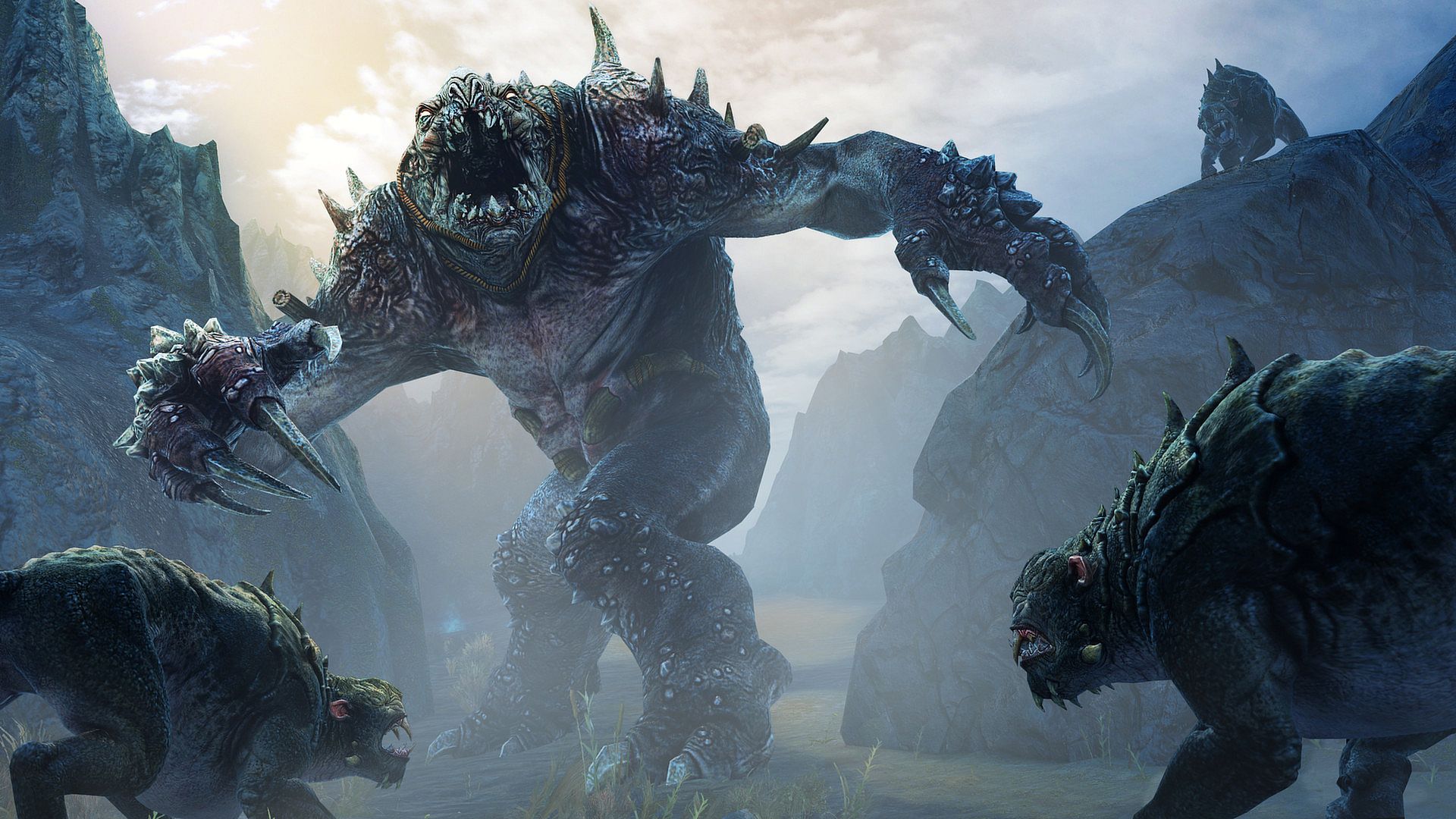
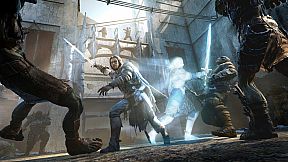
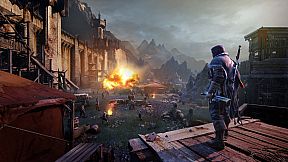
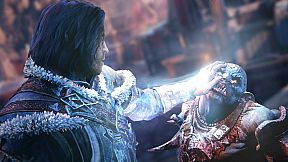
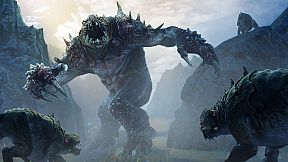
The core gameplay revolves around third-person combat that blends melee attacks, ranged shots with a bow, and stealth tactics. Talion builds attack chains through successive hits to unlock special moves, drawing inspiration from fluid systems seen in other action titles. Wraith abilities add depth, allowing players to slow time for precise shots, drain enemy energy, or brand foes to turn them into allies. Exploration involves parkour across rugged landscapes, riding beasts like Caragors, and using Forge Towers for fast travel. Players earn experience points to upgrade abilities, Power to access new skills, and Mirian currency to enhance health or weapon attributes. Missions often require infiltrating strongholds, where raising alarms brings reinforcements, pushing a mix of direct fights and careful planning.
Game Modes
Shadow of Mordor focuses on a single-player experience with a main story campaign centered on Talion's quest for vengeance against Sauron's lieutenants, including figures like the Hammer, Tower, and Black Hand. Side quests expand the world, such as freeing enslaved outcasts or tracking Gollum to collect artifacts that reveal lore. Weapon-specific challenges help forge upgrades for Talion's sword, bow, and dagger, tying into collectibles like flora, creatures, and Elvish seals scattered across the map. Certain online elements, including Vendetta missions and leaderboards, were discontinued in early 2021, but the core campaign remains fully playable offline.
Key Mechanics and Factions
The Nemesis System forms the heart of the game's mechanics, generating unique Uruk captains and warchiefs with distinct personalities, strengths, and weaknesses. Killing or defeating these enemies can lead to power vacuums, promotions among survivors, or opportunities to interrogate for intelligence on army hierarchies. Branding mechanics let players dominate Uruks, sparking infighting or building personal forces to challenge Sauron's army. Factions include Sauron's Uruk hordes and Black Númenóreans as primary antagonists, while allies like Gondorian outcasts under Hirgon, the orc Ratbag, and the Núrn kingdom led by Queen Marwen offer support in the narrative. This system ensures no two playthroughs feel identical, as enemy dynamics evolve based on player actions.
Is It Worth Playing?
With generally favorable reviews highlighting its innovative Nemesis System and engaging combat, Shadow of Mordor earned over 50 awards in 2014, including Game of the Year from outlets like the Game Developers Choice Awards and D.I.C.E. Awards. Players praise the replayability from procedural enemies and the satisfaction of manipulating orc societies, though some note repetitive side missions and a straightforward story. As of 2026, the game receives no active updates following the 2021 server shutdown, but its single-player content, including DLC like Lord of the Hunt and The Bright Lord in the Game of the Year edition, holds up well. It suits fans of action-adventure titles with strategic depth, especially those interested in Tolkien's world, making it a solid pick for solo gamers seeking a focused, story-driven experience without ongoing support needs.