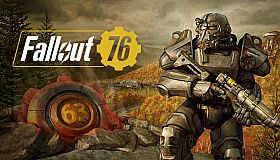



Fallout 76 is a multiplayer online RPG set in the post-apocalyptic world of Appalachia. Players emerge from Vault 76 to explore a vast open world filled with mutated creatures, abandoned structures, and the remnants of pre-war society. The experience centers on scavenging resources, building personal outposts, and cooperating with others to complete objectives in a persistent shared environment.
Gameplay
Core systems revolve around the SPECIAL attribute framework, where players allocate points across Strength, Perception, Endurance, Charisma, Intelligence, Agility, and Luck. These stats determine access to perk cards that players collect and equip in a deck system to customize abilities and playstyles. Leveling occurs through quests, combat, and crafting, with experience gained steadily over time.
Combat incorporates V.A.T.S. targeting that highlights enemy body parts and hit probabilities in real time without pausing action. Limb damage affects both players and foes, while crafting allows modification of weapons and armor using scavenged materials. Base building uses the C.A.M.P. system to place structures anywhere on the map, complete with defenses against random attacks. Mutations provide temporary buffs and drawbacks tied to radiation exposure, encouraging strategic use of RadAway or perks to manage effects.
Daily routines include resource gathering, item repair with scrap, and participation in public events that reward experience and items. The loop emphasizes exploration across a large map, with repeatable activities that support both solo progress and group coordination.
Game Modes
Adventure mode serves as the primary experience, offering the full story progression, side quests, and open-world activities in a shared server environment. Private Adventure allows players to host sessions with friends or alone for a more controlled setting.
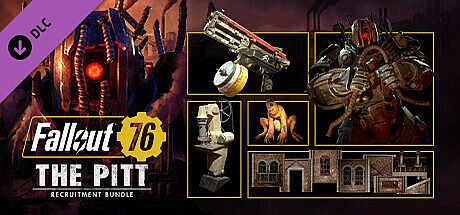
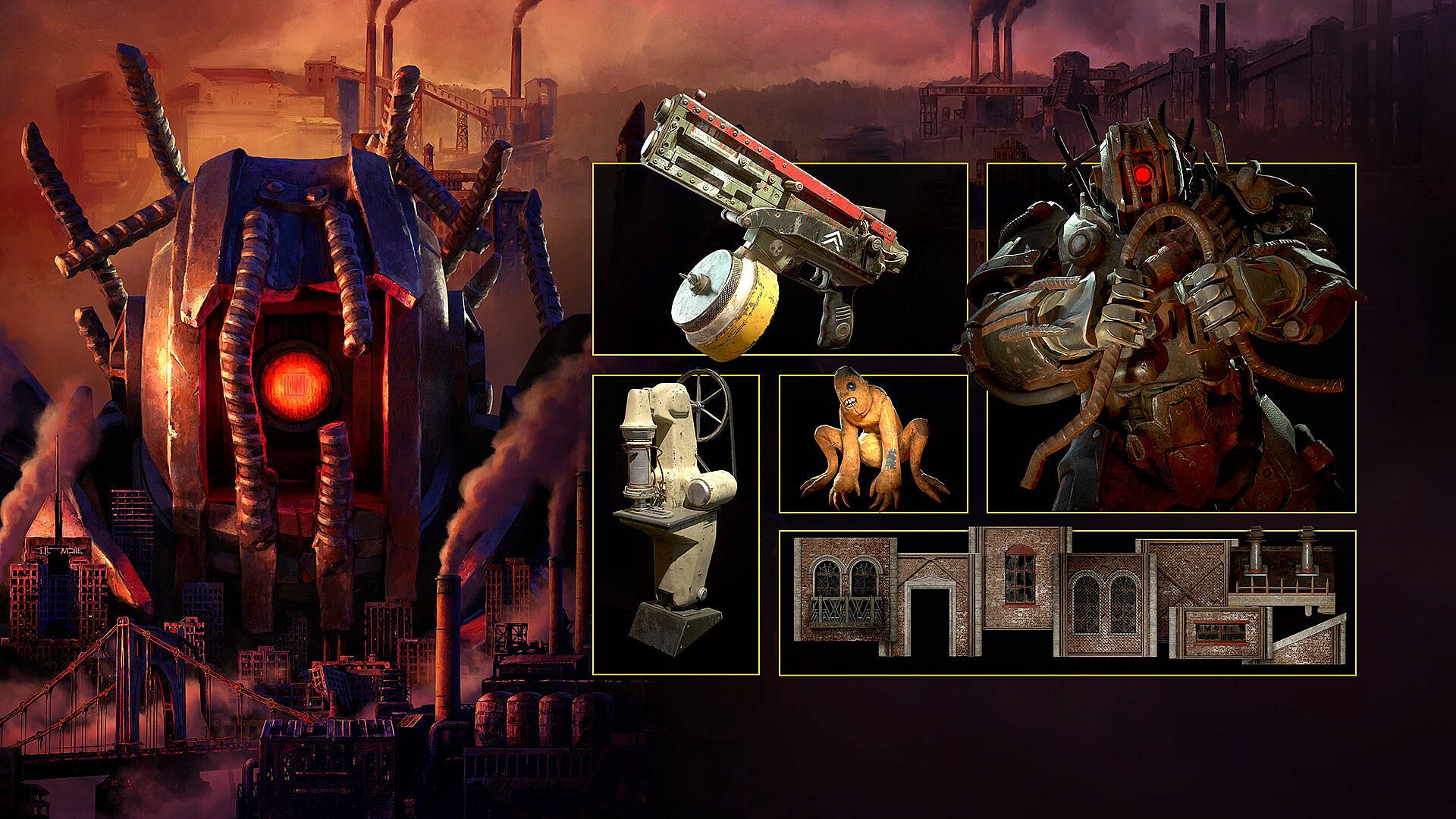
Fallout Worlds introduces rotating public instances with developer-selected rulesets alongside Custom Worlds, where subscribers can adjust parameters such as enemy difficulty or resource availability. Additional activities include Daily Ops for structured team challenges and Expeditions that send groups to new locations like The Pitt for faction-related objectives.
Public events occur regularly across the map, drawing multiple players together for large-scale encounters with scaled rewards. These modes support varied group sizes and play sessions without requiring constant online presence.
Factions and Progression
Players interact with groups such as the Responders, who focus on aiding survivors, and the Union, involved in regional conflicts. Alignment choices influence available quests and story branches, particularly in expedition content. Progression extends through seasonal scoreboards that track challenges and unlock rewards over time, alongside regular content updates that expand map areas and introduce new mechanics.
Building and defending C.A.M.P.s ties directly into faction activities, as structures can support expedition preparation or provide safe havens. The system encourages ongoing engagement through repeatable tasks and community-driven events.
Is It Worth Playing?
Fallout 76 receives ongoing support through seasonal content and major updates that add new regions and features. Reception has improved from initial mixed feedback, with recent player discussions noting stronger exploration and building elements for those who enjoy cooperative survival RPGs. The game suits individuals interested in persistent worlds, character customization via perks, and flexible multiplayer options ranging from solo play to group expeditions.
Those seeking traditional single-player Fallout pacing may find the shared server and event focus less ideal, while fans of crafting loops and base management often report sustained interest. Availability on PC includes standard access with optional subscription features for private instances. The current state features active seasons and patches that maintain the core loop of scavenging, building, and questing in Appalachia.