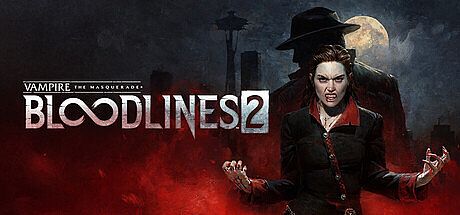


















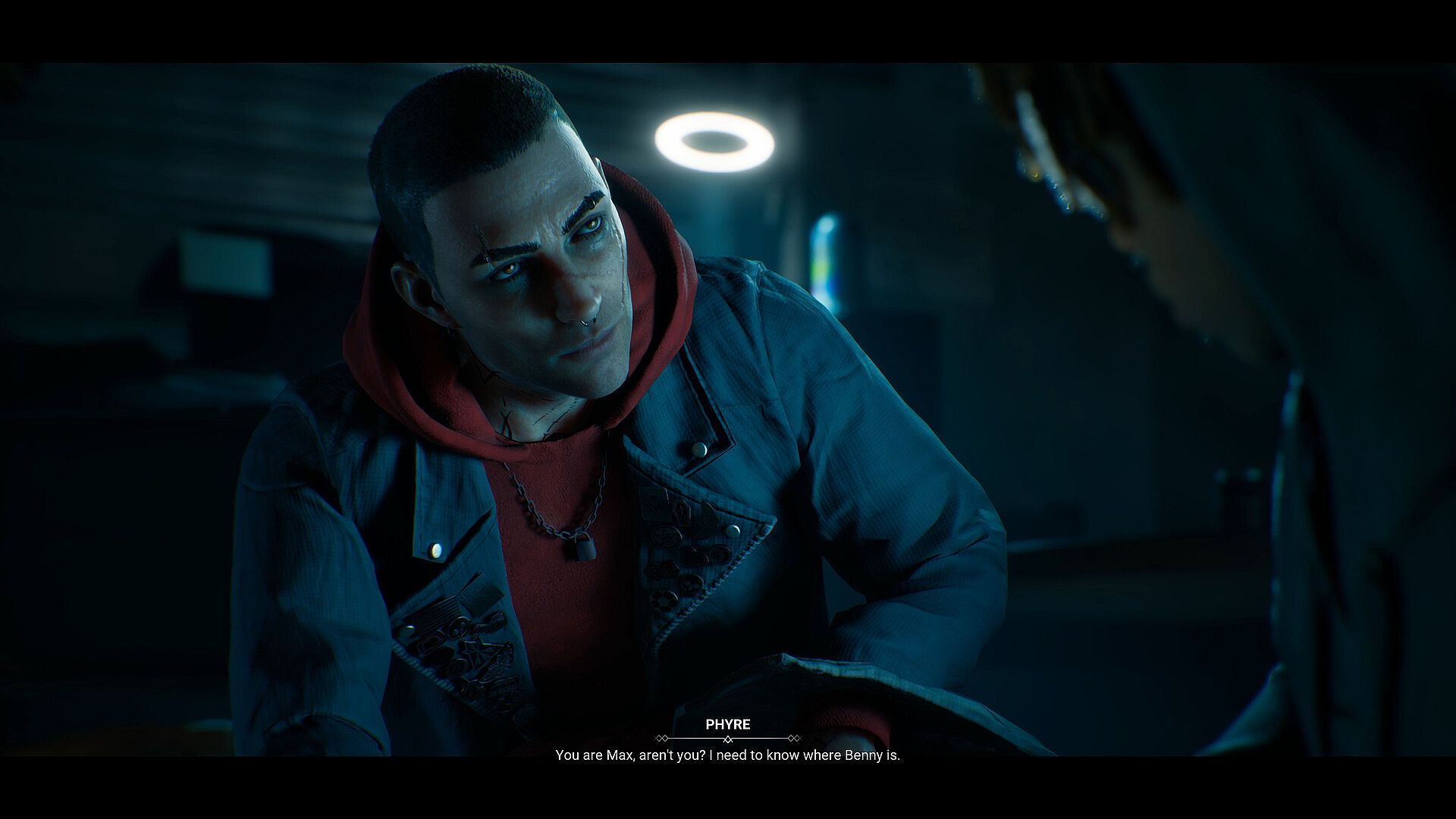




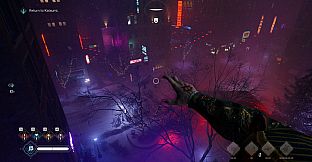
Vampire: The Masquerade - Bloodlines 2 is an action RPG set in a modern-night version of Seattle. Players take on the role of Phyre, an elder vampire known as the Nomad, who awakens after a long slumber and navigates the city's vampire society while dealing with a lingering threat from the past. The experience blends exploration, dialogue choices, investigation sequences, and combat powered by vampiric abilities.
Gameplay
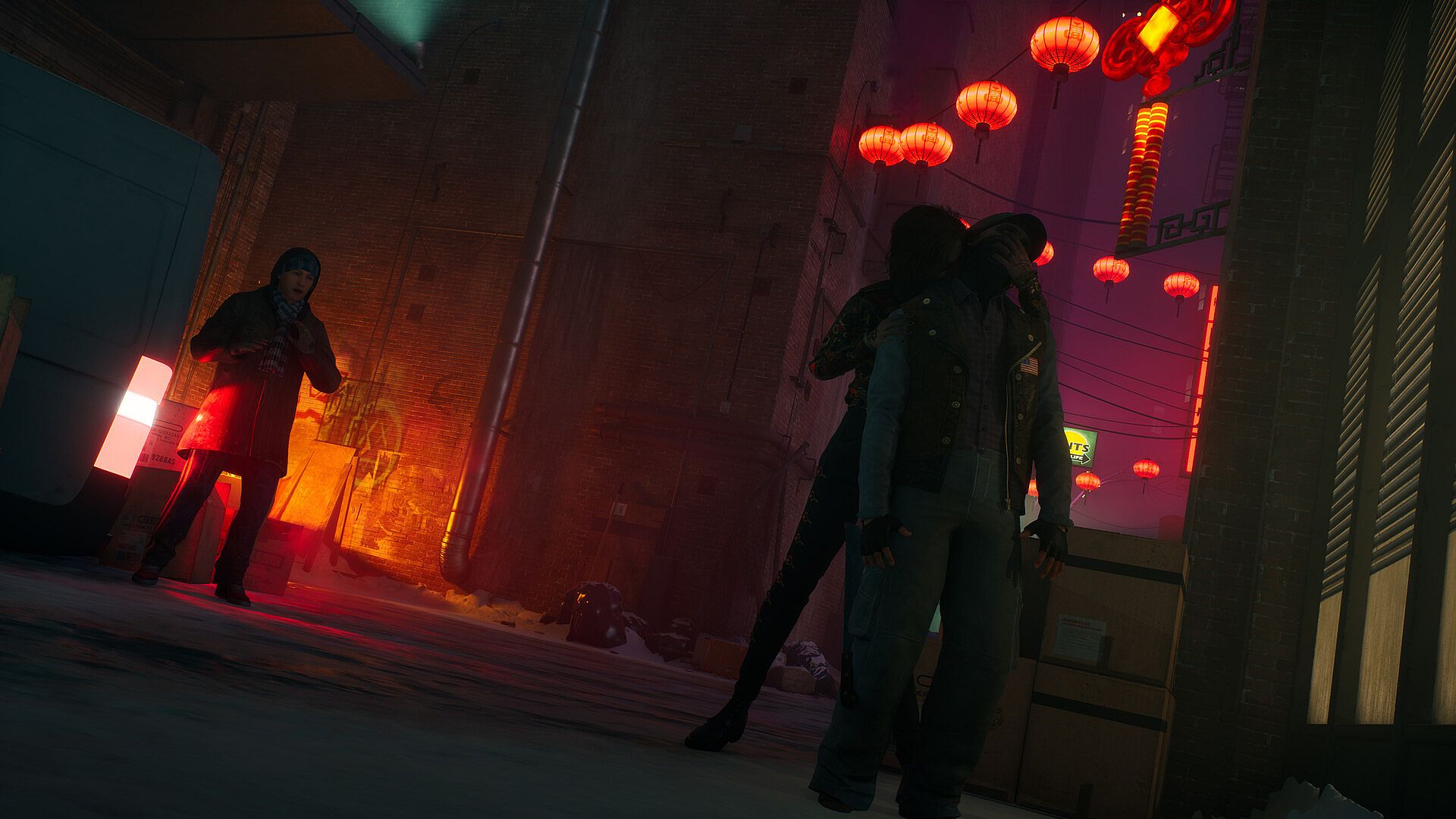
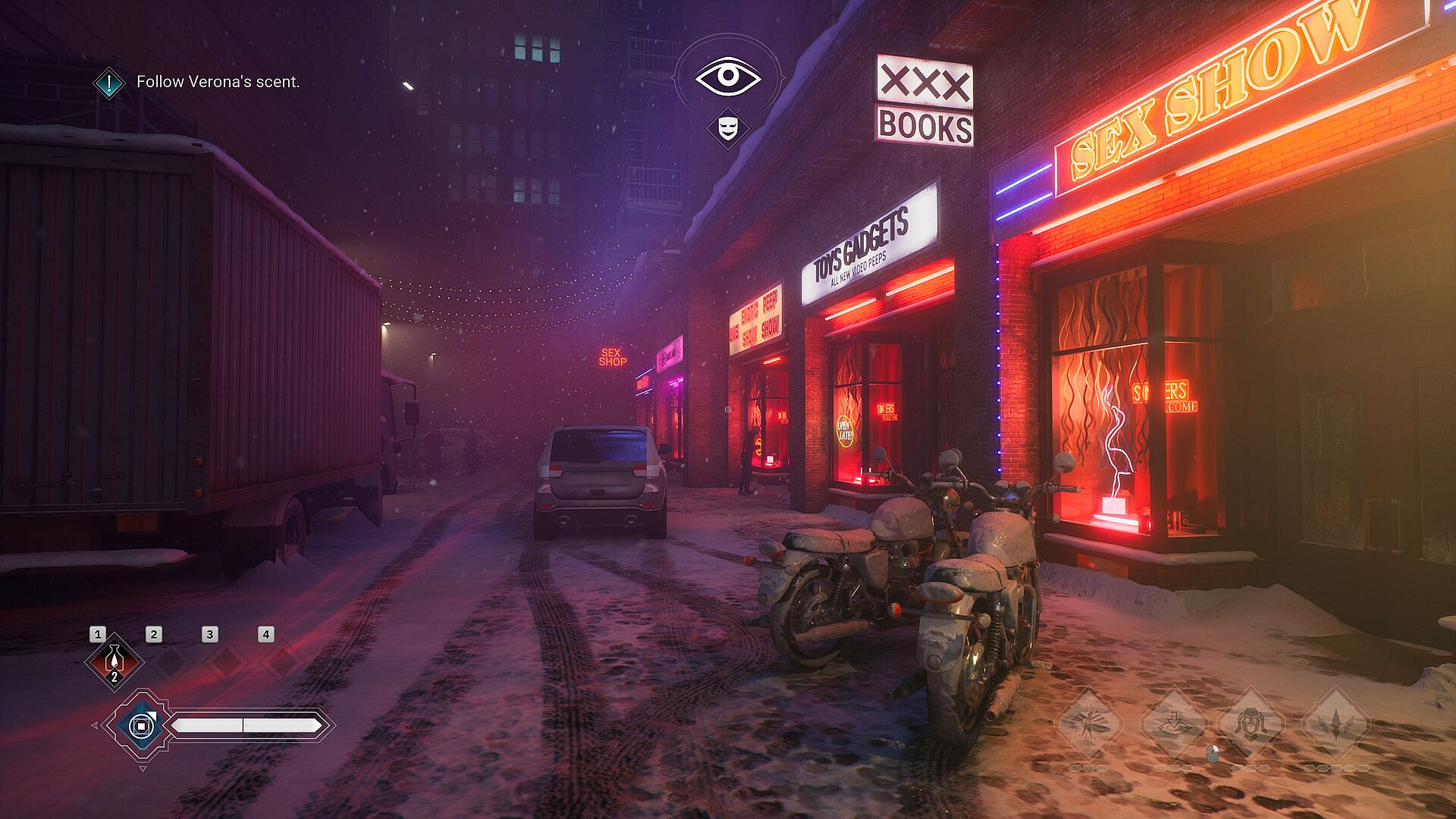
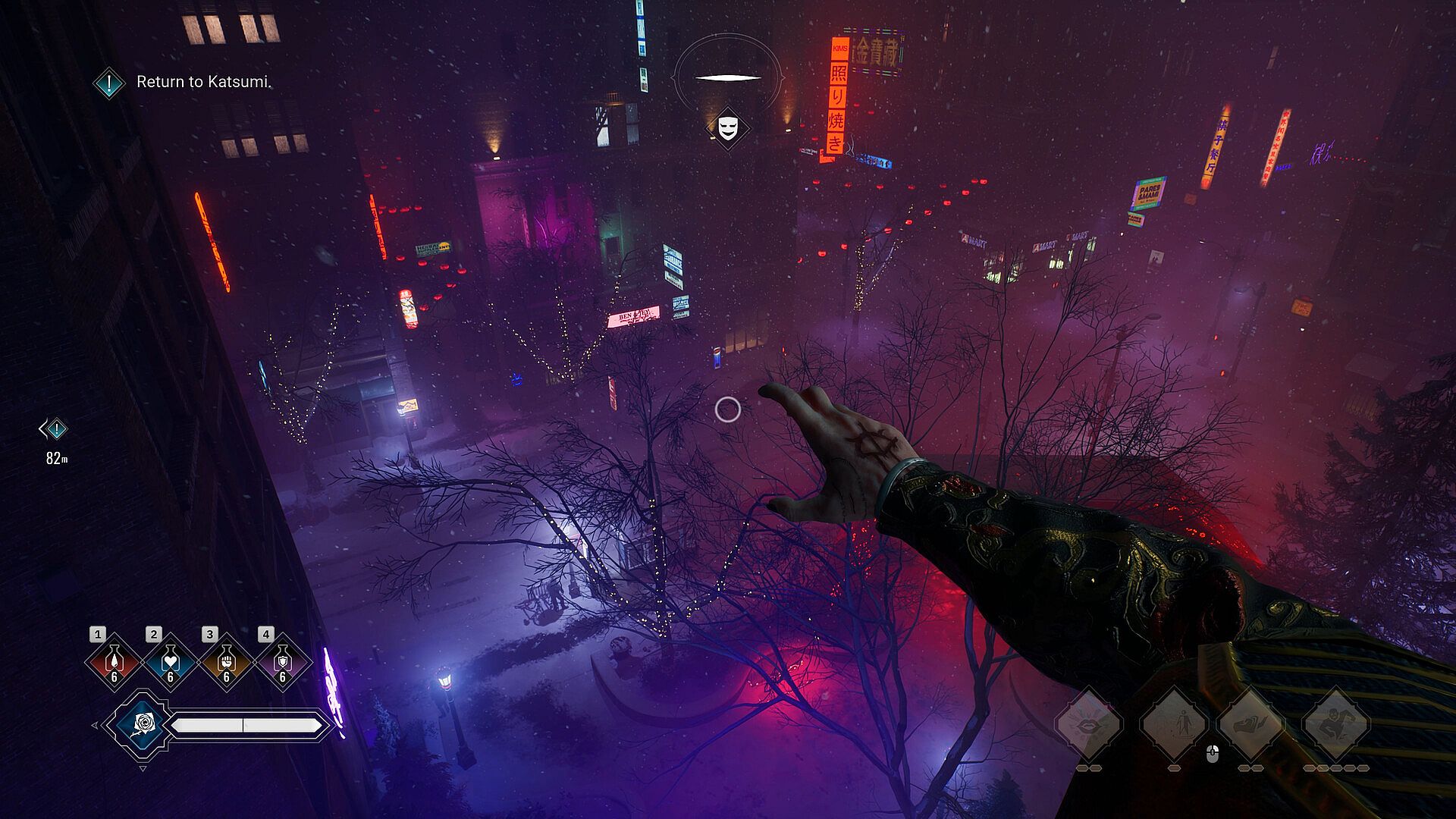
The core loop centers on managing blood resources to fuel Disciplines, the supernatural powers tied to each vampire clan. Feeding on mortals restores this resource and can be done through stealth or direct confrontation, though excessive visibility risks drawing attention from authorities or other threats. Exploration takes place across five districts in an open-world depiction of Seattle, where players move between vampire havens, pursue leads on a century-old cold case, and interact with a range of characters from the undead and mortal worlds.
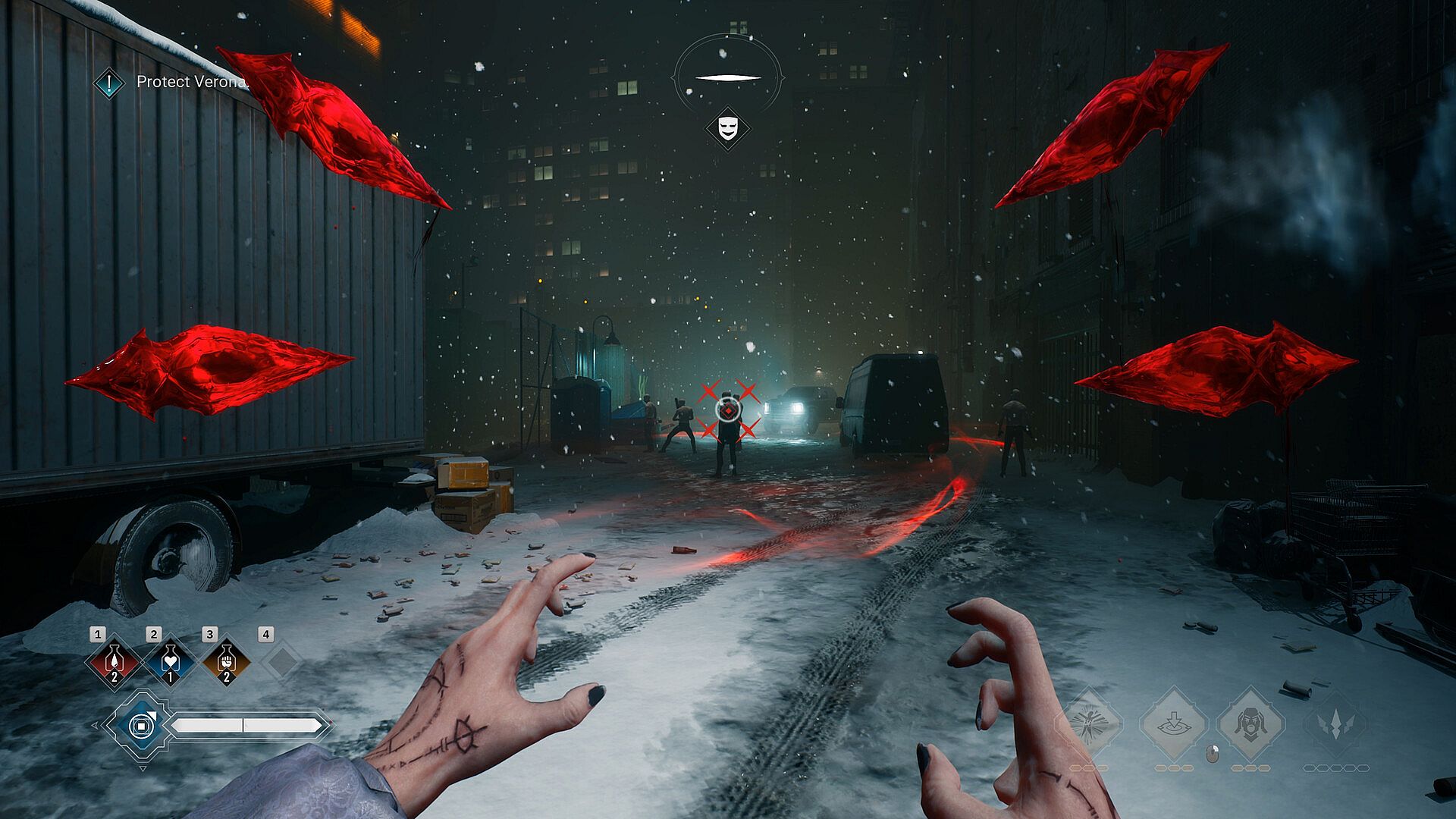
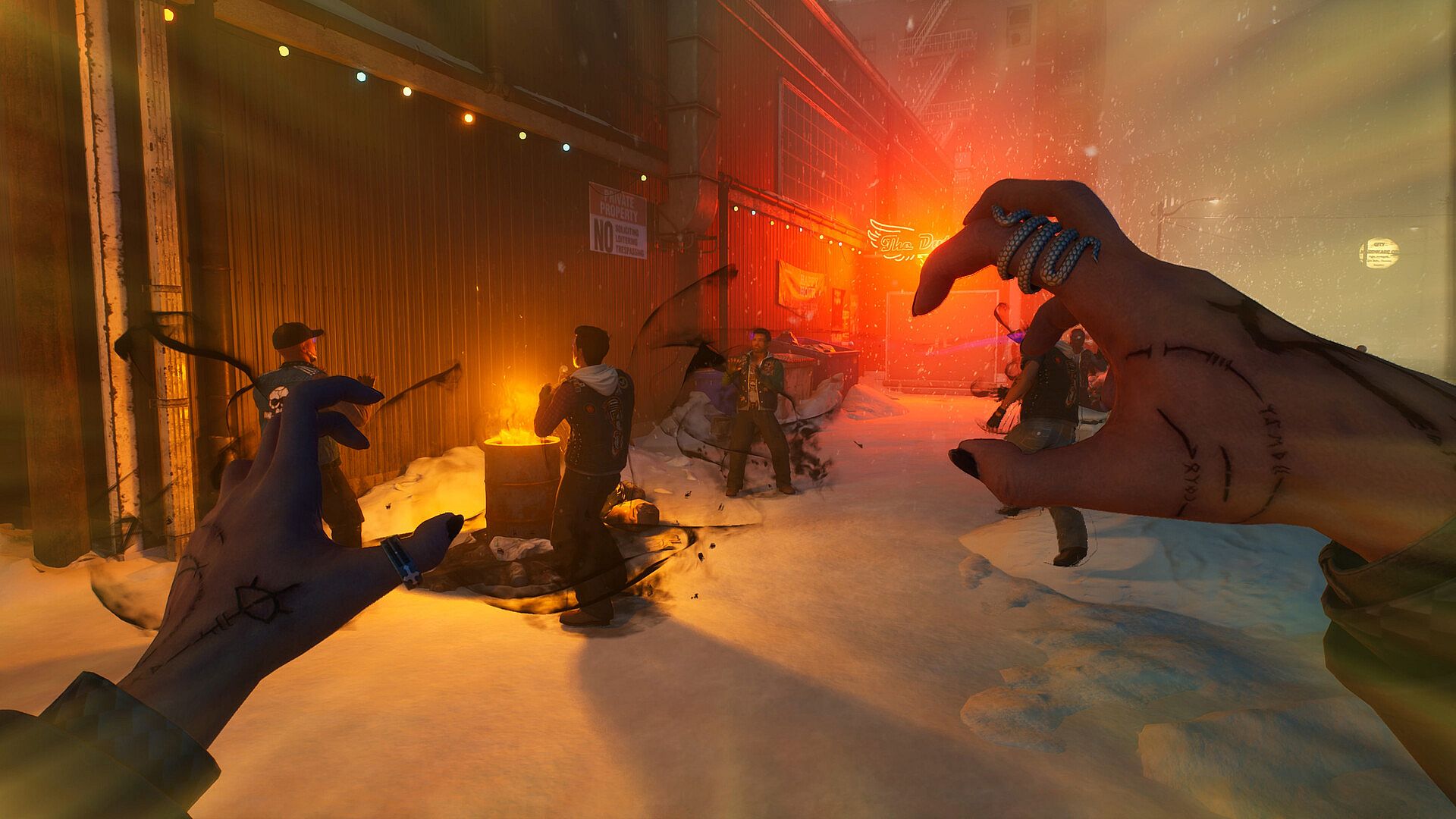
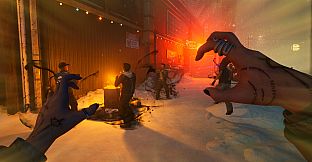
Combat emphasizes melee strikes supplemented by clan-specific powers, with options for close-range aggression, ranged blood manipulation, stealth approaches, mental influence, seduction tactics, or shadow-based attacks depending on the chosen clan. Basic attacks and dodges form the foundation, while equipped Disciplines add variety such as telekinesis for manipulating objects or enemies, possession effects, or area distractions. Progression involves unlocking and swapping abilities, though most core powers become available relatively early and further options come through interactions with clan representatives rather than extensive stat grinding or gear systems.
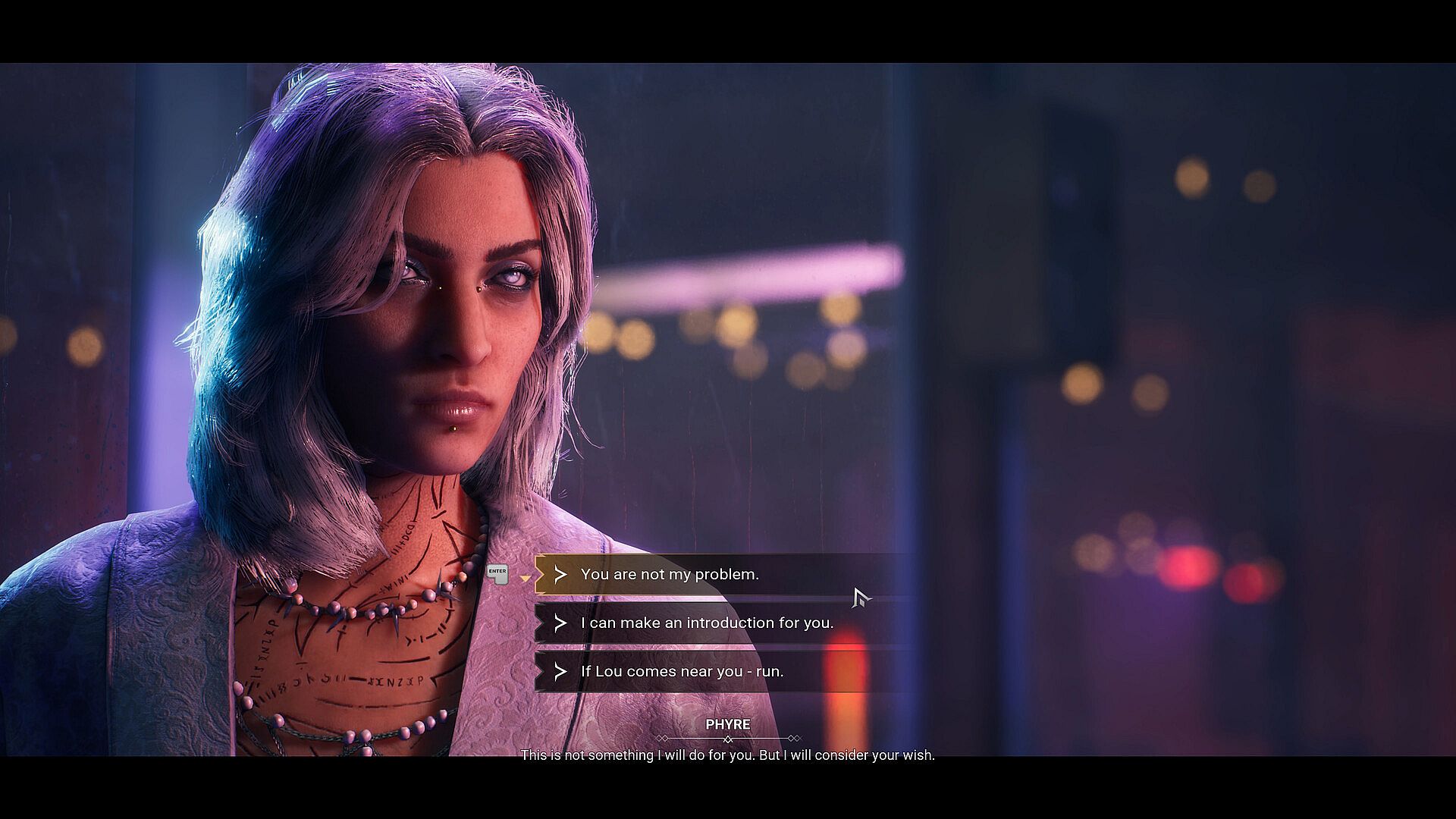
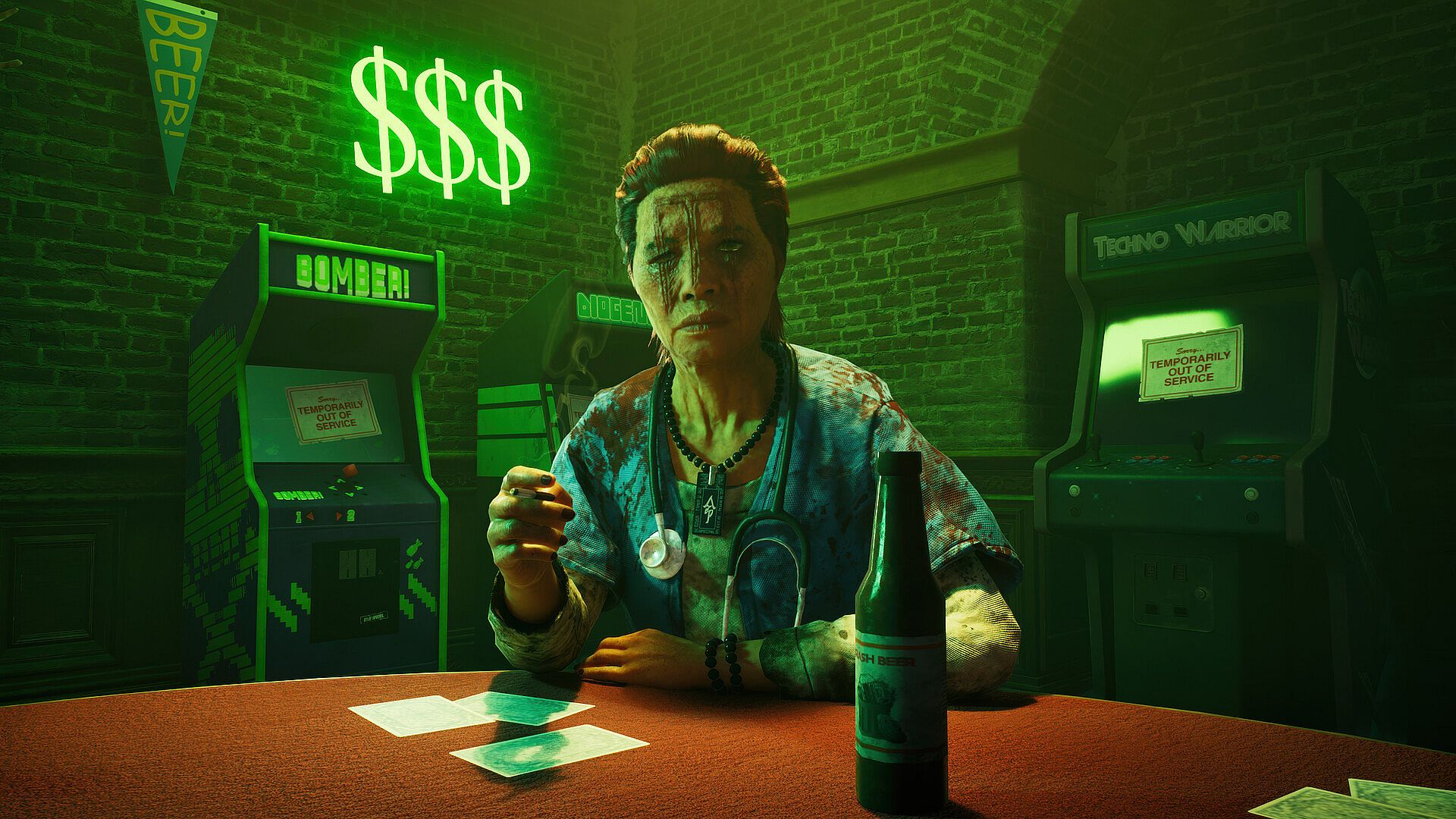
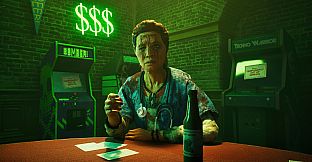
A dual narrative structure splits time between Phyre's present-day actions and sequences controlled by Fabien, a Malkavian detective whose perspective aids in piecing together historical clues. This setup supports investigation and dialogue-heavy moments alongside the action elements, with choices influencing relationships and access to optional tasks.
Game Modes
The game operates entirely as a single-player experience focused on a linear main campaign that incorporates optional side content. Players advance through the primary story while building alliances or rivalries with clan leaders and factions in Seattle's vampire Court. These optional tasks provide additional dialogue, relationship development, and access to extra abilities from other clans.
Narrative expansions released after launch add new story perspectives and missions, including content centered on specific characters like a Brujah sheriff and a Toreador primogen. These integrate into the overall single-player structure without introducing separate modes or multiplayer elements. Updates have refined aspects such as ranged combat options, allowing players to handle firearms more directly in certain encounters.
Story and Setting
Seattle serves as the central location, portrayed during a period of tension among vampire factions on the edge of open conflict. The narrative revisits events from a hundred years prior through Fabien's eyes while Phyre deals with the consequences in the present. Factions include elements of the Camarilla Court, Anarch groups, and influences from groups like the Sabbat in later content, all tied to the broader World of Darkness lore.
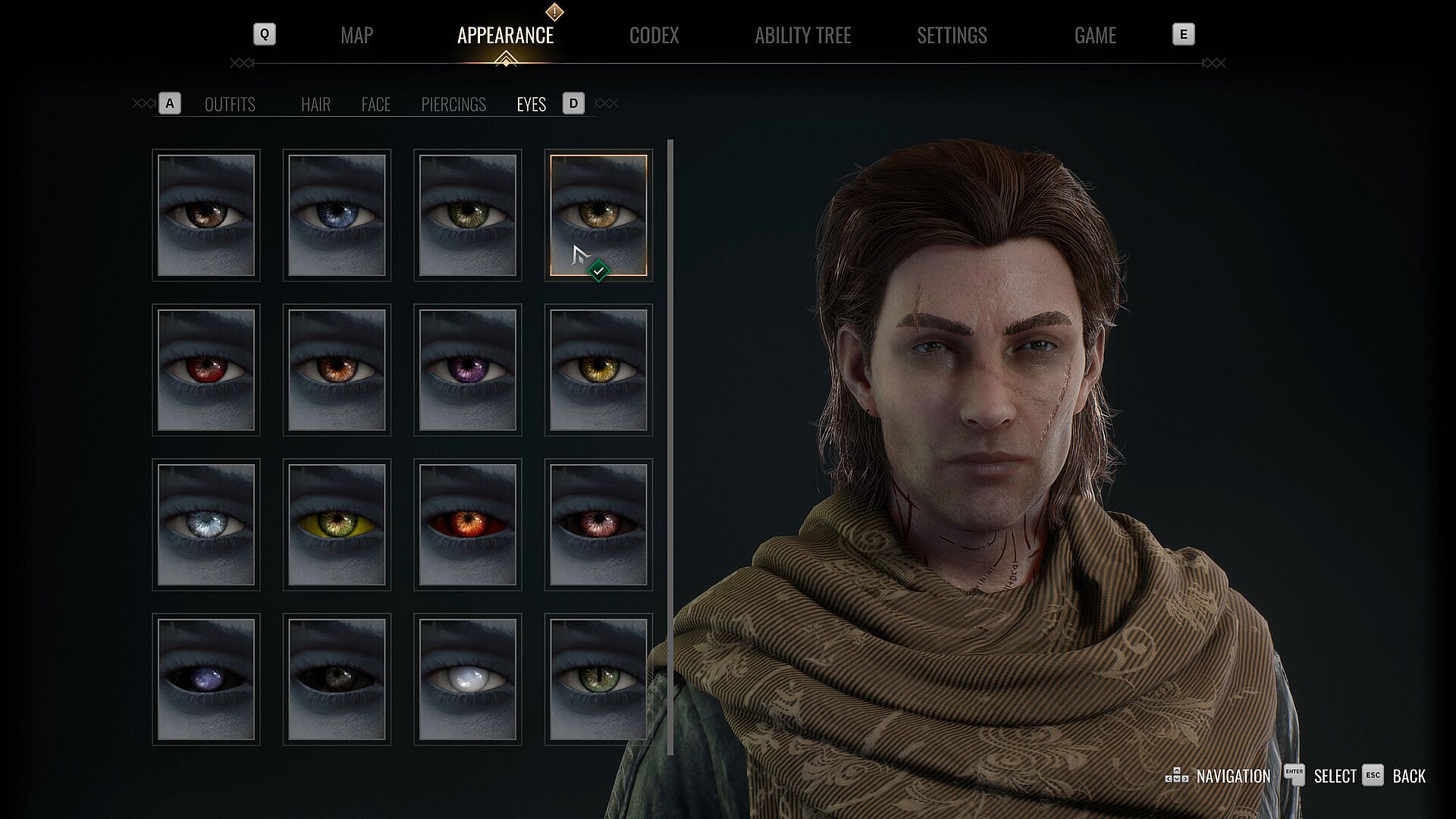
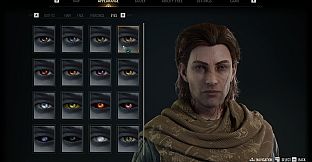
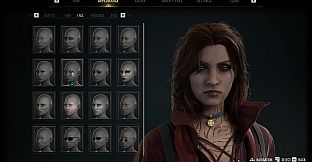
Clan selection at the start determines initial Disciplines and some dialogue variations, though many abilities can be acquired later regardless of the starting choice. The six available clans are Brujah for aggressive melee, Tremere for blood sorcery, Banu Haqim for stealth, Ventrue for mental manipulation, Toreador for seduction and social influence, and Lasombra for shadow manipulation. This setup encourages experimentation with different playstyles across multiple playthroughs focused on the story branches.
Is It Worth Playing?
Reception has been mixed, with consistent praise for the narrative delivery, character writing, atmospheric presentation of Seattle, and the integration of the dual protagonist approach. Critics and players have noted strengths in the storytelling and the way vampiric themes of hunger and secrecy shape the experience.
Criticisms center on the limited depth of RPG progression systems, repetitive combat encounters once abilities are unlocked, technical issues at launch that received patches, and a relatively contained scope with fewer branching consequences than some expect from the genre. Later updates addressed some combat feedback and added quality-of-life features.
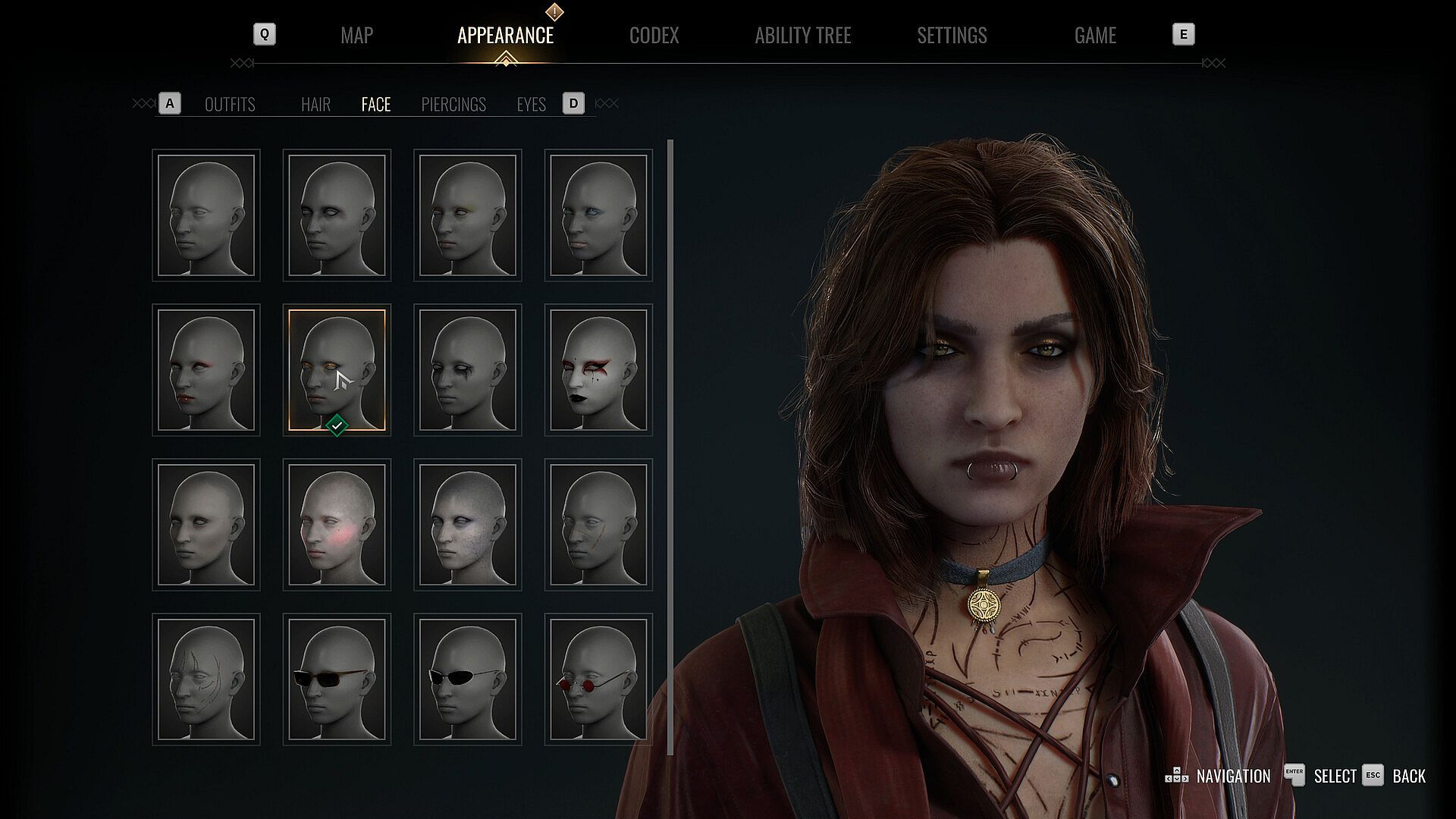
The game suits players who prioritize a story-driven single-player action RPG with supernatural powers and investigation elements over deep character customization or extensive replayability systems. Those drawn to the World of Darkness setting and the blend of neo-noir mystery with visceral vampire action may find value in the core campaign and available expansions, while those seeking robust multiplayer features or highly variable mechanical builds may find the experience narrower in scope.