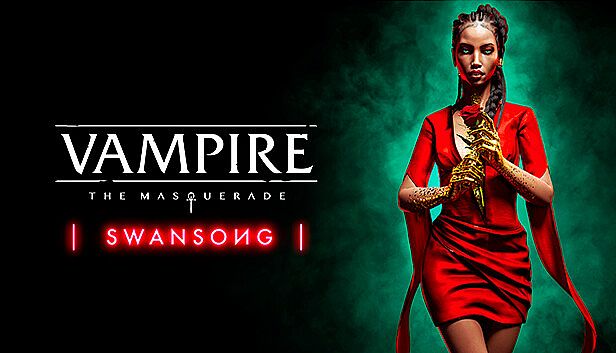


































Vampire: The Masquerade - Swansong is a single-player narrative RPG that places players in control of three vampires navigating political intrigue and personal dilemmas within the Boston Camarilla. The game emphasizes choice-driven storytelling where decisions shape outcomes for the characters and the broader sect, all while managing the risks of revealing their supernatural nature to the human world.
Gameplay
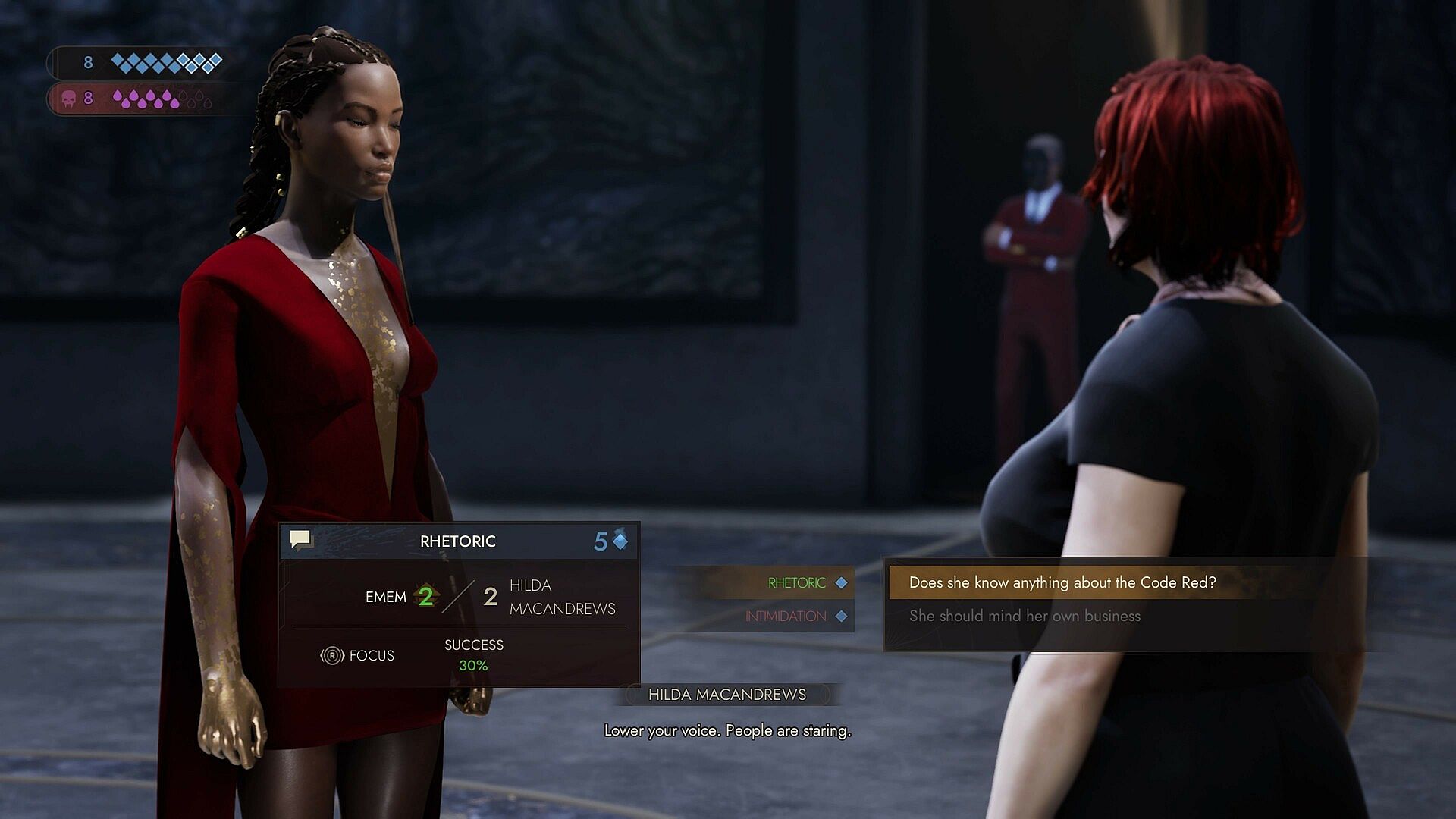
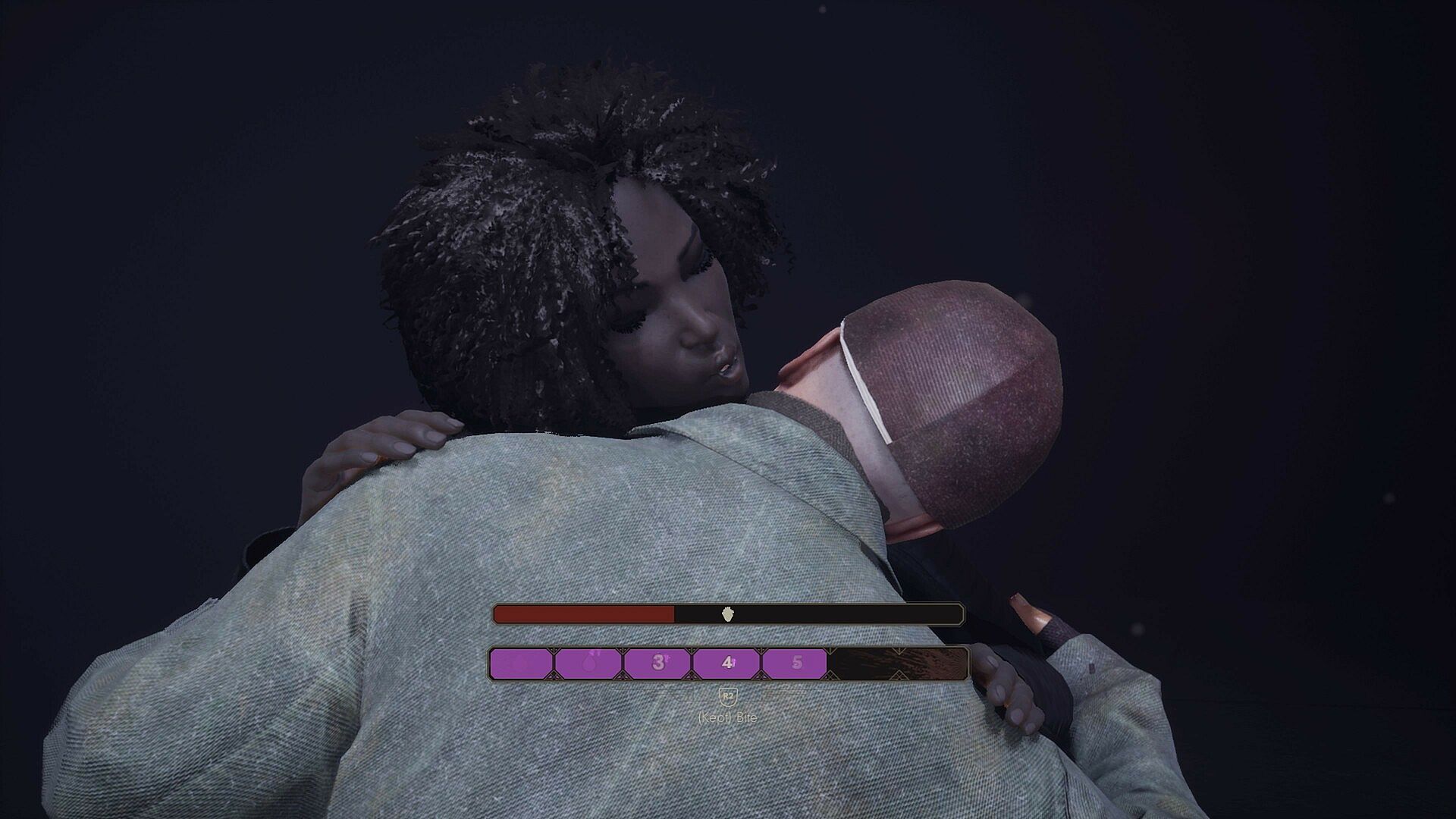
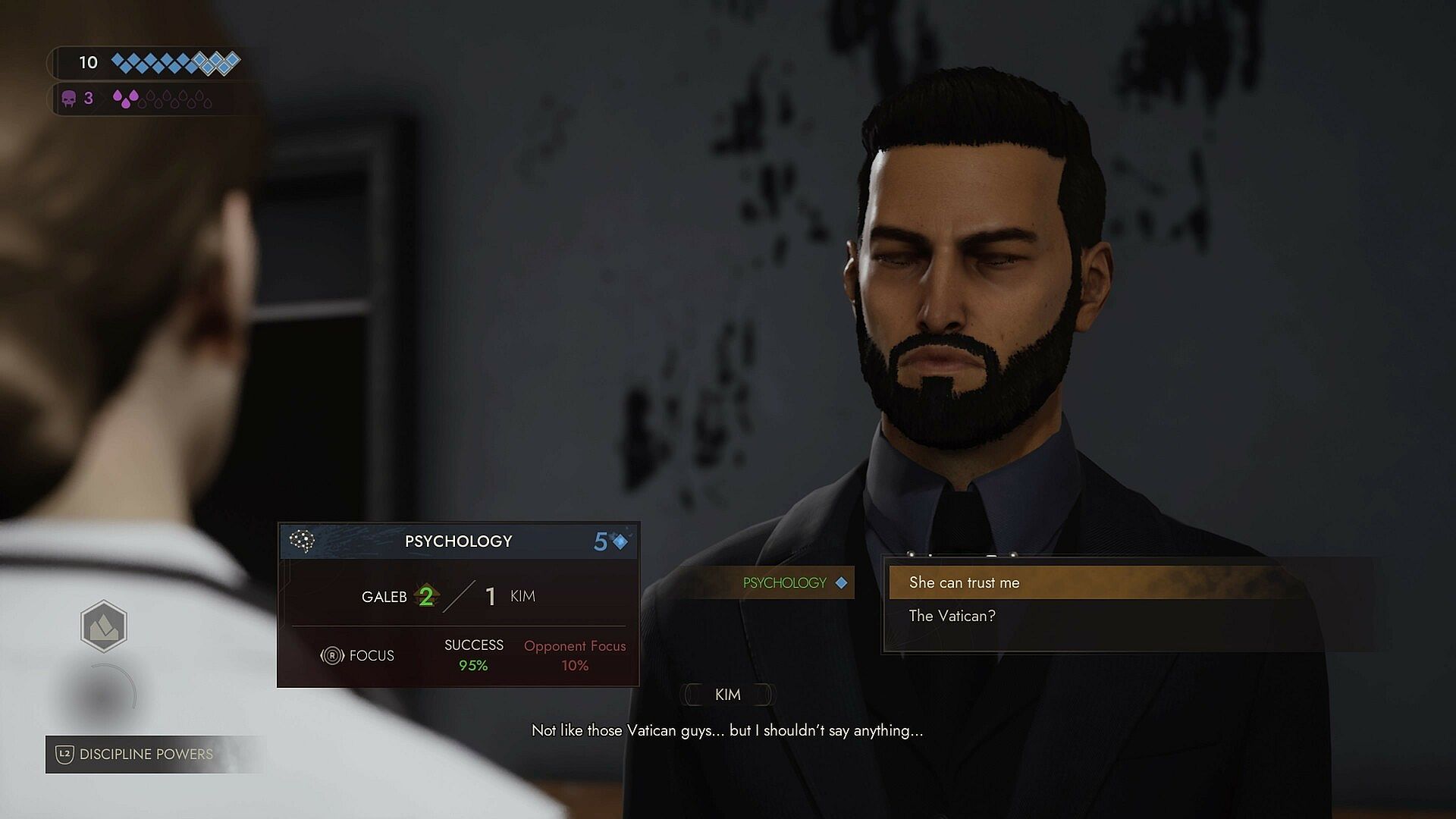
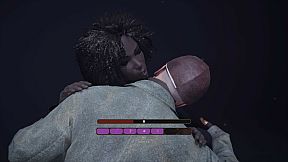
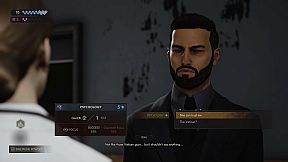
The core loop revolves around investigation and social interaction rather than direct combat. Players switch between three vampires, each over a hundred years old, as they pursue intertwined story threads. Every character maintains a Hunger meter that rises with time and actions, requiring careful management to prevent impulsive behavior that could expose the Masquerade. A separate Willpower resource governs dialogue options and resistance to stress during confrontations.
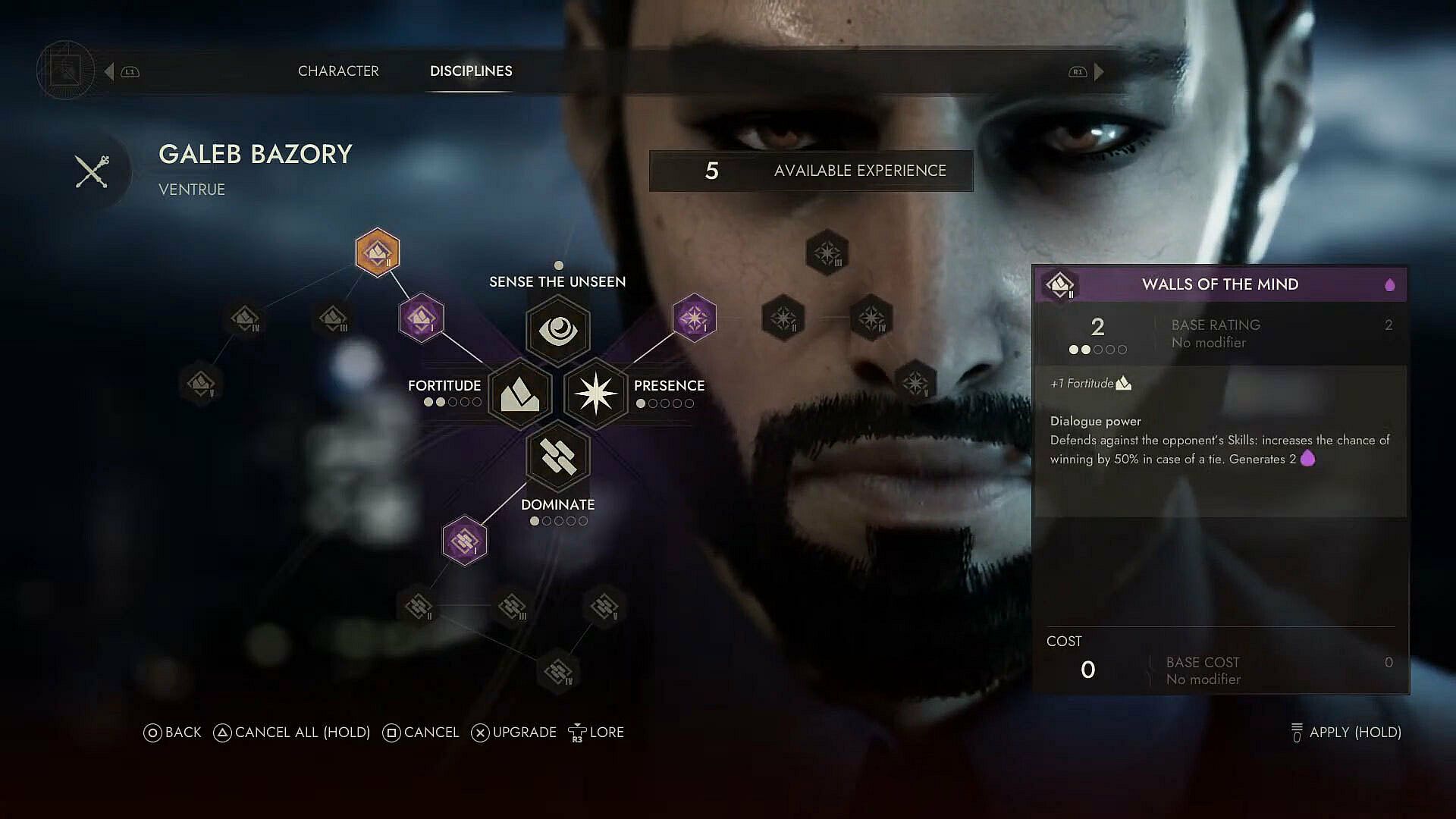
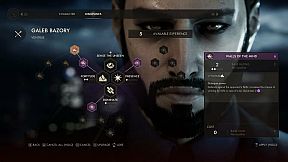
Character progression occurs through individual upgrades to statistics such as Persuasion, Deduction, and Technology, alongside clan-specific disciplines. These abilities open new dialogue branches, allow examination of objects, or enable subtle supernatural effects like sensing memories or moving with enhanced speed. Upgrades are chosen scene by scene, encouraging players to tailor each vampire's approach toward intimidation, subtlety, or influence. Exploration involves examining environments and interacting with NPCs, where success often depends on matching the right skill or discipline to the situation.
Consequences emerge naturally from these systems. A failed check or unchecked Hunger can alter relationships, close off paths, or shift the investigation's direction, forcing adaptation in later scenes. The design rewards forward planning across the three perspectives without punishing players for incomplete skill builds.
Game Modes
The experience is strictly single-player with no additional modes or multiplayer components. Progression follows a chapter structure where players select the order of scenes assigned to each vampire, allowing some flexibility in how the narrative unfolds. Each scene presents a self-contained challenge focused on gathering information or resolving conflicts through conversation and skill application.
Branching paths arise from prior choices, creating variations in available options and character fates without requiring multiple full playthroughs to experience major differences. The structure keeps the focus on narrative delivery and consequence tracking rather than replayability systems like difficulty settings or alternative campaigns.
Story and Setting
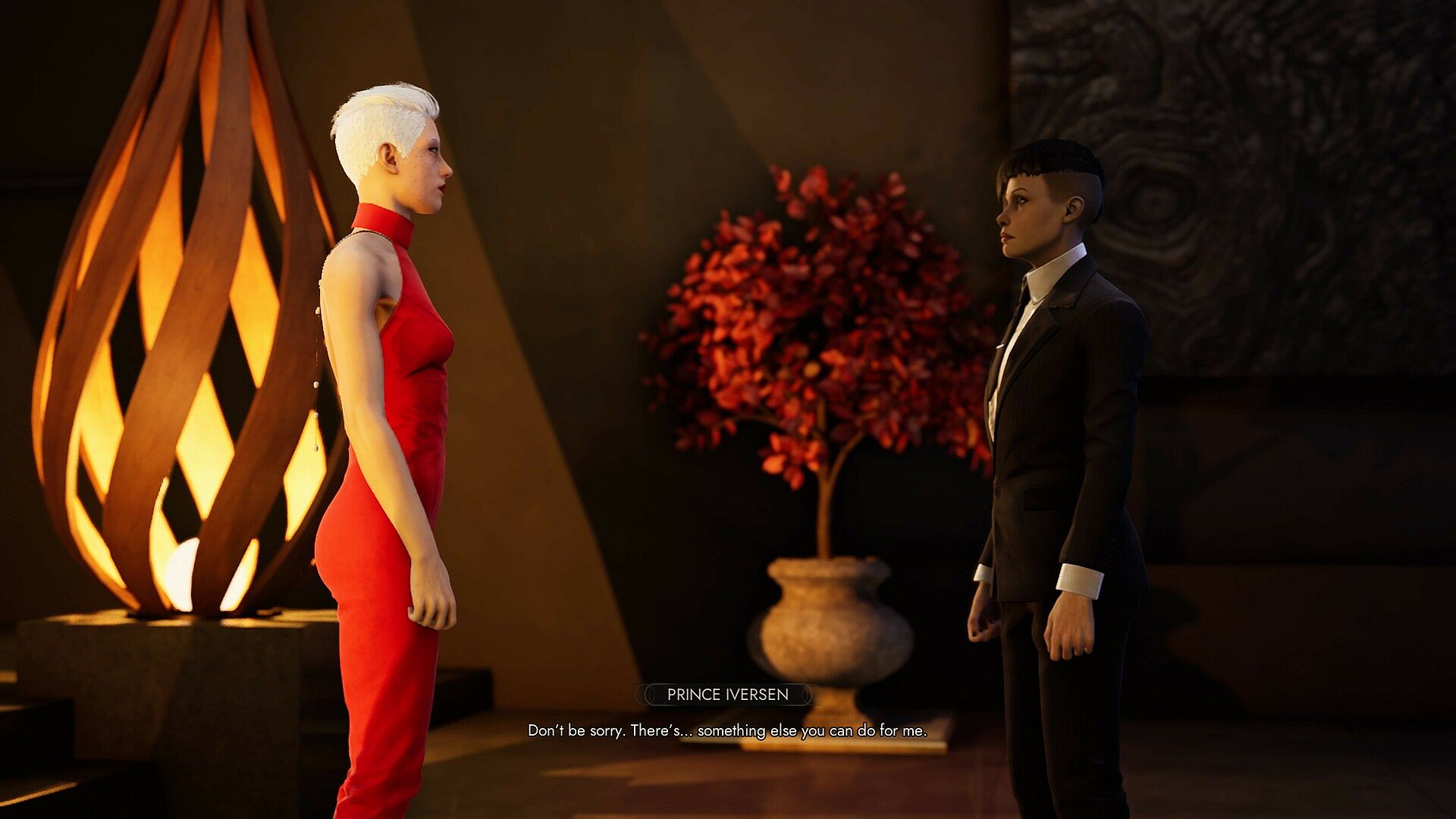
Set in the World of Darkness, the game follows the new Prince of the Boston Camarilla as she attempts to maintain order amid rumors of betrayal and violence. Players inhabit three distinct vampires whose personal histories and viewpoints intersect during the crisis. The narrative explores themes of power, loyalty, and the constant tension between human restraint and vampiric instinct.
Dialogue and investigation form the backbone of progression, with players piecing together motives and evidence across multiple viewpoints. The Boston setting incorporates elements from the tabletop source material, updated to a contemporary context while preserving the sect's rigid social hierarchy and the overarching need to conceal supernatural existence.
Is It Worth Playing?
This title suits players who enjoy choice-heavy narrative adventures where dialogue and resource management drive the experience. Those drawn to the Vampire: The Masquerade universe will find faithful mechanics such as the Hunger system and discipline upgrades that directly influence story branches. The game delivers meaningful agency through its three-character structure and consequence tracking.
Reception has been mixed, with praise for the depth of player decisions and atmospheric storytelling offset by criticism of technical polish and occasional pacing issues. It remains a complete, self-contained release without ongoing seasonal content or major post-launch updates. Availability on PC makes it accessible for those seeking a focused single-player RPG centered on investigation and moral ambiguity rather than action or open-world freedom. If the emphasis on conversational dominance and branching outcomes aligns with your preferences, the game offers a distinctive entry into the setting.