









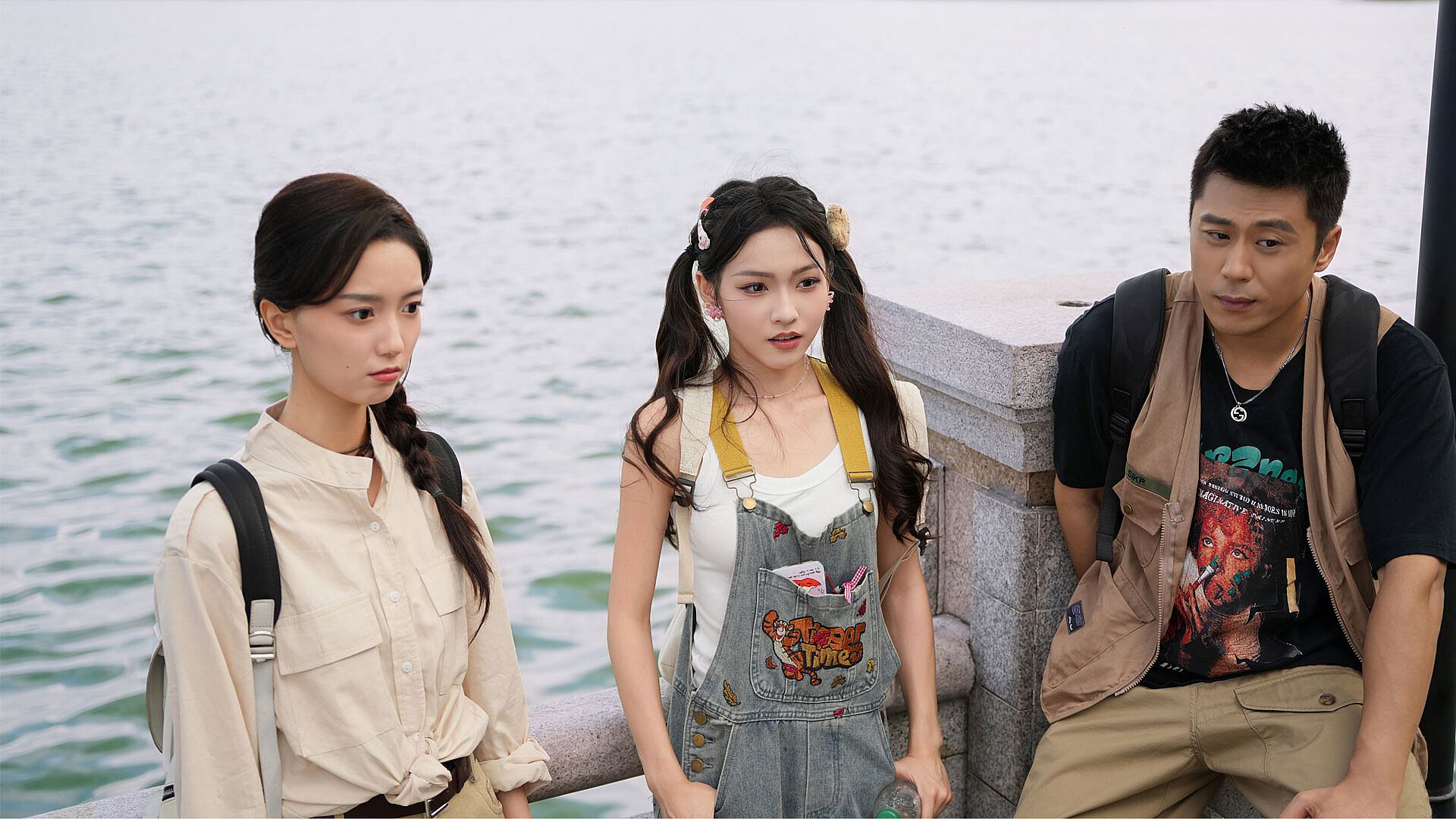













Love in Summer é um RPG casual indie para PC que mistura escolhas narrativas com sequências em full-motion video protagonizadas por atores reais. Situado entre os eventos do prequel e do jogo principal da série, o título acompanha o protagonista em uma viagem a Guangzhou ao lado de companheiros próximos, onde antigas conexões voltam à tona em meio a acontecimentos inesperados e dilemas pessoais. O foco está nas relações, nas decisões e em suas consequências a longo prazo, com ênfase na imersão por meio de interações com os cenários e escolhas de diálogo.
Jogabilidade
A mecânica central consiste em avançar por uma história linear com ramificações, sempre em perspectiva em primeira pessoa. O jogador explora ambientes, examina objetos e locais para encontrar pistas sutis que influenciam eventos futuros e as reações dos personagens. Em momentos chave surgem opções de diálogo que permitem definir o rumo das conversas e o desenvolvimento dos relacionamentos com as personagens femininas centrais. Essas escolhas afetam estados emocionais, abrem ou fecham caminhos e levam a diferentes finais. O sistema incentiva múltiplas partidas para descobrir desfechos alternativos e camadas narrativas ocultas que se conectam ao universo maior da série.
As interações com os personagens são o principal motor de progressão. Cada companheiro e interesse romântico reage de forma dinâmica conforme as escolhas anteriores, criando uma rede de causa e efeito que parece pessoal e natural. A exploração baseada em cenas adiciona camadas além das árvores de diálogo tradicionais, pois detalhes do ambiente que passam despercebidos podem revelar elementos de backstory ou antecipar desenvolvimentos futuros. O aspecto de simulação aparece nas situações cotidianas, como contratempos durante a viagem, encontros na cidade e momentos de reflexão que ancoram a experiência no dia a dia.
Modos de jogo
Love in Summer é uma experiência narrativa single-player construída em torno de múltiplas ramificações e finais. Não há modos competitivos ou cooperativos; a estrutura gira em torno de uma campanha principal que pode ser abordada com diferentes prioridades, como focar em um relacionamento ou equilibrar várias conexões ao mesmo tempo. Um sistema de conquistas registra o progresso em diversos caminhos, recompensando a exploração de conteúdo secundário e resoluções alternativas. Histórias ocultas e cenas bônus são desbloqueadas por meio de combinações específicas de escolhas ou descobertas no ambiente, ampliando a narrativa principal sem exigir modos separados.
O design favorece um estilo de jogo casual, permitindo sessões focadas no avanço da história principal ou em testes deliberados de diferentes decisões para observar seus efeitos. A ausência de elementos multiplayer mantém a atenção voltada para o investimento pessoal nos personagens e em suas trajetórias.
Story and Characters
A narrativa coloca o jogador em um momento decisivo após os eventos anteriores da série, partindo em uma jornada com uma amiga de longa data e uma colega mais nova cheia de energia. Na nova cidade, uma conexão antiga se reacende, enquanto outros viajantes trazem dinâmicas novas que envolvem temas como crescimento, separação e sentimentos não resolvidos. Cada personagem possui traços de personalidade marcantes que influenciam o peso das escolhas: um representa uma presença vibrante com sensibilidade por trás, outro simboliza um capítulo inacabado da juventude, e figuras secundárias oferecem contraste por meio de suas próprias transformações.
As decisões determinam não apenas os desfechos românticos, mas também o equilíbrio entre emoções passageiras e laços duradouros. A história explora possibilidades paralelas dentro de sua linha temporal, oferecendo respostas a questões pendentes de títulos anteriores e preparando o terreno para desenvolvimentos futuros. Essa conexão com a série proporciona contexto mais profundo sobre o histórico dos personagens para quem já acompanha a franquia, sem deixar novatos de fora graças a uma entrada acessível.
Vale a pena jogar?
Love in Summer é indicado para quem aprecia histórias interativas baseadas em escolhas, com atuações de atores reais e foco em simulação de relacionamentos. Seu ponto forte está na estrutura ramificada detalhada e nas pistas ambientais que recompensam a atenção do jogador, tornando cada partida única. Quem busca elementos casuais de RPG centrados em diálogo e consequências, sem combate ou gerenciamento de recursos, encontrará uma boa combinação. O jogo ainda está em fase pré-lançamento e não há atualizações confirmadas para o futuro, portanto o interesse depende da apreciação pelo estilo da série e da disposição para explorar múltiplos finais em várias sessões. Para fãs de simulações narrativas que priorizam decisões emocionais e profundidade de personagens, representa uma experiência direcionada que vale considerar quando estiver disponível.