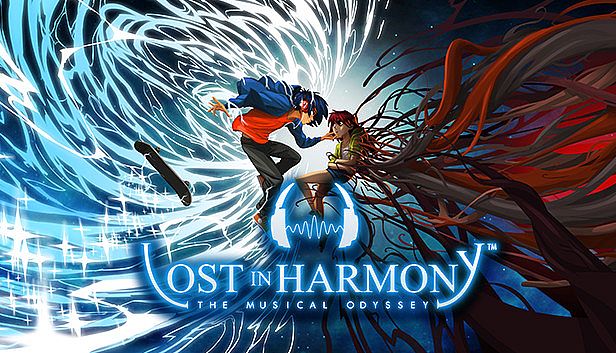











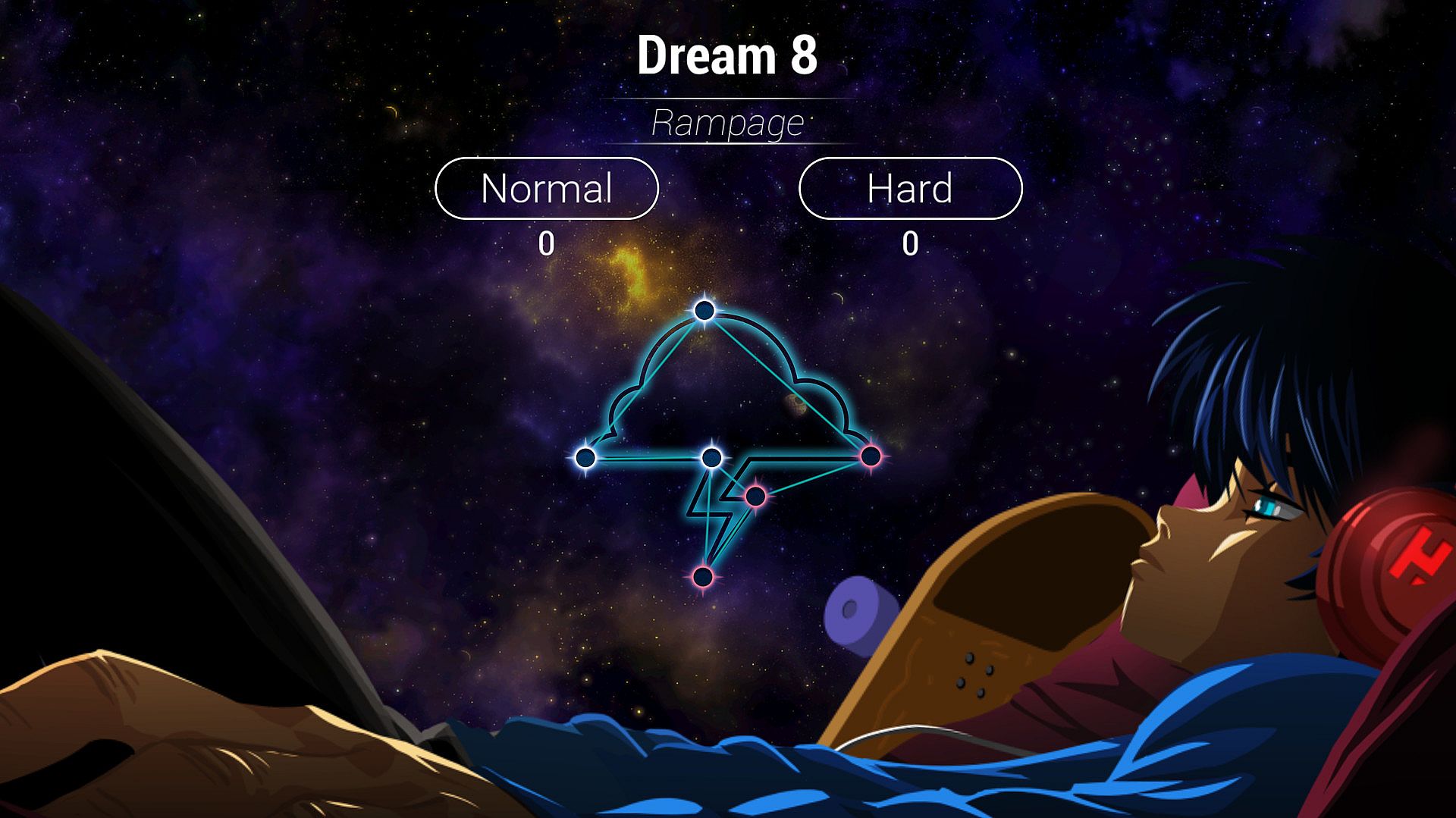
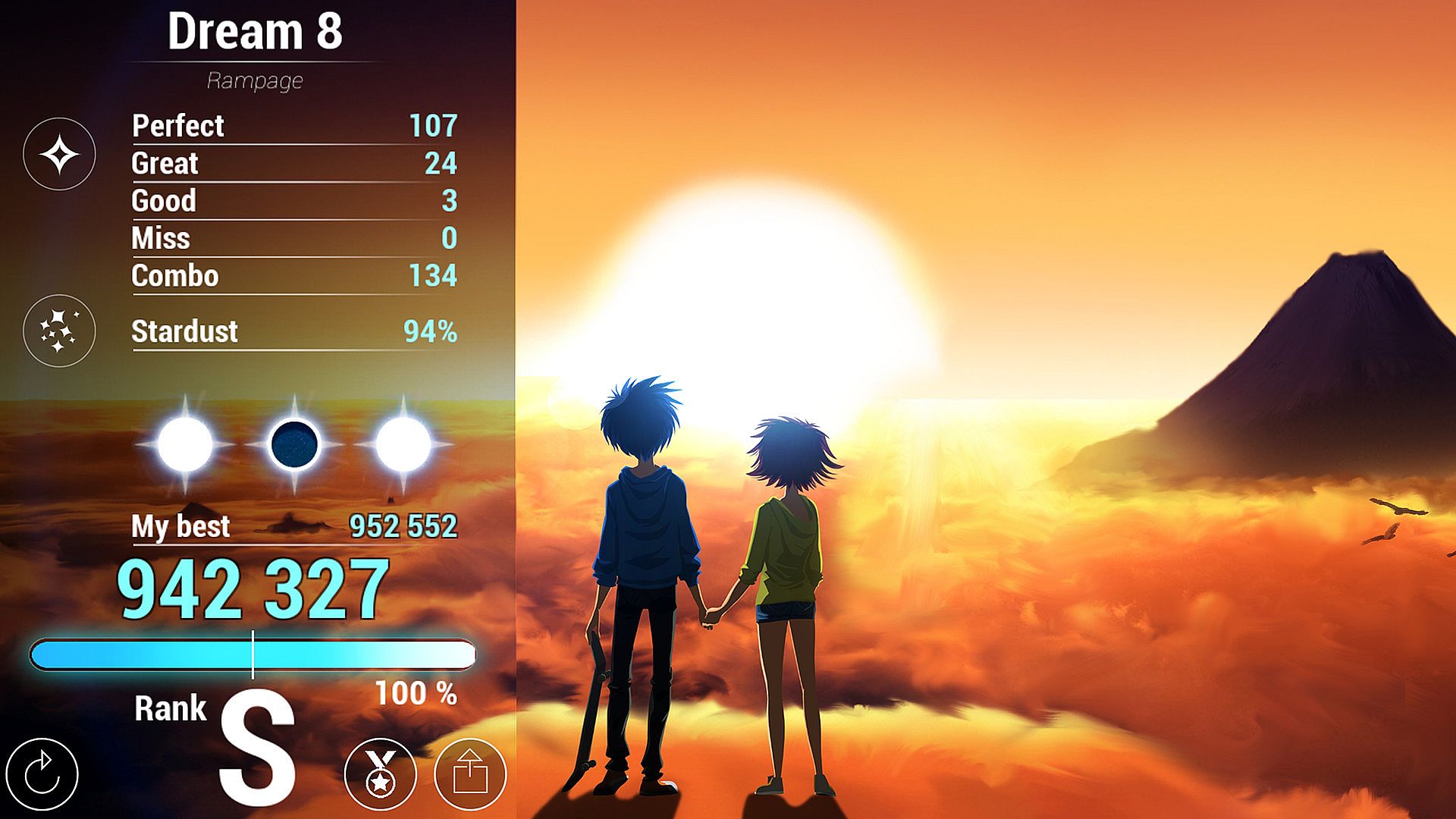
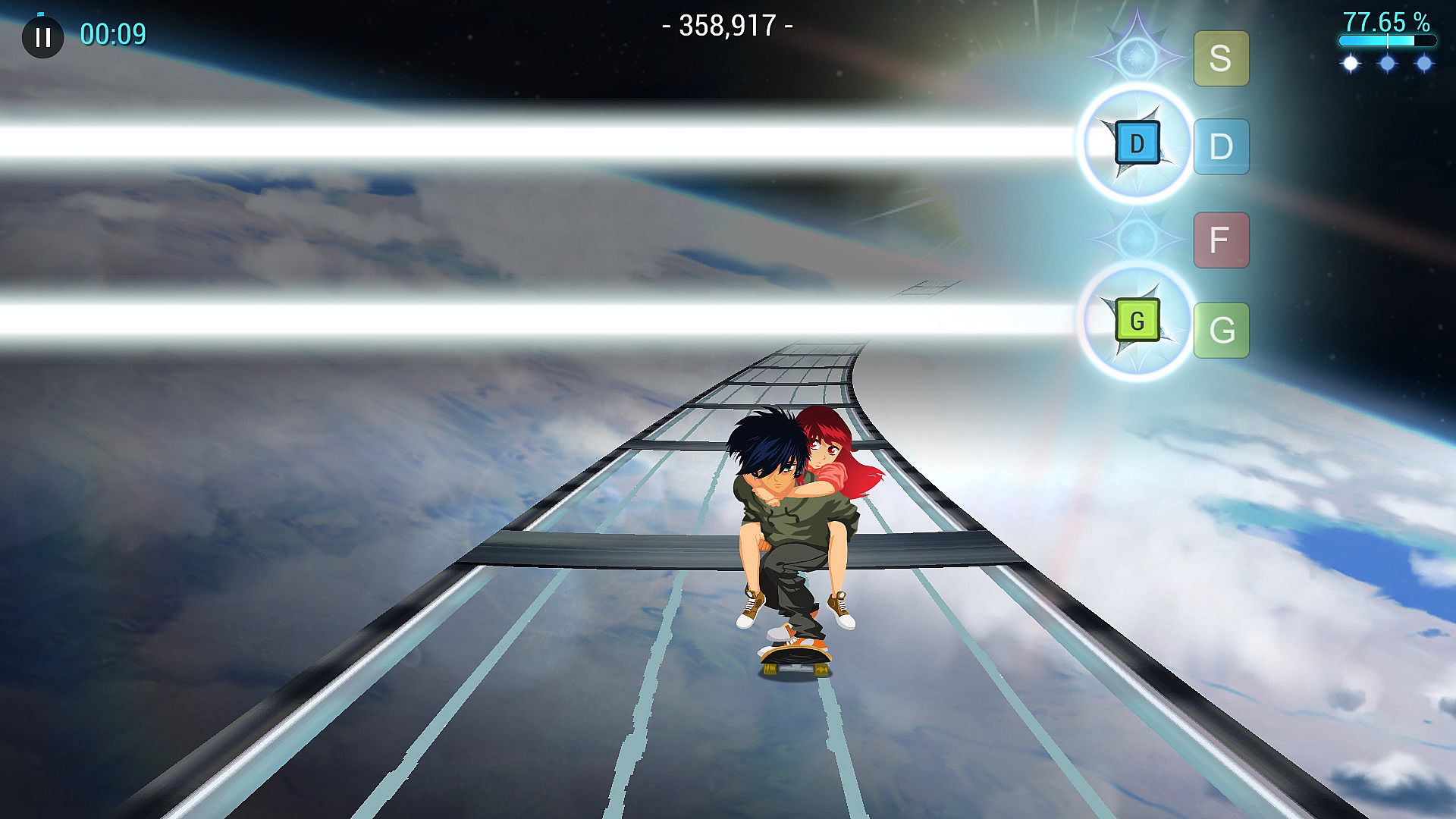
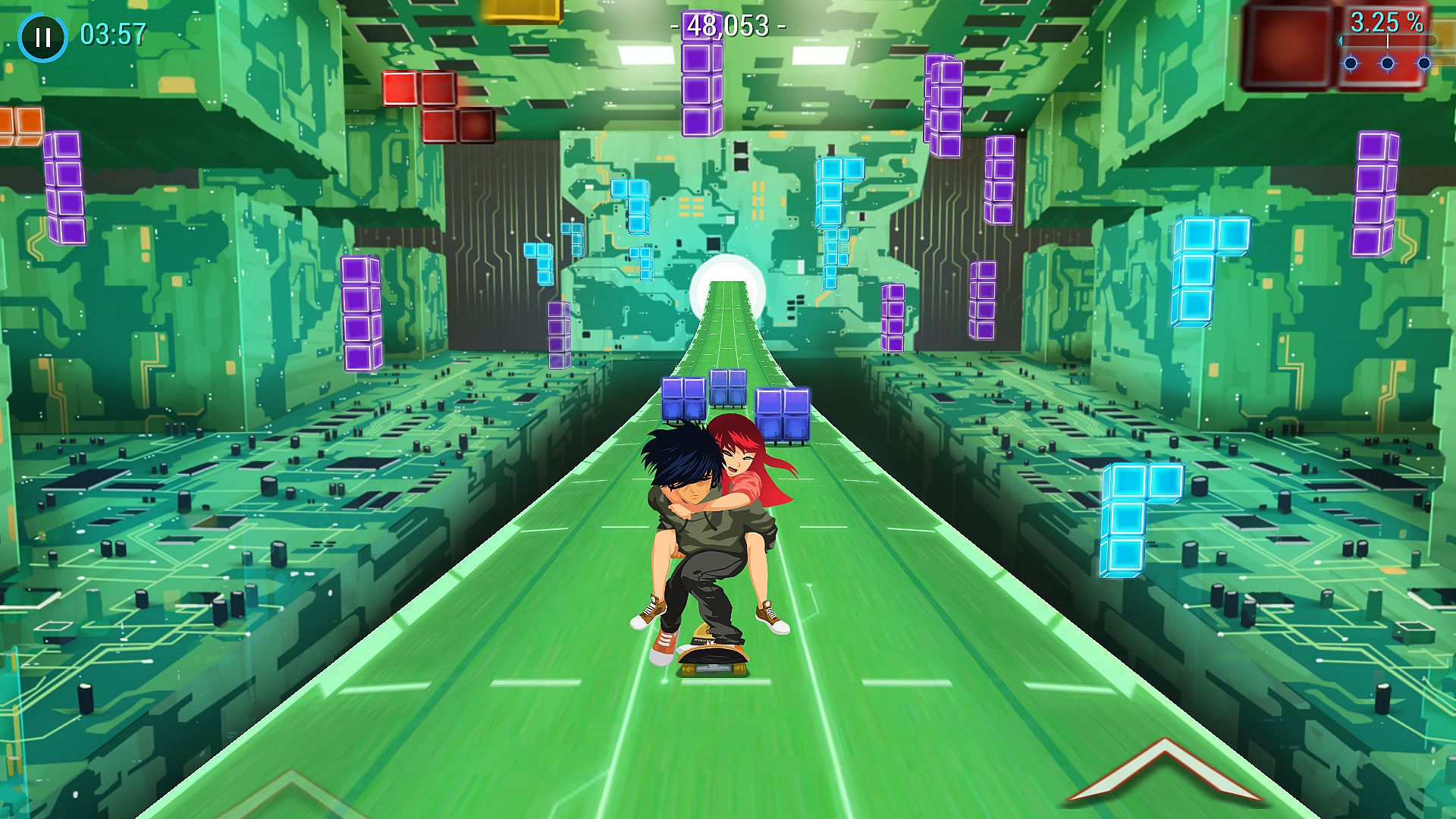
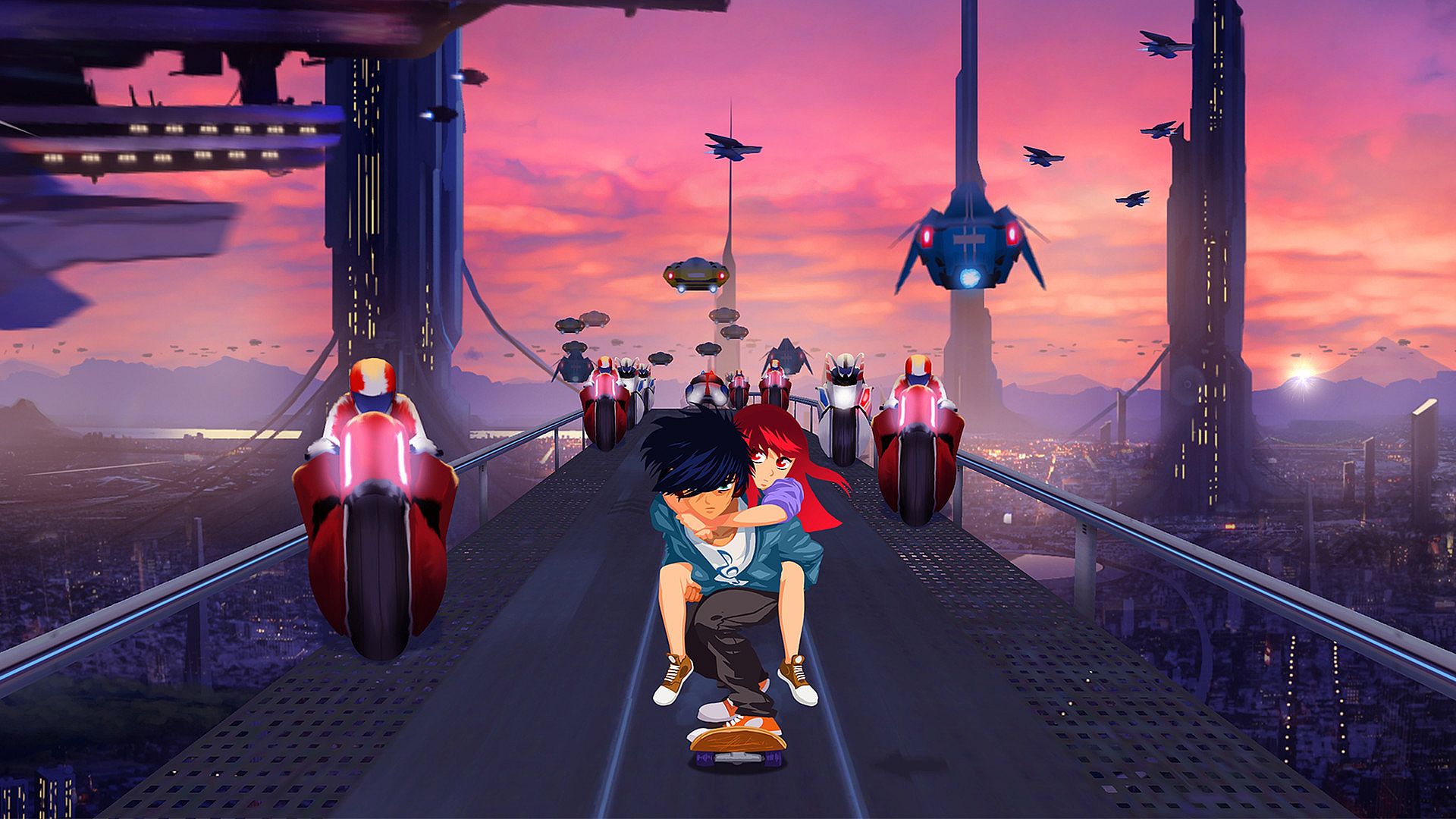
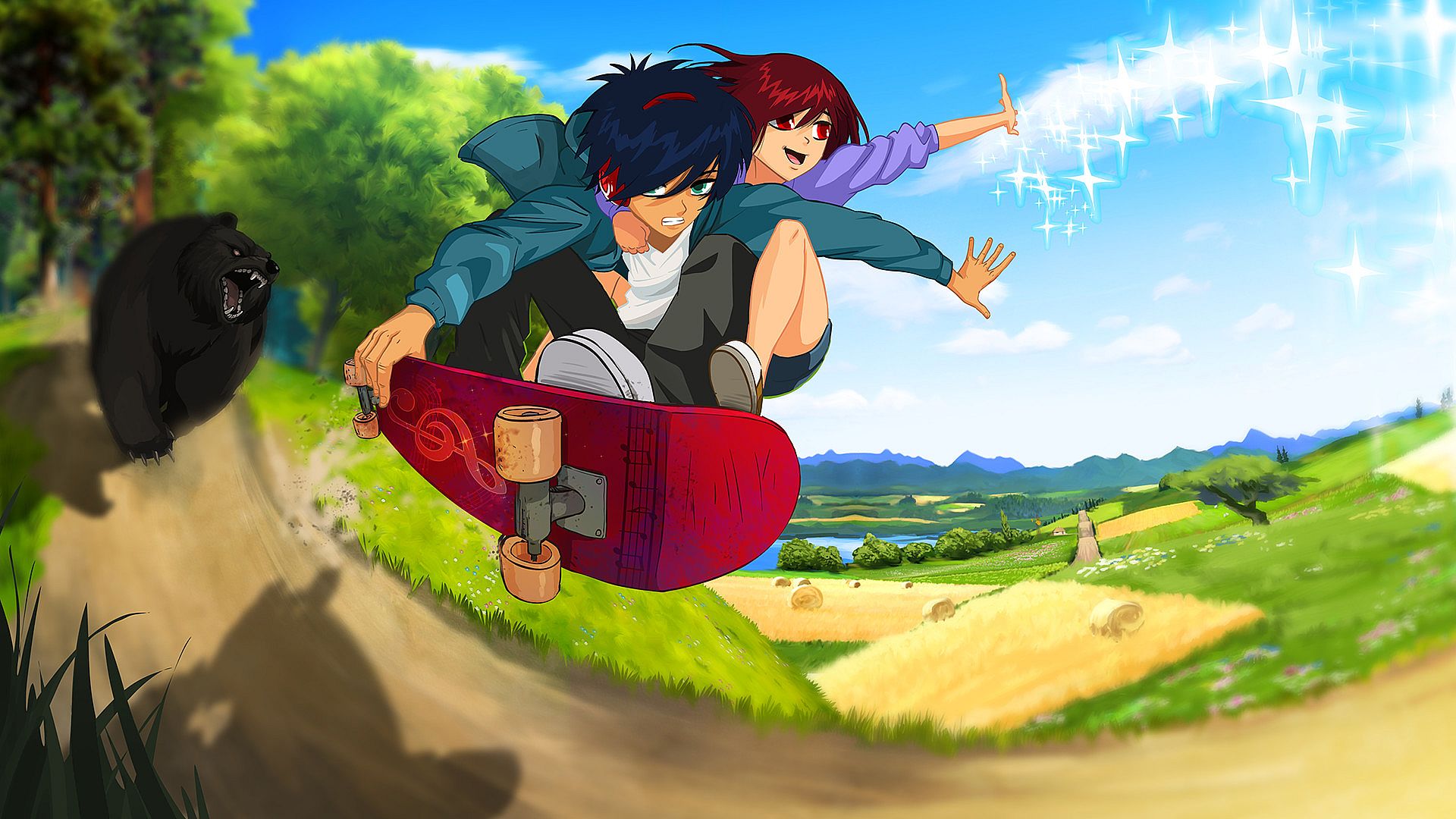
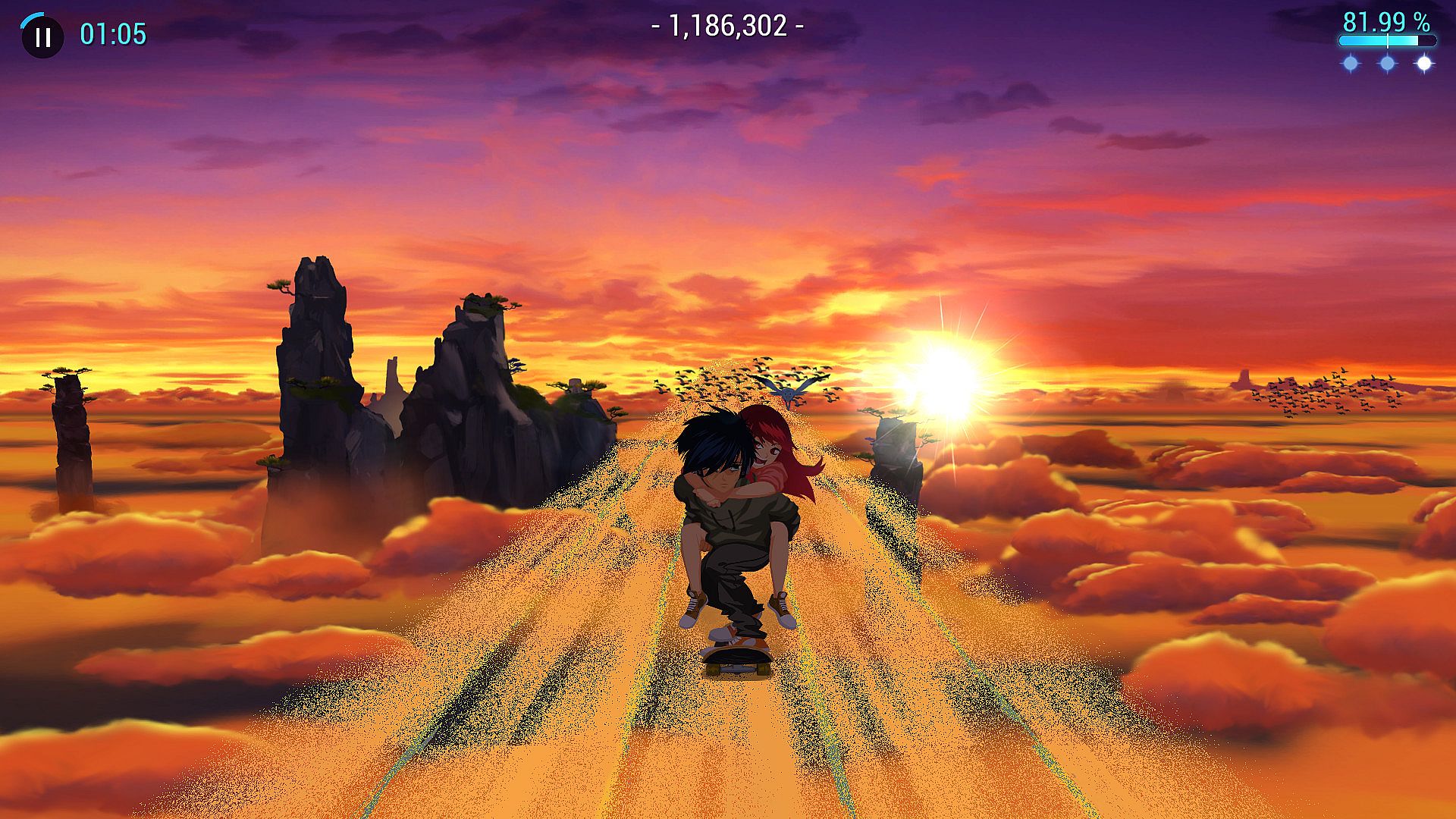
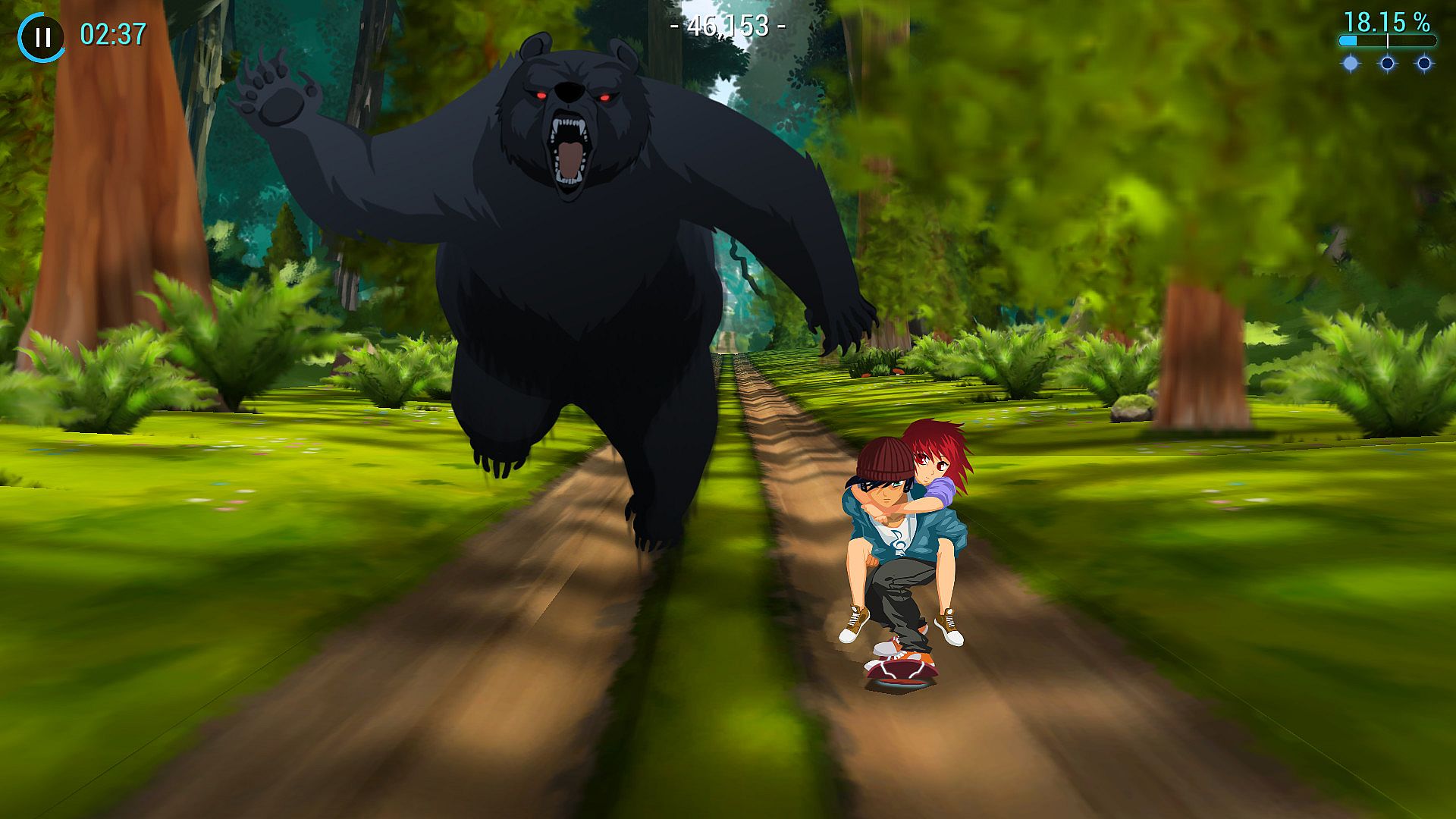
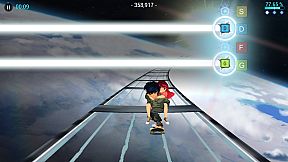
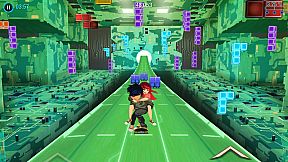
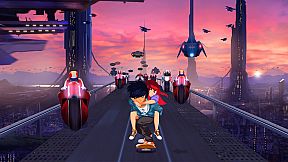
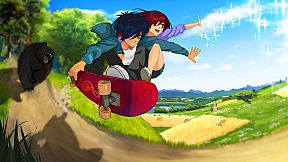
Lost in Harmony é um jogo indie de ritmo que une mecânicas de endless runner com sincronização musical no PC. O jogador controla um skatista que atravessa fases no compasso de uma trilha sonora original, tocando e gesticulando no ritmo enquanto desvia de obstáculos em cenários pintados à mão.
Gameplay
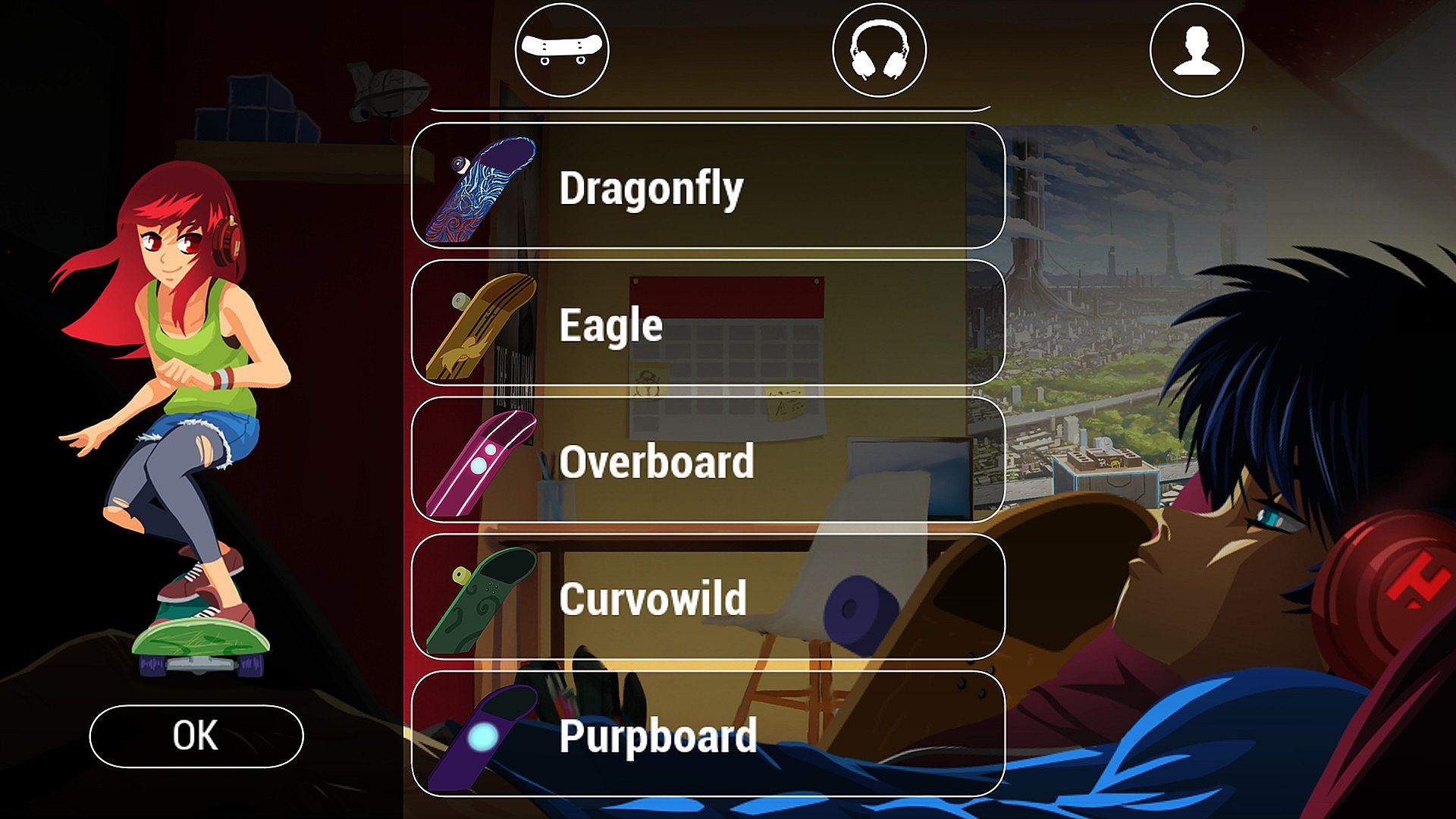
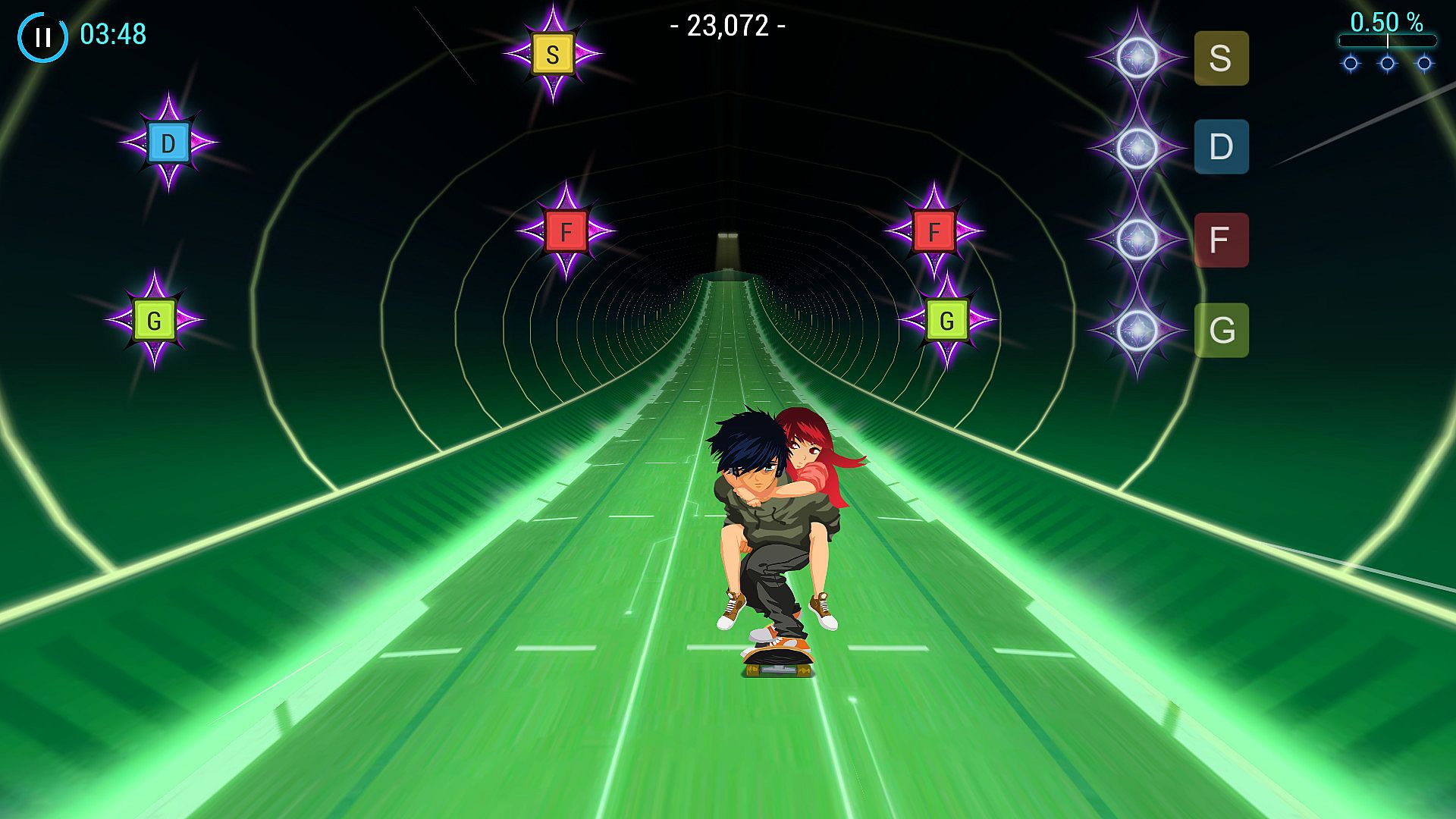
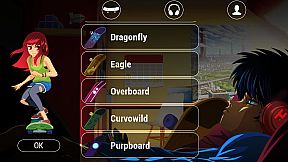
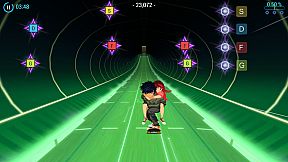
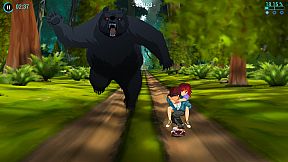
O núcleo do jogo consiste em conduzir o personagem por ambientes onde cada movimento acompanha a música. Toques e deslizes no tempo mantêm o avanço, enquanto gestos laterais desviam de perigos que surgem no ritmo da faixa. O sistema combina precisão de plataforma com mecânicas de beat-matching, criando um fluxo que premia a sincronização constante em vez da velocidade. As fases apresentam layouts variados em mais de trinta cenários pintados, cada um ligado ao tom emocional da composição. Opções de personalização permitem alterar a aparência do personagem com roupas, acessórios e equipamentos que não afetam a mecânica, mas dão espaço à expressão pessoal.
Modos de Jogo
Duas campanhas distintas oferecem a experiência completa, cada uma com sua própria narrativa, mas mantendo o formato de rhythm-runner. Kaito's Journey acompanha o protagonista e sua companheira em desafios pessoais expressos pela música. M.I.R.A.I.'s Escape foca em outra personagem e seu próprio caminho, com fases e temas exclusivos. Ambas seguem uma progressão linear, sem ramificações ou variações além dessas duas histórias. O jogo é estritamente single-player, sem elementos competitivos ou cooperativos.
Trilha Sonora e Apresentação
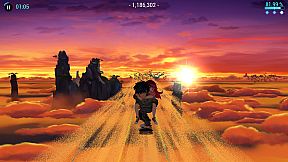
Uma seleção de faixas originais forma a base de cada fase, compostas por uma equipe que inclui Wyclef Jean, Roc Chen, Mark Griskey, Borislav Slavov, Onoken, colaboradores de Godspeed You! Black Emperor, Tadayoshi Makino, Fumitake Igarashi, Tsukasa Tawada e Xilix. Cada música define as janelas de tempo e as indicações visuais, tornando o áudio essencial para a navegação. Os visuais são baseados em arte pintada à mão, distribuída em mais de trinta cenários distintos que acompanham a narrativa sem depender de animações ou efeitos complexos.
Vale a Pena Jogar?
A recepção dos jogadores destaca a integração musical e o conceito geral, com oitenta e quatro por cento de avaliações positivas entre cinquenta análises. O título agrada quem busca jogos de ritmo que combinam movimento simples de runner com desafios baseados em batidas, especialmente se os temas de reflexão e descoberta pessoal chamarem atenção. As campanhas curtas e diretas são ideais para sessões casuais no PC, embora os controles híbridos exijam prática para dominar o timing em ambas as histórias. Sem atualizações ou conteúdo adicional desde o lançamento em 2018, a experiência permanece exatamente como foi lançada. Quem procura uma jornada musical compacta, sem multiplayer ou elementos de live-service, encontra um pacote completo, enquanto jogadores que preferem execução refinada ou sistemas extensos de replay podem querer testar antes.