

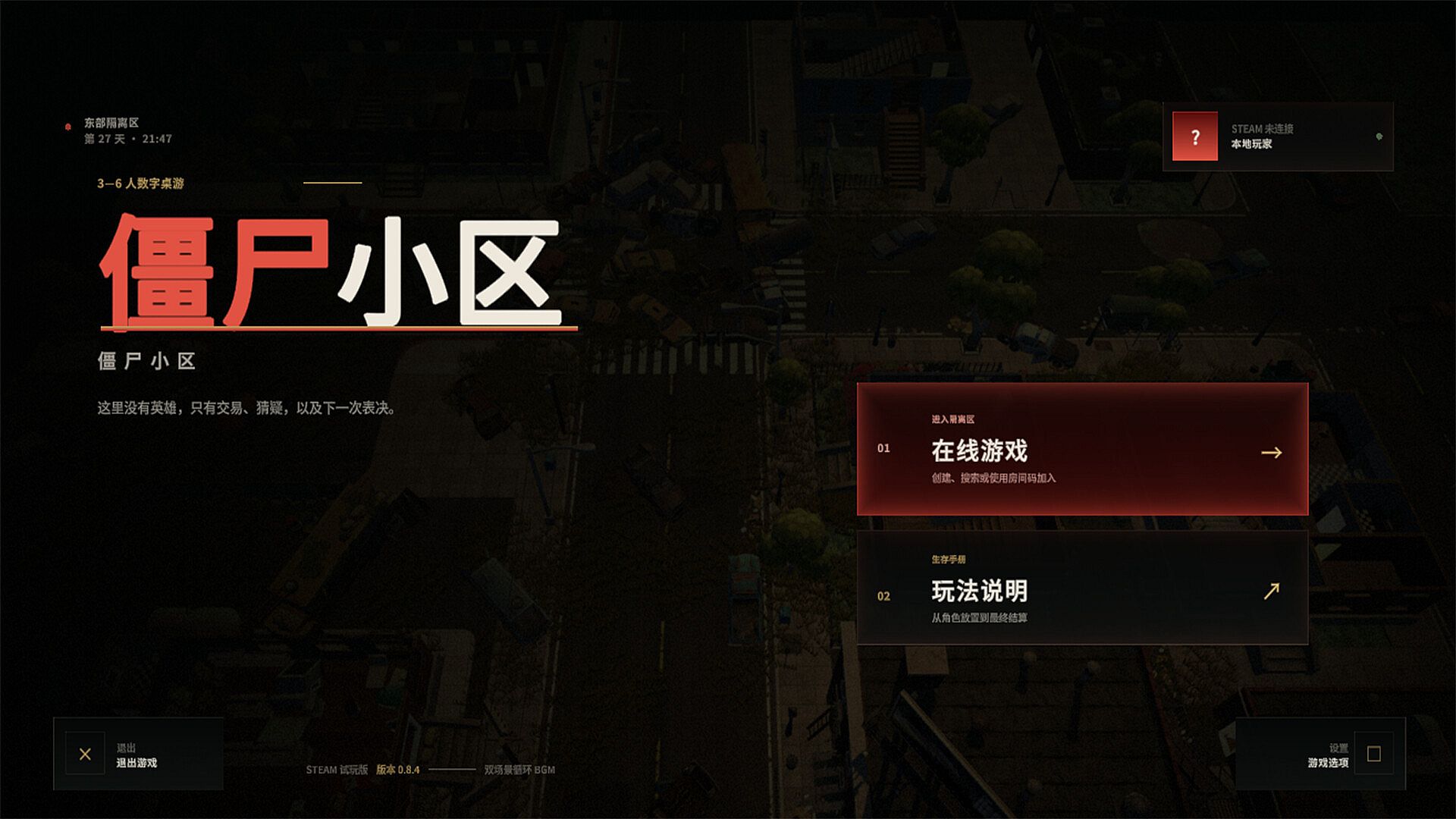
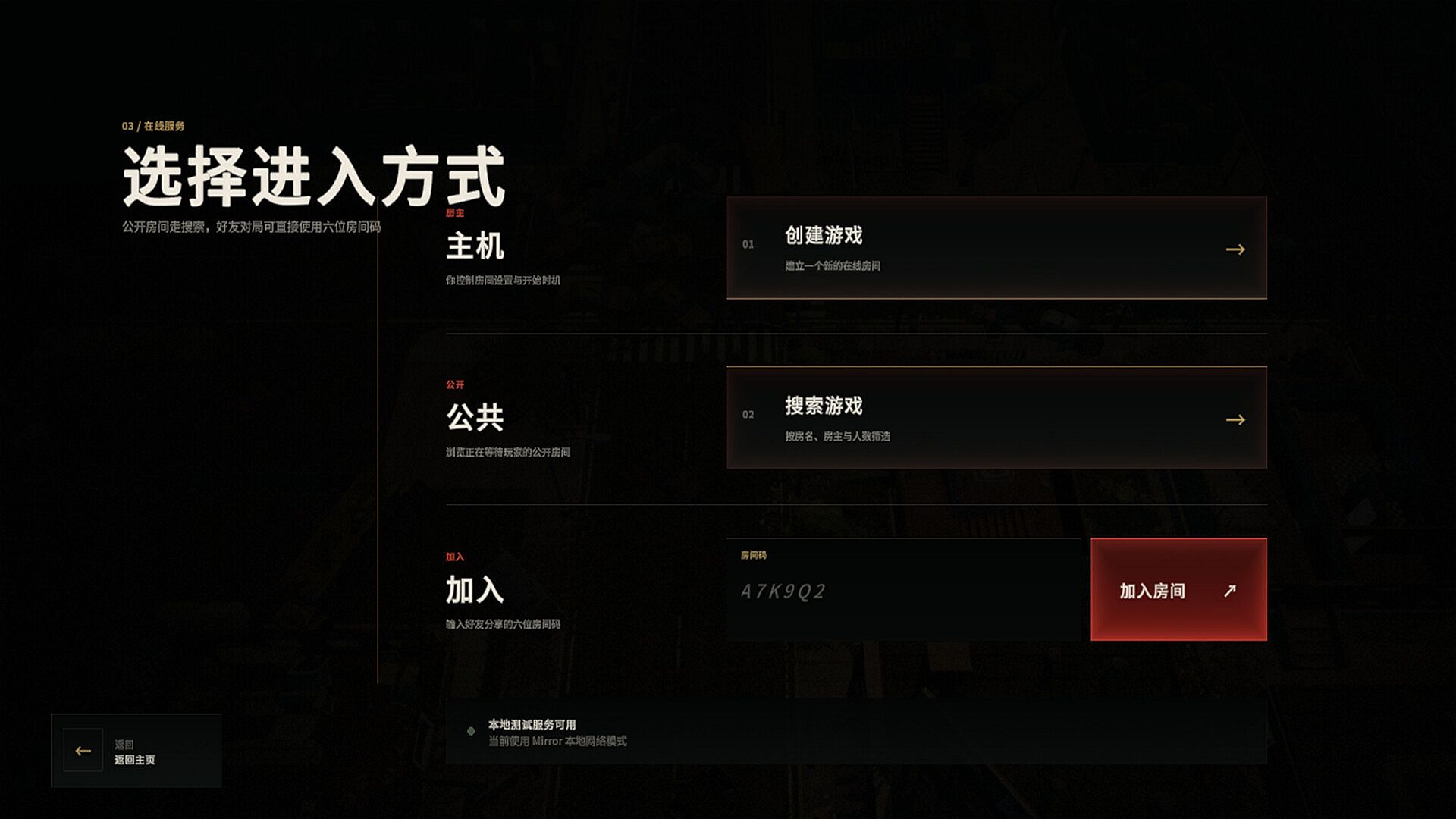
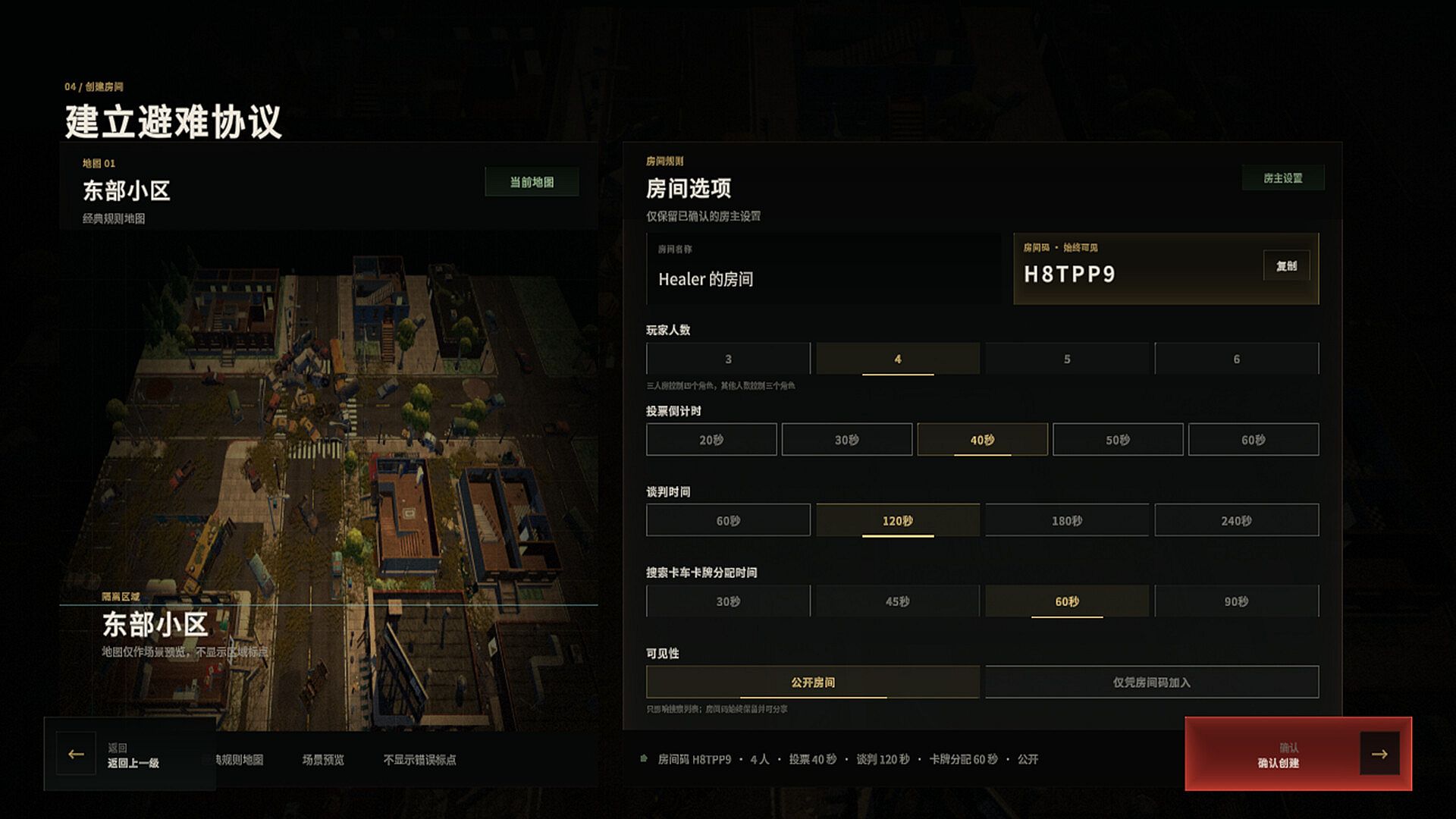

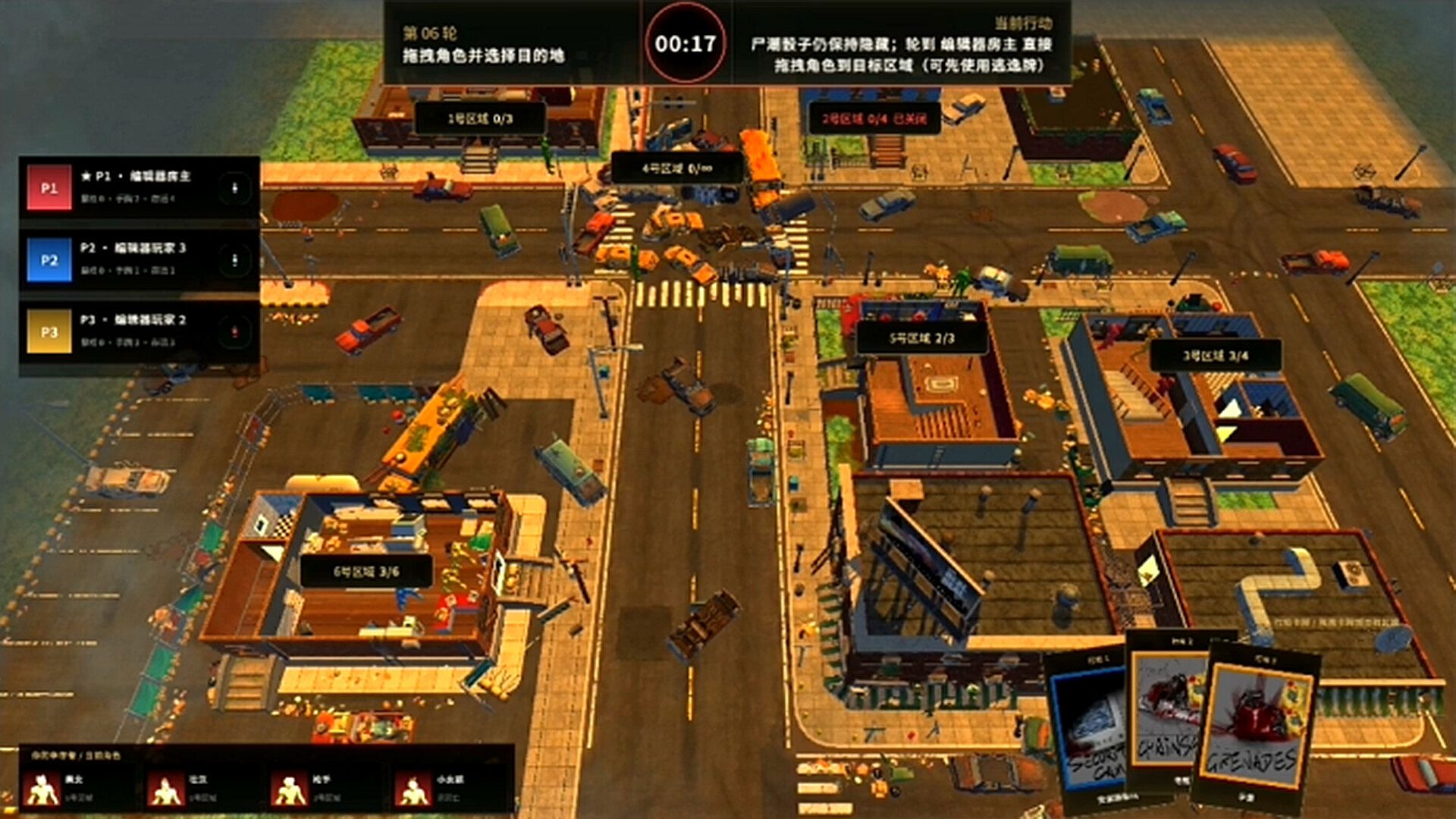




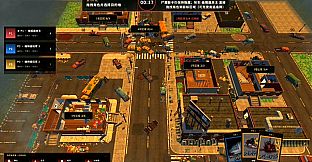
Zombie Community is a free-to-play survival and social-strategy board game available on PC. Set in a zombie outbreak, it places players in the roles of survivors within a shared community space where movement between areas, resource competition, and group decisions shape every session.
Gameplay
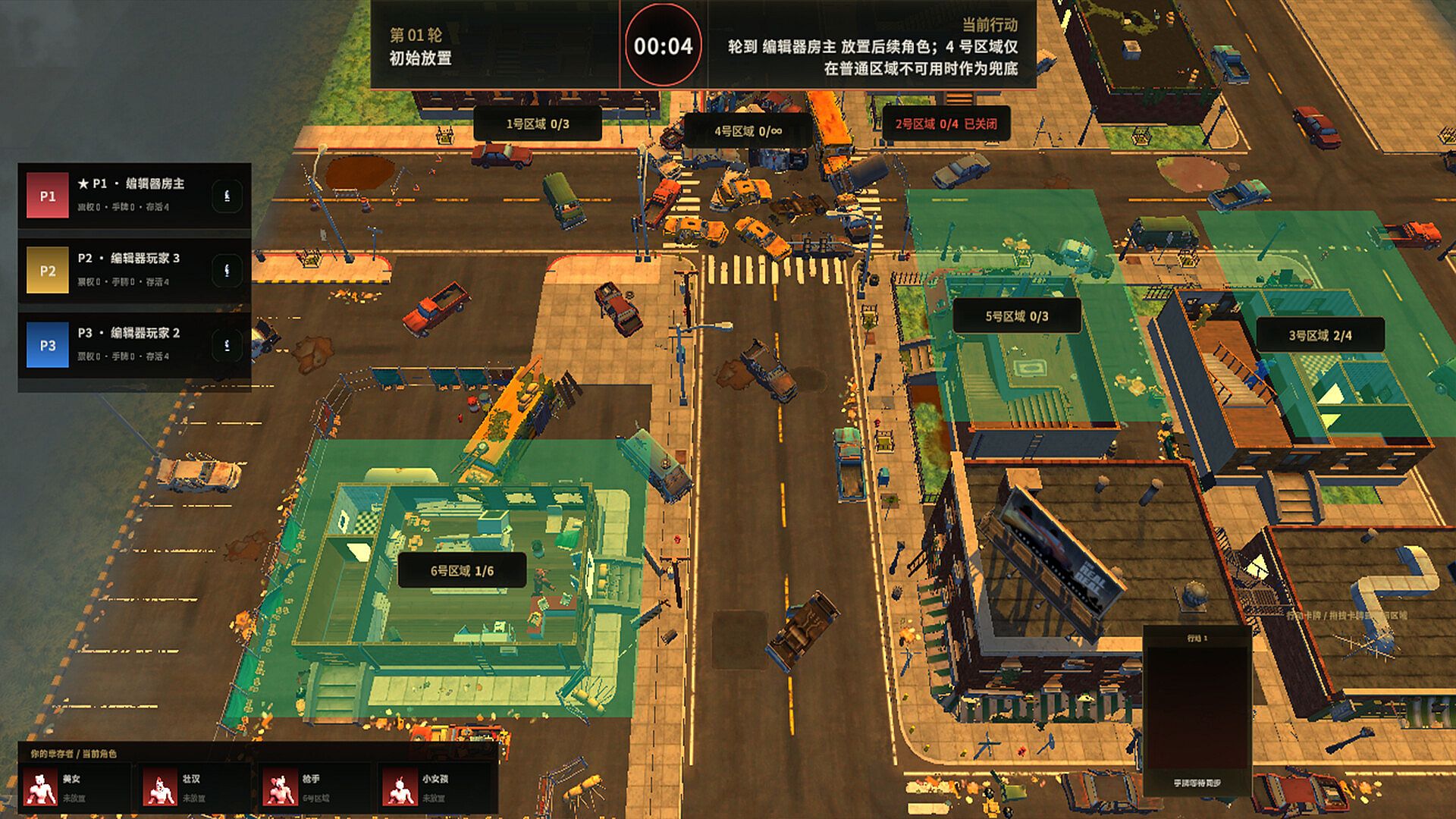
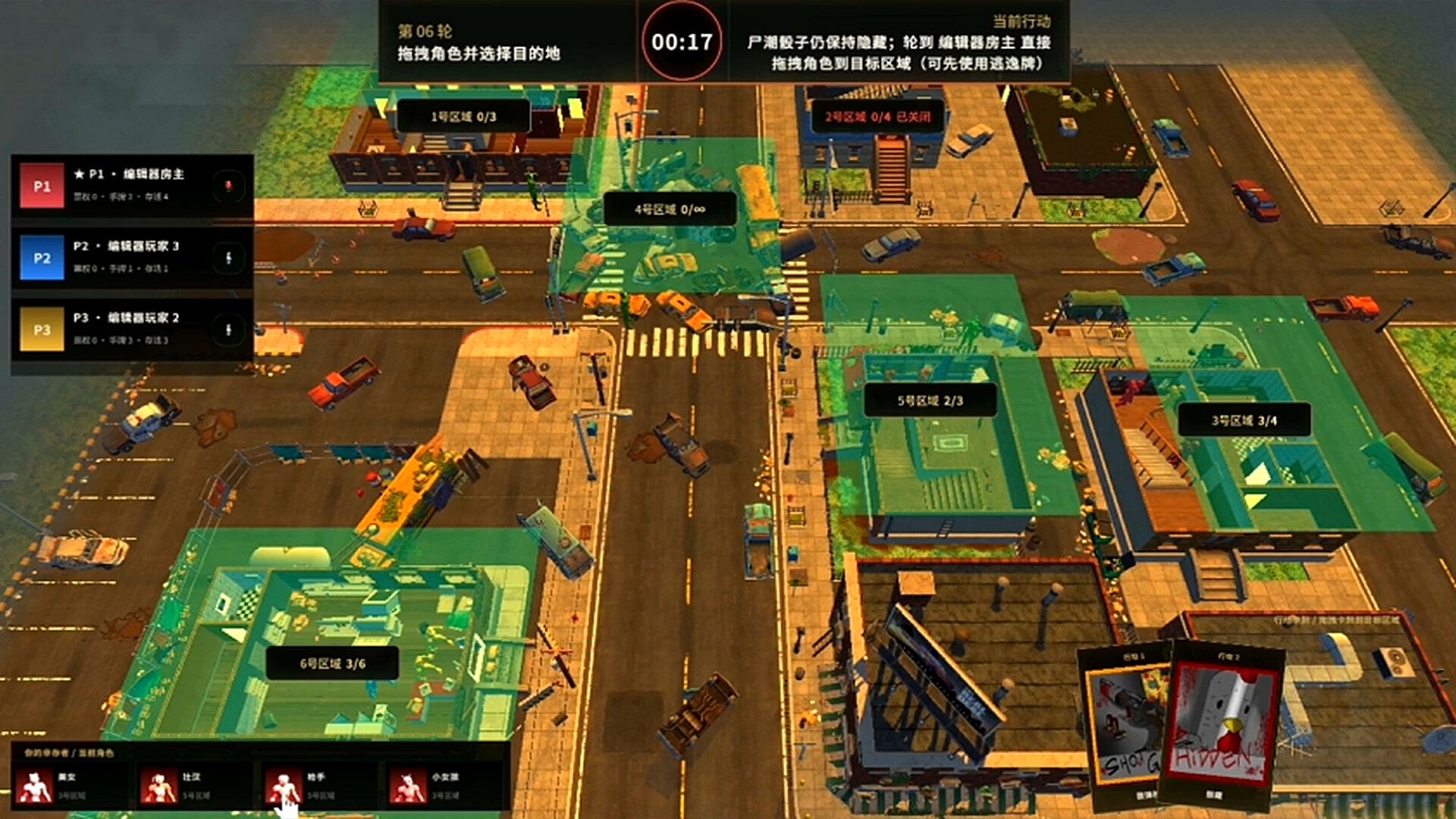
Survivors navigate a community layout that grows more hazardous as zombie numbers rise. Each turn involves positioning characters across different zones while searching for safer spots and gathering scarce supplies. Limited resources create direct competition, and players must weigh personal survival against collective needs.
Action cards provide tactical options. Weapons allow direct confrontation, barricades offer temporary protection, threats can redirect dangers, hiding and sprinting enable evasion or quick repositioning, and security cameras grant information advantages. These tools interact with the spreading zombie threat, forcing constant adjustments to plans.
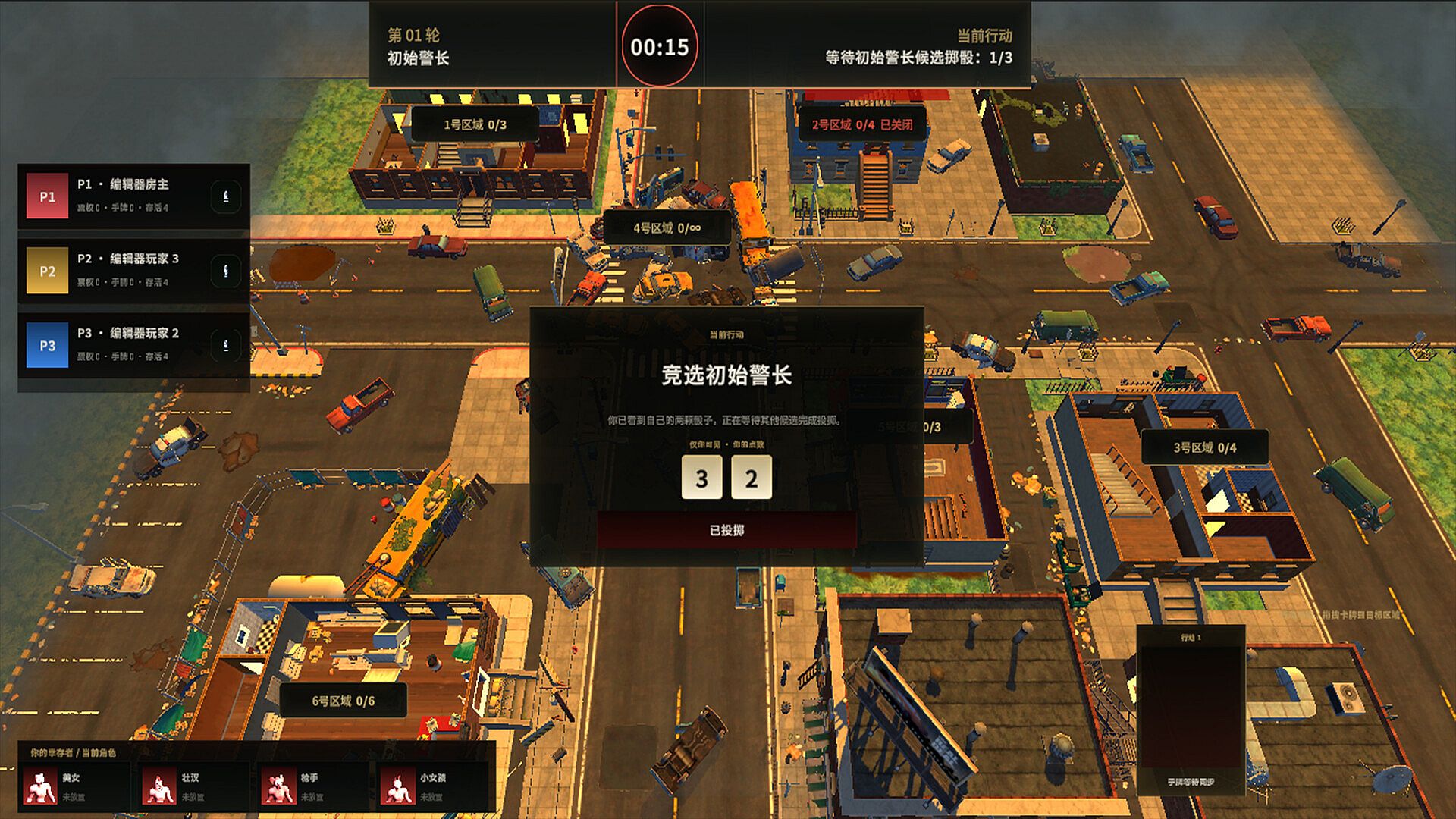
Social elements drive much of the tension. Voting determines the election of a sheriff and resolves key group actions. Negotiation builds temporary alliances, while betrayal remains a constant risk when resources run low or positions become vulnerable. The unpredictable nature of zombie attacks adds chaos, as areas turn dangerous without warning and force rapid responses.
Characters represent individual survivors under each player's control. Keeping them alive through careful movement and timely card use forms the central challenge. The game rewards foresight in positioning and awareness of how other players' decisions affect the shared board state.
Game Modes
The core experience centers on a single competitive format where all players pursue the same objective within the same ruleset. Sessions emphasize repeated rounds of movement, card play, and voting until zombie pressure peaks and survivors are tested to their limits.
Play revolves around balancing individual goals with group votes that can shift power dynamics. No separate variants alter the fundamental loop, keeping focus on the interplay of strategy, social maneuvering, and escalating threats across every match.
Key Mechanics and Features
Resource scarcity and area control form the foundation. Players compete for supplies while zombies multiply and close off options, requiring precise timing for when to hold position or relocate. The sheriff role introduces leadership mechanics that can influence turn order or resolution of disputes through votes.
Card interactions create emergent situations. A well-timed barricade might protect multiple characters, while a threat card could lure zombies toward an opponent's area. Sprinting and hiding offer defensive layers against sudden outbreaks, and cameras provide scouting that informs better votes and alliances.
Betrayal opportunities arise naturally from the voting system. Players can support or undermine proposals based on their current standing, leading to shifting coalitions that keep sessions unpredictable. The win condition tracks surviving characters, so preserving numbers through cooperation or calculated risks determines the outcome.
Who the Game Appeals To
Zombie Community suits players drawn to social deduction and light strategy rather than pure combat or solo progression. Its mix of board movement, card management, and group decision-making creates chaotic yet structured sessions that reward reading opponents and adapting to changing conditions.
The free-to-play model on PC lowers the barrier for groups interested in occasional play without upfront cost. Sessions scale with player count through shared voting and resource pressure, making it suitable for small gatherings focused on interaction over complex rulesets.
Is It Worth Playing?
Players who value negotiation, alliances that can break at any moment, and the tension of unpredictable zombie spread will find consistent engagement in the voting and card systems. The emphasis on keeping multiple characters alive adds a layer of management that rewards planning without overwhelming new participants.
Its strength lies in repeated plays where social dynamics evolve naturally. Those seeking straightforward action or deep single-player campaigns may find the group-focused loop less compelling, while fans of chaotic strategy board games with betrayal elements often return for the shifting power balances and last-minute decisions.
Overall, the game delivers on its promise of social interaction layered over survival mechanics, offering a distinct experience within the broader zombie genre for those comfortable with table talk and collective choices.