







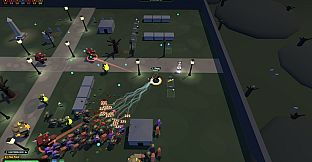
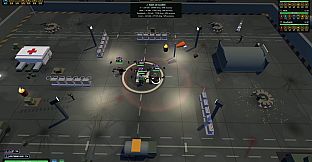
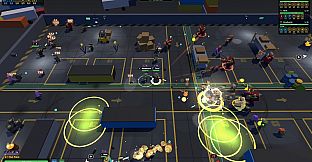
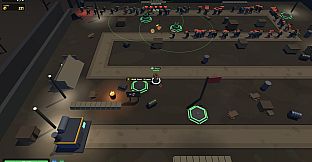
ZedFall: Outbreak is an action indie title in early access on PC that blends twin-stick shooter combat with co-op wave survival and roguelite elements. Players select from multiple classes and fight through hordes of undead while building evolving upgrades that reshape each run. The game supports solo play or online co-op with up to eight participants, focusing on holding out against escalating threats until extraction or objective completion becomes possible.
Gameplay
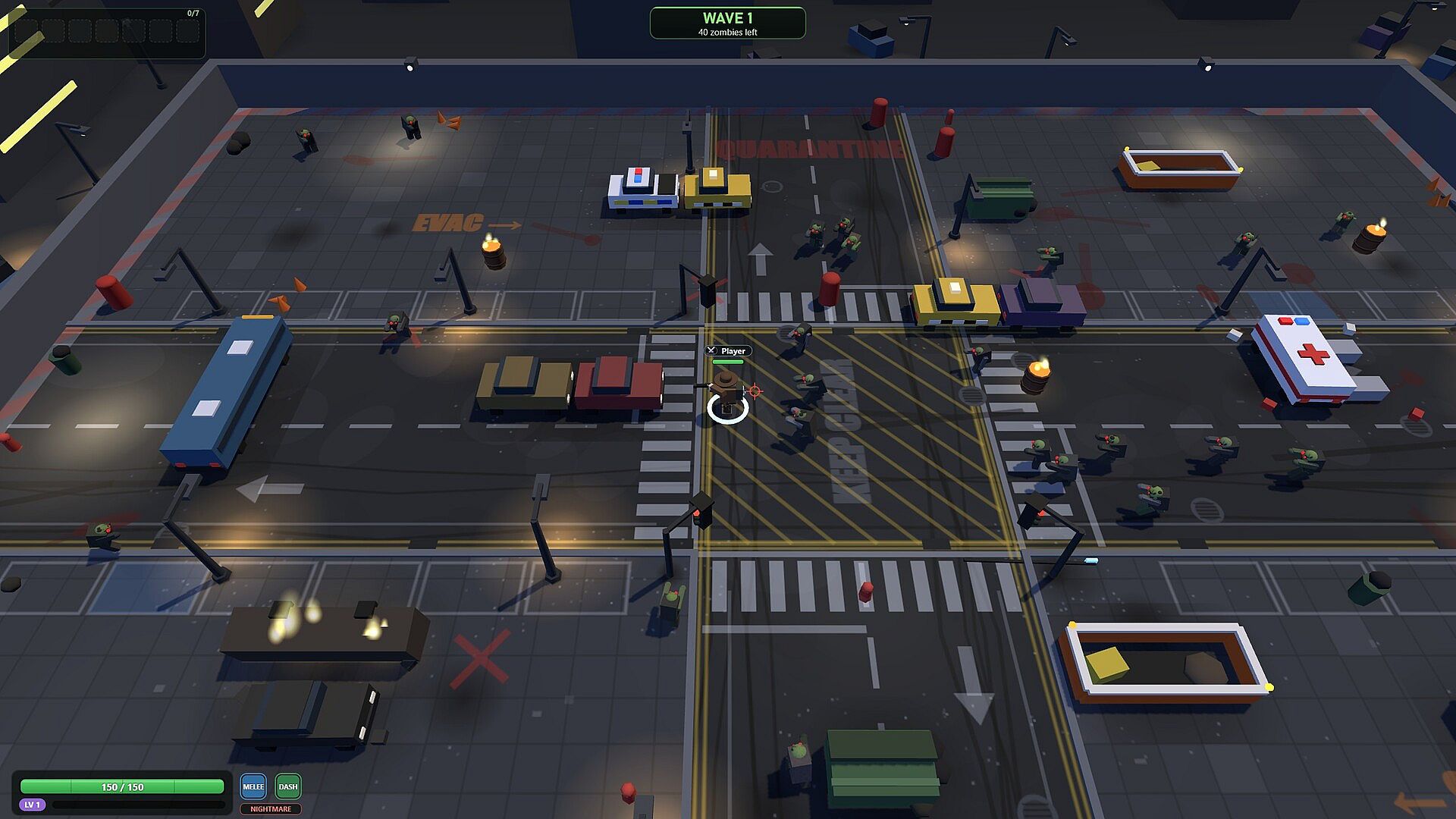
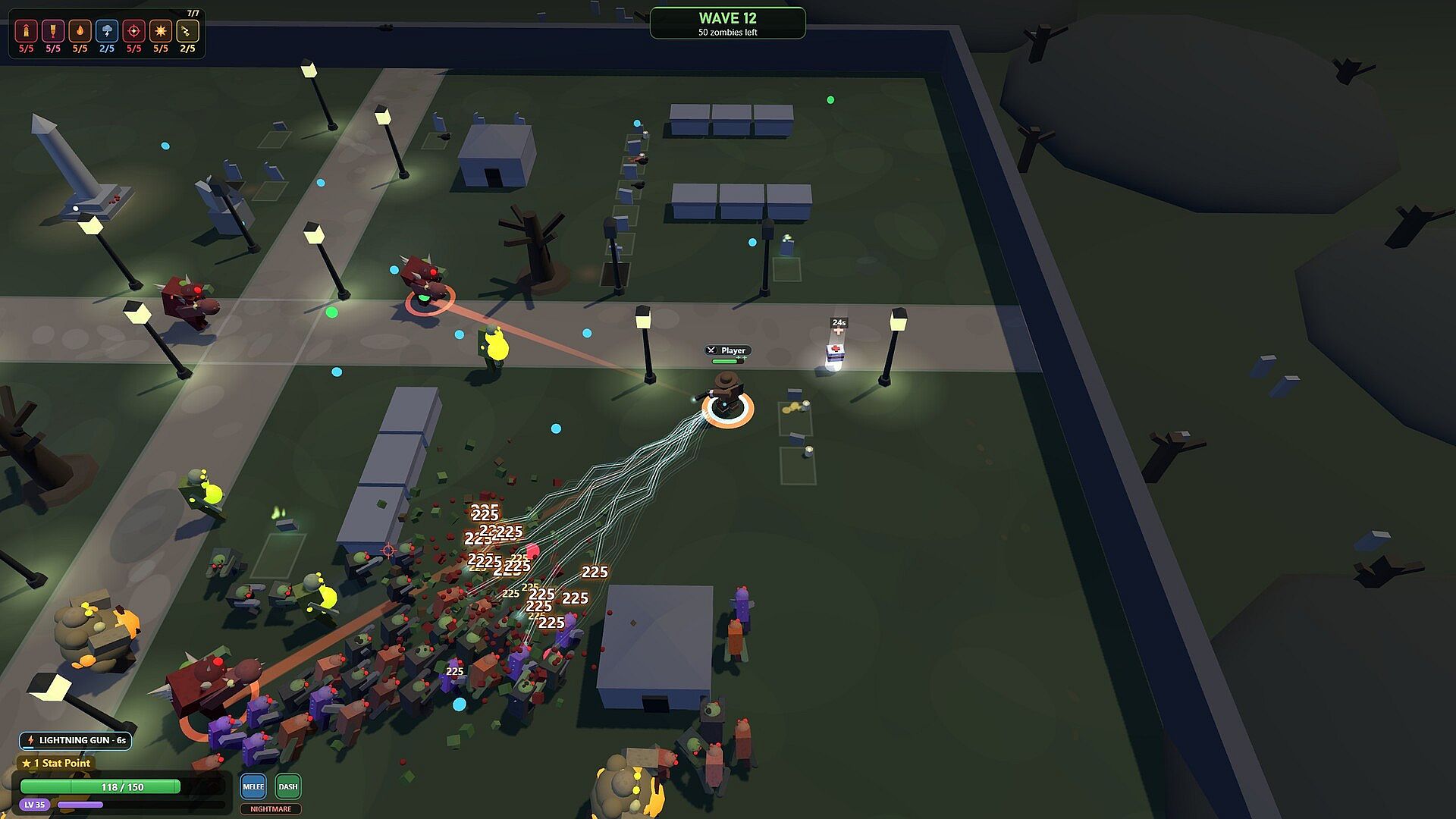
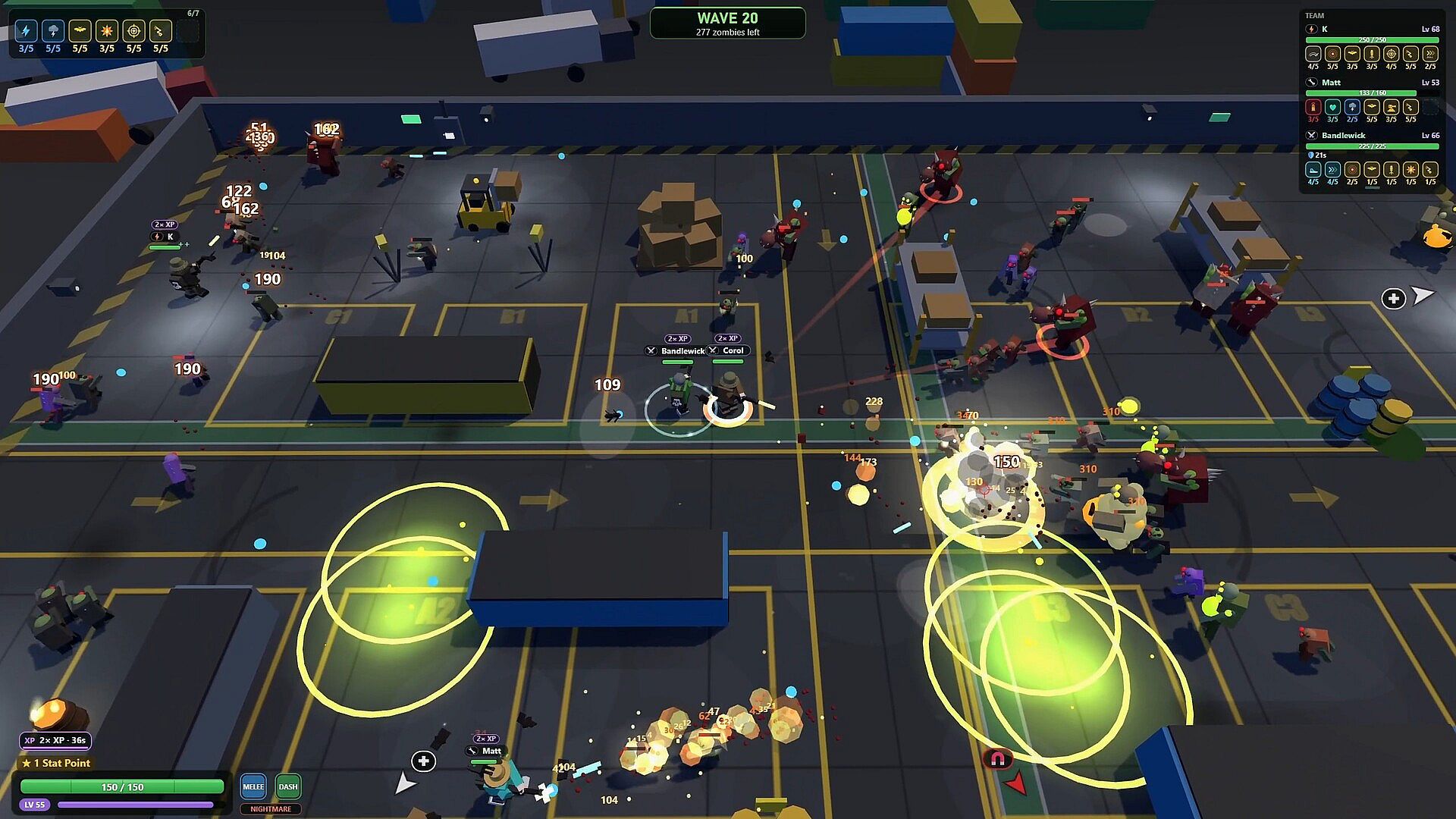
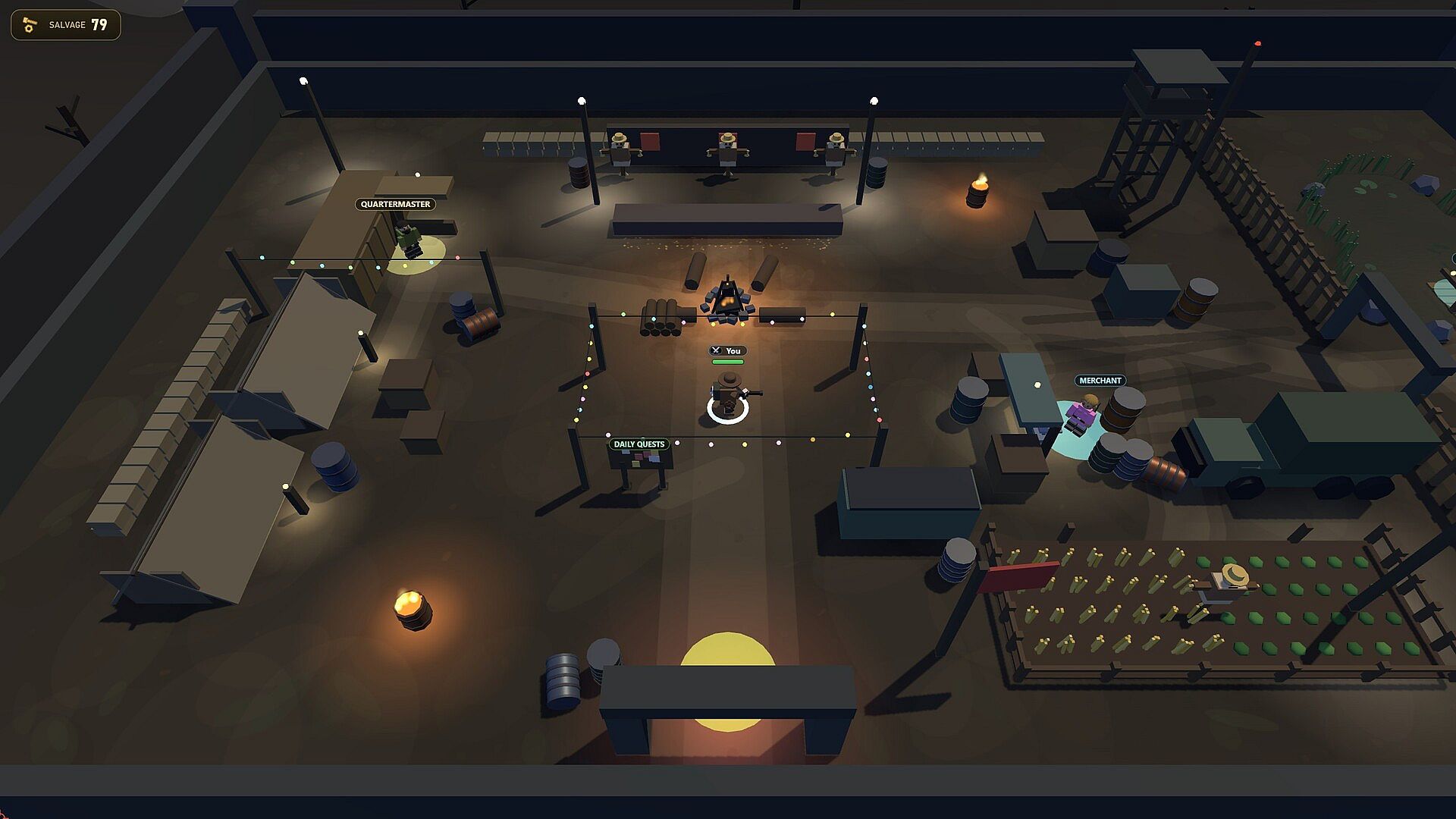
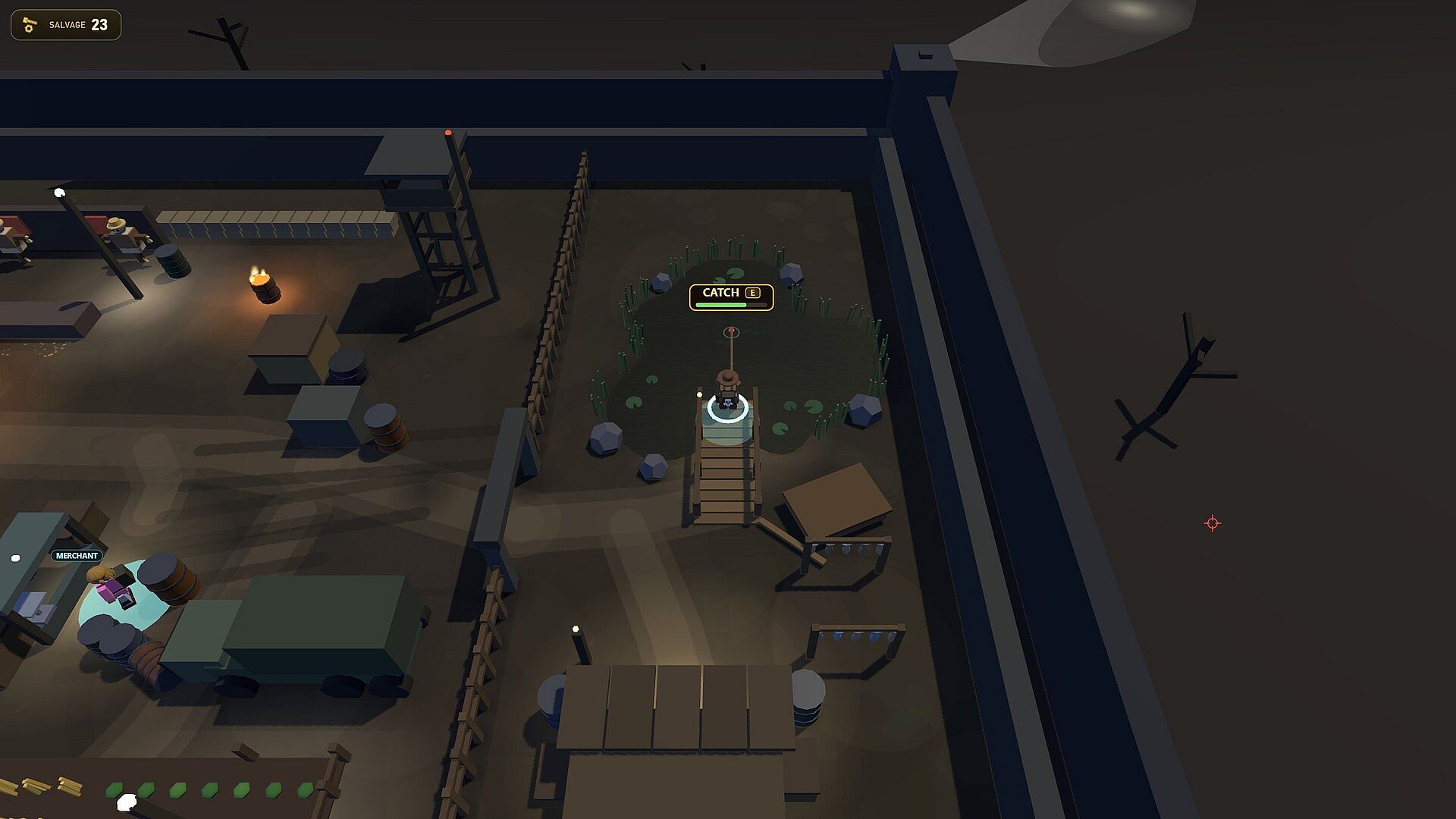
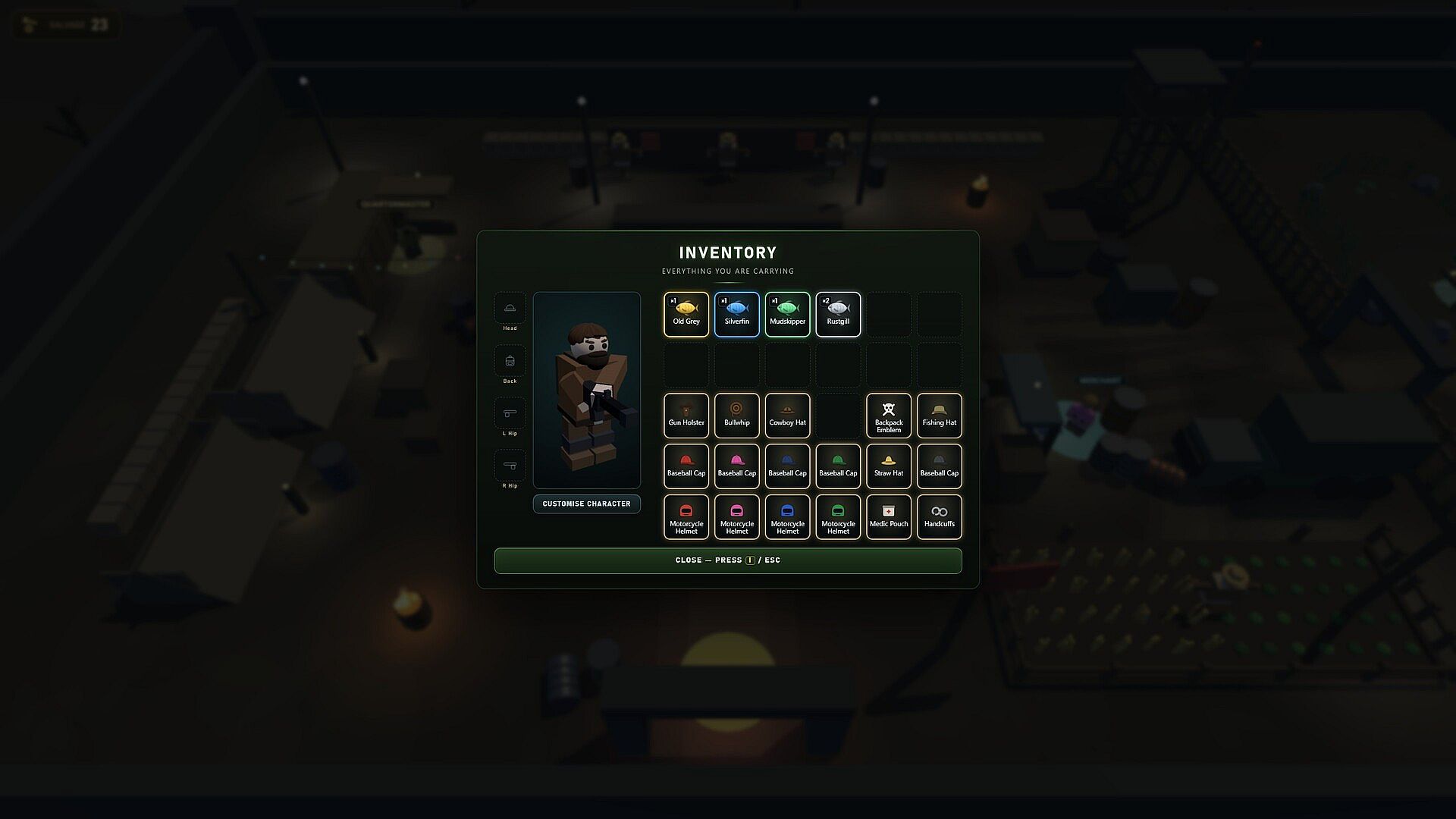
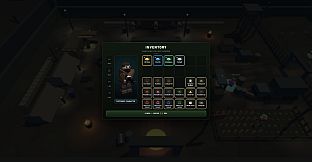
Combat relies on responsive twin-stick controls that let players move freely while aiming and firing in any direction. Each class brings distinct strengths, such as different weapon preferences or ability focuses, which players combine through level-ups and card selections. Upgrade cards evolve over the course of a run, allowing builds to grow more powerful and chaotic as enemy numbers increase. Between sessions, a shared base camp serves as the hub for daily quests, permanent character upgrades purchased from the quartermaster, and cosmetic item unlocks that carry across runs.
Roguelite progression encourages repeated attempts, with each run offering new card combinations and class synergies. Enemy swarms grow dense and varied, rewarding coordinated movement and positioning. The top-down perspective keeps the battlefield visible even during intense moments, and the system supports both quick sessions and longer endurance tests.
Game Modes
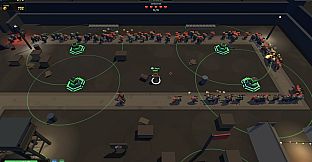
Three distinct modes provide different objectives and pacing. Wave Survival requires players to endure escalating waves of undead, with a boss appearing every fifth wave before an extraction point opens. An endless variant removes the extraction goal and lets the horde continue indefinitely for those seeking high-score runs or extended challenges.
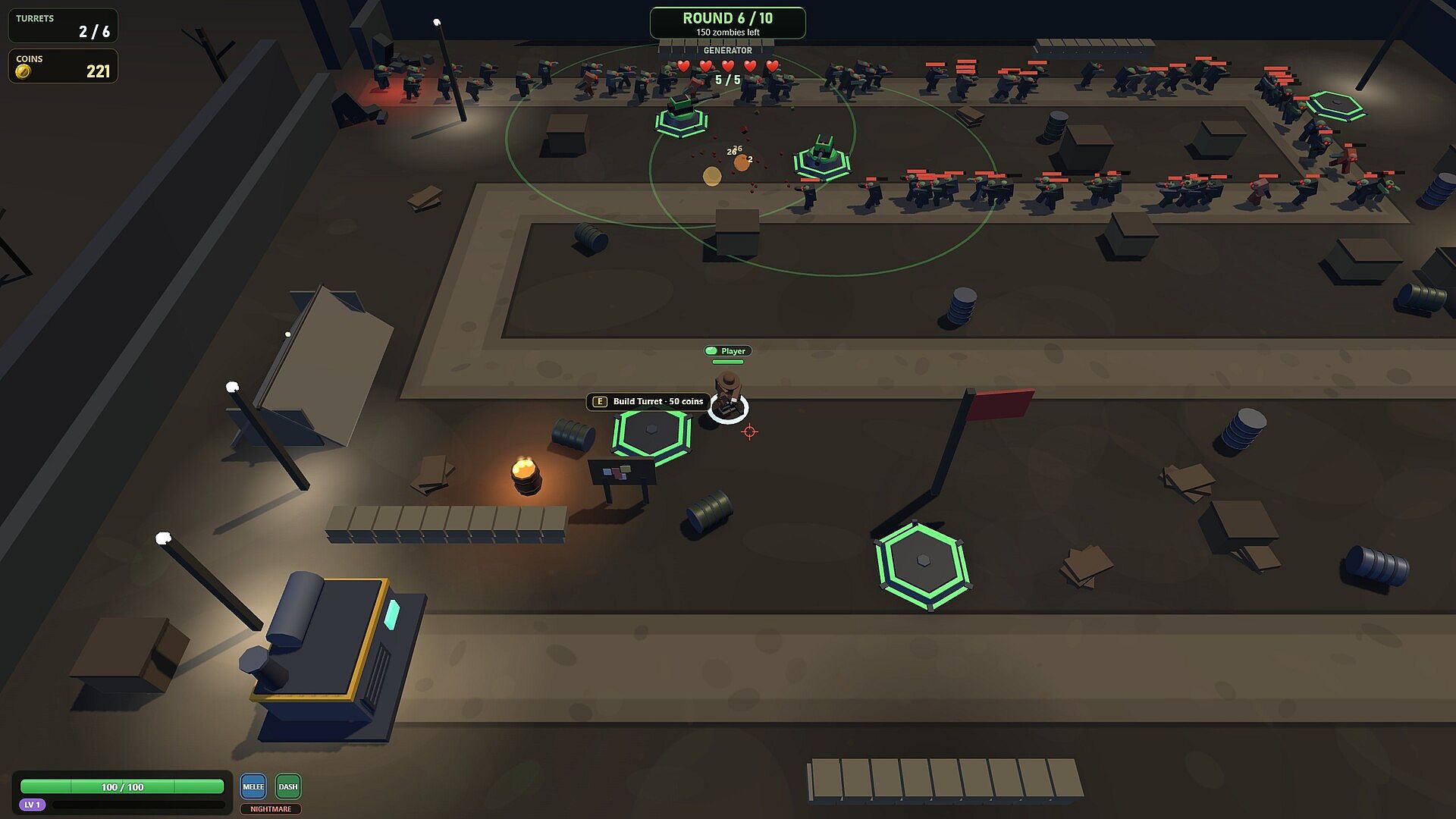
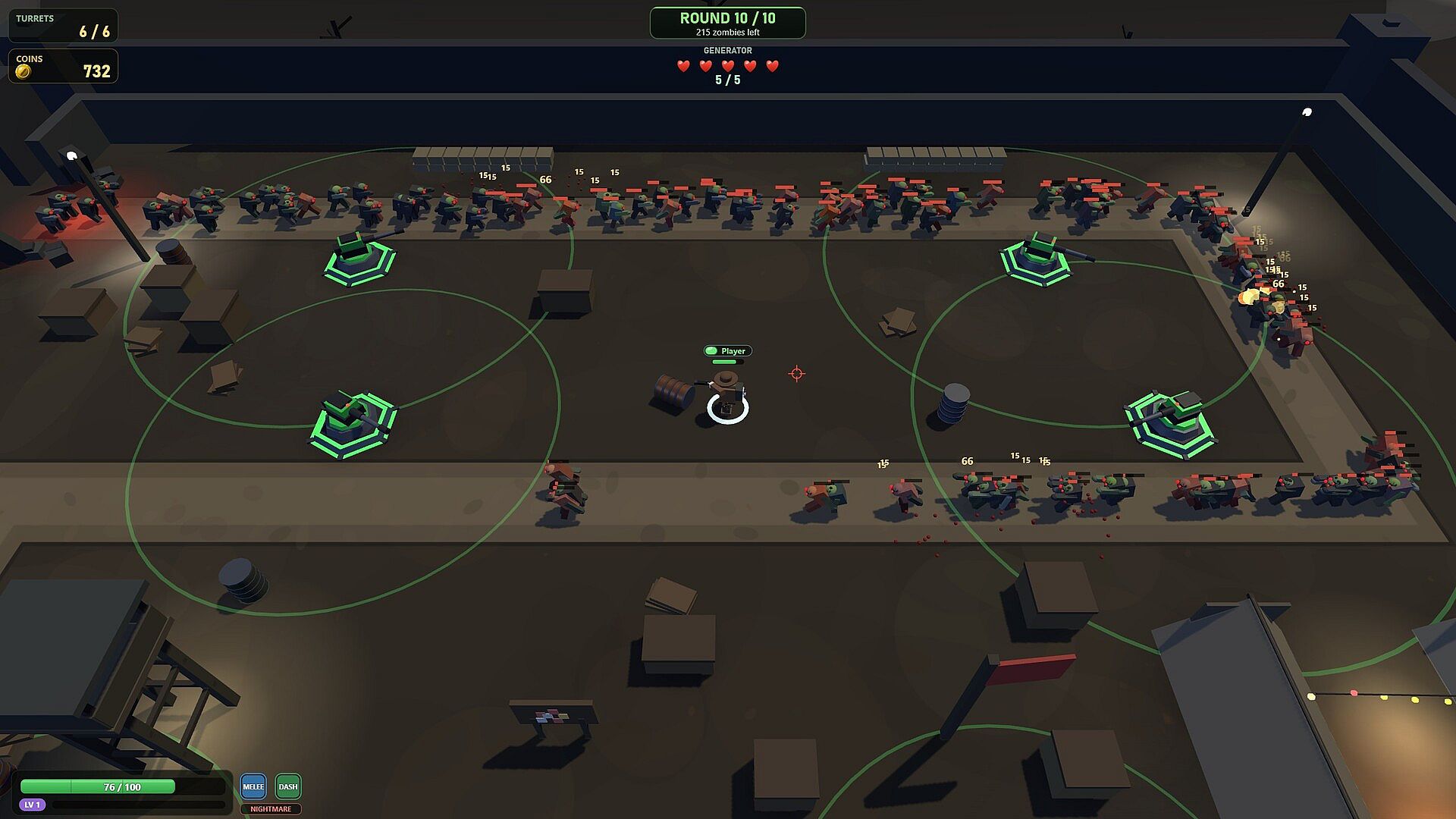
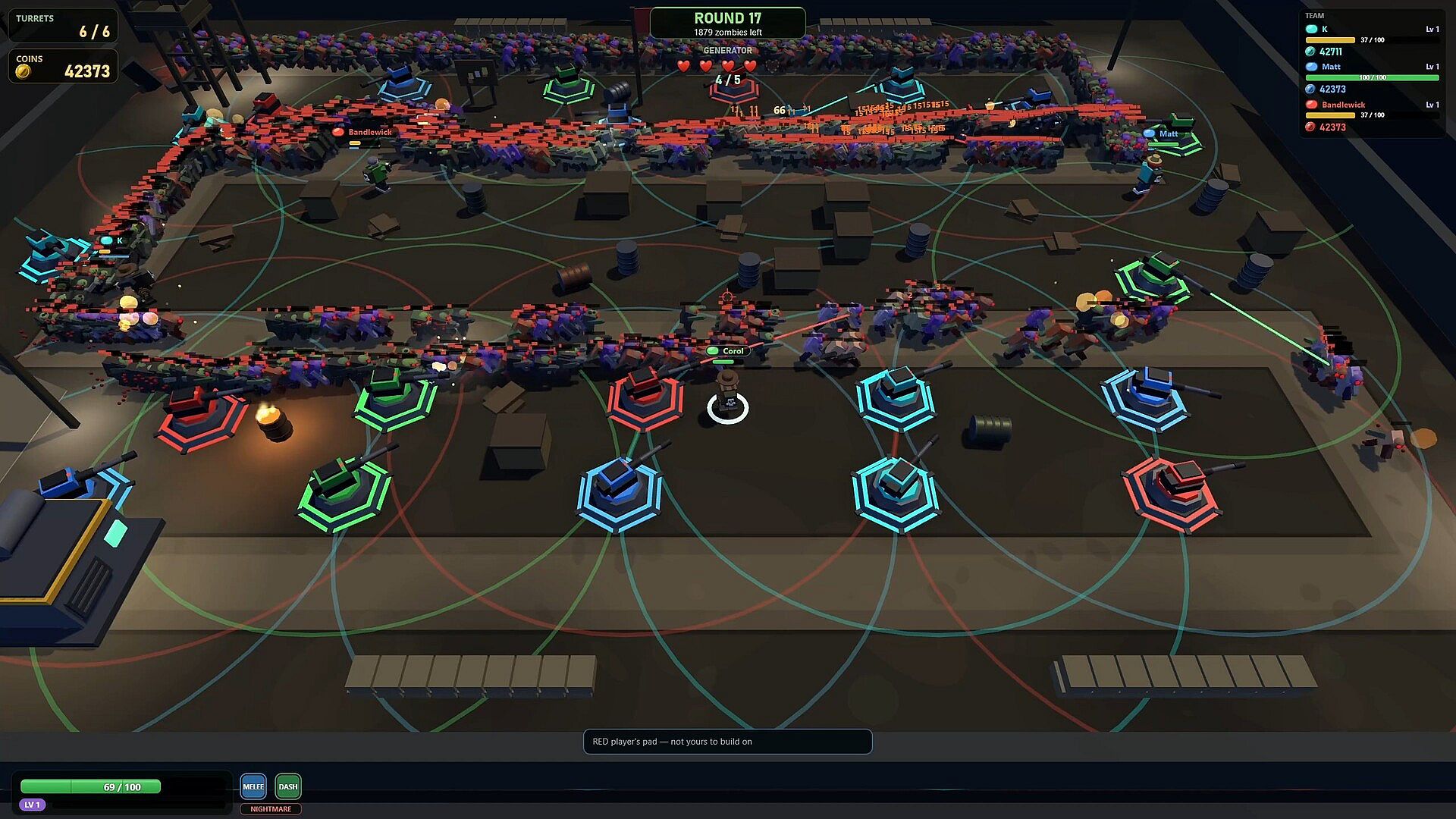
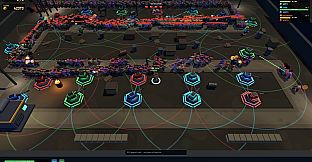
Tower Defence shifts focus to static defense. Players purchase and position turrets, reinforce choke points, and protect a generator from the advancing swarm. This mode also includes its own endless option for prolonged defensive sessions where placement and resource management matter most.
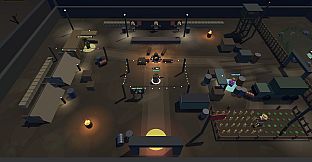
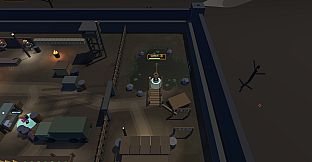
Scavenge takes place on a more open map where players explore, locate explosives, destroy structures to gather salvage, and ultimately defeat a final boss before escaping. Destroying structures draws additional attention from the horde, adding risk to resource gathering and requiring careful timing and teamwork to complete the objective.
Progression and Multiplayer
Character development extends beyond individual runs through base camp systems. Daily quests offer short-term goals, while upgrades from the quartermaster provide lasting improvements to health, damage, or other stats. Item unlocks allow players to customize appearance without affecting core mechanics. The game maintains a consistent loop of preparation, intense action, and post-run reflection across all modes.
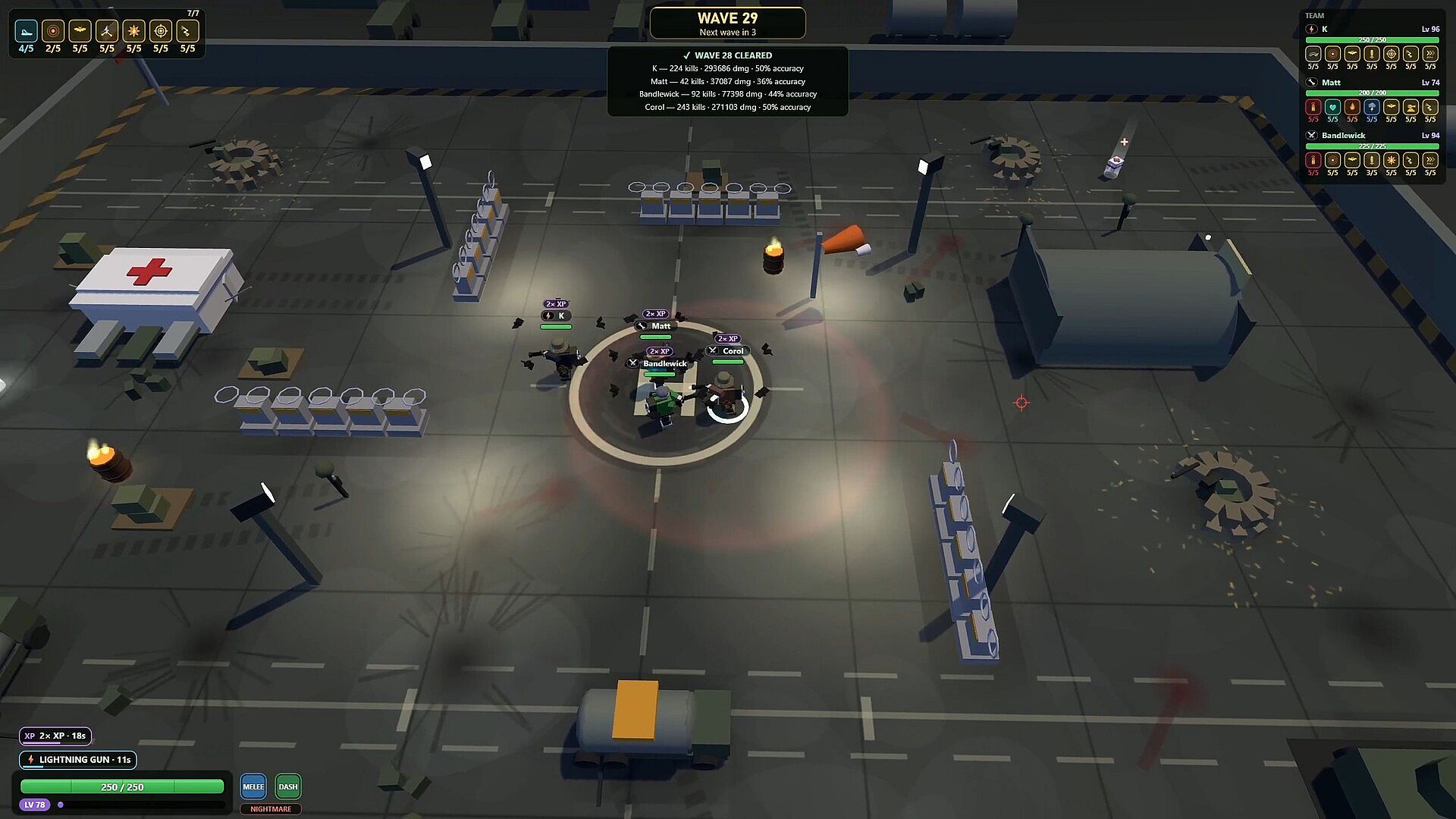
Co-op supports up to eight players, with the option to drop in or out as needed. Teamwork becomes essential during peak enemy density, whether coordinating fire on bosses, covering turret placements, or clearing paths during scavenging. Solo play remains viable through adjusted difficulty options, though the design emphasizes group coordination for optimal results.
Is It Worth Playing?
ZedFall: Outbreak suits players who enjoy co-op twin-stick shooters with roguelite progression and multiple survival formats. The three modes deliver clear variety without overlapping objectives, and the evolving card system creates meaningful build diversity across classes. As the game remains in early access with active playtesting and developer updates focused on balance and feedback, it appeals most to those comfortable with iterative development and willing to contribute input on mechanics.
Current features include full access to all modes, base camp progression, and co-op functionality up to eight players. No completed review aggregate exists yet due to the pre-release status, but the core loop of wave defense, tower building, and open scavenging provides replayable sessions for fans of the genre. Those seeking a polished full release may prefer to wait, while supporters of small-team indie projects can engage now to help shape future updates.












