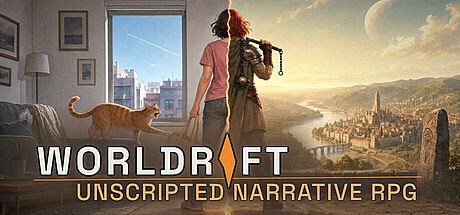


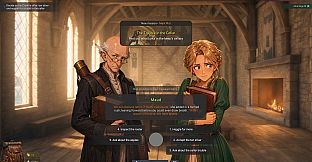
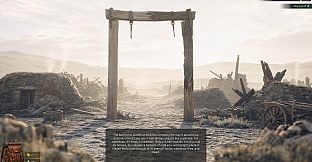
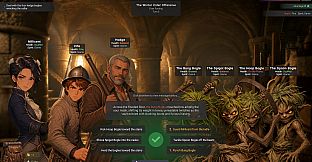
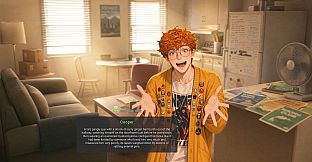

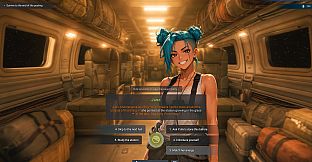
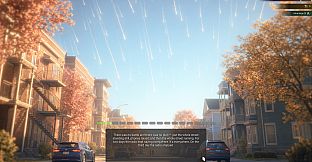
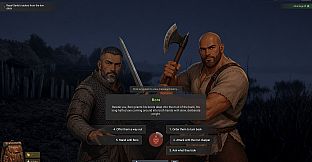
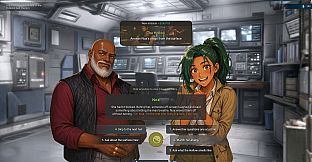
Worldrift: Unscripted Narrative RPG is a singleplayer adventure title built around real-time AI narration on PC. It places players in a chosen scenario with a premise and cast, then steps back to let actions shape an ongoing story without fixed scripts or dialogue trees.
Gameplay
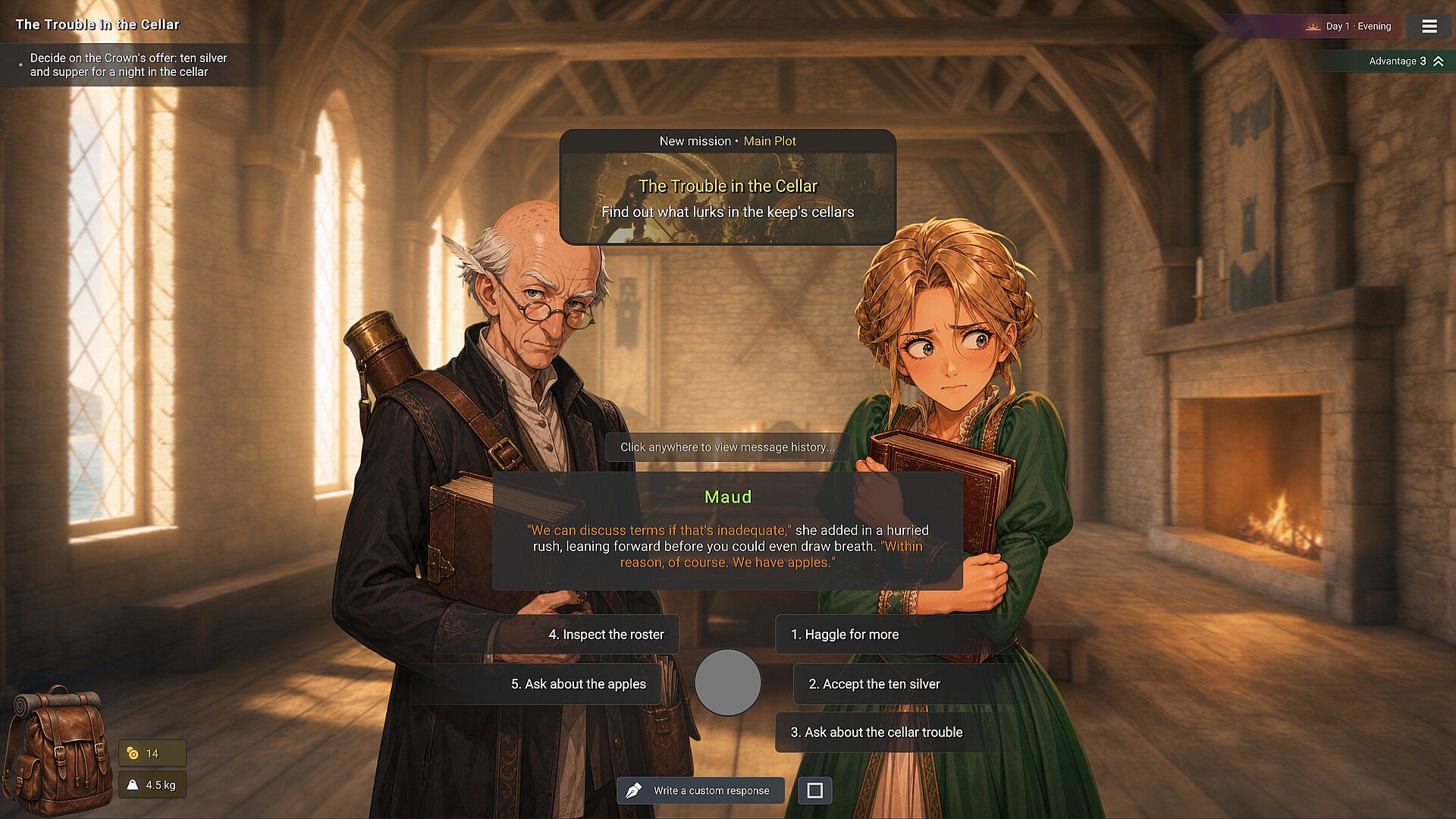
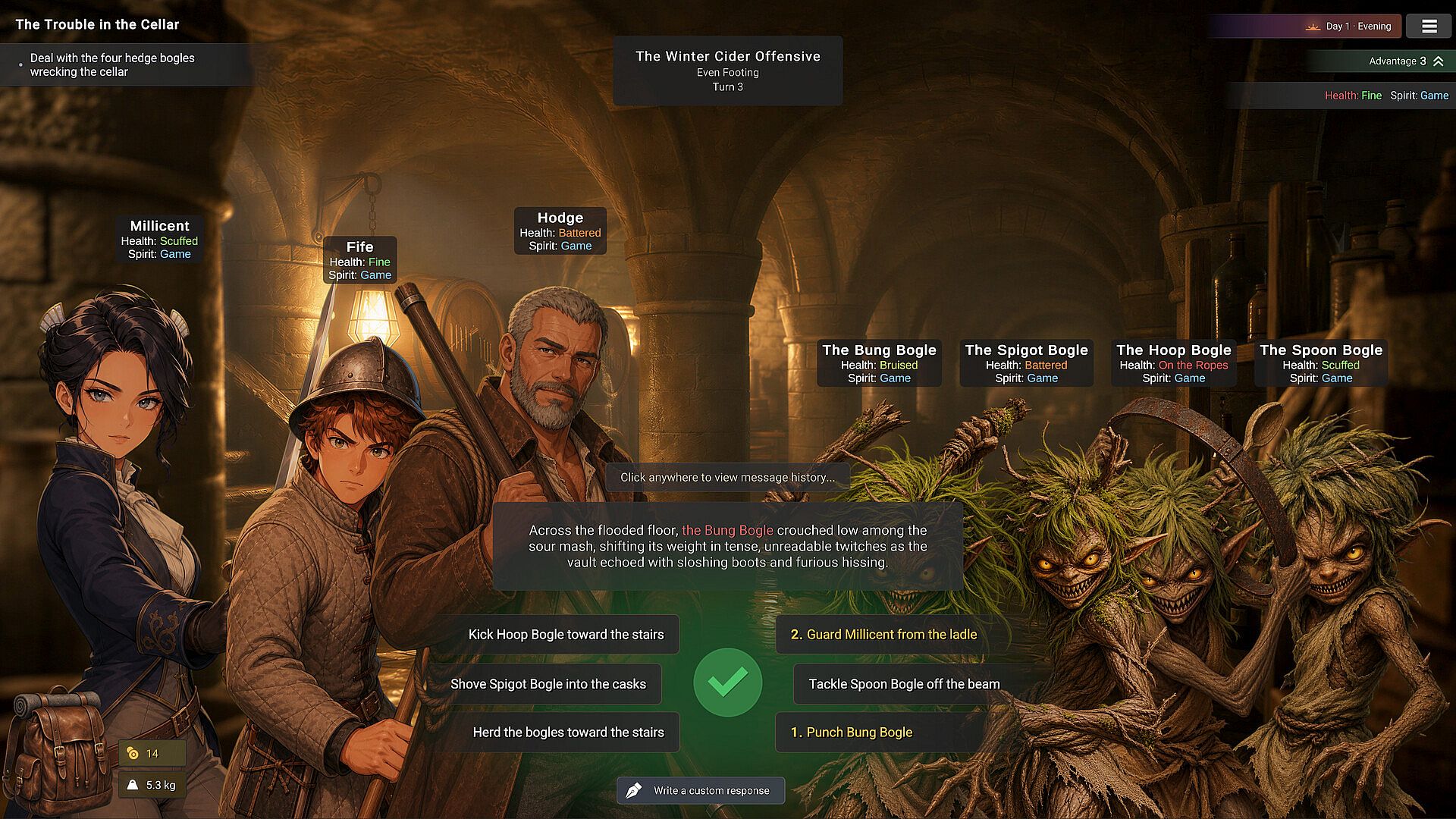
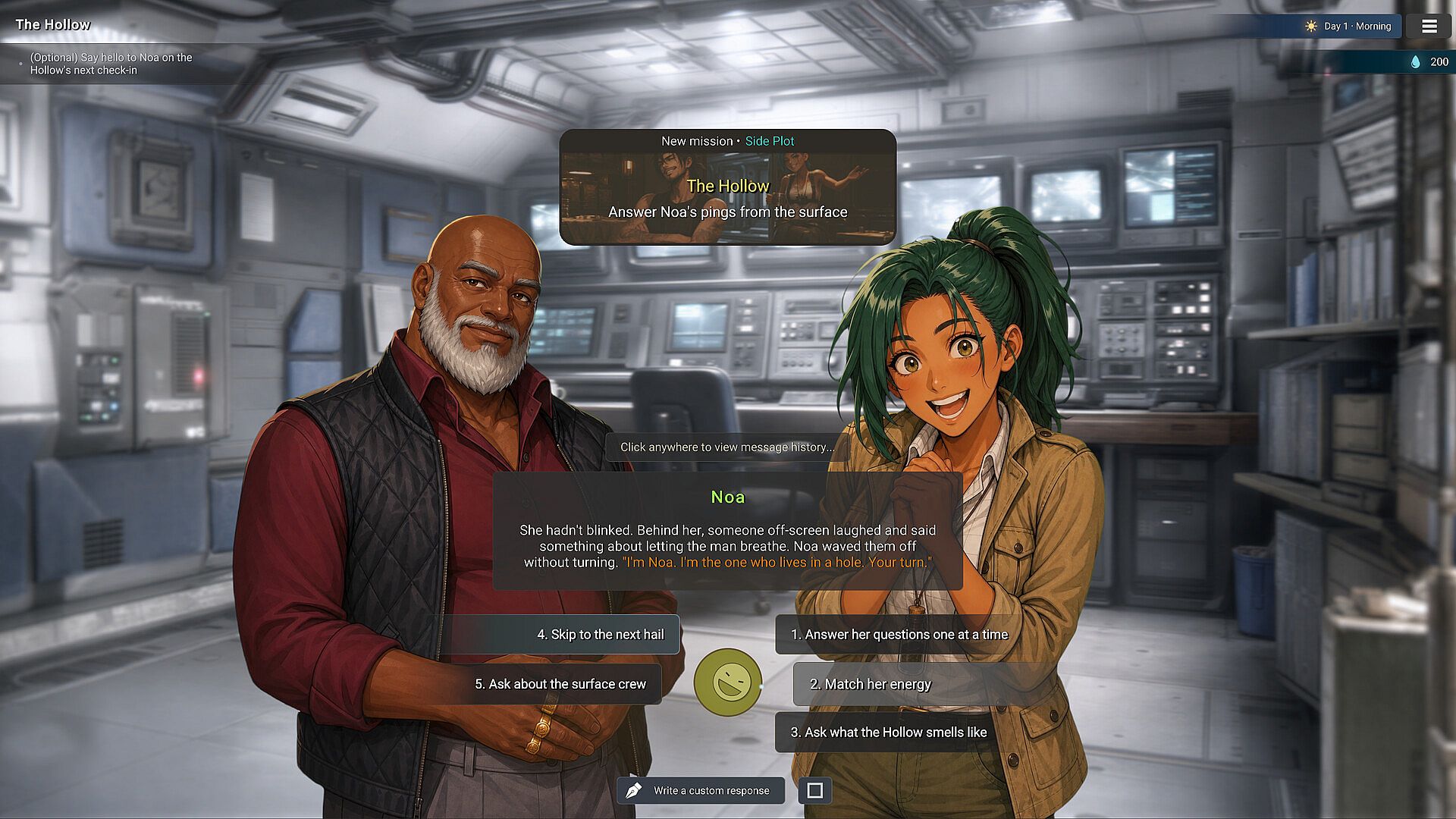
The core loop centers on free-form interaction with a responsive world. Players type any action or dialogue at key beats, and the system interprets it directly. Grounded options appear for quick pacing, while the open text field supports persuasion, deception, humor, or abrupt shifts. A narrator model generates visible prose in real time, drawing on tracked facts about locations, relationships, injuries, debts, and secrets that persist across scenes and chapters.
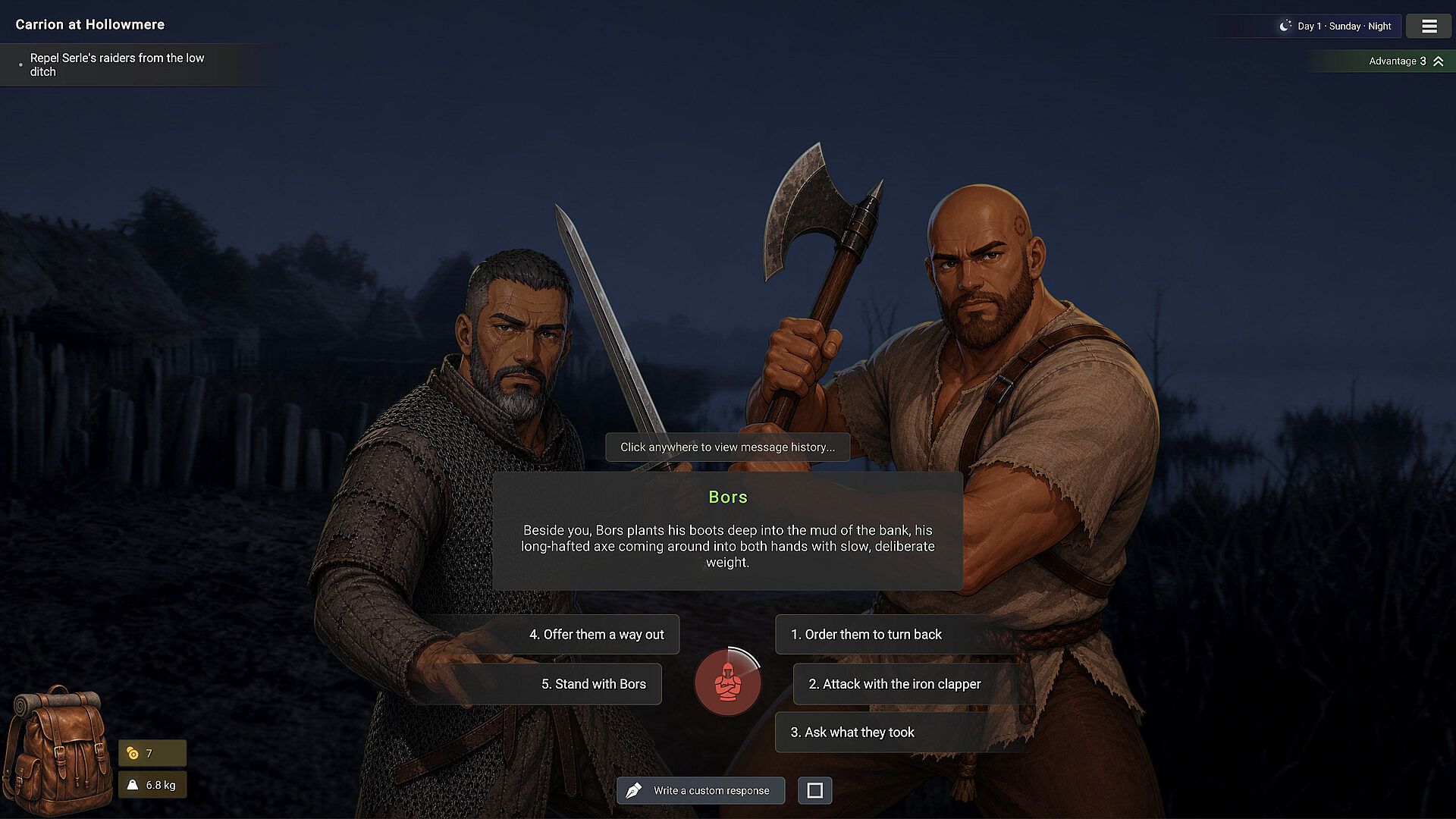
Behind the scenes, a second model maintains coherence. It plans longer threads, seeds complications for later payoff, and prevents drift that single-model systems often show. Combat activates when conversation fails, running on tracked mechanics for health, stamina, advantage, skills, weapons, and wounds. Allies act independently, and permanent consequences apply, including protagonist death without rewinds. Talents develop from performed actions, while inventory, equipment, and currency link choices to the environment.
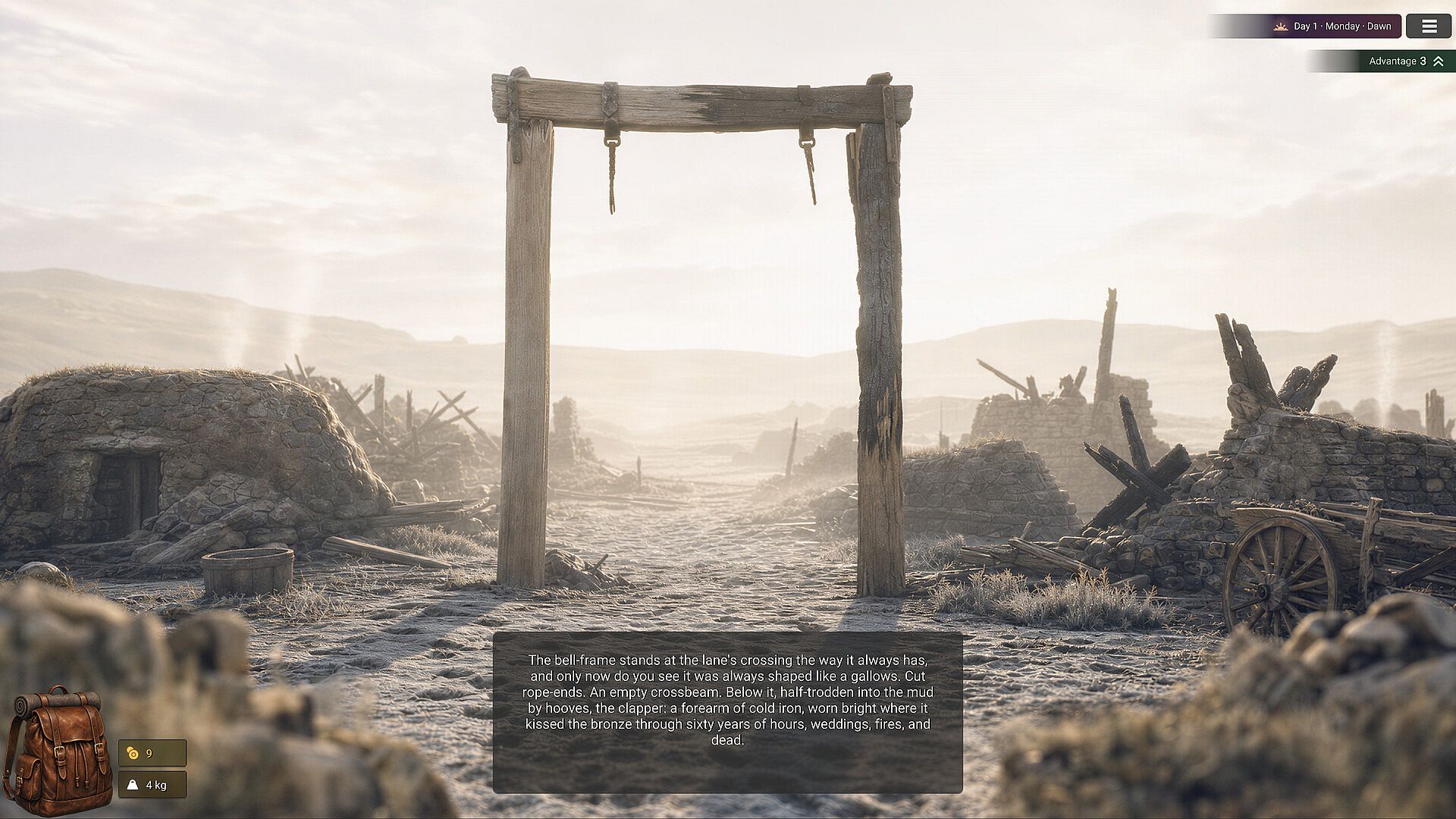
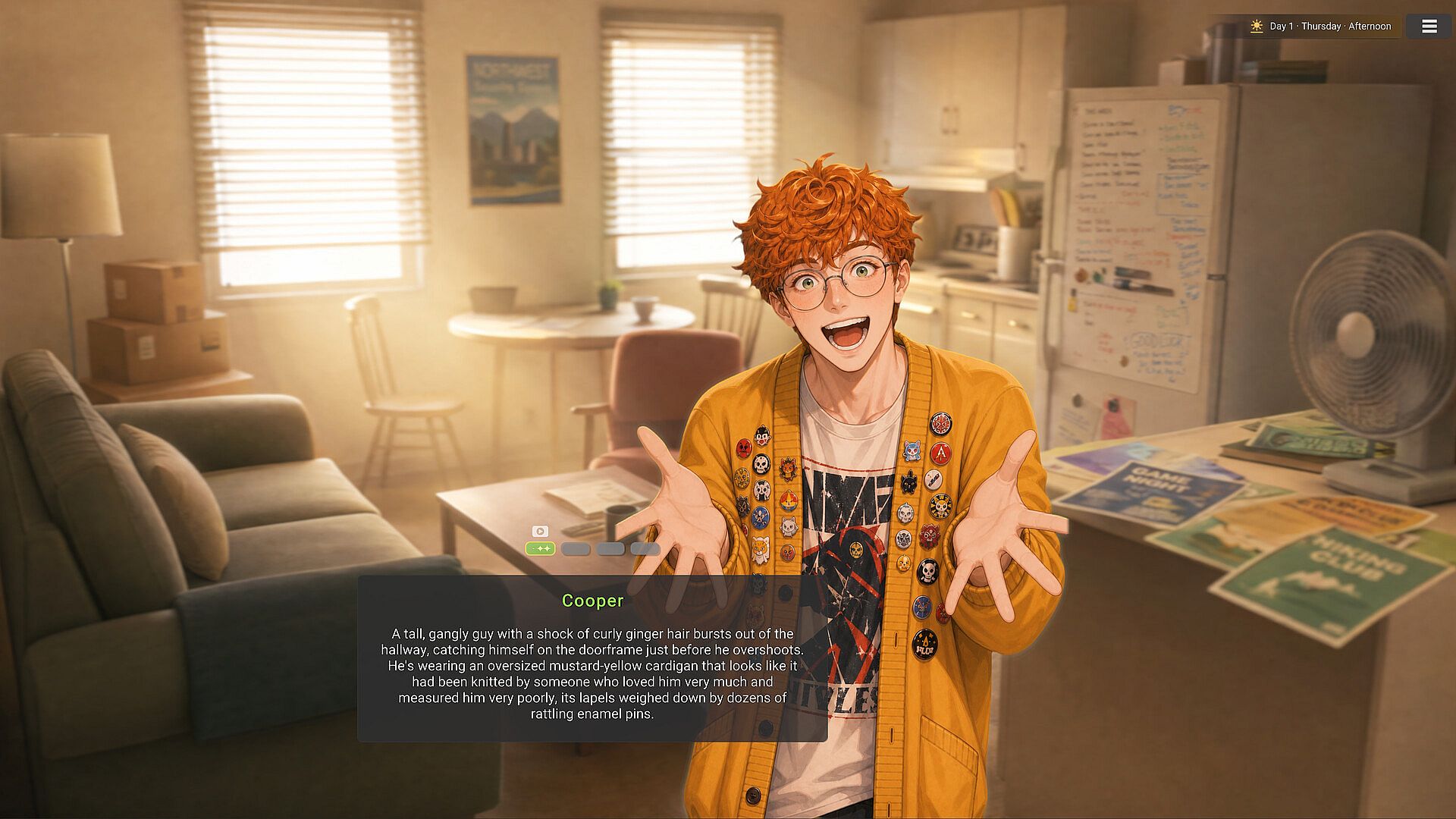
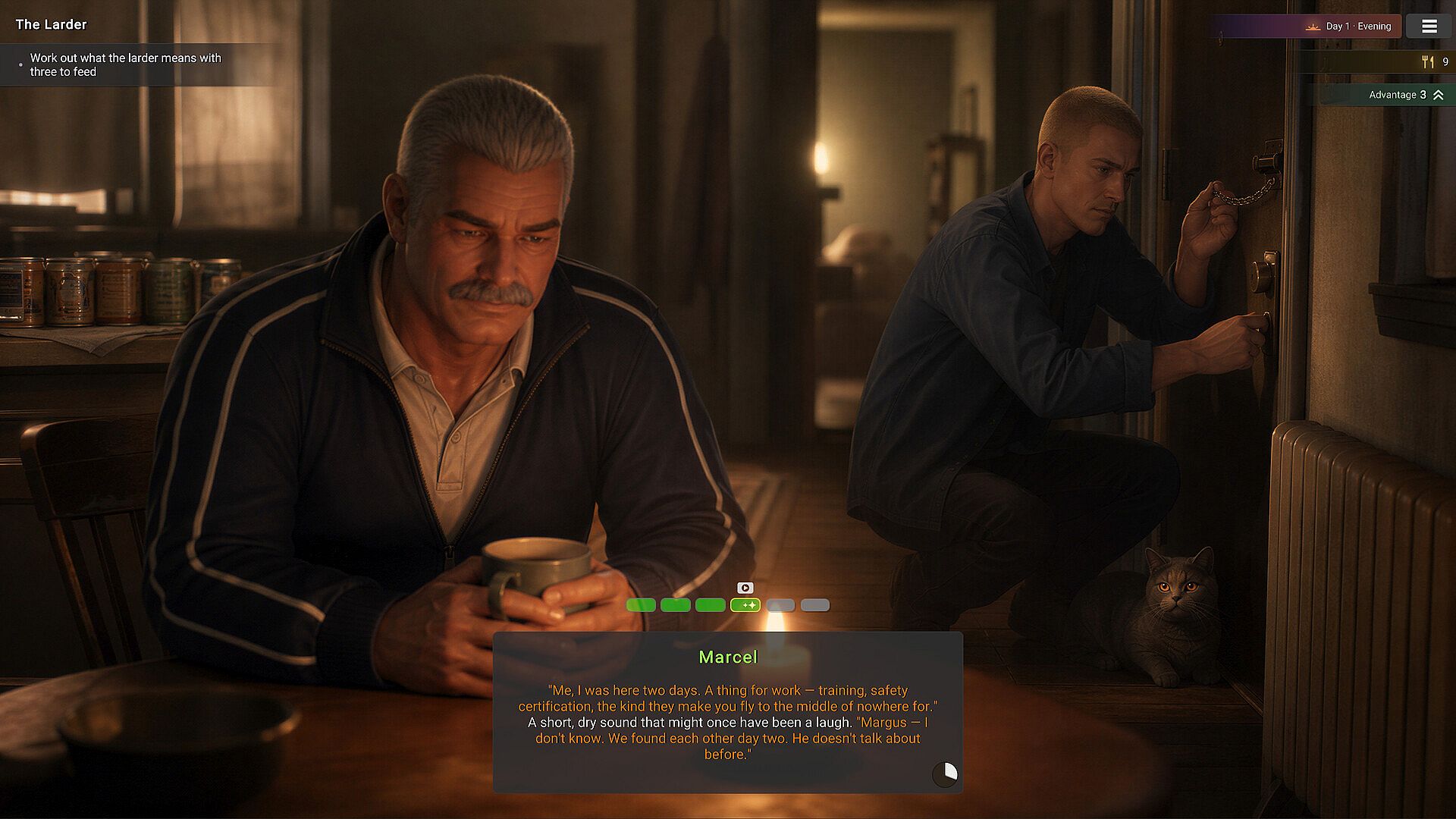
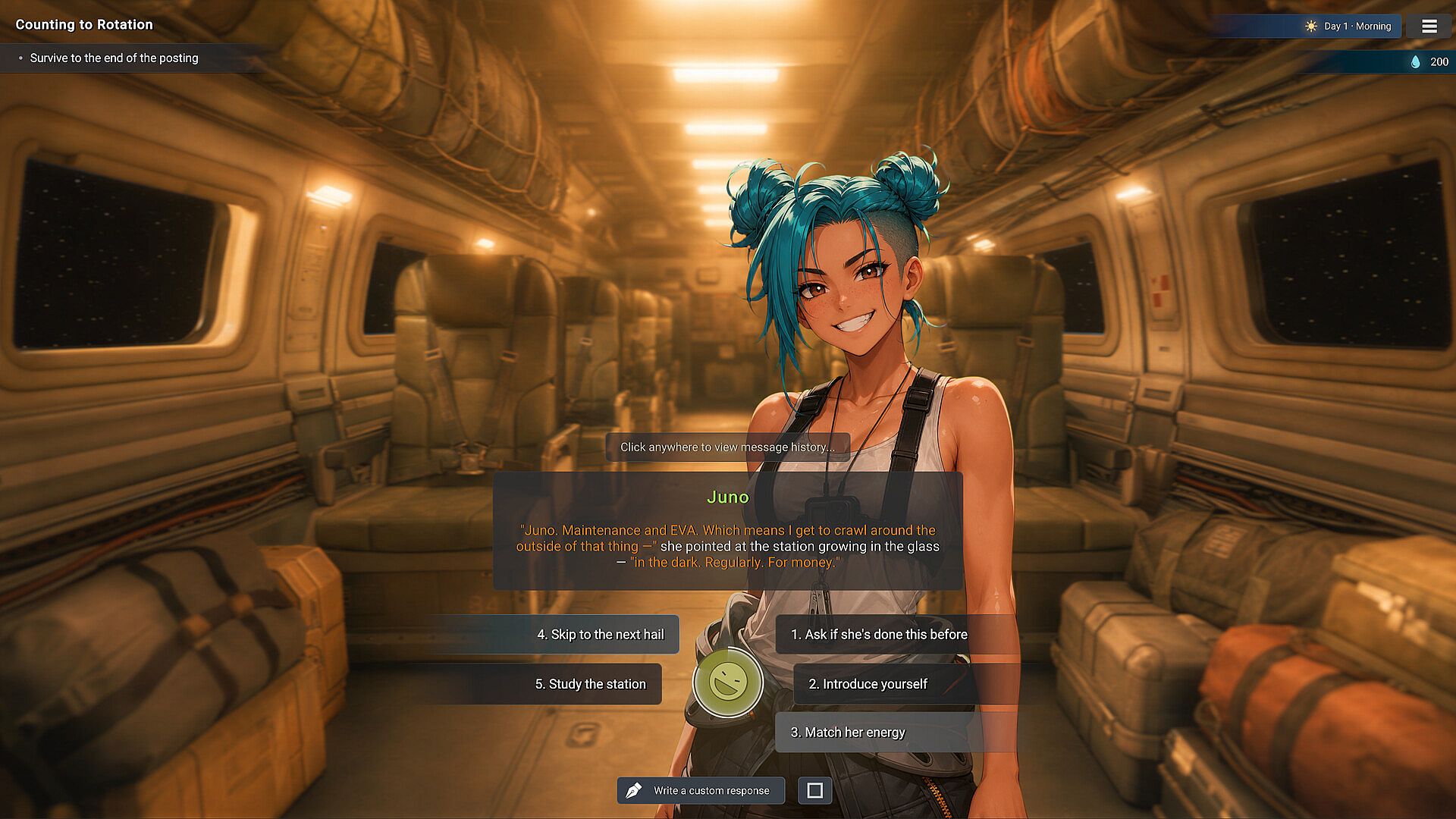
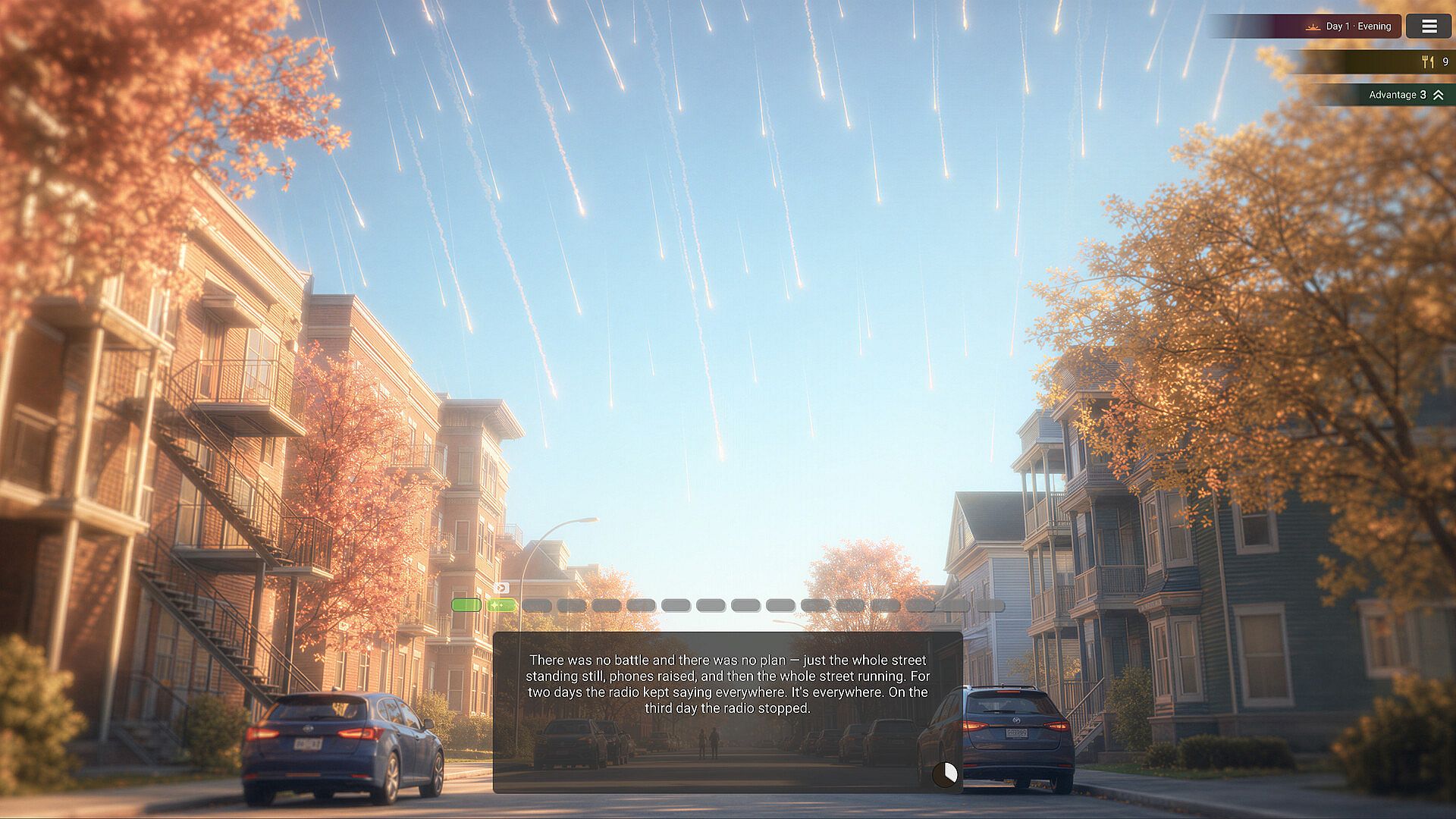
Characters arrive fresh each playthrough from a library, carrying distinct appearances, voices, and behaviors. They retain personal memories and form opinions that influence future encounters. Some may join as companions; others can perish. Visual presentation follows a visual novel style with scene art, mood-shifting animated portraits, voiced lines, and adaptive music. New locations receive dedicated artwork as exploration unfolds.
Game Modes
Play revolves around standalone scenarios that launch with roughly twenty options across fantasy, science fiction, horror, mystery, and comedy. Each supplies its own cast, explorable locations, and tailored rules. Examples include an imperial expedition to an unexplained colony, a station shift on a sunless world, a snowed-in guesthouse mystery, an East Austin startup, or a griffin egg discovery. Scenarios range from intimate to high-stakes without shared progression systems beyond the core ruleset.
After completing one scenario, players may carry their protagonist and one companion through the rift into another. Personal history, relationships, and acquired traits travel forward, creating a continuous narrative thread across multiple worlds. This structure supports extended campaigns while allowing fresh starts within individual scenarios.
World State and Character Systems
A persistent world state records every significant event and carries it forward. Broken objects remain broken, witnessed actions stay remembered, and hidden knowledge influences later scenes. This memory layer applies across days and chapters within a scenario and extends when crossing into new ones.
Characters maintain individual memory banks tied to the player's specific choices. Their responses evolve based on prior interactions rather than static scripts. The system supports both short sessions and extended runs, with testing confirming coherence past twenty thousand messages without increased cost per turn for longer stories.
Is It Worth Playing?
Worldrift suits players who enjoy narrative-driven adventures where choices carry lasting weight and improvisation replaces preset paths. The dual-model approach aims to deliver consistent, ambitious storytelling that rewards experimentation over repeated playthroughs of the same scenario. Those seeking traditional dialogue trees or predictable outcomes may find the open input less structured than expected.
Availability centers on PC with a launch selection of around twenty scenarios. The rift-crossing feature extends individual play sessions into longer campaigns without requiring separate saves or restarts. Reception details remain limited at this stage, but the emphasis on mechanical combat integration and persistent state offers a distinct alternative to purely text-based or scripted RPGs.