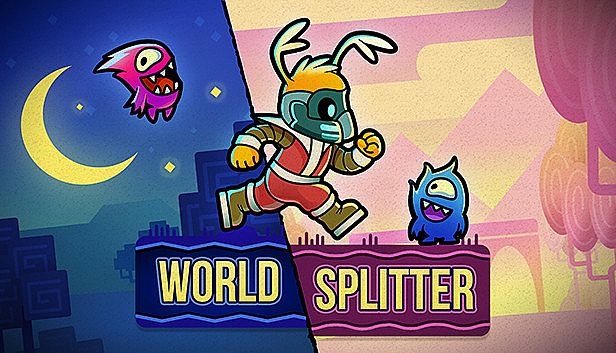














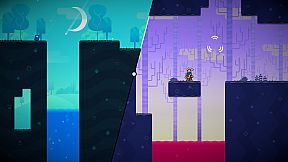
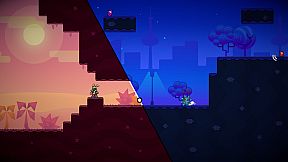
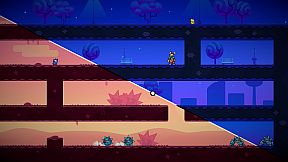
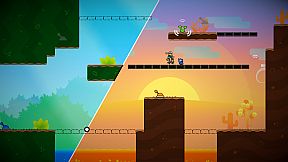
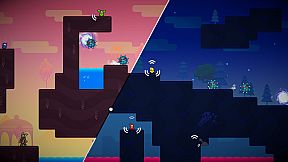
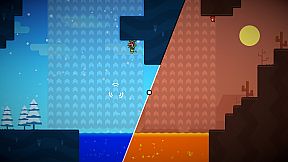
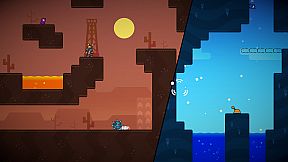
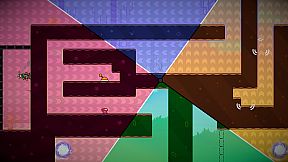
World Splitter is a 2D puzzle platformer that blends precise jumping and running with logical puzzle solving across two parallel dimensions. Players navigate levels by controlling a character that shifts between vibrant worlds separated by a dimension rift, interacting only with visible elements in each layer at any moment. The core loop revolves around mastering rift movement to align platforms, avoid hazards, and progress through increasingly complex stages filled with animated environments and rescue objectives.
Gameplay
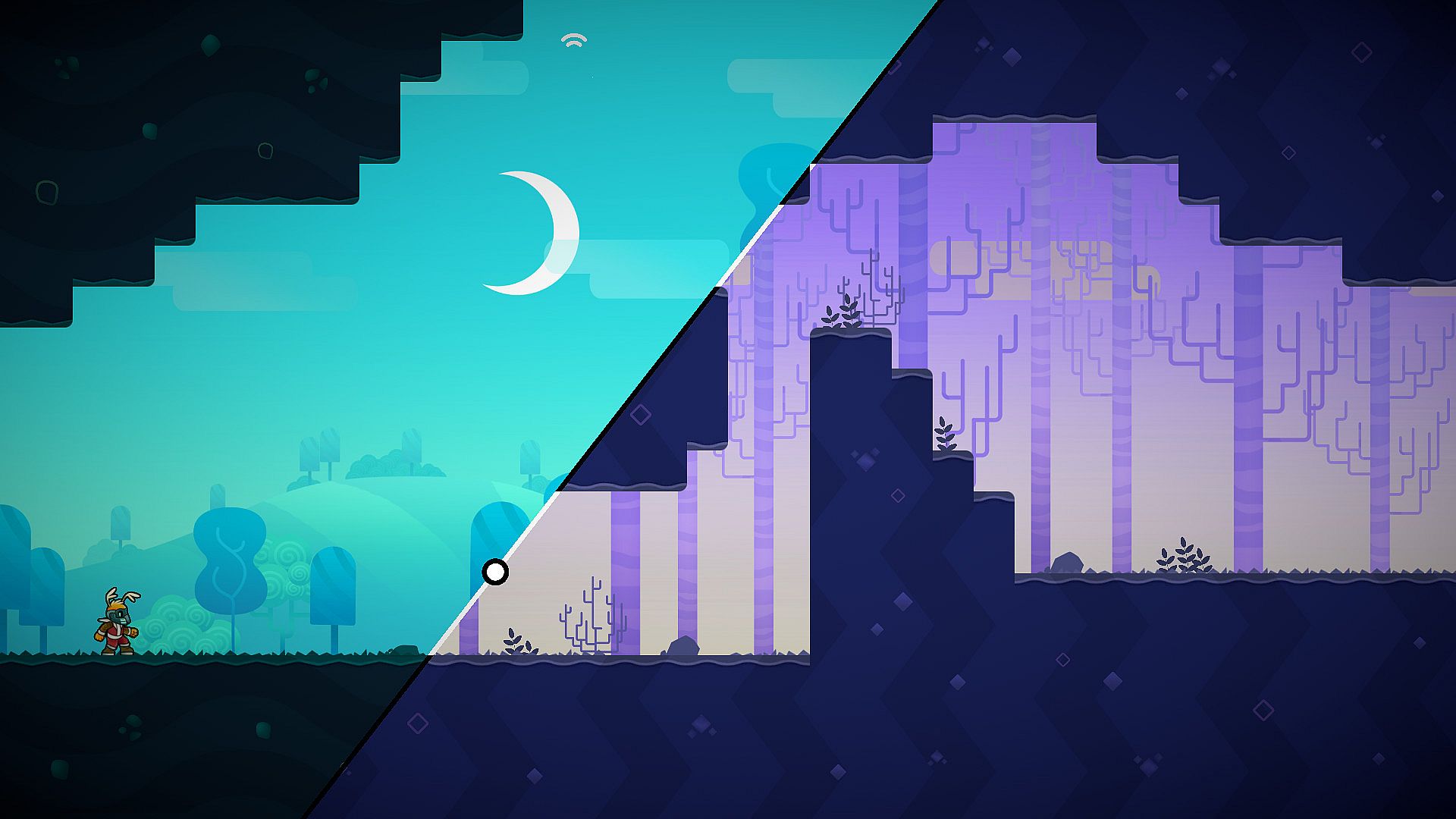
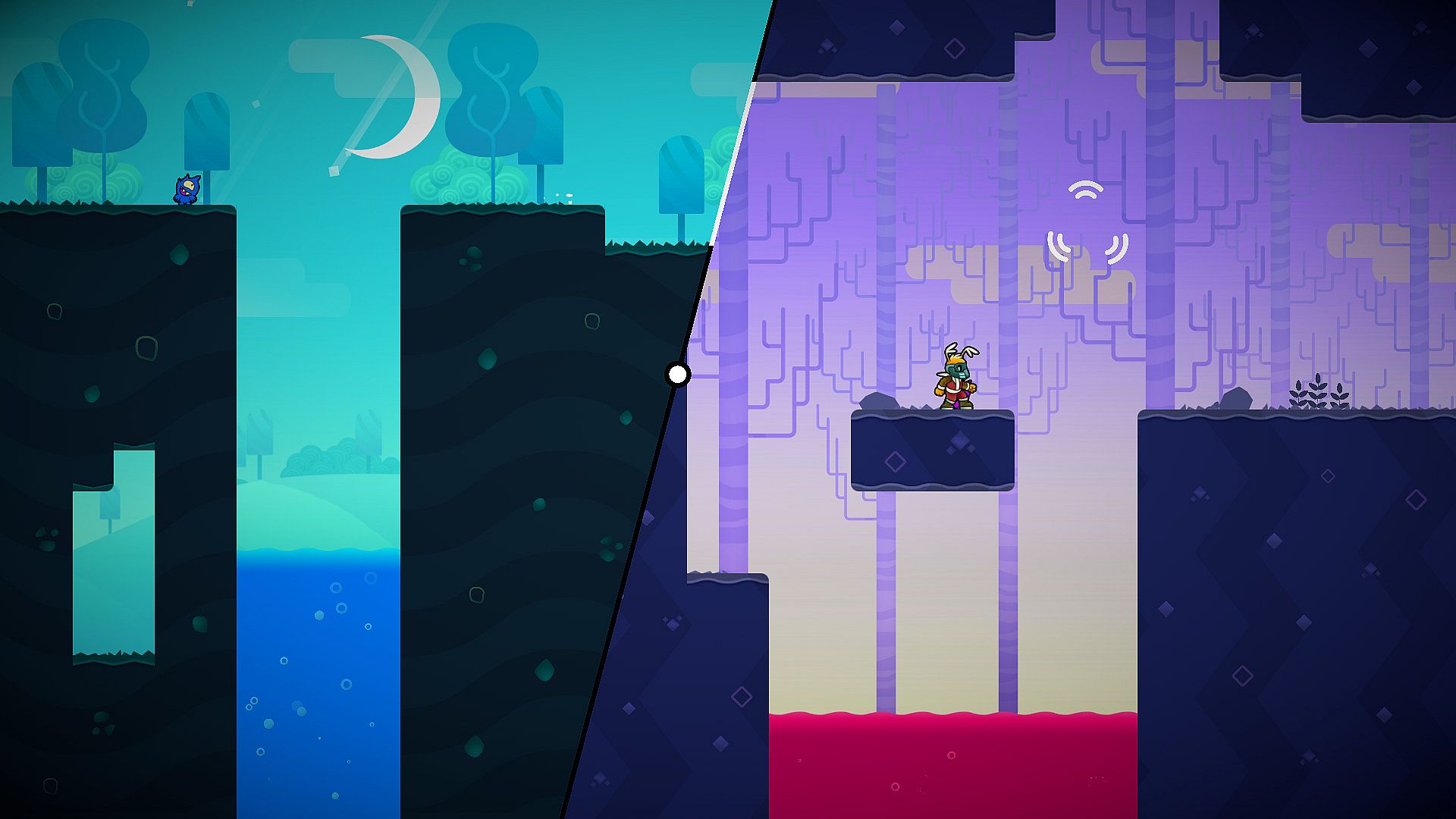
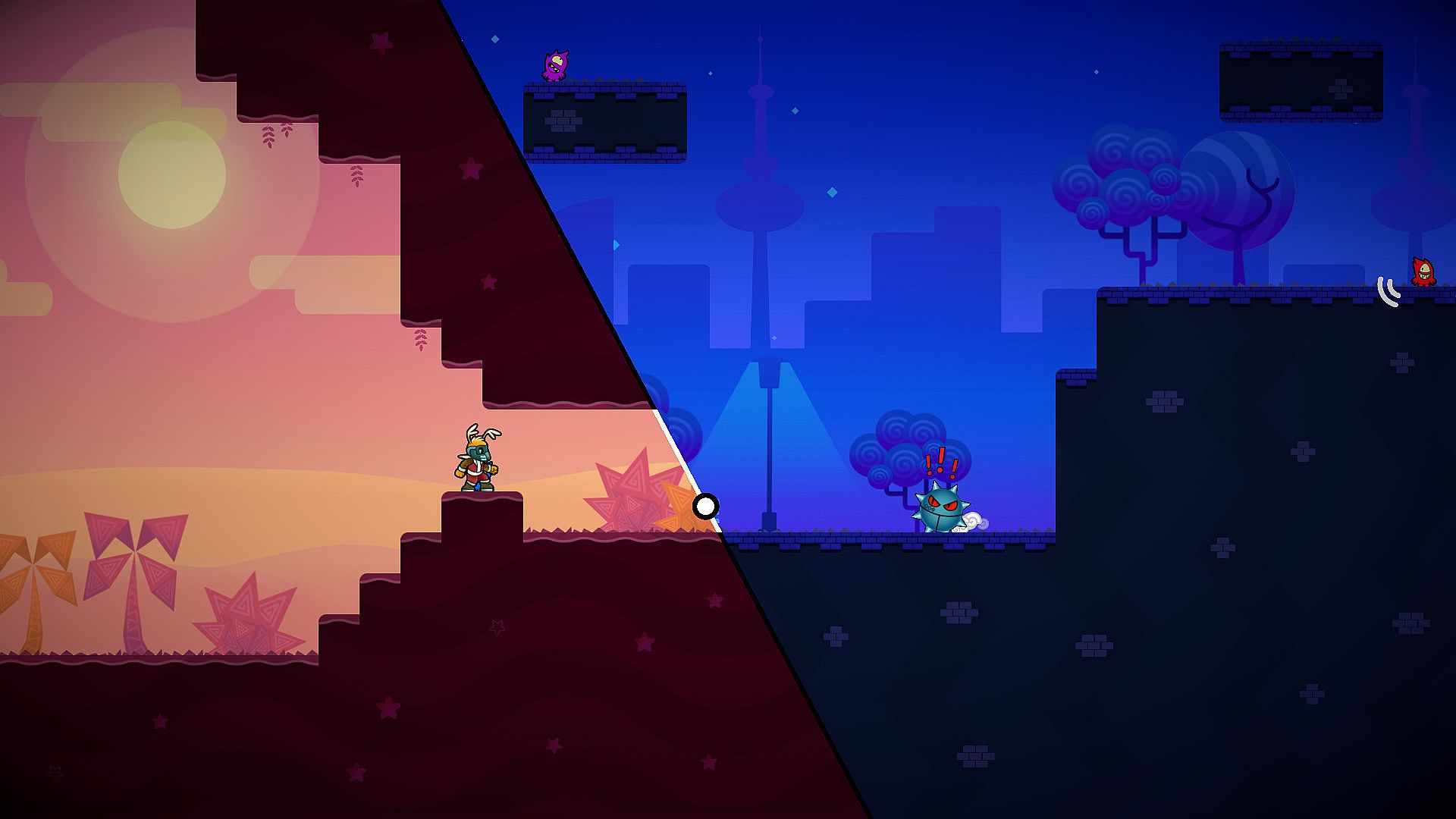
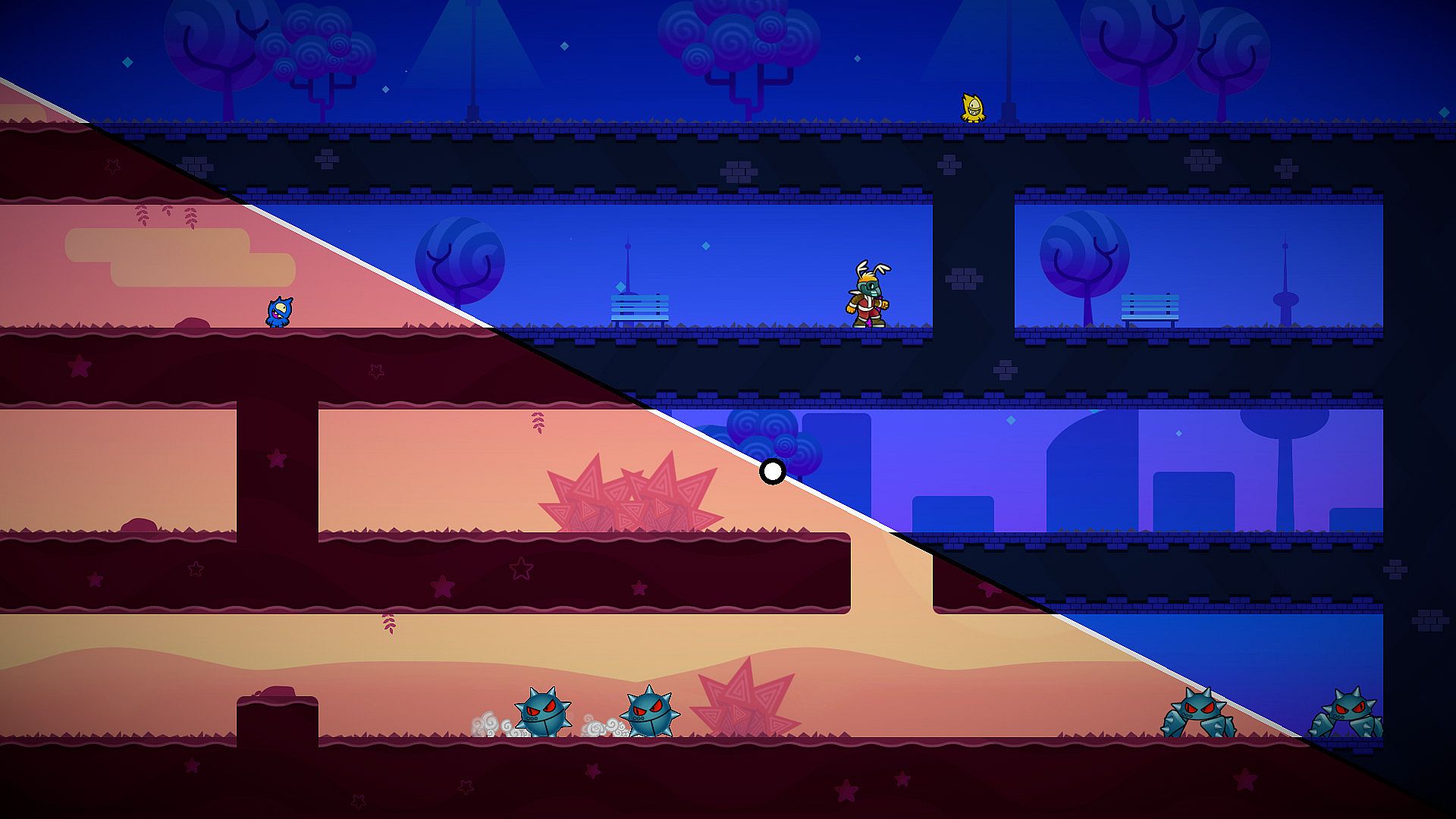
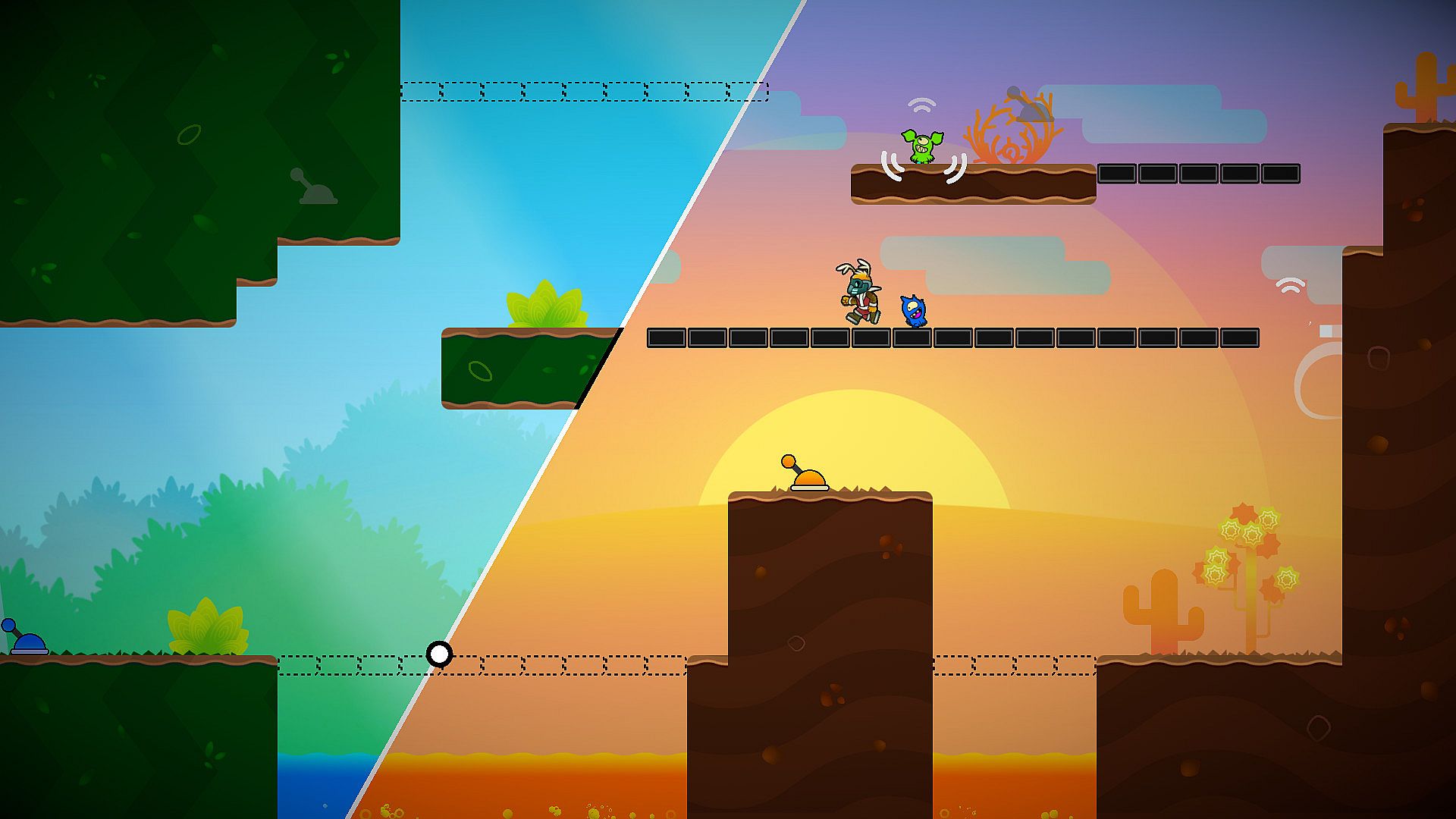
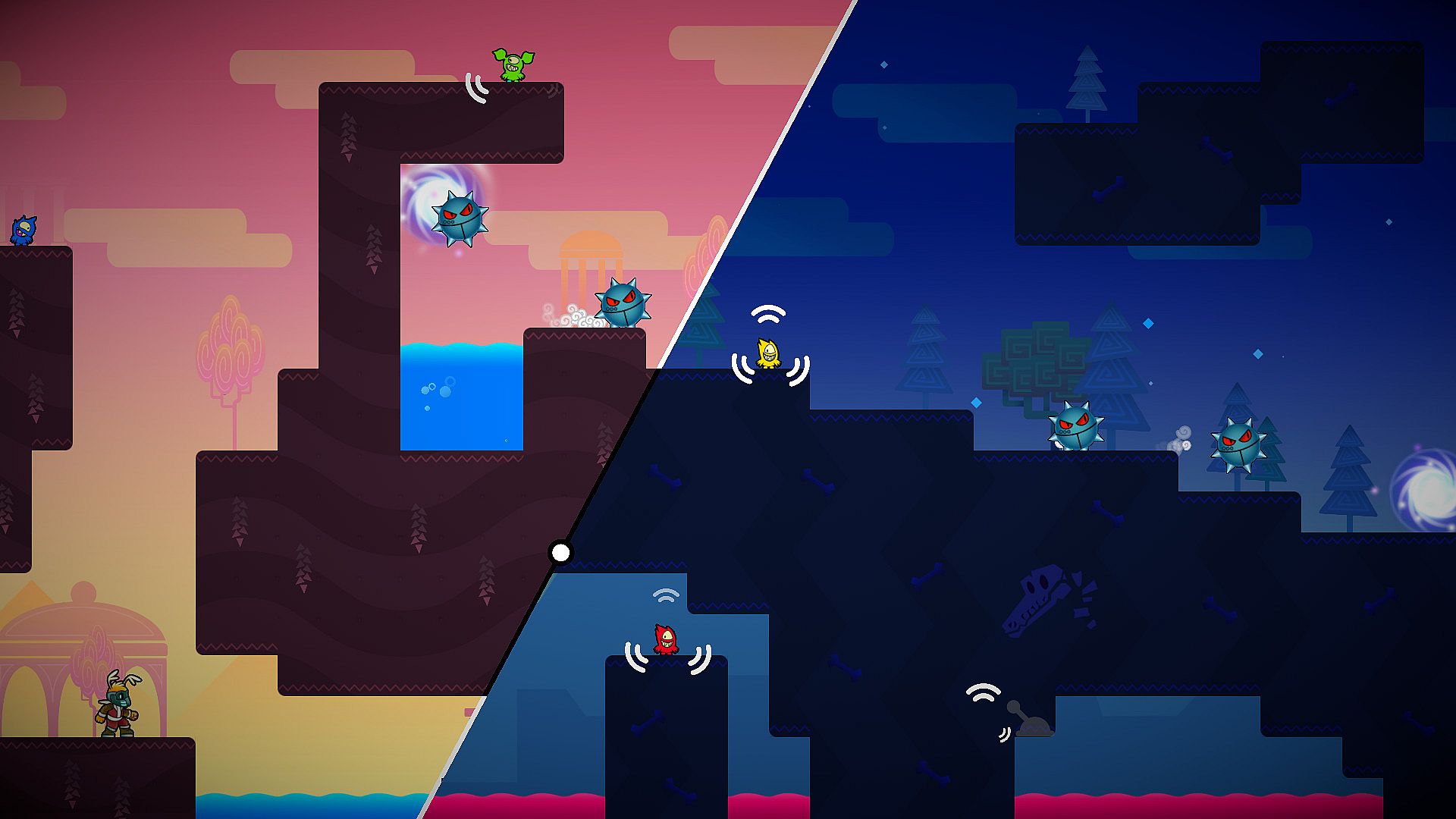
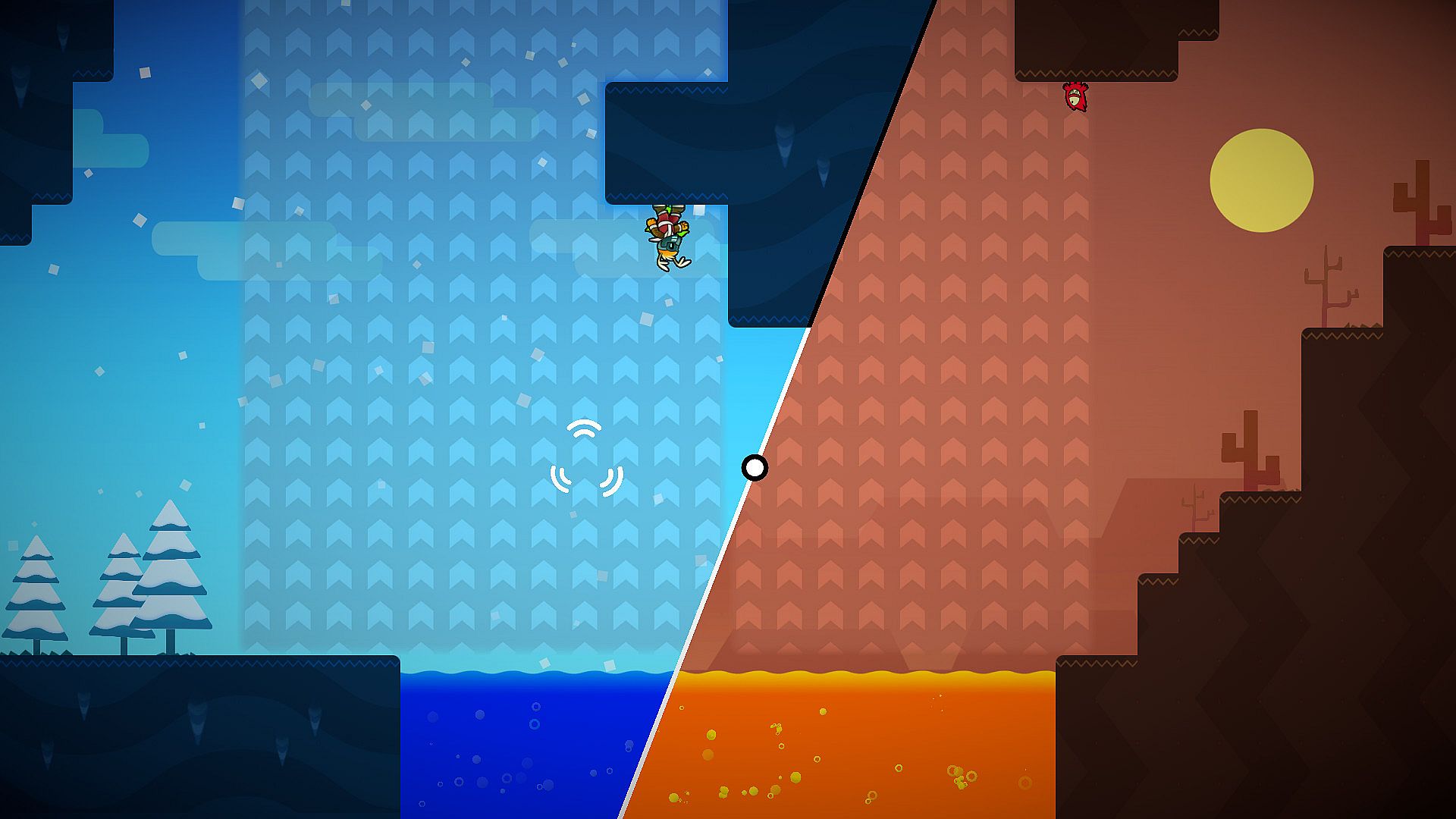
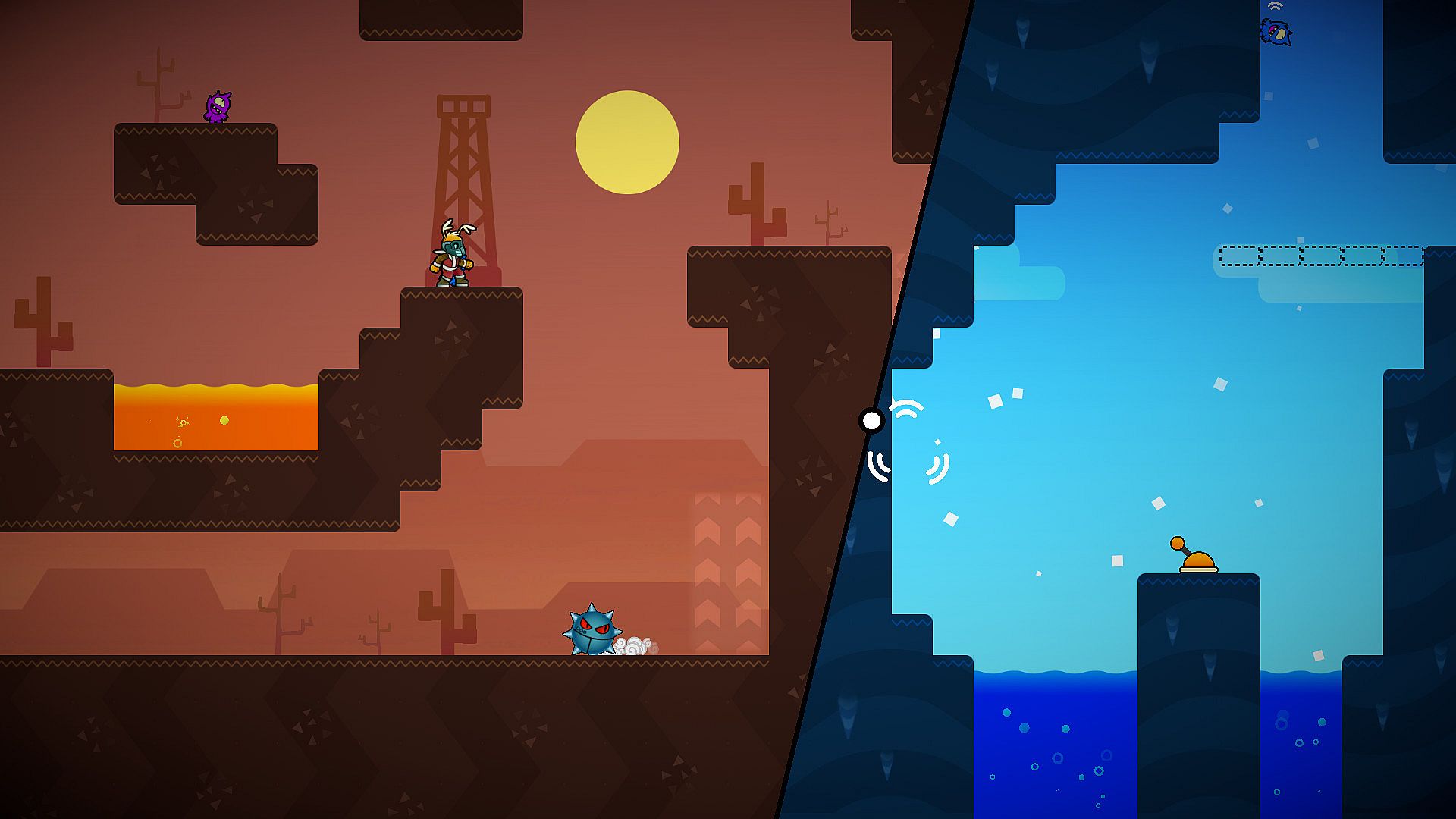
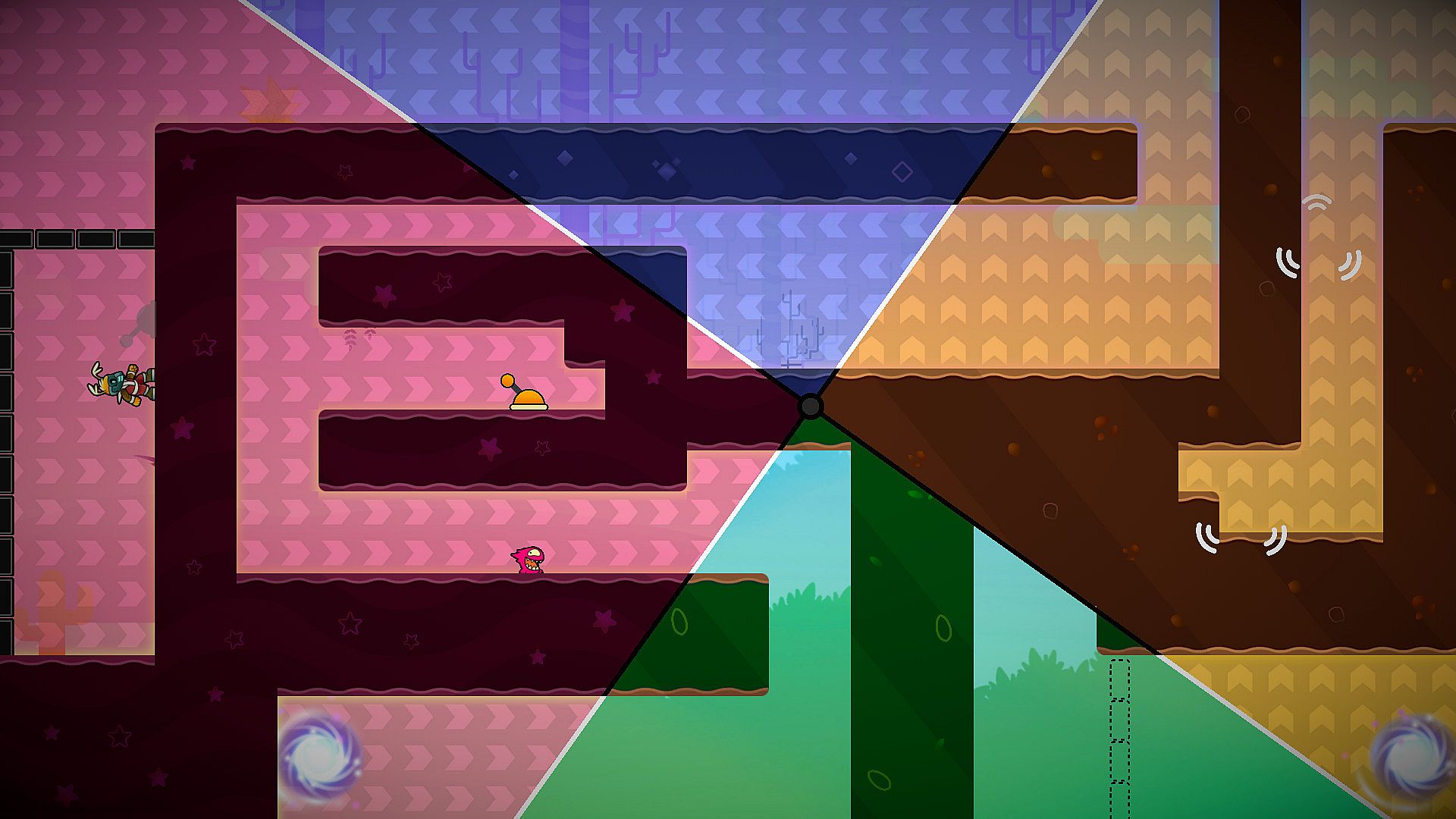
The gameplay centers on a unique rift mechanic where the player moves the character freely across the dividing line between two worlds. Each level presents two side-by-side environments that the character can cross at will, but only the portions visible from the current position affect movement and interactions. This requires constant adjustment of position and perspective to create safe paths, activate switches, or bridge gaps that exist only when viewed from one side.
Platforming elements demand accurate jumps and timing to avoid obstacles such as crushing hazards, while puzzle elements focus on logical manipulation of the rift to reveal or hide sections of terrain. Levels feature colorful, hand-animated backdrops across multiple themed worlds, with challenges that escalate in complexity through tighter timing windows and more intricate spatial overlaps. The character must rescue small creatures known as Rascals while preventing being crushed by moving elements that respond to the dual-world layout.
Controls combine standard platformer inputs with rift-specific adjustments, often using mouse or analog stick movement to shift the viewpoint and align the two layers. Progression rewards careful observation and experimentation, as misaligned rift positions can block routes or expose the character to dangers from the unseen side.
Game Modes
World Splitter operates entirely as a single-player experience structured around sequential levels. There are no separate competitive or cooperative modes, and all content unfolds through the main campaign of interconnected stages divided into themed worlds. Players advance by completing each level's objectives, which center on rift navigation, hazard avoidance, and rescue tasks without branching paths or alternate rulesets.
The structure emphasizes linear progression with increasing difficulty, allowing replay of individual stages to refine solutions or achieve better performance through optimized rift usage. No additional modes such as time trials, endless challenges, or user-generated content appear in the verified design.
Level Design and Progression
Sixty levels spread across six distinct worlds form the complete campaign, offering roughly ten hours of playtime for most players. Each world introduces new visual themes and mechanical twists on the rift system, such as rotating elements or layered hazards that demand fresh approaches to visibility and alignment. Progression feels deliberate, with early stages teaching core rift movement before layering in platforming precision and multi-step puzzles.
Environments remain brightly animated and fantastical, providing visual variety that supports the puzzle focus without overwhelming the 2D presentation. The design encourages repeated attempts on tougher stages, as solutions often emerge from repositioning the rift rather than speed alone.
Is It Worth Playing?
World Splitter suits players who enjoy deliberate puzzle platformers that reward spatial reasoning over reflexes. Its single-player campaign delivers consistent challenge through the rift mechanic, making it a solid choice for those seeking a contained indie experience with clear objectives and no ongoing requirements. The game remains available as a complete title with no seasonal updates or additional content layers confirmed after its initial release.
Reception highlights the satisfying "aha" moments from mastering the dual-world interactions, though some stages test patience with precise positioning. It appeals most to fans of casual adventure games that mix exploration with logic, particularly those comfortable with 2D platforming controls. If the described rift-based puzzles align with your preferences for thoughtful progression, the title provides a worthwhile session of focused gameplay without extraneous features.