












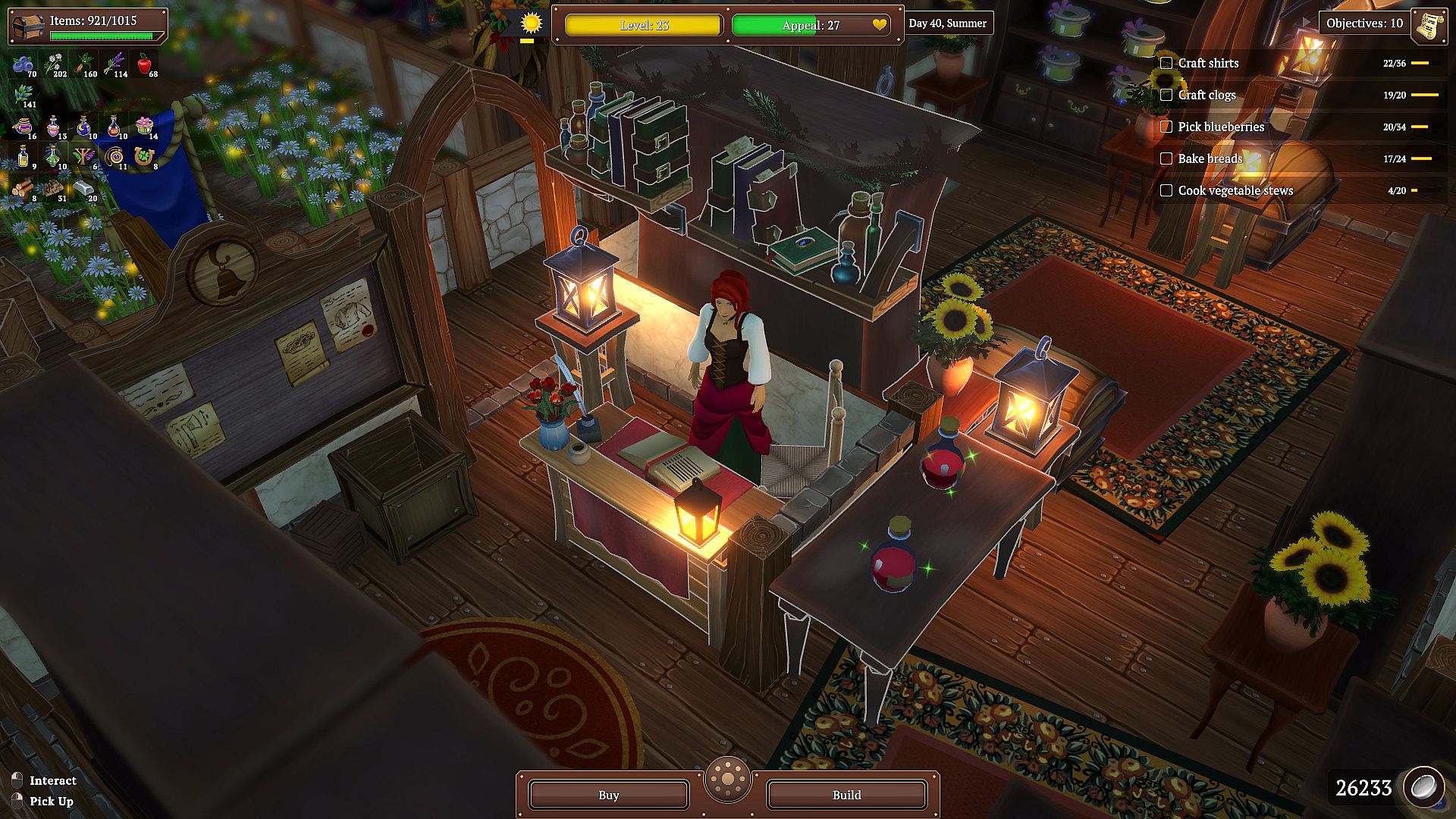
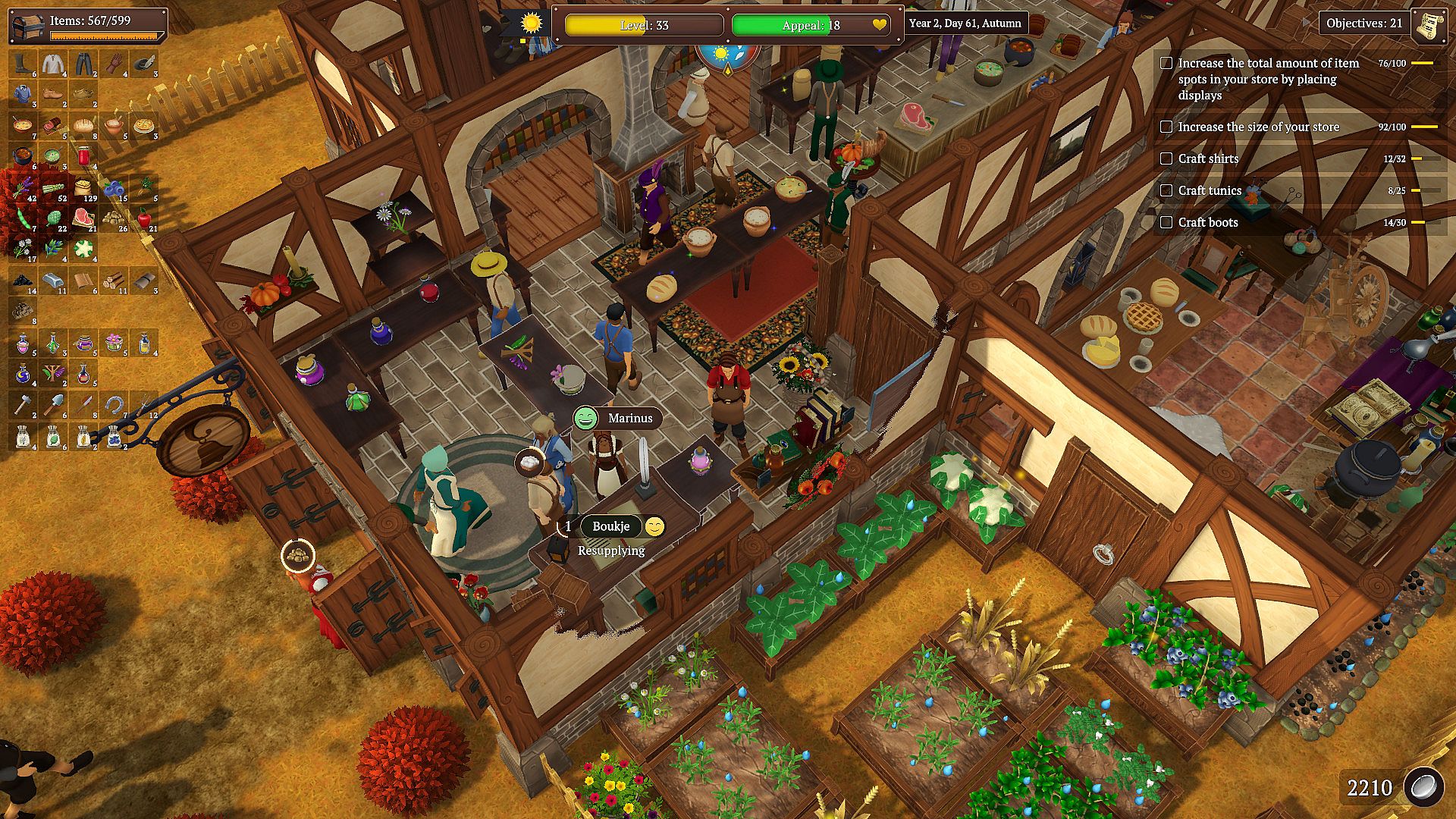
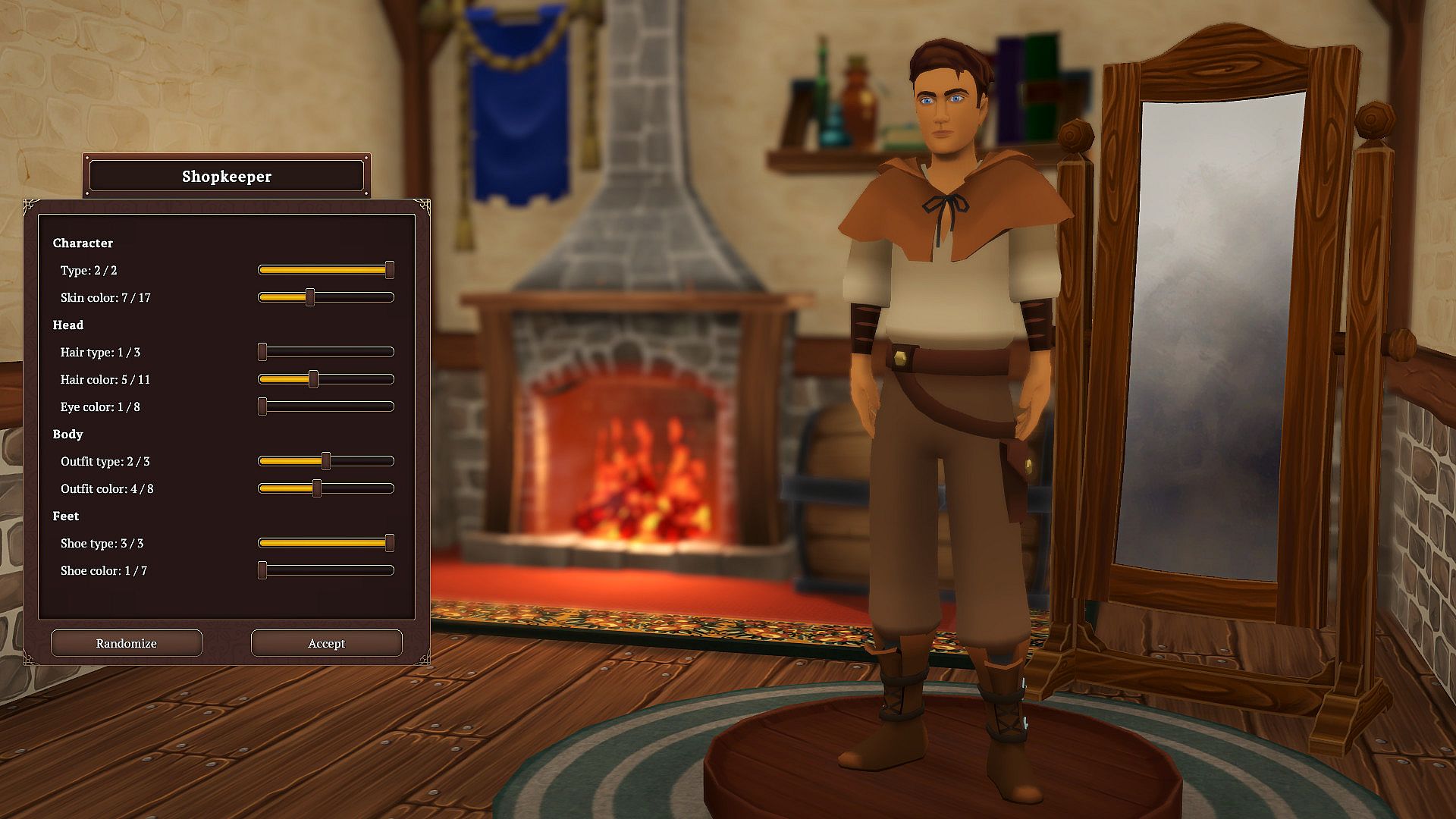
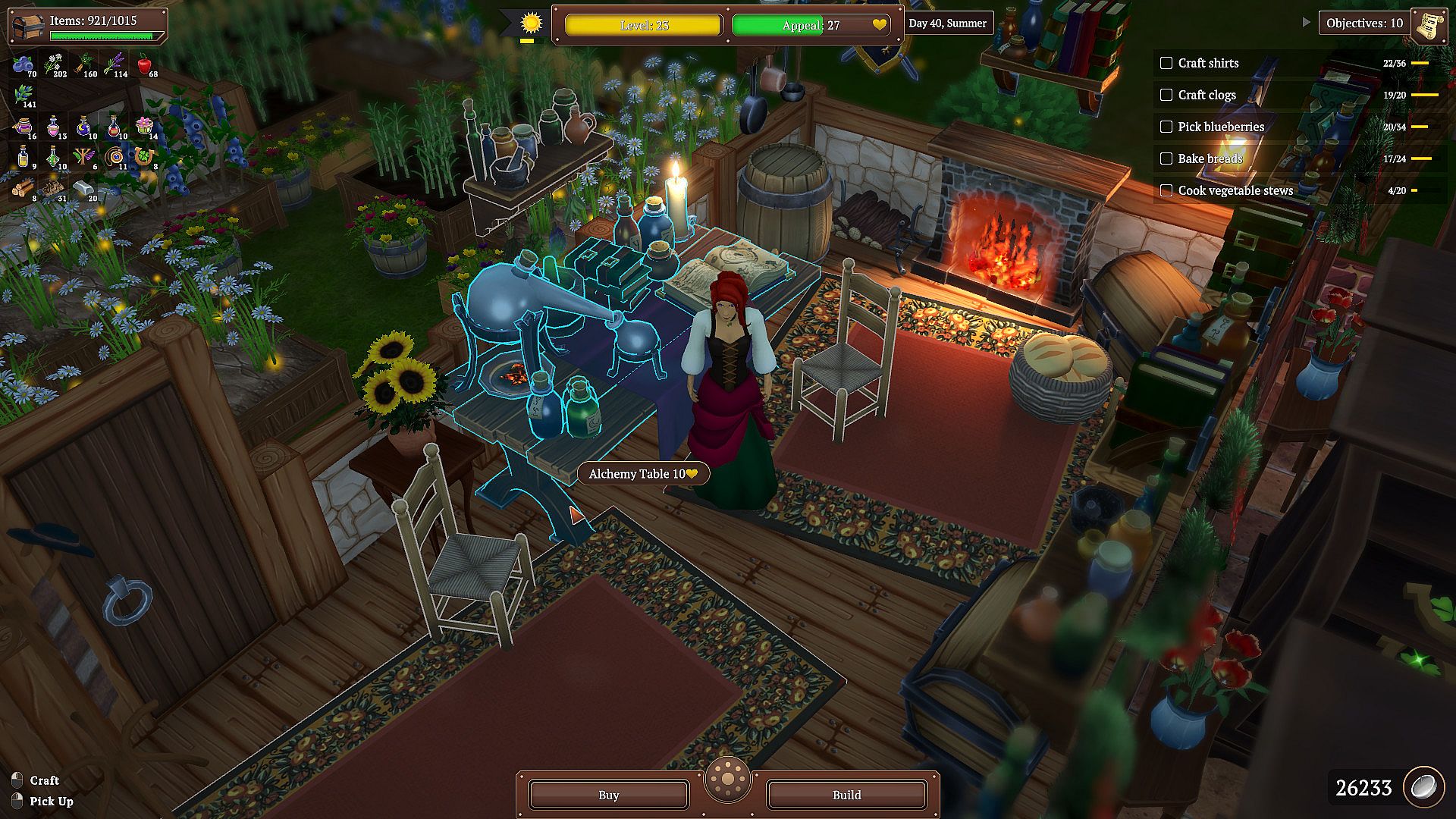
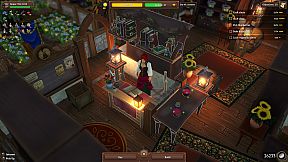
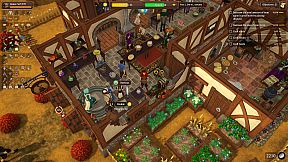
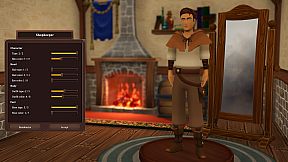
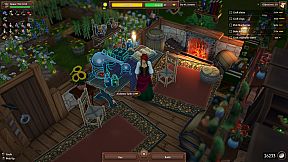
Winkeltje: The Little Shop is a singleplayer strategy and simulation game focused on running and expanding a fantasy shop. Players handle inventory, crafting, customer service, and store design in a relaxed yet detailed management experience that blends casual pacing with strategic decisions around profit and growth.
Gameplay
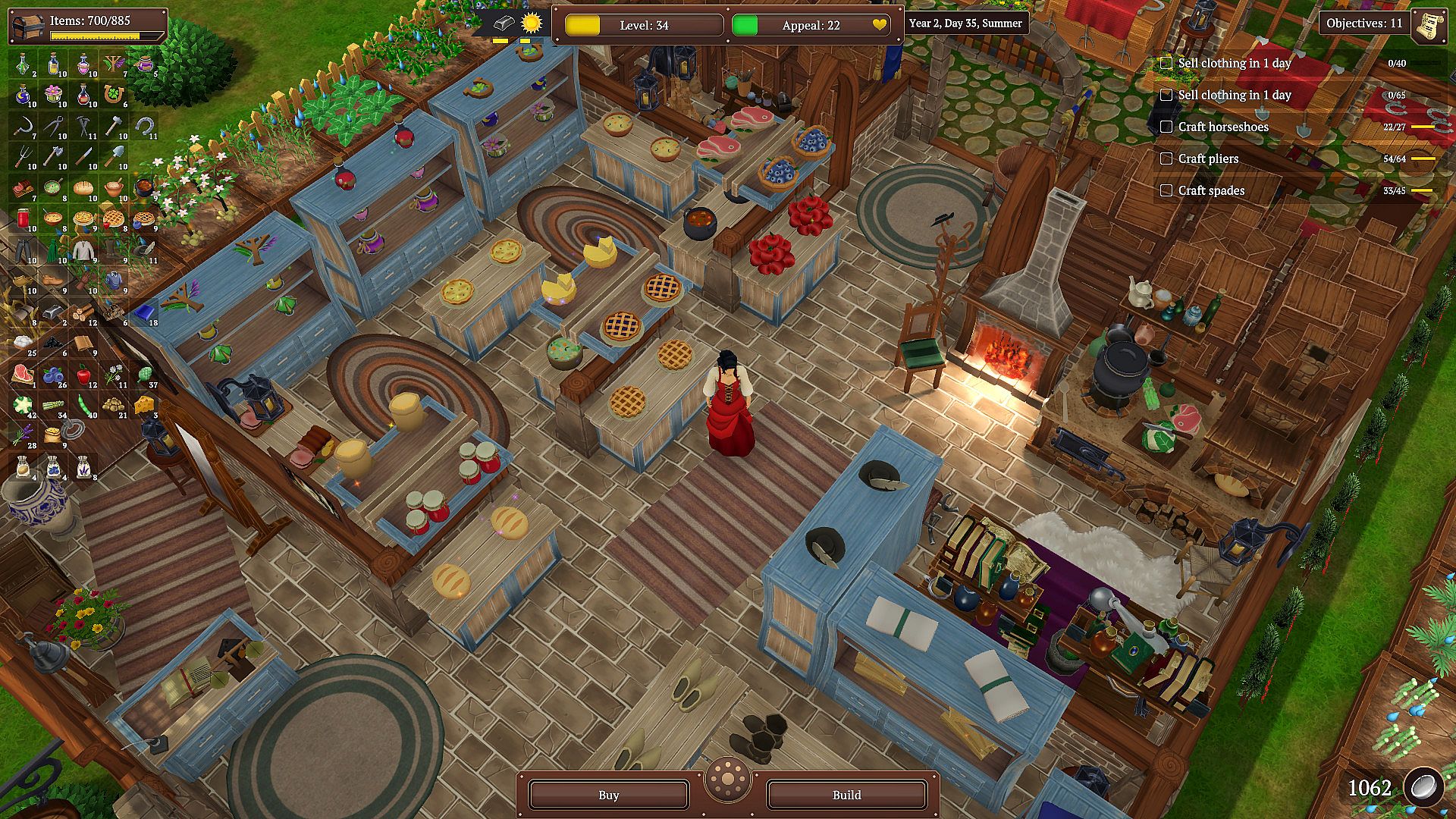
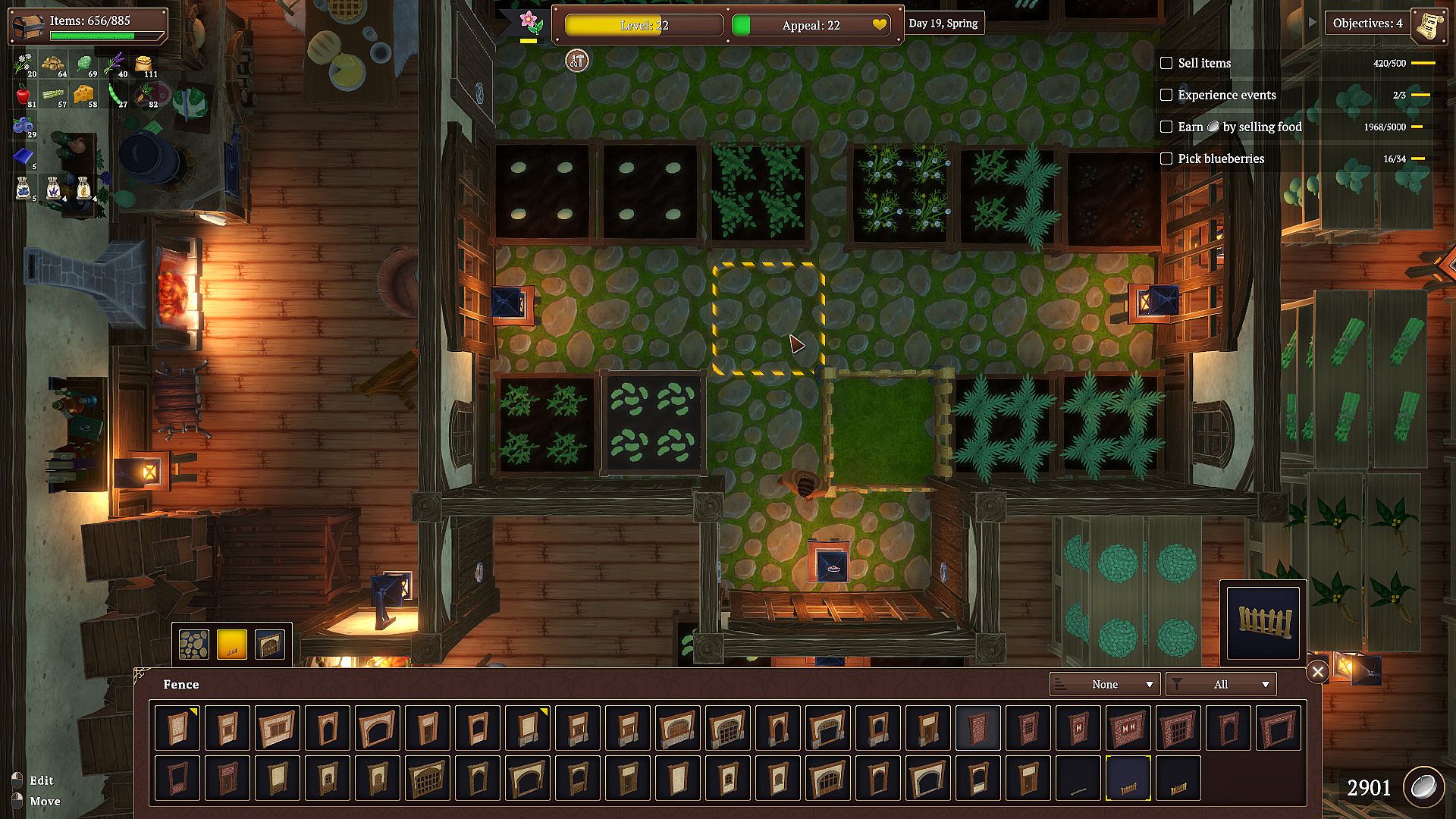
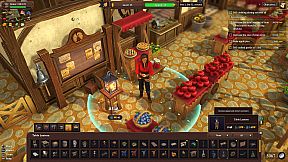
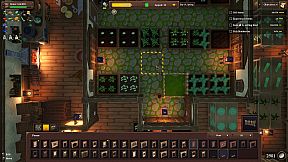
The core loop centers on stocking shelves, setting prices, and serving customers who arrive throughout the day. Traders deliver goods or players buy stock directly, then arrange items on displays to match demand. Crafting stations allow creation of higher-value products from raw materials, with experience gained over time to improve item quality and sale prices. A vegetable garden adds another layer, where seeds are planted, watered, and harvested for fresh produce that can wither without proper care.
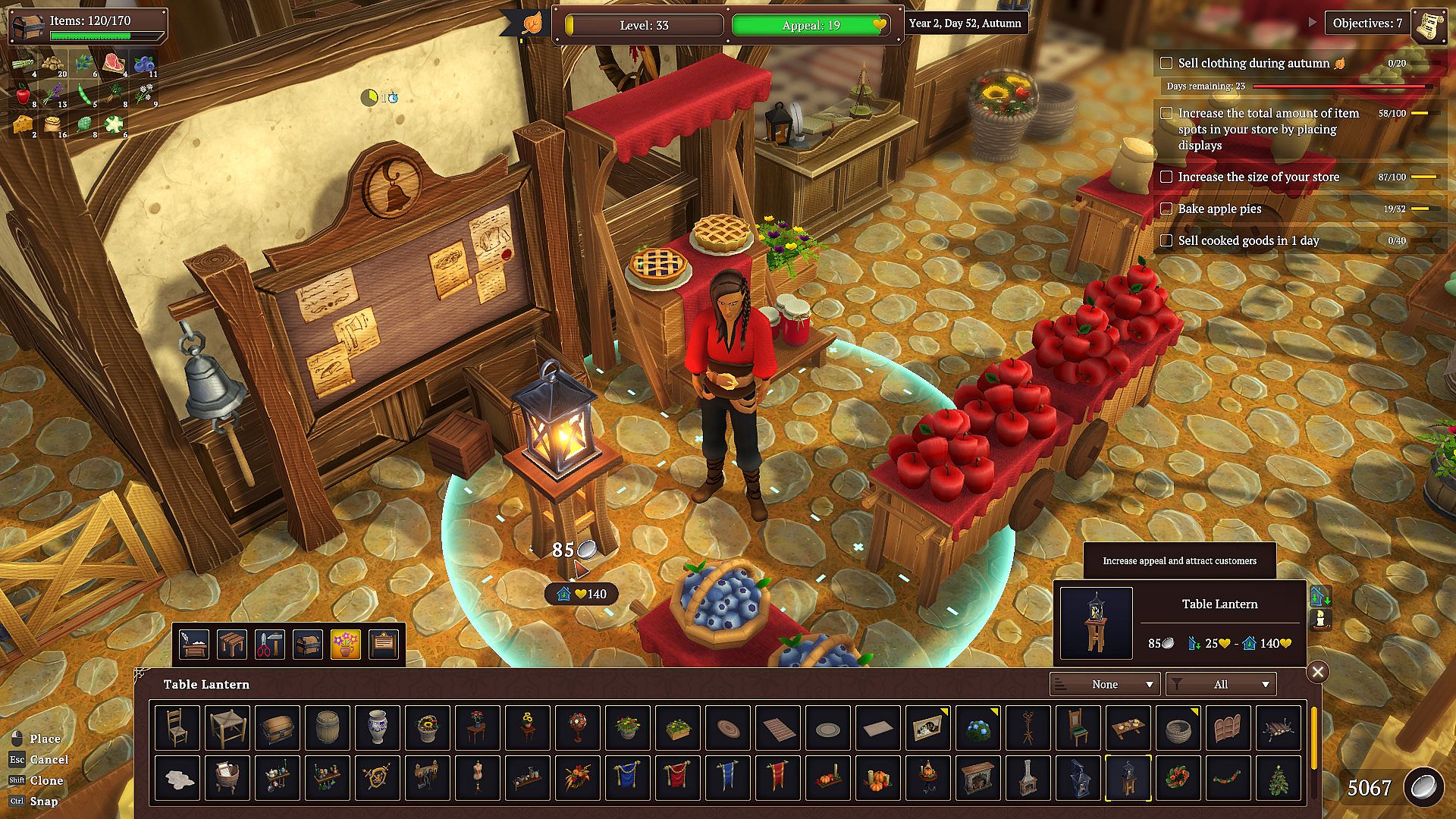
Shop appeal plays a key role in drawing more visitors. Furniture, counters, shelves, and decorations are placed freely to boost this metric, encouraging repeat business. Seasons shift item values and customer preferences, while random events introduce supply shortages or sudden demand spikes that reward quick adaptation. Employees can be hired from applications to handle tasks during busy periods, with their skills improved through training and fair pay to maintain productivity.
Game Modes
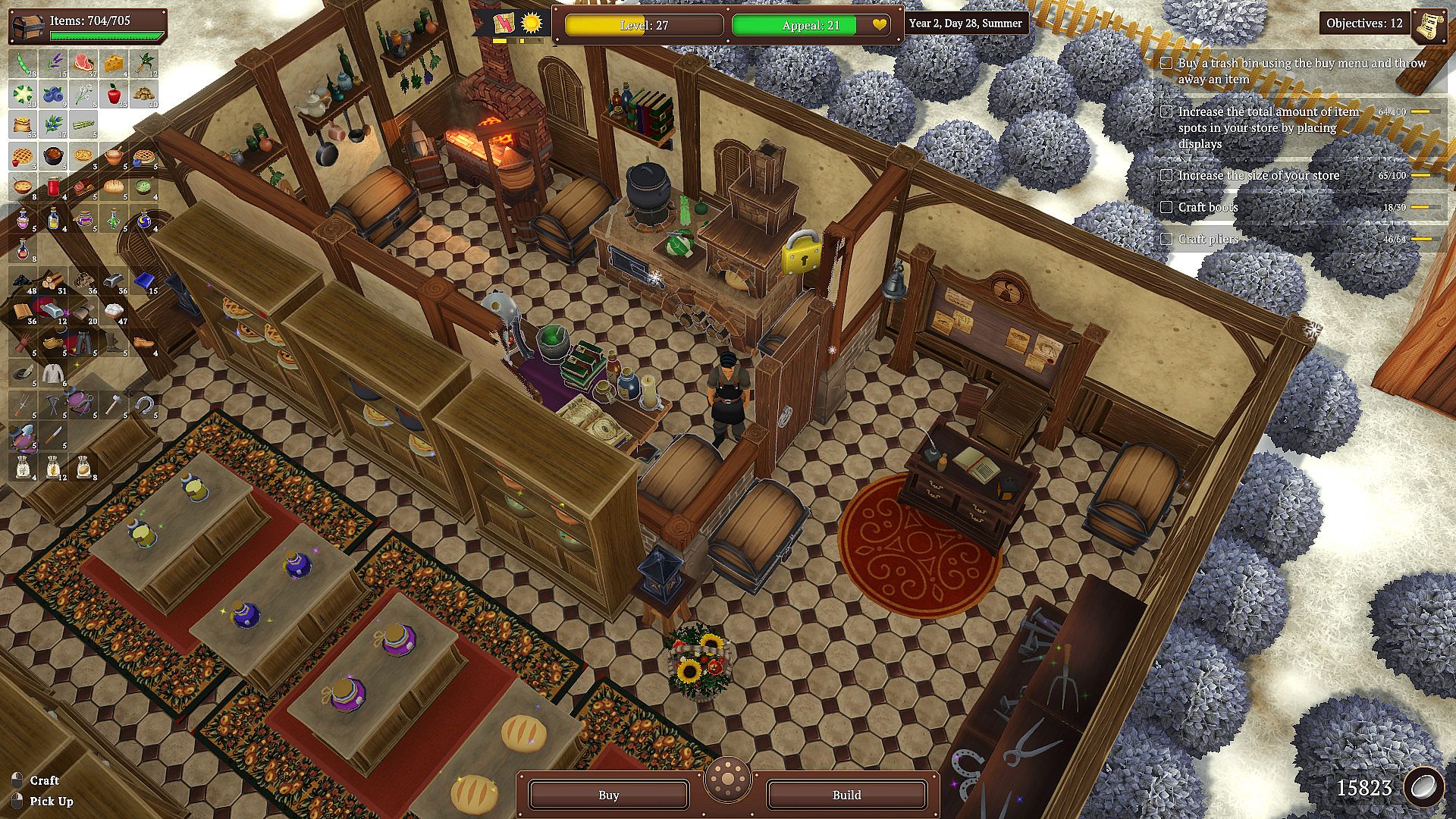
Each new game begins with a choice of difficulty and scenario. Standard options include relaxed settings where financial pressure is removed entirely, allowing focus on decoration and experimentation. Other difficulties incorporate debt repayment deadlines that end the run if missed, adding structure to longer play sessions. Scenarios provide varied starting conditions, such as a larger initial shop layout or themed environments like a frosty Christmas setting with seasonal terrain changes.
These modes support different approaches. Relaxed play suits those who prefer open-ended building, while standard difficulties emphasize balancing costs, seasonal market shifts, and employee management for steady progress toward expansion.
Shop Building and Expansion
Players act as their own architect once enough funds accumulate. Floor plans are customized by adding doors, windows, and archways, with choices of wall and floor tiles to create distinct areas. Expansion increases available space for more crafting stations, storage, and displays, allowing the shop to grow from a basic room into a multi-section store stocked with bulk goods, clothing, tools, food, and alchemical items.
Specialization options guide long-term strategy. Five distinct paths align with crafting skills such as tailoring, cooking, smithing, and alchemy, helping focus inventory and attract targeted customers for better margins.
Is It Worth Playing?
The game suits players who enjoy methodical shop management and creative decoration without intense action or competition. Its singleplayer format delivers consistent depth through inventory tracking, seasonal changes, and incremental upgrades that reward careful planning.
Reception remains strong years after the 2022 full release, with overall reviews rated Very Positive. Recent feedback continues to highlight the satisfying progression from small operation to thriving business. Those drawn to cozy simulation titles with clear goals around profit, customization, and steady expansion will find the systems engaging and replayable across different difficulty and scenario combinations.