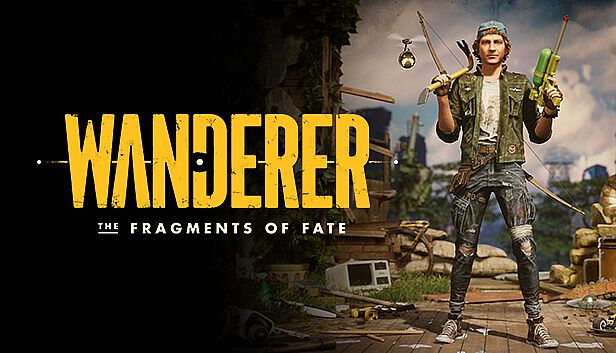




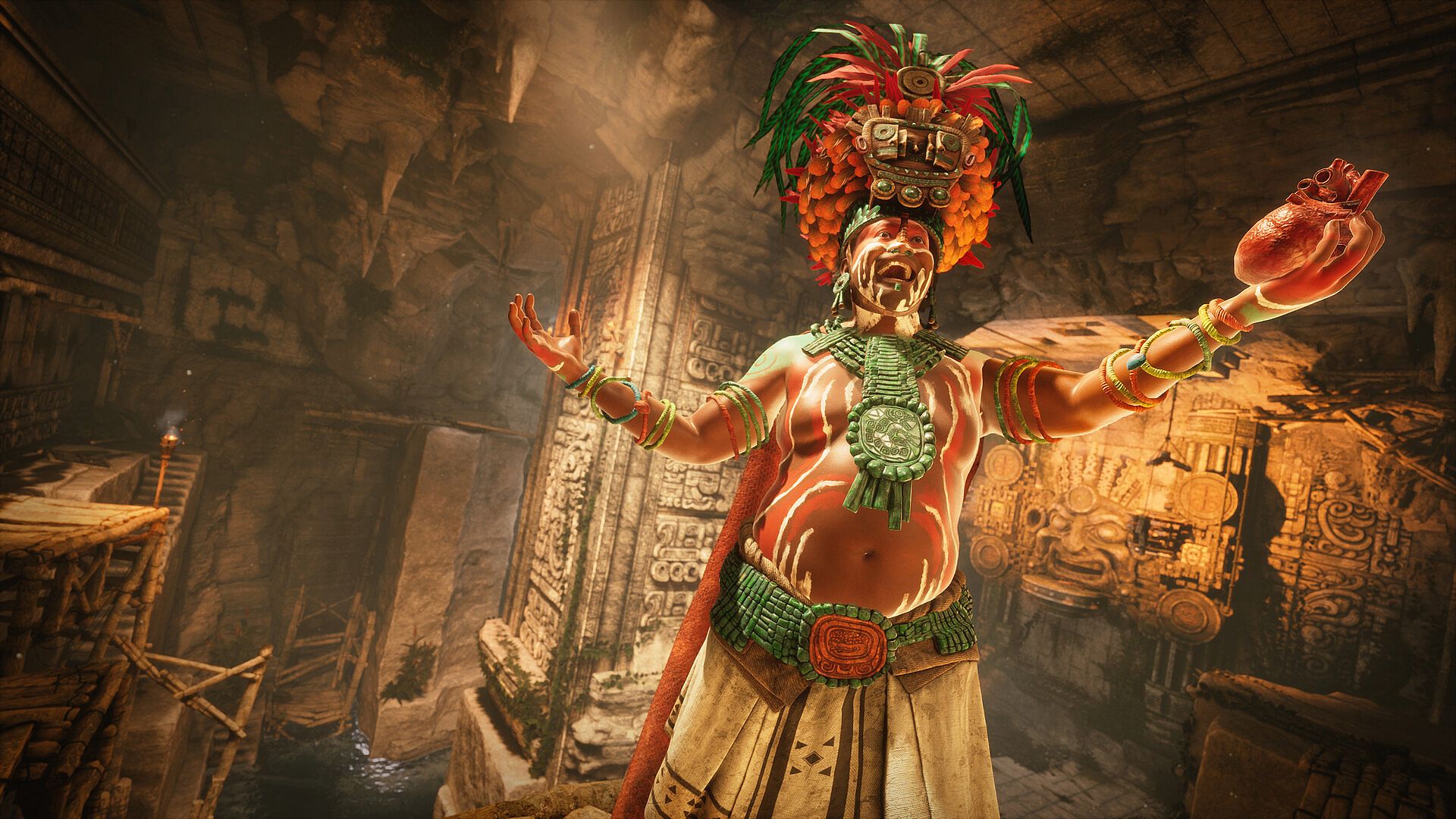
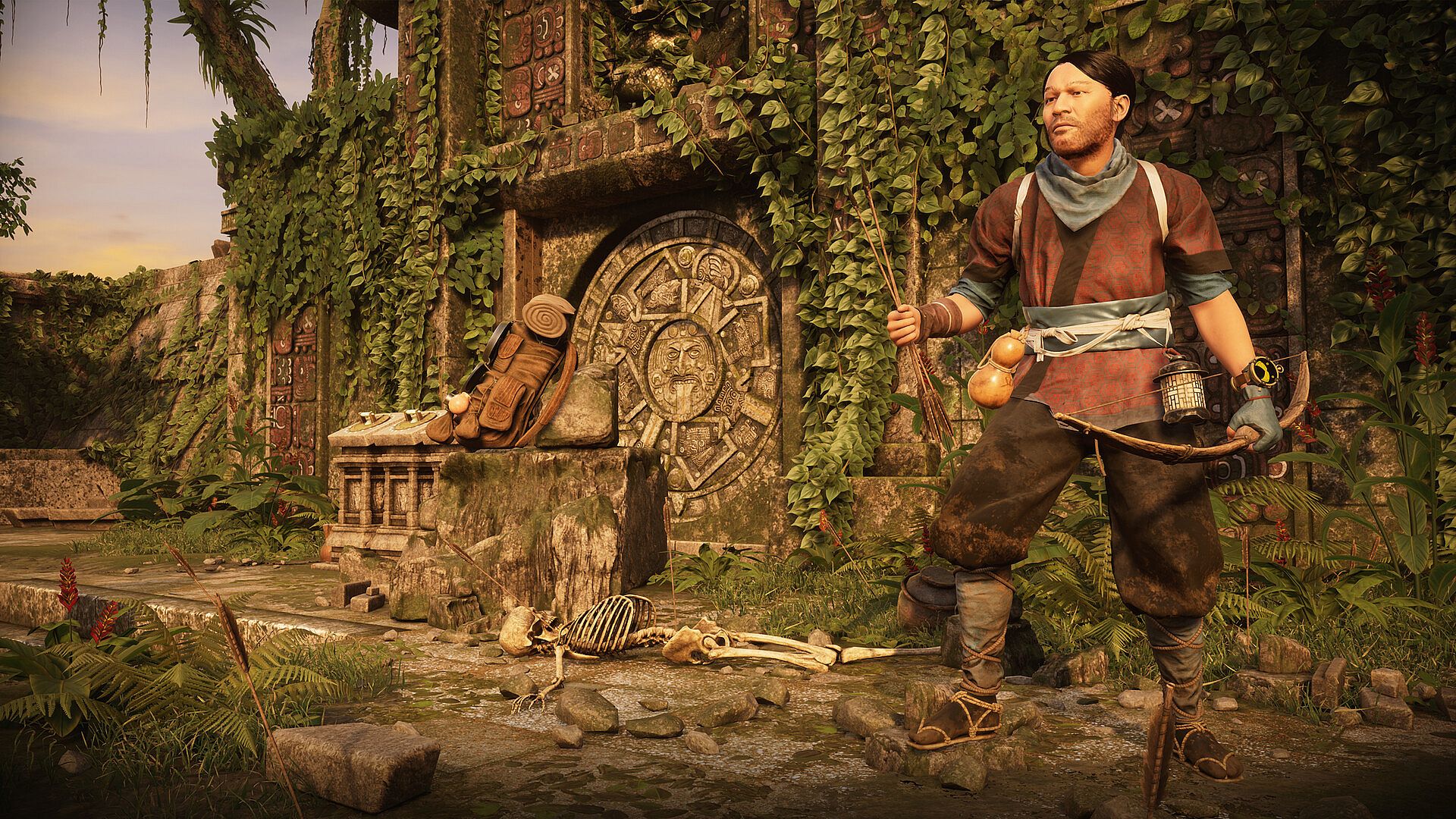

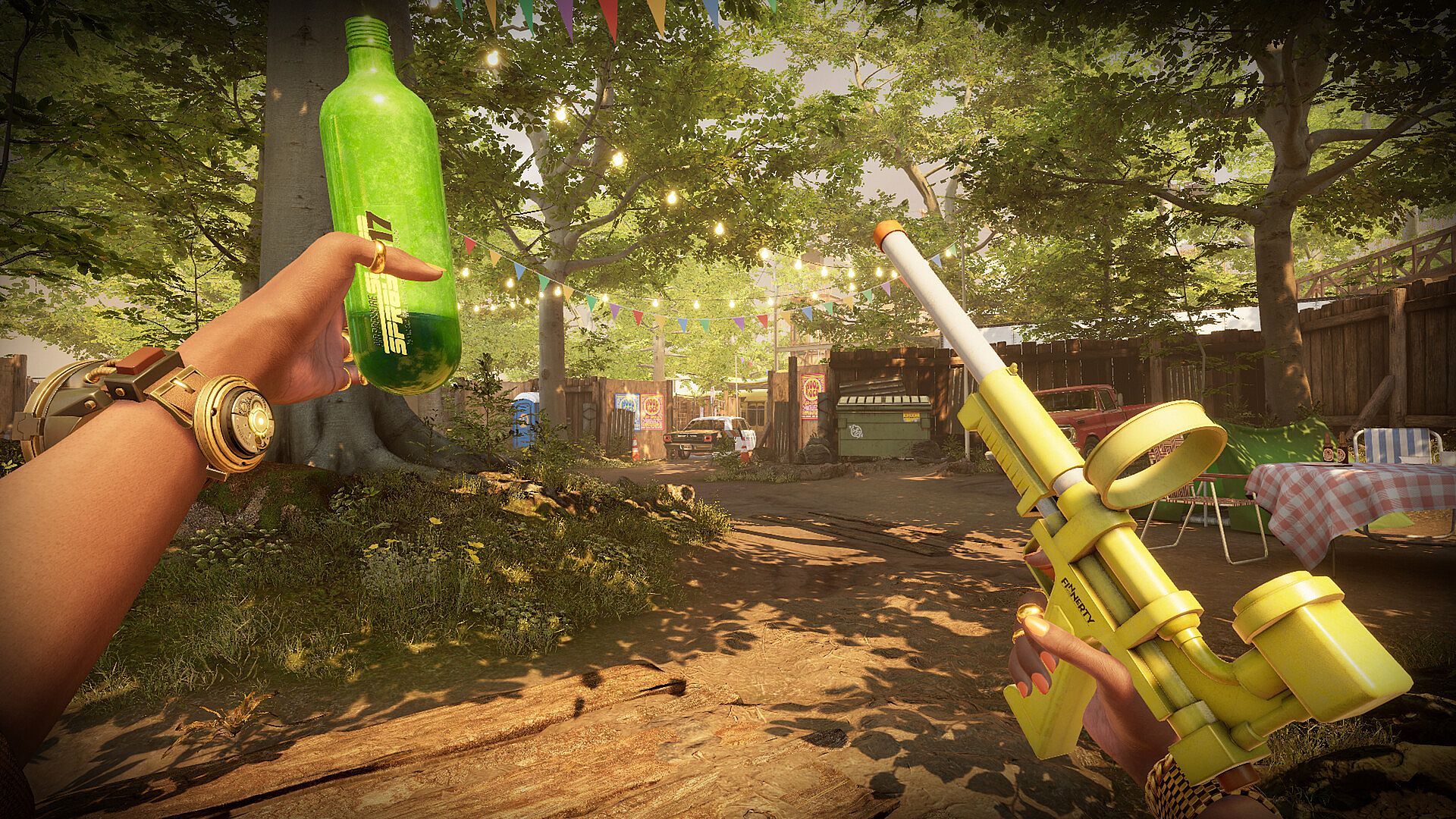
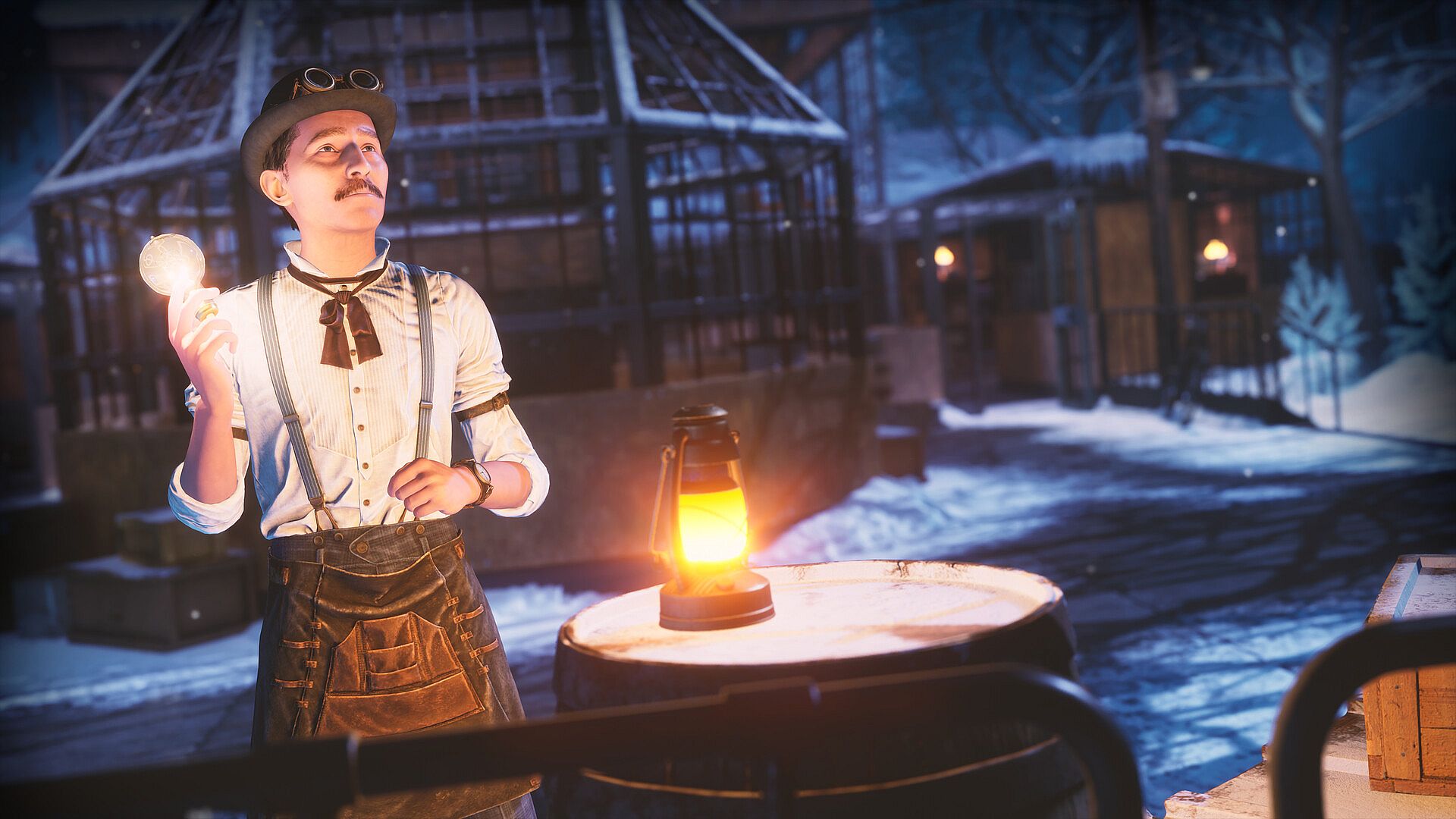
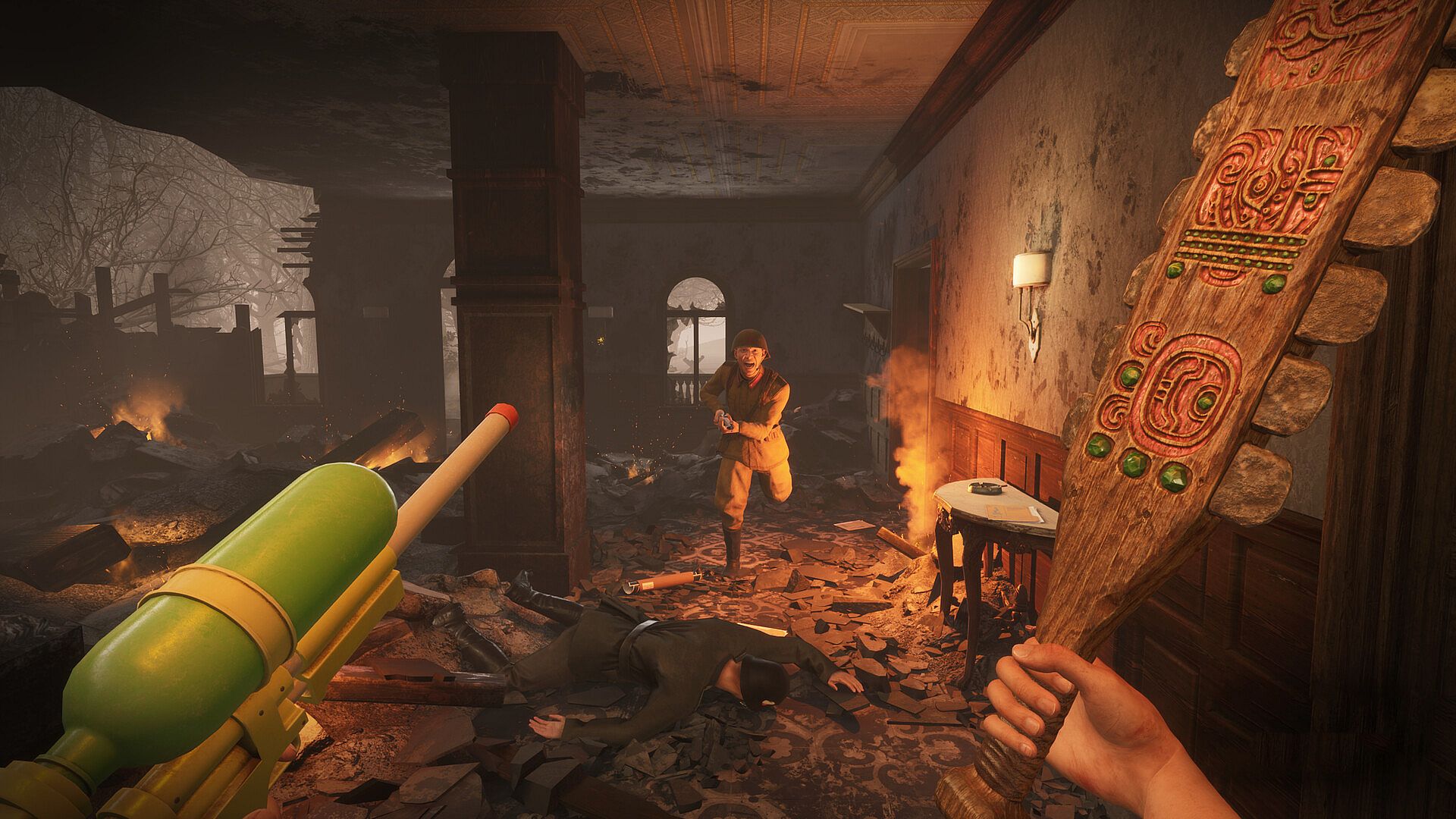
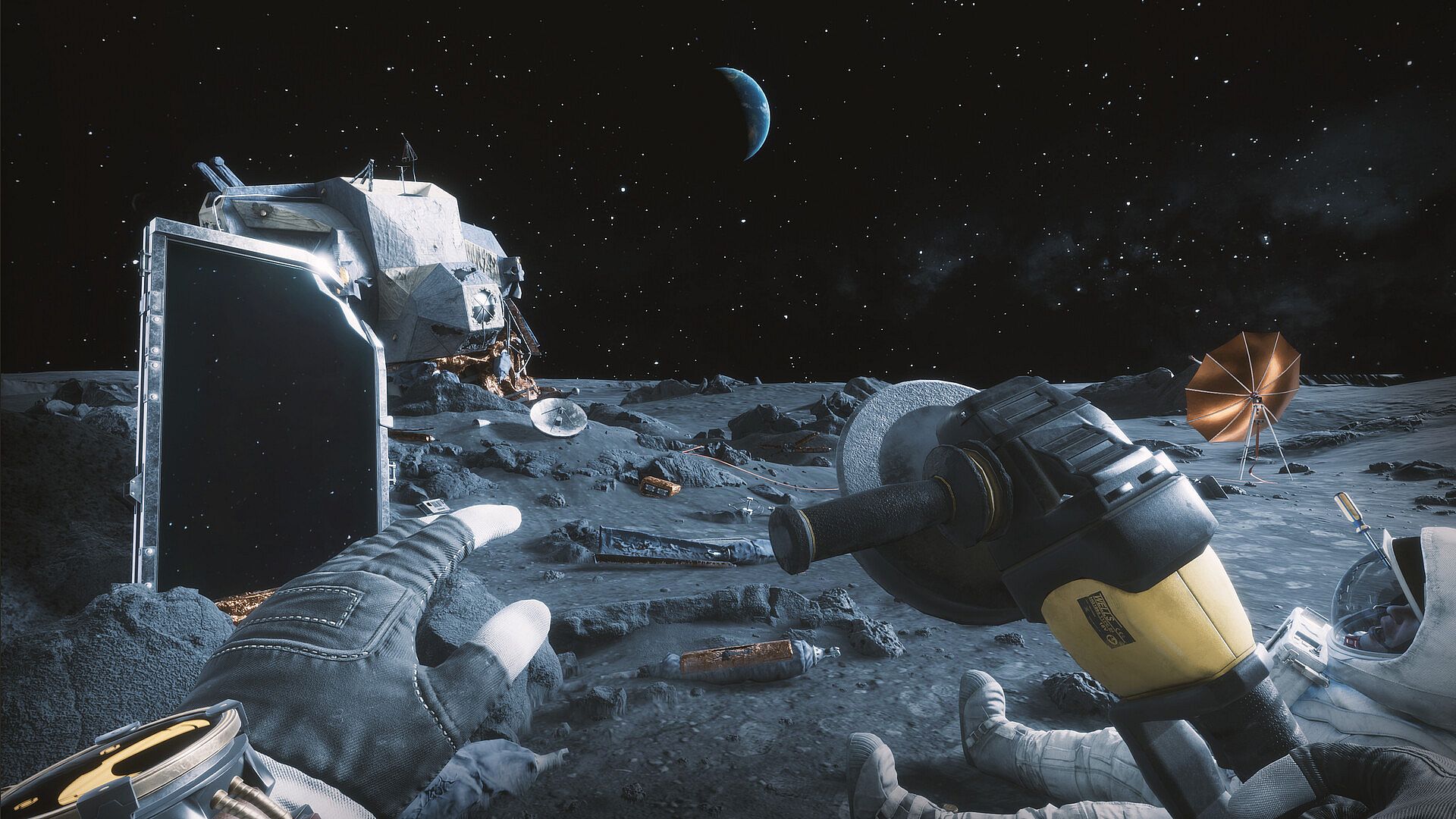
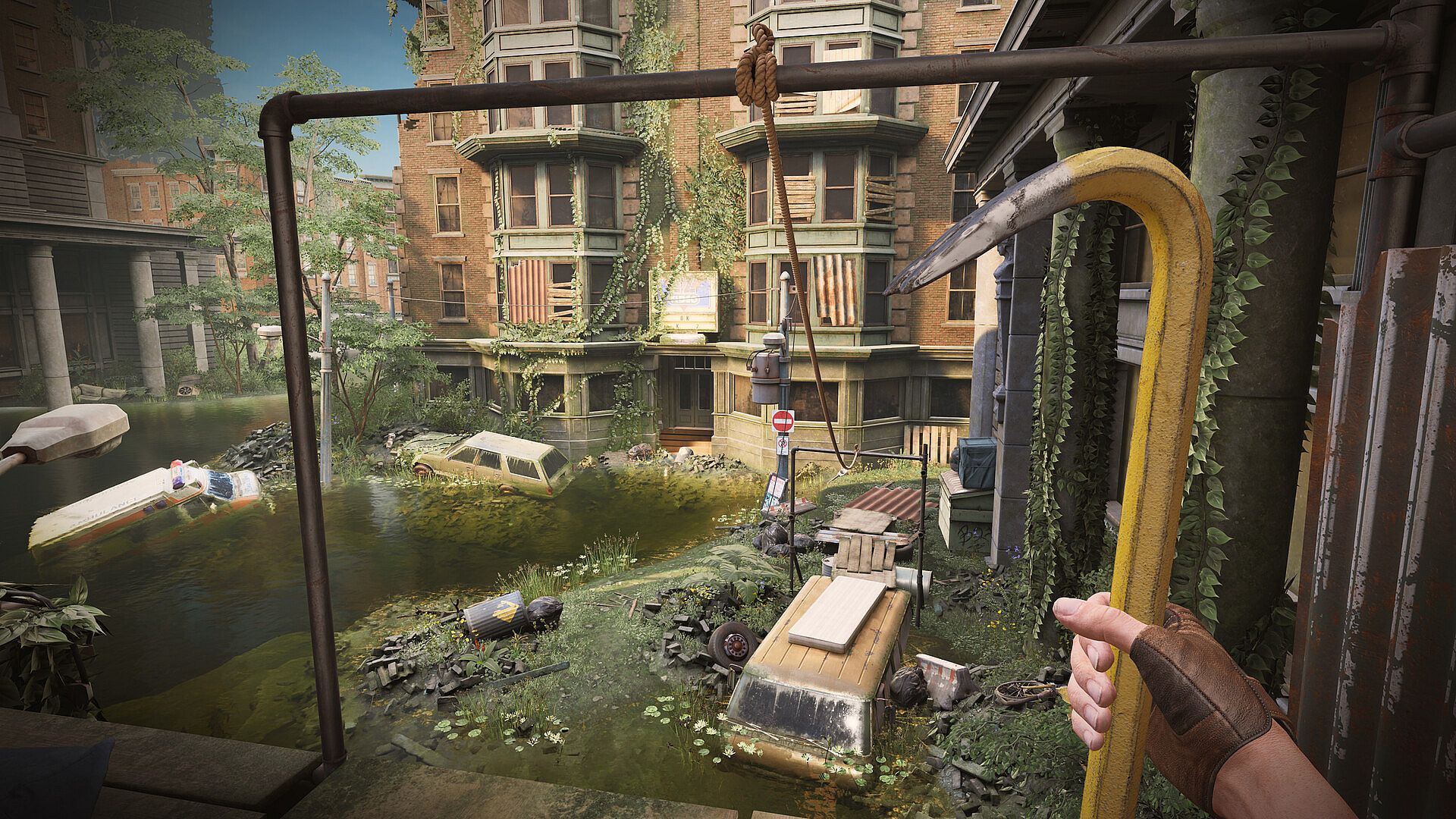
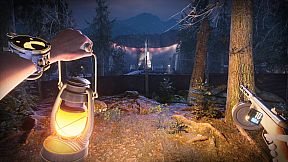
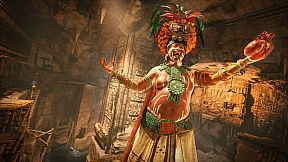
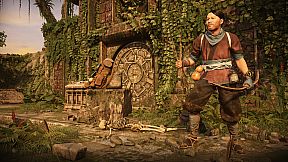

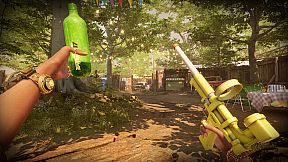

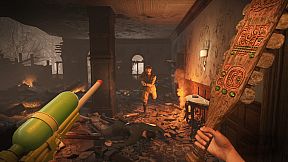

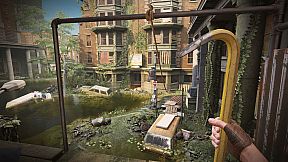
Wanderer: The Fragments of Fate is a VR action-adventure game that takes players on a time-travel journey through history. As a remake of the original Wanderer, it builds on the foundation of exploring different eras, solving puzzles, and engaging in action sequences. You play as Asher Neumann, stepping into various historical figures to alter events and uncover mysteries. The game emphasizes exploration across time periods, from ancient temples to the 1960s and even the moon, all within a virtual reality setup that enhances immersion through full-body avatars and advanced haptics.
Gameplay
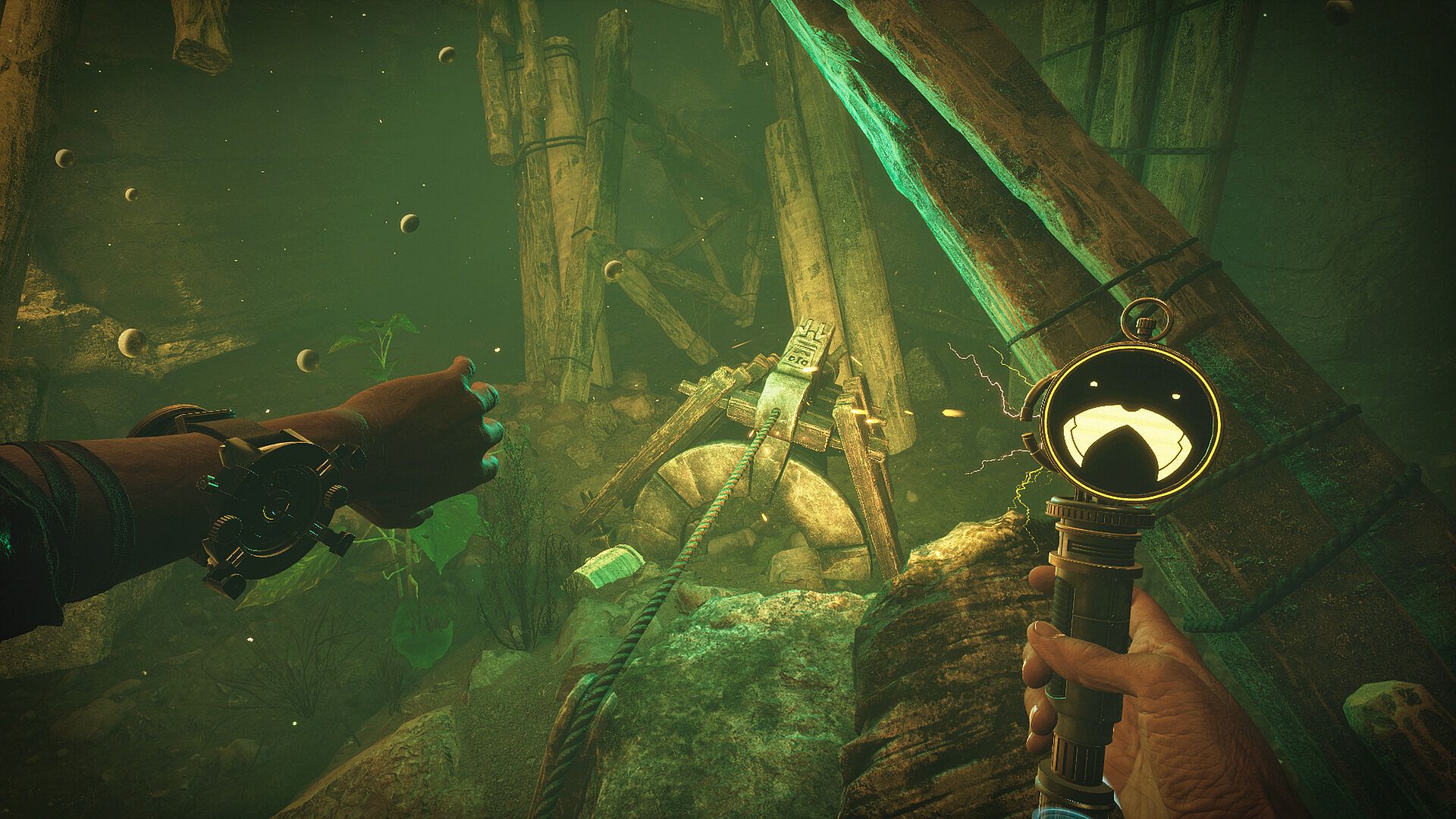
The core gameplay revolves around time travel mechanics where you jump between eras, inhabiting different characters to tackle challenges. Physics-driven platforming forms a key part, letting you swim, jump, crouch, climb, zipline, and swing through environments. Puzzles require collecting objects from one time period and using them in another, encouraging creative problem-solving with tools and weapons from various centuries.
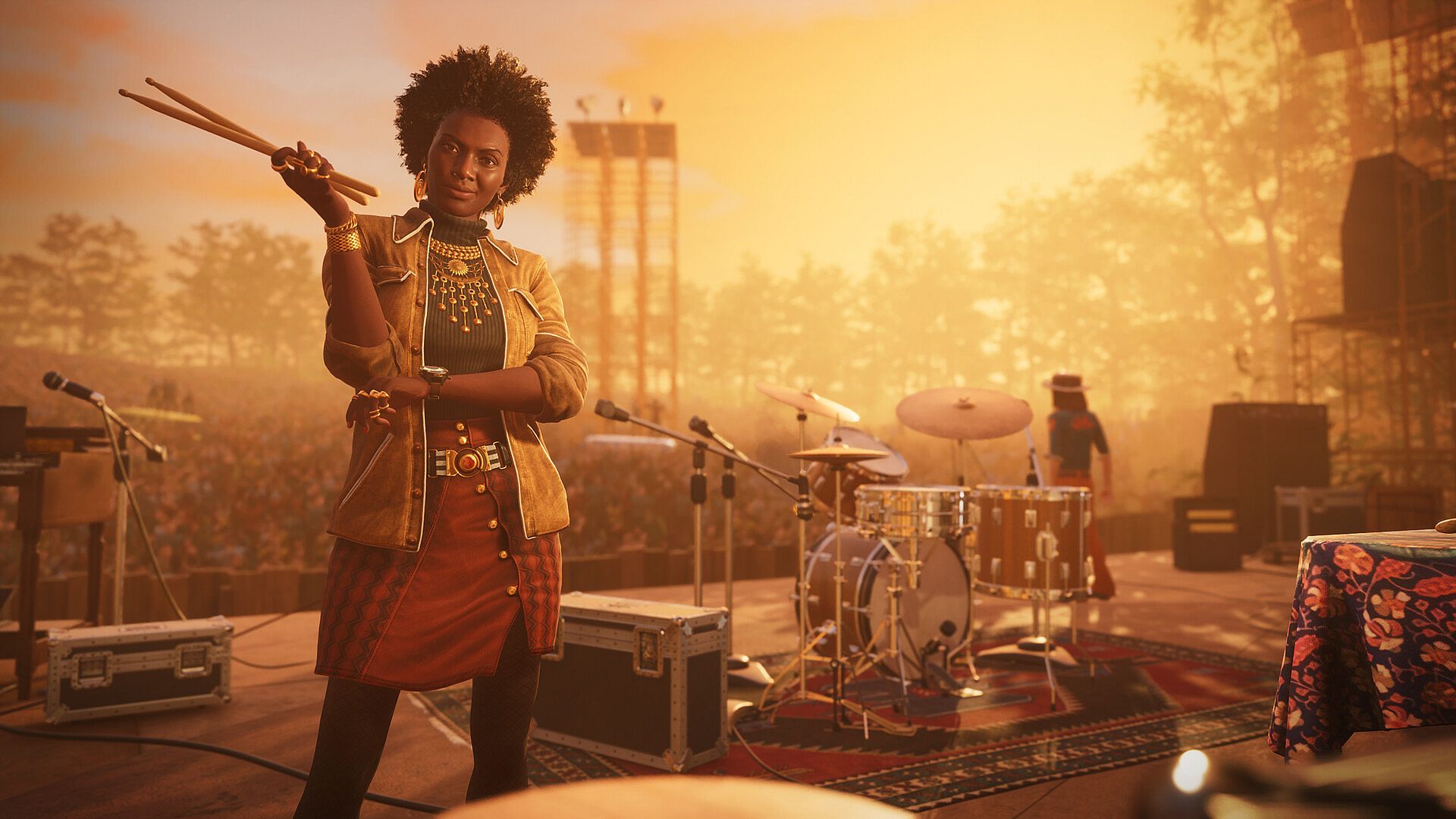
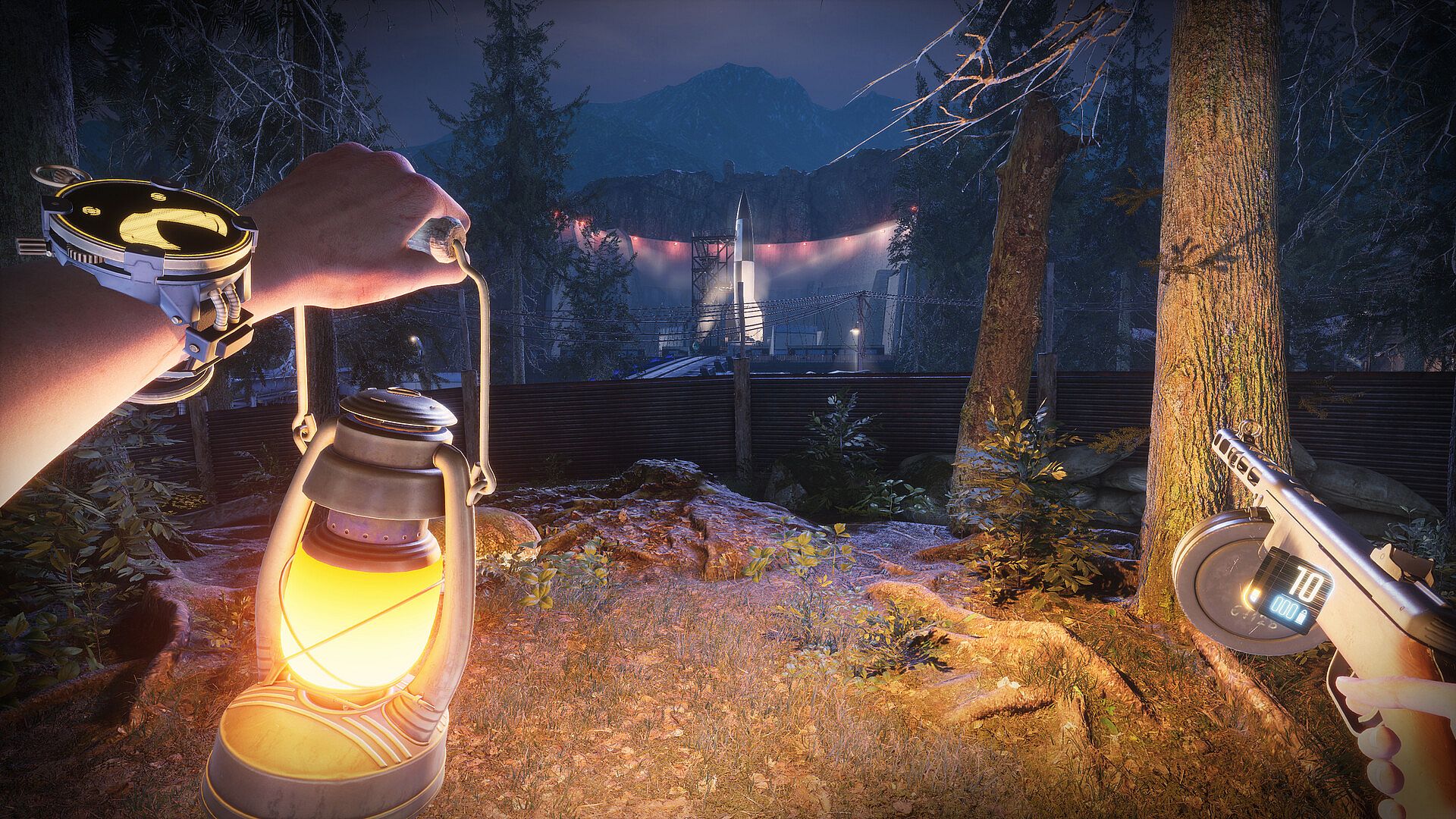
Combat has been revamped with a new system featuring fresh weapons, ammo types, and updated enemy behaviors. You might defend ancient cities or fight on war-torn battlegrounds, mixing melee and ranged attacks. Interactions expand to include tinkering with inventors, performing in historical settings, and decrypting messages, all tied to a narrative that blends action with intricate storytelling.
A new storage system and time-travel upgrades, including the Echo Diviner and Echo Vaults, help locate lost items and manage inventory across timelines. Environments have been overhauled for richer visuals, and haptics provide context-sensitive feedback for deeper engagement.
Game Modes
This title focuses on a single-player campaign, guiding you through a linear yet expansive story without separate multiplayer components. The adventure unfolds across multiple levels, including three brand-new ones and extended versions of existing areas, each set in distinct historical eras.
Progression ties directly to completing puzzles and action segments in sequence, with no distinct competitive or cooperative modes mentioned in available details. It's designed for solo play, emphasizing narrative depth over varied play styles.
Updates and Current State
Since its release, the game has faced reports of bugs and performance issues, particularly on platforms like Quest 3 and PSVR2, affecting aspects such as combat and overall stability. Players have noted that patches could address these, though specific update details remain limited in recent coverage.
As of early 2026, it continues to receive attention for its ambitious scope, with community discussions highlighting over 50 hours of potential gameplay for thorough explorers. The current state reflects a mix of strong foundational elements hampered by technical hiccups, based on user feedback from launch periods.
Is It Worth Playing?
For fans of puzzle-heavy VR adventures with a time-travel twist, this game offers substantial value through its detailed environments and innovative mechanics like cross-era item usage. Player reception is mixed, with some Metacritic users rating it as high as 10/10 for its storytelling and immersion, while others criticize bugs and frustrating combat, describing it as feeling half-baked in reviews from sites like UploadVR.
If you enjoy narrative-driven experiences and can tolerate potential technical issues, it's a solid choice for VR enthusiasts seeking something beyond standard action titles. Those sensitive to performance problems might wait for further patches, but the core adventure holds appeal for patient players interested in historical exploration and clever puzzles.