




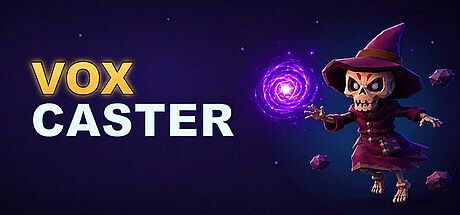


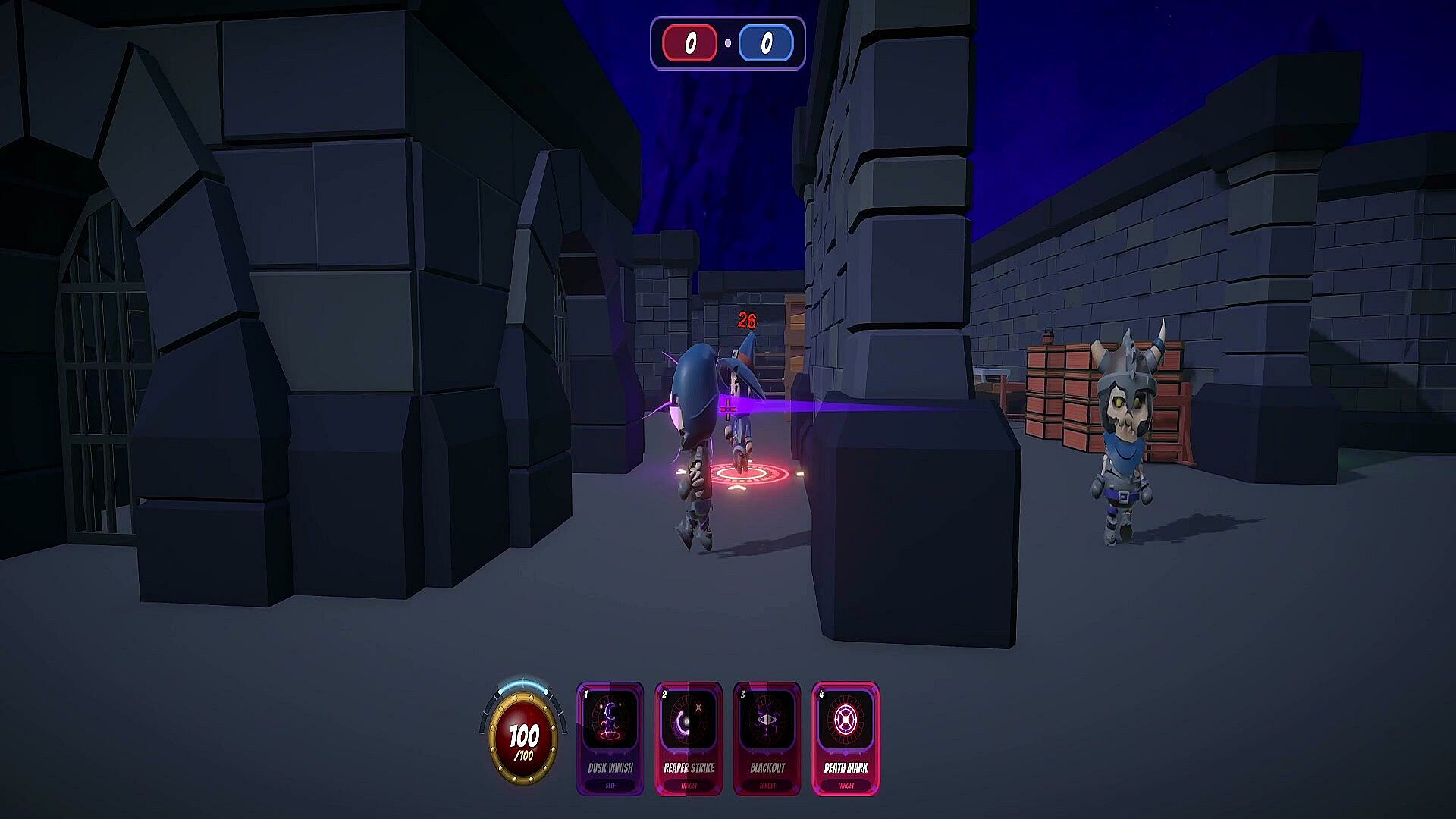
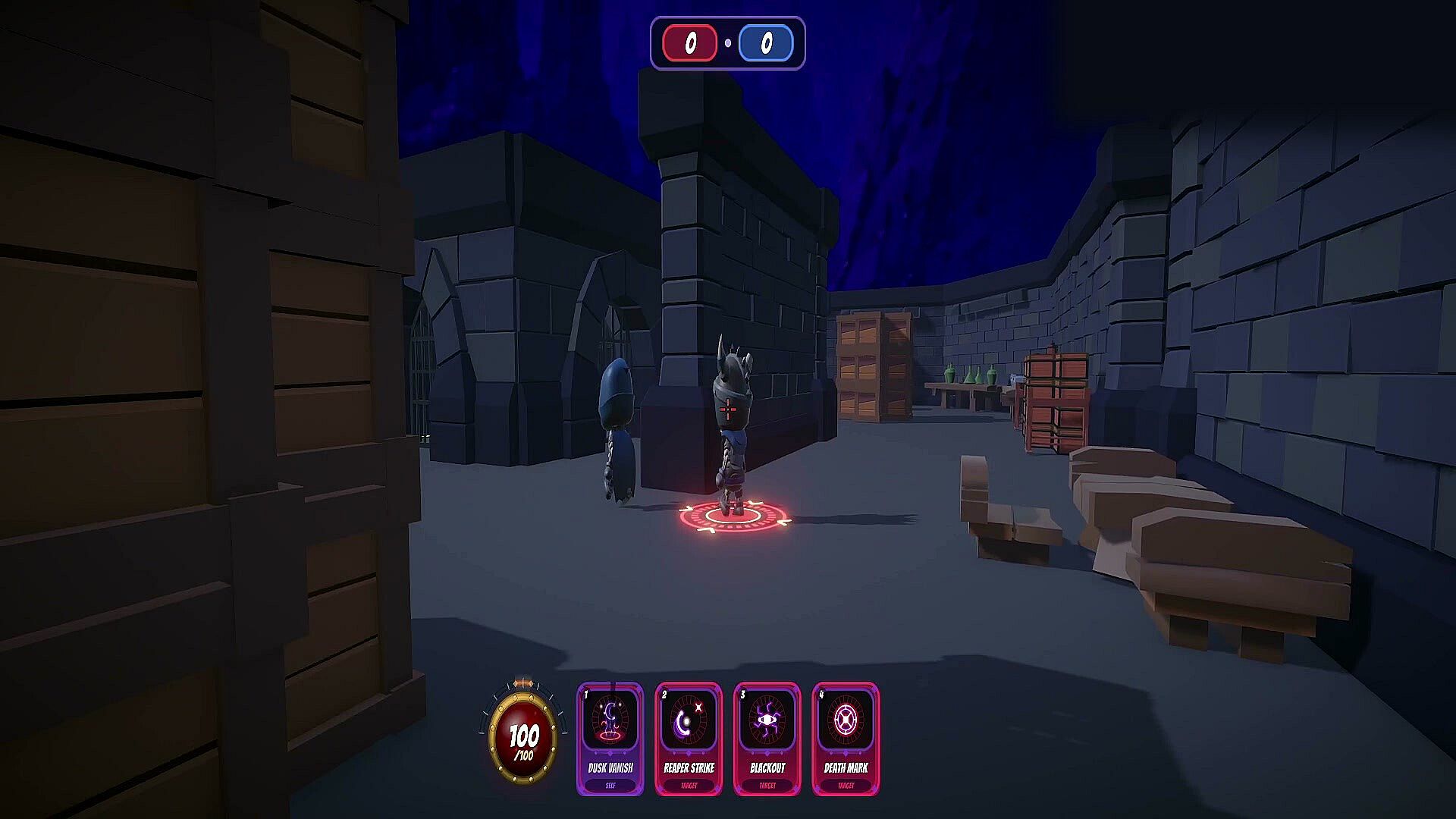
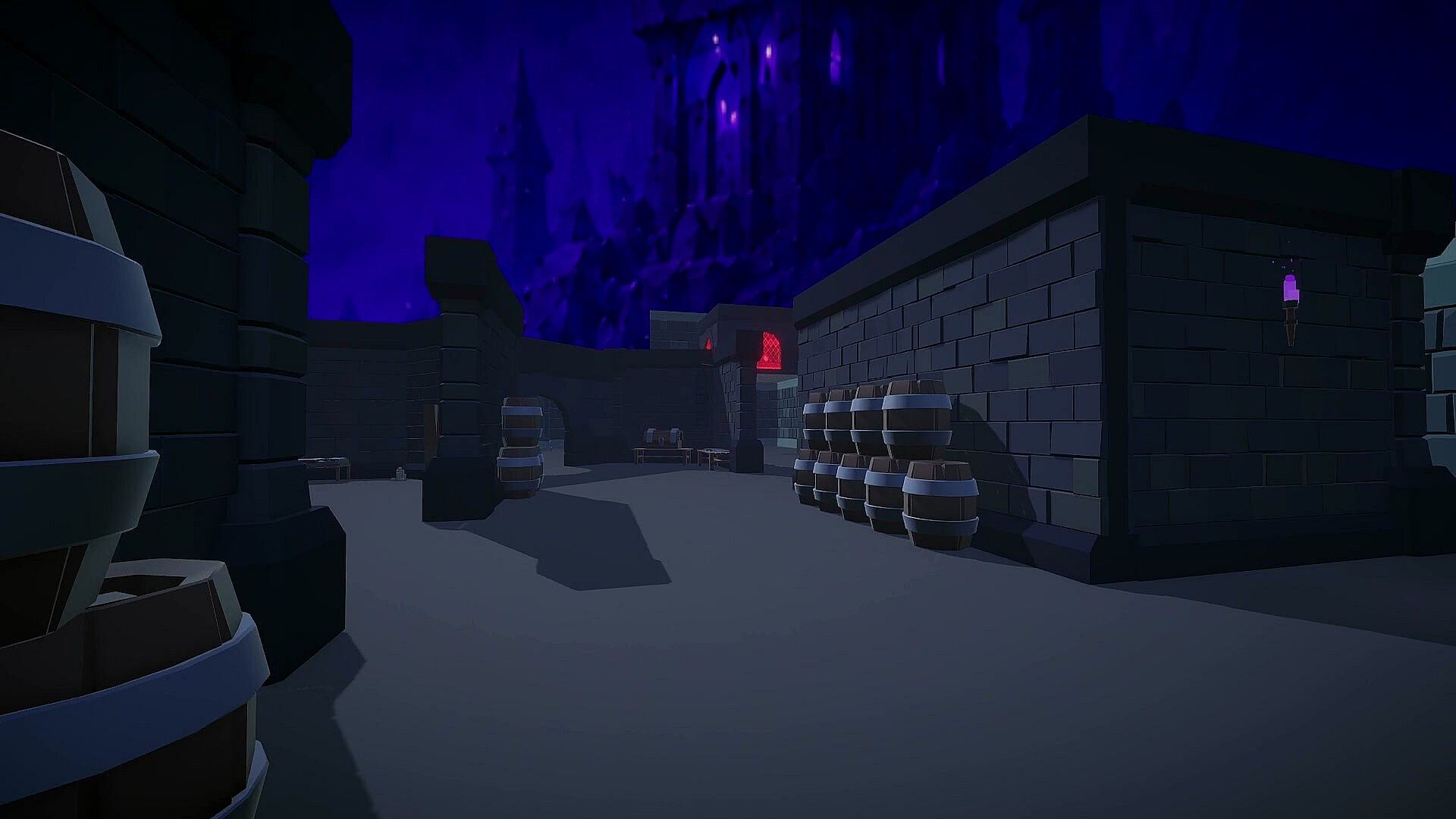
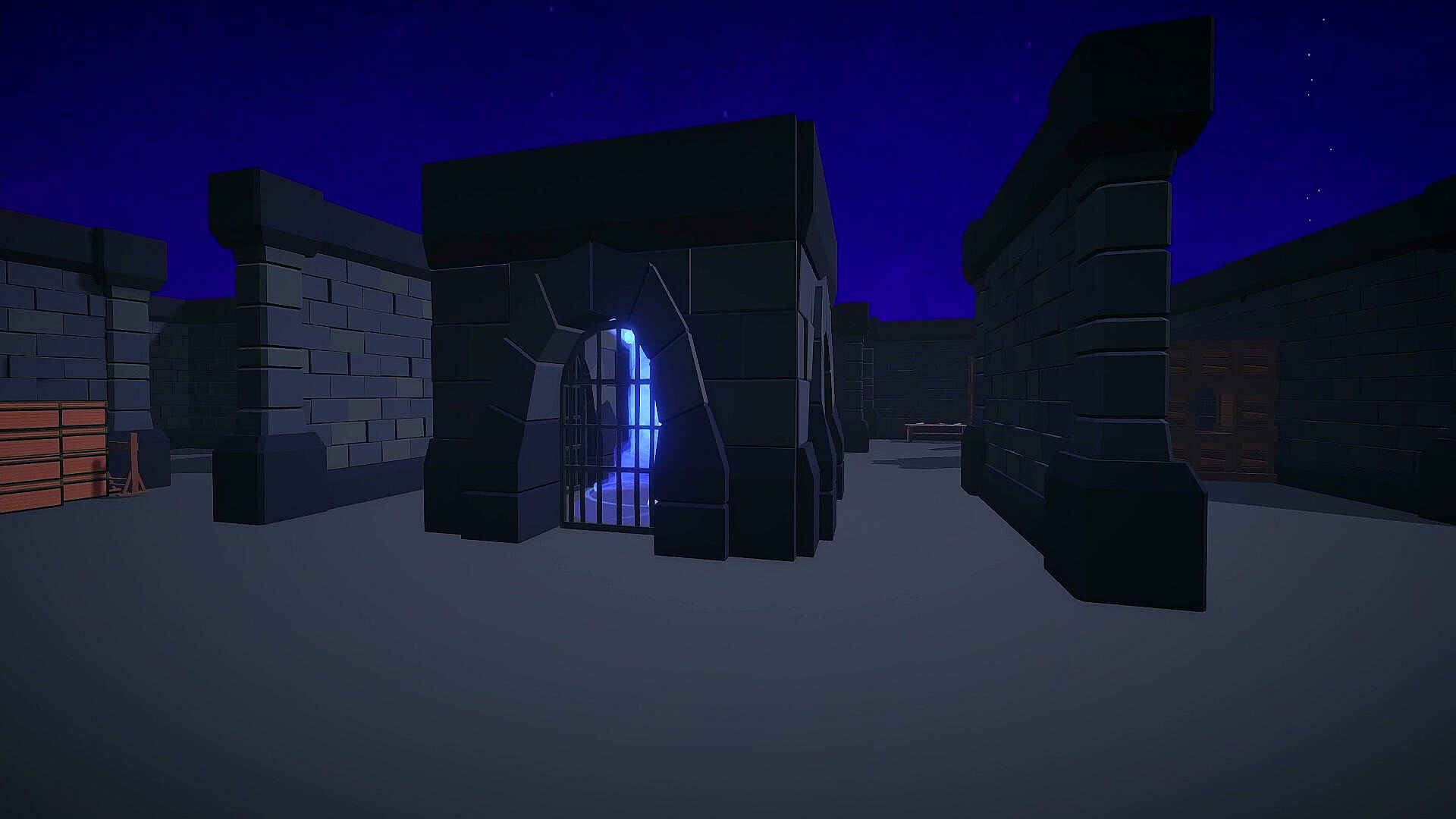
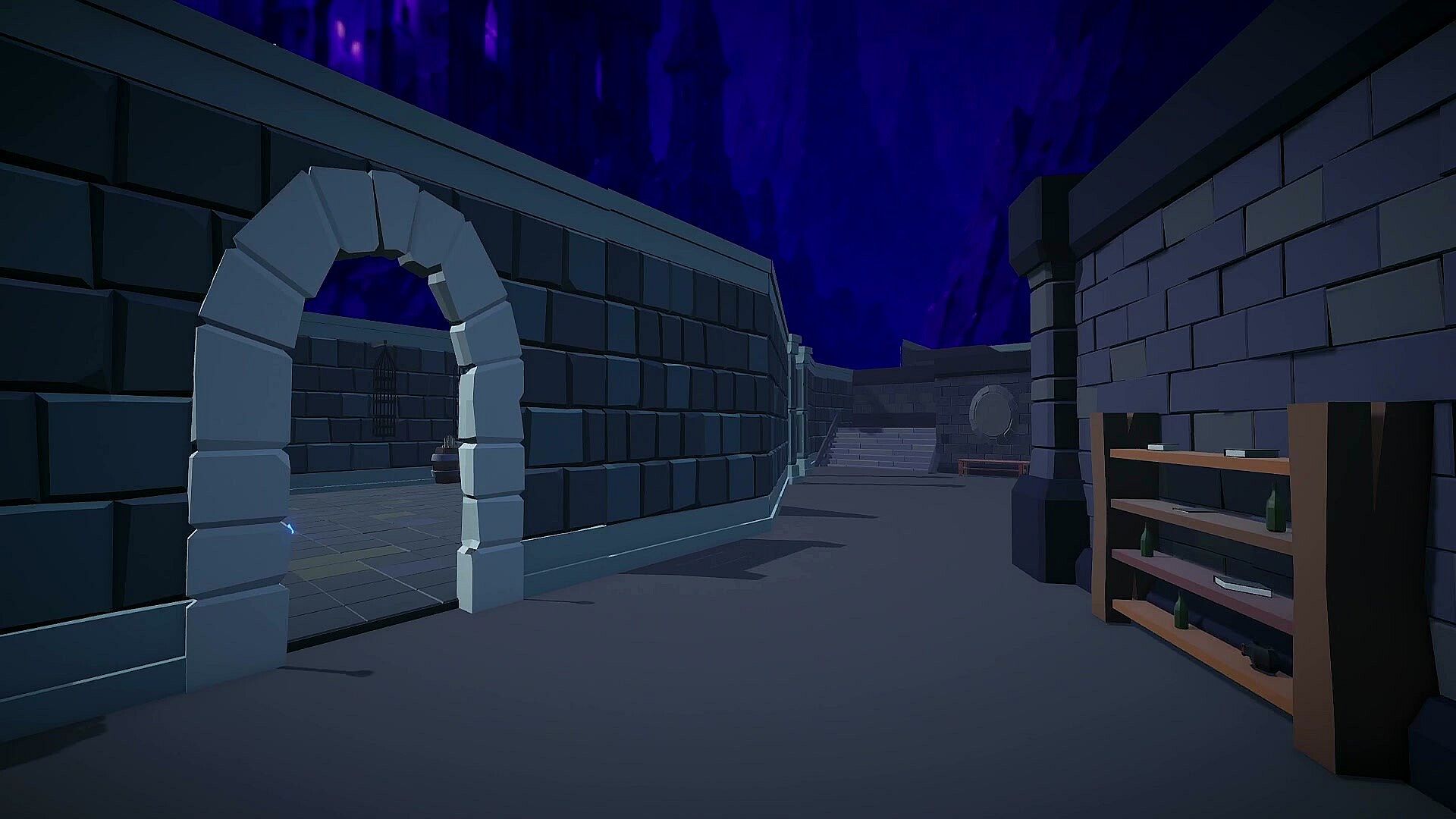
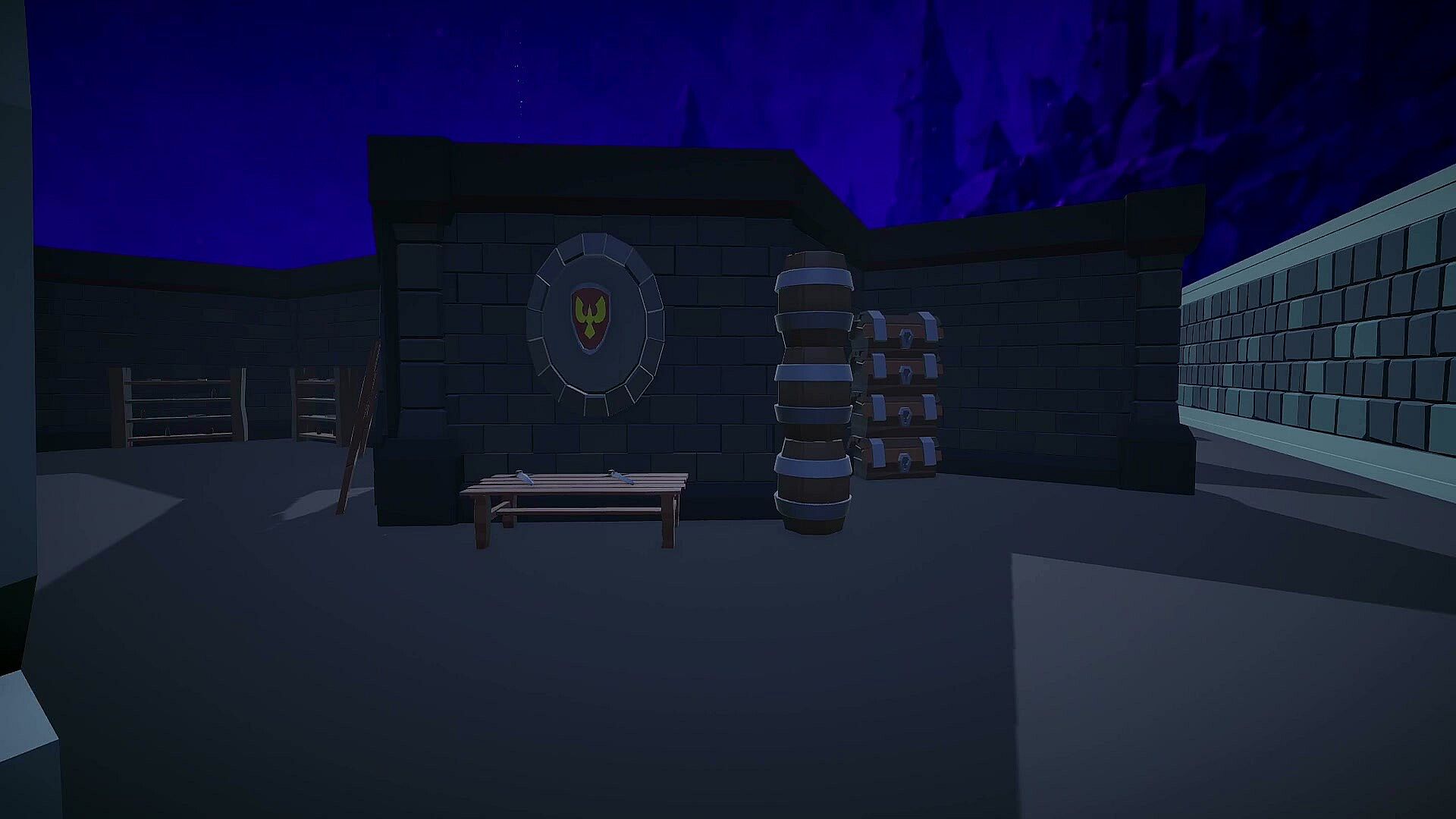
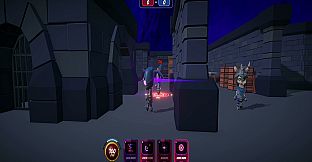
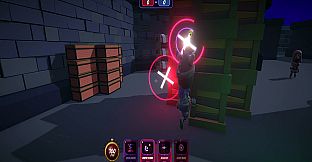
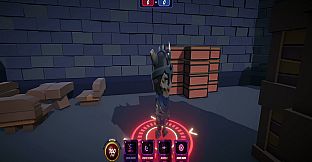
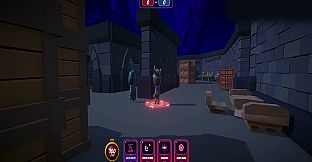
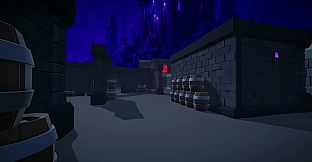
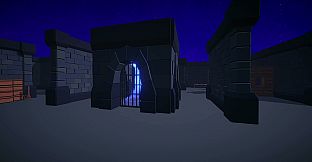
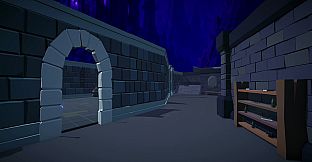
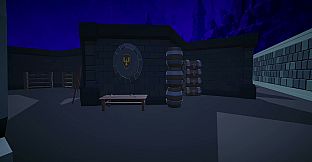
VoxCaster is an action indie casual game for PC that turns voice into the core mechanic for casting spells in chaotic multiplayer matches. Players shout specific phrases to unleash abilities, with no traditional buttons or hotkeys involved. A microphone is essential, as the entire experience revolves around speaking clearly and aiming with your gaze to land effects on targets.
Gameplay
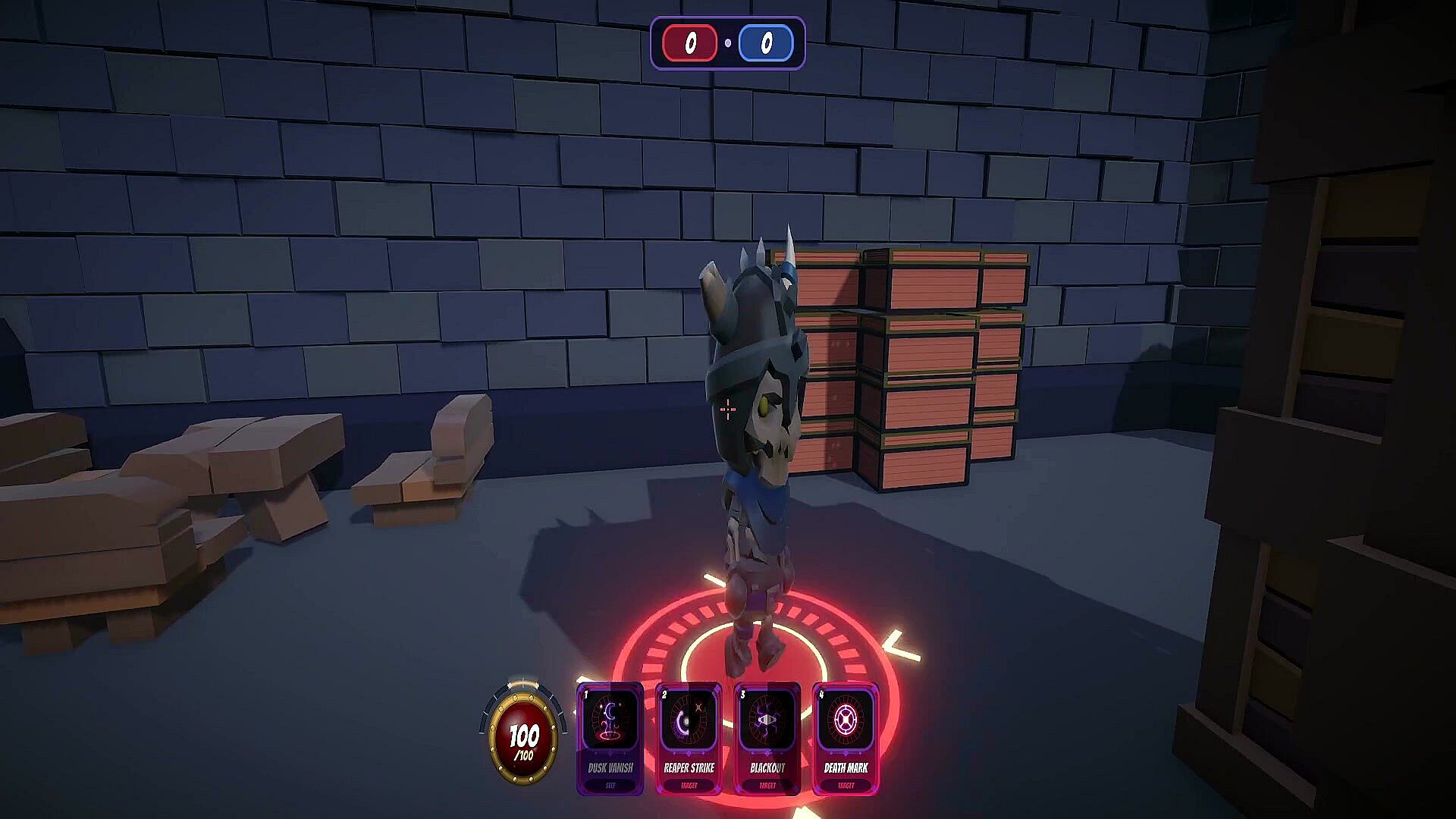
The central loop requires players to speak spell names aloud while directing their view toward enemies or desired locations. Spells activate only when the words are shouted accurately, and they travel to the point of aim. Movement by targets can cause misses, demanding quick thinking and precise timing during fast-paced encounters. Each caster class comes with a fixed set of spells that include personal buffs or shields alongside offensive options, all available on cooldowns rather than through random draws or selections.
Classes stand out through distinct playstyles. The Wizard focuses on elemental effects like haste, fire, tornadoes, and area fire storms. Nightreaver emphasizes stealth and burst damage with vanish and marking abilities. Ironward provides defensive options such as invincibility, knockbacks, and stuns. Grimveil supports agile tactics including blinks, backstabs, poison blades, and smoke. Additional classes cover life drain, necromancy, shrinking, and traps. Teammates must choose different classes to maintain variety within a group.
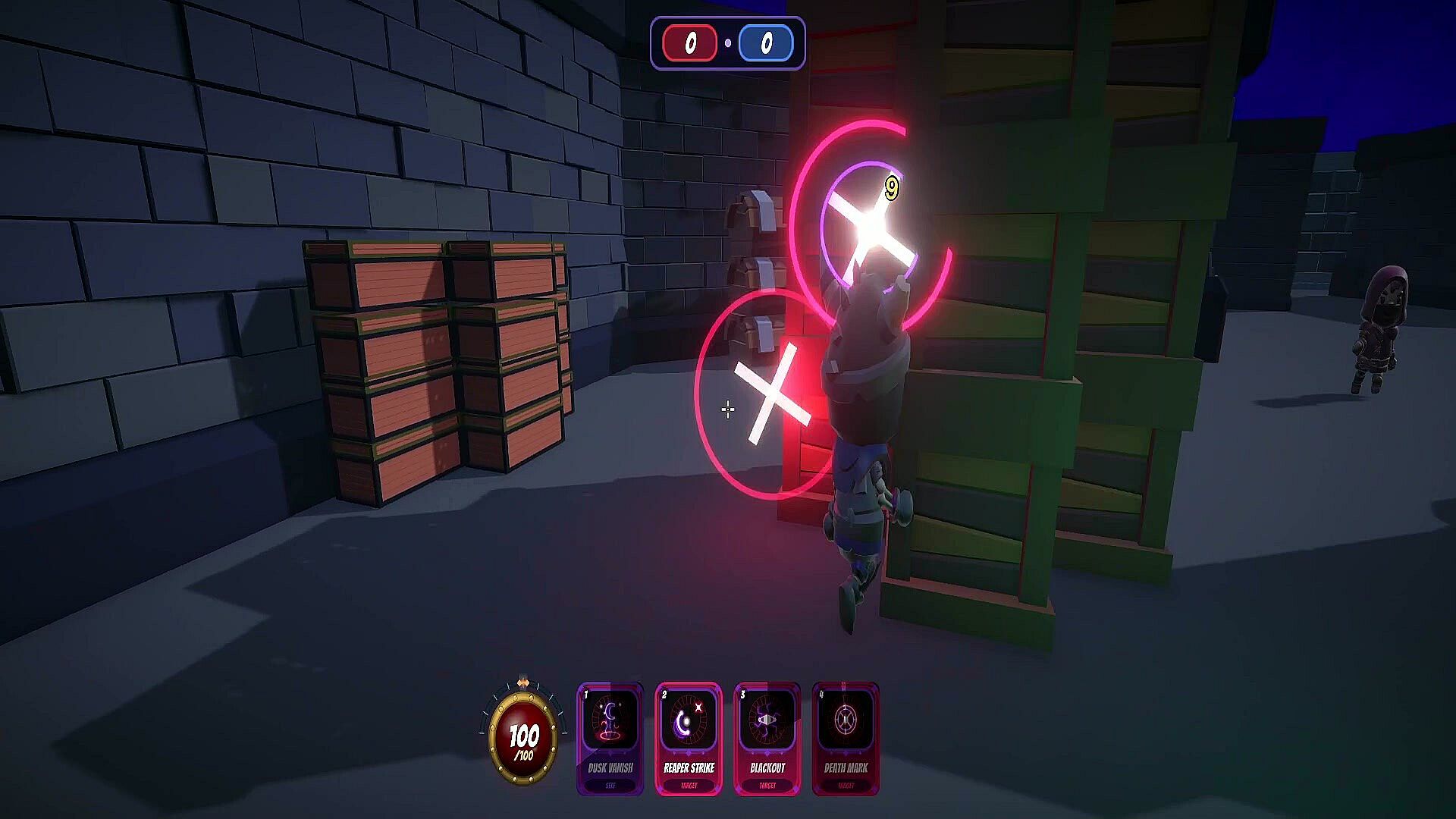
Physics play a major role, with spells often sending skeleton mages flying, cartwheeling, or flopping across the environment. Effects range from draining enemy damage output to lifting foes into the air, blinding them, or pinning them against surfaces. Spells pass through allies harmlessly, allowing free casting in team settings. Built-in proximity voice chat lets players hear teammates across distances for coordination or spontaneous moments.
Game Modes
Matches divide participants into two opposing teams, Red and Blue, without fixed size limits. Groups can form any combination of players, from small gatherings to larger squads. Cooperation drives success, though friendly betrayal remains possible within the loose structure. The focus stays on disrupting opponents through spell effects rather than structured objectives.
Team composition matters because each class brings unique tools, and duplicates are avoided. Matches emphasize survival amid the disorder of flying skeletons, blinds, lifts, and traps. No other structured modes receive confirmation beyond this team-based format.
Classes and Spell Variety
Every class maintains a consistent kit without randomization. Buffs and shields protect the caster or allies, while the majority of spells target disruption or damage. Examples include soul drain to weaken enemy attacks, fire storm for crowd control, dusk vanish for repositioning, tornado lift to displace foes, spike trap for area denial, shield bash for immobilization, and goblin shift for size reduction. Dozens of additional spells expand options across the roster, with new classes planned.
Mastery comes from learning exact phrases and positioning to connect spells reliably. The absence of ability buttons shifts emphasis entirely to vocal delivery and spatial awareness during engagements.
Is It Worth Playing?
VoxCaster suits players who enjoy party-style multiplayer experiences centered on voice interaction and lighthearted sabotage. The requirement for a microphone and clear speech creates a distinct barrier that rewards groups willing to embrace the shouting and laughter. Matches deliver physics-driven chaos where spells send characters tumbling, making every round unpredictable.
With more spells, classes, maps, and modes in development, the game remains in an early stage focused on building its core systems. Availability on PC through Steam allows quick lobby setup for friends. Those drawn to unique mechanics over polished competitive balance or single-player campaigns will find the voice-driven approach refreshing for short sessions with others.
The emphasis on fixed kits and team variety encourages experimentation across different casters. Proximity voice chat enhances the social element, turning matches into shared moments of scheming or reactions. For groups seeking something outside standard button-mashing action games, the shouting mechanic provides consistent novelty without relying on external elements.












