







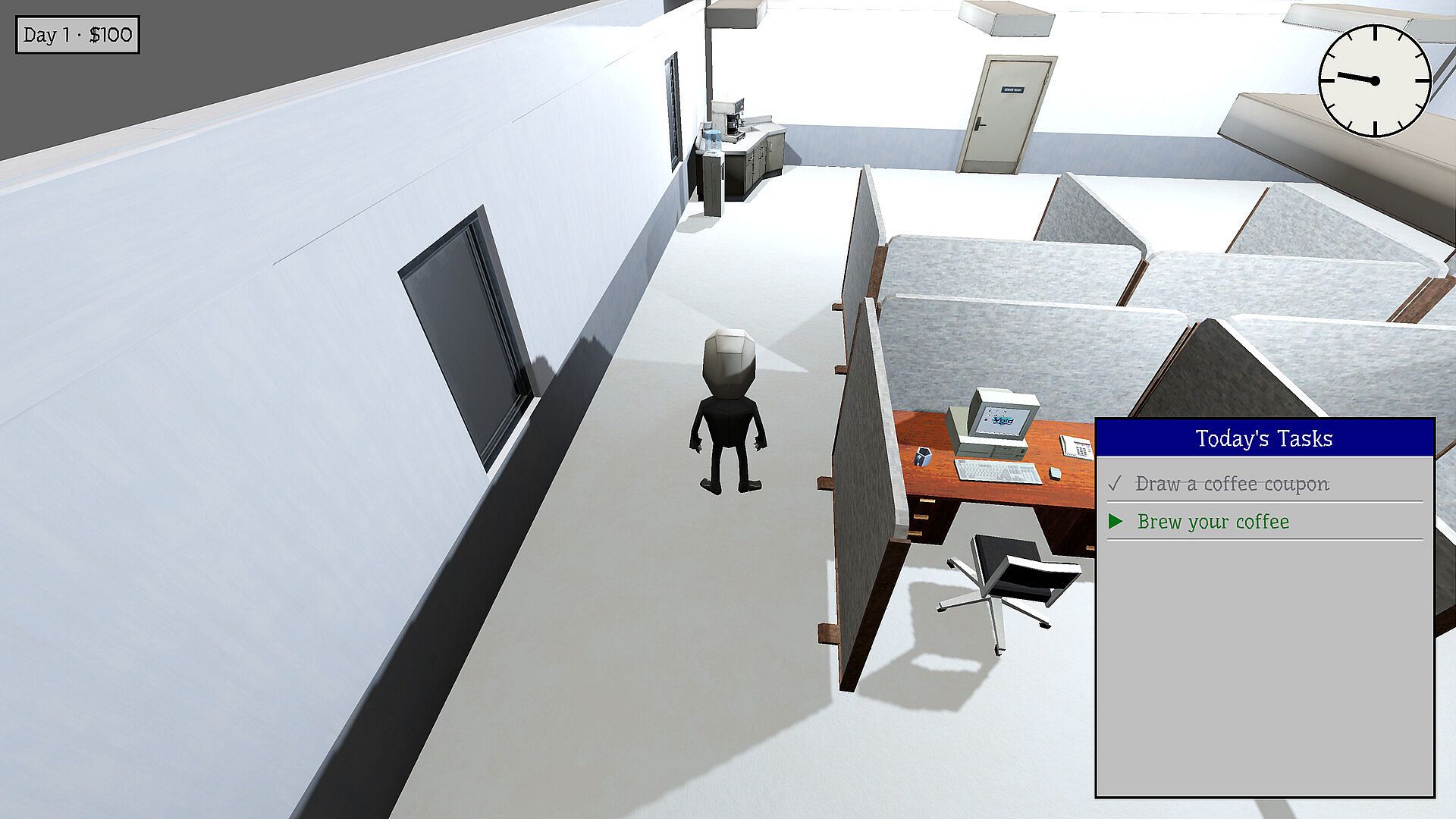



Void Inc is an indie simulation game for PC that places players in the role of the new Head of Technology at a small software company facing ambitious targets and unstable infrastructure. The experience blends daily management tasks with narrative discovery, where routine work gradually reveals deeper mysteries about the organization and its leadership.
Gameplay
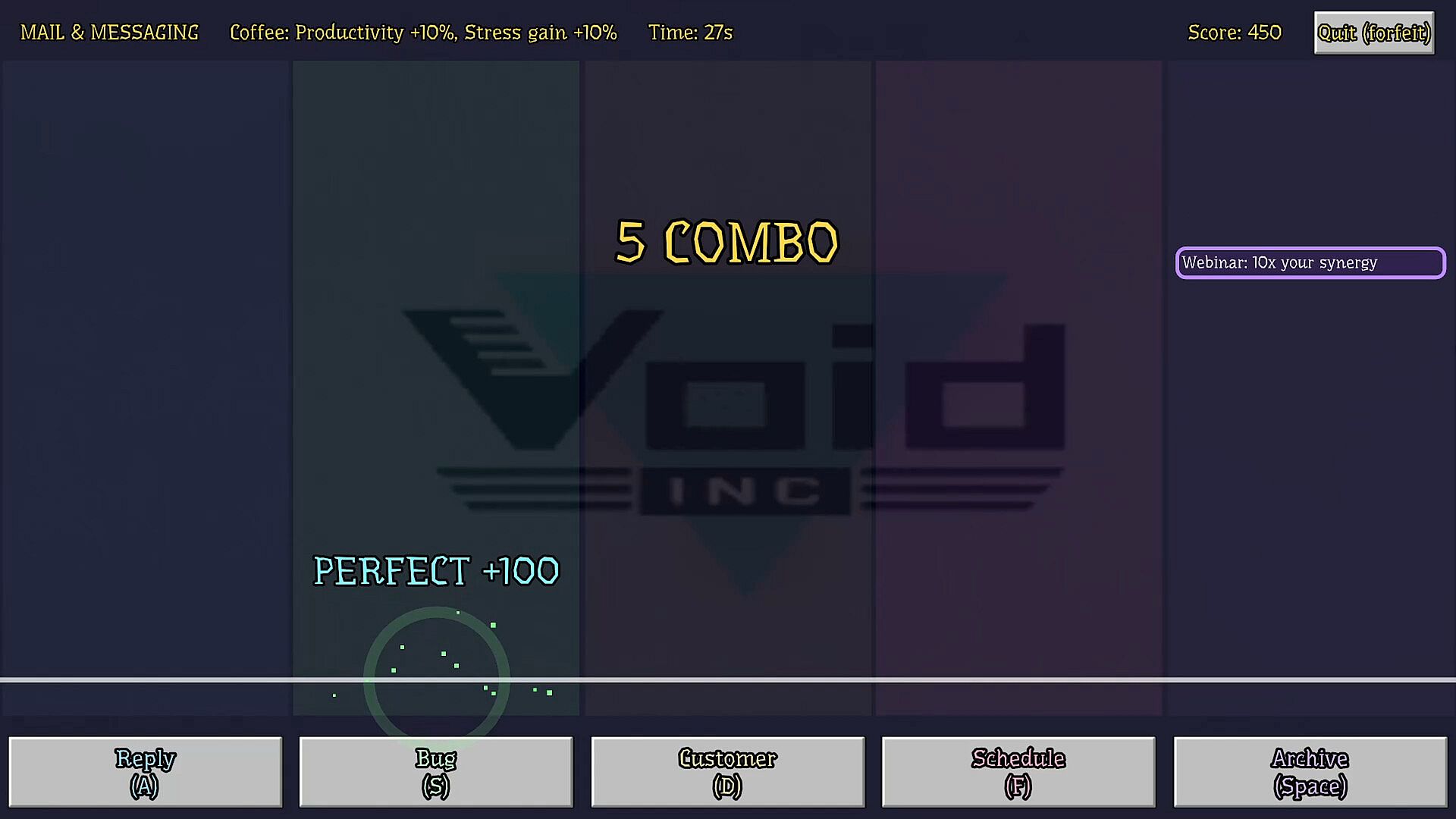
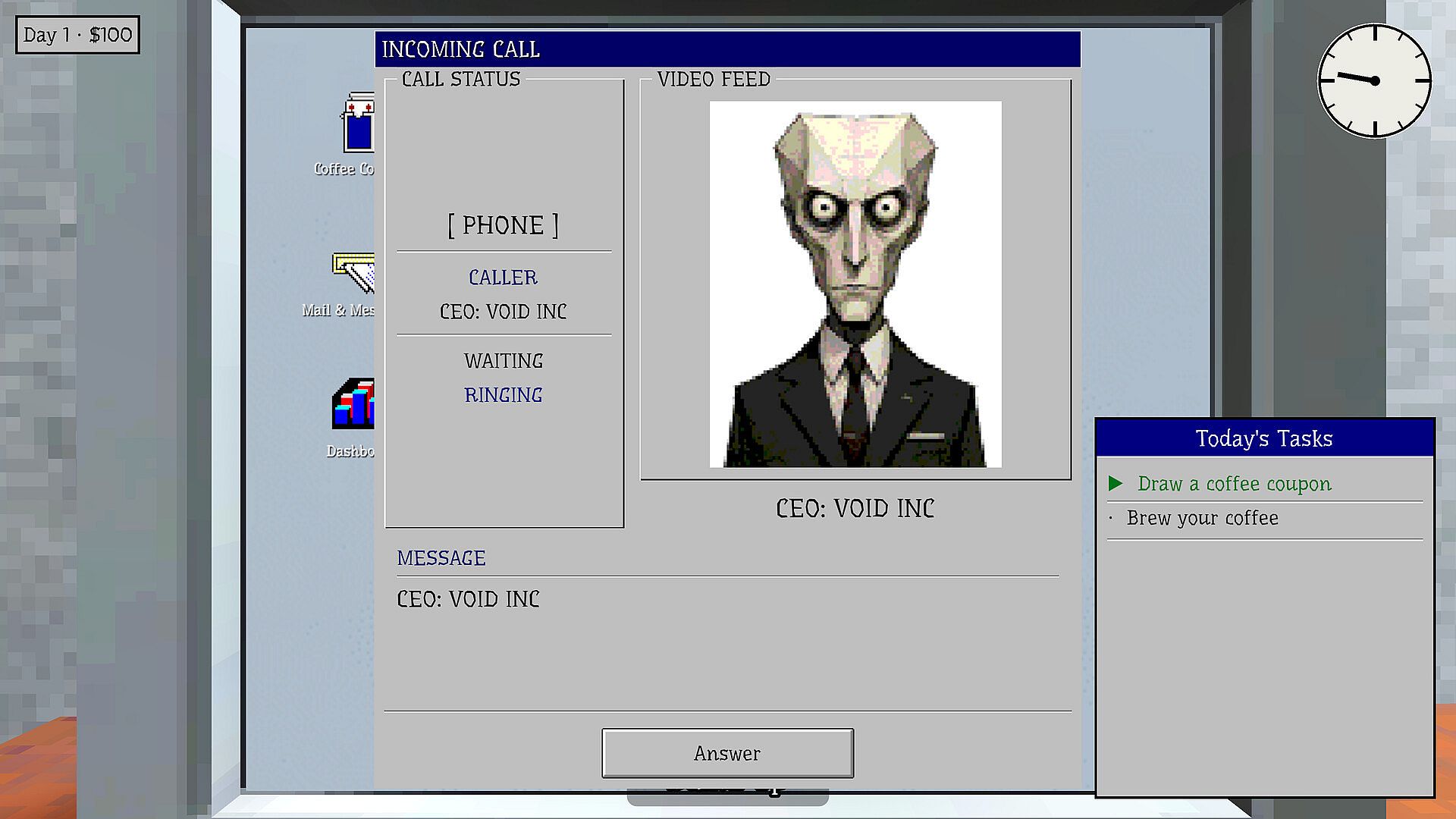
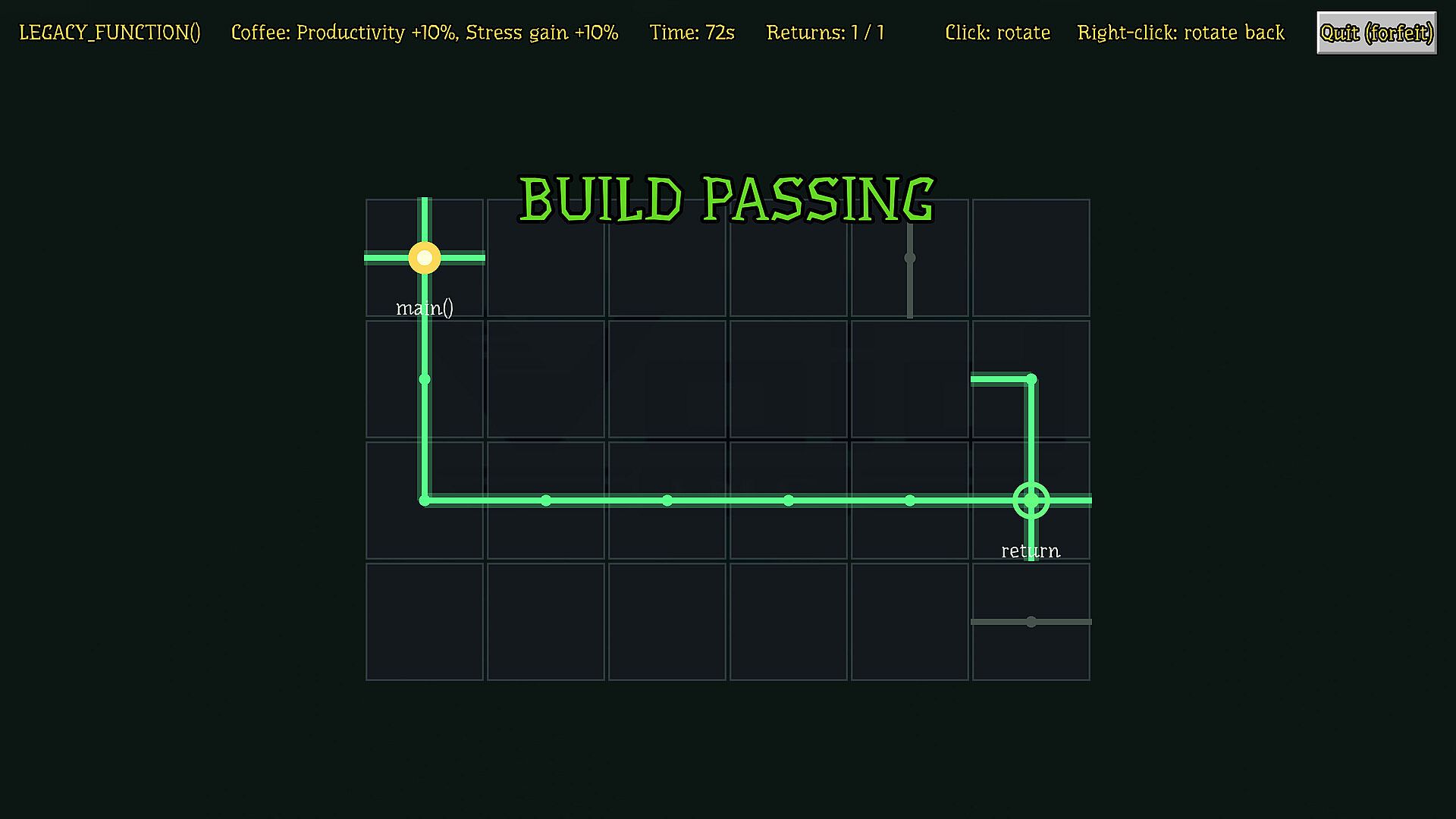
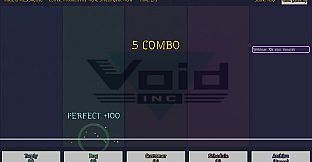
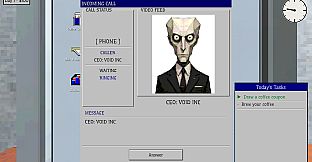
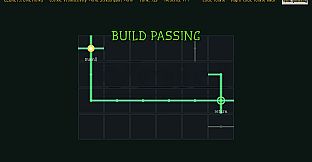
Each day starts with familiar rituals such as drinking company coffee and taking a call from the CEO to set priorities. Players decide which tasks to handle directly, delegate to others, or postpone, knowing that ignored issues will escalate into bigger problems later. Work unfolds through a series of tactile minigames that test timing, precision, and quick thinking. Incoming emails require sorting in a rhythm-based sequence, failing infrastructure demands careful reconnection of power circuits, broken software needs debugging via code puzzles that grow more unstable, and the weekly report involves a typing challenge drawn from actual events that occurred.
Stress and sanity form a core layer beyond simple meters. When sanity reaches zero, the player character collapses, losing valuable time while the company continues operating without them. This creates ongoing pressure to balance workload against personal limits. As revenue grows, players can purchase upgrades, improve the office environment, and recruit staff including support specialists for the inbox, developers for code review, DevOps engineers for infrastructure, and AI assistants for automation. These hires reduce personal load but introduce risks such as errors, absences, or new complications that require inspection.
Trade-offs define progression. Faster expansion brings higher pressure and more complex systems to maintain. New features drive sales yet risk system collapse if maintenance falls behind. The office itself evolves over time, with some areas appearing older than the company and occasional supernatural events disrupting normal operations.
Game Modes
The core loop centers on surviving each workday while managing escalating demands from emails, technical debt, and customer expectations. Neglected servers or unresolved issues return as larger emergencies, forcing adaptive decision making under time constraints. Building the company adds a layer of long-term strategy through hiring and upgrades that shift responsibilities away from the player but demand oversight to prevent failures.
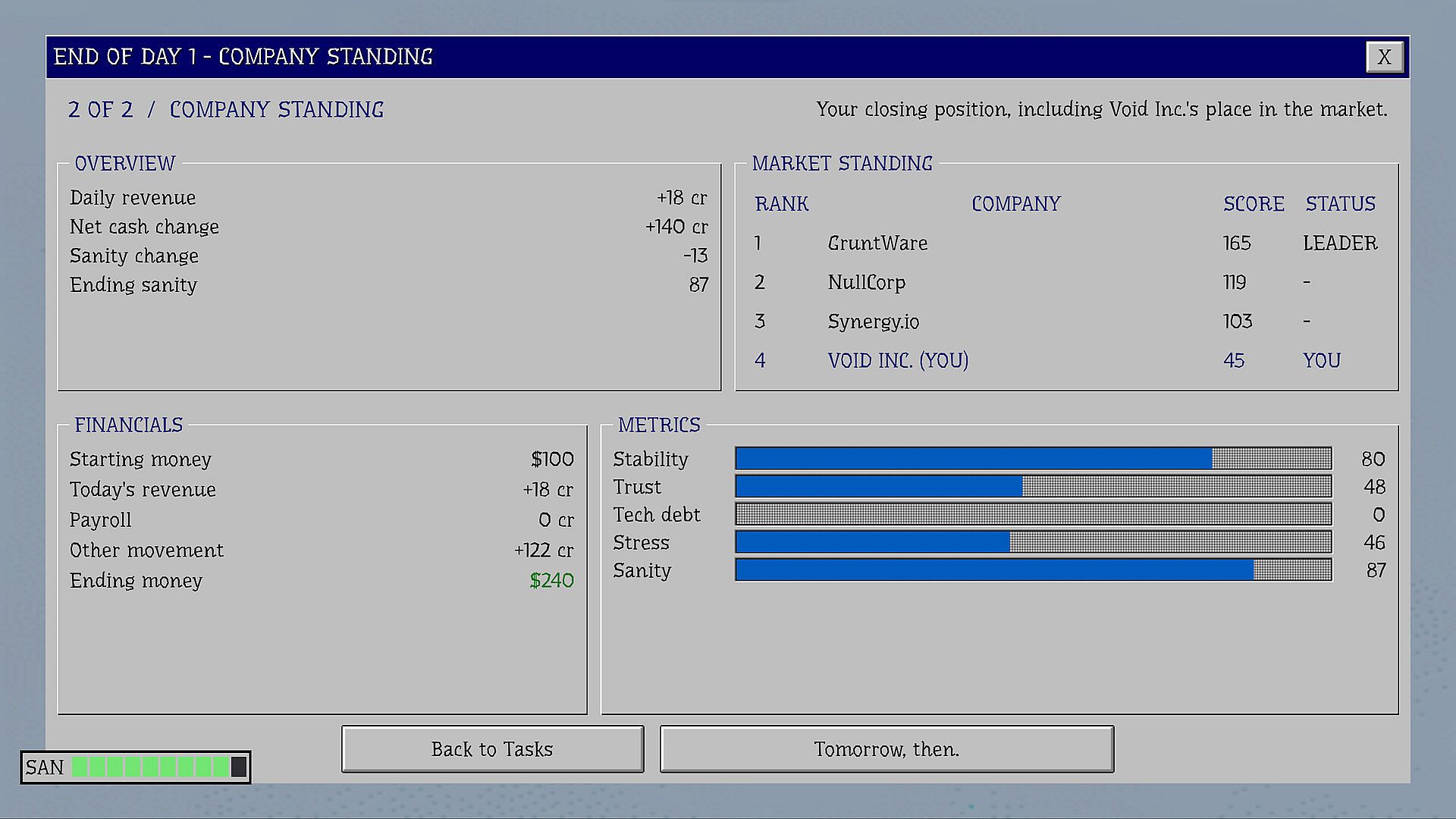
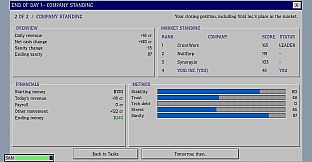
Competition introduces another dimension as players track rival companies and compare performance metrics. When the CEO pushes for more aggressive tactics, off-book operations become available, allowing sabotage that can weaken competitors yet carries high costs if detected or unsuccessful. These elements integrate into the daily routine without separating into distinct sessions.
Story discovery runs parallel to the work systems. Exploring the office uncovers restricted information and clues about the company's true purpose, the CEO's close monitoring, and unusual employee behaviors. Supernatural occurrences and hidden details gradually piece together a larger narrative beneath the surface of routine tasks, rewarding careful observation alongside efficient management.
Company Building and Risks
Revenue from completed work funds improvements that scale operations. Staff hires automate portions of the workflow, yet each addition creates new variables such as sick days, faulty outputs, or work that still needs personal review. Automation promises efficiency but can introduce fresh vulnerabilities in the infrastructure it supports. Players must weigh rapid growth against the stability of the systems powering it, as neglected maintenance threatens to undo progress.
Is It Worth Playing?
Void Inc suits players who enjoy management simulations with layered decision making and a slow-burn narrative. The minigame-driven workdays provide consistent engagement while the sanity system and escalating consequences add tension without relying on traditional failure states. Those interested in uncovering hidden stories alongside resource management will find the office exploration and rival interactions rewarding. The game remains in active development with its core systems focused on single-player progression on PC, making it a solid choice for fans of thoughtful indie simulations that blend routine tasks with unexpected depth.











