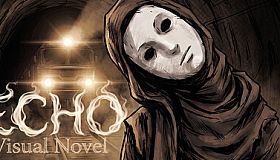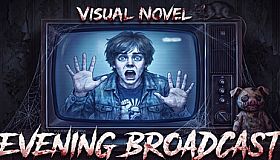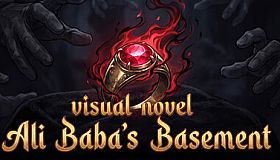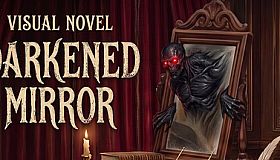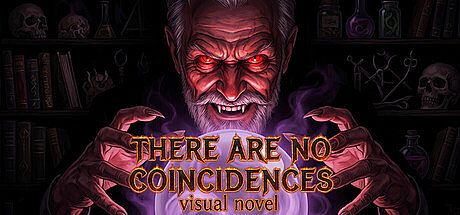


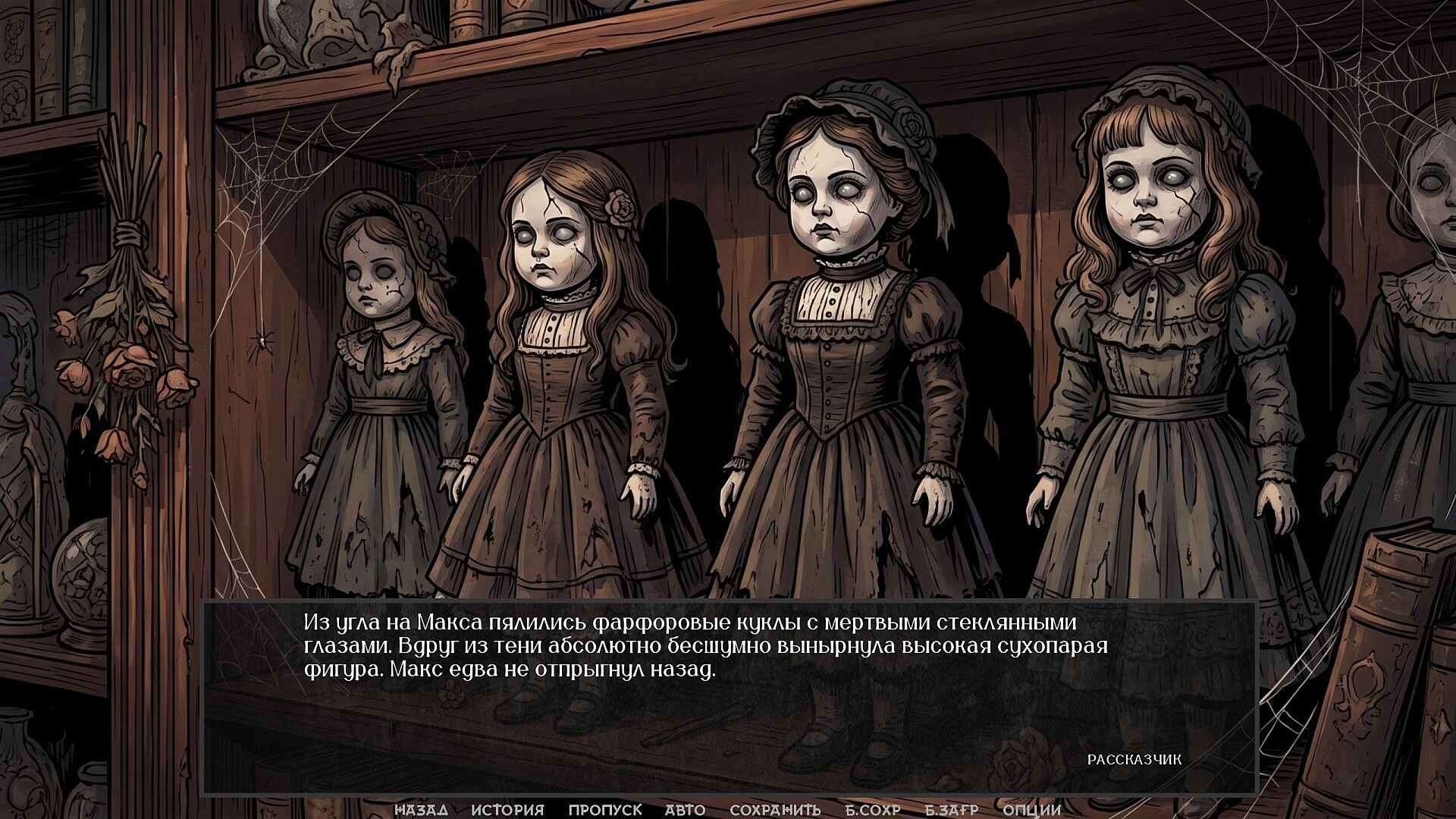
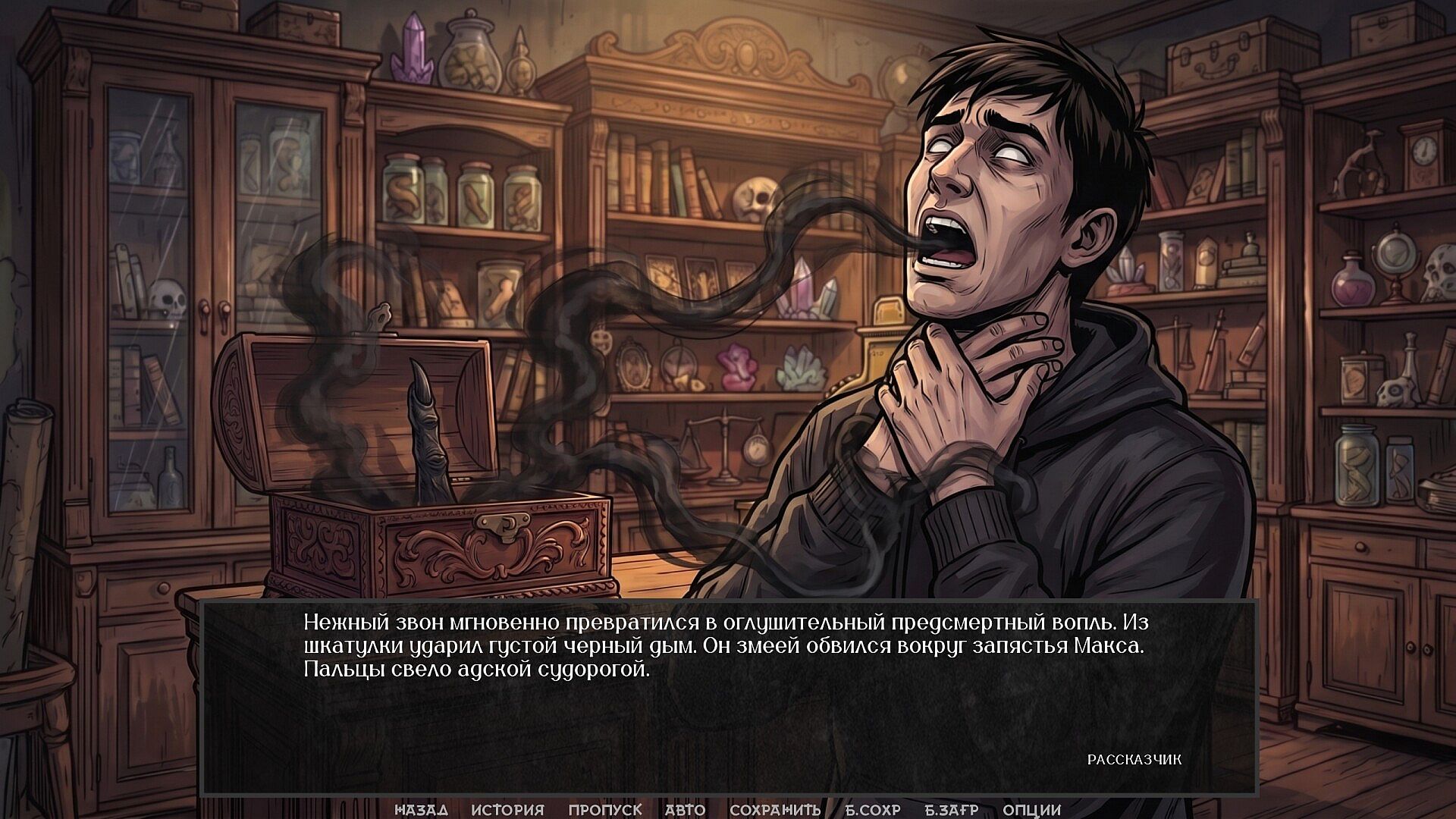
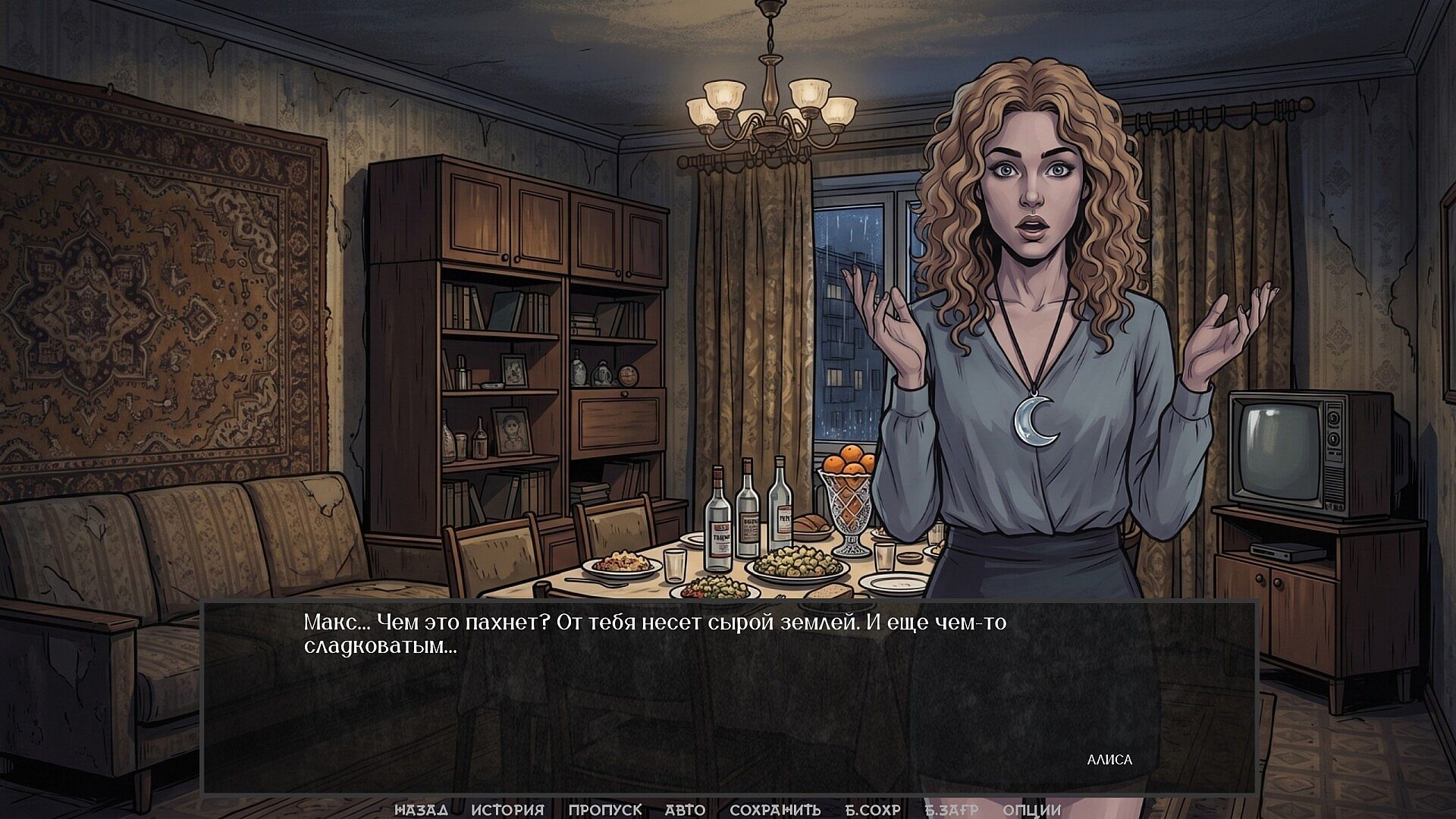
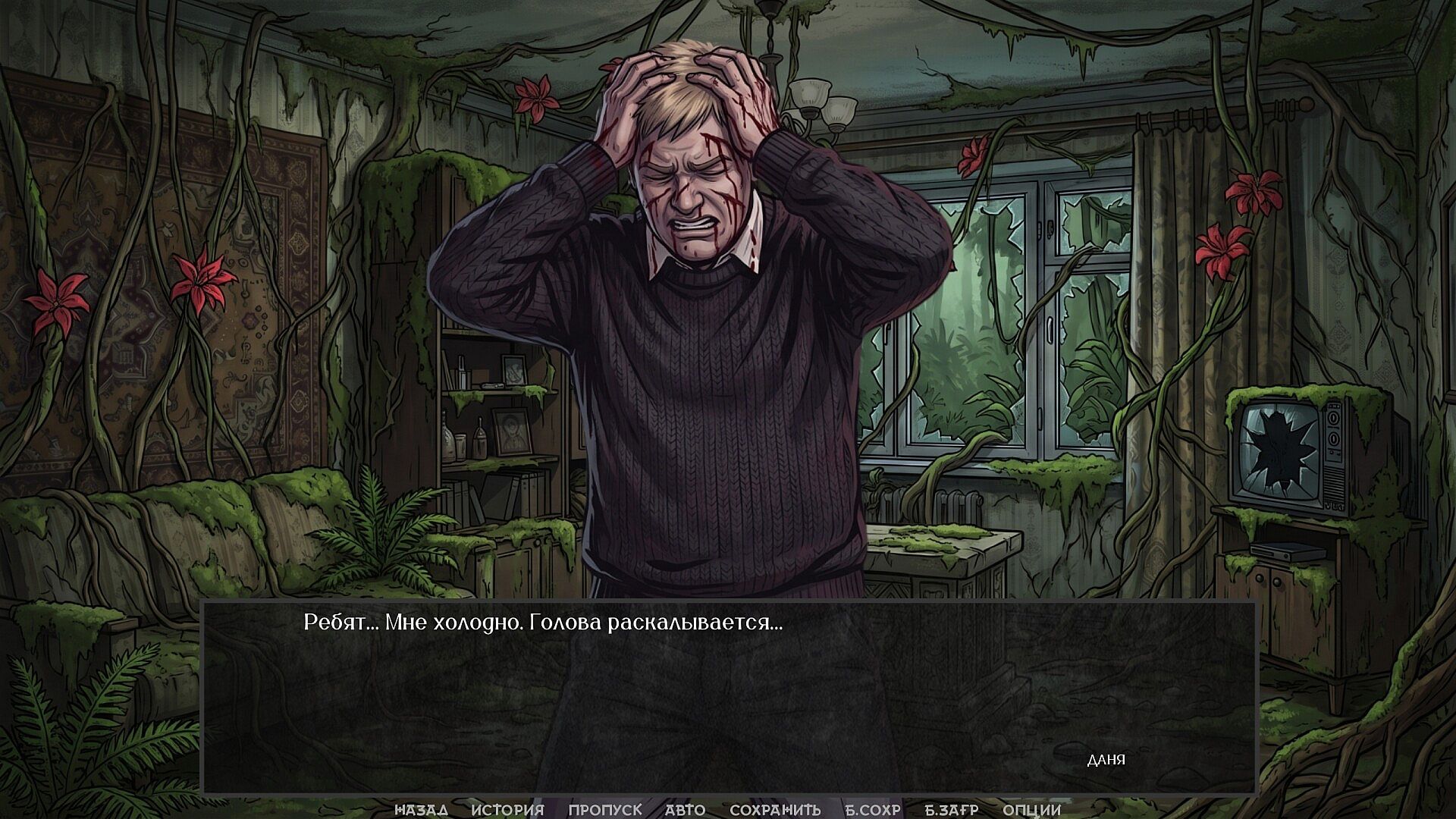
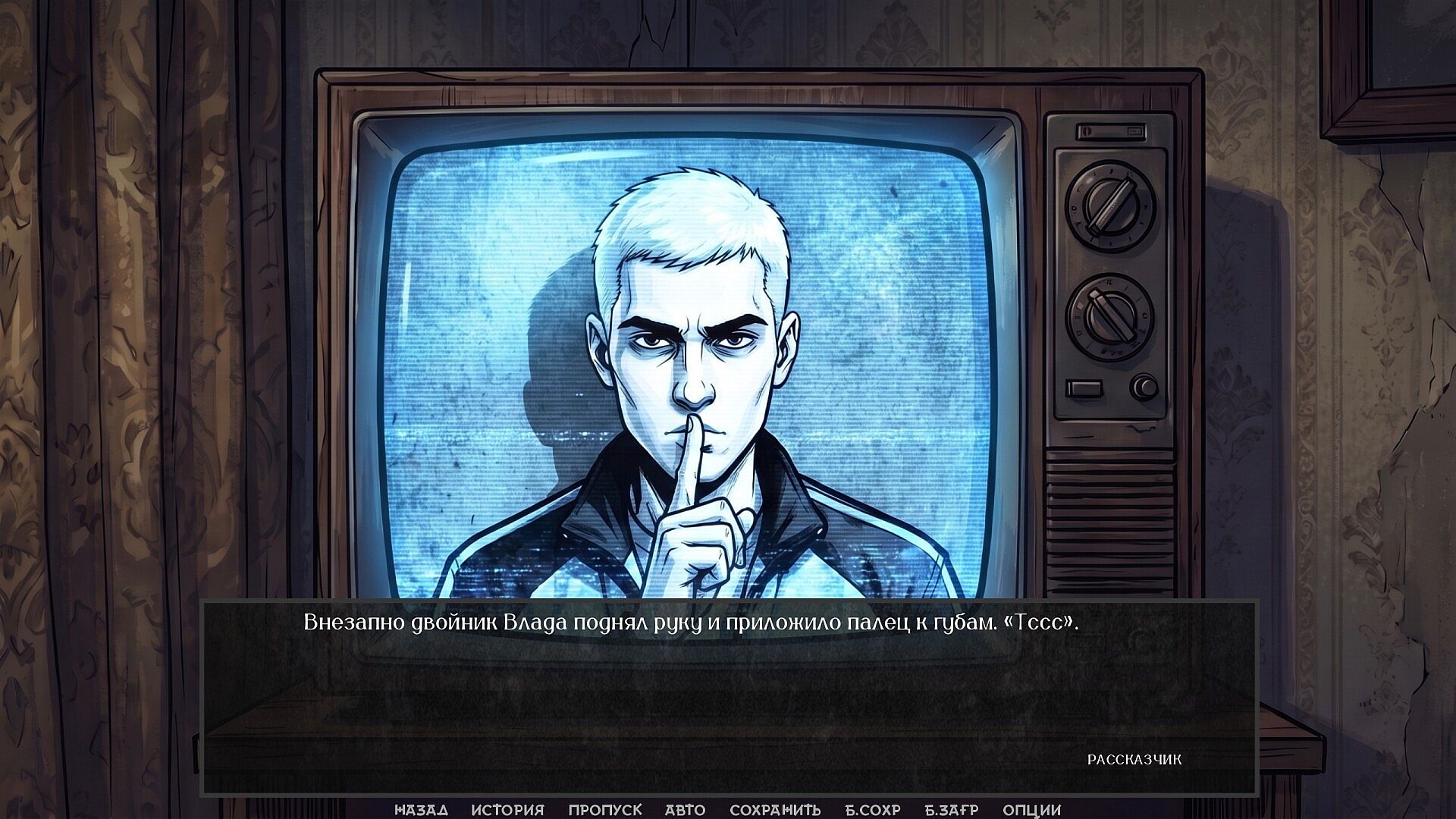
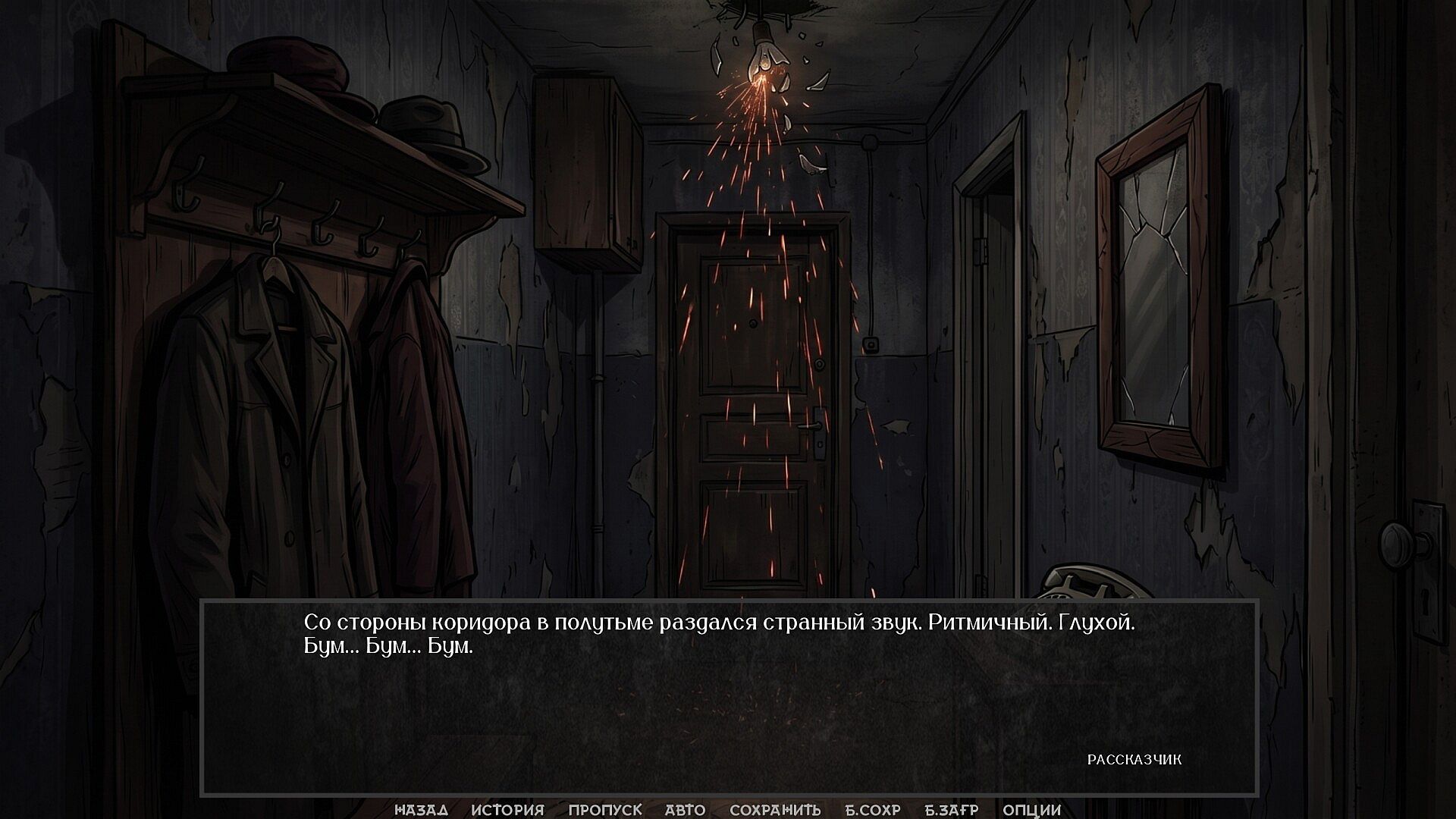
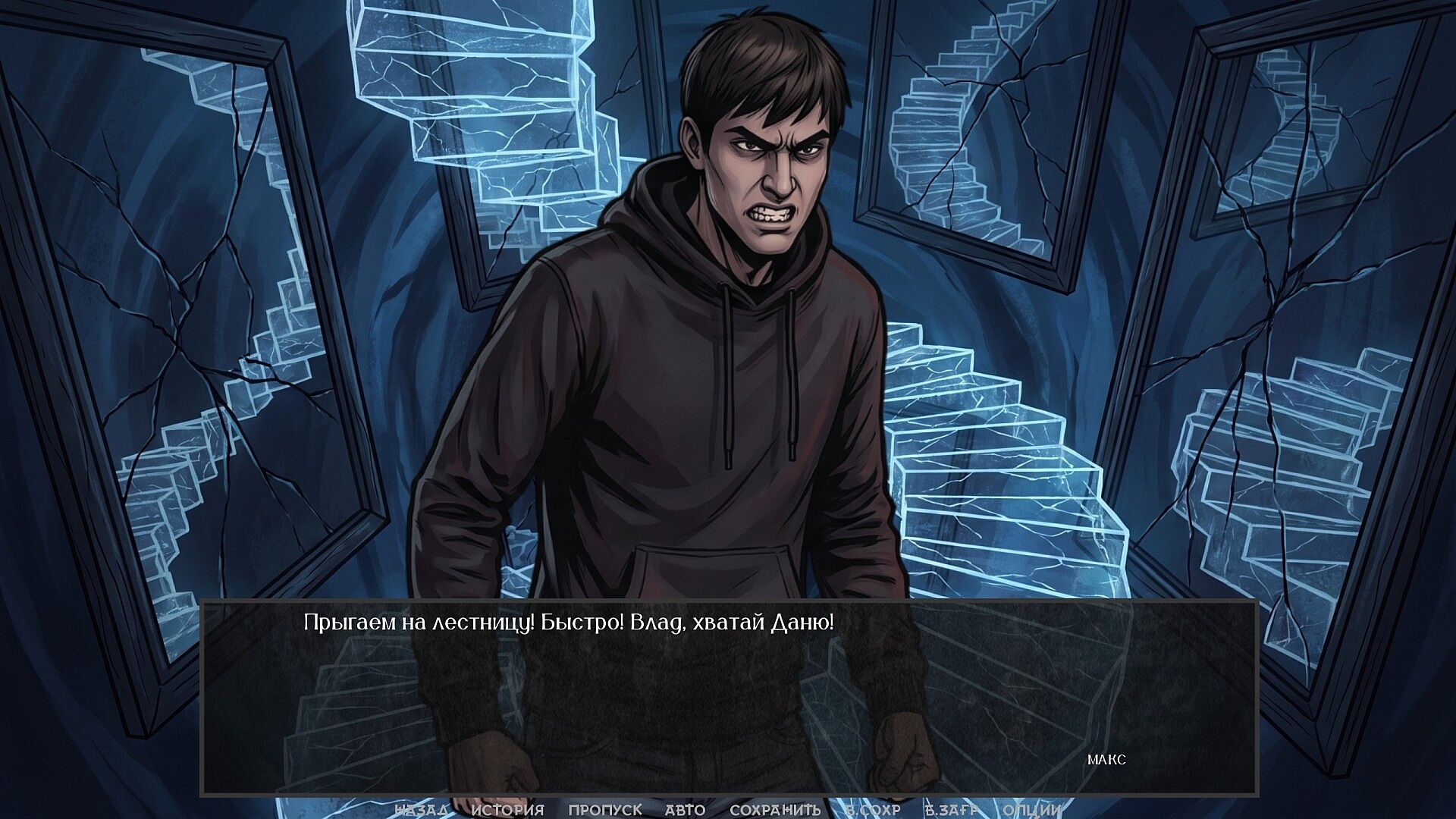
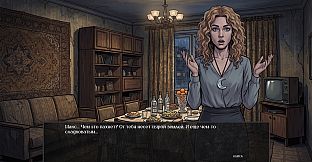
Visual Novel: There Are No Coincidences is a single-player choice-driven narrative experience that blends visual novel storytelling with elements of action, indie horror, RPG decision systems, and adventure exploration on PC. Players step into the role of Max, whose simple decision to enter an antique shop during a rainstorm sets off a chain of supernatural events that transform a casual gathering with friends into a fight for survival.
Gameplay
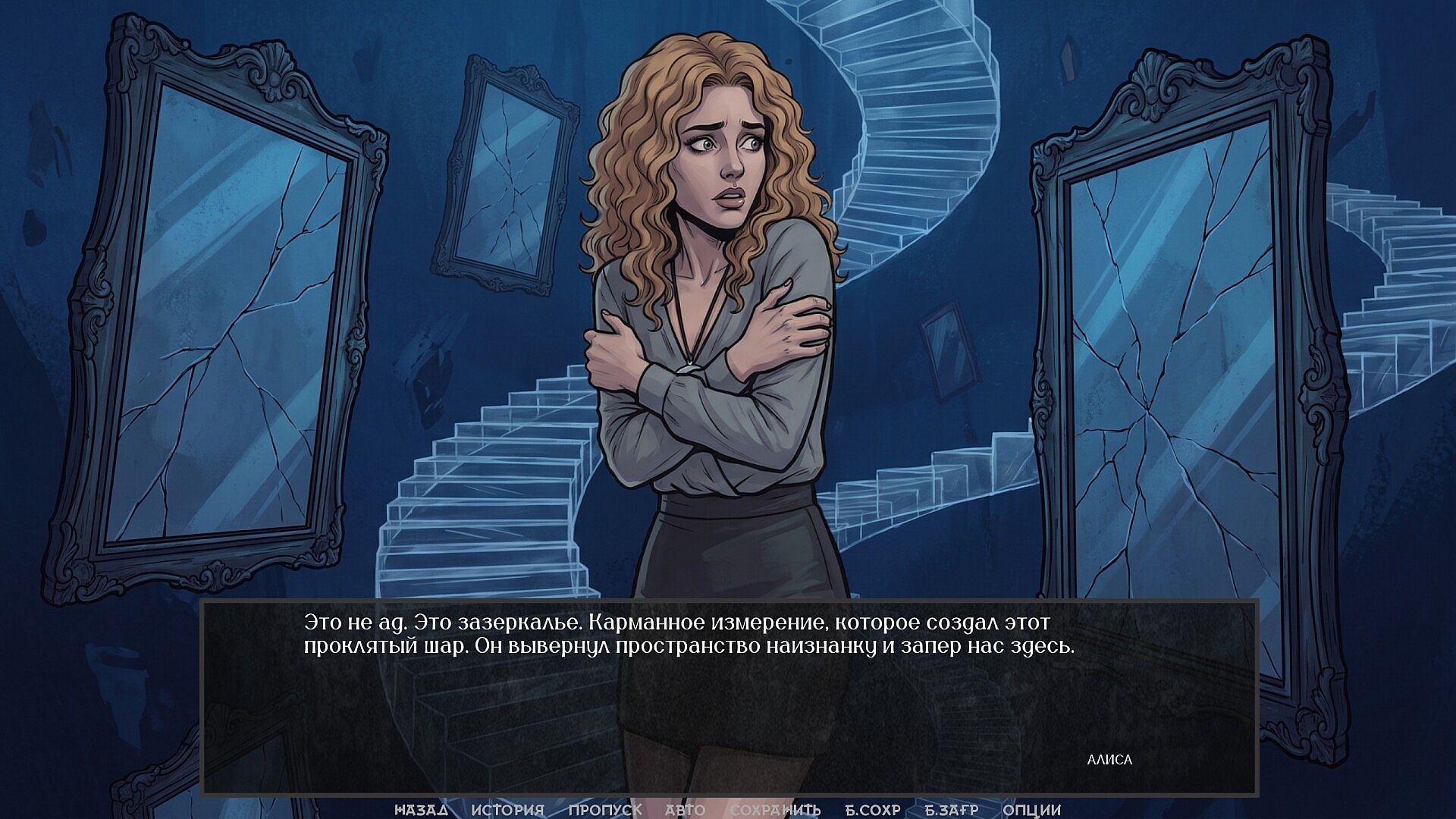
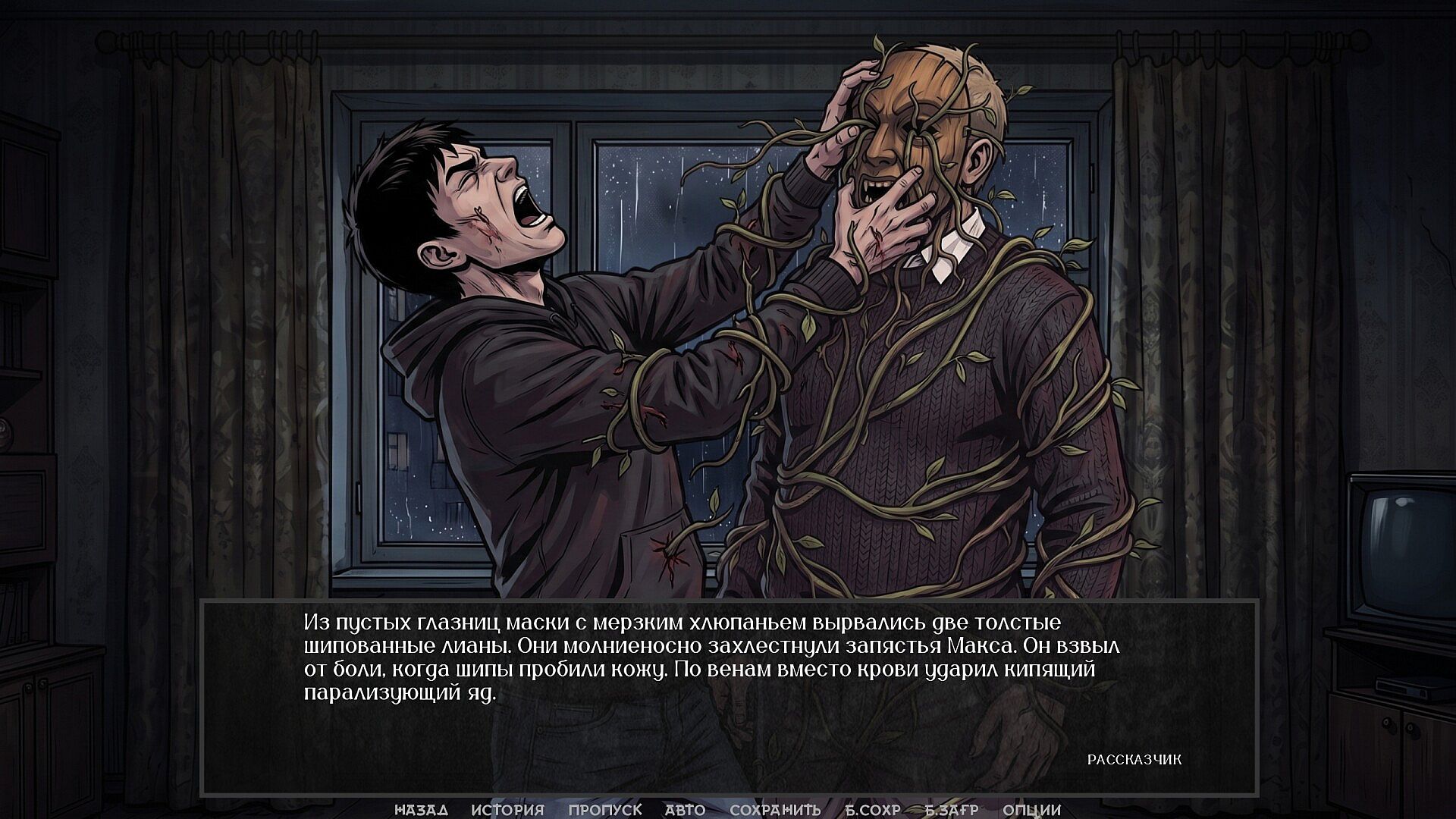
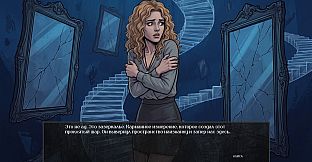
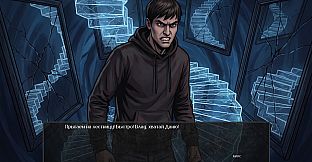
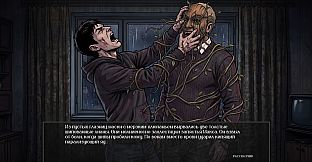
The core loop centers on making critical choices at key moments in the story. Each selection influences the direction of events, determines which characters survive, and shapes the overall narrative path. Players navigate tense scenarios where objects from the shop manifest deadly threats, such as hunters emerging from cursed environments or reflections that pull characters into distorted realities. The system emphasizes consequence, with decisions carrying weight that can lead to immediate danger or long-term shifts in alliances and outcomes among the group.
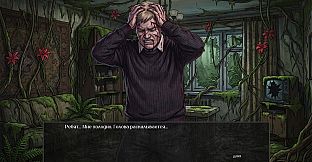
Progression relies on careful consideration of options presented during interactive sequences. The horror elements emerge through environmental changes and encounters that react to prior choices, creating a sense of dread as the apartment setting warps into hostile territories. This structure rewards replaying sections to explore different branches, though the focus remains on personal decision-making rather than combat or resource management.
Game Modes
The game operates as a single-player narrative adventure where the primary mode involves progressing through a branching story driven entirely by player selections. There are no separate multiplayer or competitive formats; instead, the experience unfolds as one continuous tale that adapts based on actions taken during key encounters. This setup allows for varied playthroughs that highlight different survival strategies and character fates without additional modes layered on top.
Exploration of the altered environments happens within the choice framework, where selecting paths or responses determines access to new scenes and revelations. The design keeps the focus narrow on story progression and consequence tracking, making each session revolve around managing the group's safety through repeated decision points.
Story and Atmosphere
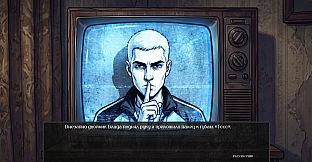
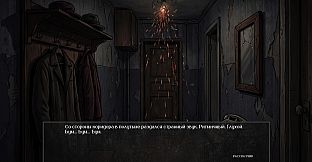
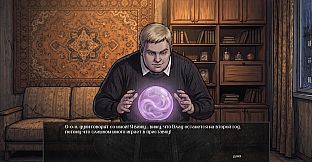
The narrative begins with Max seeking shelter and encountering an unusual shopkeeper who offers seemingly innocuous items. Once these objects reach his apartment, the setting shifts into a nightmarish blend of living mirrors, masked pursuers, and figures stepping from paintings. The tone builds through these transformations, where ordinary spaces become arenas of pursuit and psychological strain.
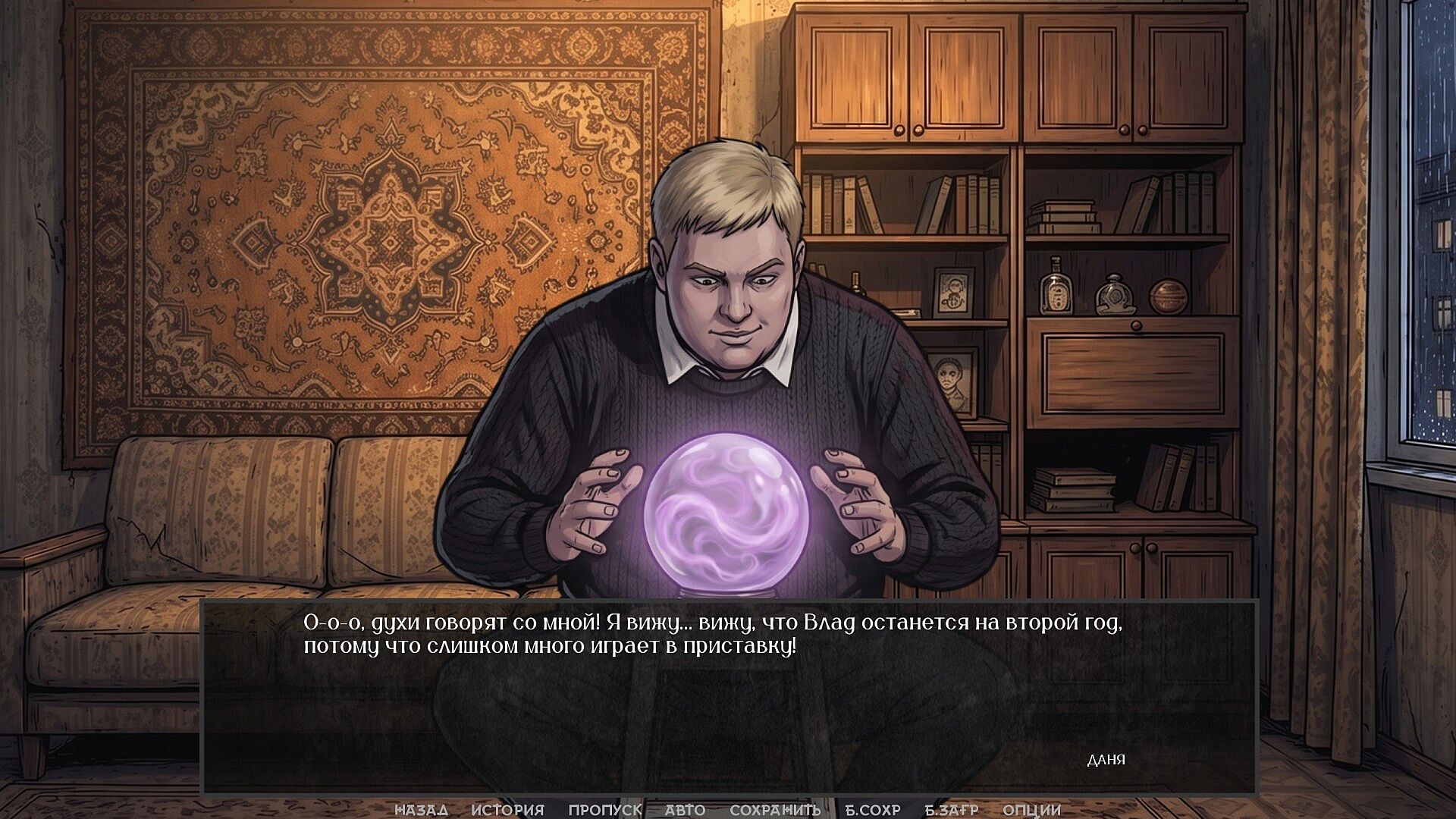
Atmospheric details reinforce the horror by tying environmental hazards directly to the choices made earlier. Friends gathered for what should be a normal evening find themselves entangled in events that test loyalties and force rapid judgments. The plot maintains a tight focus on survival amid these escalating threats, with the underlying message that the initial entry into the shop was no random occurrence.
Is It Worth Playing?
This title suits players who enjoy interactive stories where every decision carries lasting impact on character survival and story resolution. The branching structure and multiple endings provide incentive for those interested in exploring different outcomes through repeated play sessions. With its emphasis on horror atmosphere and consequence-driven mechanics, the game appeals to fans of narrative adventures that prioritize tension and personal agency over action sequences or open-world elements.
As an upcoming release with no player reviews available yet, its value depends on individual preference for choice-heavy visual novels that incorporate supernatural threats and group dynamics. The described features align with experiences that reward thoughtful engagement with the plot rather than mechanical skill or competitive play.