



















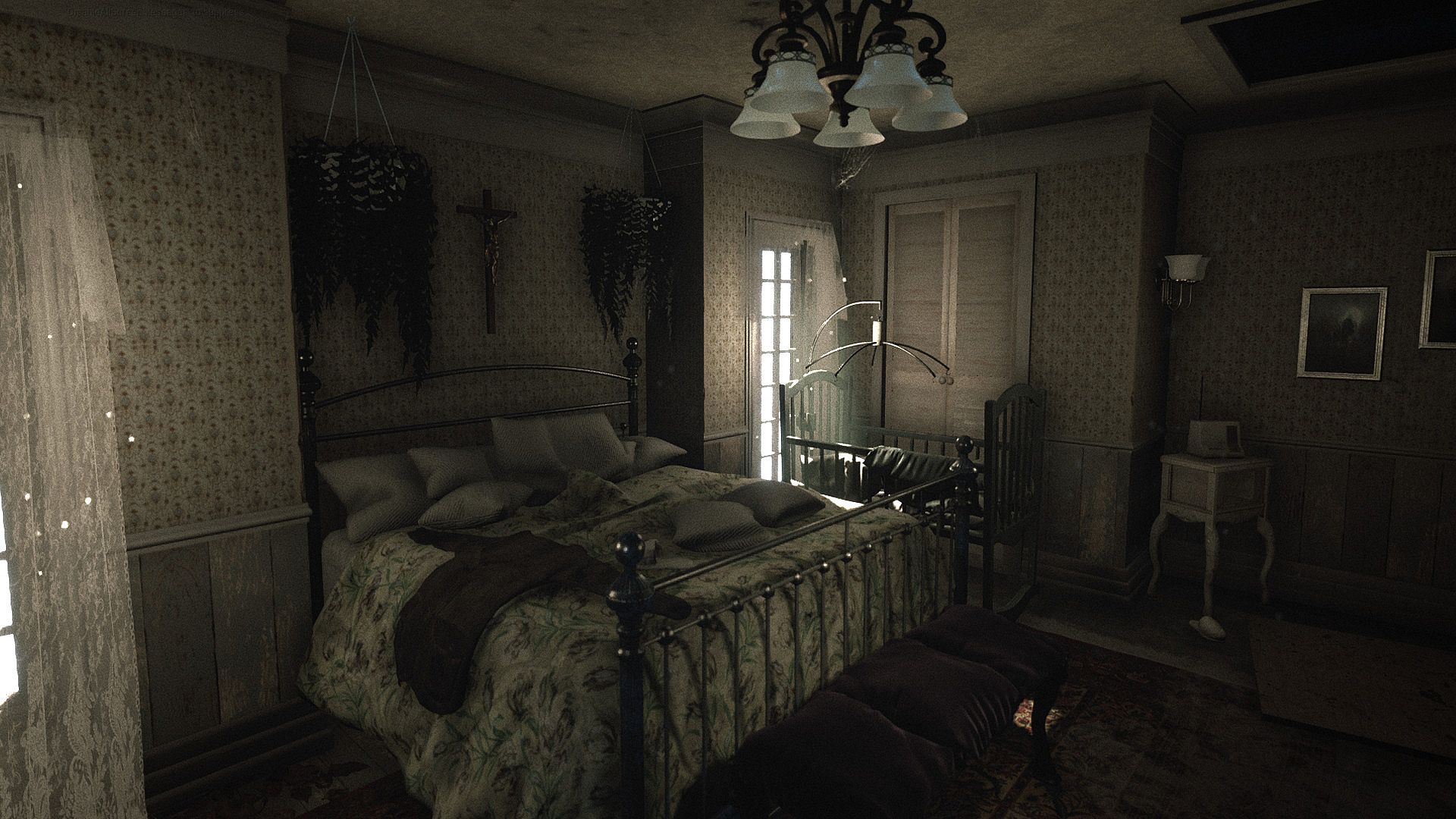
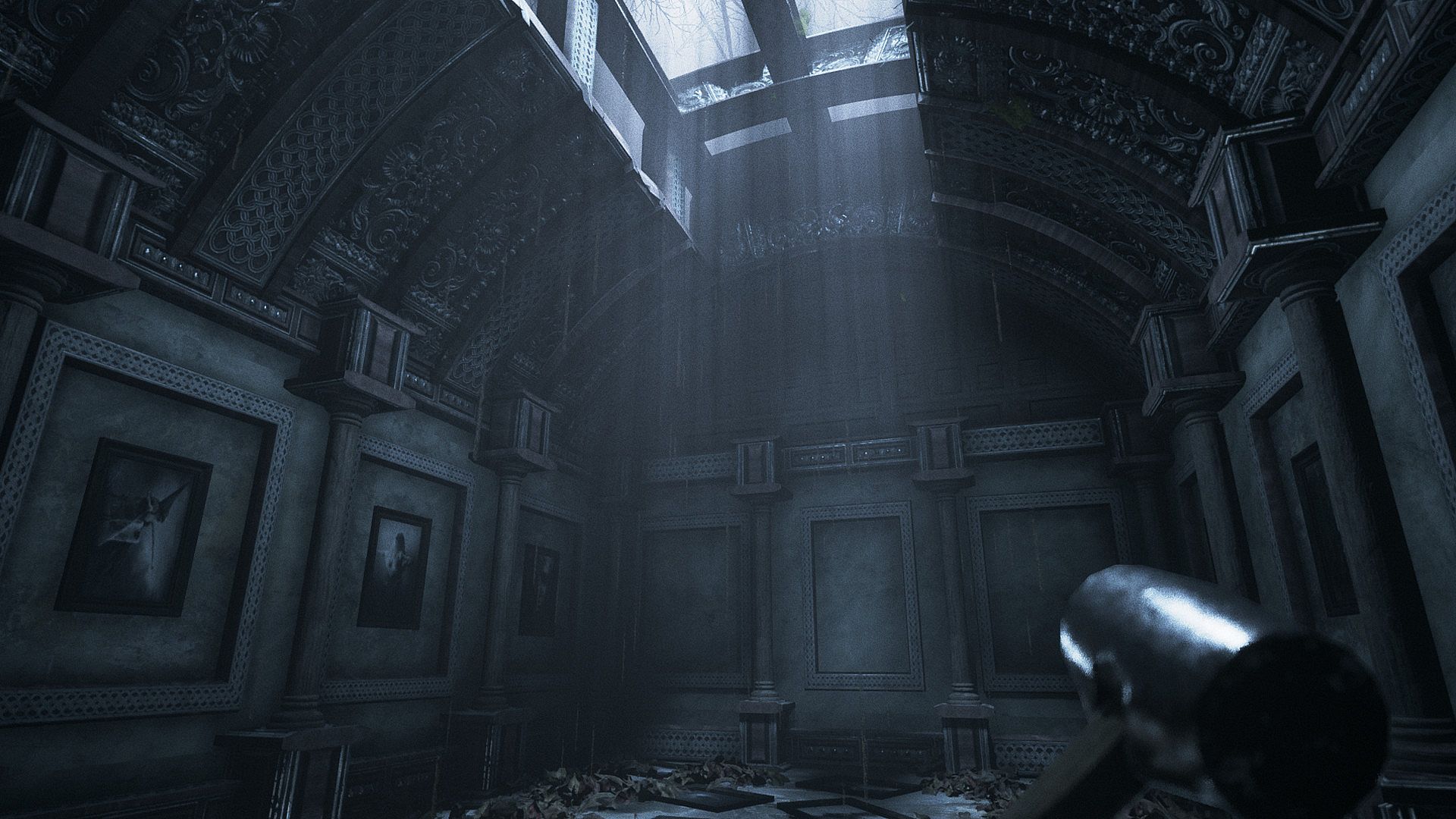
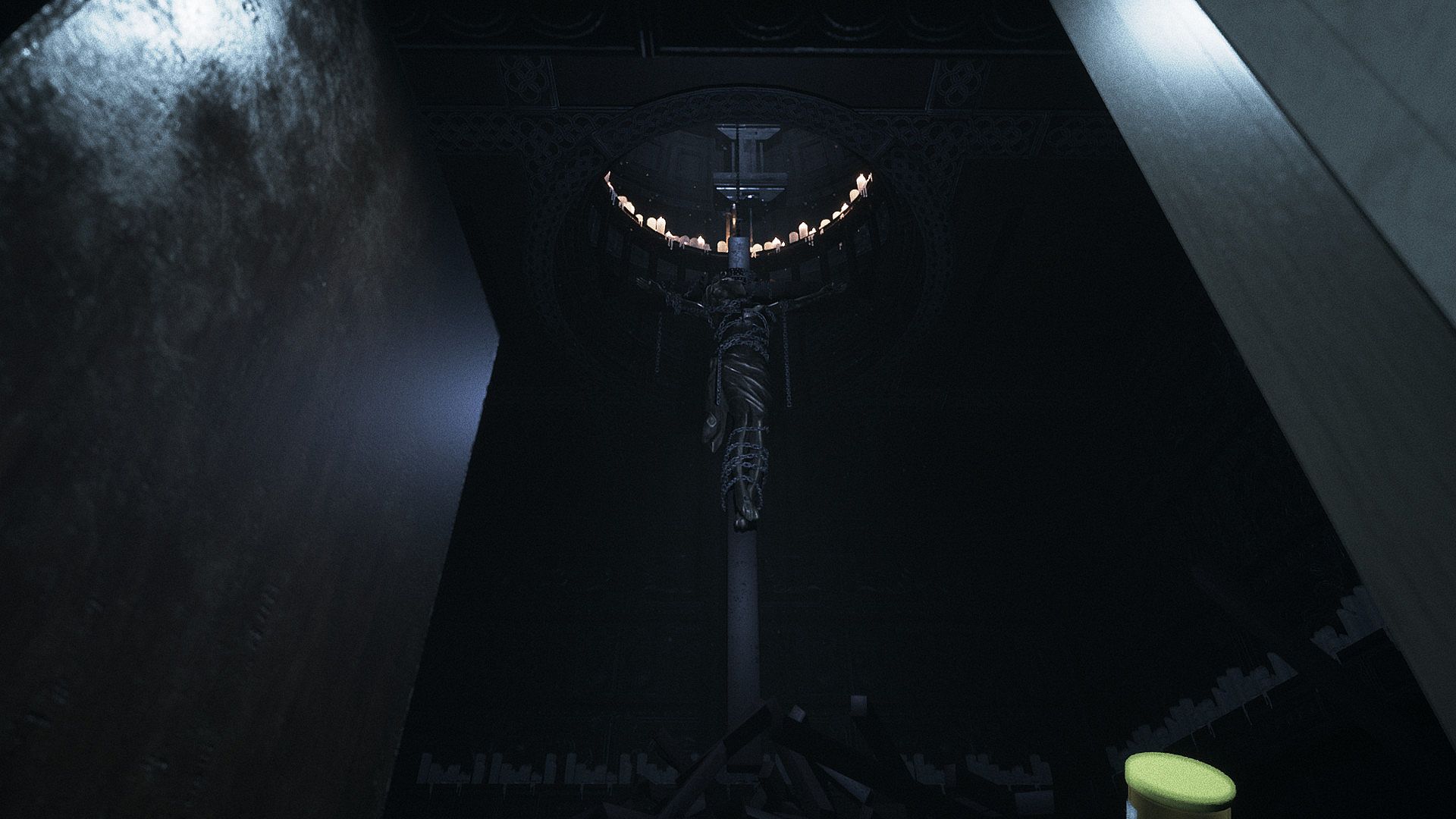
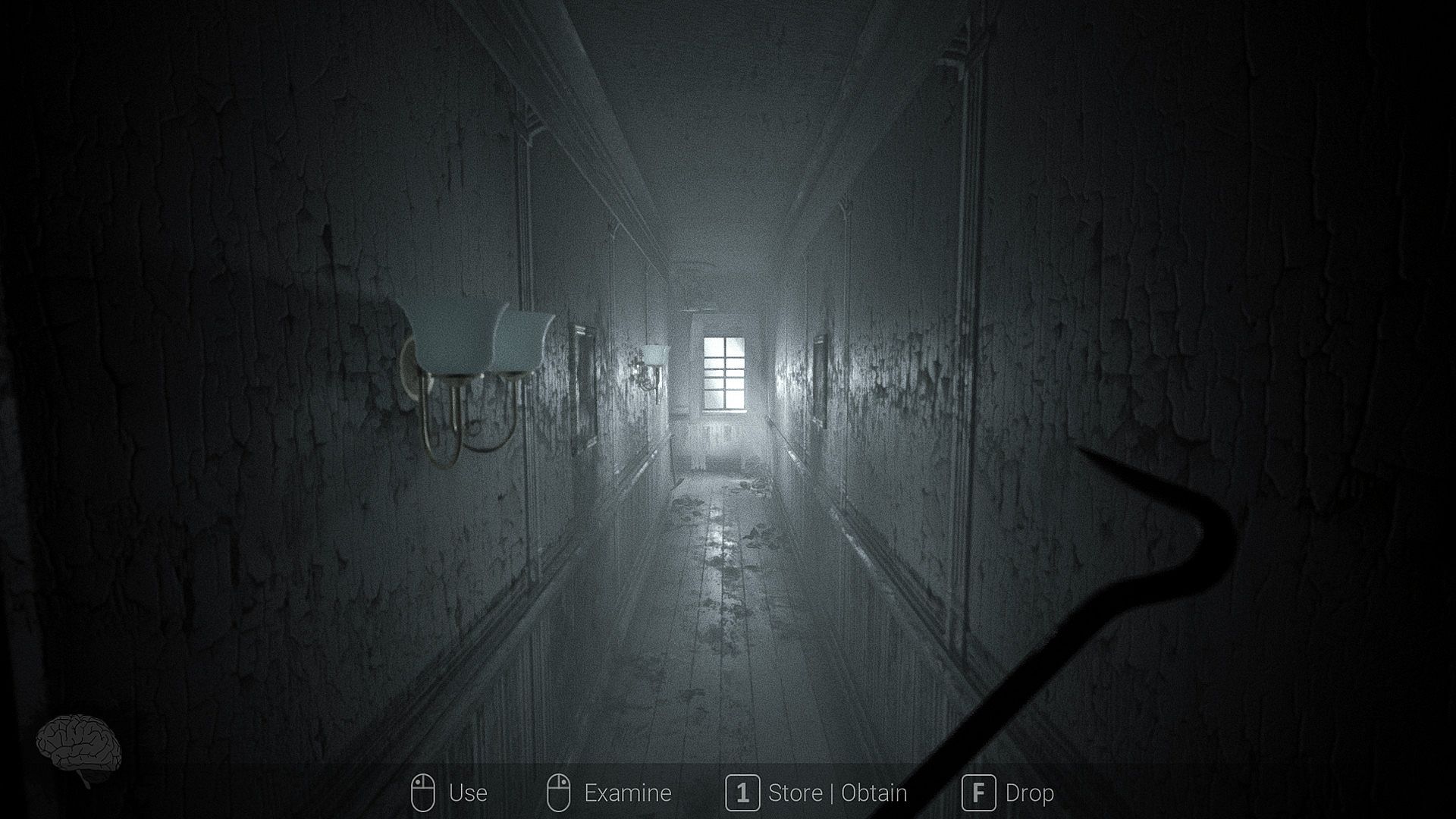
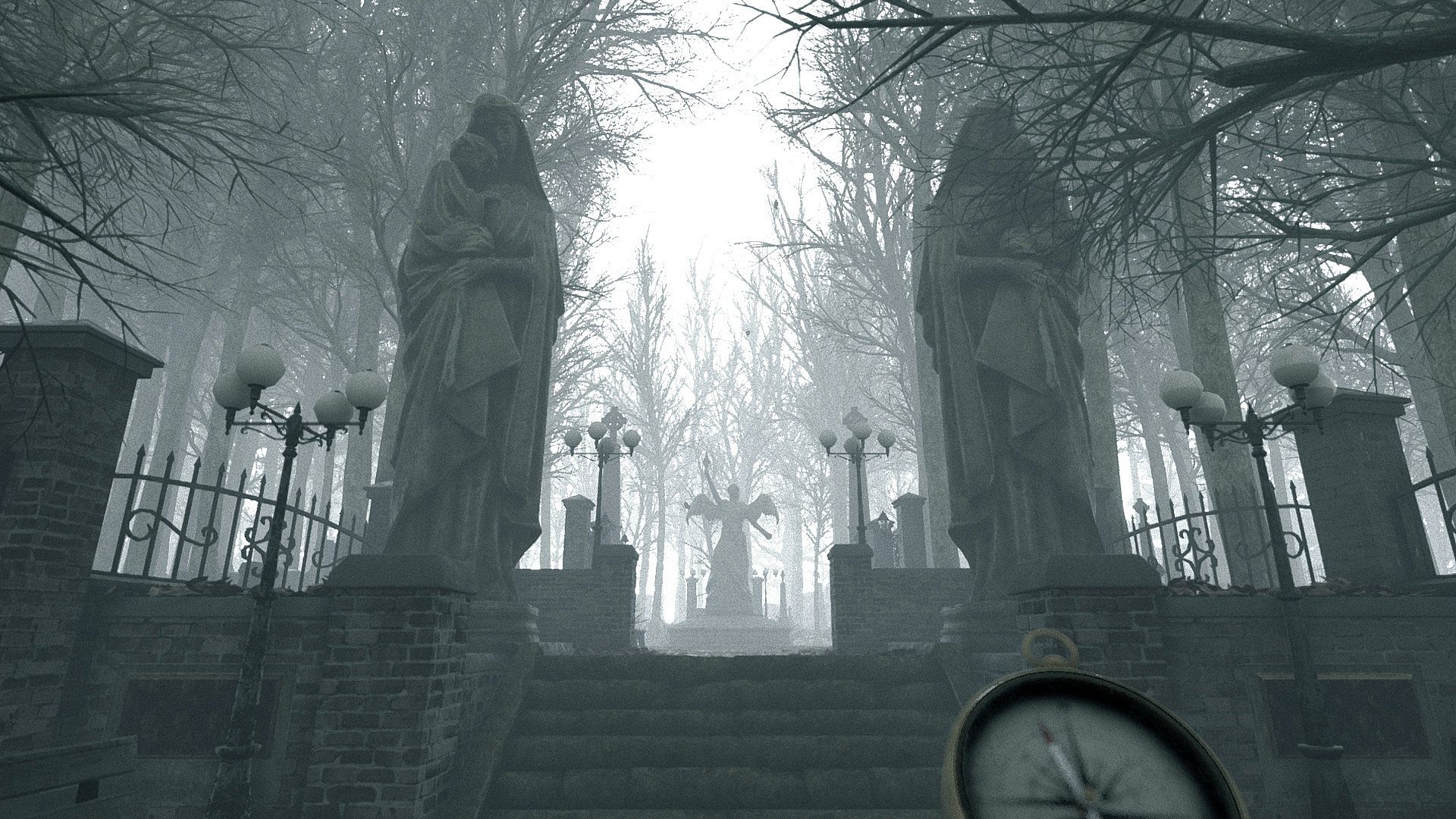
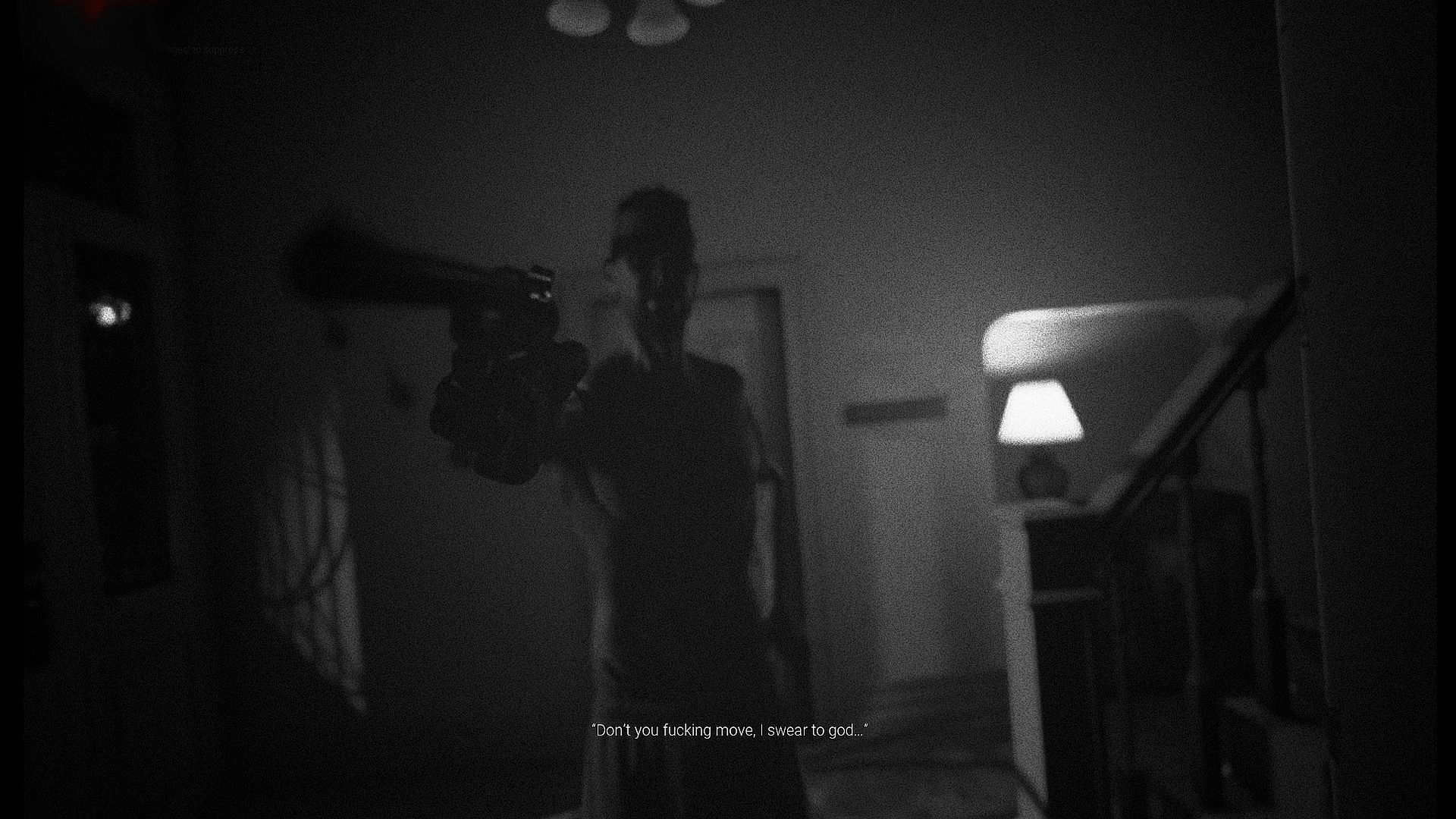

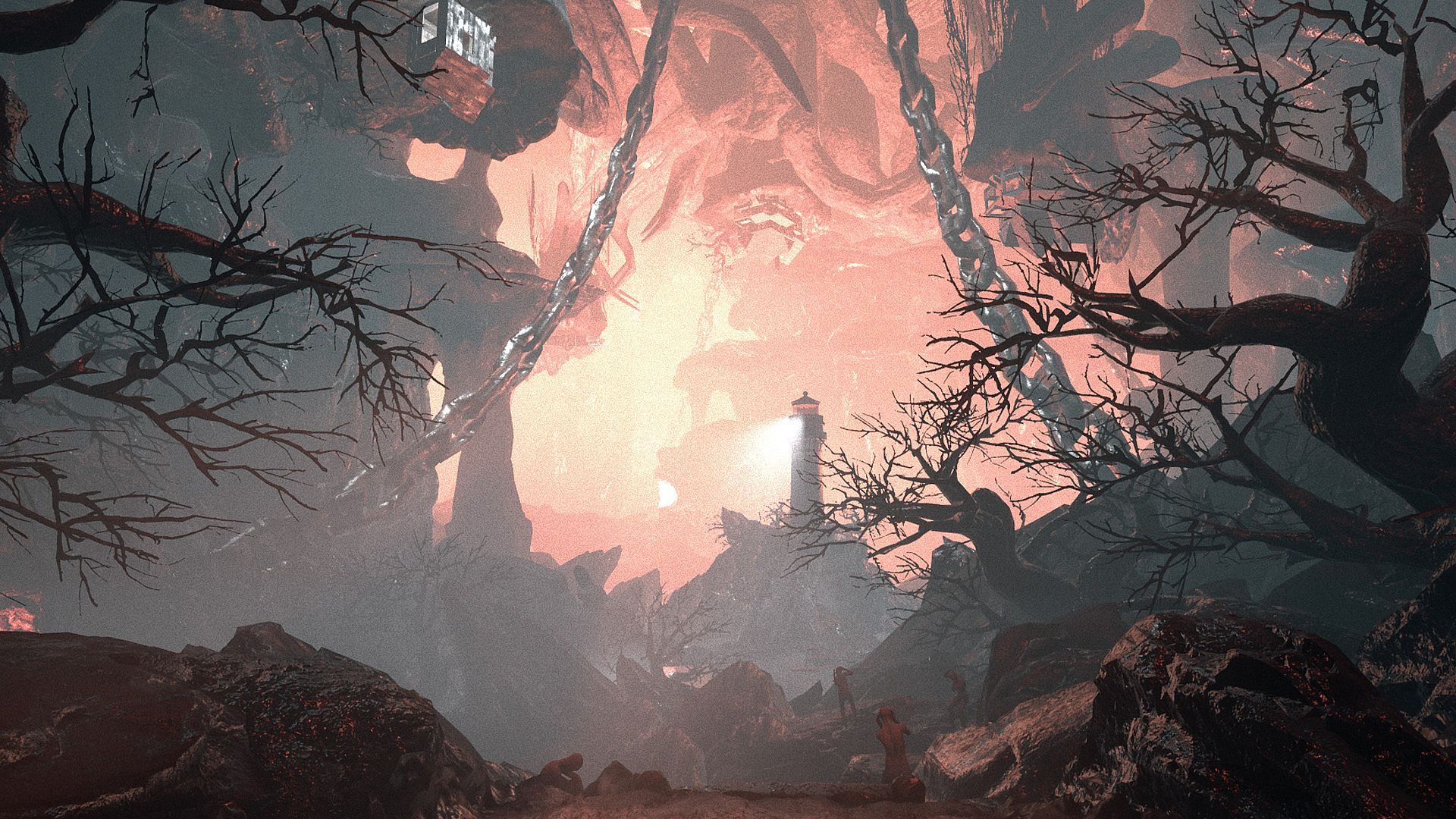
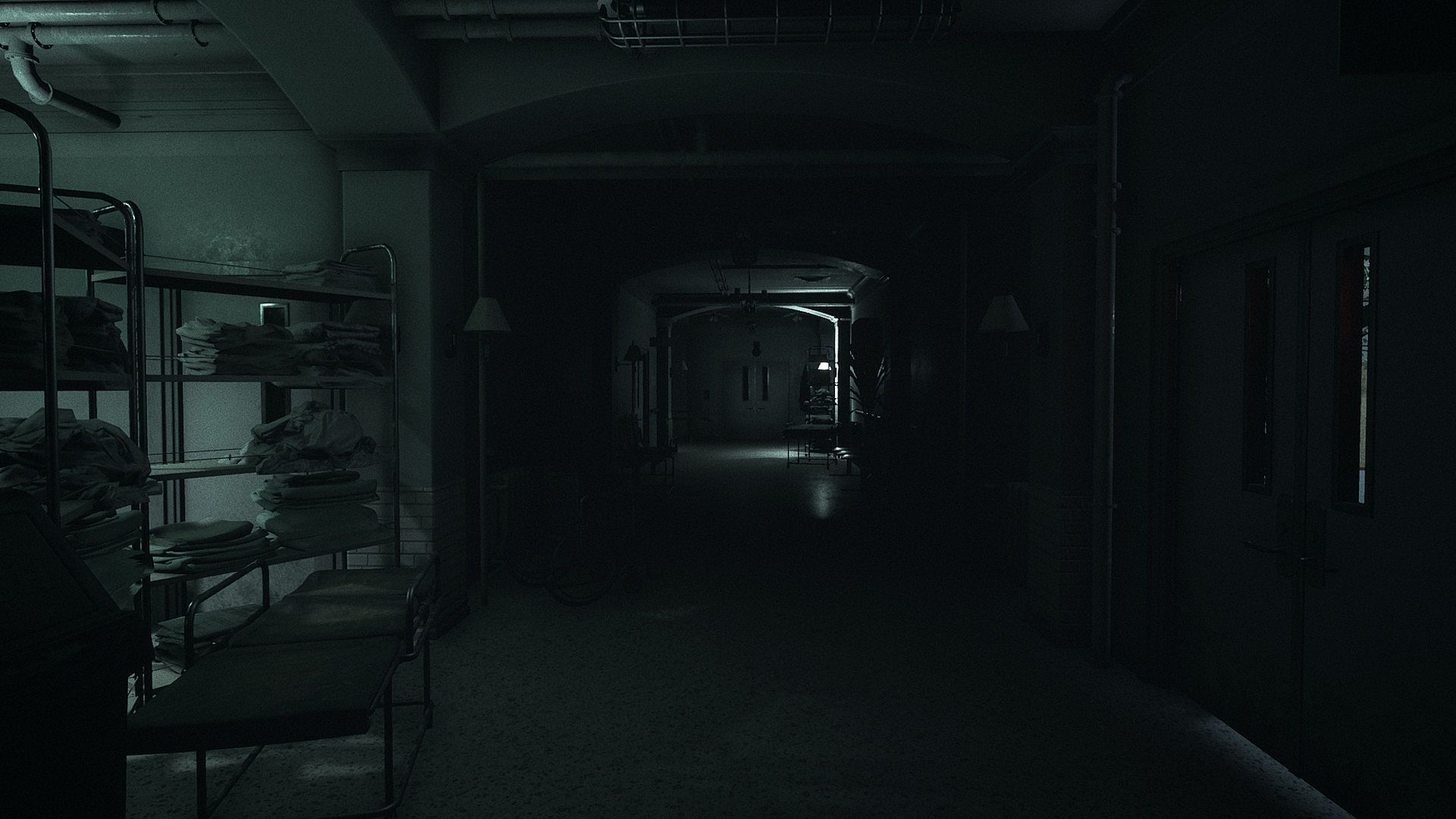












Visage stands as a first-person psychological horror game centered on exploration within a single sprawling suburban house. Players navigate its shifting rooms and corridors as Dwayne Anderson, uncovering fragments of a violent past through environmental storytelling and surreal encounters rather than direct confrontation.
Gameplay
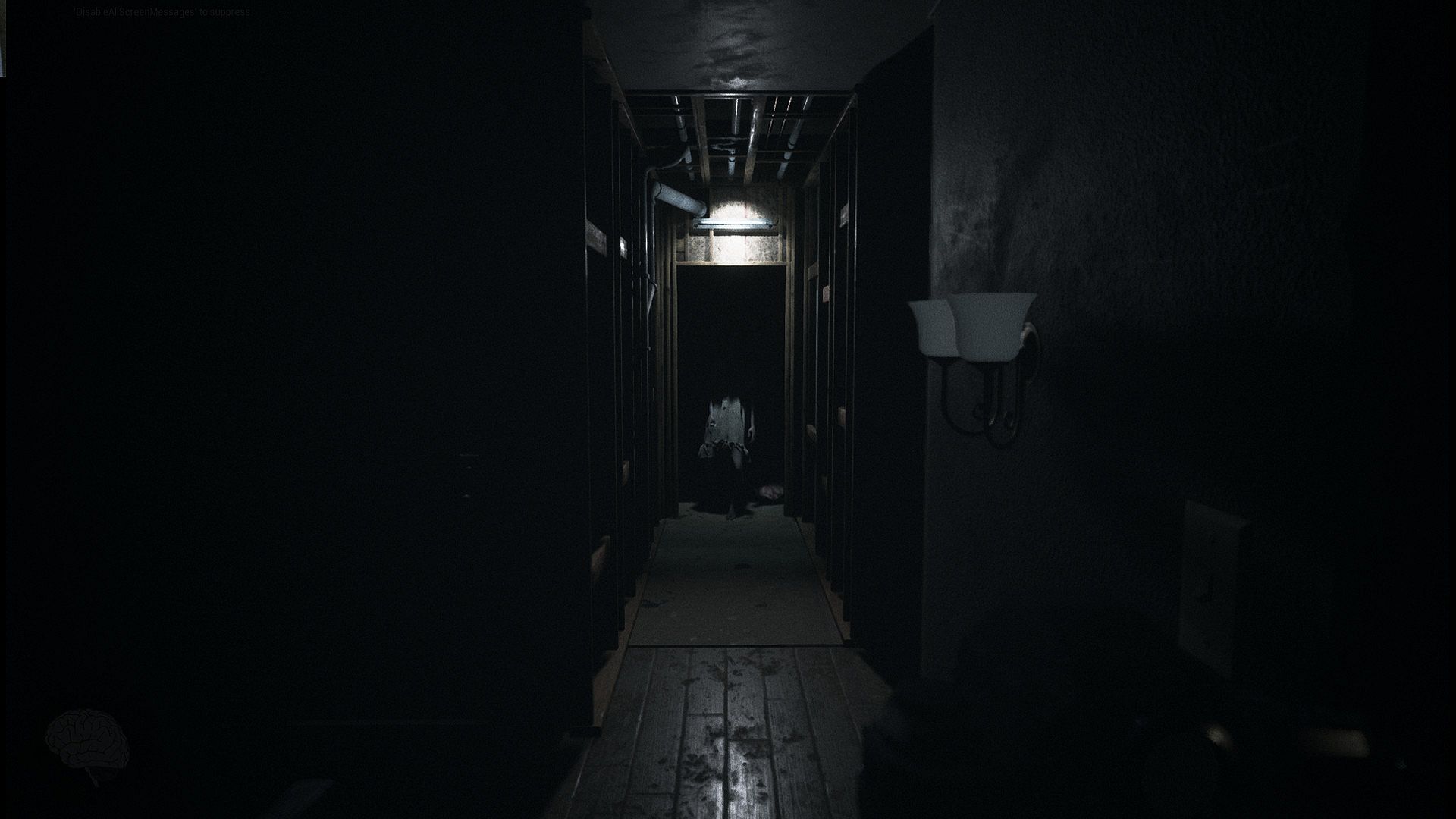
The core loop revolves around careful navigation and interaction in a defenseless state. Without any weapons or combat options, progress depends on examining objects, collecting key items, and piecing together clues scattered throughout the environment. Tension builds gradually through subtle audio cues, shifting layouts, and encounters with supernatural entities that respond to player actions and sanity levels.
Maintaining composure proves essential, as heightened fear draws more aggressive attention from the house's inhabitants. Simple mechanics like remaining near light sources help stabilize the mind, while exploration reveals hidden details that advance the narrative. The experience emphasizes patience and observation over action, with death serving as a recurring setback that reinforces the need for deliberate movement.
Game Modes
Visage operates exclusively as a single-player experience. No multiplayer options, co-op features, or alternate modes exist. The structure unfolds across distinct chapters, each focusing on different periods and residents tied to the house's history. One chapter incorporates collectible VHS tapes labeled with themes such as Pride, Negligence, and Greed, requiring players to locate them amid the distorted spaces.
Progression remains linear in intent yet open in execution, allowing players to wander freely within the ever-changing interior. This format delivers a unified campaign without branches, difficulty settings, or replay incentives beyond personal discovery of environmental stories.
Story and Atmosphere
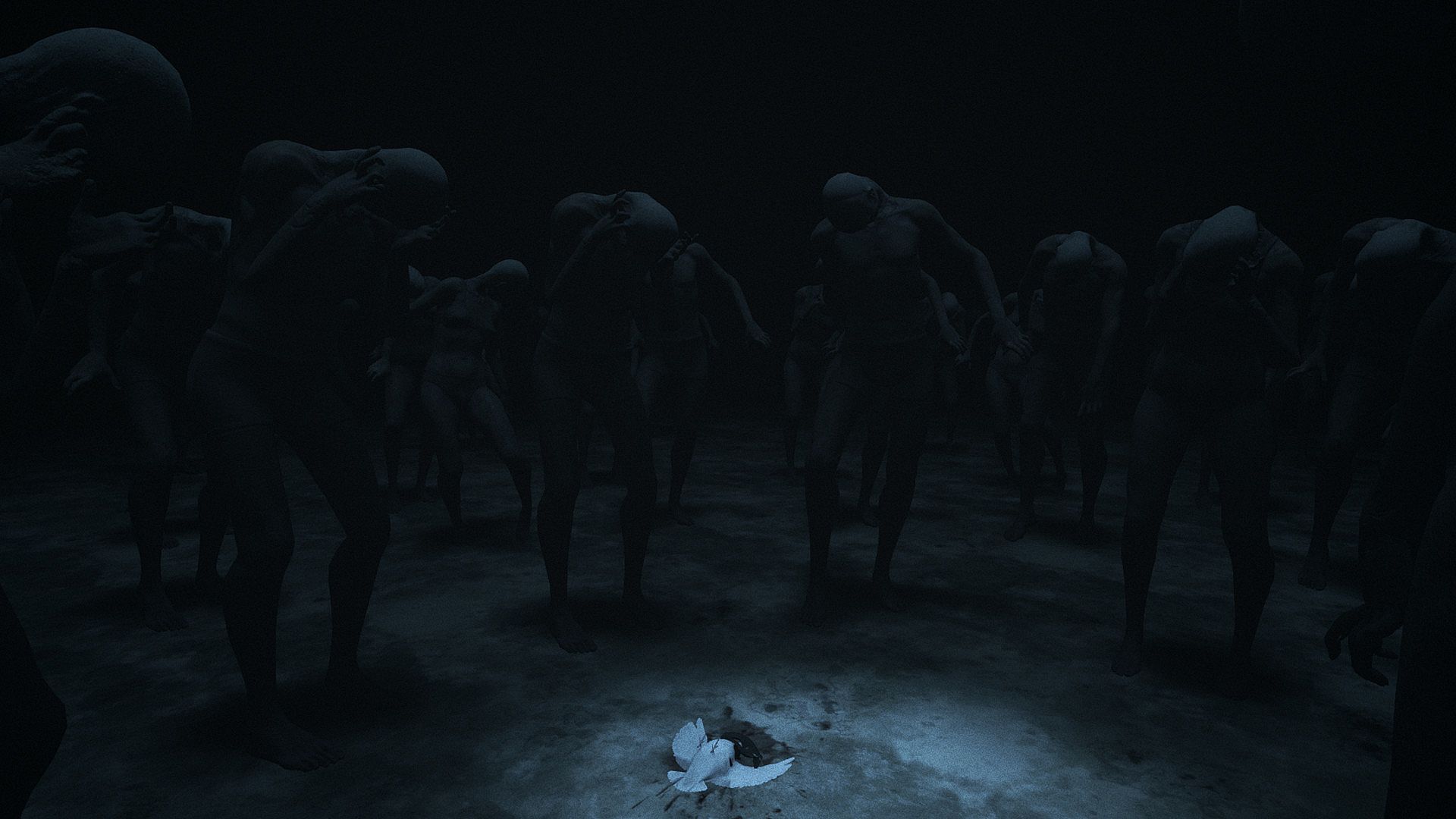
The narrative emerges through the house itself, stained by multiple family tragedies including murders, suicides, and descent into madness. Players relive portions of these events via surreal visions and room-specific details, gradually revealing connections to the protagonist's own actions. Entities tied to the deceased families manifest as persistent threats that observe, mislead, and assault without clear motivation until the truth surfaces.
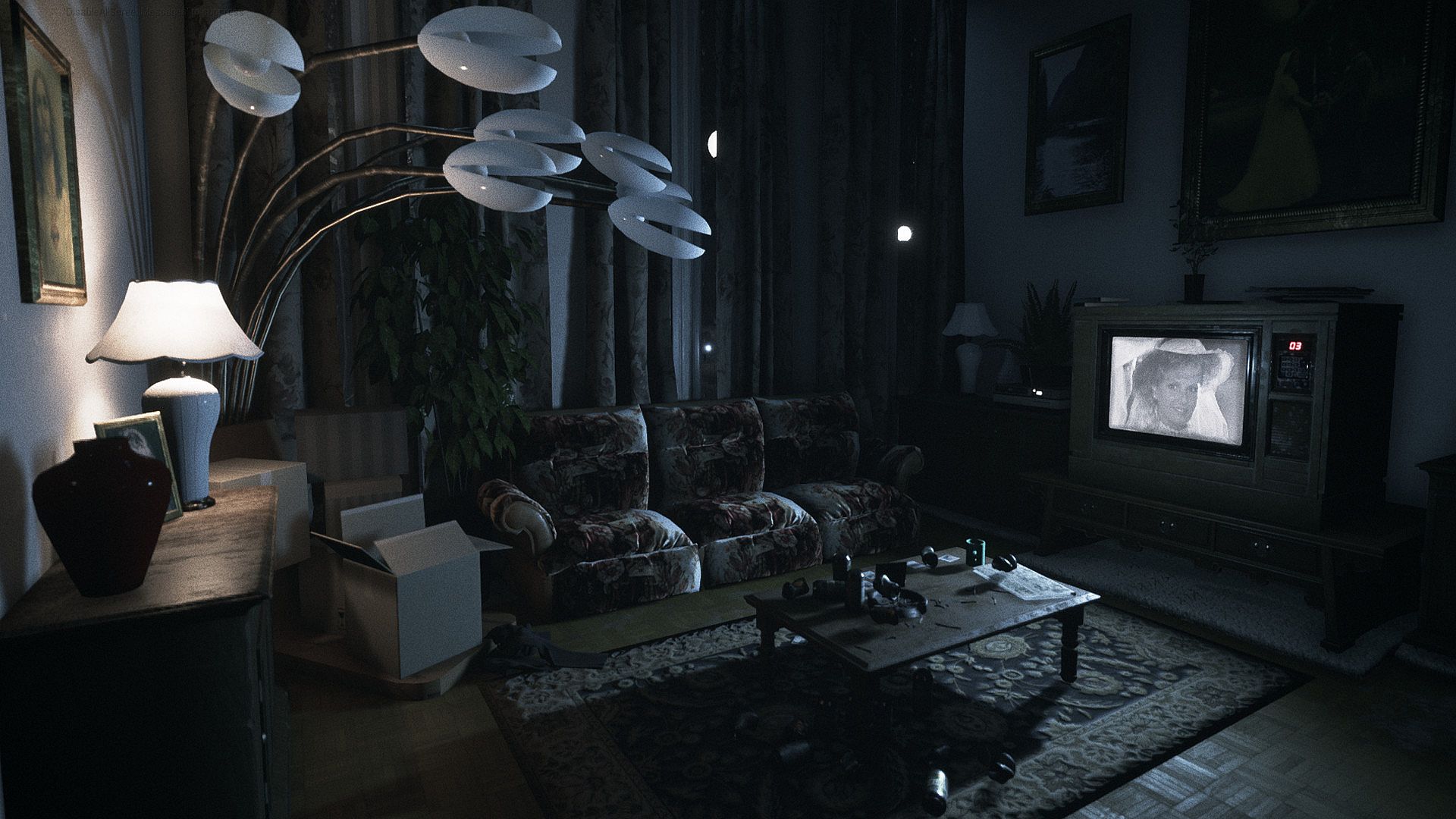
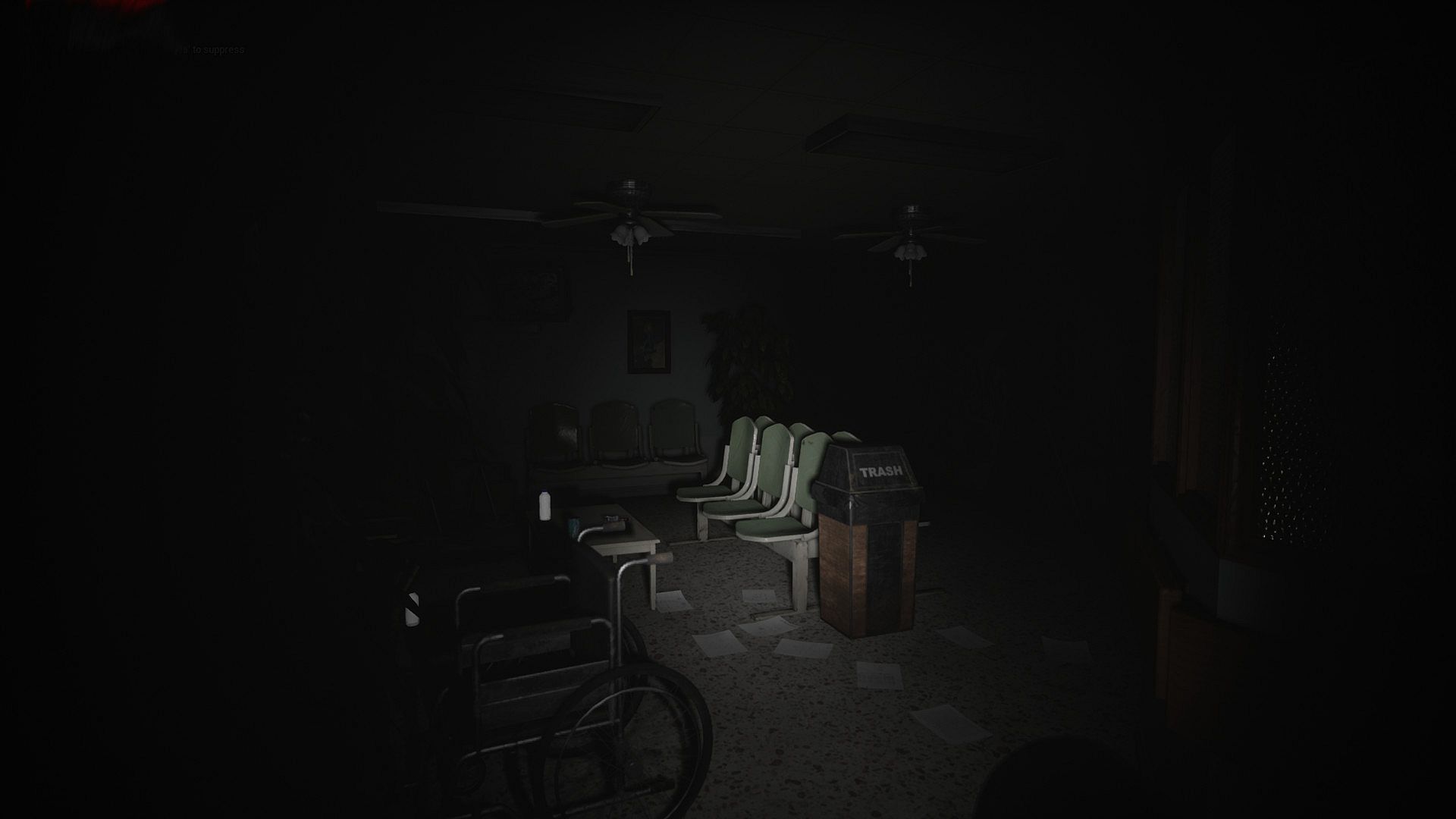
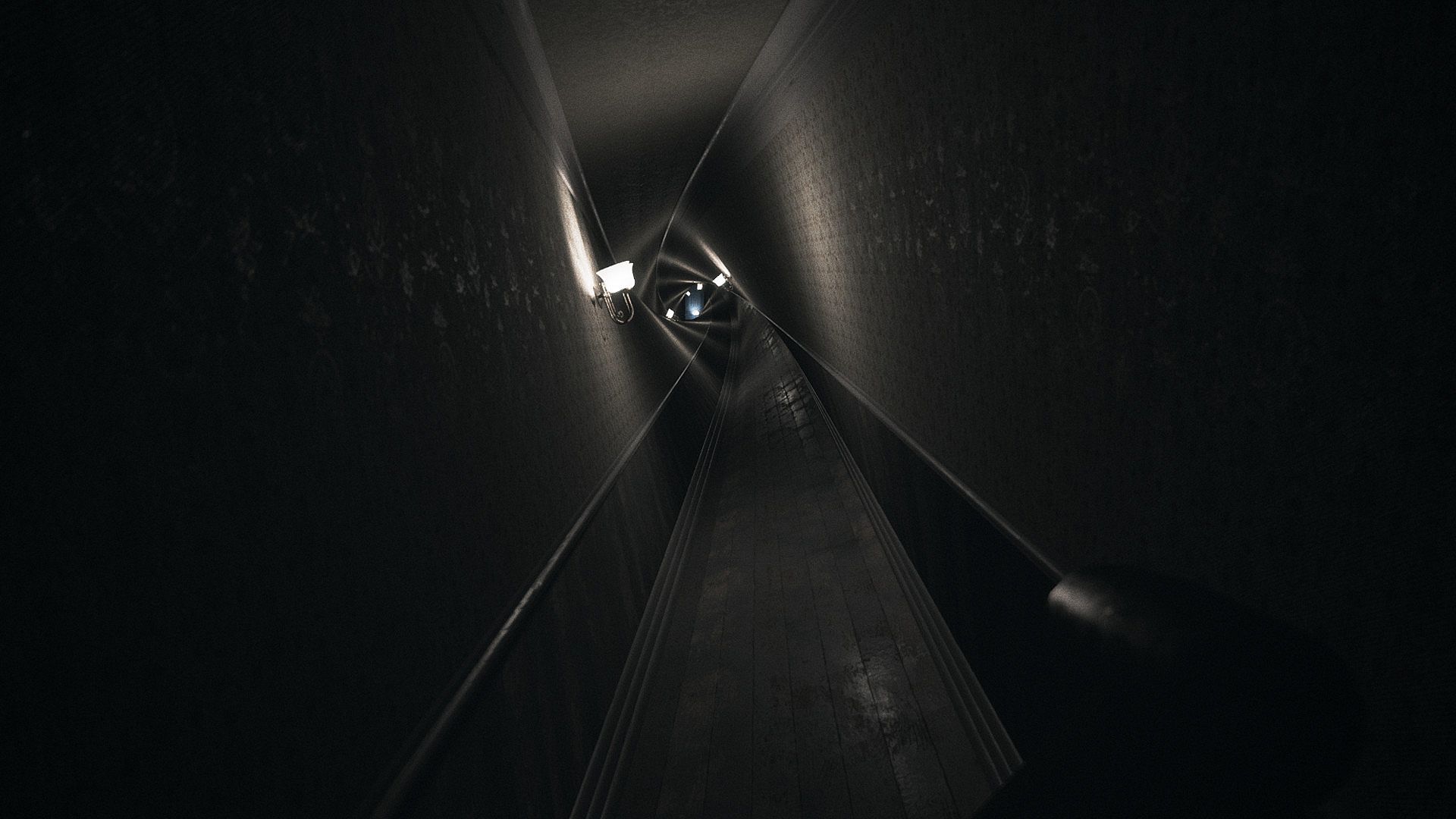
Environments blend familiar domestic spaces with unsettling alterations, creating a sense of isolation in vast, lifeless rooms and disorienting mazes. The 1980s suburban setting grounds the horror in realistic details while allowing for uncanny shifts that heighten unease during slow-paced traversal.
Is It Worth Playing?
Visage appeals to those seeking deliberate, atmospheric horror that prioritizes psychological tension over jump scares or combat. Its single-player campaign delivers a complete, self-contained story released in 2020 with no ongoing seasons or major post-launch content. Steam user reviews rate it Very Positive overall, reflecting appreciation for its sound design, visuals, and immersive dread among fans of the genre.
Critic scores hover in the generally favorable range, praising the slow-burn approach and environmental narrative. The game suits players comfortable with defenseless exploration and potential frustration from its unconventional difficulty, where sanity management and careful pacing determine survival. Those preferring faster action or multiplayer elements may find the pace too measured, while dedicated horror enthusiasts often cite it as a standout for its lasting tension and replay value through deeper environmental analysis.














