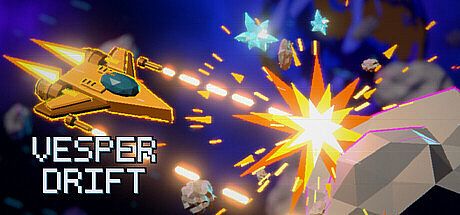




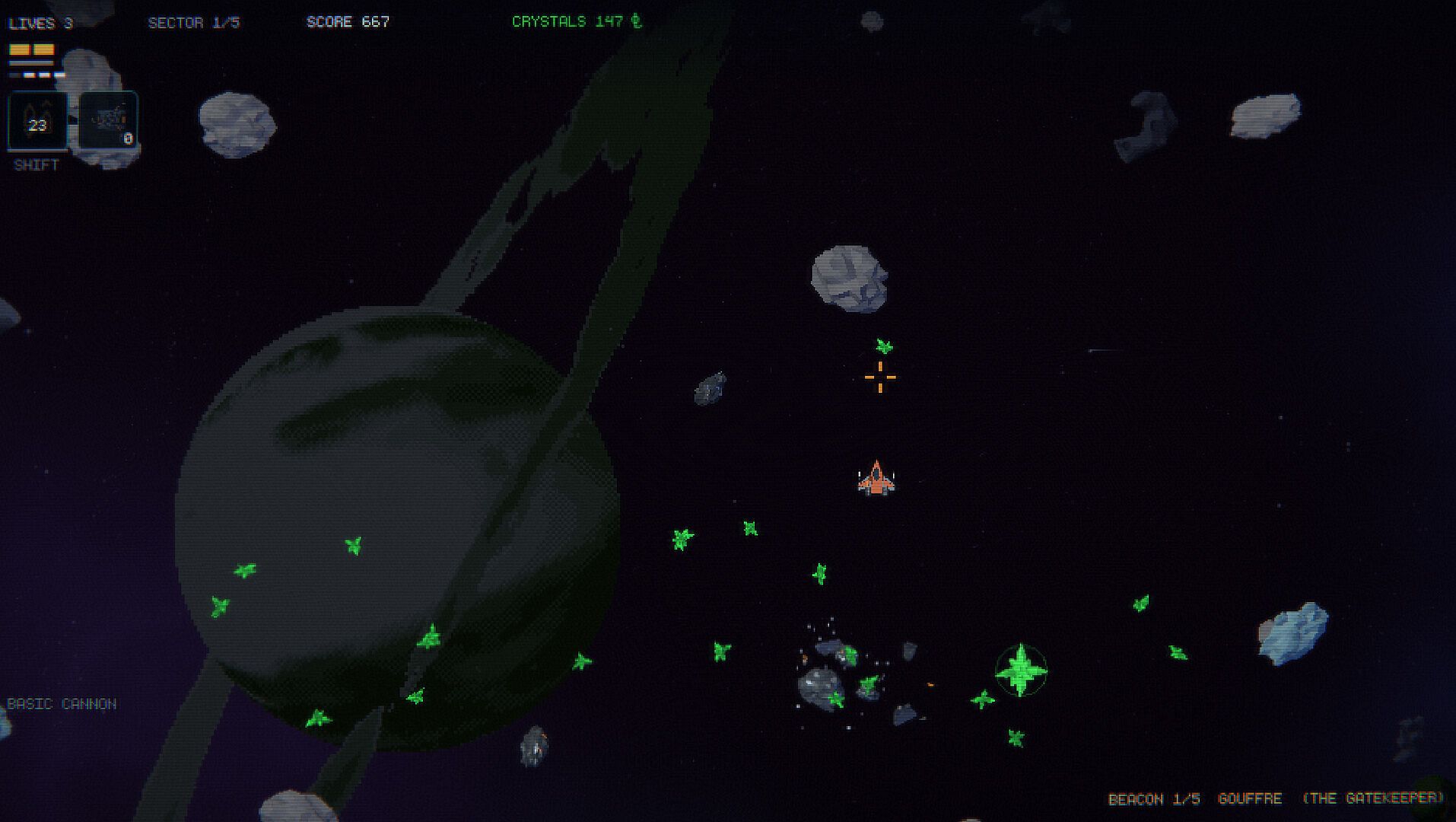
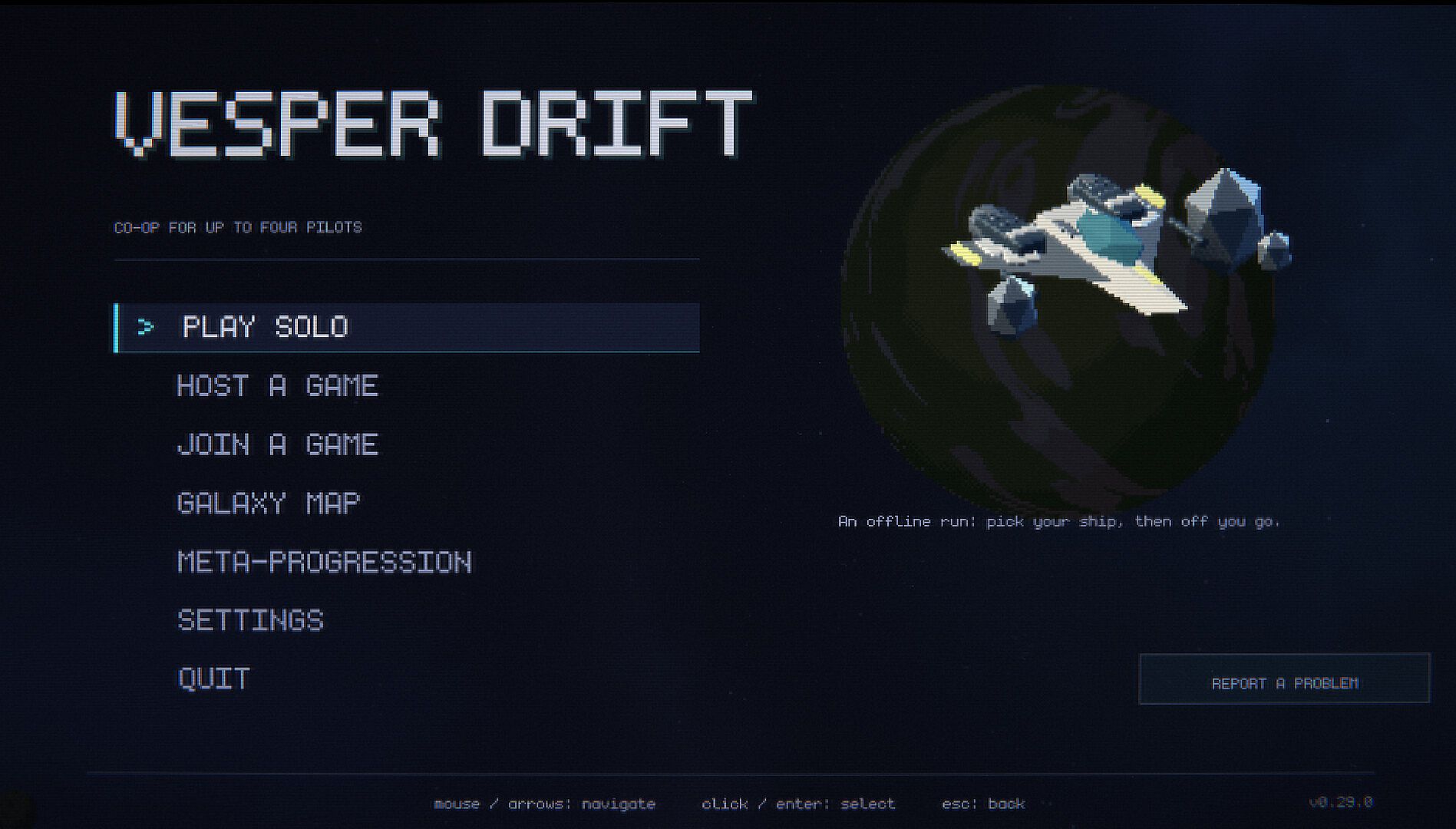
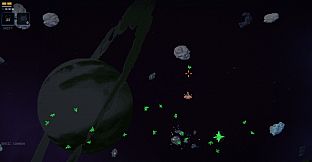
Vesper Drift is an action indie game for PC that blends the classic rock-breaking loop of Asteroids with roguelite progression and co-operative play. Players take control of small fighters in a dangerous stretch of space where navigation beacons have failed and hostile swarms dominate the dark. The core loop involves clearing waves of asteroids and enemies, gathering crystals, and selecting upgrades that transform a basic ship into a multi-weapon powerhouse within a single twenty-minute run.
Gameplay
The experience begins with a nearly empty ship. Breaking rocks releases crystals that fuel both immediate power and long-term fleet growth. At the end of each wave, players choose one card from four options, building an arsenal that can include lasers, mines, lightning, shells, and boomerangs. Weapons stack rather than replace one another, allowing up to ten active at once, and compatible pairs can fuse into entirely new tools such as a thunder rail or shell storm. Passive effects like orbiting blades, burning auras, and suction vortices add further layers without requiring direct control.
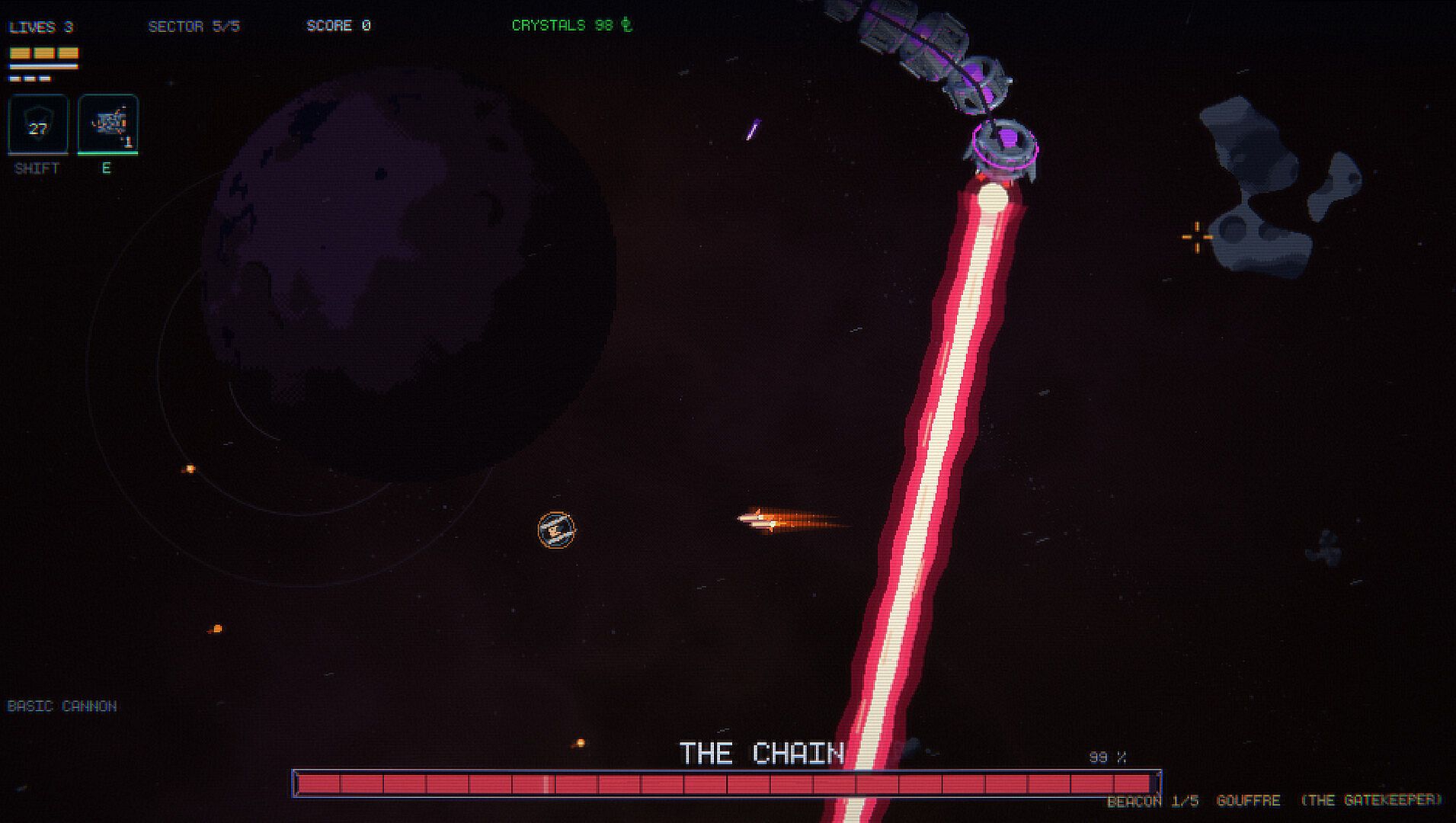
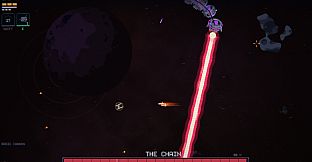
Thirteen distinct bosses appear every five waves. Each operates in three dimensions with multiple phases that intensify as health drops. Attacks always originate from the boss and include clear visual warnings, rewarding precise dodging over raw firepower. Guardians at the end of each system protect beacons; defeating one reactivates the light, while a perfect no-hit run grants the Untouchable distinction. Cursed cards increase danger in exchange for better rewards, appealing to players who enjoy risk-reward decisions.
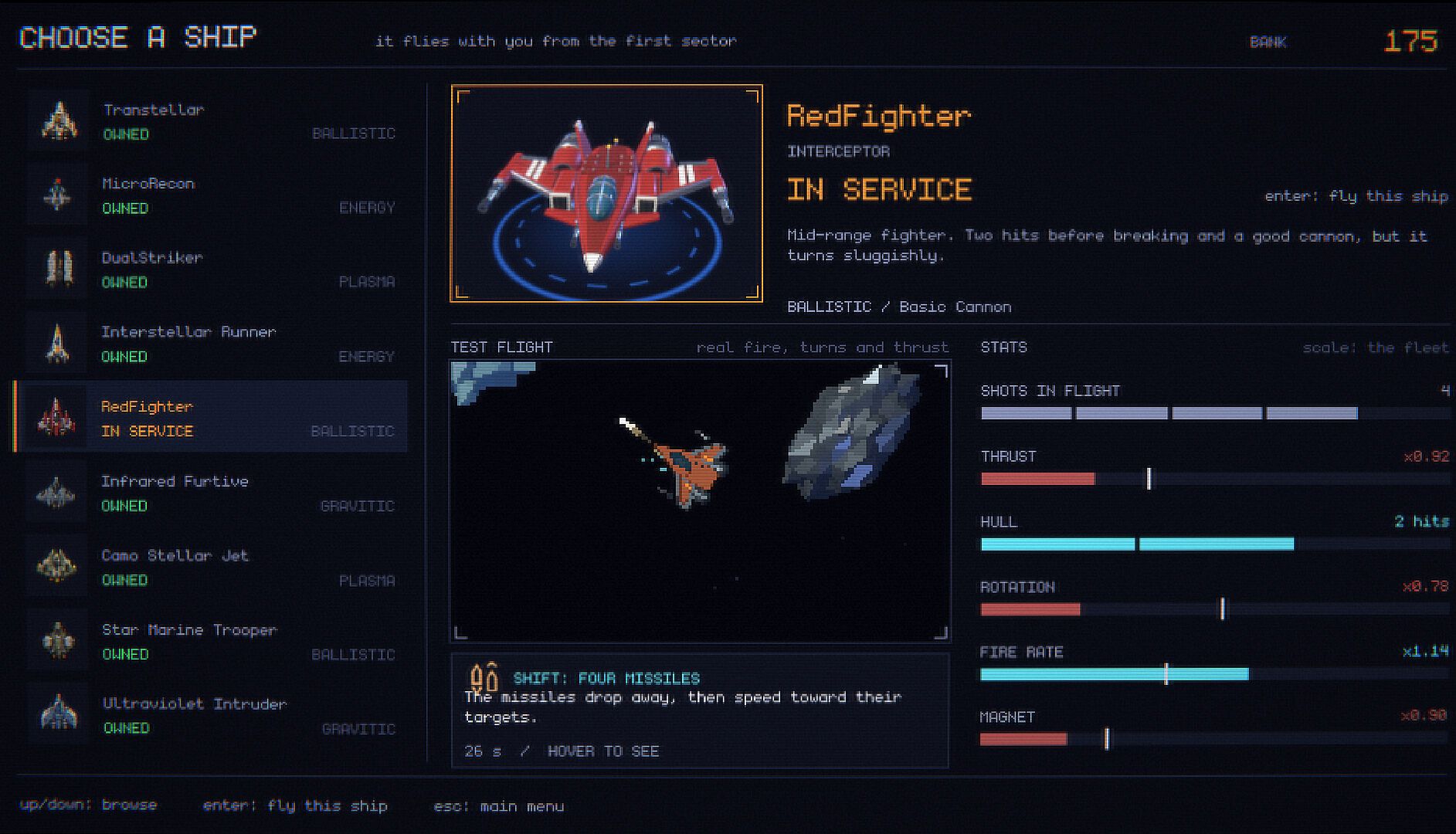
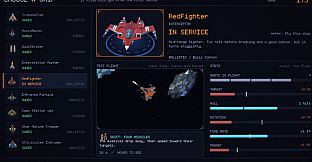
Nine unique ships provide variety. The MicroRecon emphasizes mobility with a dash, the DualStriker carries an emergency shield, and the Star Marine Trooper deploys an ice nova. Each carries distinct strengths, weaknesses, and narrative conclusions that only appear after completing the full campaign with that vessel.
Game Modes
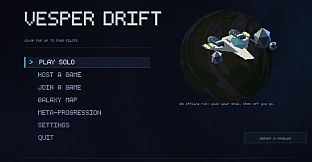
Co-operative play supports up to four pilots through online Steam connections or local network sessions. Every participant maintains independent crystals and builds, so one player can focus on heavy weapons while another stacks defenses or homing projectiles. When a teammate drifts into the arena in distress, the first responder earns an extra life. Runs end for the group simultaneously, returning everyone to the shared lobby for immediate restarts with the same crew.
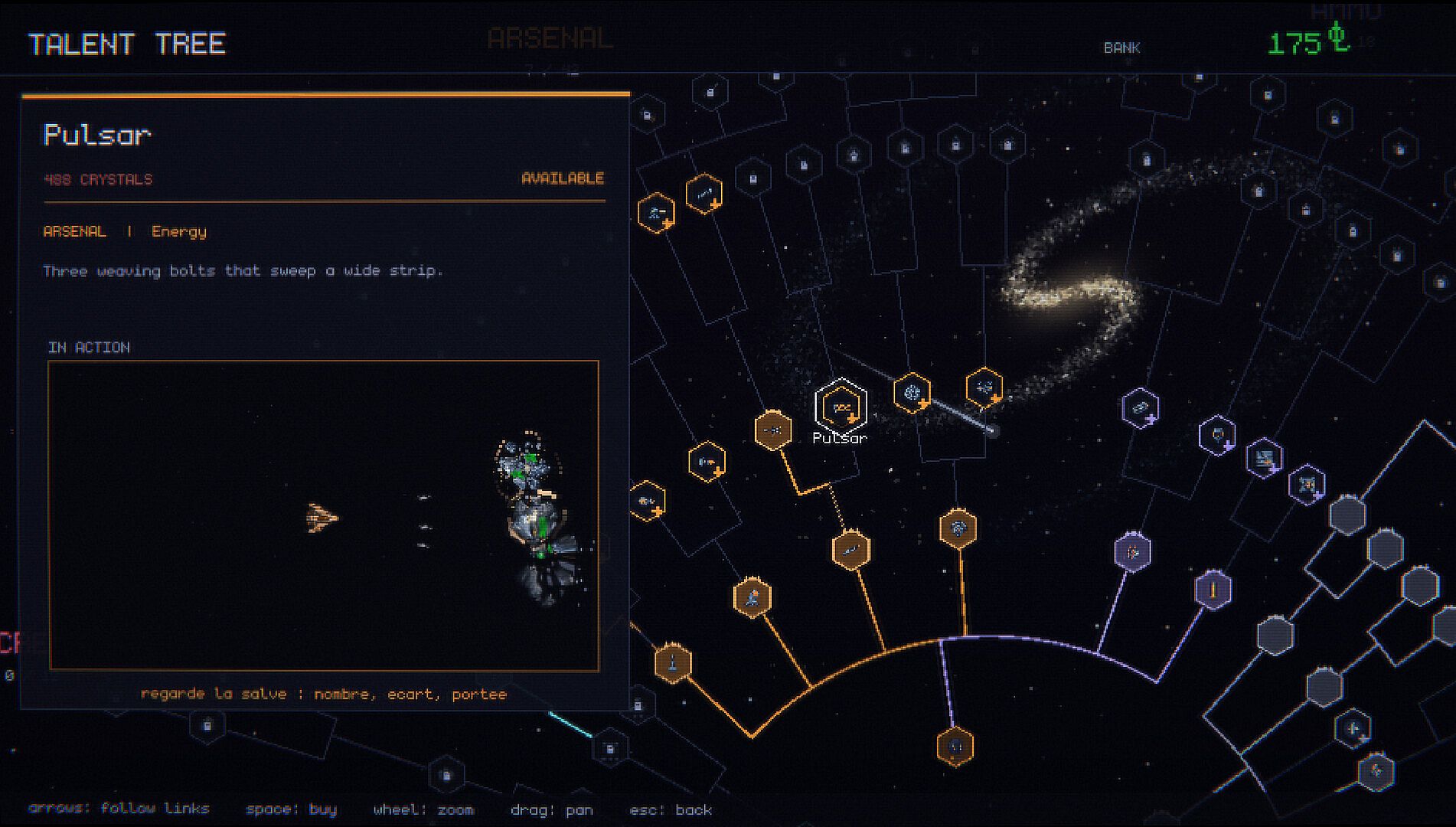
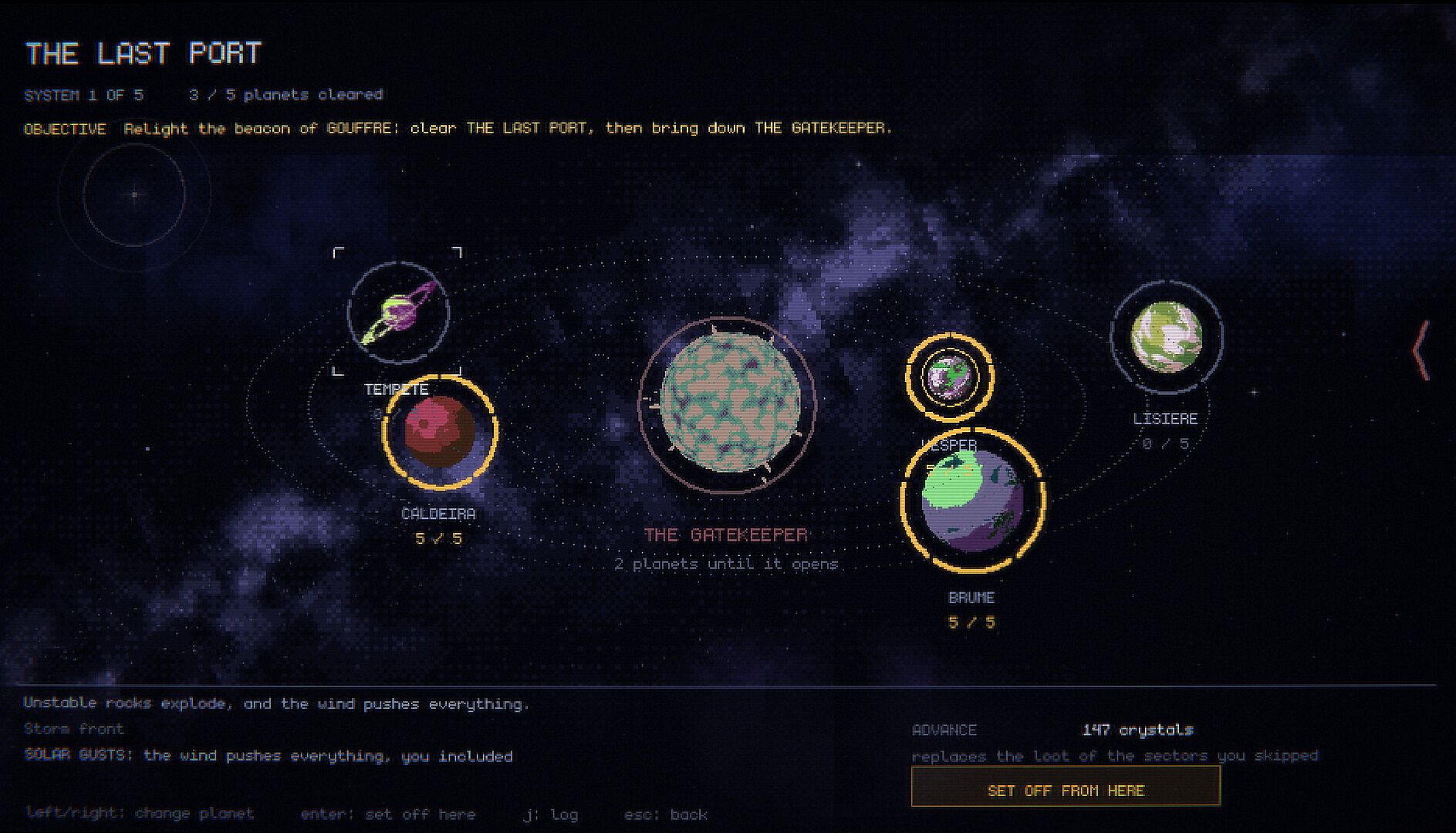
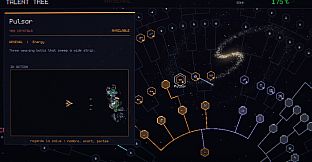
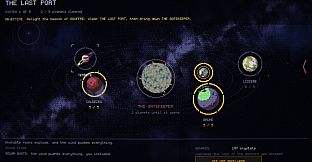
The campaign spans five systems and thirty planets, each with its own visual theme and environmental hazards such as meteor showers, drifting mines, and gravity surges. Players select starting points on a galaxy map. Between runs, accumulated crystals feed a talent tree that strengthens the overall fleet, allowing deeper progression into tougher territory. A free demo offers two planets and two bosses for solo testing of the core systems.
Progression and Systems
Crystals serve dual purposes: immediate power during a run and permanent fleet upgrades outside of it. The talent tree encourages repeated attempts by unlocking broader options for future expeditions. Environmental variety across the Ash Road, Dead Waters, violet Nest, Zenith, and the pulsar region keeps each system distinct in both atmosphere and challenge. Elites and increasing enemy density further raise the stakes as players advance.
White Hole devices provide emergency clears of incoming fire, while the fusion system rewards experimentation. Twenty possible combinations alter playstyles dramatically, turning familiar weapons into synergistic powerhouses. The design keeps all incoming threats traceable to visible sources, maintaining clarity even when the screen fills with projectiles and effects.
Is It Worth Playing?
Vesper Drift suits players who enjoy short, replayable sessions with meaningful build variety and optional co-operation. The roguelite structure ensures each attempt feels fresh through card choices and ship selection, while the co-op focus rewards coordinated crews who specialize in complementary roles. The free demo provides a low-risk entry point to sample the wave-clearing loop and two bosses before committing. Those who prefer solo experiences can still access the full campaign, though the design shines brightest when multiple pilots share the same run and lobby. The emphasis on readable attacks and stackable upgrades creates a satisfying sense of growing power without overwhelming complexity.