












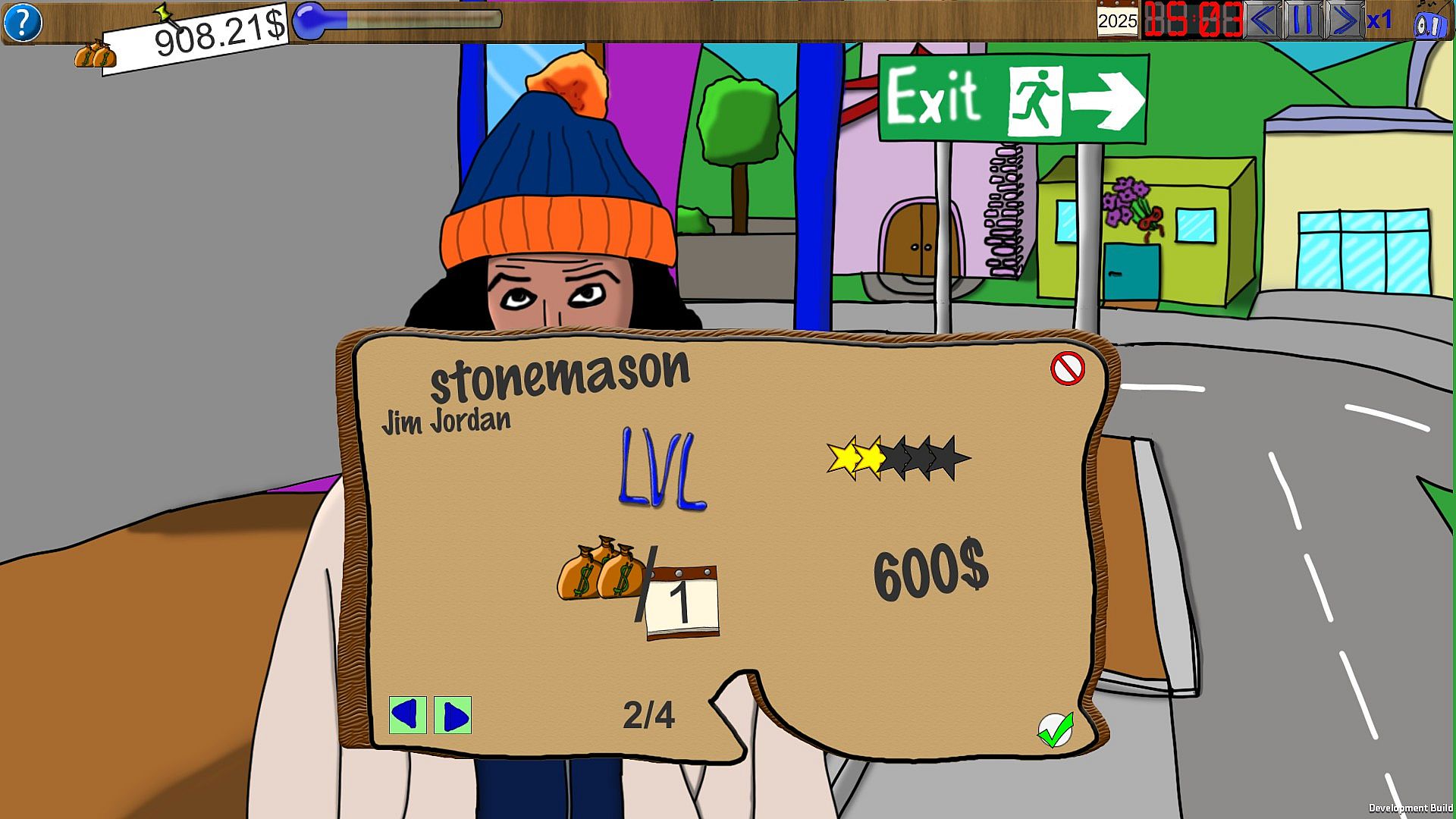
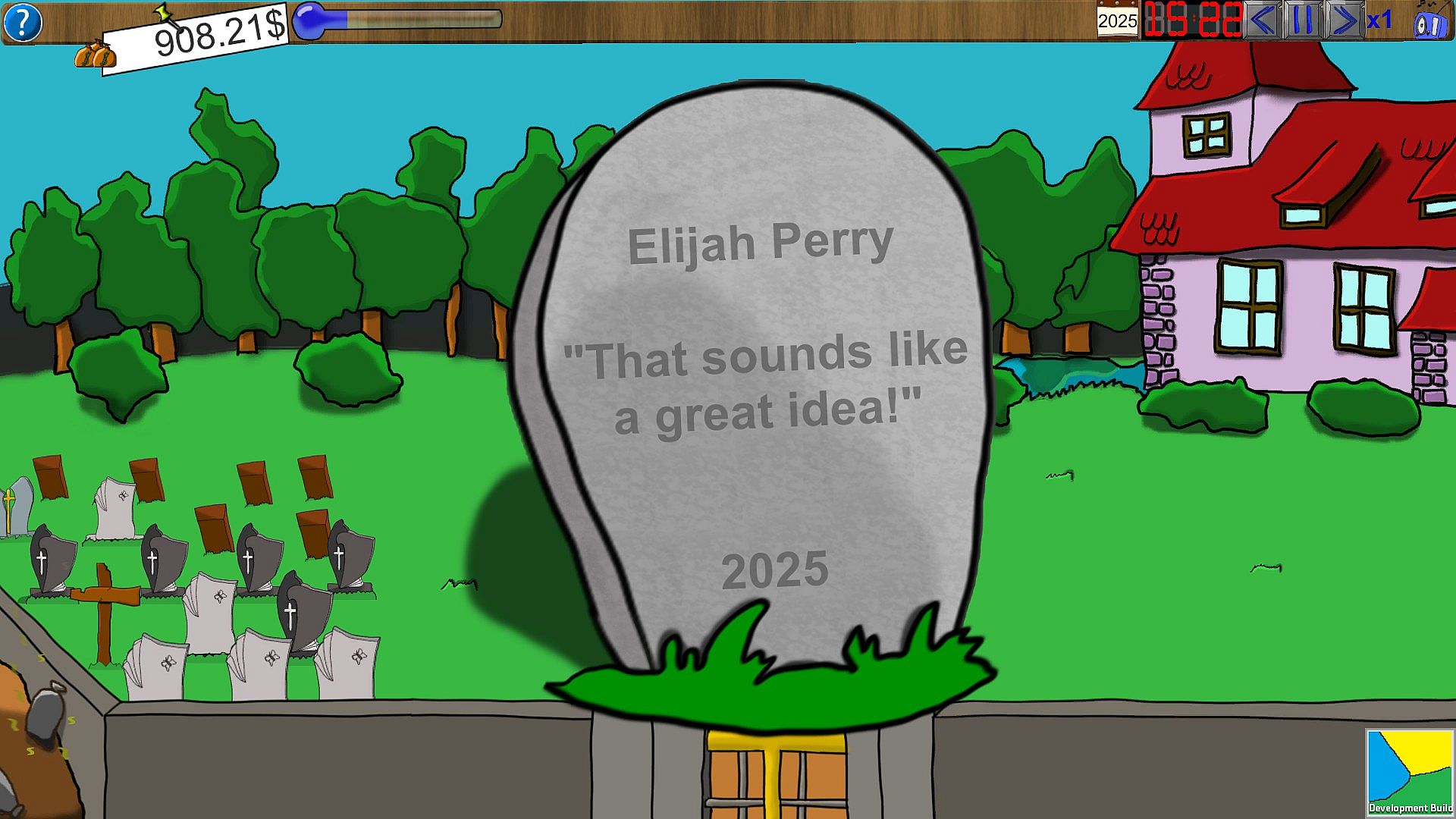
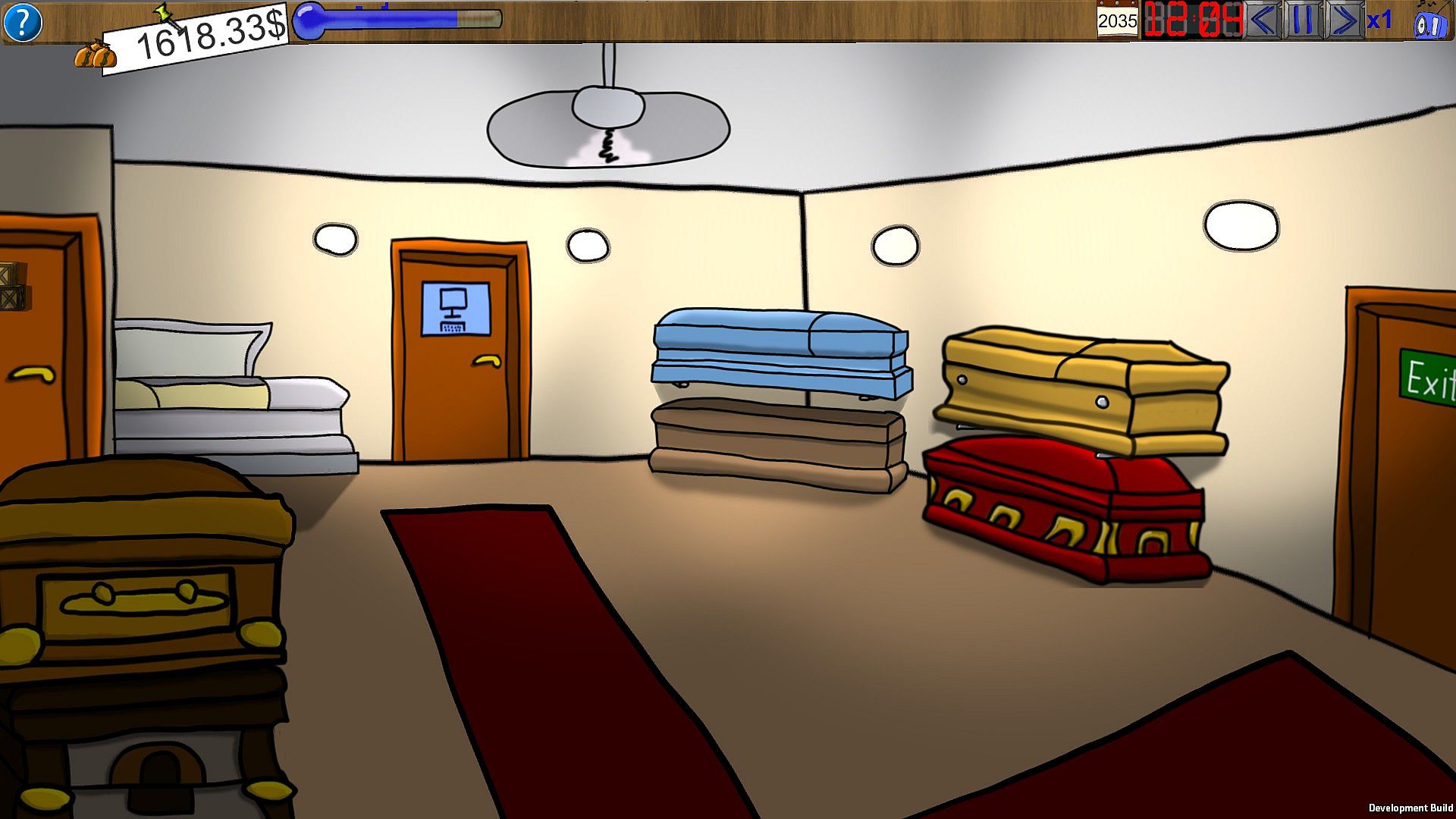
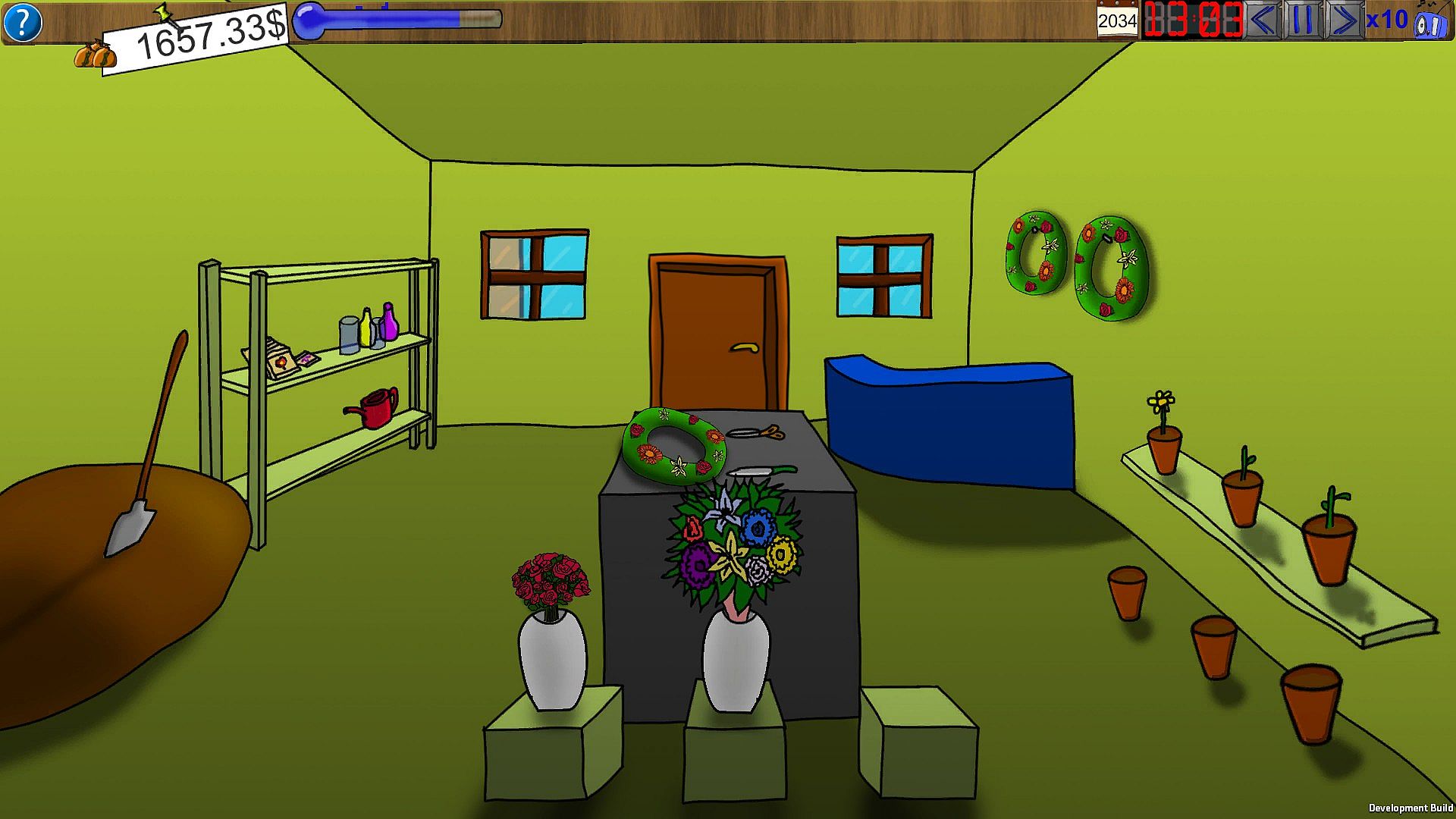


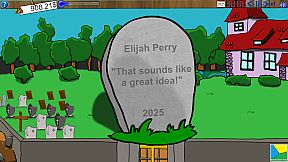
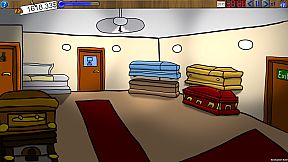

Undertaker's is a strategy and simulation game for PC in which players run their own funeral home business. The core experience centers on balancing customer demands with profit goals in a setting inspired by classic economy management titles from the mid 1990s. Hand drawn graphics give the proceedings a distinct visual style while the gameplay loop revolves around signing contracts, expanding facilities, and making calculated investments to grow from a modest operation into the dominant undertaker service in town.
Gameplay
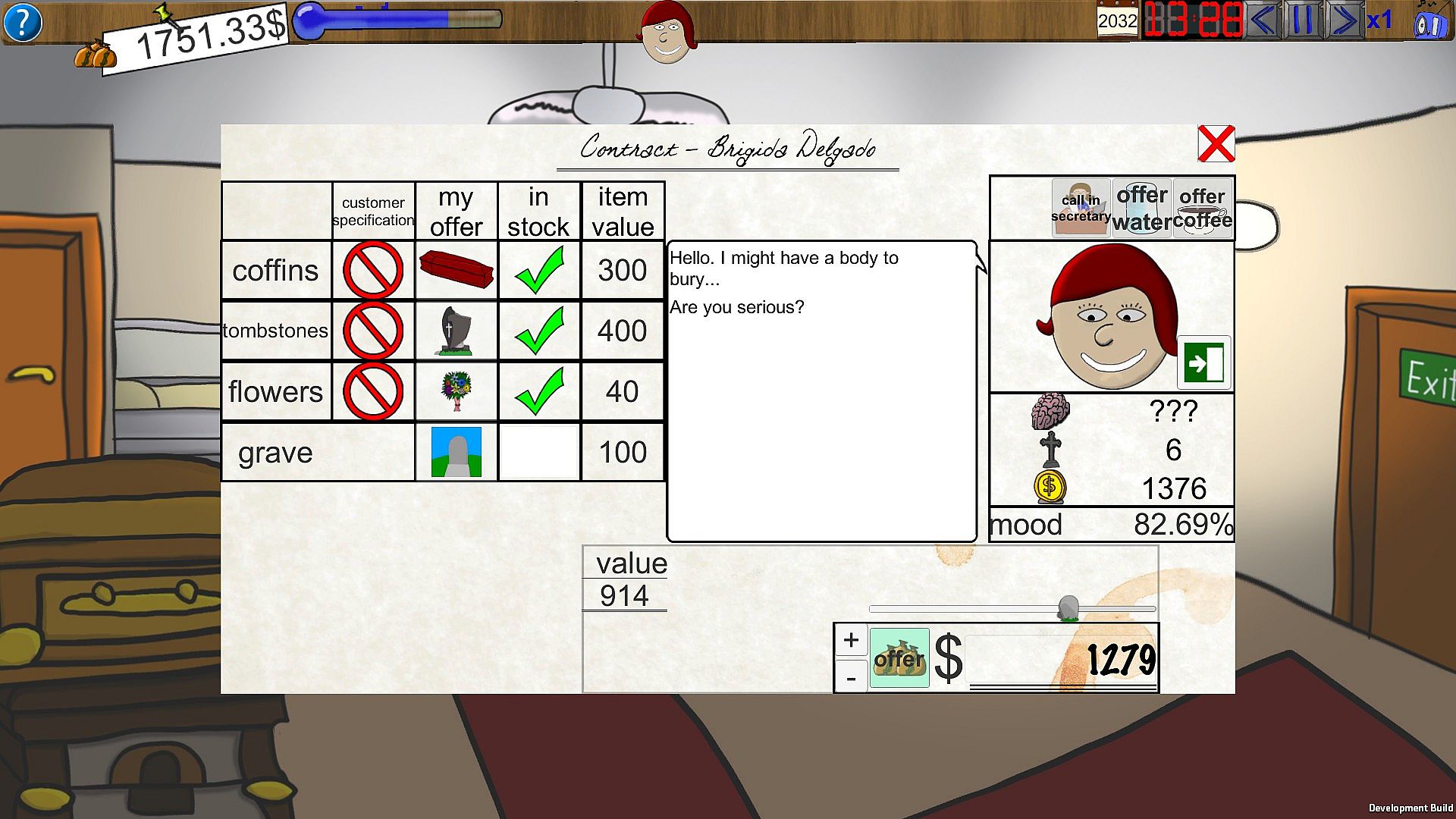
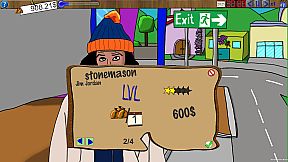
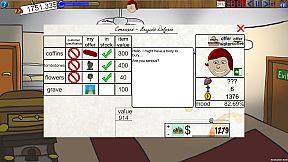
Players begin by accepting initial contracts to generate early revenue. Each agreement requires negotiation to extract maximum payment while meeting client expectations for service quality. Reputation rises when customers leave satisfied, which in turn unlocks better opportunities and higher paying deals. Poor performance can lead to lost business, so timing and resource allocation matter.
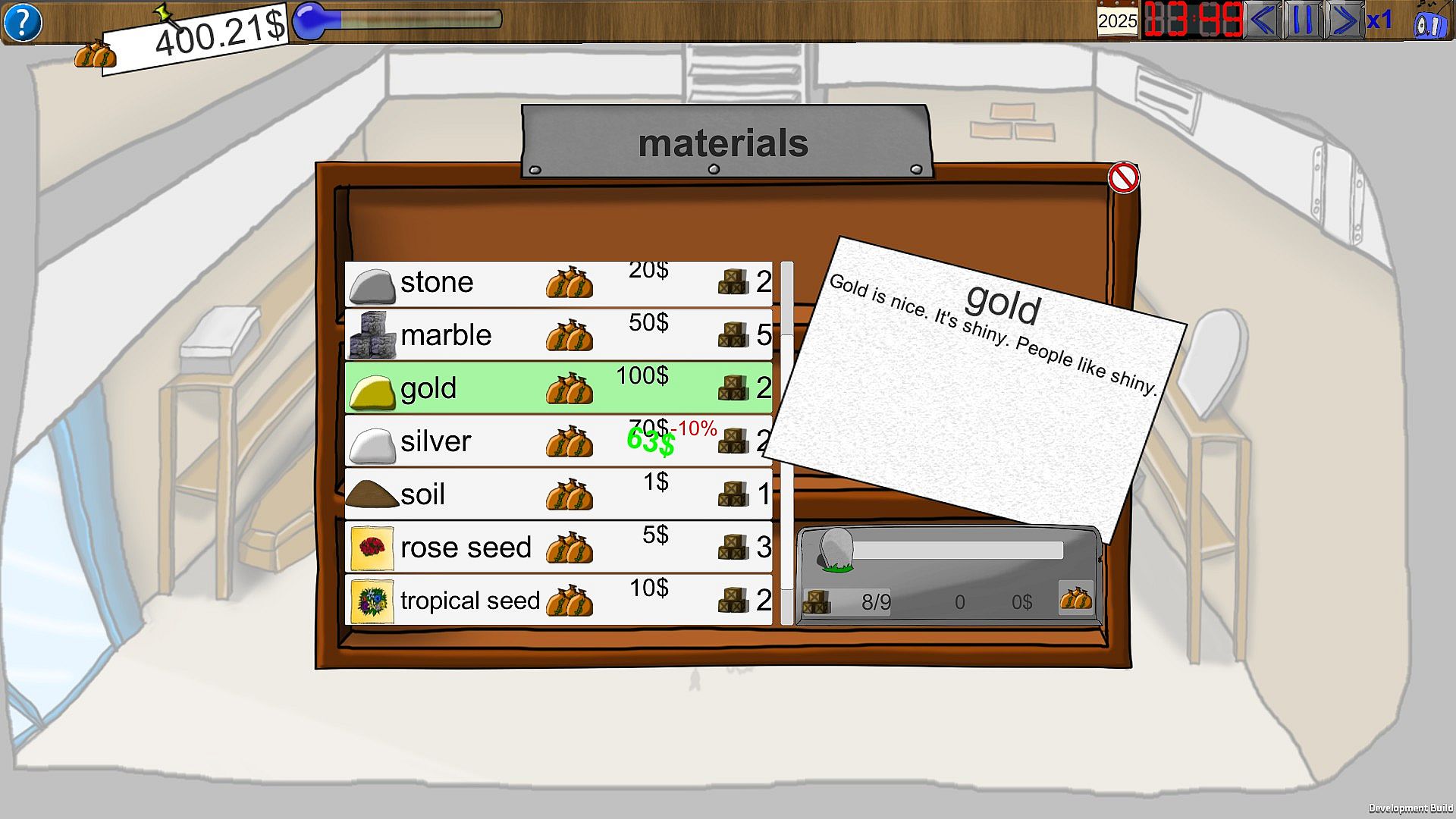
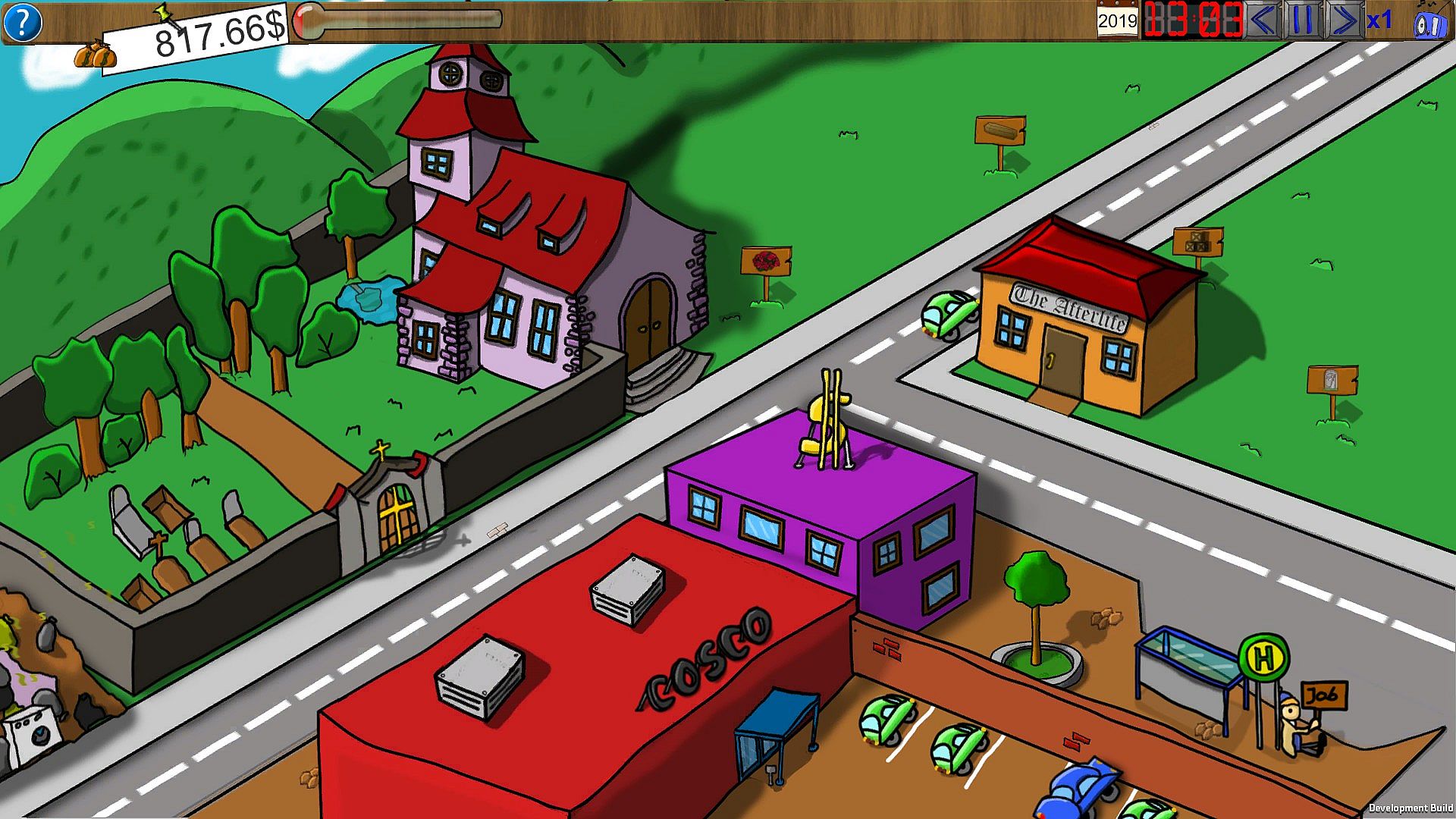
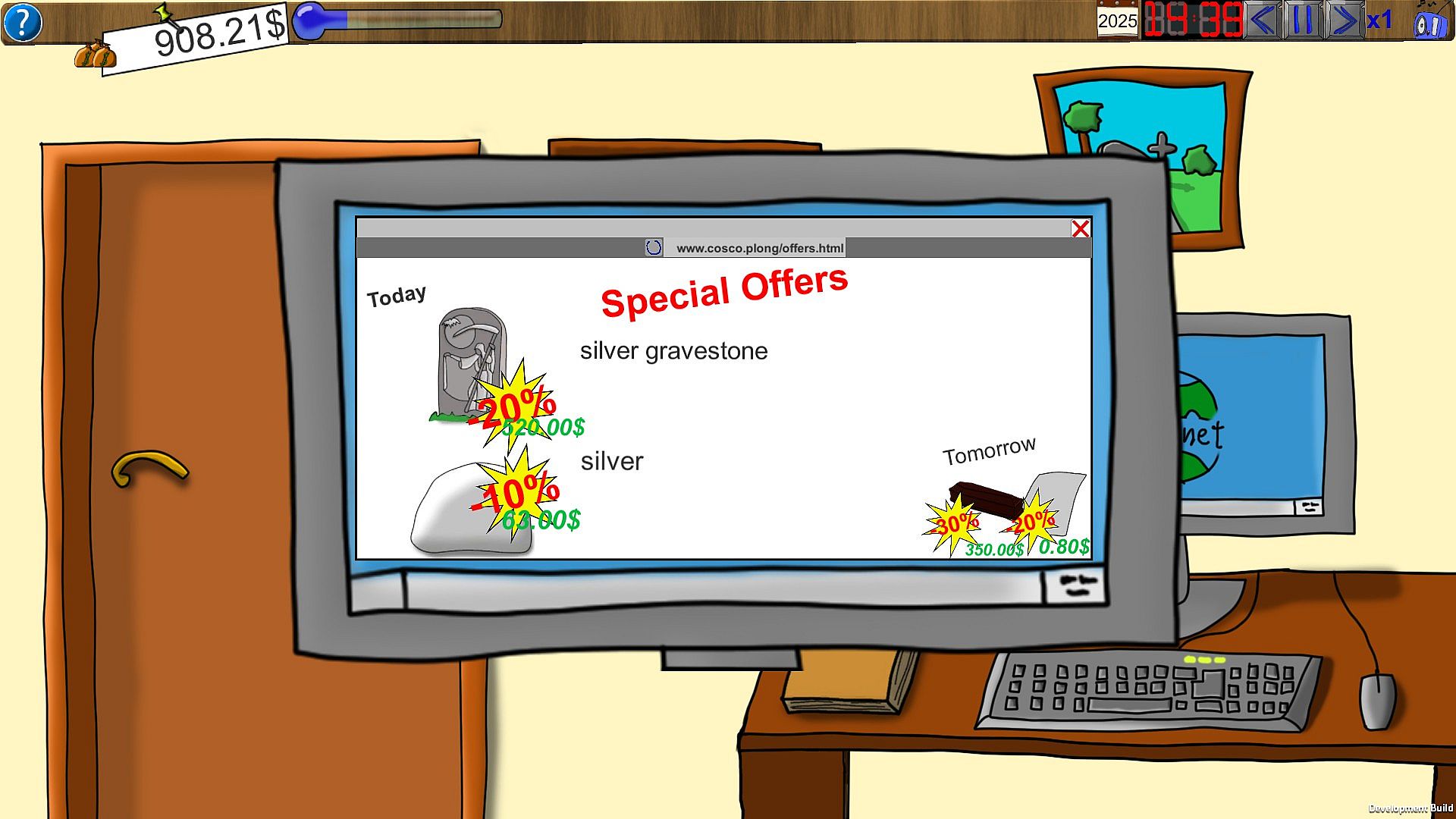
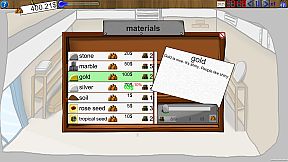
Expansion forms the heart of progression. Profits fund new buildings and workshops where workers produce goods needed for operations. Special offers and item trading help boost margins, while loans provide capital for larger projects when cash flow is tight. The demands of clients sometimes exceed current capacity, forcing decisions about whether to fulfill requests or turn away business to avoid penalties.
Daily cycles introduce variability. A bad day of low contracts or unexpected costs can be followed by stronger opportunities, encouraging careful planning rather than reactive spending. The simulation emphasizes steady growth through repeated cycles of negotiation, production, and reinvestment.
Game Modes
The game operates as a single continuous management experience without separate named modes. All activity takes place within the same funeral home business framework, where players manage contracts, production, and expansion at their own pace. Progress carries forward across sessions as buildings and reputation persist.
Core systems remain consistent throughout. Contract negotiation, item buying and selling, workshop production, and loan management form the repeatable structure. No alternate scenarios or competitive formats appear in the design.
Key Mechanics
Contract work serves as the primary income source. Players review offers, haggle for better terms, and decide which jobs to accept based on available resources and workshop output. Special deals can accelerate earnings when timed correctly.
Building upgrades and worker assignments drive long term growth. New structures increase storage, production capacity, or service options. Loans allow ambitious players to accelerate expansion, though repayment schedules require ongoing attention to cash reserves.
Reputation acts as a soft gate. Higher standing attracts more lucrative clients, while repeated failures limit future options. The hand drawn art style supports the intimate scale of the business without overwhelming the management focus.
Is It Worth Playing?
Undertaker's appeals to fans of deliberate, old school economic simulations who enjoy tracking numbers, optimizing production chains, and watching a small enterprise scale up. The mechanics stay straightforward, centered on contracts, workshops, and incremental building rather than complex story or combat elements.
Player feedback has been mixed, with a small number of reviews reflecting divided opinions on pacing and depth. The title released in 2017 and has seen limited post launch changes, leaving the experience largely as originally designed. Those seeking a short, focused management challenge on PC may find value in its niche premise, while players preferring frequent updates or broader feature sets might look elsewhere.
The game suits individuals comfortable with trial and error in resource allocation. Starting small and methodically expanding remains the reliable path forward, with reputation serving as the main measure of success.