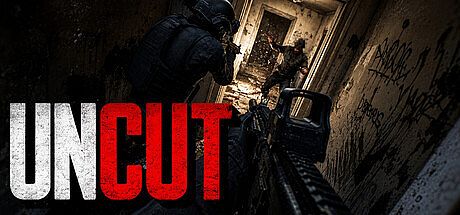


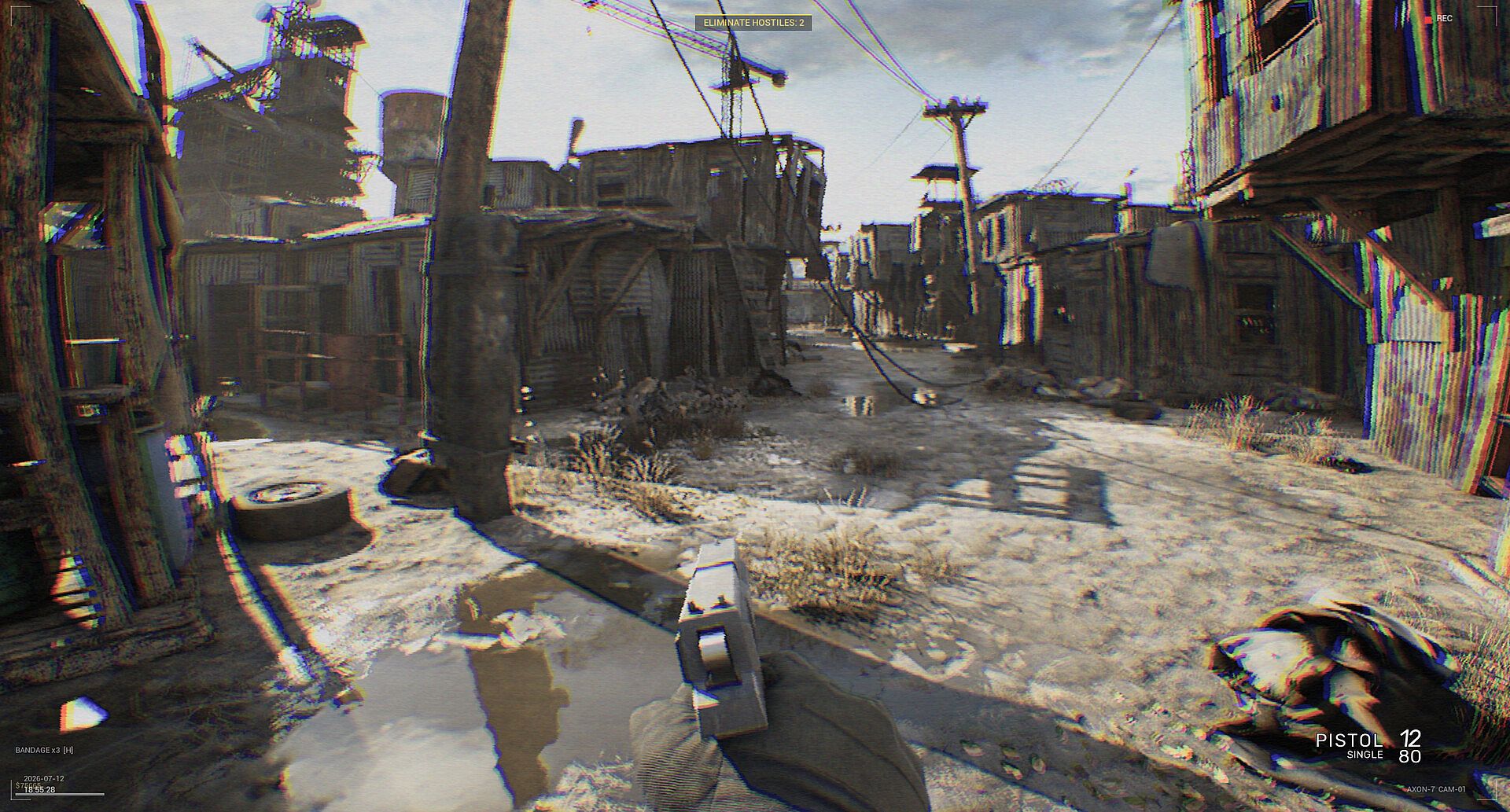
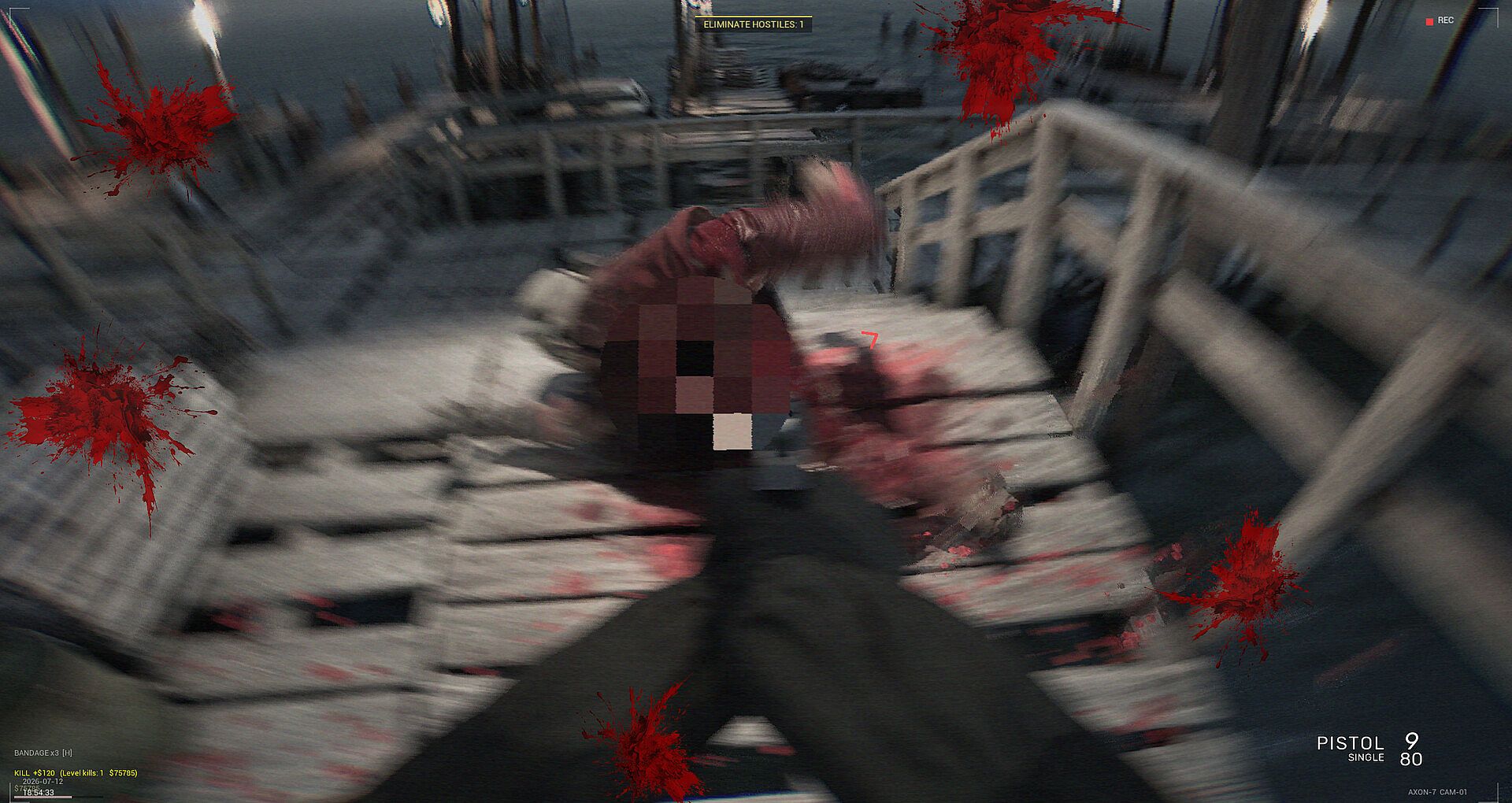
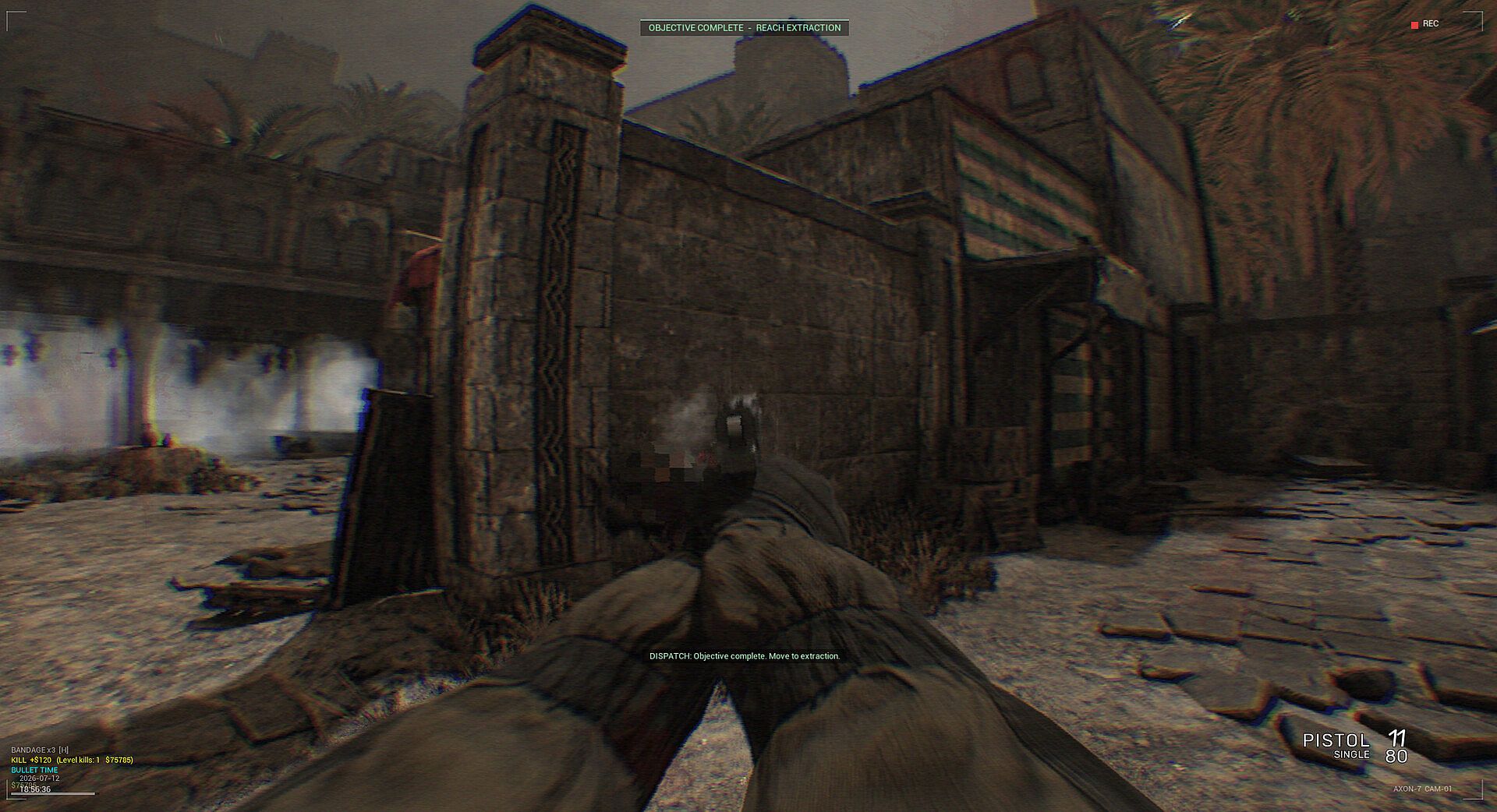
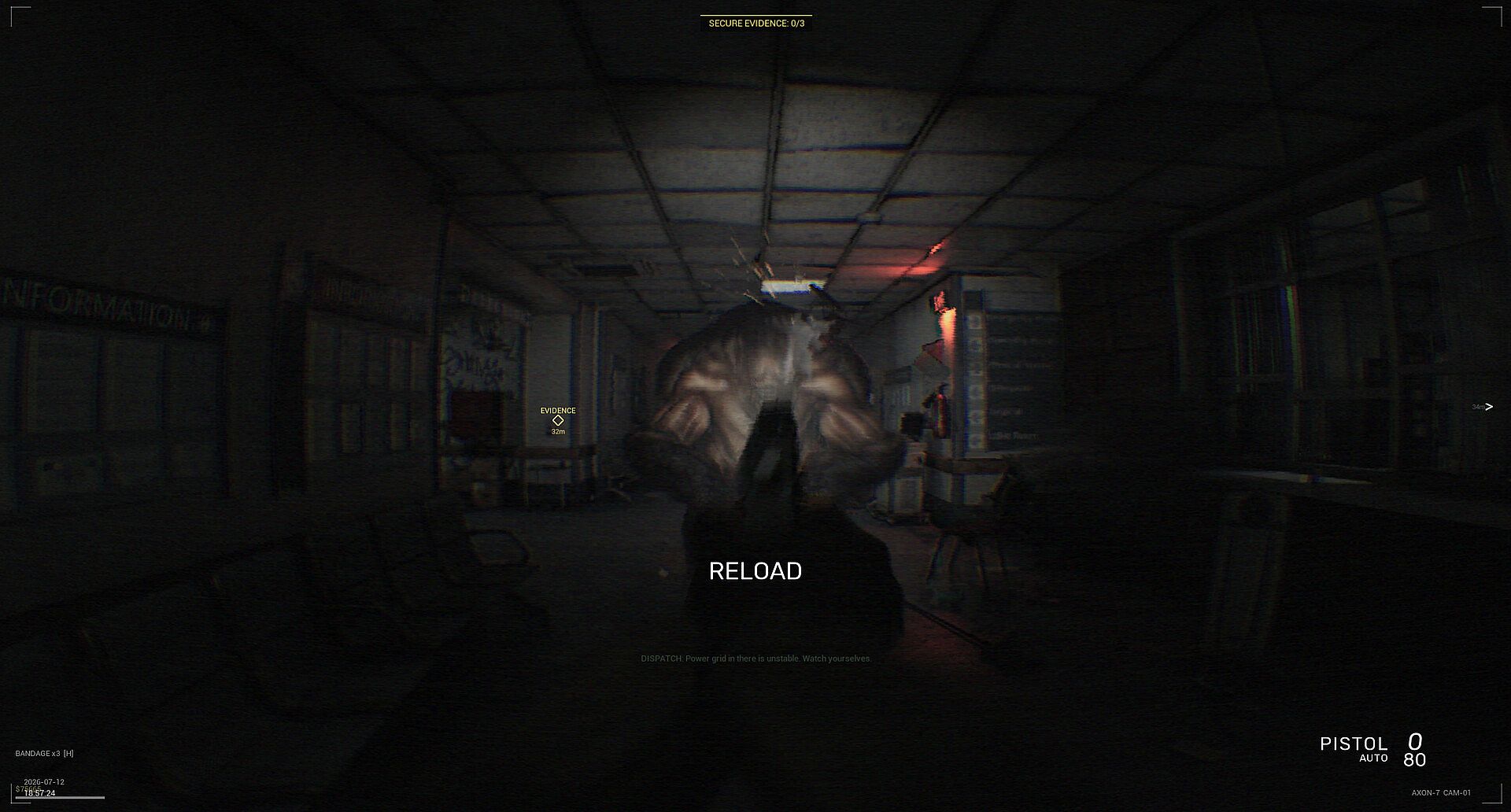
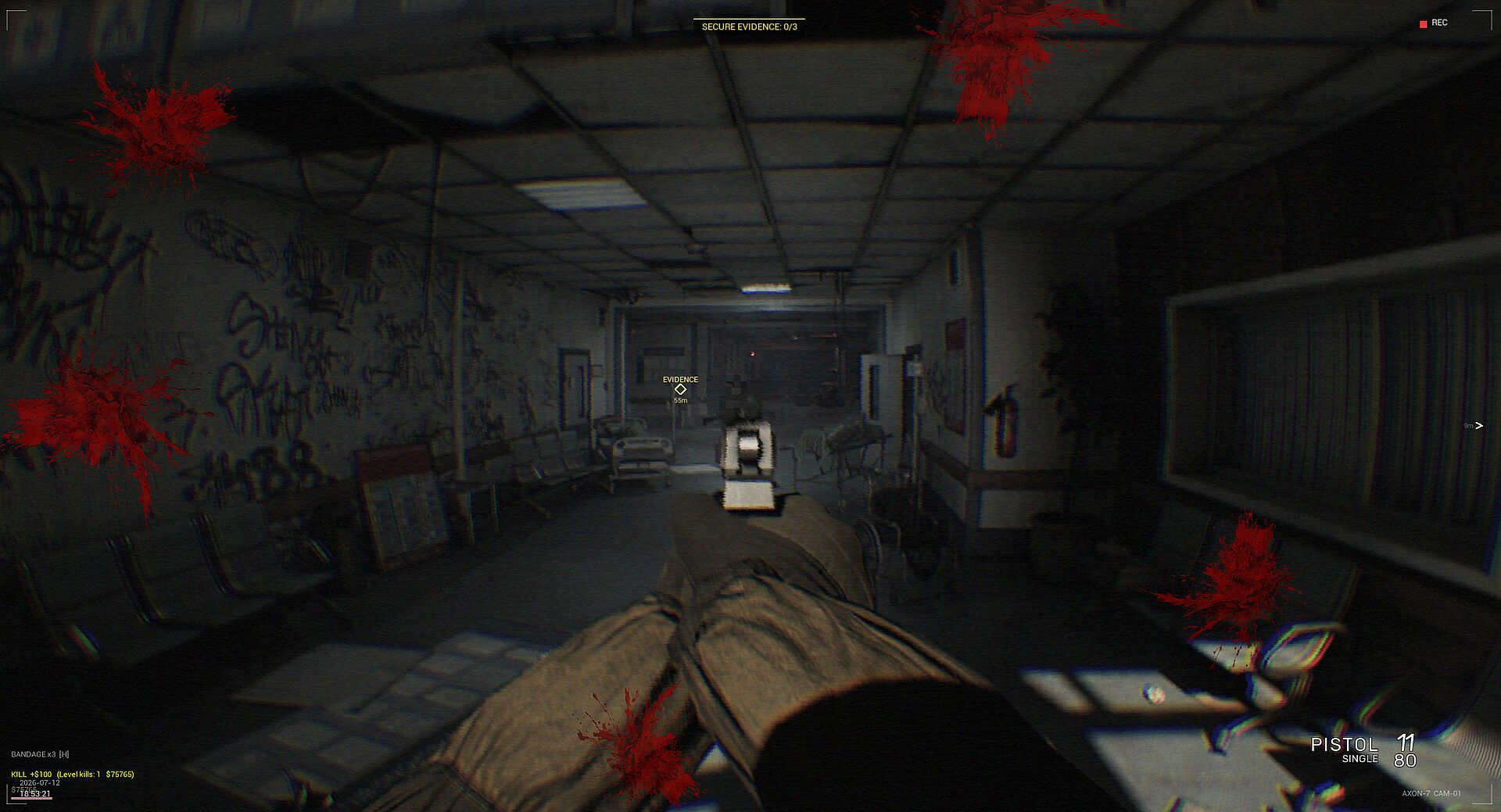
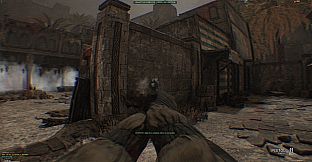
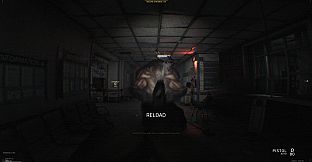
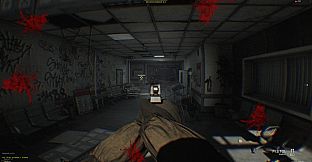
UNCUT is a single-player action indie game built around a bodycam shooter experience on PC. Players step into tense police operations viewed exactly as a chest-mounted camera would record them, complete with grain, distortion, timestamps and real-time pixelation over faces. The title emphasizes unfiltered realism in every firefight and objective, with no traditional HUD elements to break immersion.
Gameplay
Combat unfolds in short, intense bursts where enemies react with realistic timing. They spot threats, call out contacts, seek cover and coordinate with each other. Flanking maneuvers, suppression fire and attempts to drag wounded allies to safety all appear in the footage. When morale breaks, opponents may retreat or surrender by raising their hands, leaving the decision to arrest or continue shooting entirely up to the player while the recording runs.
Locational damage plays a direct role. Hits to the legs slow movement, armor absorbs torso shots and headshots prove immediately lethal. Wounded enemies continue to bleed out over time, and civilians sometimes appear on site, adding layers of consequence to every engagement. Players can loot dropped weapons from fallen foes to maintain momentum without returning to a loadout screen.
Healing requires deliberate action. The weapon must be holstered before applying a bandage, and incoming fire interrupts the process. Death sequences carry weight, with the camera feed draining and the view fading as the recording ends. Objectives and waypoints appear as subtle camera overlays rather than floating markers, keeping the presentation consistent with real bodycam footage.
Game Modes
The core experience centers on a connected single-player campaign of operations. Missions vary in structure and tone. Players clear compounds of hostiles, neutralize high-value targets amid incoming reinforcements, extract hostages without causing collateral damage and defuse bombs under active timers. One extended operation involves searching a derelict hospital for evidence, shifting from standard police work into unexplained and unsettling territory.
Three difficulty settings adjust enemy aggression, numbers and reaction speed. Checkpoints support longer missions without forcing full restarts. Between and during operations, earnings from clean kills, objective streaks and completions fund purchases of armor, weapons, grenades and upgrades. The economy encourages careful play and resource management across the campaign.
Presentation and Realism
Every visual detail reinforces the bodycam concept. VHS-style grain, lens distortion and blood splatter on the lens appear dynamically. Faces receive automatic real-time censoring. The absence of crosshairs or hit markers forces reliance on the weapon's iron sights and the camera's natural sway. Audio stays diegetic, with enemy shouts, weapon reports and environmental sounds captured as they would be on an actual recording device.
The campaign builds atmosphere through mission variety. Early operations feel like standard tactical calls, while later ones introduce darker, unexplained elements that move beyond conventional law enforcement scenarios. This progression keeps the single-player loop fresh without relying on external modes or seasons.
Is It Worth Playing?
UNCUT targets players who want a focused, realistic single-player shooter that prioritizes tension and consequence over arcade-style feedback. The reactive AI, locational damage and surrender mechanics create meaningful choices in every encounter. Those drawn to bodycam aesthetics and methodical pacing will find the core systems already playable in the planned Early Access build.
Because the game remains in development with a 2026 Early Access window, interested players can follow updates on the official page for the exact launch timing. The emphasis on a self-contained campaign with expandable missions makes it suitable for anyone seeking an unscripted-feeling tactical experience on PC without multiplayer elements. The lower Early Access pricing offers an opportunity to shape future content through feedback on difficulty, pacing and atmosphere.