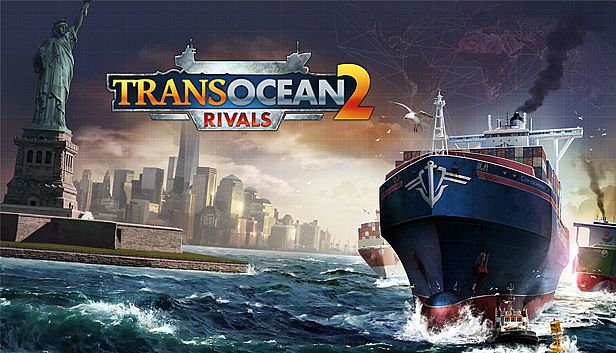





















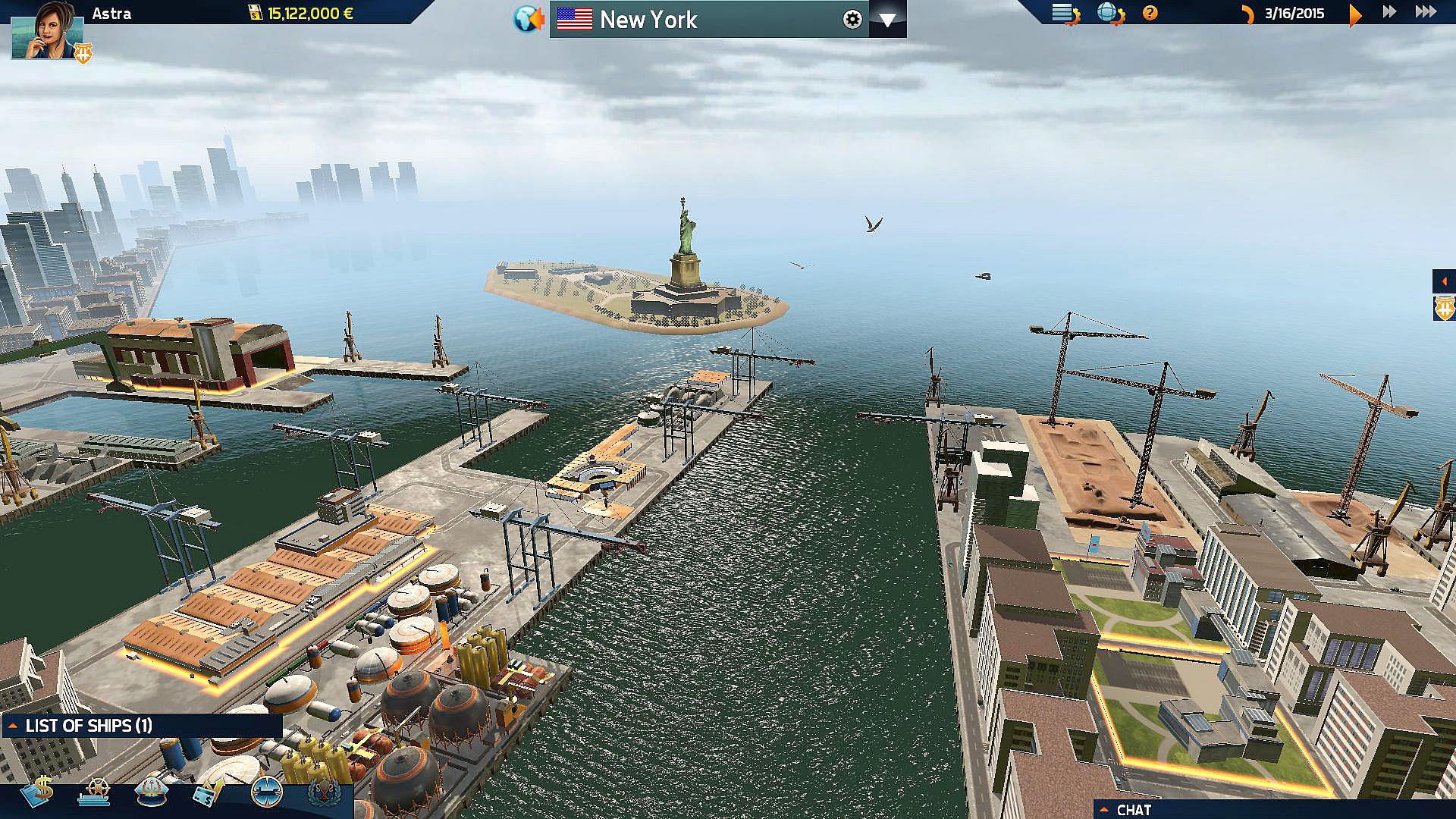
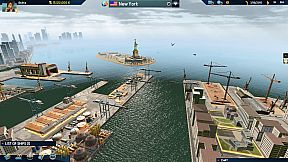
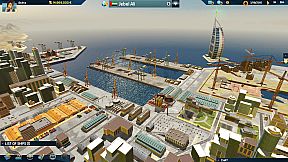
TransOcean 2: Rivals is a strategy and simulation game focused on building and managing a shipping company on PC. Players take control of a newly founded shipping line and compete for contracts across global routes while handling fleet expansion, economic variables, and rival pressures.
Gameplay
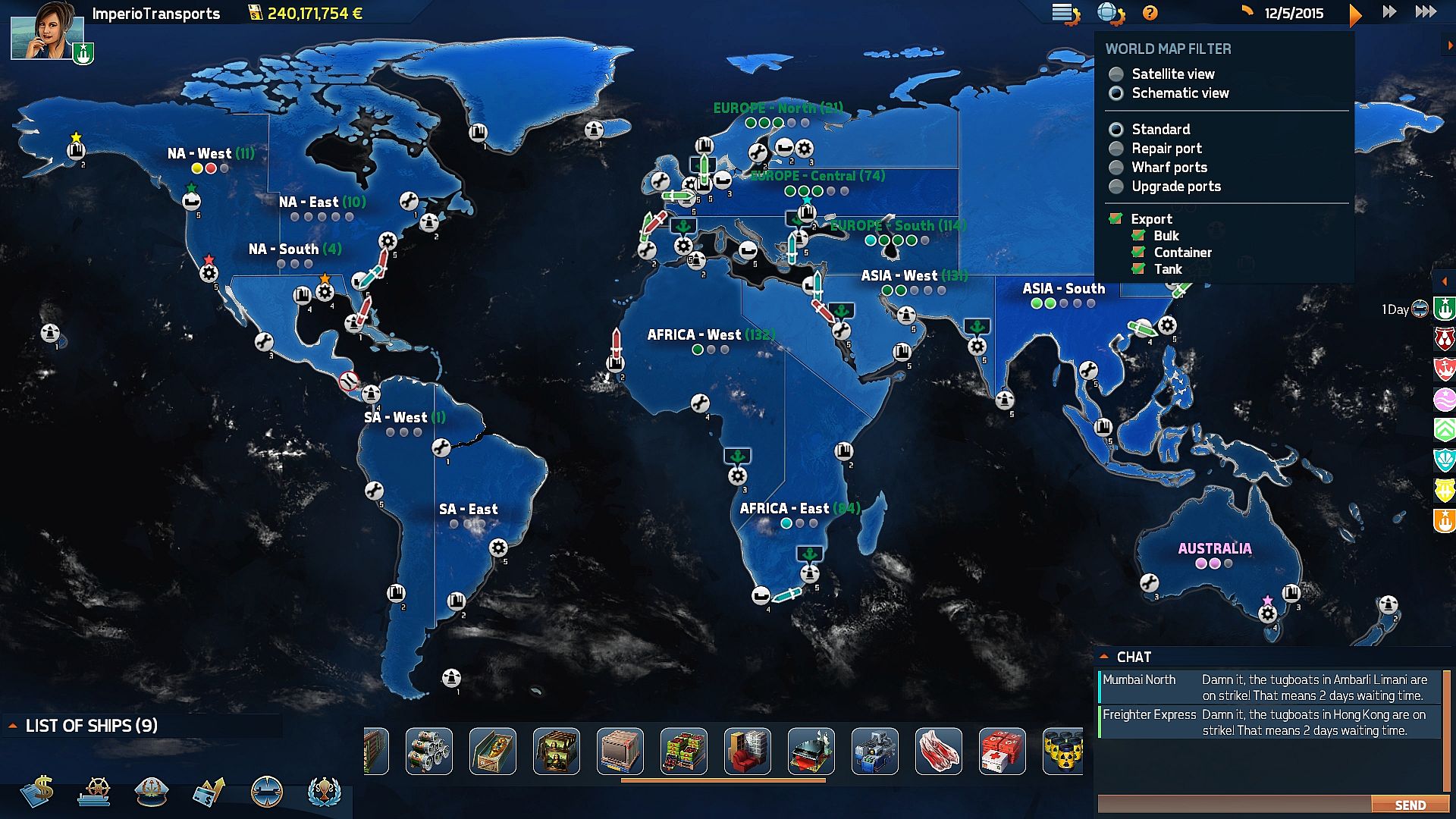
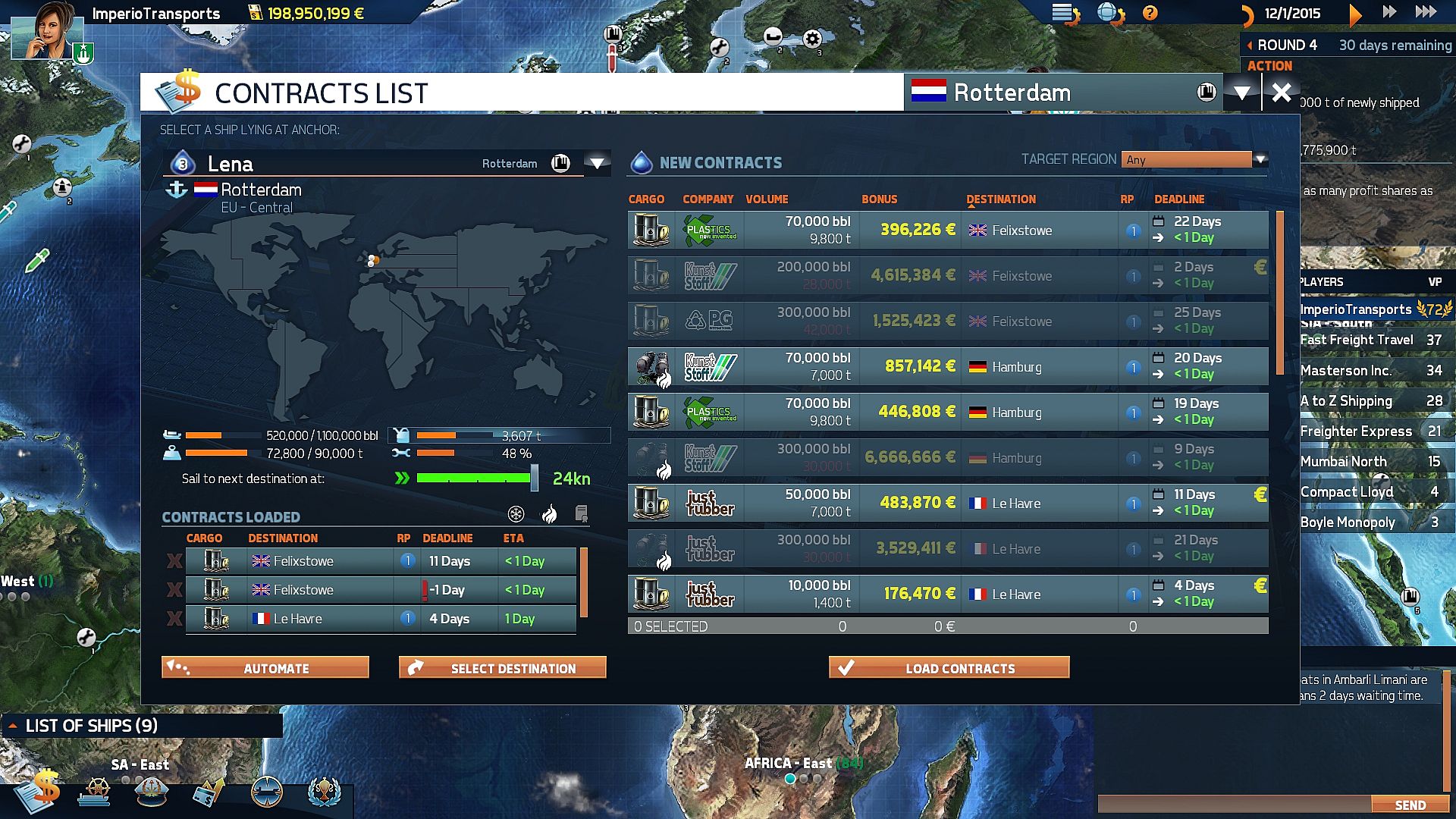
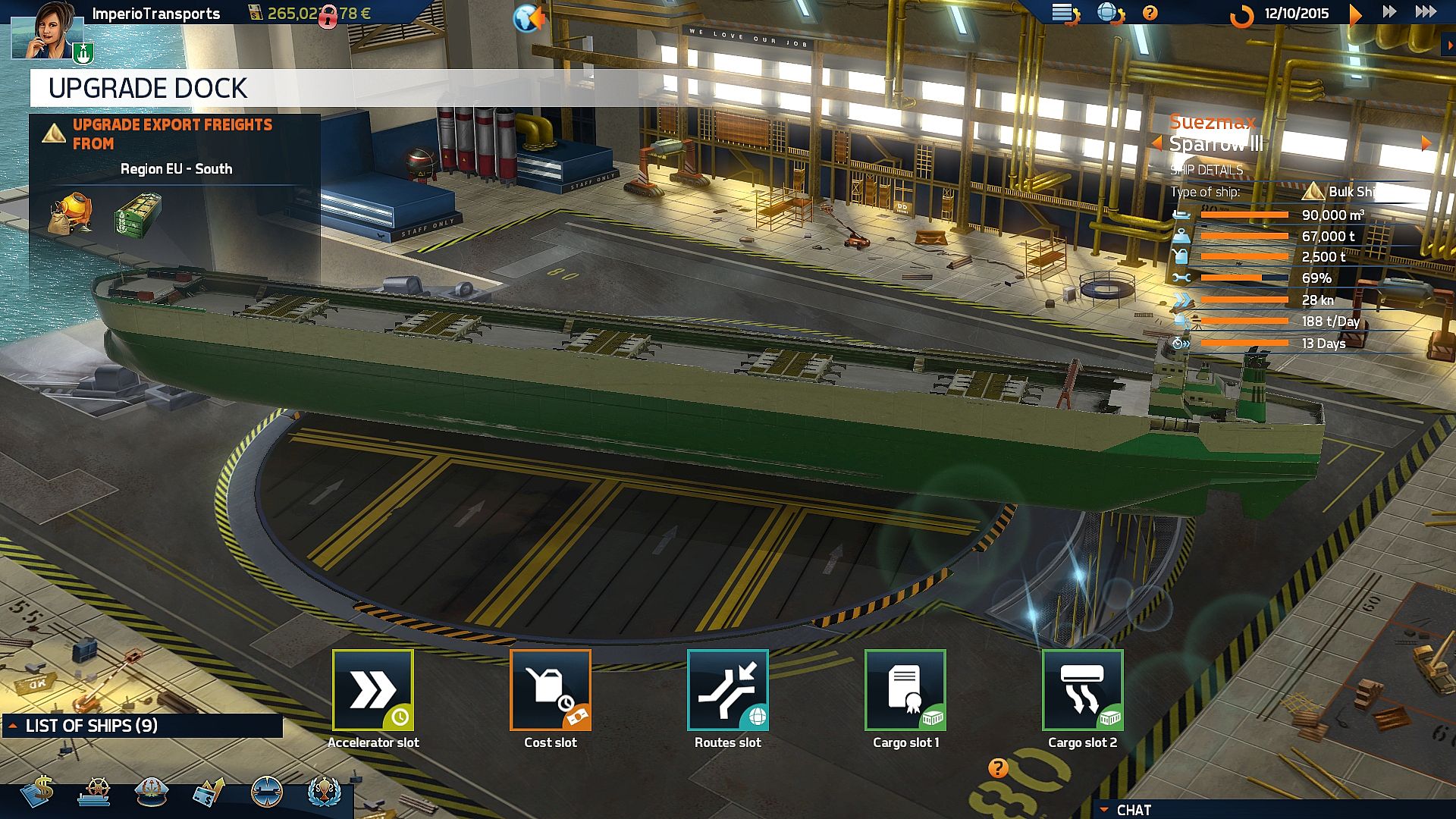
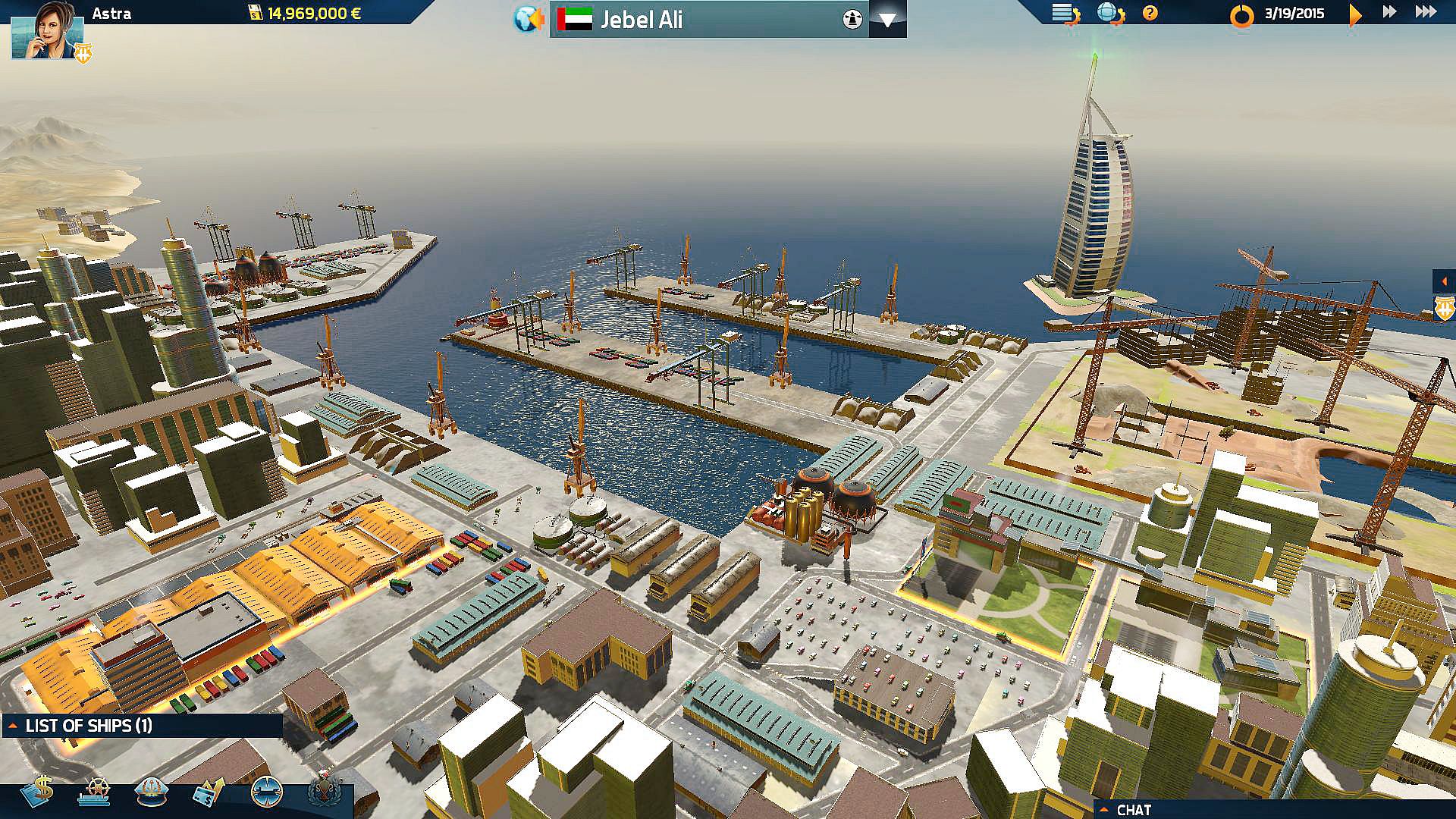
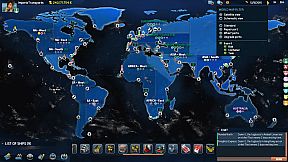
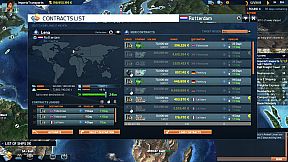
The core loop centers on starting with a small fleet of basic feeder ships at one of 60 ports worldwide. Players secure short-haul contracts to build initial capital, then reinvest in larger vessels and new subsidiaries. Three ship categories offer distinct roles: tankers for liquid cargo, container ships for standardized freight, and bulk carriers for raw materials. Each type carries unique strengths in capacity, speed, and route suitability, encouraging specialization based on market conditions.
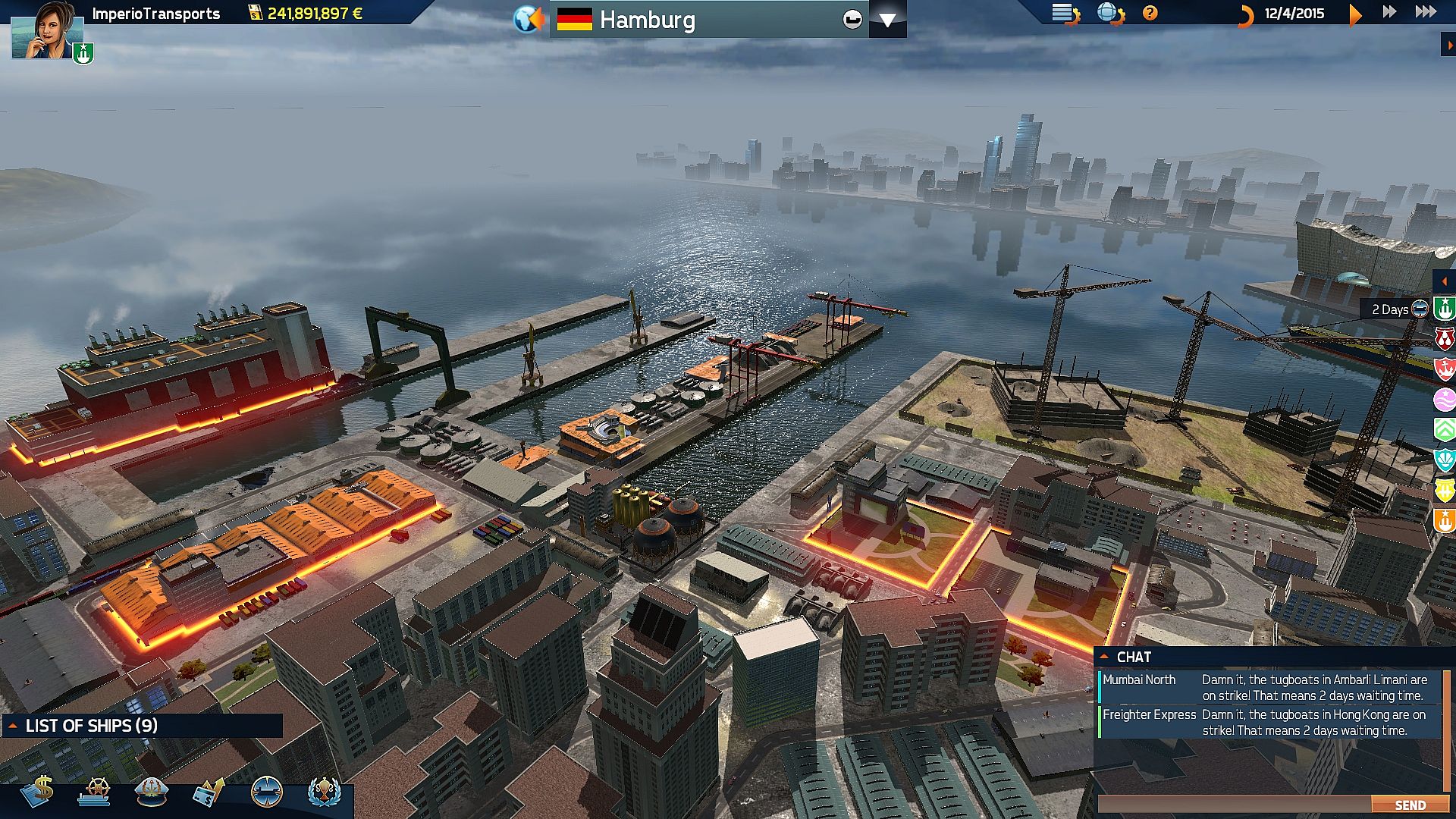
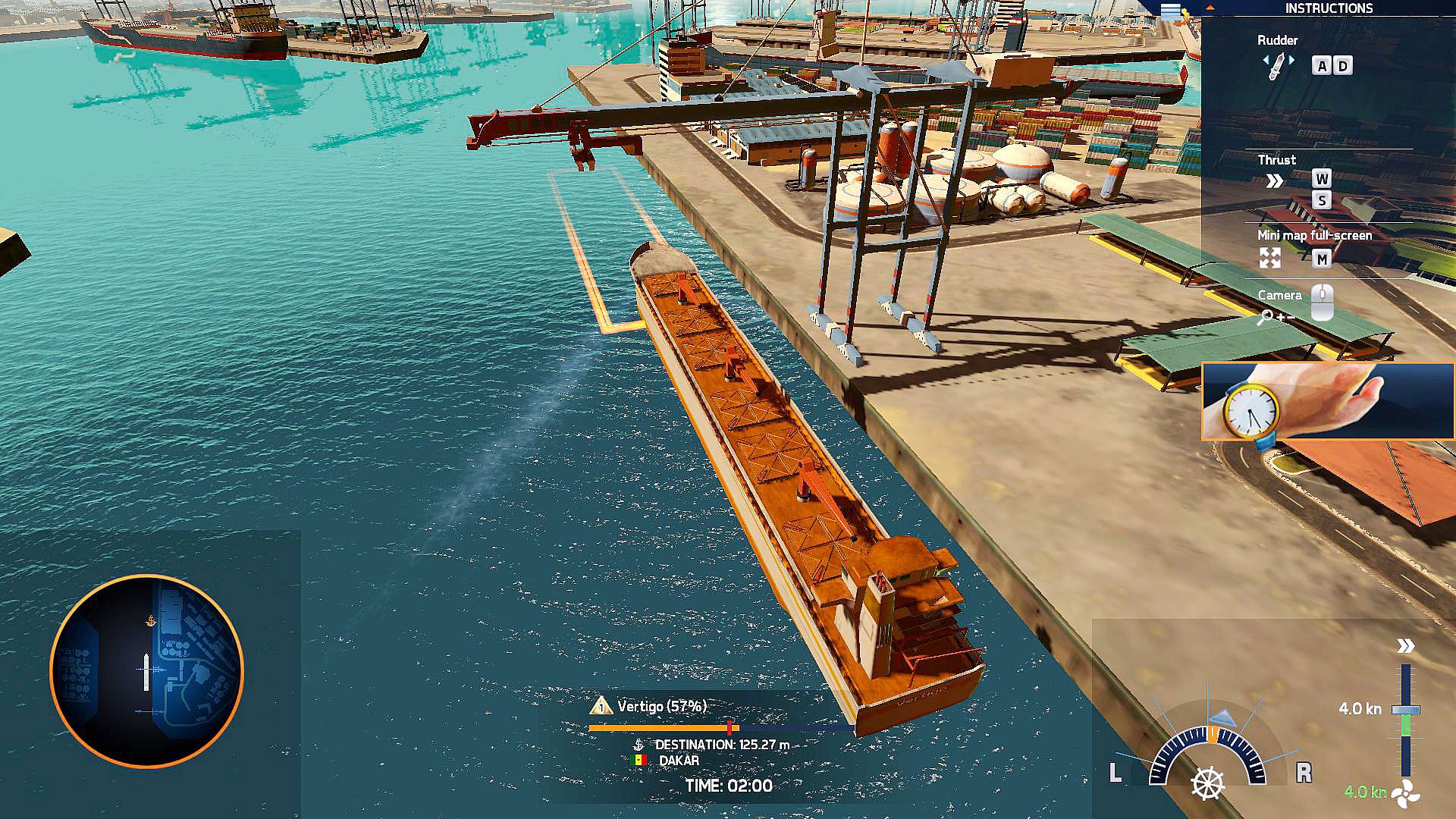
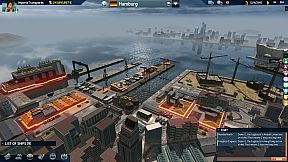
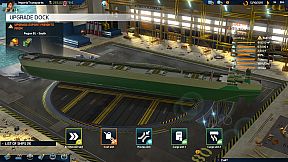
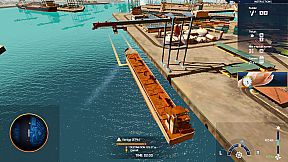
External factors such as fluctuating oil prices directly affect operating costs and profitability. A dynamic economy shifts demand and pricing for different goods, requiring ongoing adjustments to routes and fleet composition. Upgrades improve ship performance across speed, capacity, and efficiency. When tugboats strike in single-player sessions, players switch to direct 3D control to navigate harbors manually, steering both small and large ships through tight basins without damage.
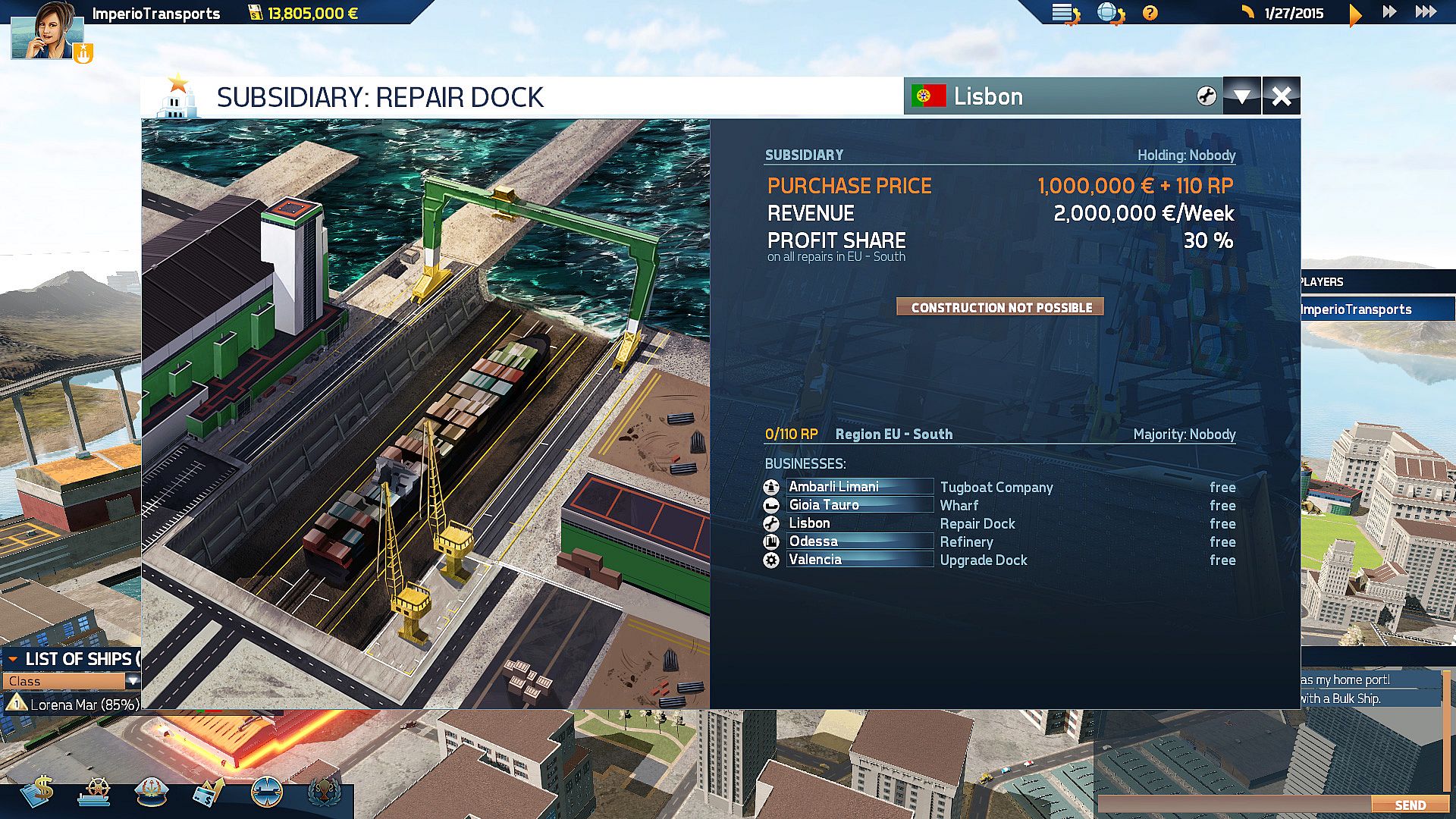
Strategic planning extends to regional dominance and long-term growth. Decisions about where to establish operations influence access to lucrative contracts and competitive positioning against other companies.
Game Modes
Three single-player options structure the experience. The campaign follows a narrative arc across six chapters that introduce mechanics progressively. Objectives include rebuilding a collapsed empire, aiding an imprisoned associate, and countering a specific rival. Each chapter awards one of three medals, supporting repeated playthroughs with varying performance goals.
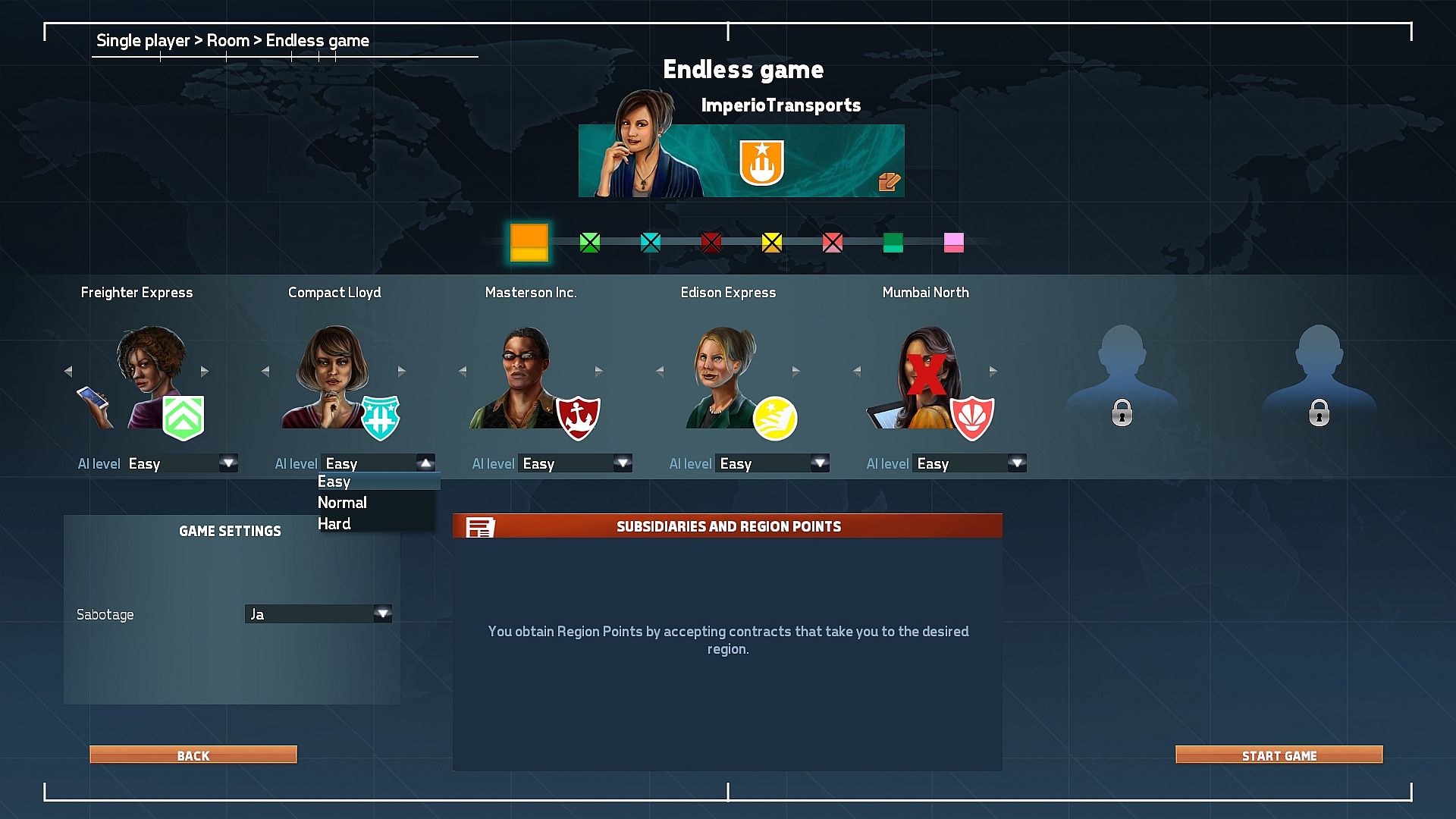
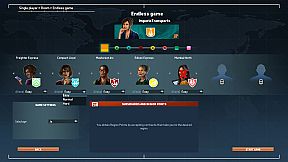
Endless Game removes time limits and fixed objectives, allowing open-ended expansion and experimentation with fleet and routes. Competition mode pits the player against AI opponents under defined victory conditions, emphasizing efficient contract completion and resource management within set parameters.
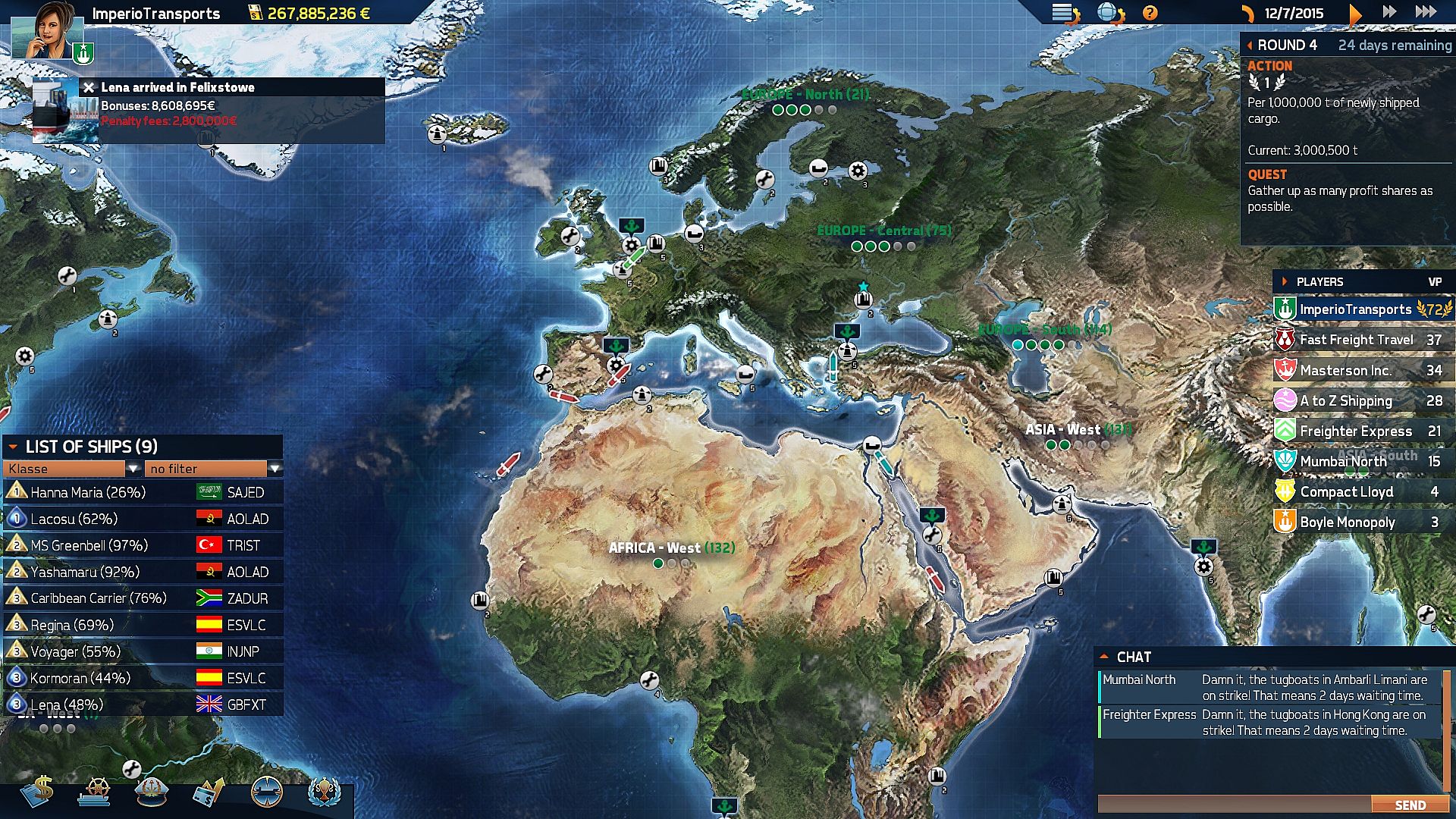
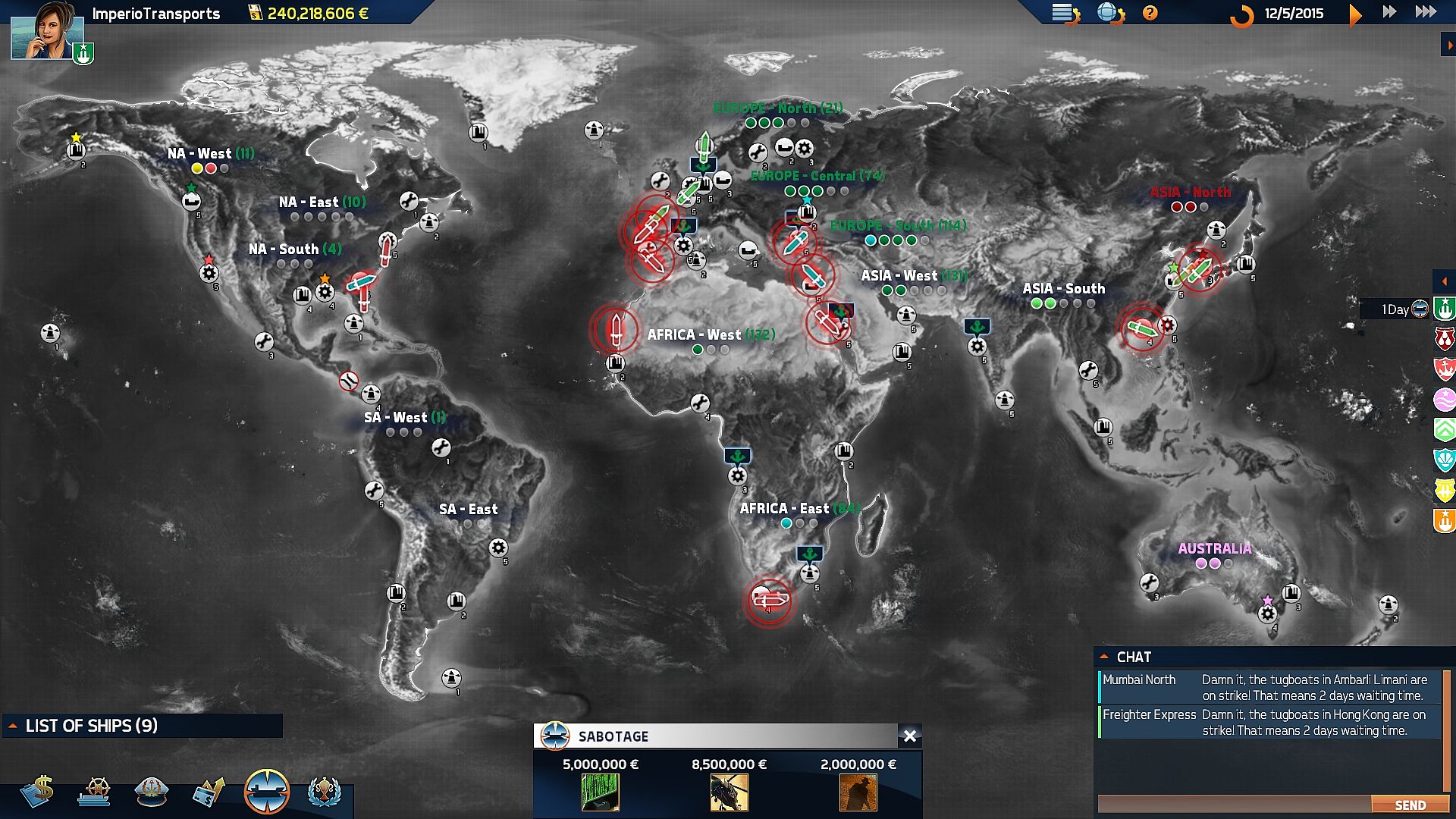
Multiplayer supports up to seven participants in real-time sessions. Games divide into rounds with randomly assigned victory point criteria at the start, such as highest earnings or most advanced fleet. Sabotage options allow interference with competitors, though retaliation remains possible. Session length can be adjusted, with matches extending up to two hours, which prevents any single strategy from dominating across different games.
Key Features and Mechanics
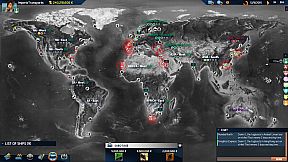
Over 60 ports span multiple continents, providing varied starting locations and route networks. An orchestral soundtrack accompanies the business operations. Fleet management includes purchasing and upgrading ships to handle increasing contract volumes. The economic system responds to player actions and broader market shifts, creating interconnected challenges across goods types and regions.
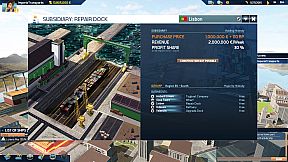
Competition elements appear in both single-player and multiplayer contexts through AI or human rivals pursuing the same contracts. Regional upgrades and subsidiary placement add layers to expansion strategy. Victory conditions in competitive modes change per session, forcing adaptation rather than reliance on one approach.
Is It Worth Playing?
TransOcean 2: Rivals suits players who enjoy detailed business simulations and shipping logistics. The campaign provides structured progression and story context, while endless and competition modes support longer sessions focused on optimization. Multiplayer adds direct rivalry and variable objectives that keep matches distinct.
Reception has been mixed, with Steam user reviews sitting at 51 percent positive. Some appreciate the added multiplayer, improved interface elements, and tactical depth in route planning. Others note that difficulty can spike sharply and that the pace may feel too relaxed for certain tastes. The game remains available as a complete package without ongoing seasonal content or major post-launch updates.
Those drawn to economic strategy titles with ship management and competitive elements will find the verified mechanics rewarding. Players seeking fast-paced action or frequent content refreshes may prefer other options in the genre. The combination of single-player variety and real-time multiplayer competition delivers the core appeal for its intended audience.