






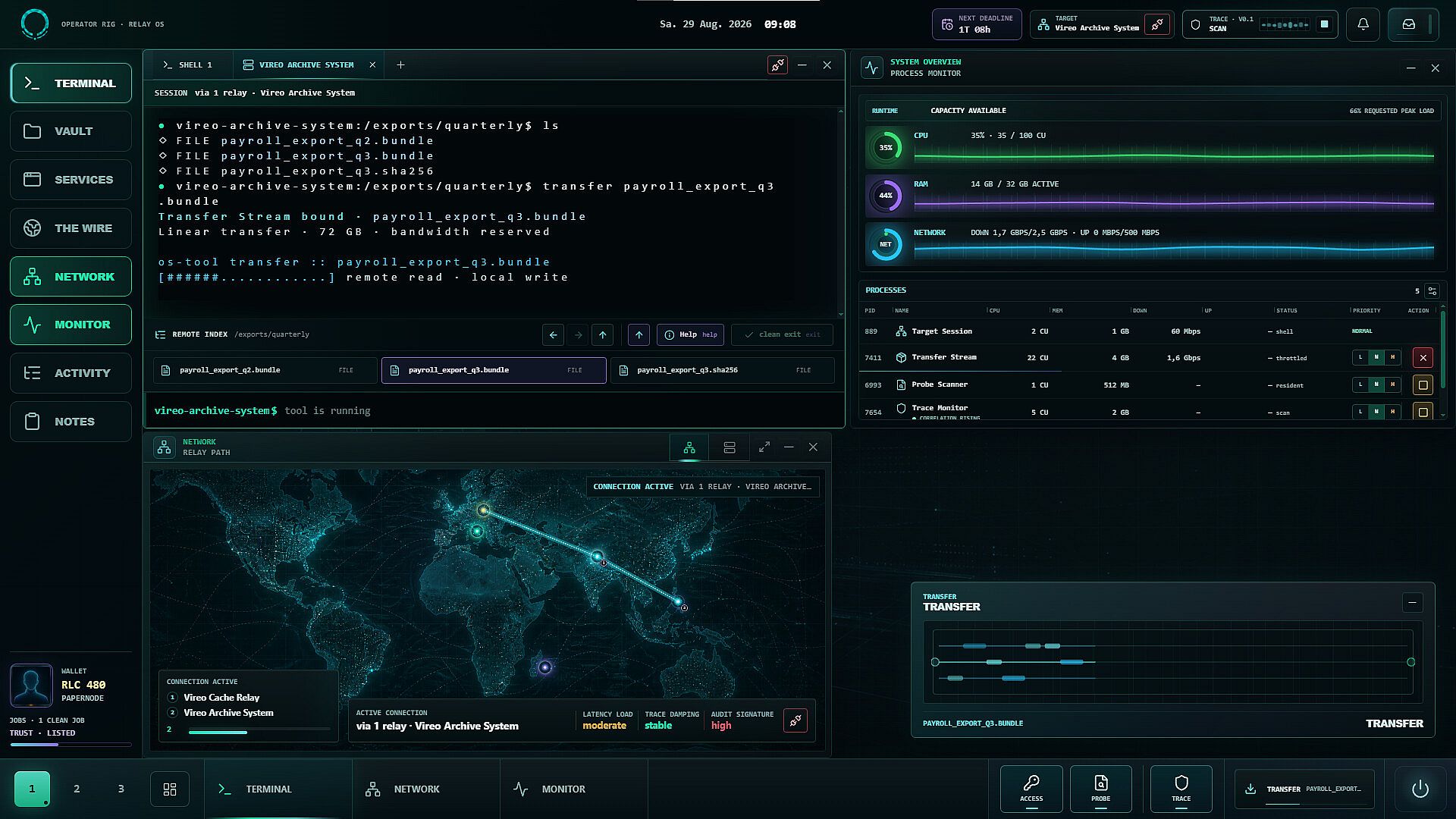
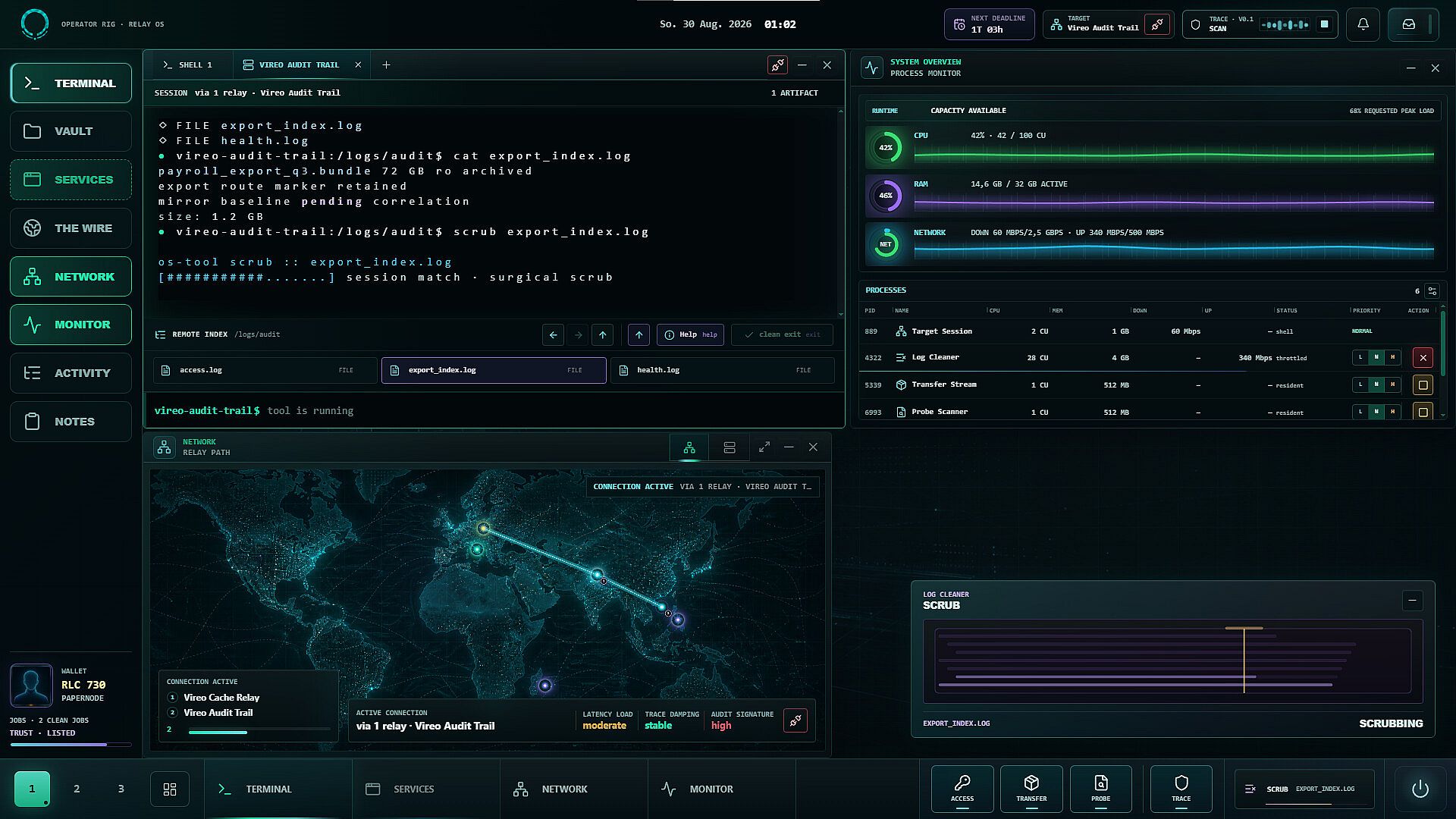
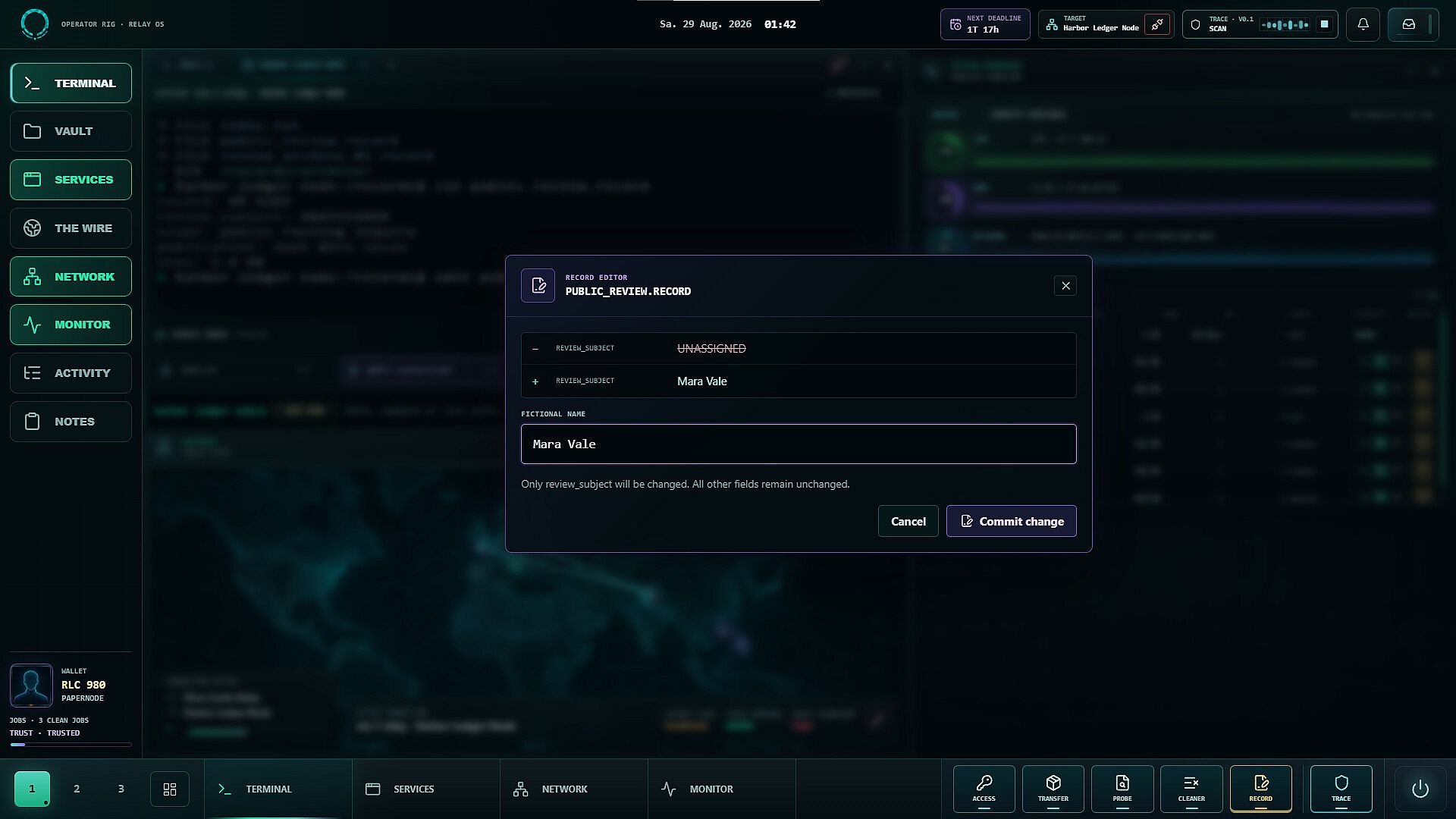
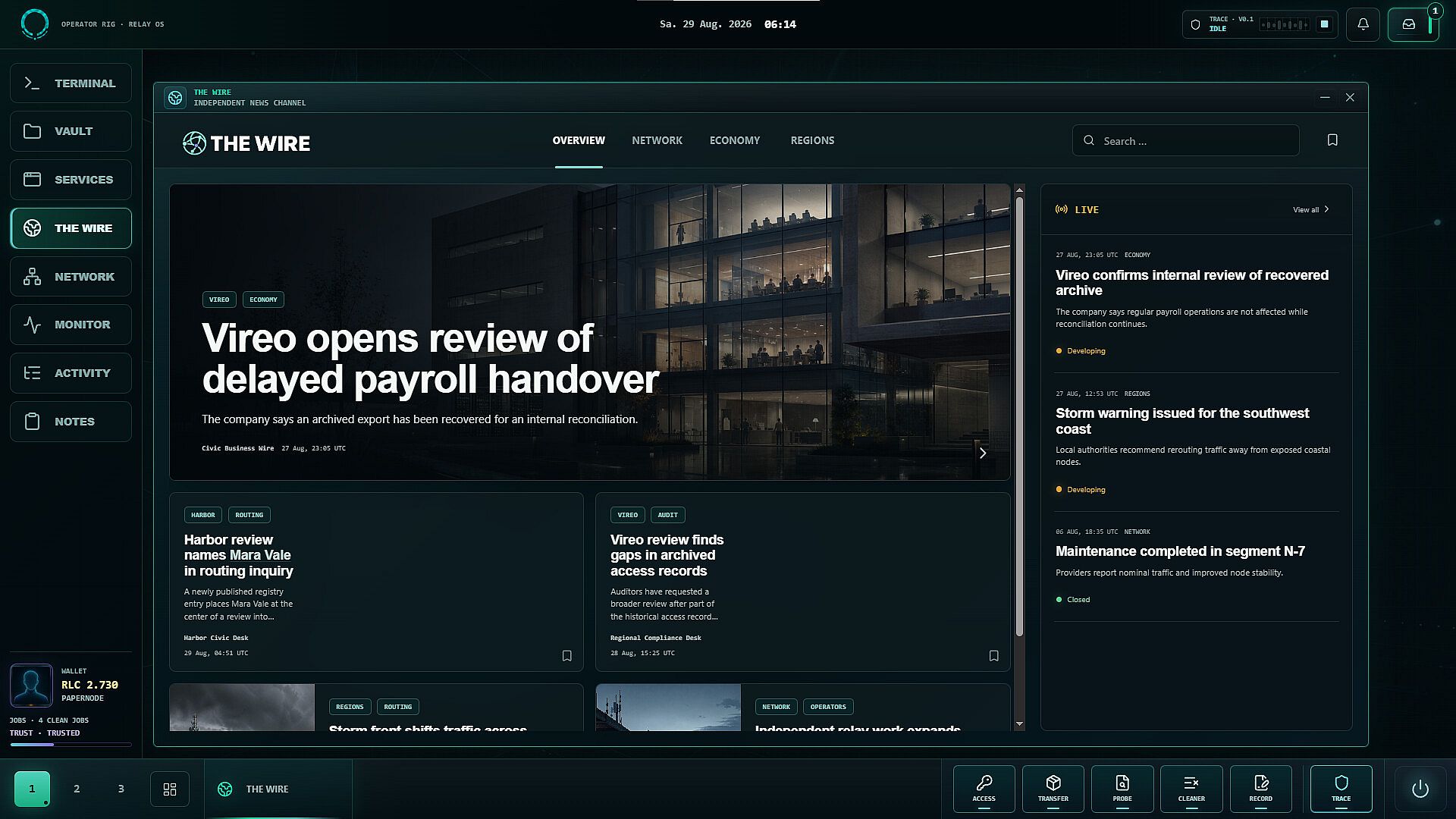
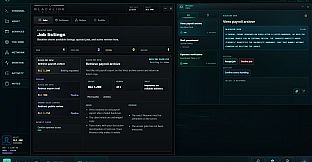
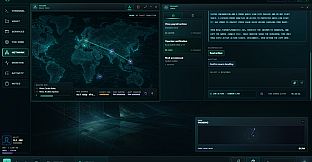
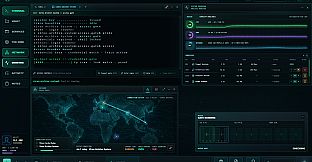
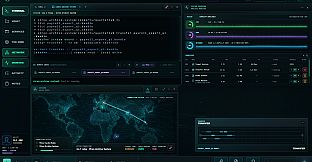
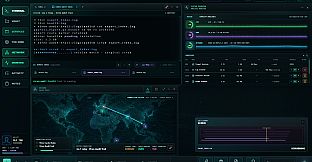
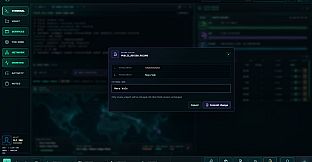
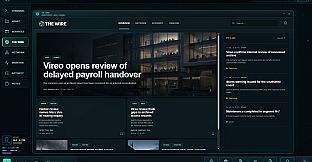
Tracked is a strategy indie simulation game for PC that places players in the role of an independent operator navigating digital heists through a fictional operating system called Relay OS. The core experience revolves around planning access routes, executing operations under pressure, and ensuring a clean exit before traces lead back to the rig. Set for release in Q2 2027, the title emphasizes resource management, route optimization, and decision-making in a desktop-like environment where every action carries consequences for latency, security, and evidence trails.
Gameplay
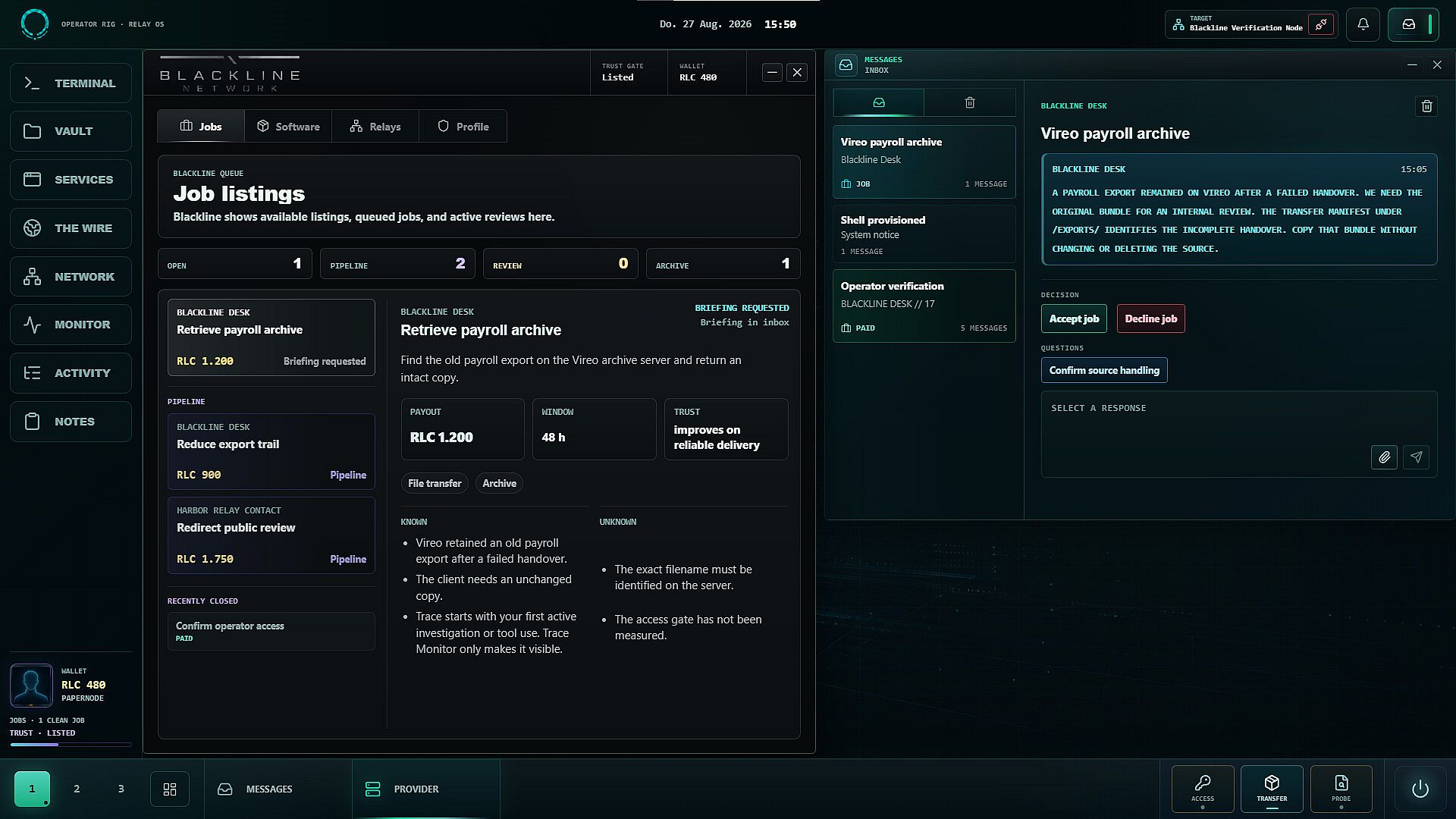
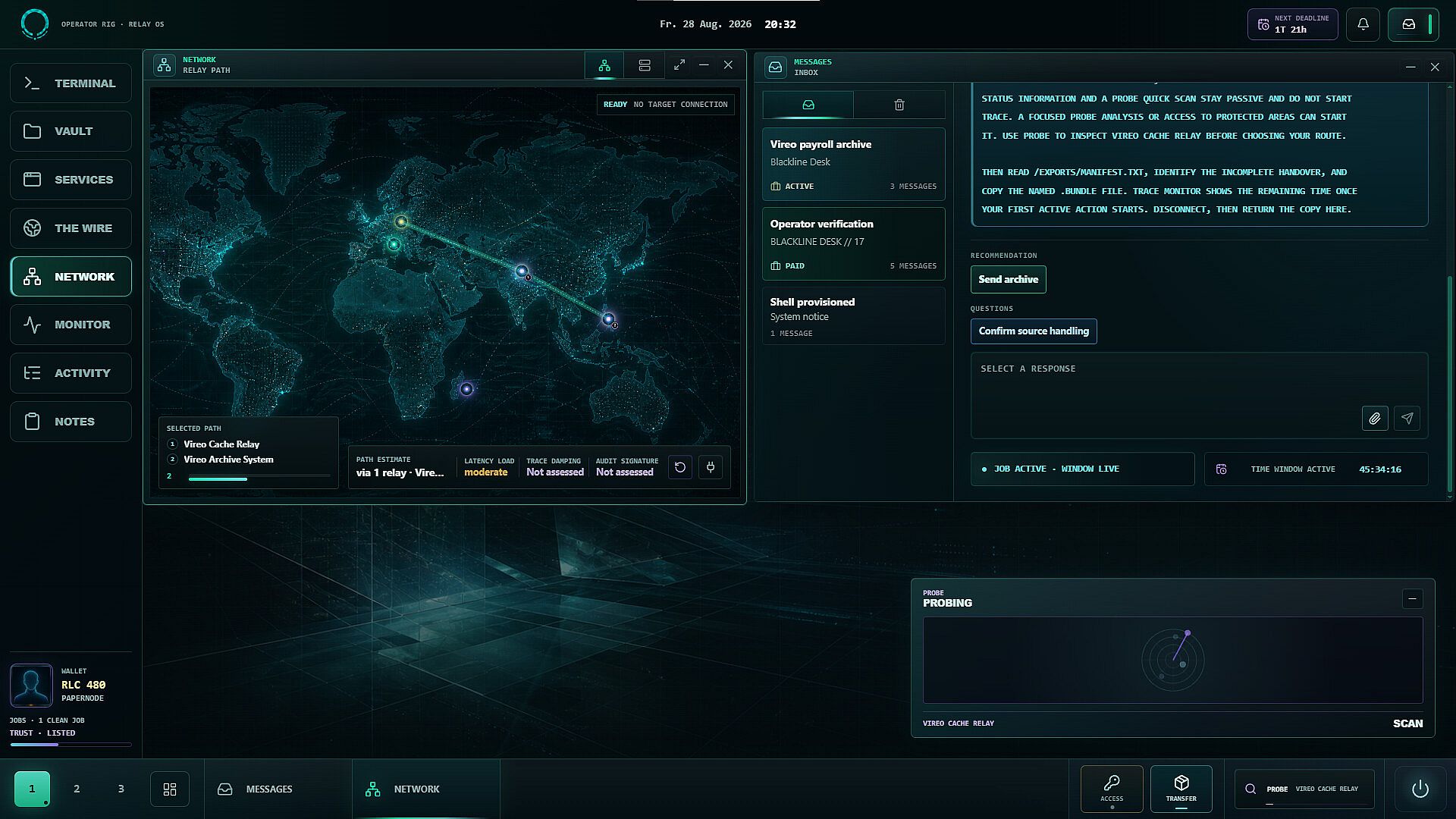
The gameplay loop begins with reviewing incomplete intelligence and objectives delivered through messages. Players inspect target systems and evidence to chart an initial path before establishing any connections. Routing occurs through a network of relays, each altering latency, trace resistance, and audit footprints. Detours increase distance from the rig but consume time and resources, forcing careful trade-offs during active operations.
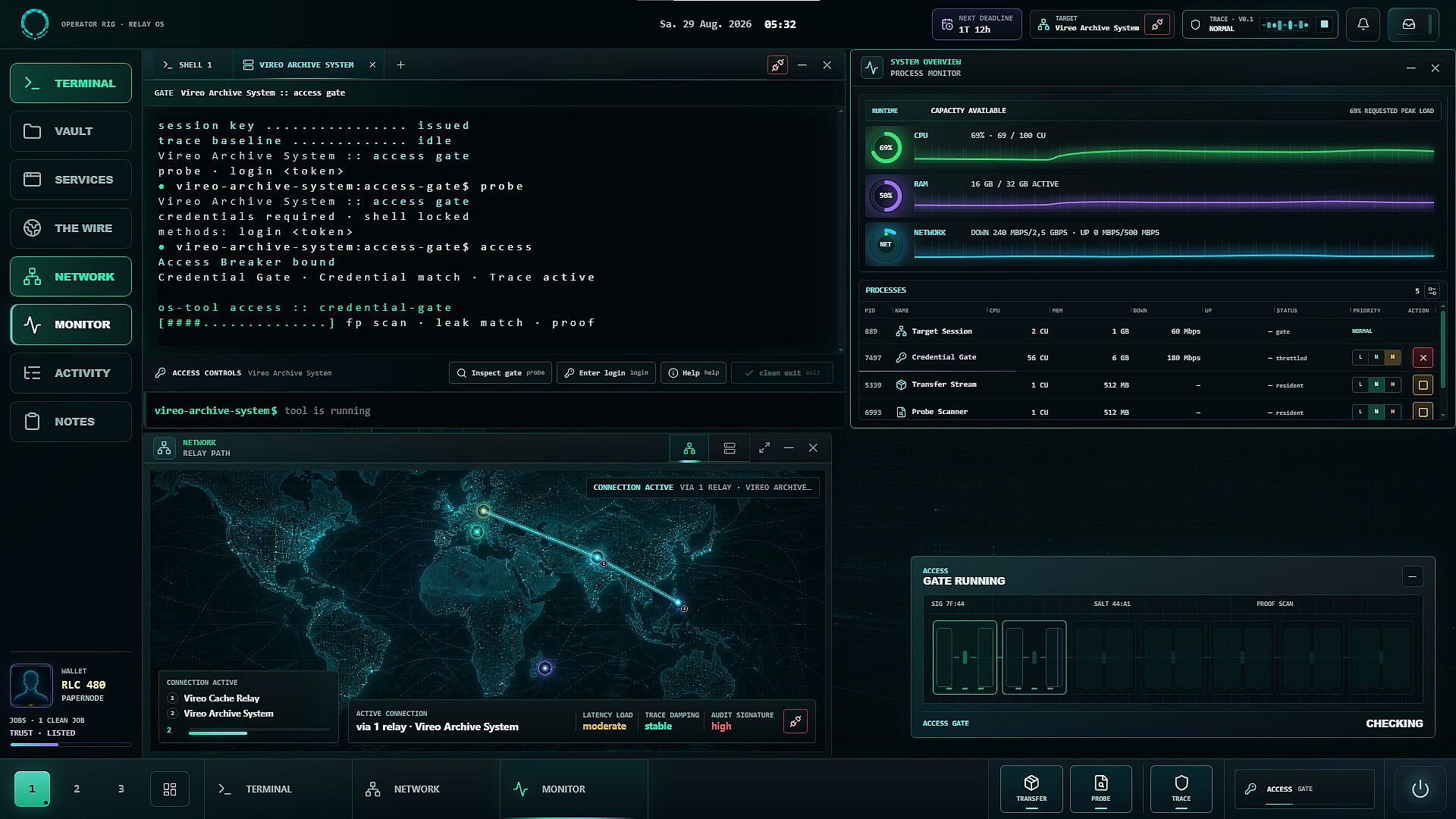
Resource allocation forms a central mechanic. Multiple tools run simultaneously on the rig, competing for CPU, memory, and network capacity. An active trace demands constant attention, as players must choose between continuing data transfers, prioritizing evidence cleanup, adjusting routes, or executing a controlled exit versus a riskier hard drop. Success requires securing the precise objective, delivering usable evidence, and selectively managing traces left behind, which influence future contracts and operator history.
The interface consists of functional windows including Terminal, Network, Vault, Monitor, Messages, and Notes. These serve as the primary toolkit for analysis, execution, and completion of operations. Rig development occurs through repeated contracts, with choices reshaping personal history and connections within the broader network known as The Wire.
Game Modes
Tracked operates as a single-player experience centered on contract-based operations. Each contract starts from raw intelligence rather than preset solutions, encouraging players to analyze briefings and evidence independently before committing to a route. The structure supports iterative playthroughs where prior decisions affect available options and operator reputation over time.
No additional multiplayer or alternate modes appear in the confirmed details. The focus remains on solitary planning and execution within Relay OS, with emphasis on adapting to dynamic trace threats and resource constraints during each heist.
Core Mechanics and Systems
Relay selection directly impacts operation viability. Different relays modify connection properties, requiring players to balance speed against detection risk. Resource competition intensifies once tools activate, simulating real hardware limitations under load.
Evidence handling adds layers of strategy. Not all data holds equal value, and players decide what to secure or erase while managing the trace timer. Hard drops provide an emergency escape but introduce uncertainty compared to planned exits.
Progression ties to rig upgrades and accumulated operator history. Contracts evolve based on past performance, creating a persistent record that influences client trust and network interactions across multiple operations.
Is It Worth Playing?
Tracked targets players who enjoy deliberate strategy simulations involving network routing, resource juggling, and high-stakes decision trees. The desktop interface and relay mechanics deliver a focused hacker-heist simulation without extraneous elements. With no user reviews available ahead of the Q2 2027 release, the title's appeal rests on its described systems for those drawn to indie strategy experiences centered on planning and consequence management.
Potential players should consider their interest in single-player contract loops that reward careful analysis over action. The emphasis on trace resistance, evidence prioritization, and rig development suggests strong replay value for those who appreciate iterative improvement through repeated operations. Availability on PC positions it for keyboard and mouse users comfortable with terminal-style interactions and window management.











