

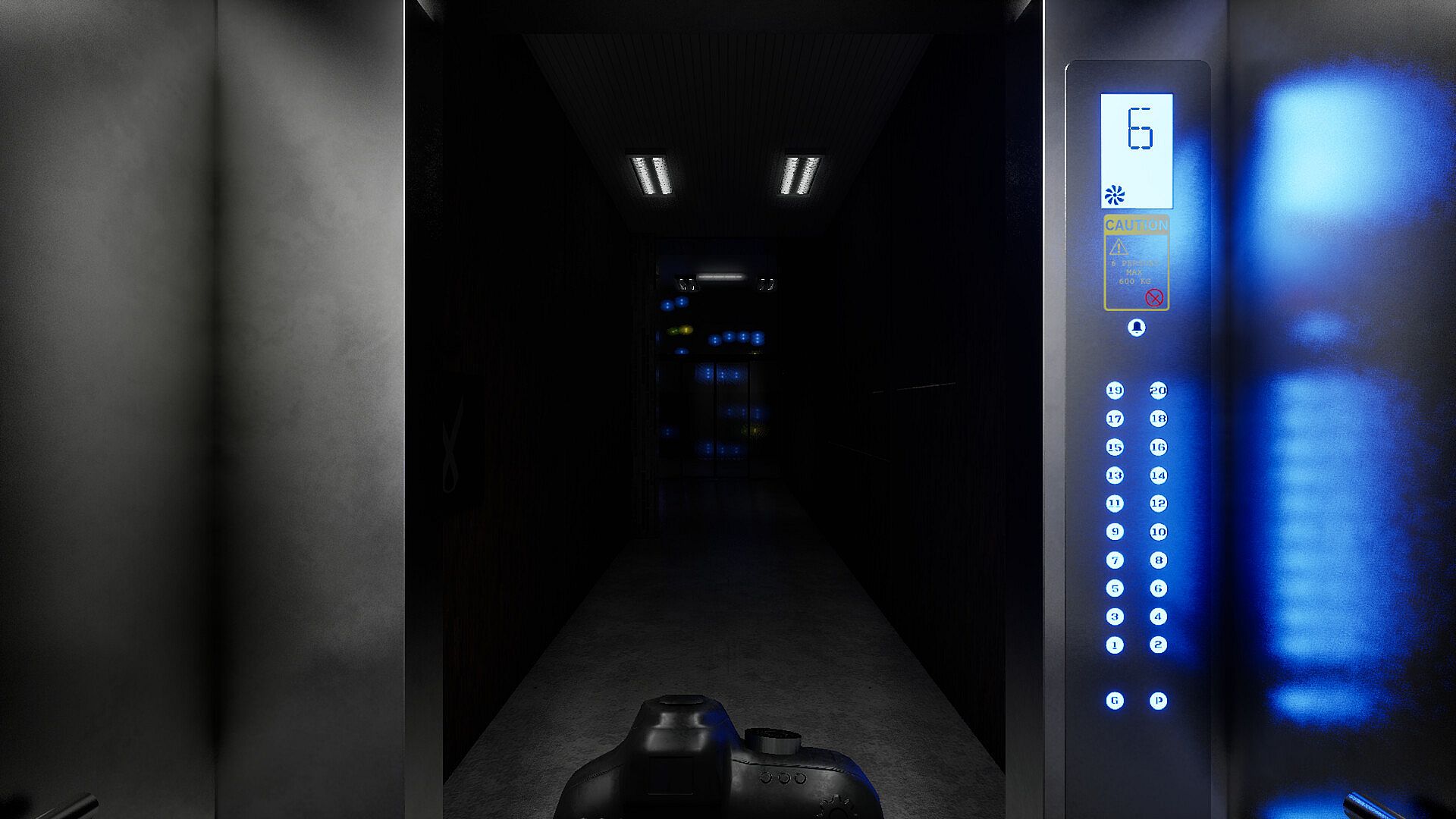
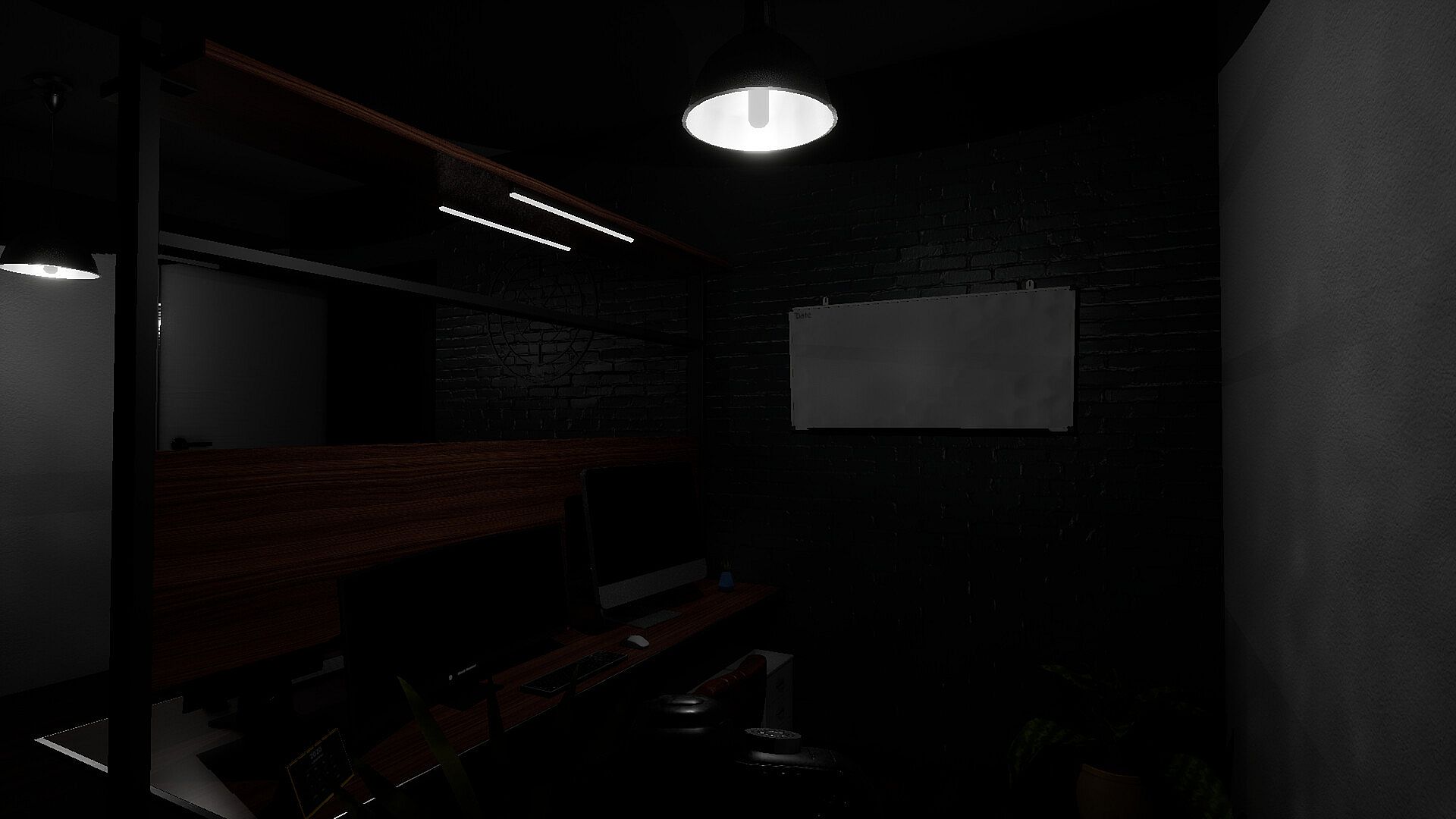
TRACE//5 is an indie first-person psychological horror game for PC in which players explore a darkened office building using only a camera to navigate, document, and report anomalous traces left by spirits. The core premise centers on methodical investigation in near-total darkness, where the camera serves as both tool and lifeline for survival.
Gameplay
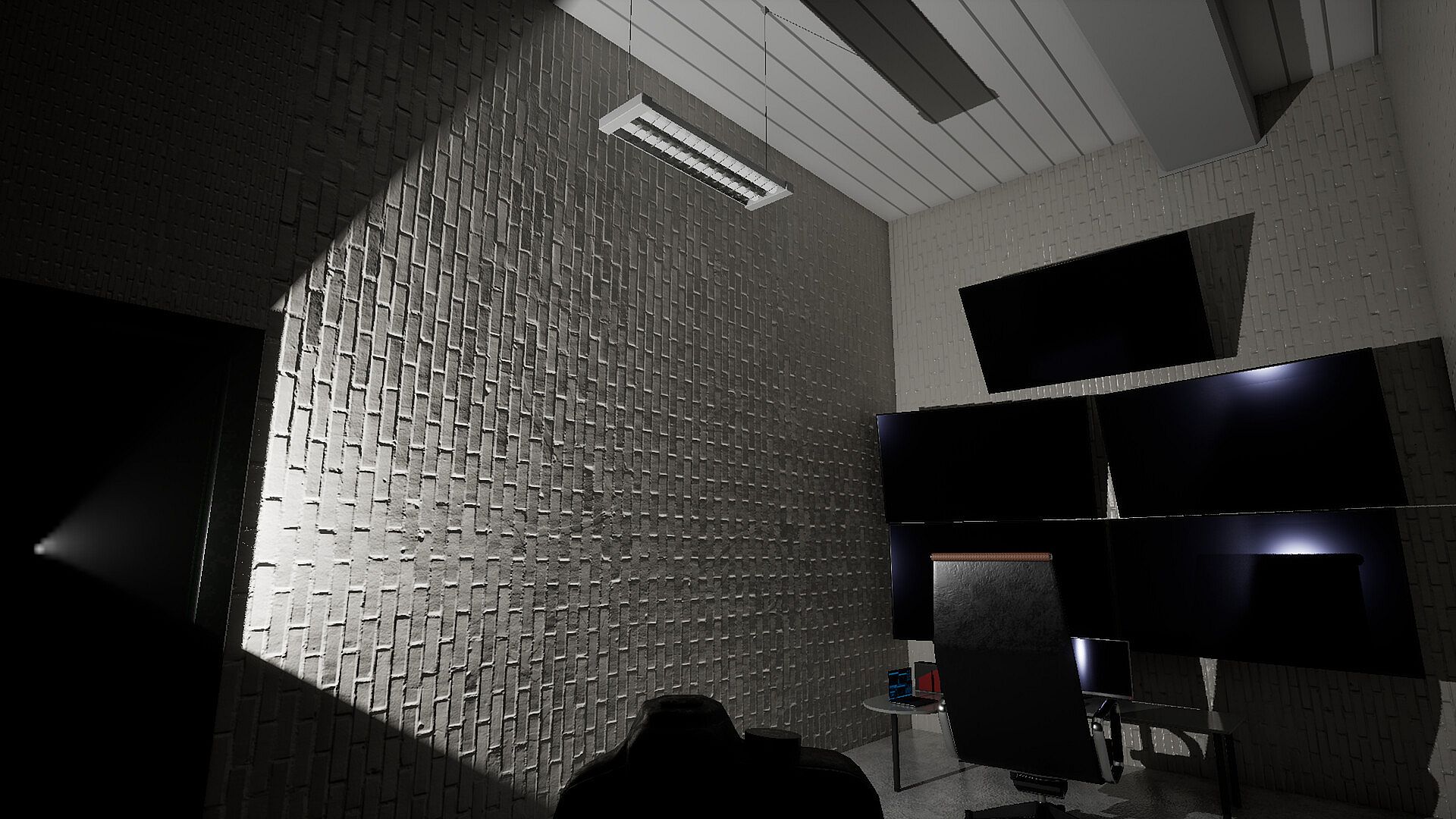
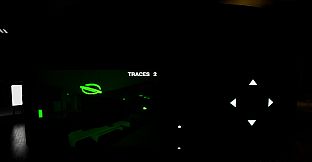
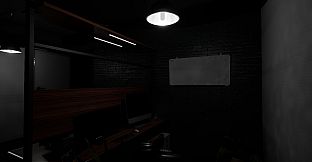
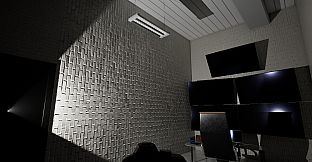
The experience unfolds through careful exploration of office spaces where most lights have failed. Players rely on the camera's flash to illuminate brief glimpses of the environment and its night vision mode to detect details invisible to the naked eye. Movement requires constant attention to surroundings that remain obscured until the shutter activates or night vision engages.
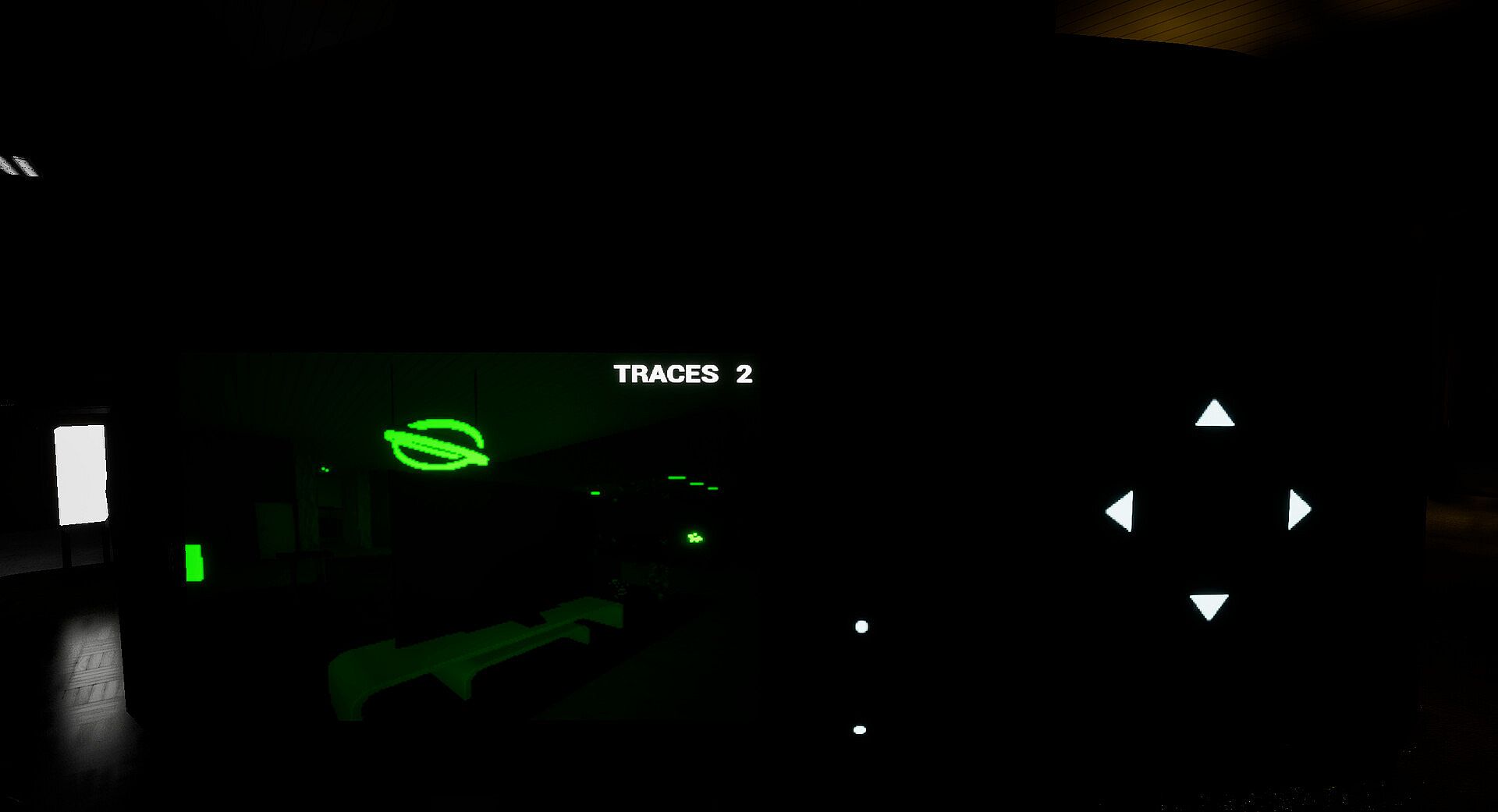
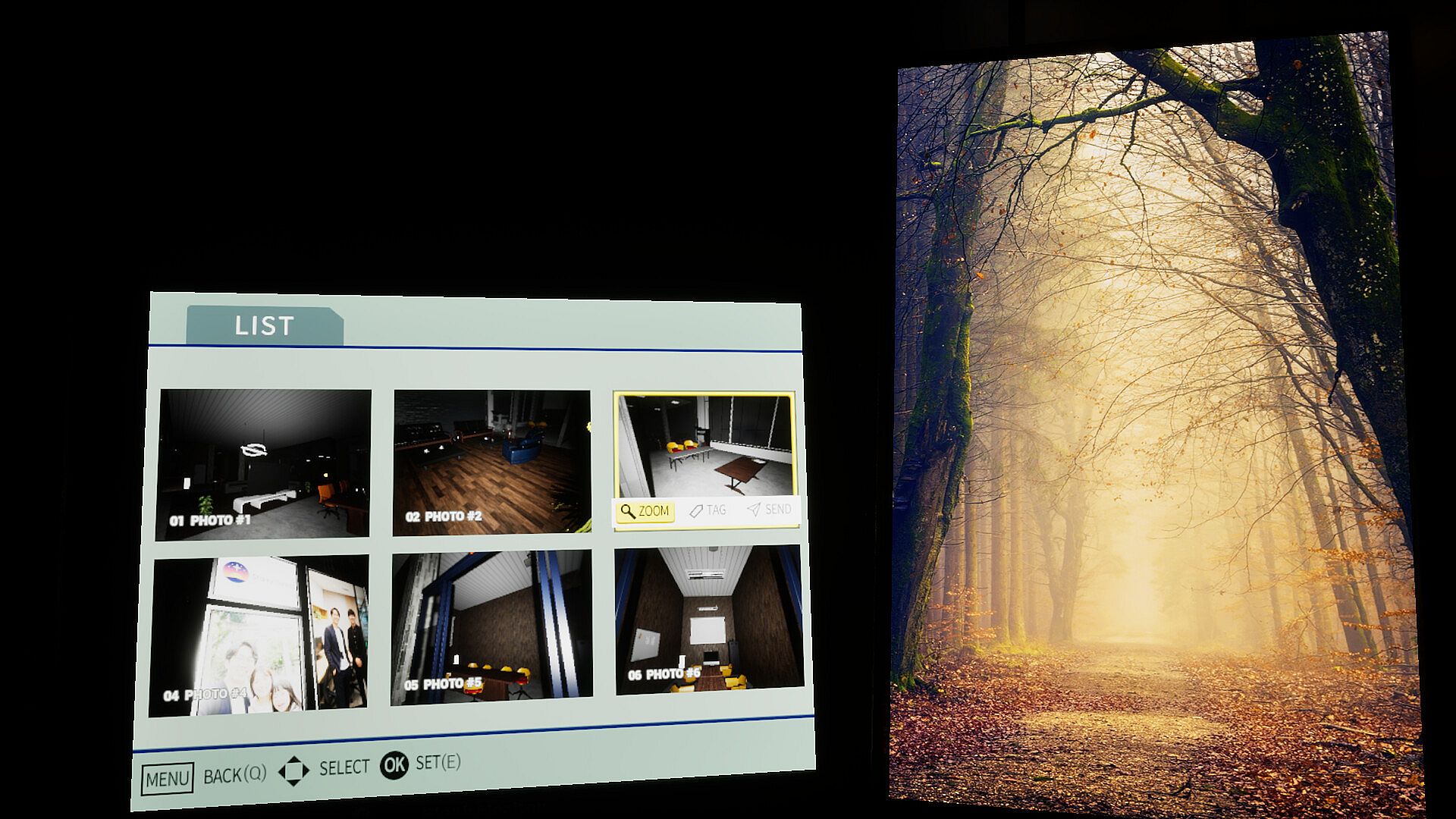
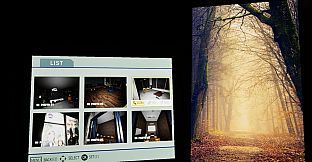
Traces appear as objects or markings clearly out of place in the office setting. Once located, players must position the camera to capture a clear photograph that includes the anomaly. Captured images can then be reviewed on the device itself, allowing selection and tagging of those that contain genuine traces before submitting a report at a terminal. Correct reports activate the elevator and permit progression to new areas.
Photography carries inherent risk. Empty frames or indiscriminate shots can summon additional paranormal activity, increasing the frequency and intensity of dangerous events. Players must therefore evaluate each potential subject before committing to the shutter, often using the flash first to confirm presence. This decision-making layer turns every capture into a calculated risk rather than a routine action.
Game Modes
TRACE//5 presents a single continuous investigation structured around repeated cycles of exploration, photography, photo review, and reporting. The loop repeats across successive floors or sections until the full investigation concludes, with each stage building tension through accumulating spirit photographs and escalating phenomena.
Paranormal events occur unpredictably during play. These include unexplained sounds, sudden room alterations, visual distortions visible only through the camera, or sensed presences. Each type demands a specific response, such as careful listening, visual scanning, or precise action to neutralize the threat. Incorrect handling ends the session immediately, reinforcing the need for observation and quick judgment.
Core Mechanics and Tension
The camera system integrates flash and night vision into a unified toolset that shapes every moment of play. Flash provides temporary visibility at the cost of potential attention from entities, while night vision reveals hidden traces without light but limits peripheral awareness. Balancing these options forms the foundation of survival strategy.
Photo management adds another layer. After capture, players sort images on the camera display to isolate those showing traces. Submitting an inaccurate report wastes progress and heightens overall danger by allowing more phenomena to manifest. The system rewards restraint and accuracy over volume of shots.
Randomized paranormal occurrences ensure each playthrough varies in pacing and challenge. Sounds without source, shifting layouts, or camera-specific apparitions require players to adapt responses on the fly rather than rely on memorized patterns. This variability keeps the short experience replayable for those seeking different outcomes.
Is It Worth Playing?
TRACE//5 suits players who enjoy short, focused psychological horror centered on observation and risk assessment rather than combat or resource gathering. The emphasis on deliberate camera use and anomaly identification creates a distinct loop that rewards patience and attention to detail.
Those drawn to atmospheric exploration in confined, low-visibility settings will find the mechanics consistent with the described systems. The absence of lengthy campaigns or additional modes keeps the experience concise, making it accessible for a single sitting or targeted replays to experiment with different reporting approaches.
Player interest typically aligns with appreciation for mechanics that turn basic actions like photographing into high-stakes choices. If the combination of darkness navigation, spirit photography, and reactive phenomena matches preferred horror styles, the game delivers a self-contained session built around those verified elements.