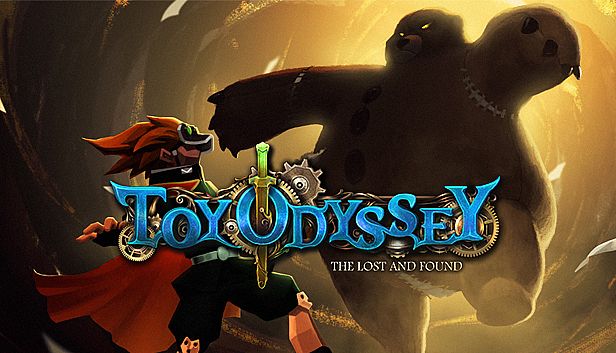









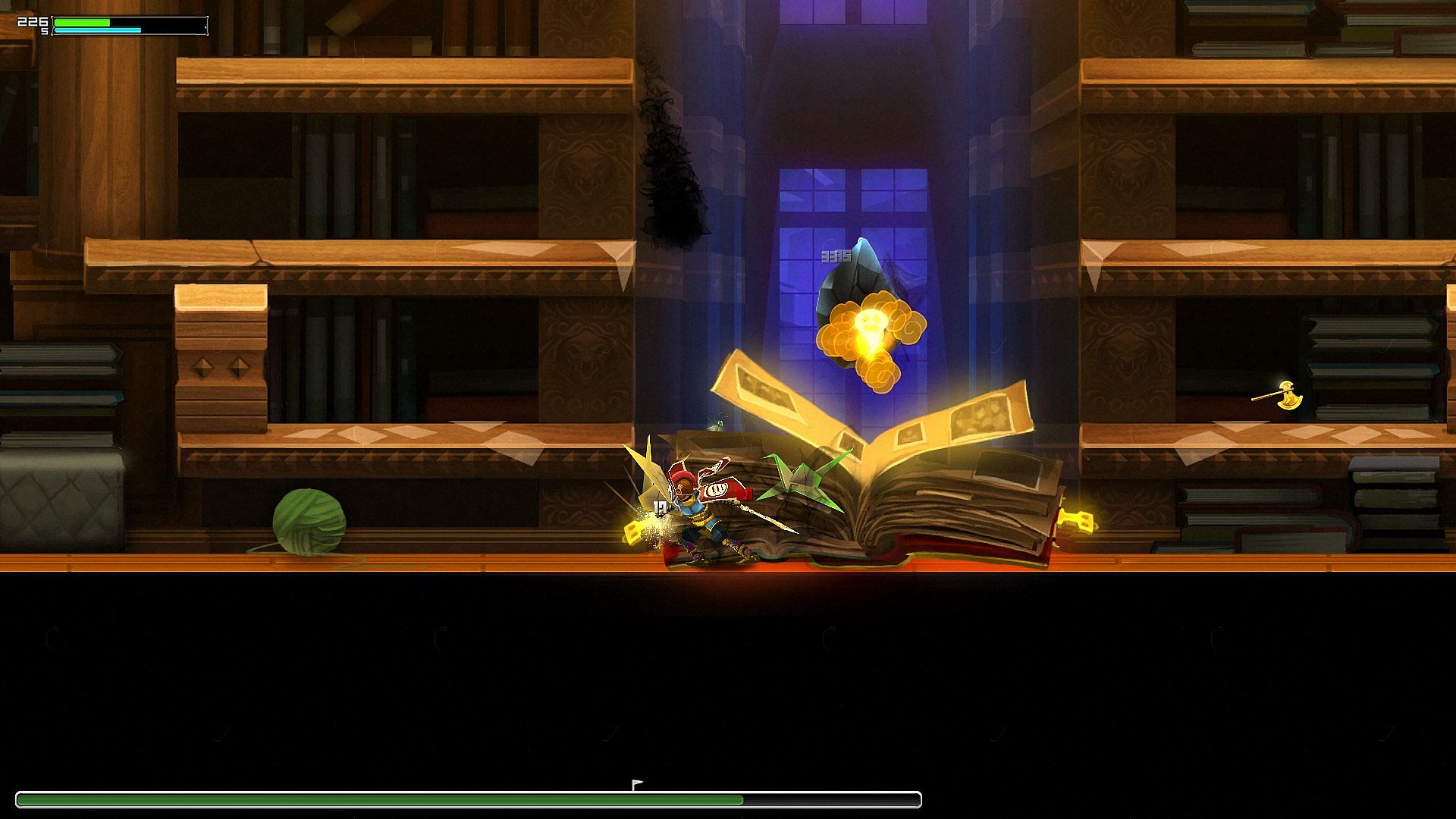
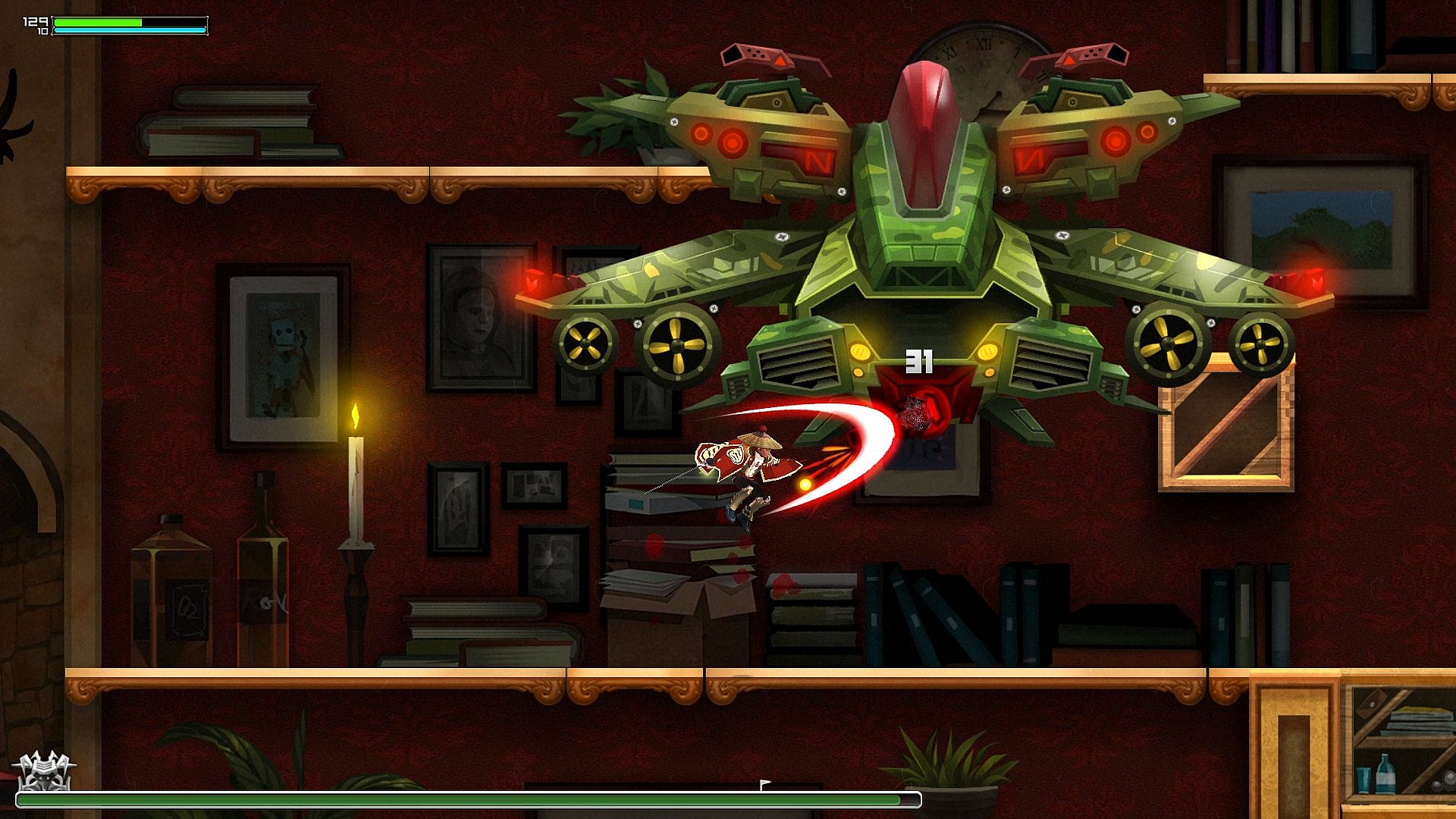
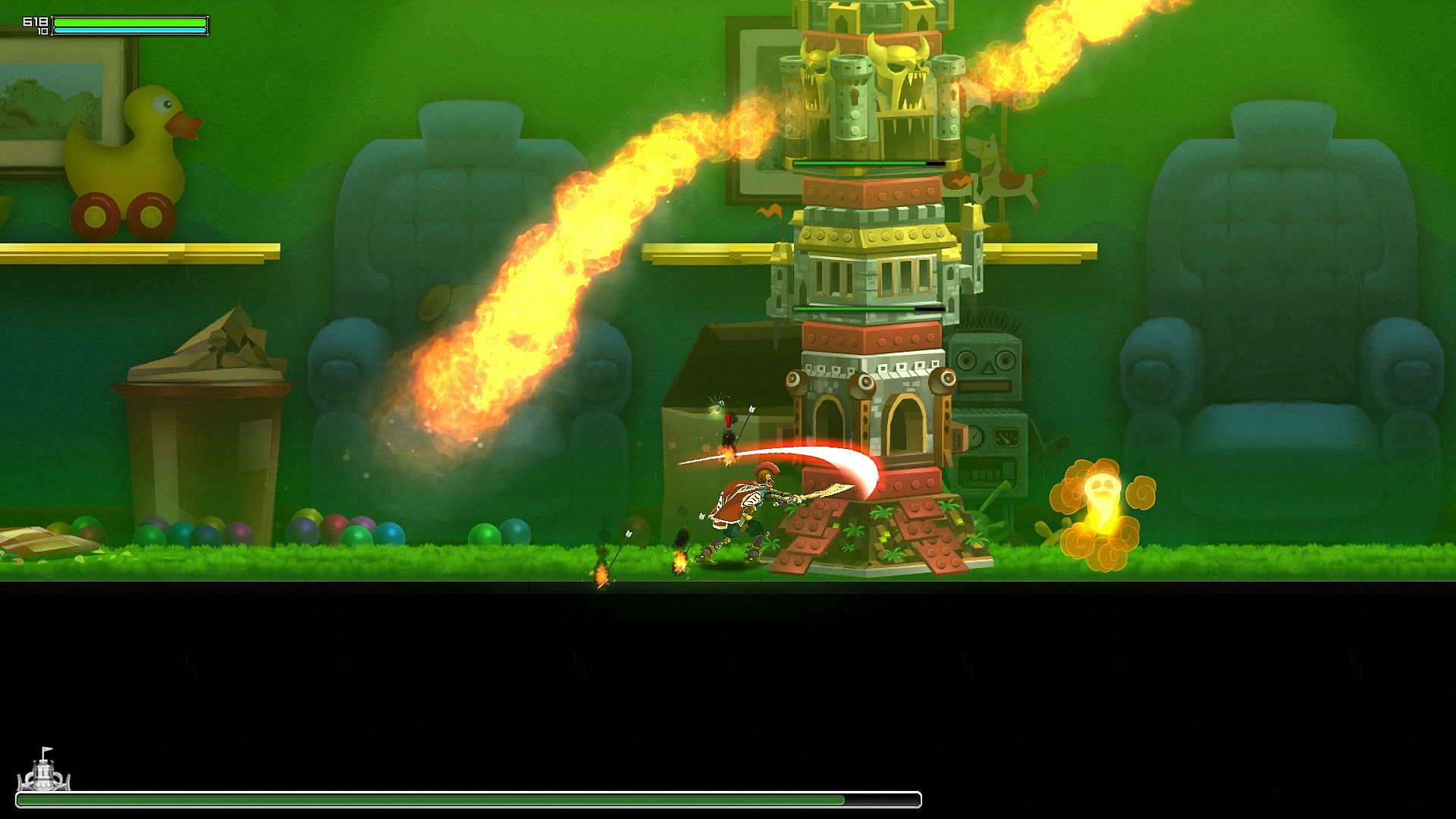
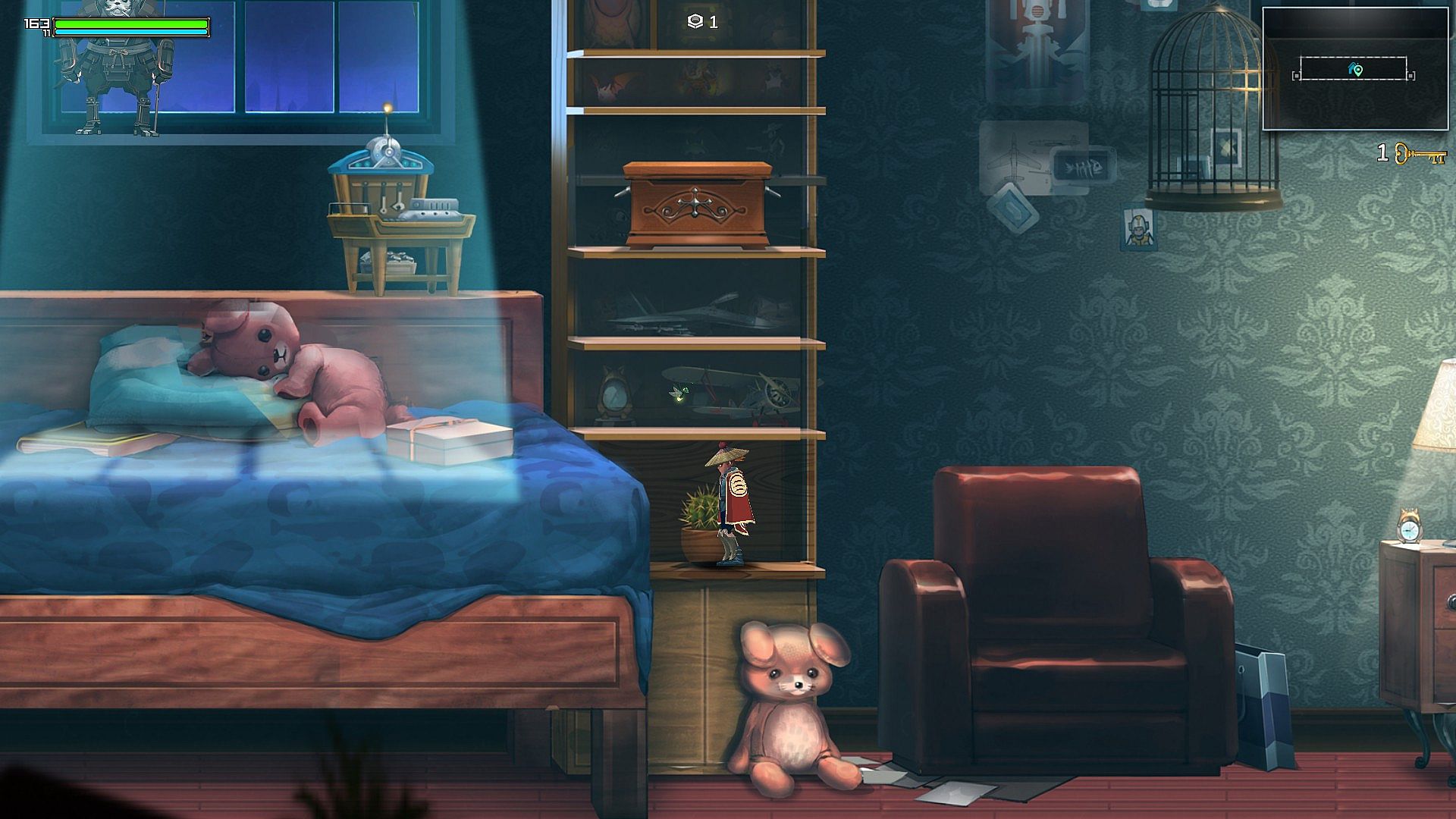
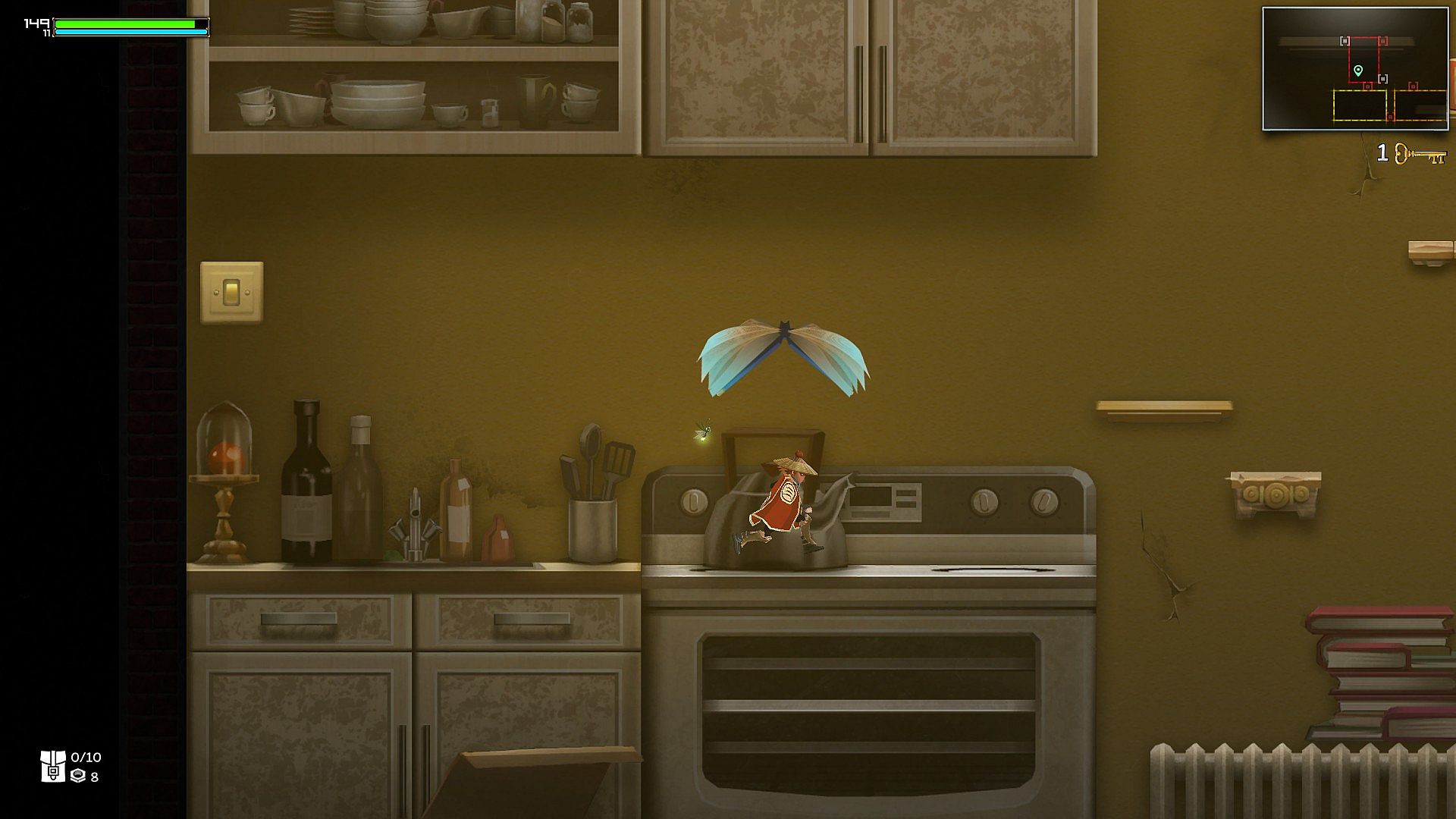
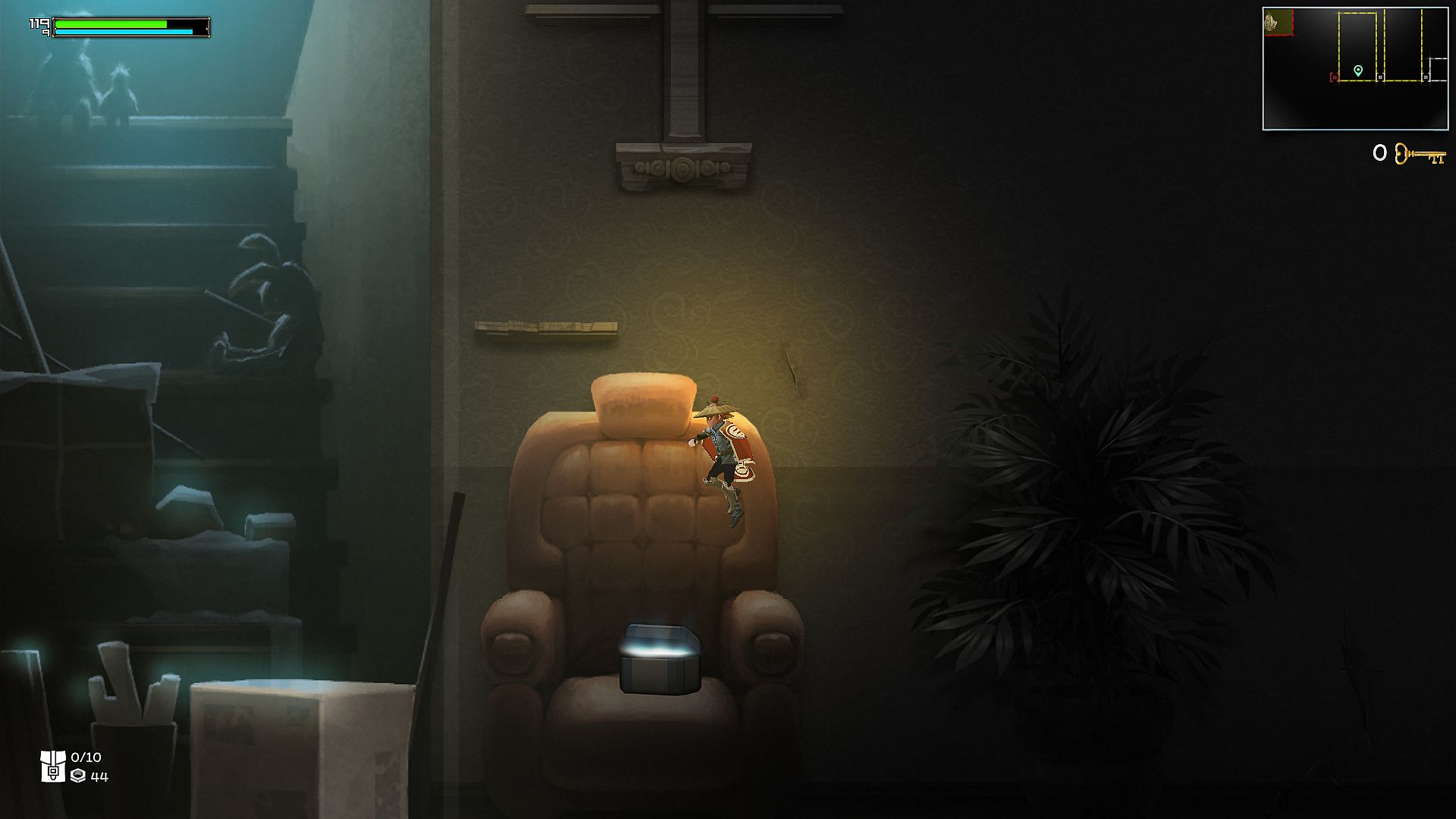
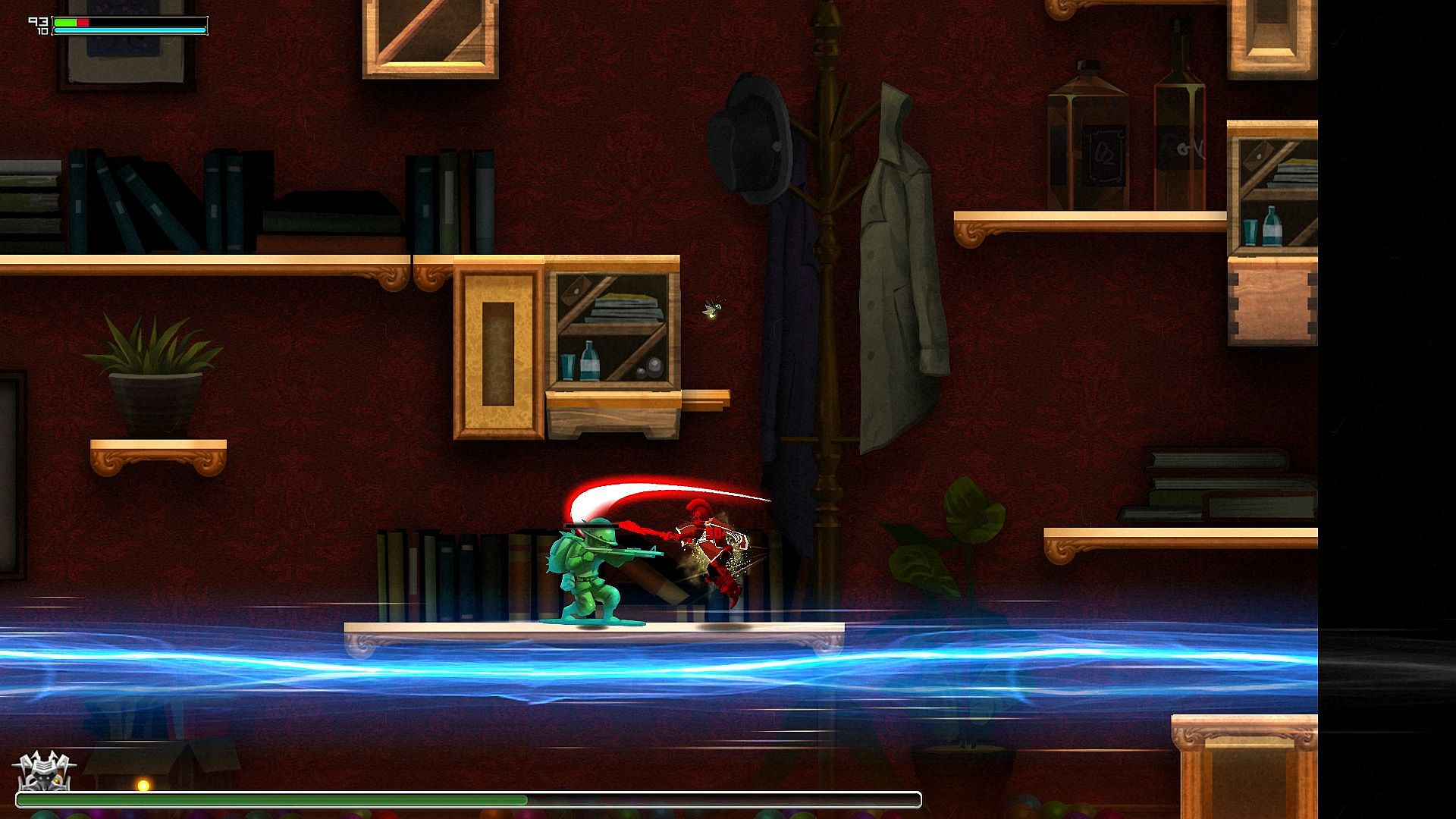
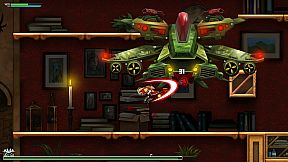
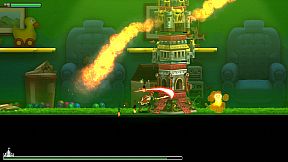
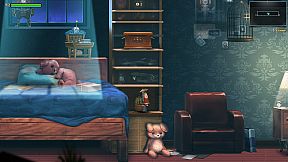

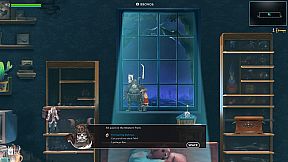
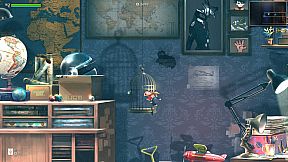
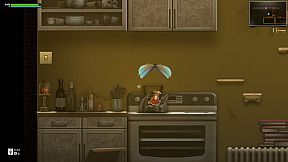
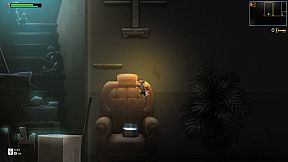
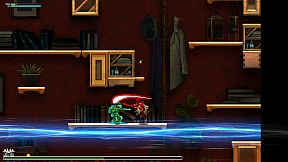
Toy Odyssey: The Lost and Found is a single-player action platformer with Metroidvania and roguelike elements. Players control Brand, an action figure brought to life, as he navigates a house overtaken by darkness to protect his young owner Felix from nightmares and corrupted toys. The experience centers on side-scrolling exploration through procedurally generated rooms each night, combat against numerous enemy types, resource collection, and upgrades that carry forward between attempts.
Gameplay
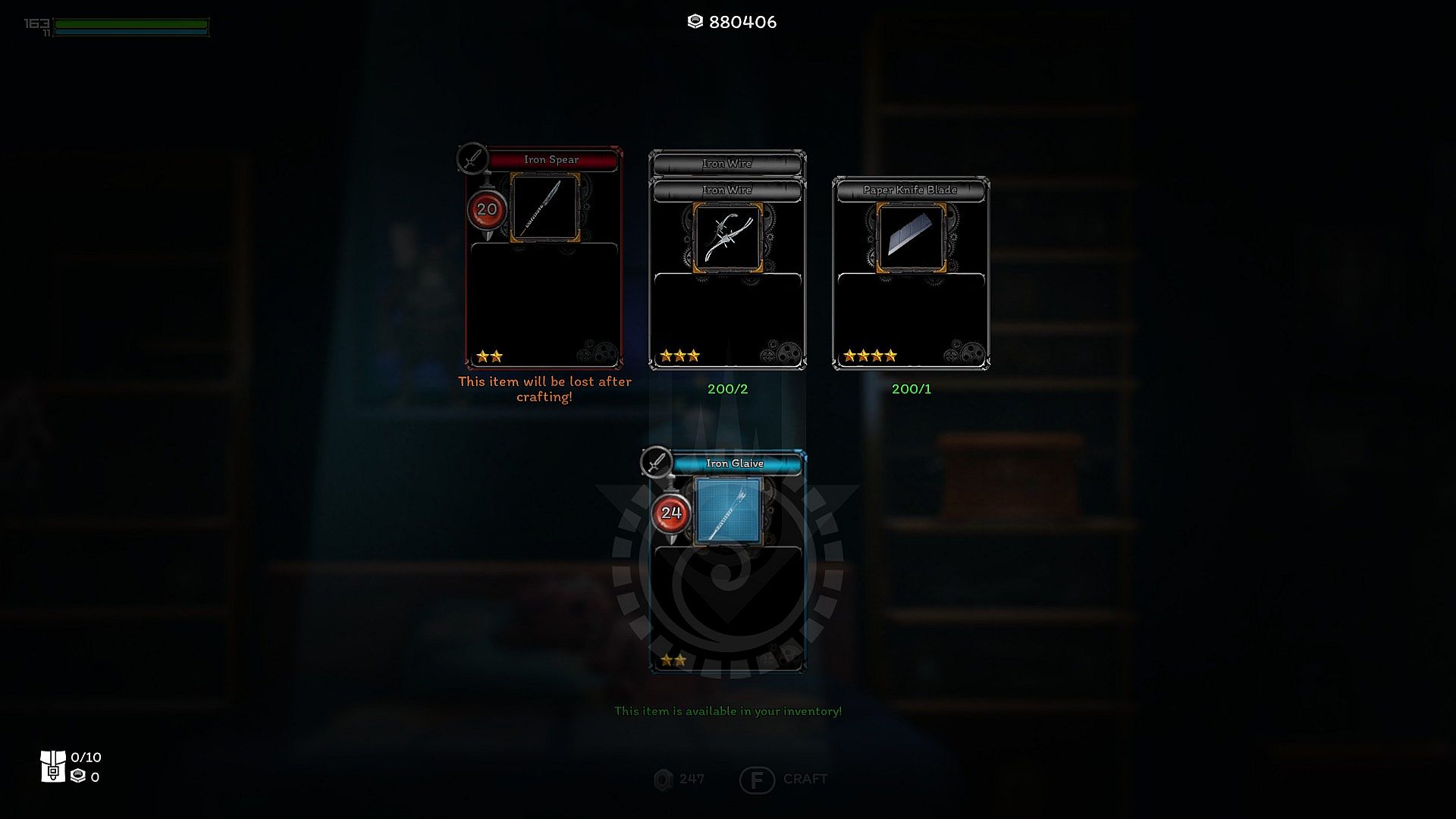
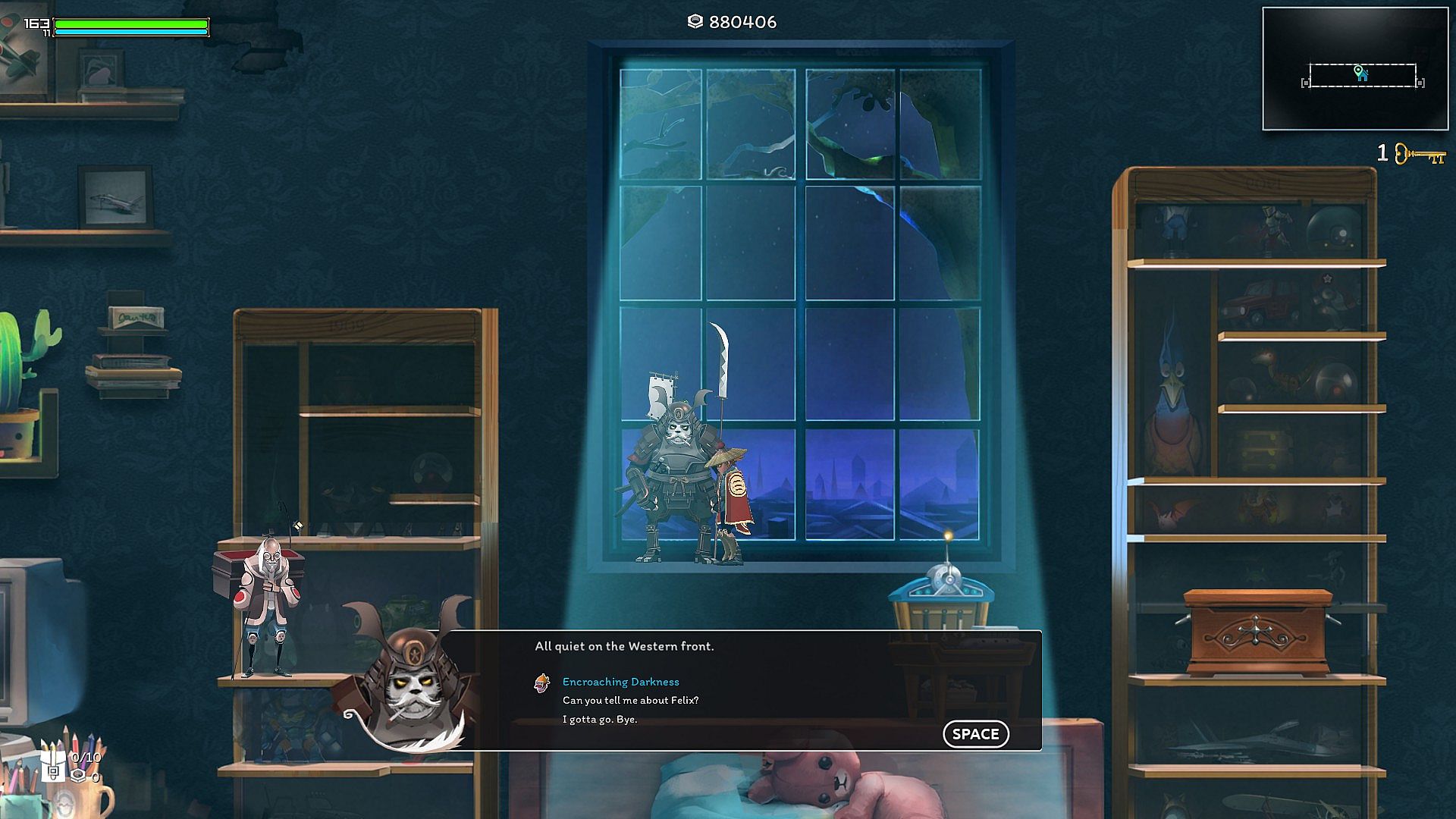
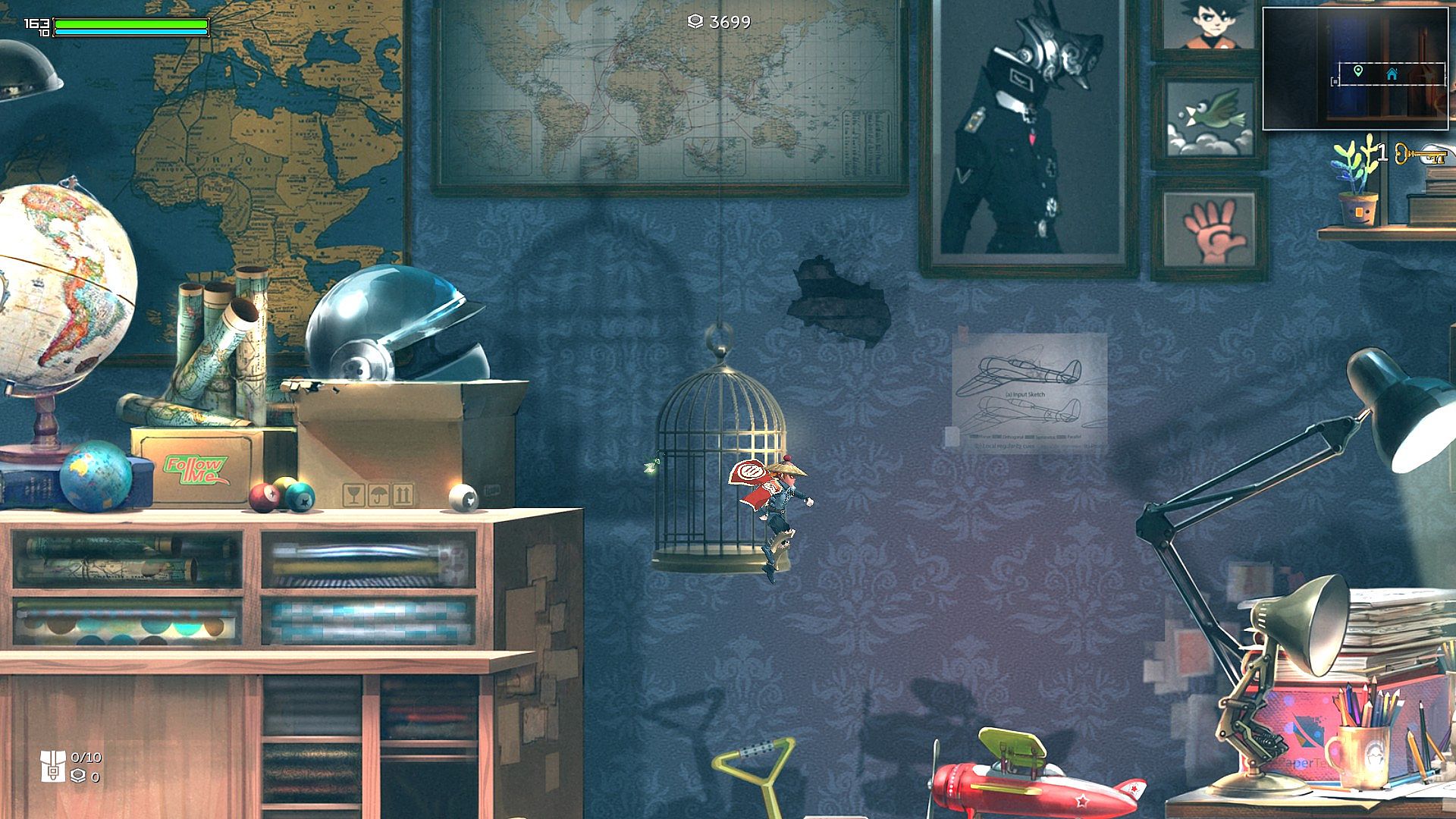
Core gameplay revolves around venturing out from the bedroom base into the randomly laid out house at night. Brand jumps, attacks, and solves environmental challenges while facing over 300 varieties of enemies and seven bosses. Death or completion of a night resets the house layout, forcing fresh navigation and encounters that emphasize adaptability over memorization. Players gather materials from defeated foes and containers to fuel a crafting system that produces new weapons and gear. Upgrades improve mobility, offense, and defense, with hundreds of options available through blueprints and resources. The bedroom serves as a persistent hub where collected items support both personal progression and defensive structures to repel raids by hostile toys when Brand is away. Platforming demands precision in vertical and horizontal spaces, with traps and enemy placements adding to the challenge. Dialog options provide optional story context without interrupting the action.
Game Modes
The game operates as a unified single-player loop without separate multiplayer or distinct named modes. Each session unfolds across successive nights, blending exploration of the procedural house, combat encounters, mission objectives such as rescuing toys or clearing rooms, and base management. Procedural generation ensures varied layouts, enemy placements, and item locations on every run, supporting extended play through repeated attempts. Base defense integrates as a core mechanic rather than a standalone mode, requiring resource allocation to fortify the bedroom against incoming threats. Progression ties these elements together as upgrades from one night enable deeper exploration and stronger defenses on subsequent nights.
Progression and Systems
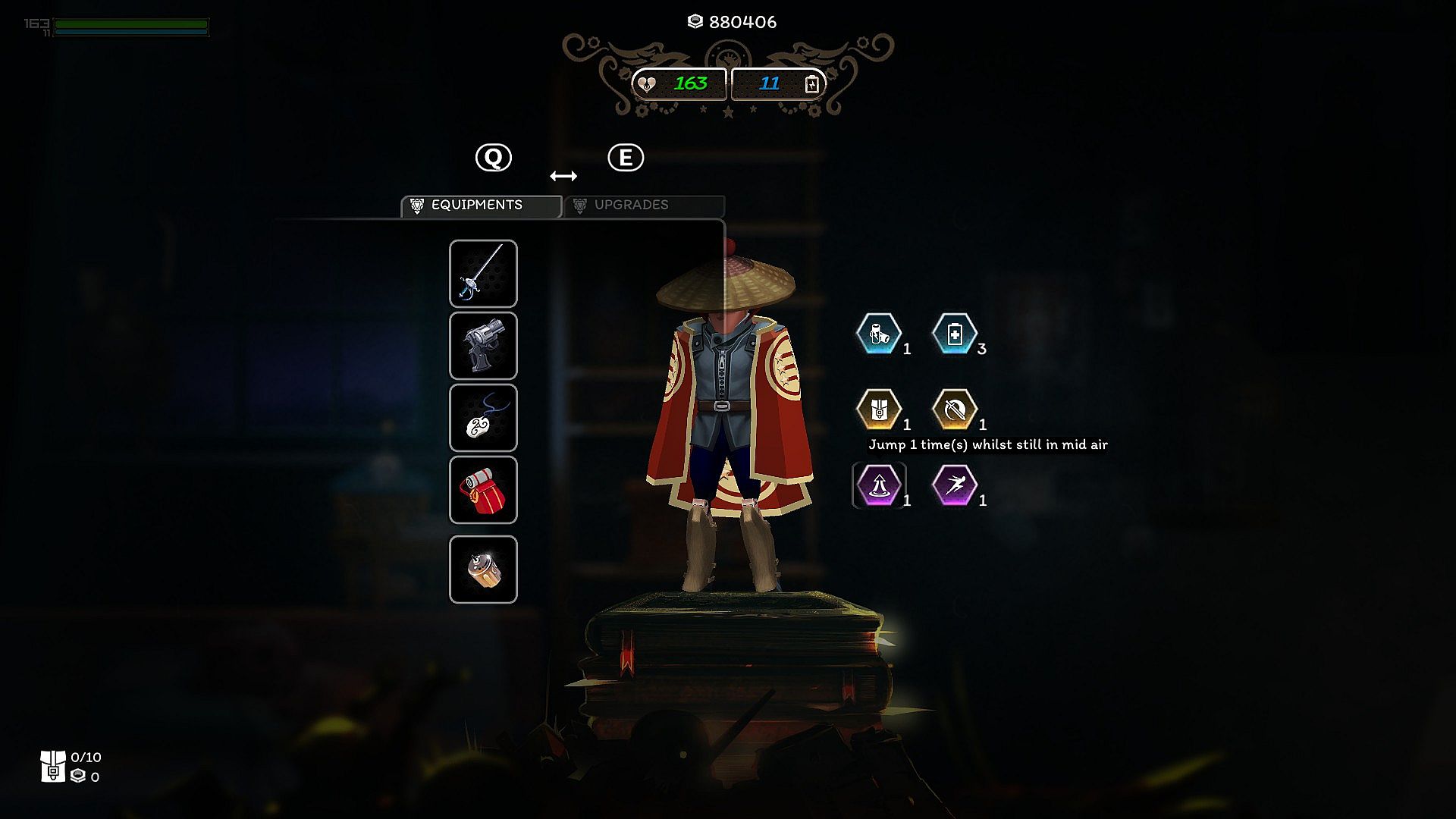
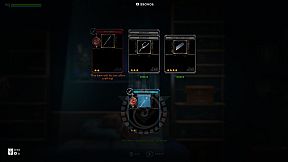
Brand starts with basic equipment and expands capabilities through a detailed crafting and upgrade tree. Materials feed into weapon creation, armor improvements, and ability unlocks that alter movement and combat options. The system rewards careful resource management, as cogs and parts must balance personal power with bedroom fortifications. Exploration reveals shortcuts, keys for locked areas, and collectibles that contribute to long-term advancement. Enemy variety demands strategic weapon choices, while boss encounters test learned patterns and upgraded tools. The overall structure supports multiple nights of play, with each reset introducing new configurations that prevent repetition despite the fixed setting.
Is It Worth Playing?
This title suits players who enjoy challenging single-player platformers that combine Metroidvania exploration with procedural resets and light base-building elements. The hard difficulty and randomization create a demanding loop that rewards persistence and experimentation with upgrades. Mixed player feedback highlights strong replay value from procedural changes and the satisfaction of incremental progress, alongside notes on occasional frustration from unpredictable enemy spawns and platforming precision. The game remains available as a complete experience from its 2016 release with no ongoing seasonal content or major updates required for the core content. Those drawn to retro-inspired 2D action with crafting depth and defensive strategy will find a focused adventure here, while those preferring structured levels or lenient difficulty may encounter more friction than intended.