










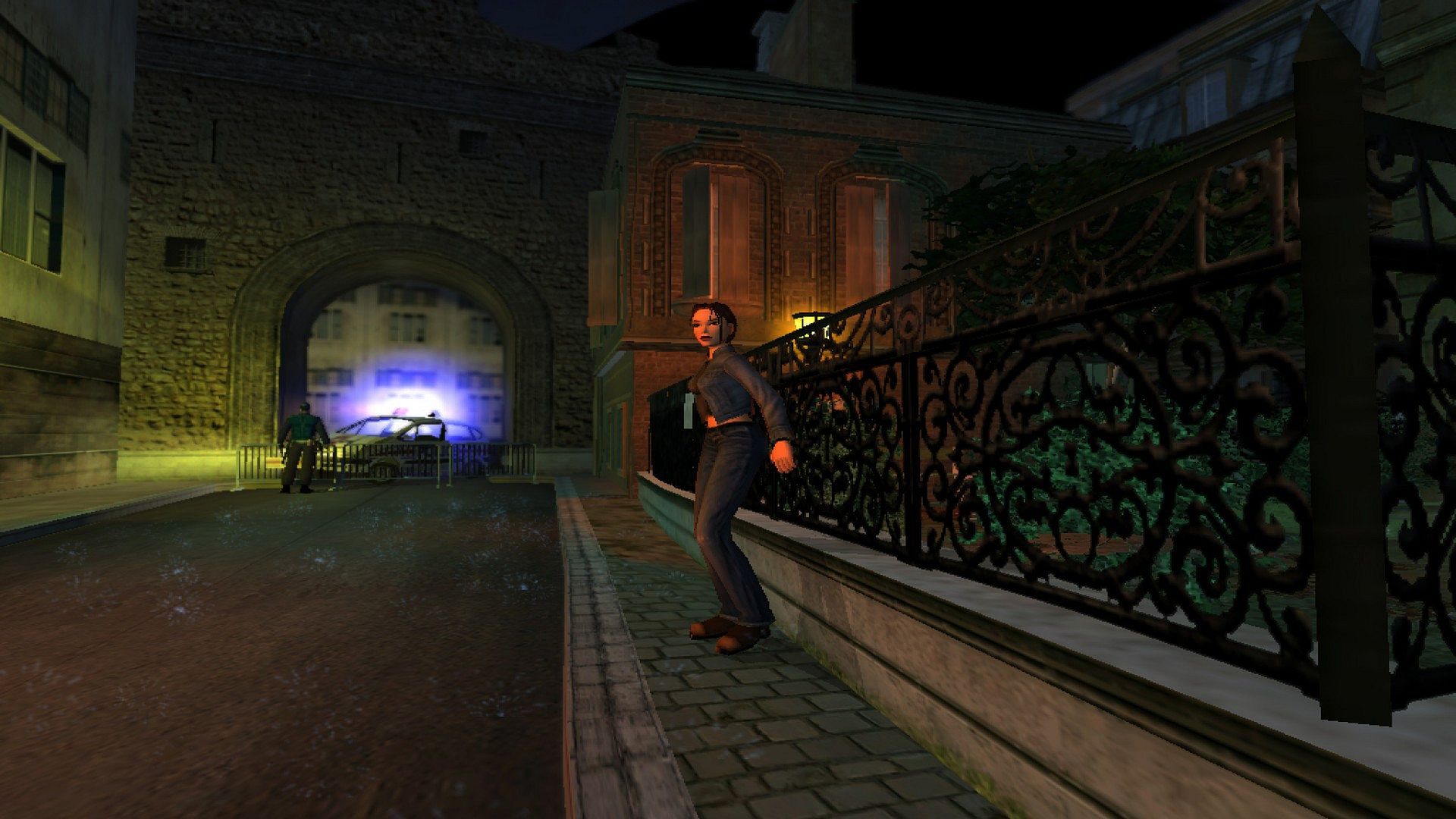


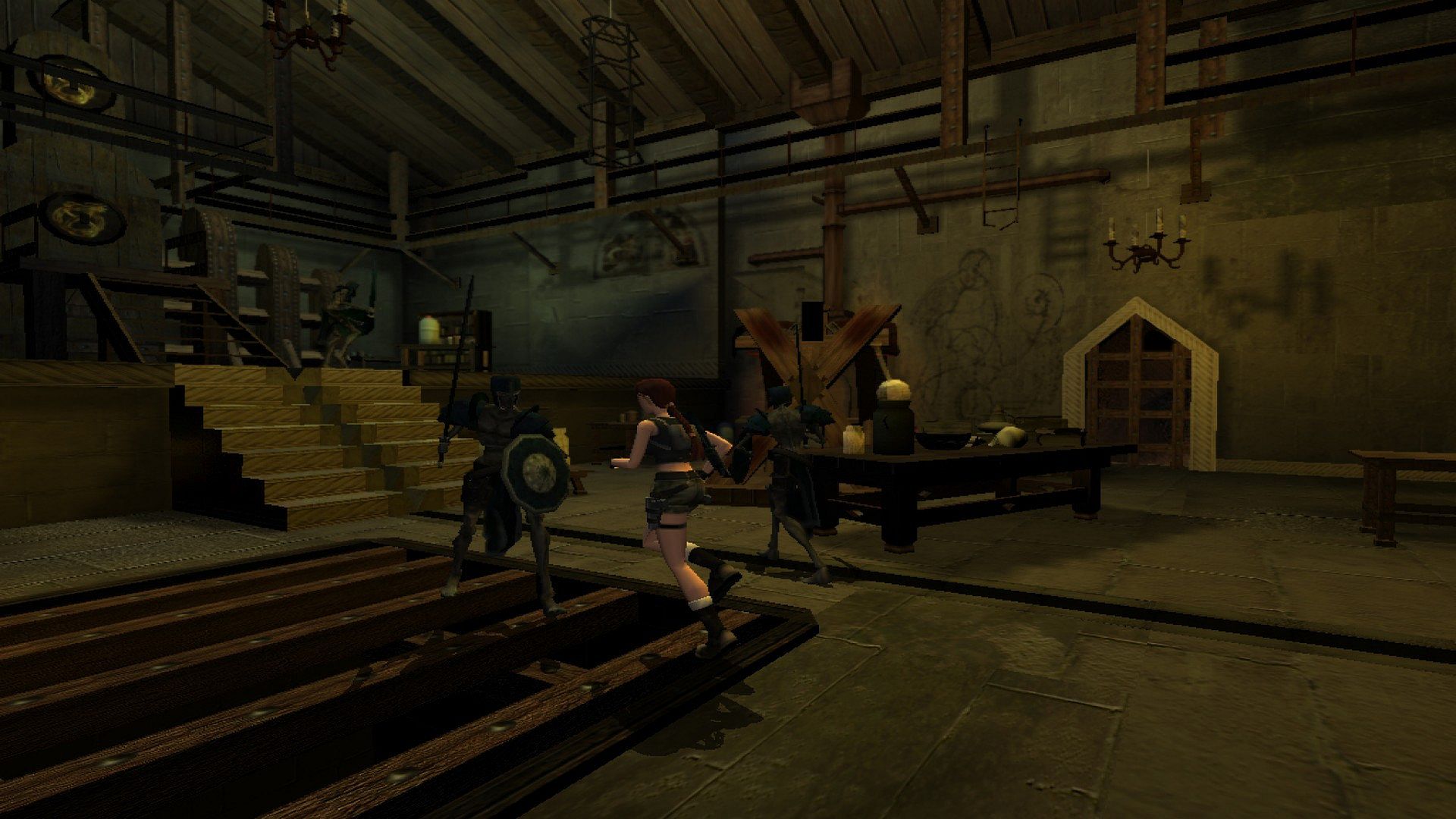


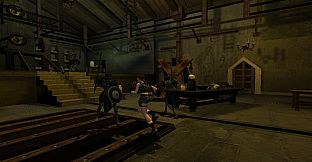
Tomb Raider VI: The Angel of Darkness is a 2003 action-adventure game centered on Lara Croft as she navigates a murder investigation that pulls her into conflict with an ancient alchemist and a hidden group of influential figures. The story begins with the killing of her former mentor Werner Von Croy, leaving Lara accused and forced to evade authorities while tracking the culprit through urban and hidden locations.
Gameplay
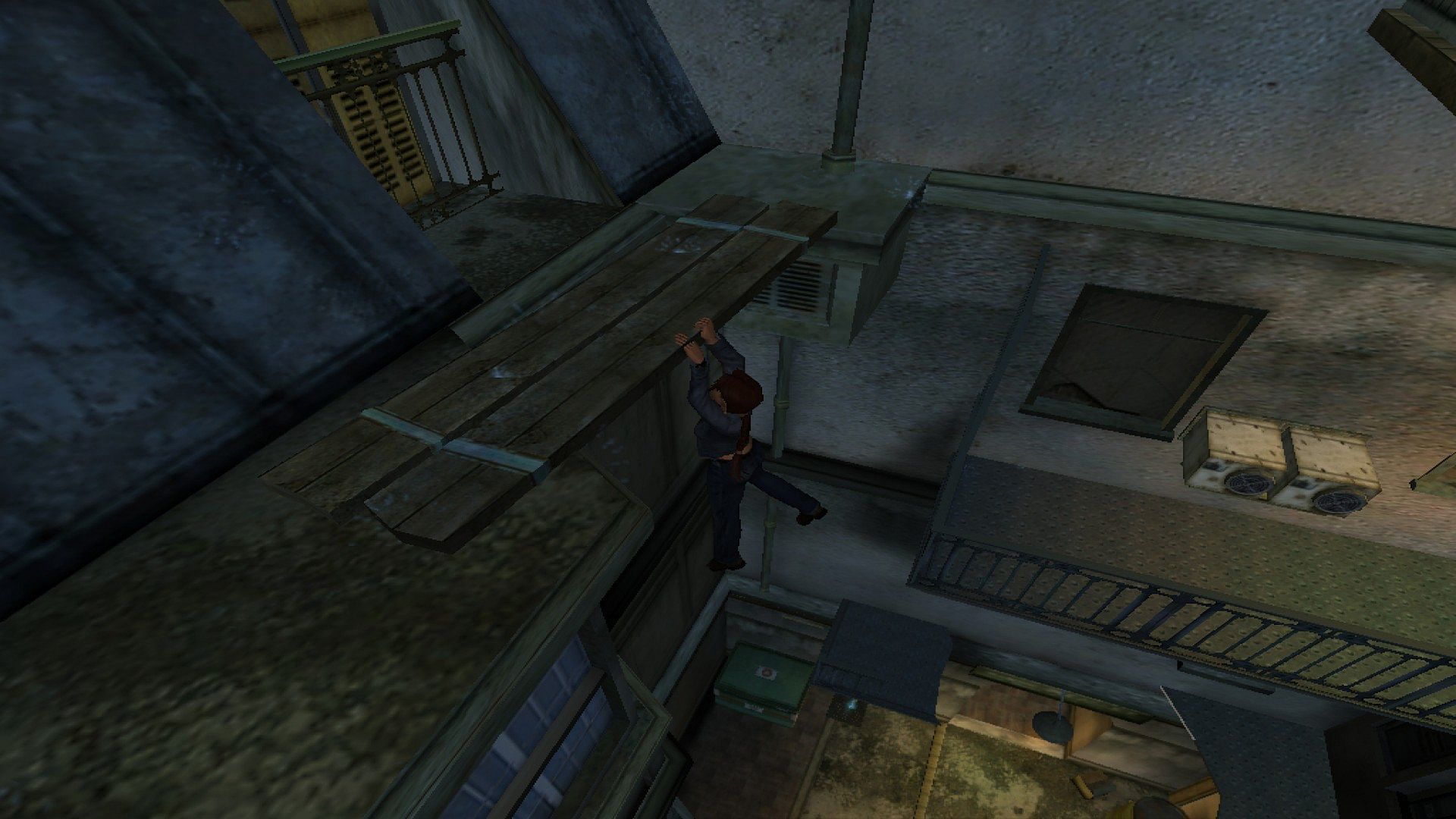
The core loop combines third-person platforming with puzzle solving and combat encounters. Players guide Lara through environments using established moves such as jumping, climbing, swimming, crawling, and rope swinging, alongside standard shooting mechanics. A dedicated stealth mode allows quieter movement and surprise attacks on enemies, while hand-to-hand combat expands close-range options during confrontations.
New systems introduce character progression tied to exploration and puzzle completion. Successful actions improve specific attributes including jumping distance, upper body strength, and mental acuity, altering how Lara handles later challenges. Conversations with non-player characters appear for the first time in the series, with dialogue choices shaping available paths and outcomes in certain sequences.
Controls emphasize precision in tight spaces, requiring timed jumps, grabs, and sidesteps to avoid falls or detection. Lara can toggle between running and walking to maintain balance on narrow ledges, and additional abilities like sprint dives become available as attributes advance. These elements create a deliberate pace focused on navigation and timing rather than rapid action.
Game Modes
The game operates exclusively in single-player mode. There are no multiplayer options, competitive arenas, or cooperative features. Progression follows a linear campaign structure divided across distinct locations, with players advancing through story-driven objectives that mix platforming sequences, combat sections, and environmental puzzles.
Exploration rewards come in the form of ability upgrades rather than separate modes or side activities. The entire experience centers on completing the main narrative path, with limited branching based on conversation decisions that affect route access but do not create alternate game modes.
Story and Setting
The narrative unfolds across Parisian streets, abandoned buildings, and secretive facilities as Lara pursues leads on the alchemist and the mysterious alliance. Accusations of murder force her into fugitive status, blending investigation with direct confrontations against guards and other threats. The plot incorporates themes of betrayal and hidden powers without relying on supernatural elements from earlier entries.
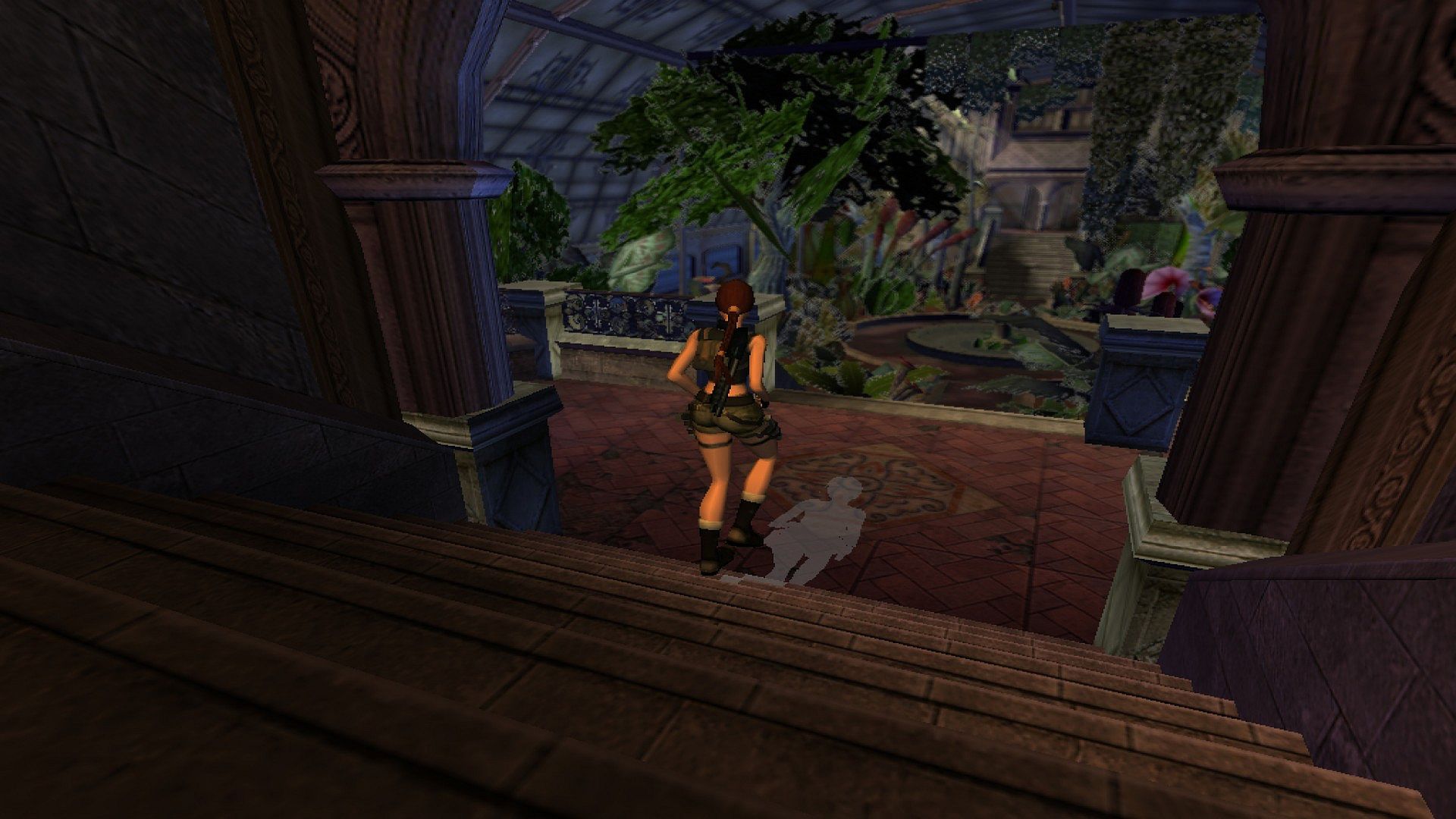
Locations vary from crowded city districts to underground complexes, each presenting unique platforming and puzzle demands. Character interactions add layers to the investigation, allowing players to gather information or influence events through choices during dialogues.
Is It Worth Playing?
This title suits players who enjoy methodical third-person action-adventure experiences with strong emphasis on platforming precision and puzzle integration. The single-player campaign delivers a self-contained story that rewards careful navigation and attribute management over repeated playthroughs.
Reception among longtime fans often highlights the introduction of stealth and conversation systems as notable evolutions, though some note the controls require adjustment compared to prior games in the series. The game remains available on PC platforms and runs on modern hardware without additional updates or seasonal content.
Those seeking fast-paced multiplayer or live-service elements will find little here, as the focus stays on the solo campaign. Players interested in classic Tomb Raider mechanics with added depth in character development and dialogue may find the experience engaging despite its age.