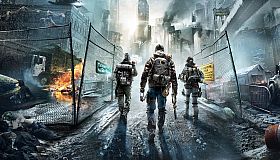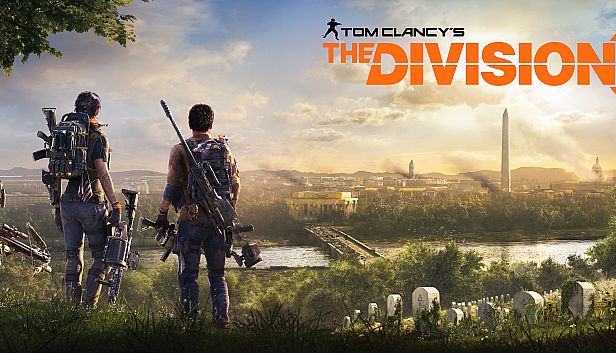





Tom Clancy's The Division 2 is a tactical open world third-person shooter with strong RPG progression elements. Players take on the role of a Strategic Homeland Division agent tasked with restoring order to Washington, D.C. in the aftermath of a devastating pandemic. The game blends cover-based combat, loot-driven character building, and cooperative play across a persistent city environment that changes with player actions and seasonal events.
Gameplay
Combat centers on tactical positioning behind cover during intense firefights. Players use a mix of firearms, grenades, and deployable skills to outmaneuver enemies. Positioning and timing utility items often determine success more than raw firepower. The open world encourages exploration of neighborhoods, strongholds, and landmarks while completing objectives that restore control points and civilian settlements.
Character progression revolves around looting and crafting high-quality gear. Agents customize loadouts with weapons, armor, and mods that alter stats and playstyles. Skills such as turrets, drones, and seeker mines add layers of strategy, while specializations provide signature weapons and talent trees. These include the Demolitionist with its grenade launcher focus, the Sharpshooter emphasizing long-range precision, and the Survivalist centered on traps and status effects. Additional specializations like Technician, Gunner, and Firewall expand options further into the endgame.
Weather, faction patrols, and dynamic events keep the city reactive. Factions such as the Hyenas, Outcasts, True Sons, and the more advanced Black Tusk each employ distinct tactics and enemy types that require adapted approaches.
Game Modes
The core experience begins with the campaign, a series of story-driven missions that guide players through the reclamation of key districts. These missions scale in difficulty and introduce new mechanics gradually.
Cooperative play supports up to four agents on missions, bounties, and control point liberations. Team synergy becomes essential when combining specializations and sharing resources during tougher encounters.
PvP options include Conflict, a structured 4v4 mode with variants such as Skirmish and Domination. Dark Zones function as contested extraction areas where players balance PvE threats against potential PvP interference while securing high-value loot.
Endgame activities expand further with raids, incursions, and world events that rotate regularly. These modes emphasize coordinated team play and build optimization against scaled challenges.
Endgame and Progression
Reaching the initial level cap marks the start of deeper systems. World tiers increase enemy strength and loot quality, while seasons introduce fresh story beats, gear prototypes, and modifiers. Players continue refining builds through targeted farming of specific activities and crafting benches.
Dynamic world events and faction control shifts create ongoing reasons to return. Seasonal content keeps challenges varied, with new rewards tied to participation in escalated difficulties and special assignments.
Is It Worth Playing?
The Division 2 delivers a satisfying loop for players who enjoy methodical cover shooters paired with meaningful loot progression and cooperative teamwork. Its persistent world and regular seasonal updates maintain relevance years after launch, with active content pipelines including Year 8 Season 1 titled Rise Up. The PS5 version benefits from enhanced performance that supports smoother gameplay.
Those drawn to tactical decision-making, build experimentation, and group coordination will find substantial depth. Solo players can progress through much of the campaign and many activities, though the experience shines brightest in coordinated squads. Ongoing support and evolving endgame content make it a strong choice for fans of the genre seeking a long-term engagement.