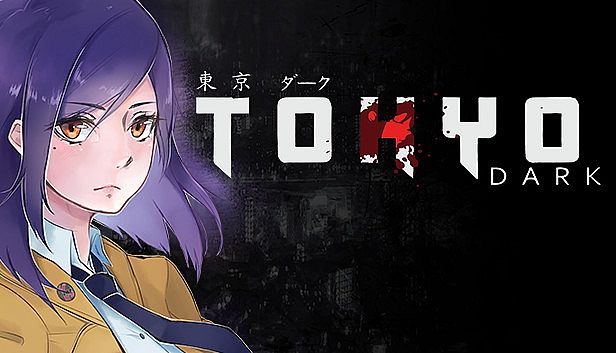













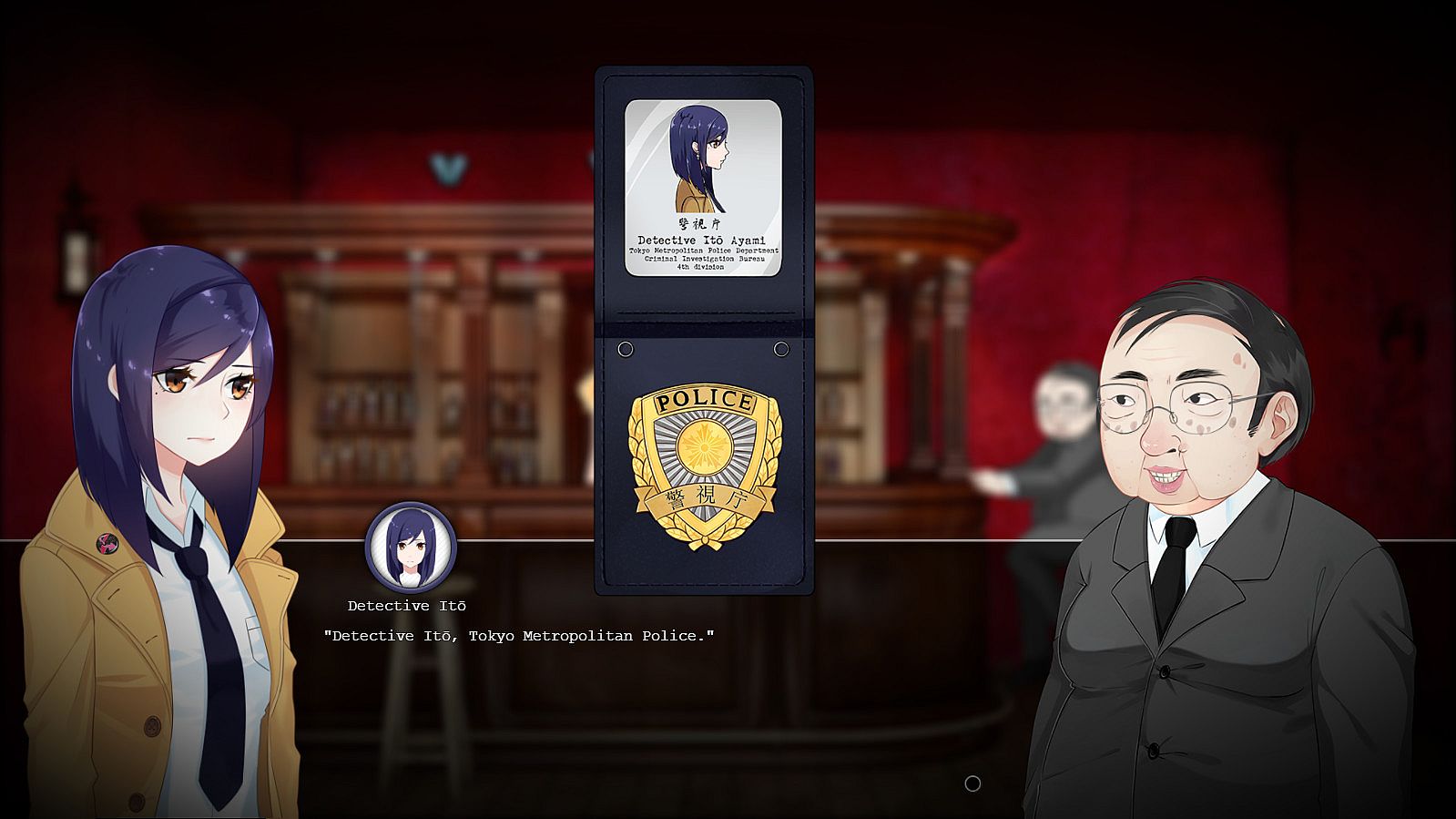

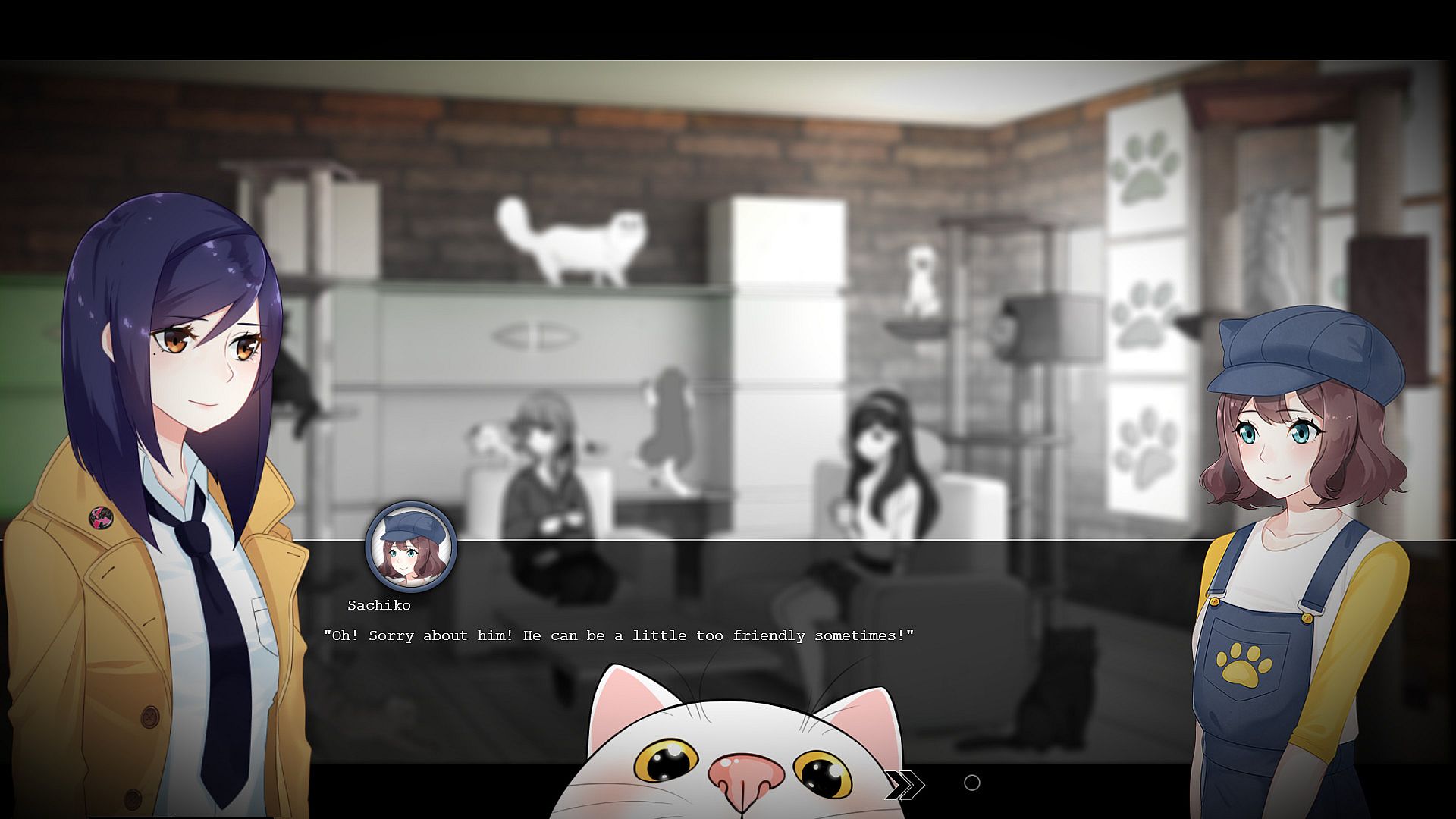

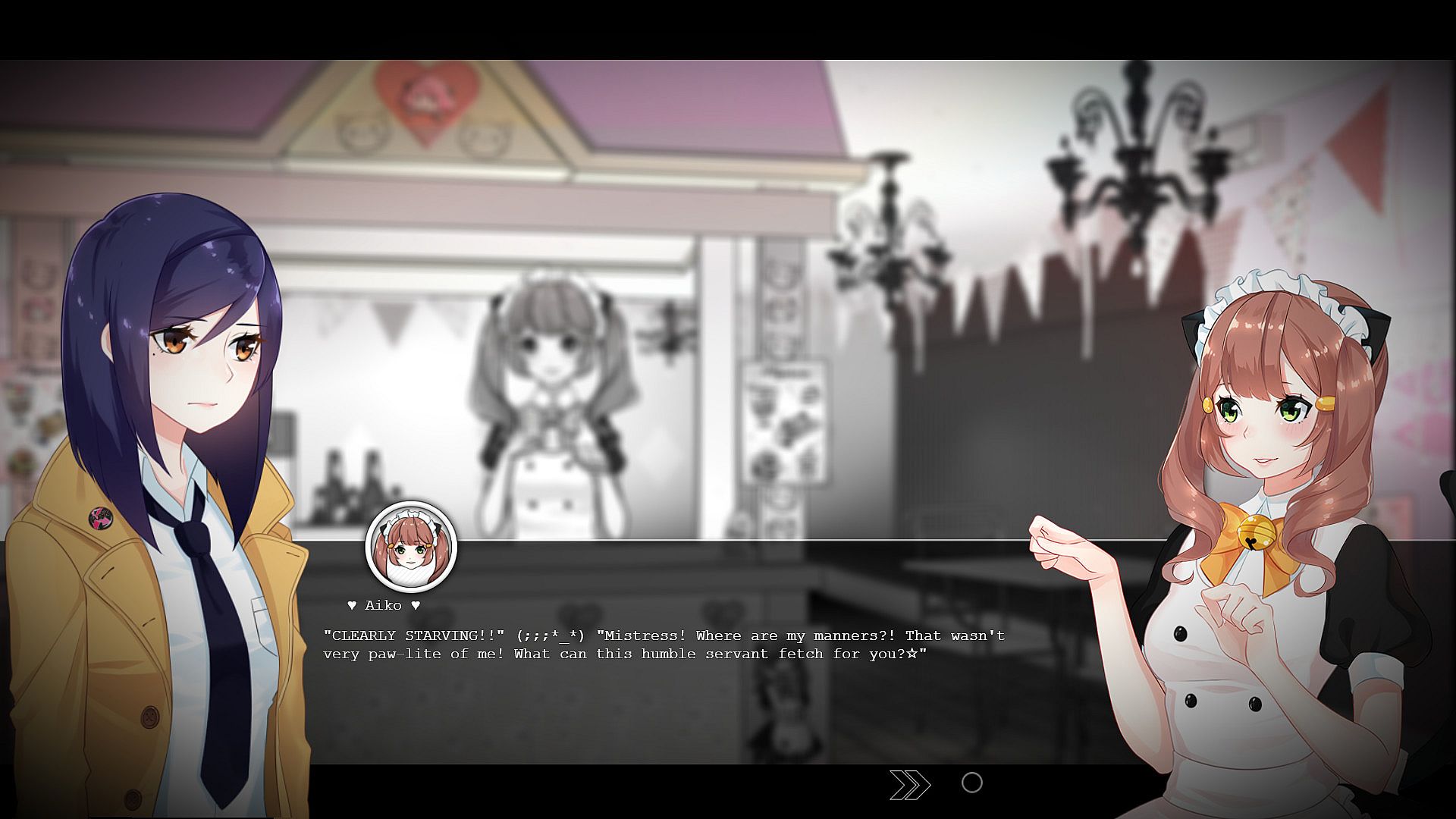

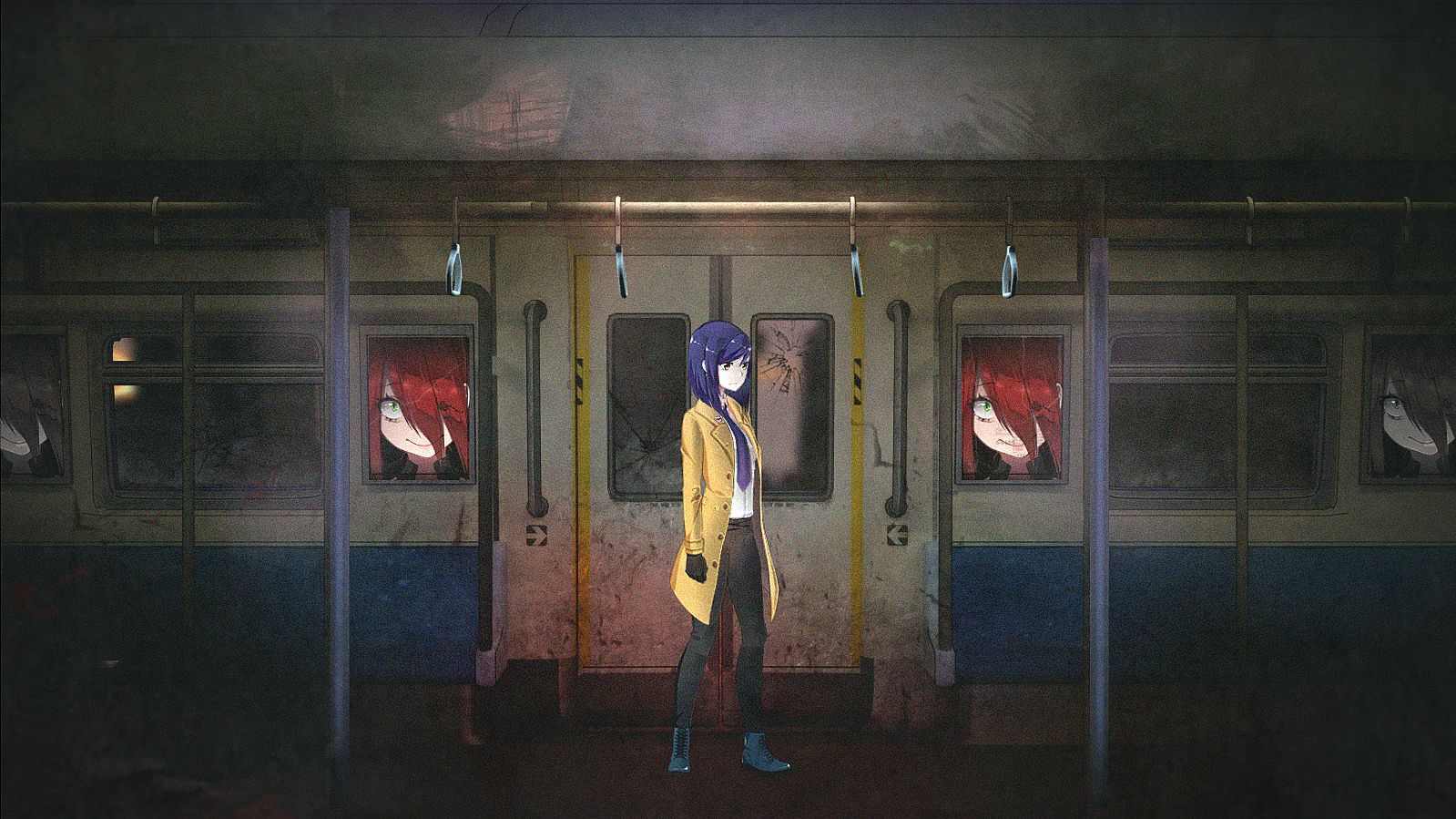
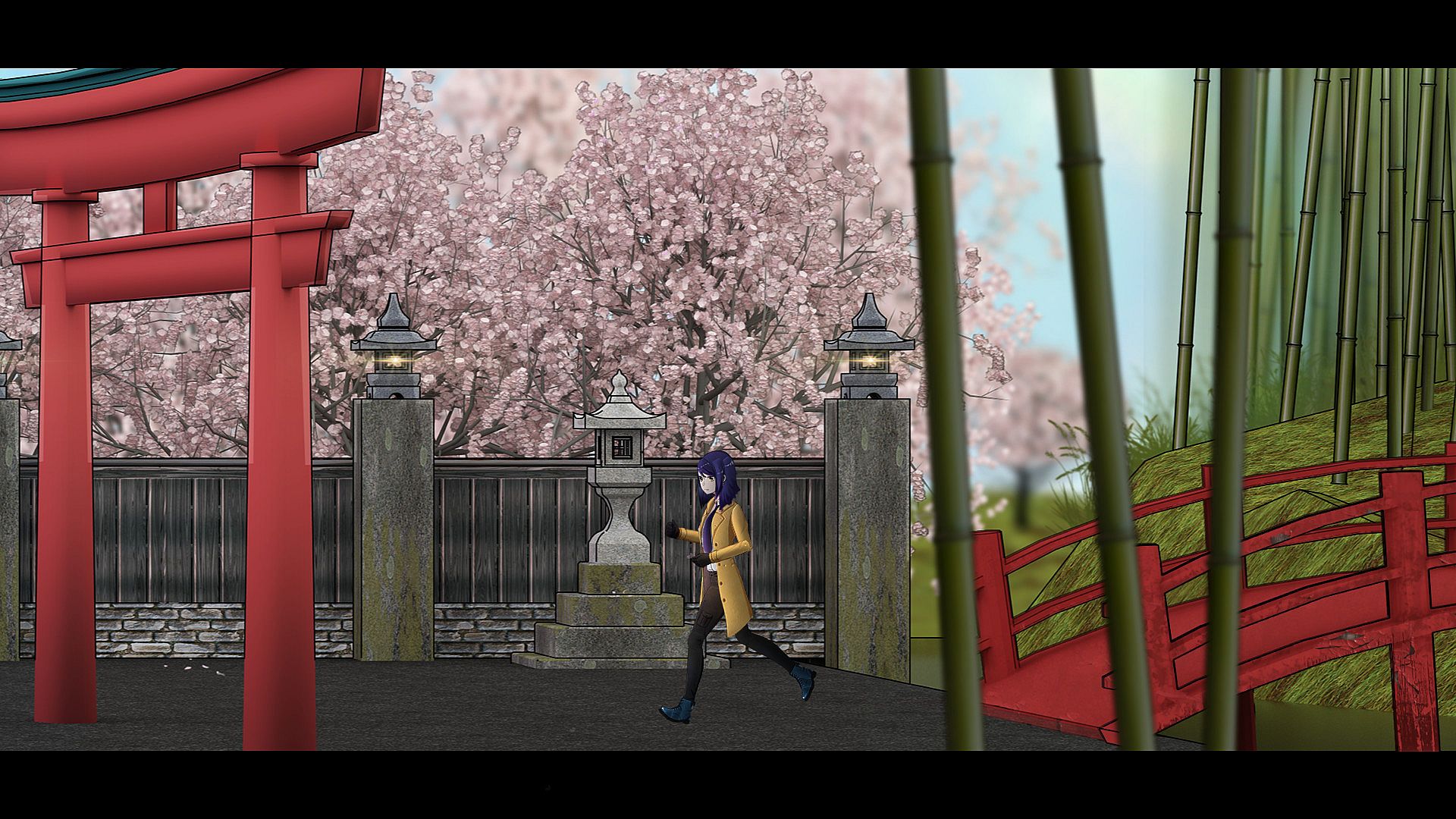
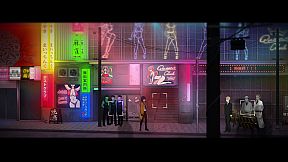







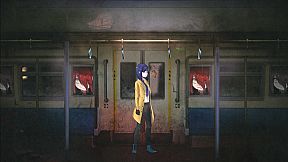
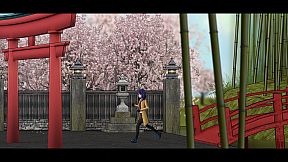
Tokyo Dark is a single-player point-and-click adventure game that blends exploration and puzzle elements with the narrative focus of visual novels. Players take on the role of Detective Ayami Ito as she searches for her missing partner in a story that grows increasingly unsettling and introspective. Decisions shape not only the path forward but also the protagonist's mental state, leading to multiple conclusions in a dark Tokyo setting.
Gameplay
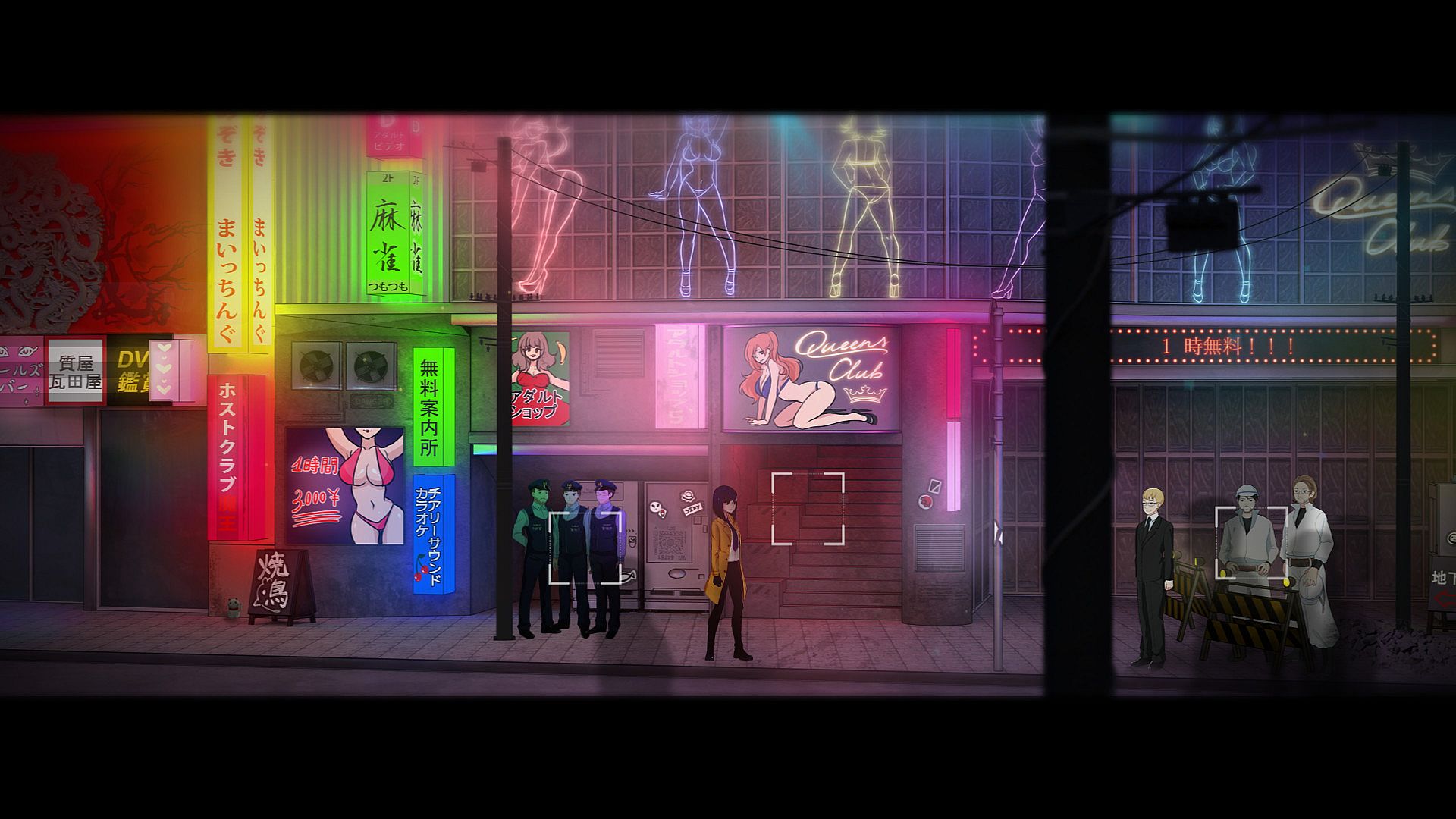
The core loop involves navigating scenes from a side perspective using mouse controls to move left or right across locations. Interactable objects and characters appear as hotspots, where players select contextual actions from a menu to examine items, speak with others, or progress through the environment. Puzzle solving arises through discovery and logical connections between clues, while timed choices add tension during key moments. The experience emphasizes careful observation and interaction over complex mechanics, allowing the story to unfold through these encounters.
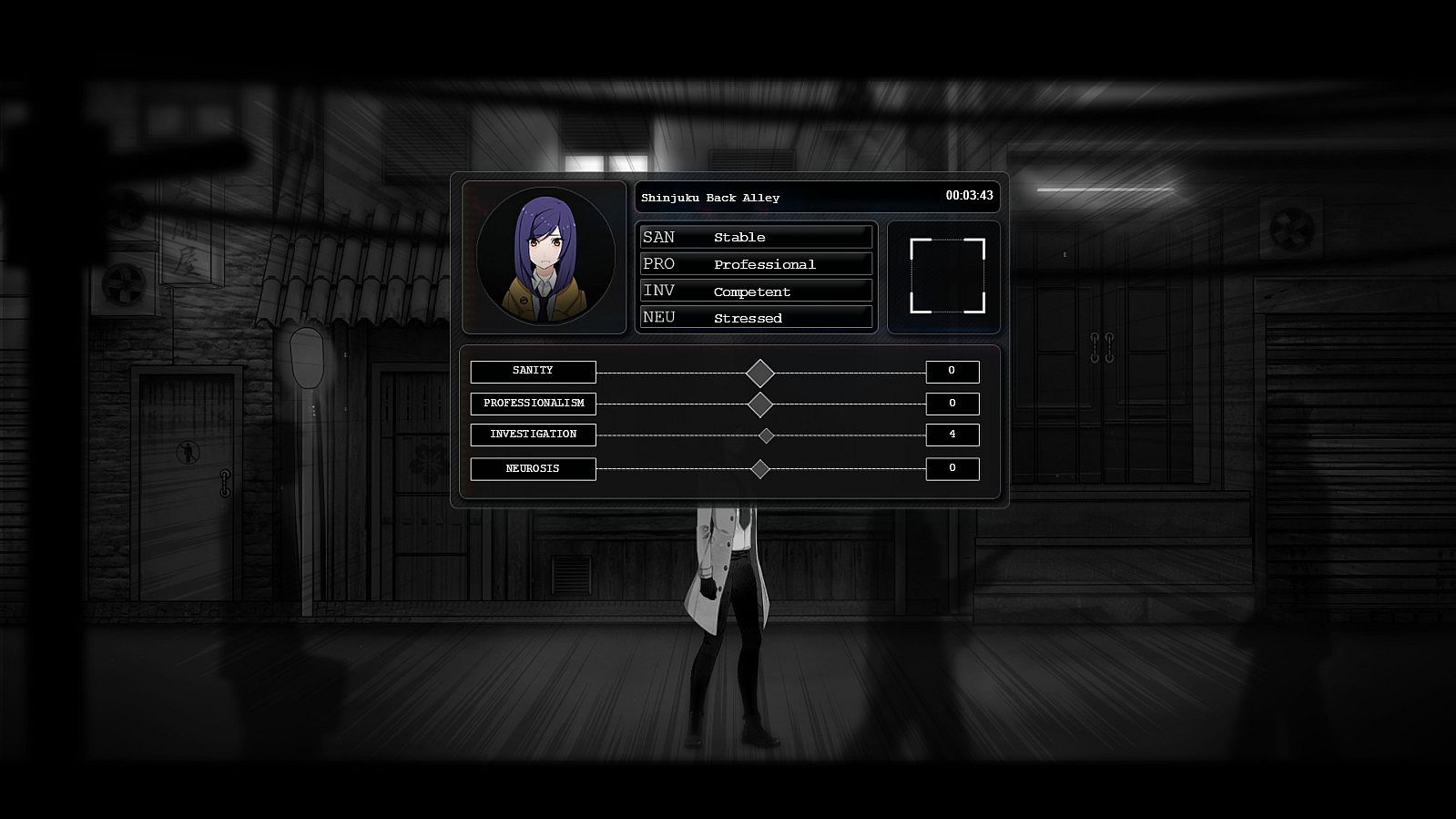
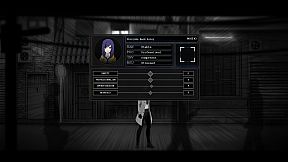
Central to progression is the SPIN system, which monitors four attributes: Sanity, Professionalism, Investigation, and Neurosis. Every action and dialogue selection influences these values, altering how characters respond and which options become available in future scenes. High neurosis from repetitive behavior can accelerate sanity loss, for example, while balanced investigation skills might unlock deeper insights. This tracking creates a feedback loop where mental state directly impacts available paths and interactions without requiring separate menus for management.
Game Modes
Tokyo Dark operates entirely in single-player format with a focus on one continuous narrative campaign. The structure supports extensive replay through its branching design, where player choices determine the outcome across a total of eleven distinct endings. These conclusions range from resolutions tied to specific attribute balances to more abrupt conclusions based on early decisions.
New Game+ serves as the primary replay mode. It places the player directly at decision points leading to each of the eleven endings, streamlining the process of exploring alternate routes without restarting from the beginning. This mode facilitates targeted experimentation with the SPIN system to reach previously inaccessible conclusions.
Narrative and Presentation
The story follows Detective Ito as an initial missing-person case expands into questions about her own past and perception of reality. Animated sequences produced by the studio Graphinica punctuate key moments with fluid, high-quality visuals that enhance the psychological tone. The narrative integrates point-and-click discovery with dialogue-driven revelations, creating a hybrid that rewards attention to both environmental details and conversational outcomes.
An original soundtrack composed by Matt Steed supports the atmosphere throughout, while Japanese novelist Ureshino Kimi handled localization to maintain cultural nuance in the text. These elements combine to deliver a focused experience centered on consequence and introspection rather than action or combat.
Is It Worth Playing?
Tokyo Dark appeals most to players who enjoy narrative-driven adventures where choices carry weight and multiple playthroughs reveal new layers. The SPIN system and eleven endings provide clear incentives for revisiting the story, particularly through New Game+ accessibility. Reviews from the time of release highlighted its engaging mystery and psychological elements, with many noting the satisfying payoff from tracking mental state changes across runs.
Those seeking fast-paced action or extensive puzzle complexity may find the deliberate pacing and emphasis on dialogue less engaging. The game remains available as a complete title with no ongoing seasonal content or expansions required for the full experience. Players interested in psychological thrillers and branching stories will find the verified mechanics and structure deliver consistent replay value without unnecessary additions.