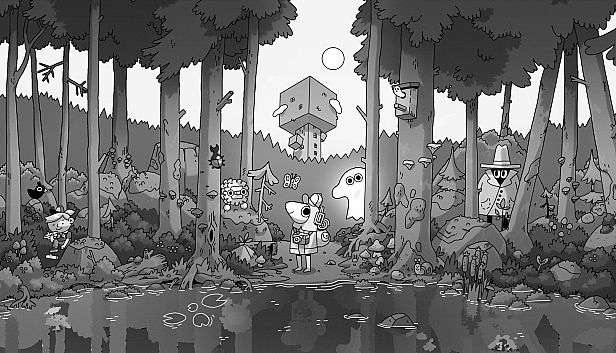


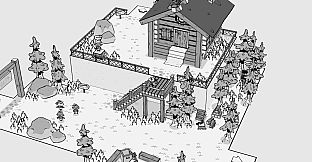

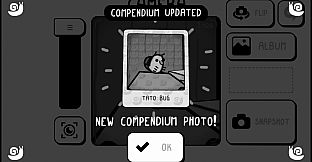
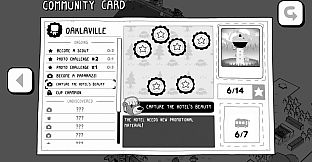
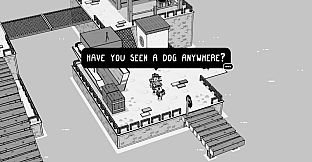
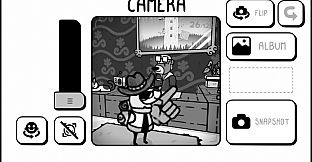
TOEM is a casual adventure game centered on photography and exploration in a hand-drawn world. Players take on the role of a young photographer setting out from home with a camera gifted by family, aiming to witness and capture the magical phenomenon known as TOEM. The experience unfolds across a series of distinct locations connected by bus travel, where progress depends on completing photo-related tasks for local residents.
Gameplay
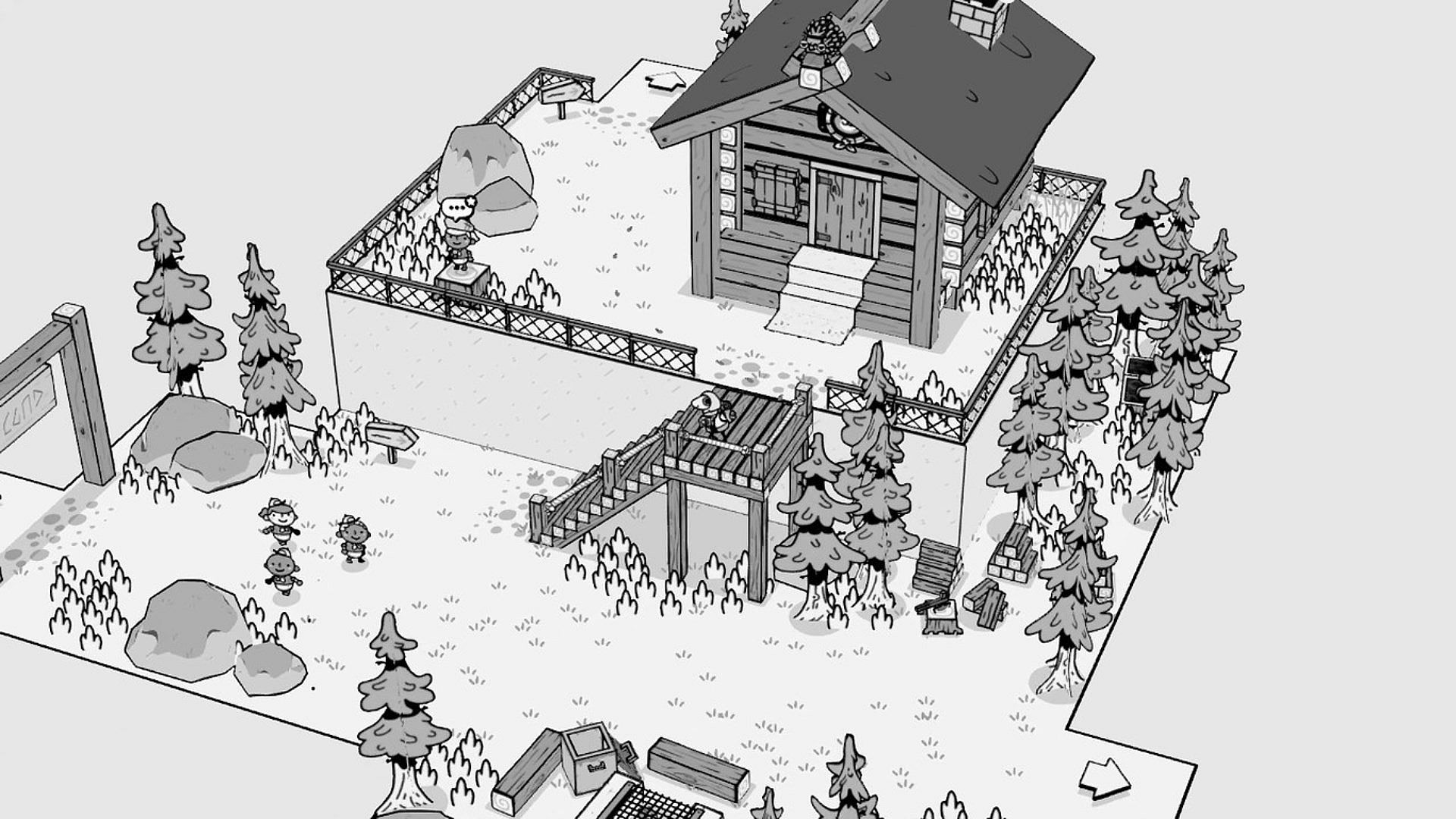
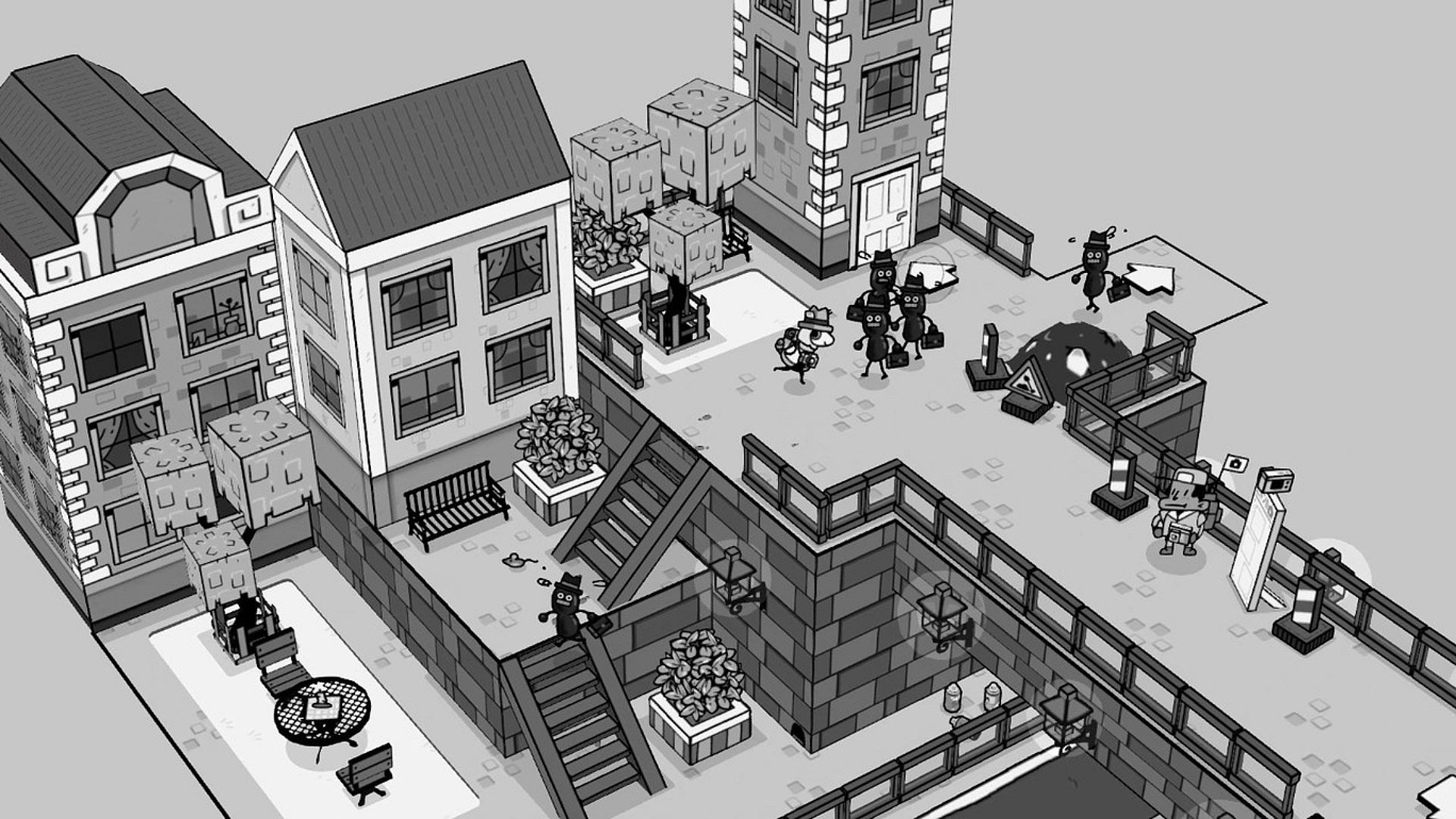
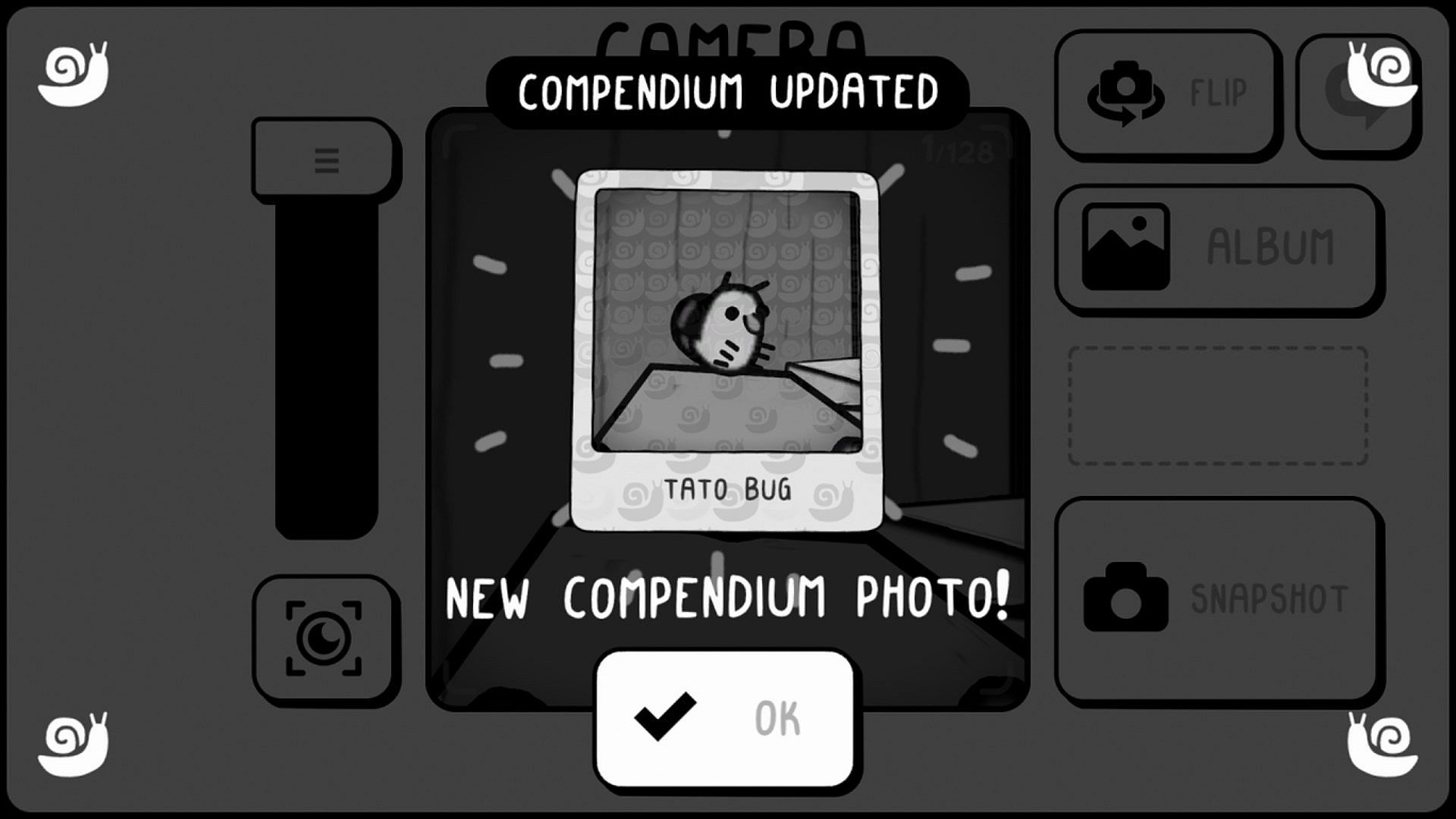
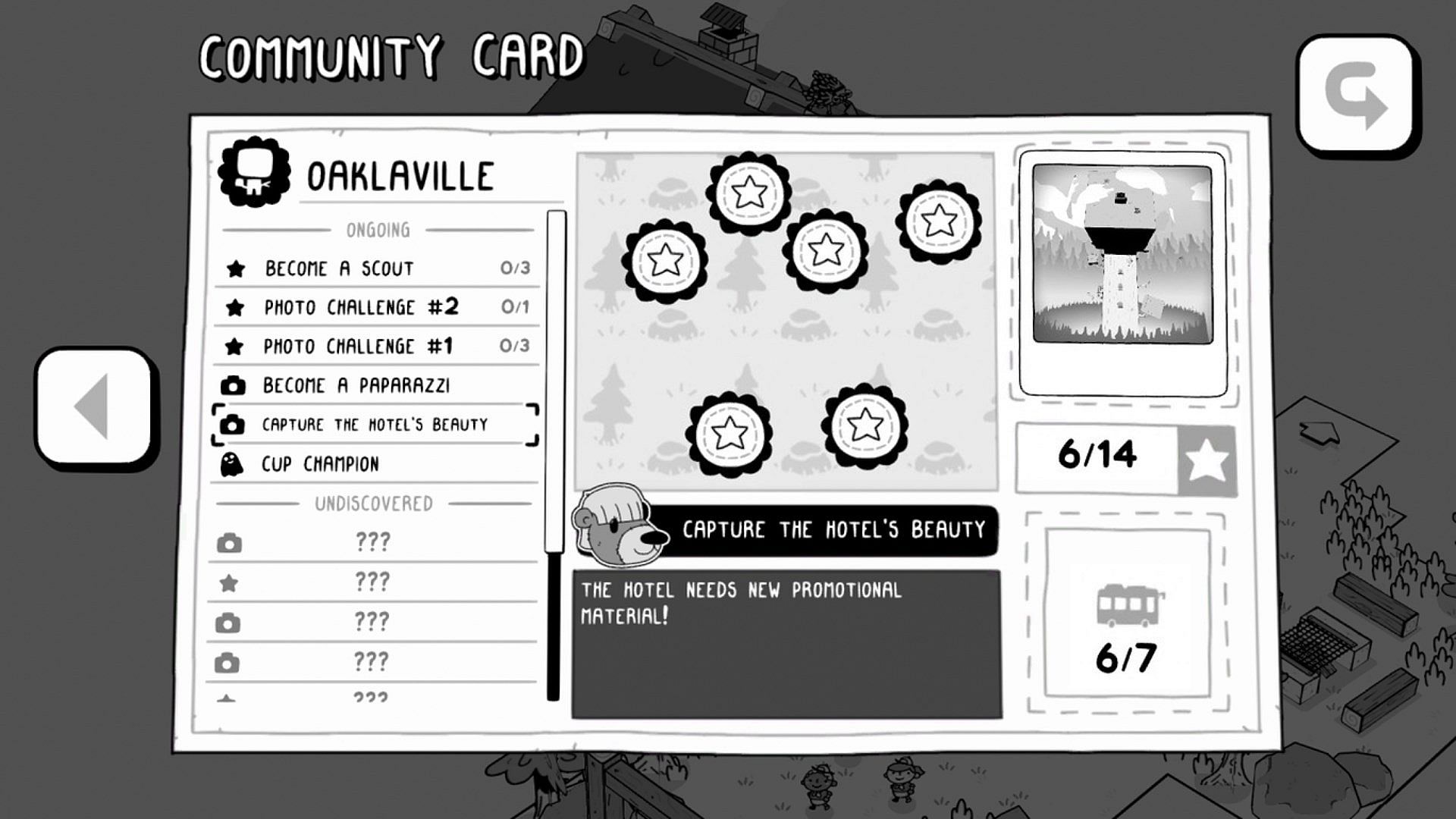
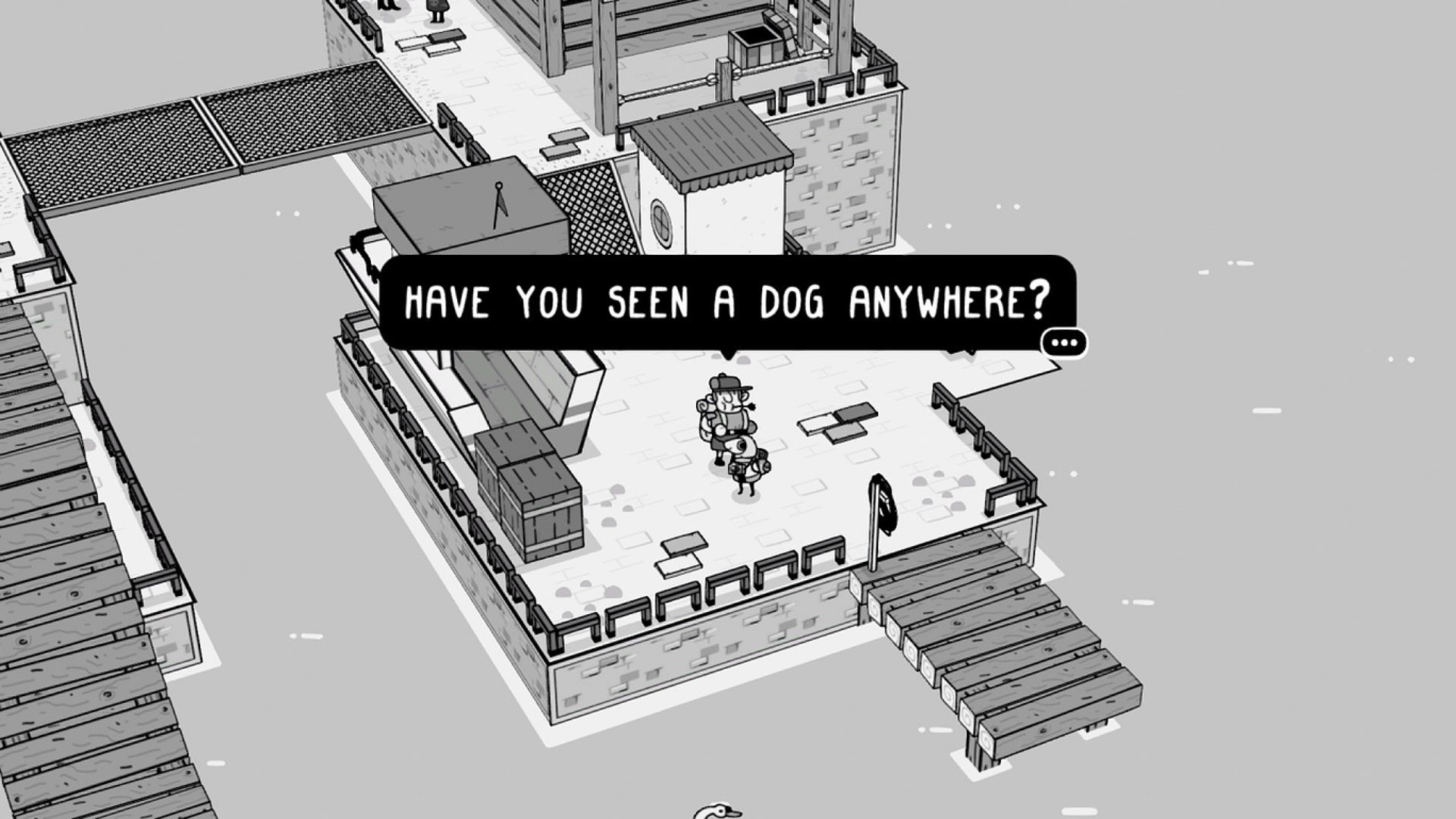
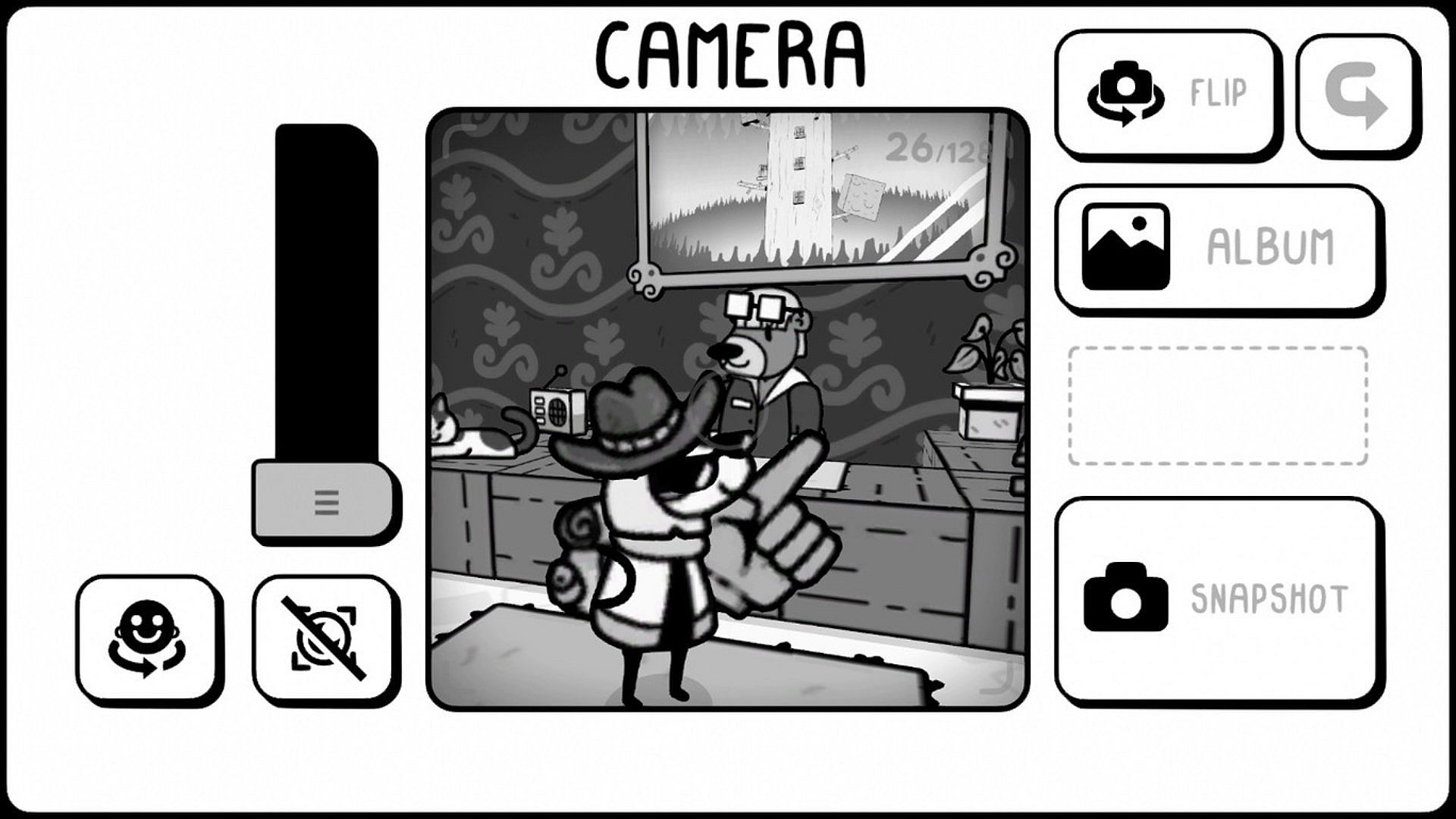
The core loop revolves around exploration and problem-solving through the camera. Each area presents a compact, diorama-style environment filled with quirky characters who request specific photographs to resolve everyday issues or curiosities. These range from locating missing items or people to capturing particular scenes or reactions that advance local stories. The camera starts with basic zoom functions and gains additional tools like a tripod for steady shots and a horn to prompt interactions from subjects. Players move freely within each location, chatting with residents, uncovering hidden details, and fulfilling requests to collect stamps. Enough stamps grant a bus ticket to the next stop, creating a steady rhythm of discovery without timers or pressure. The black-and-white art style emphasizes clean lines and expressive animations, while the soundtrack shifts between soothing instrumental pieces suited to each setting. Exploration rewards attention to detail, as many requests involve spotting subtle environmental elements or combining observations across multiple visits to the same area.
Game Modes
TOEM offers a single-player experience with no separate multiplayer or competitive modes. The entire game follows one continuous journey through sequential locations, where the only progression system involves earning stamps via photo challenges and character interactions. There are no distinct difficulty settings, time trials, or alternate playstyles. Players advance at their own pace, choosing which requests to tackle first in each area, and optional exploration can uncover additional photo opportunities or small secrets. The structure remains consistent from start to finish, emphasizing relaxed puzzle-solving over any variety in format.
Exploration and Progression
Travel begins in a familiar starting area and moves through varied stops including rural farms, wooded regions, urban spots, and coastal towns. Each new location introduces fresh characters and photo objectives while building on the camera's capabilities. Stamps serve as the sole currency for movement, collected by completing a sufficient number of tasks rather than following a rigid checklist. Side activities include documenting wildlife or scenery for personal satisfaction, and the game encourages revisiting areas to catch missed details. The journey culminates in the sighting of TOEM itself, with the collected photographs forming a record of the trip. Controls focus on walking, interacting, and entering camera view, keeping the emphasis on observation rather than complex actions.
Is It Worth Playing?
TOEM suits players seeking a short, low-stakes adventure built around photography and light puzzle elements. Reviews consistently highlight its charming characters, witty dialogue, and inviting atmosphere as strengths, with many noting the satisfying sense of completion after a few hours of play. The game runs on Xbox and PC, and its relaxed pace makes it accessible for casual sessions or as a break from more demanding titles. Those who enjoy cozy exploration and creative problem-solving through a simple mechanic will find the experience rewarding. It remains available as a complete package without ongoing updates or seasonal content, delivering a self-contained story focused on the journey rather than extended playtime. If the idea of helping quirky residents by snapping the right photo appeals, the game delivers a focused and memorable outing.