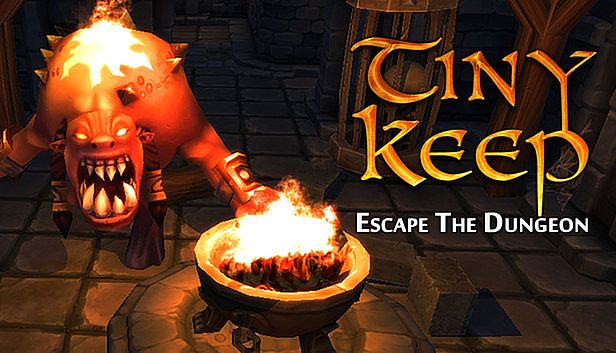














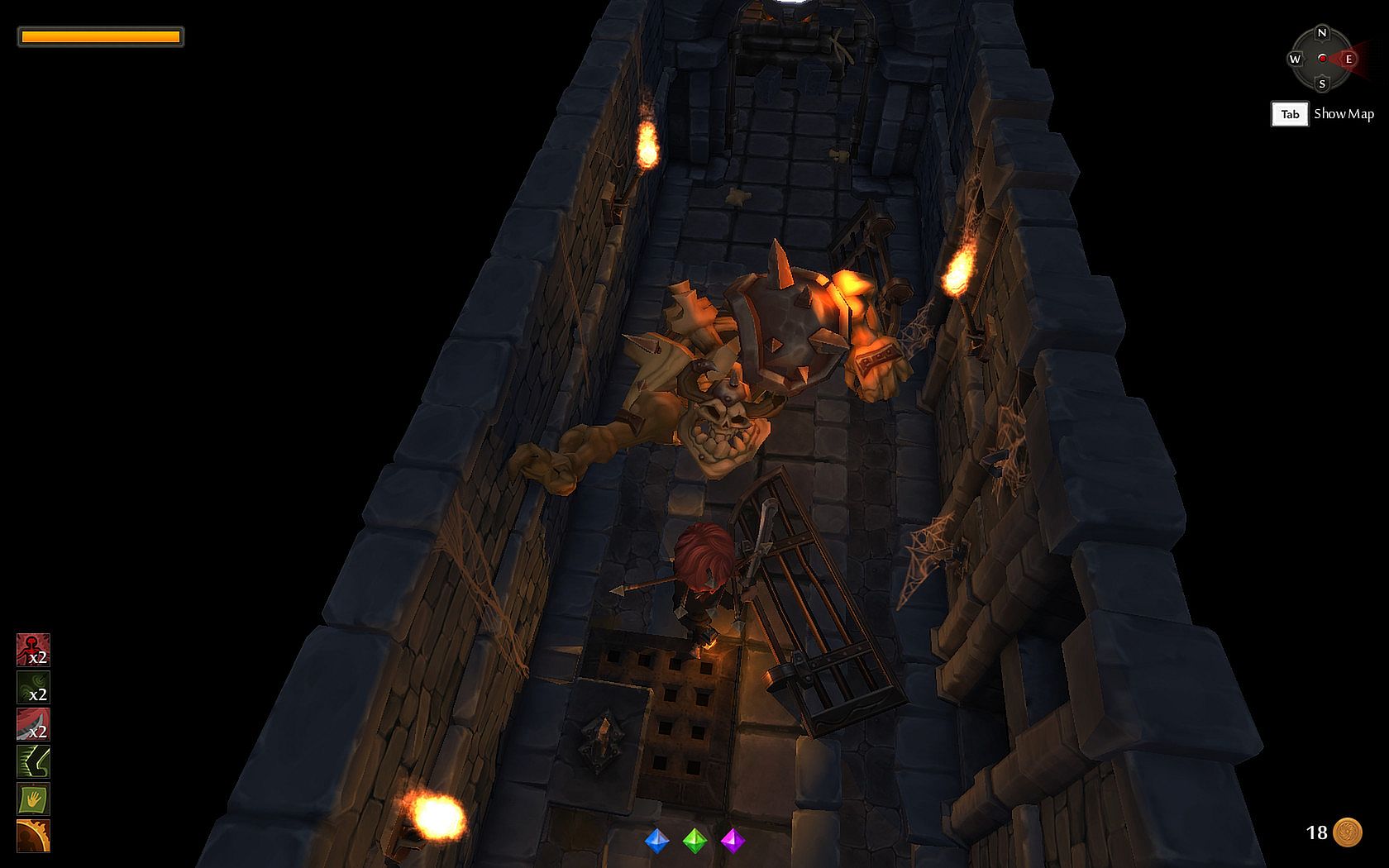
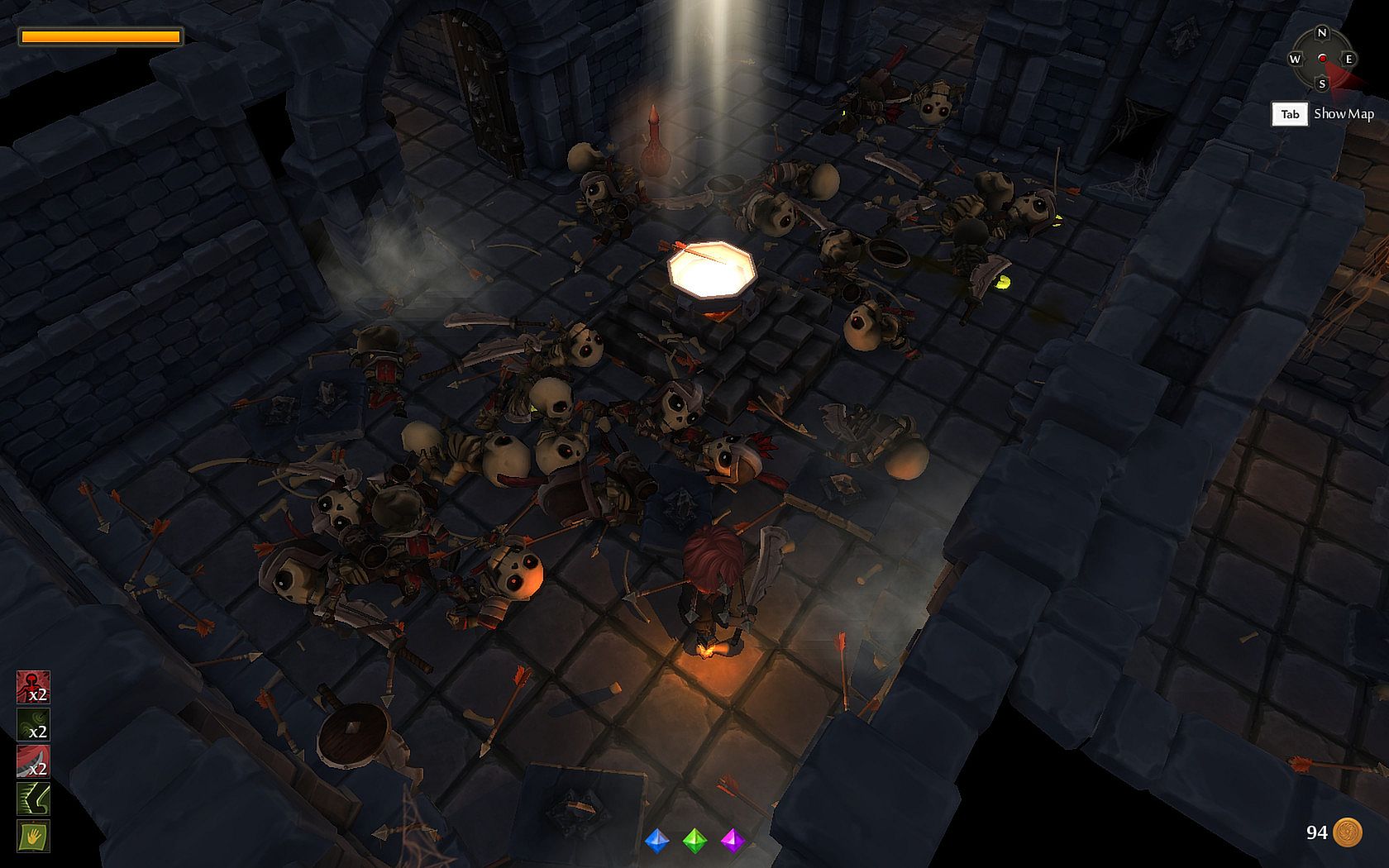
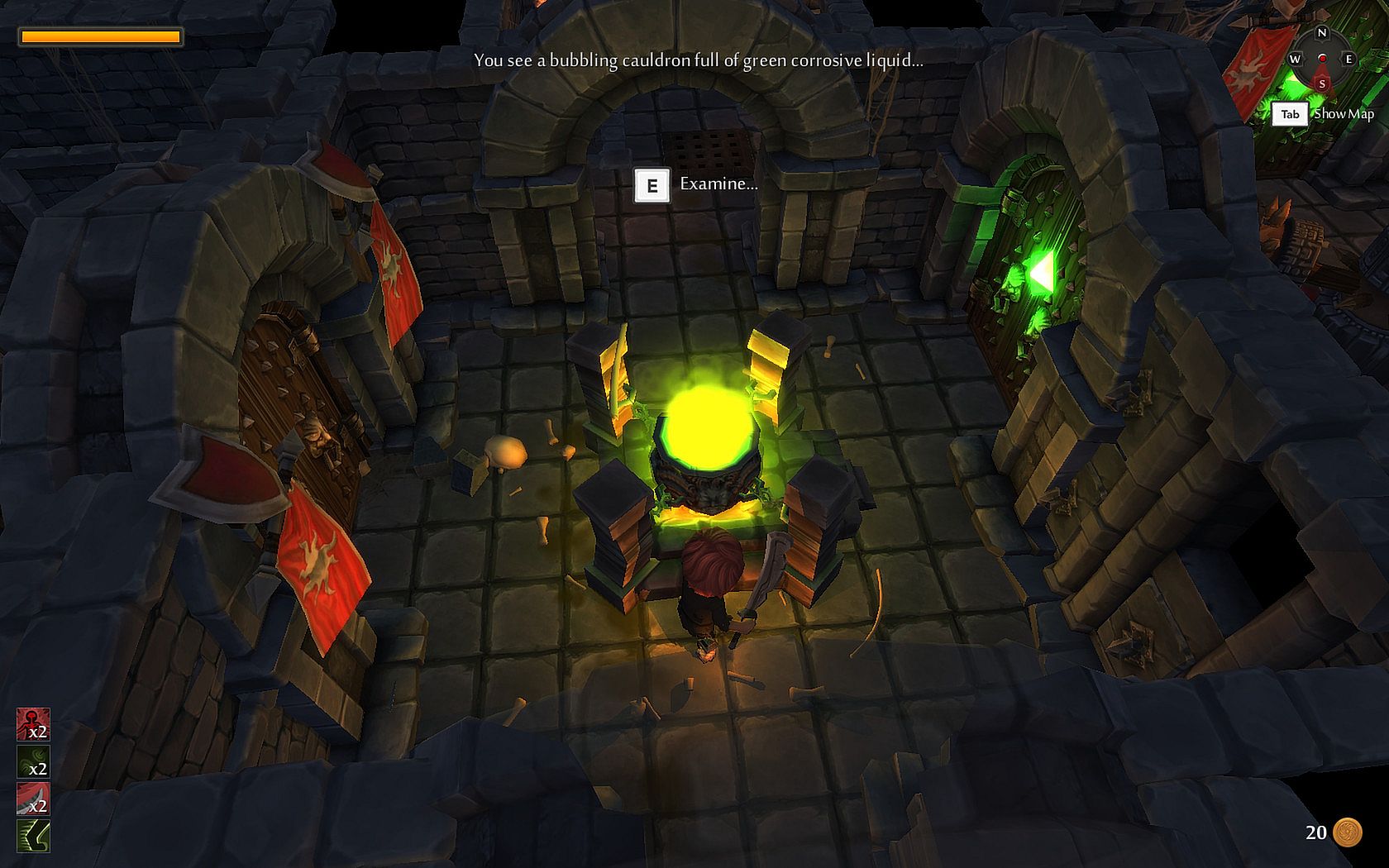
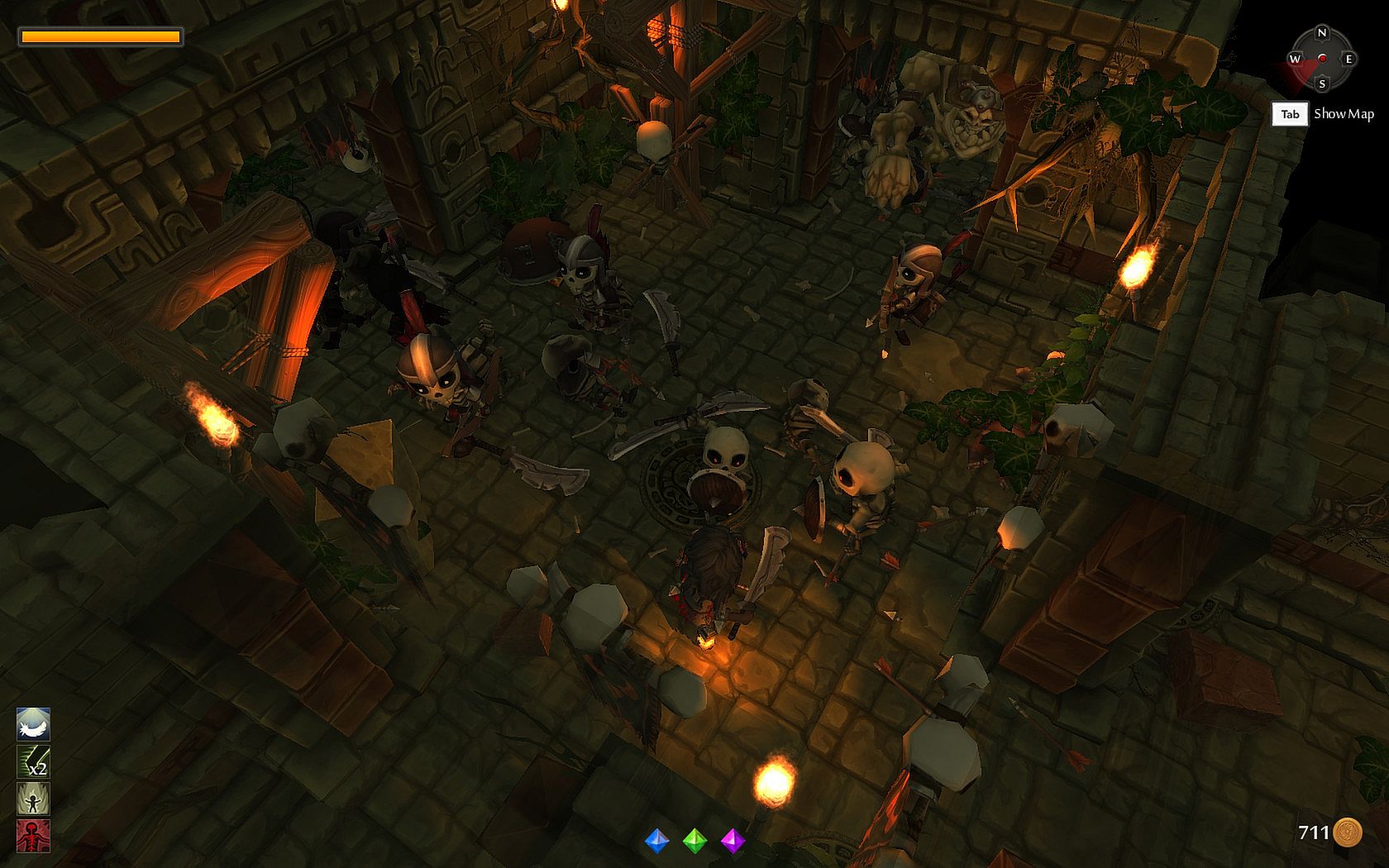
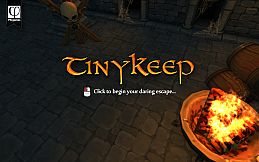
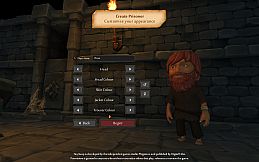
TinyKeep is an action roguelike dungeon crawler that places players in the role of a prisoner attempting to escape a forgotten underground prison. The game blends elements of action, indie development, RPG progression, and adventure exploration on PC through its focus on survival in hostile, shifting environments.
Gameplay
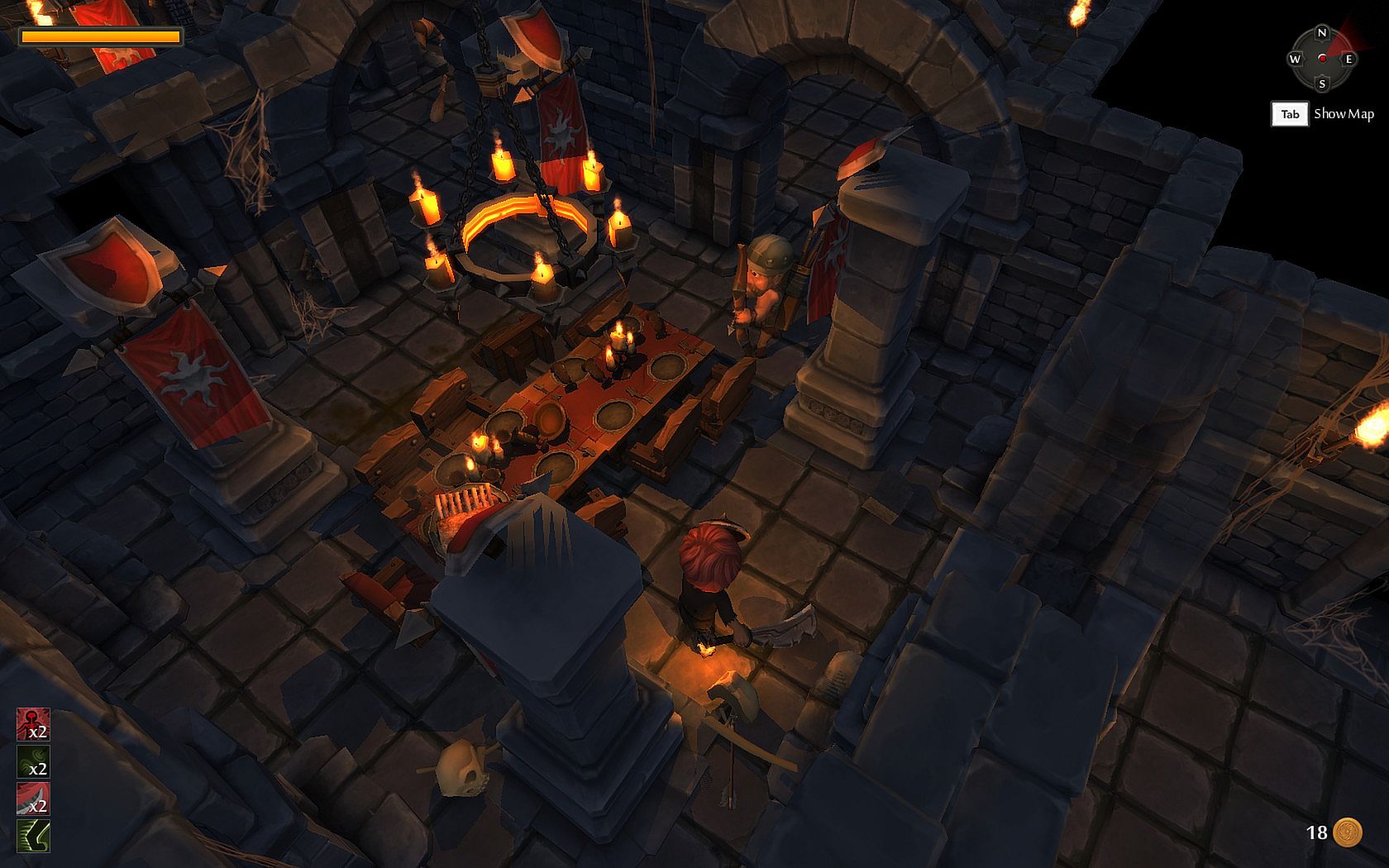
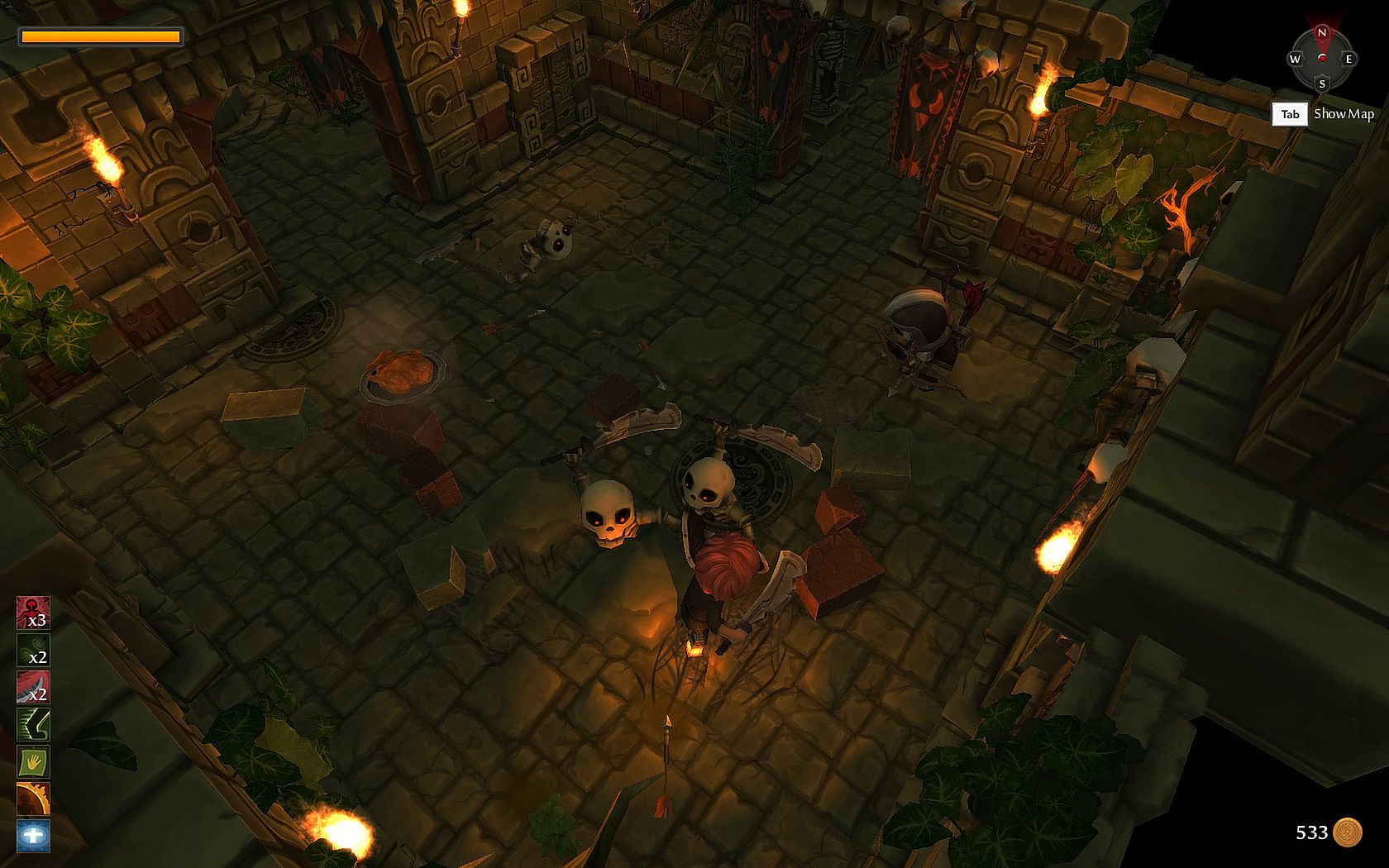
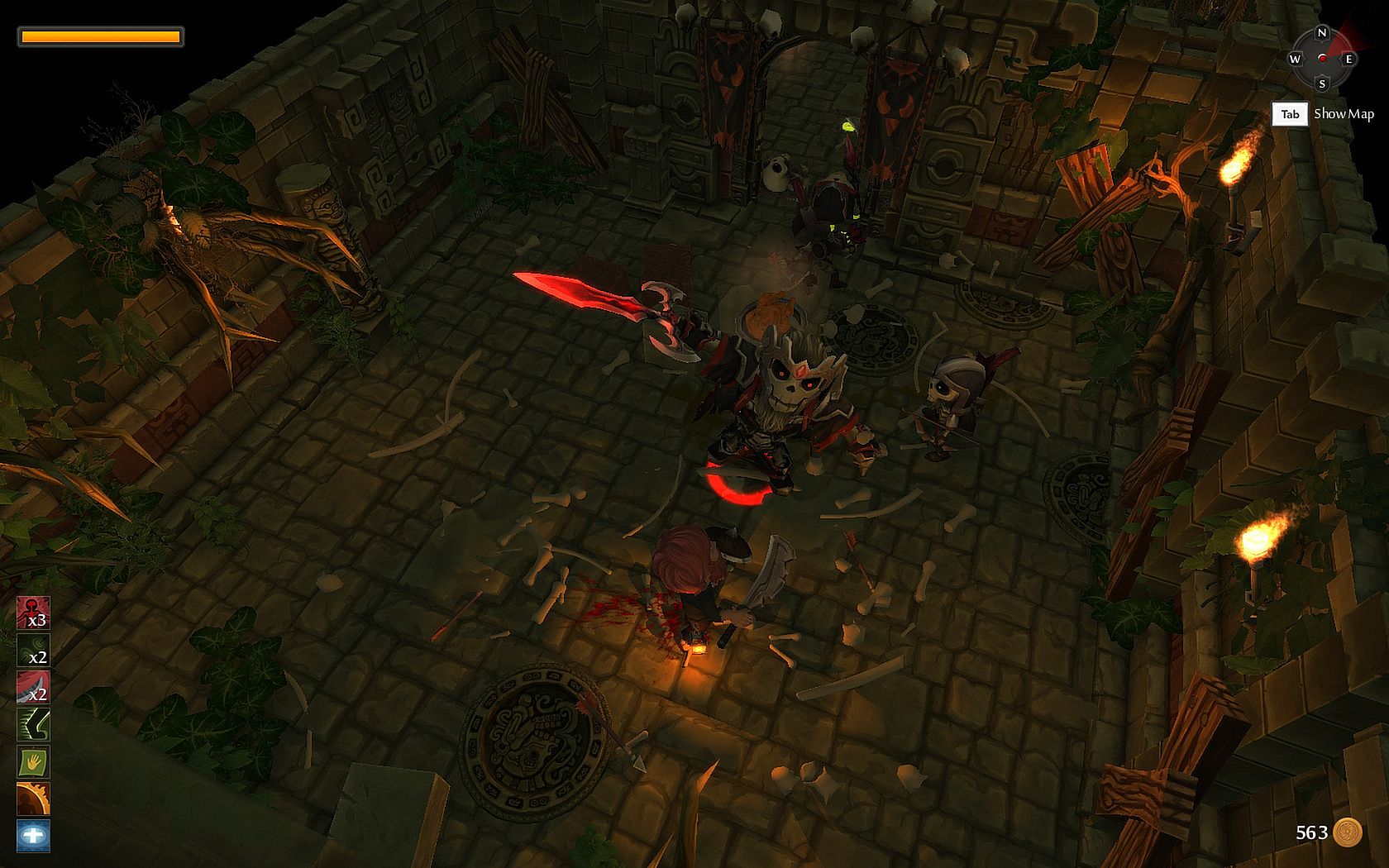
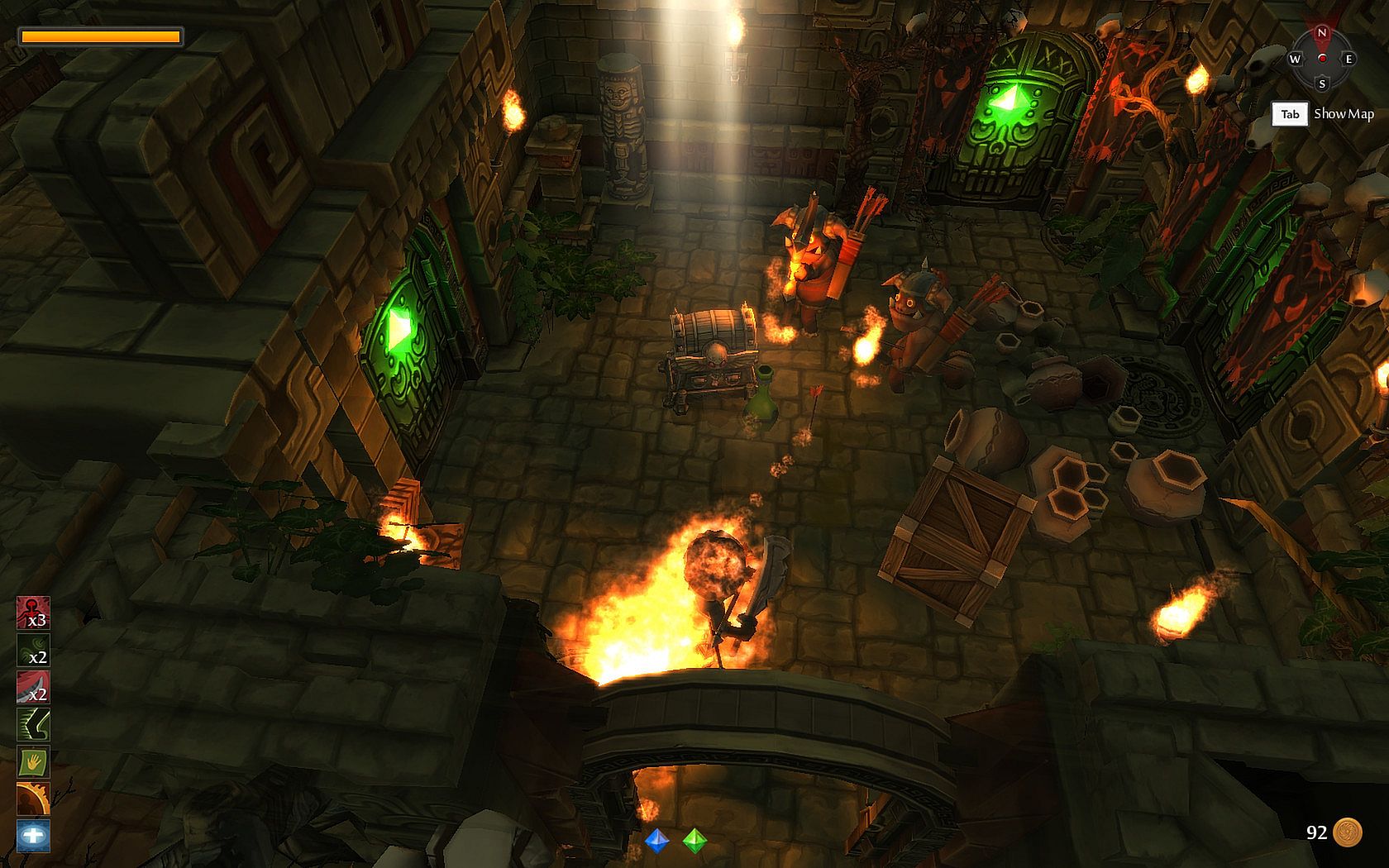
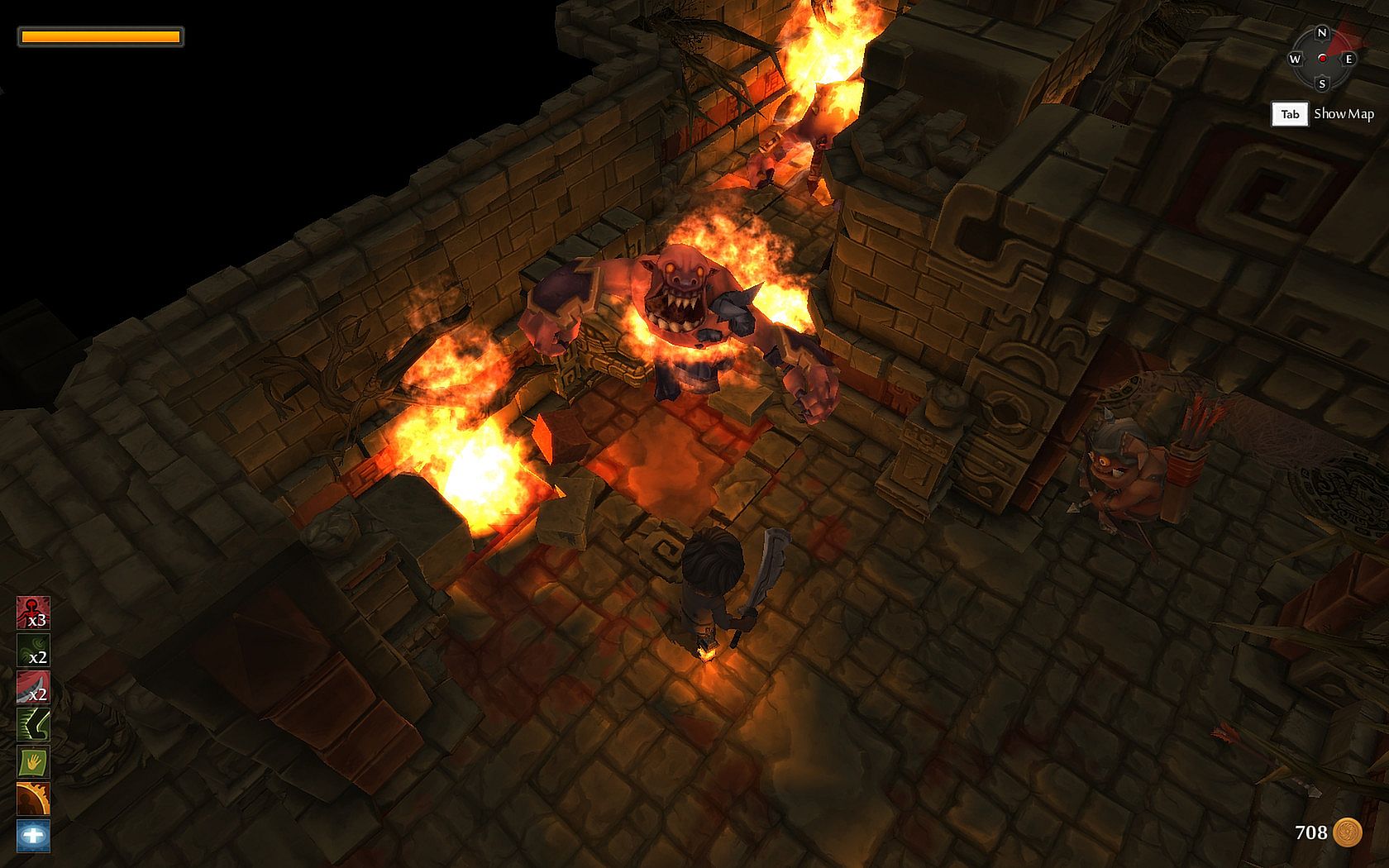
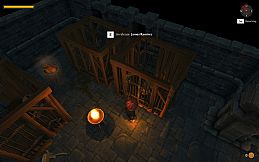
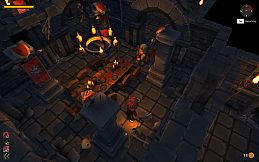
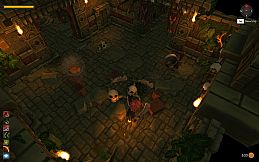
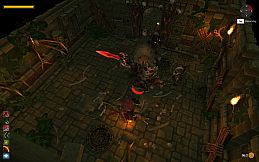
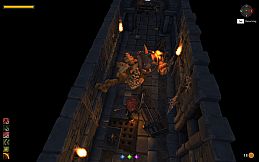
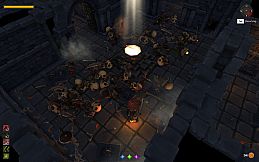
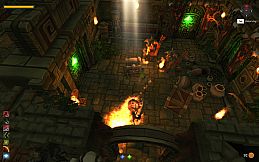
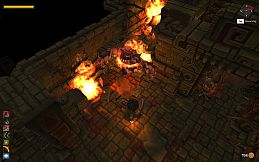
Core gameplay revolves around navigating procedurally generated dungeons filled with intelligent enemies that coordinate attacks, retreat from danger, or turn on one another when rivalries arise. Players start with minimal equipment, relying on a lantern for visibility while using environmental hazards such as fire from overturned torches, spike pits, and rotating crushers to thin out threats. Combat emphasizes positioning and physics interactions rather than direct confrontation, allowing clever use of traps to handle groups without direct risk.
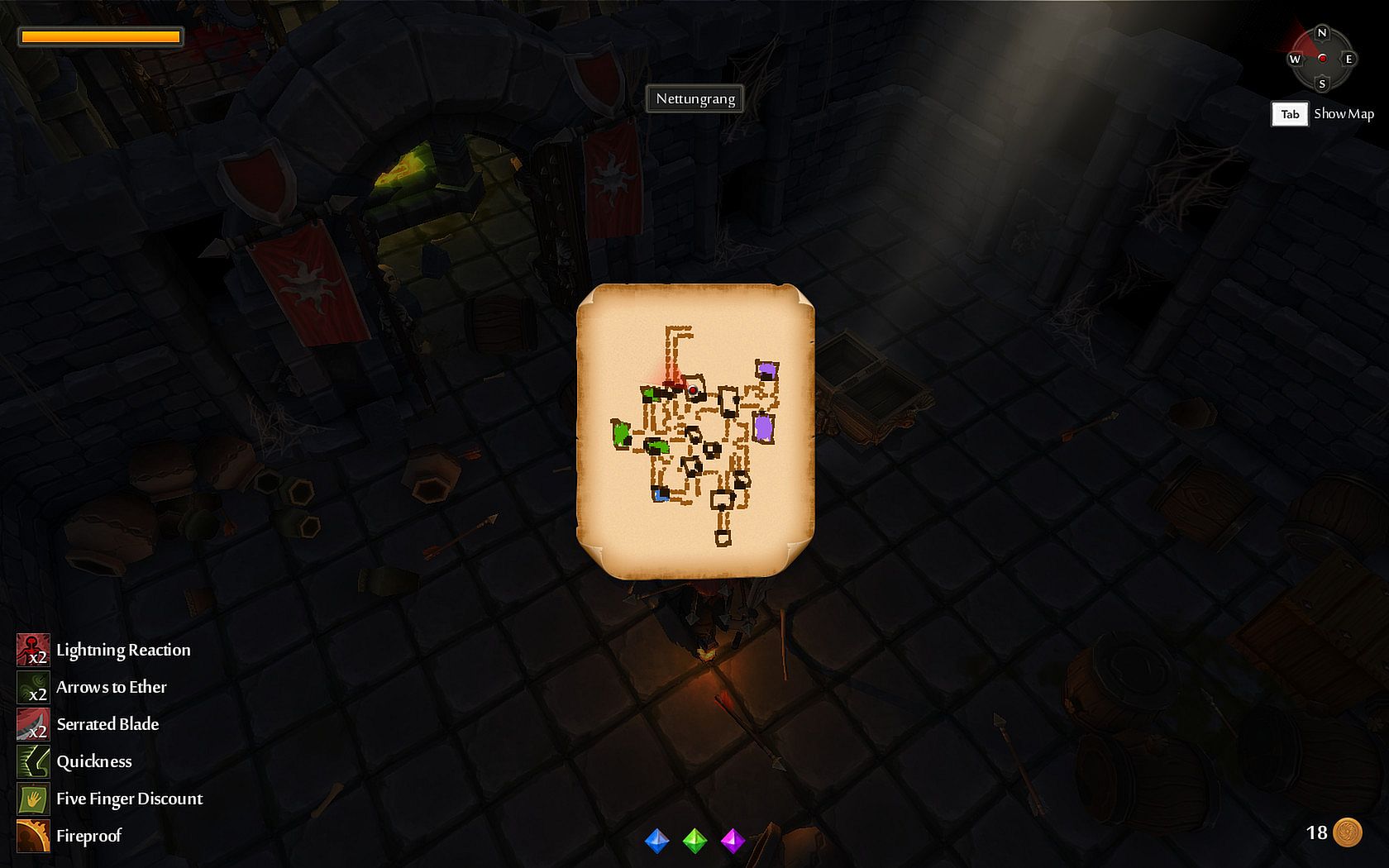
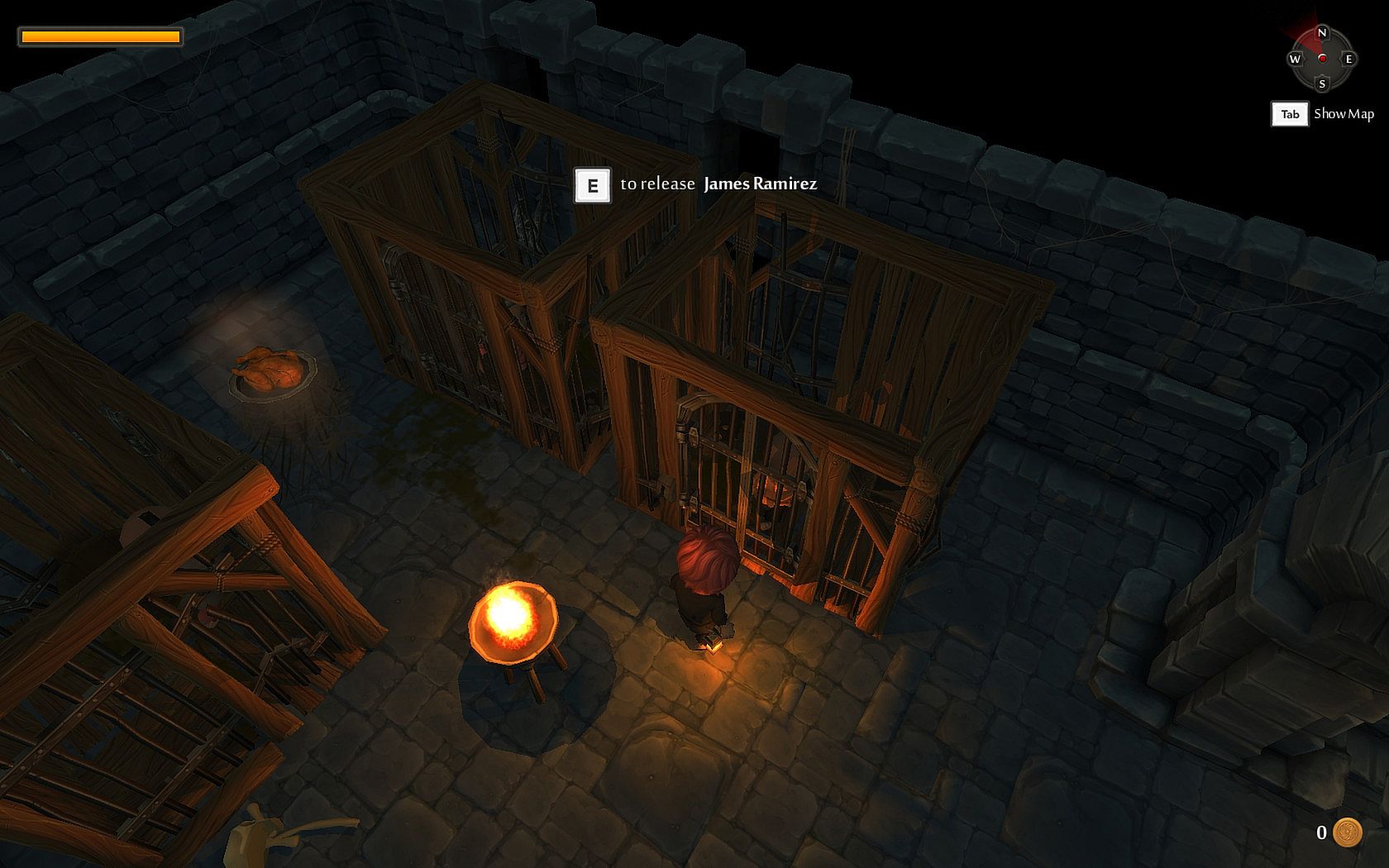
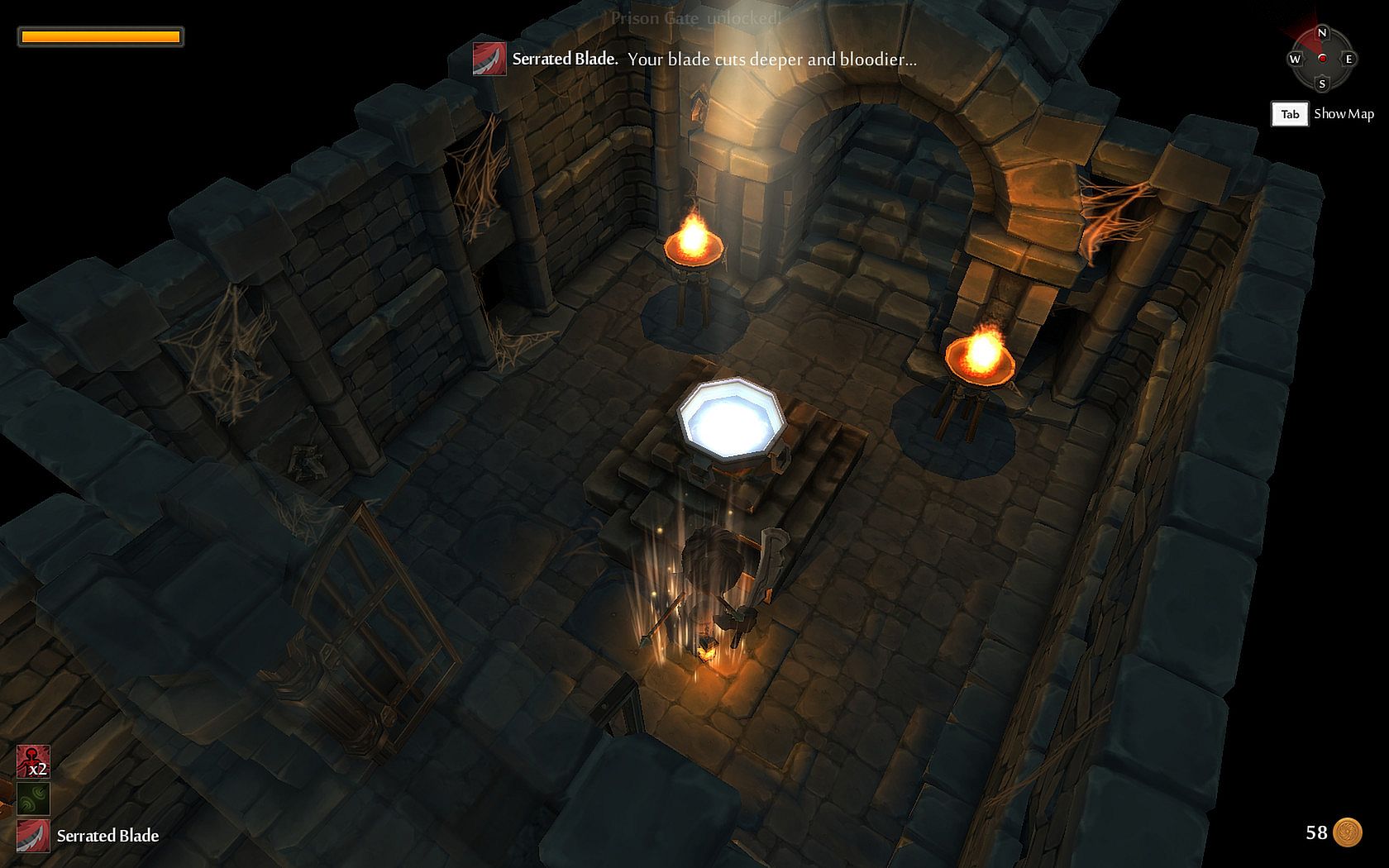
Progression comes through collecting coins dropped by defeated foes, which unlock temporary buffs that alter player capabilities in meaningful ways. Rescuing fellow captives adds potential allies to the escape effort, though these companions carry the risk of turning hostile due to their own mental strain from imprisonment. The system encourages repeated attempts as each run generates fresh layouts and enemy placements, with no two experiences repeating exactly.
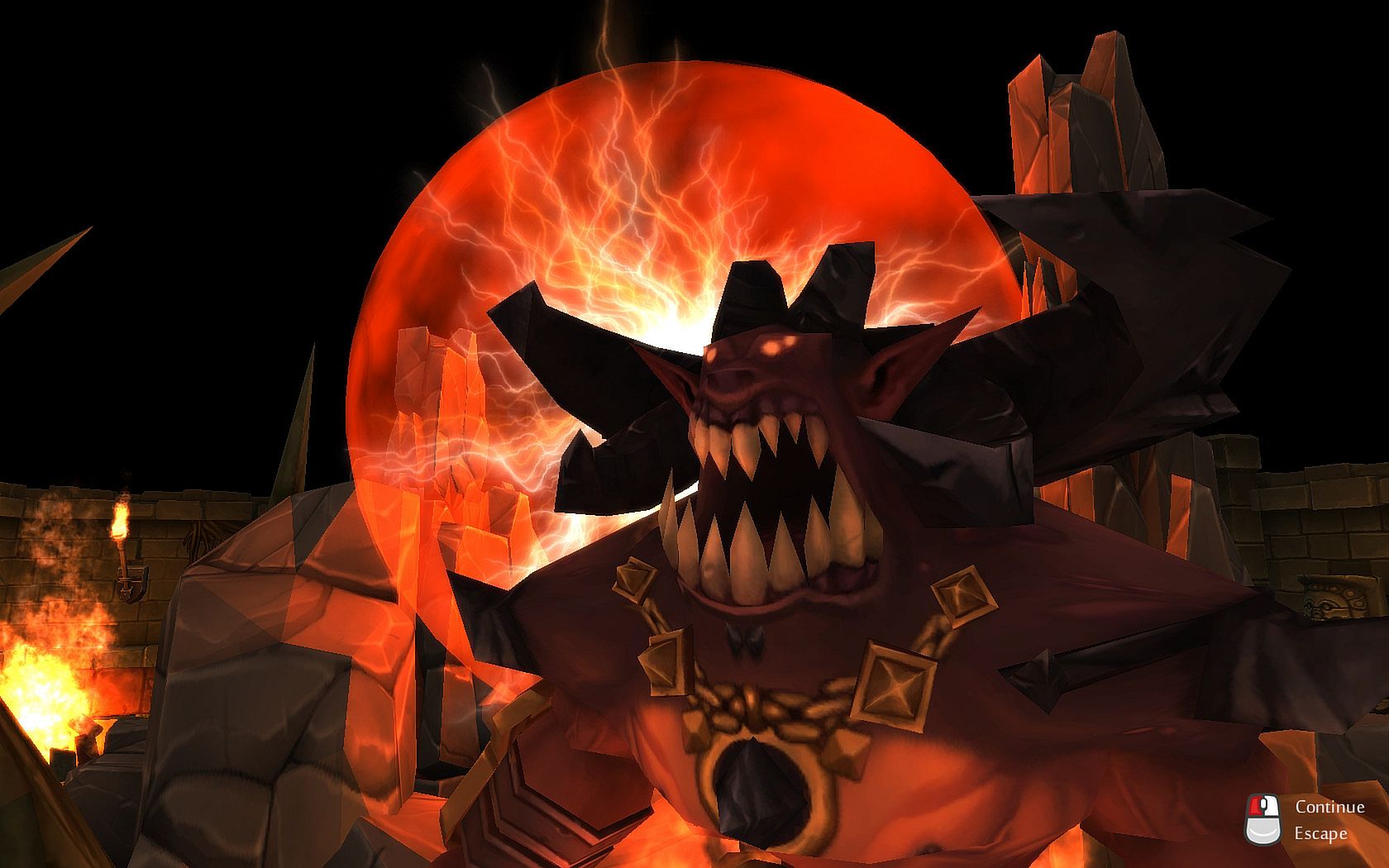
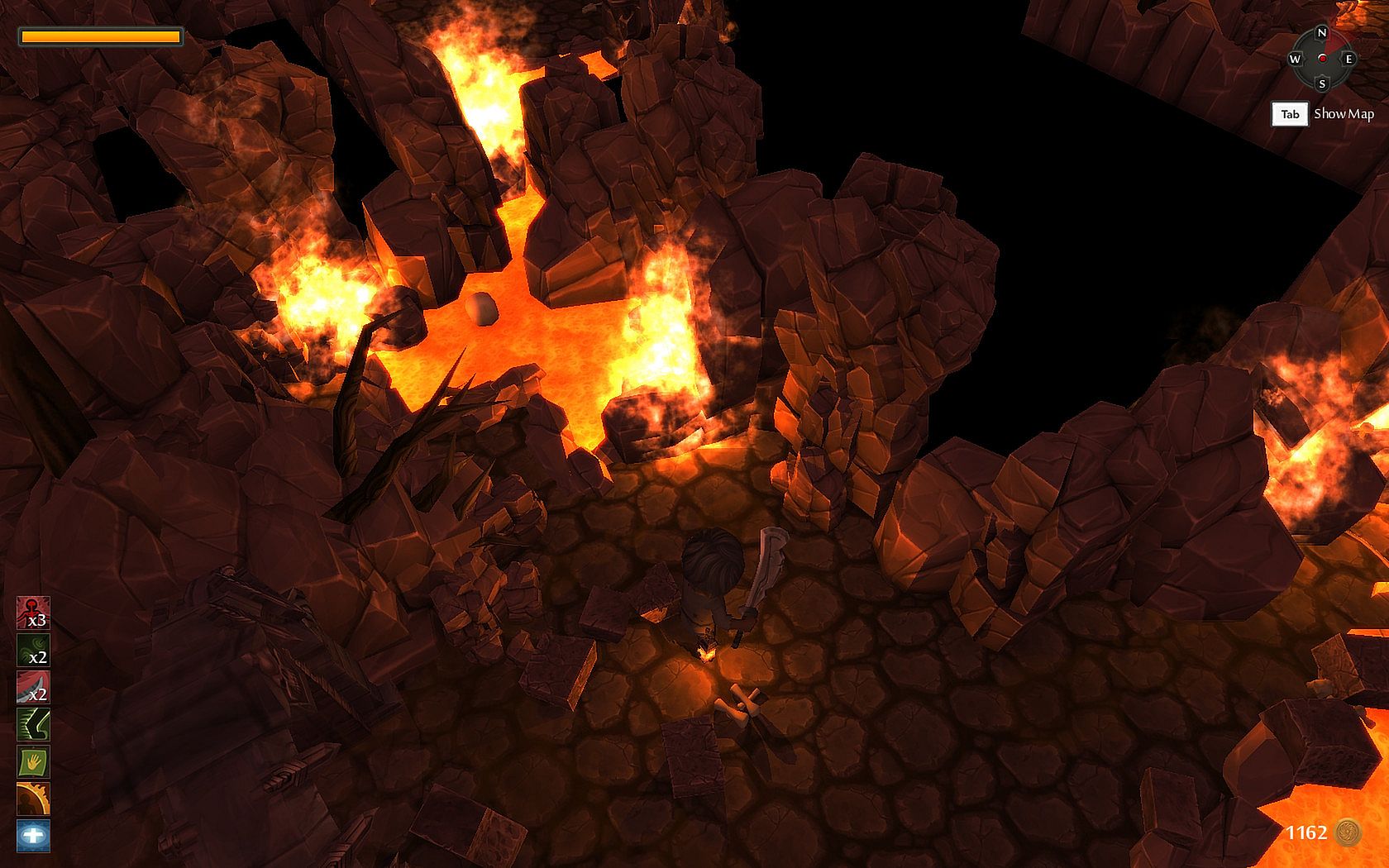
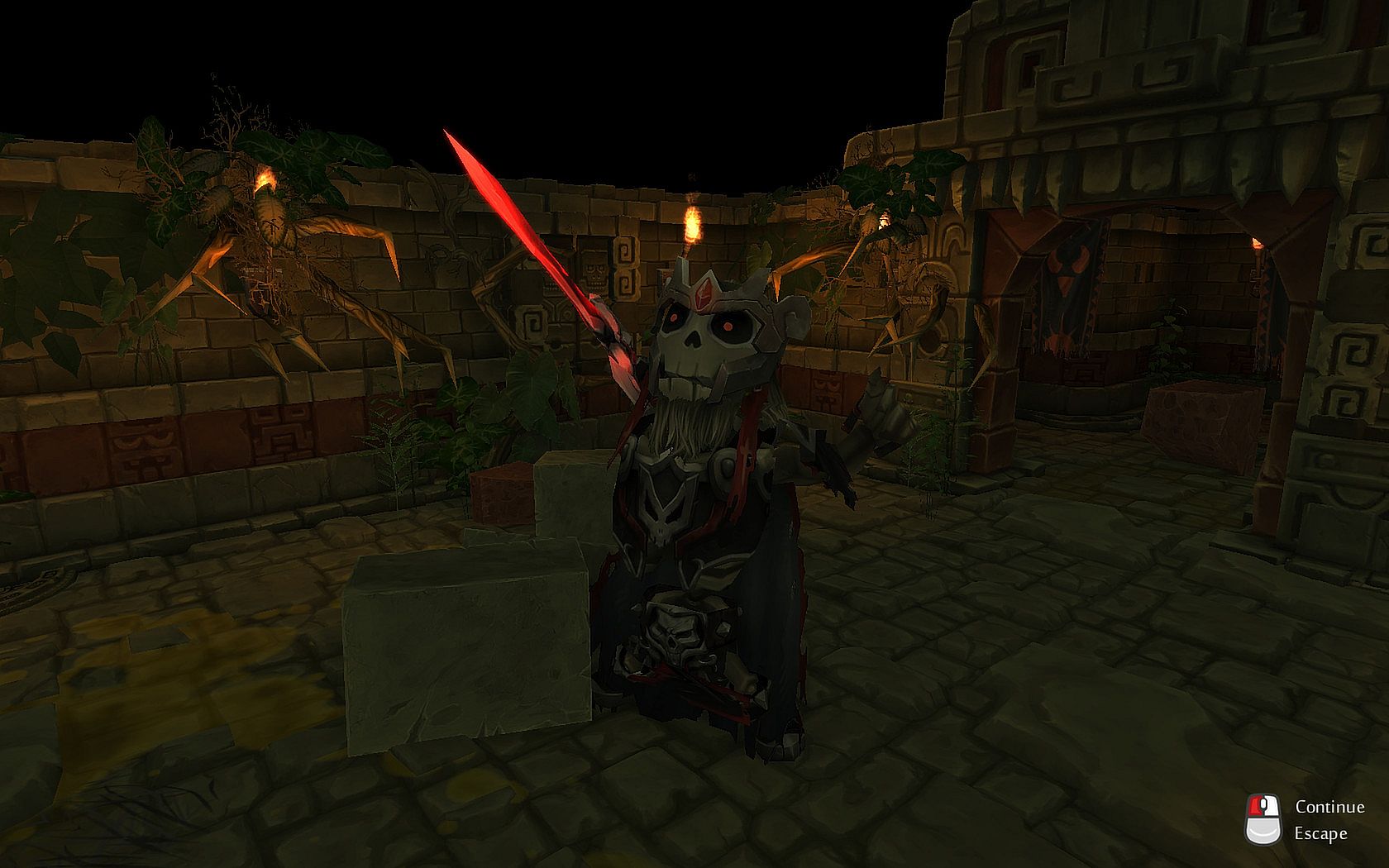
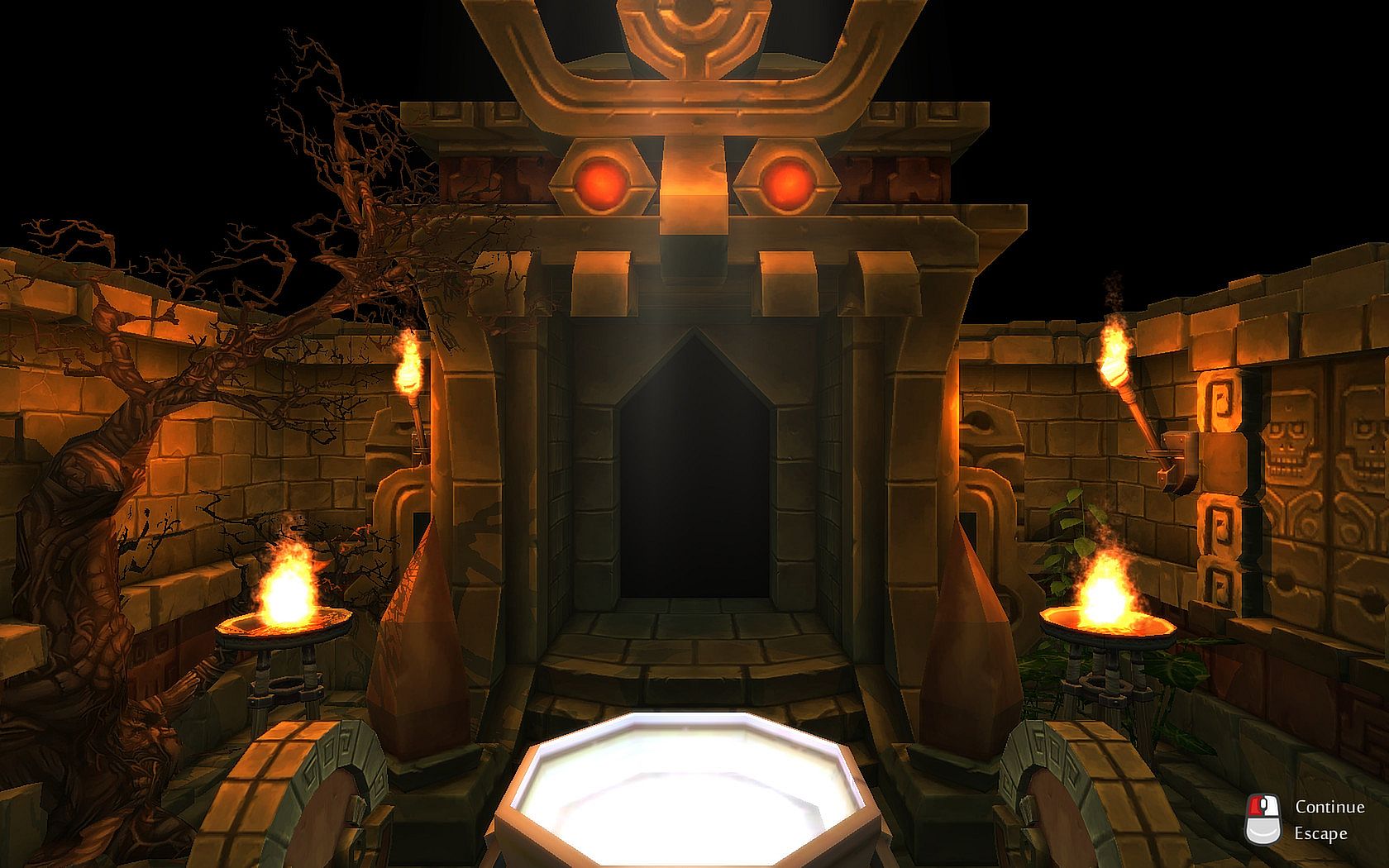
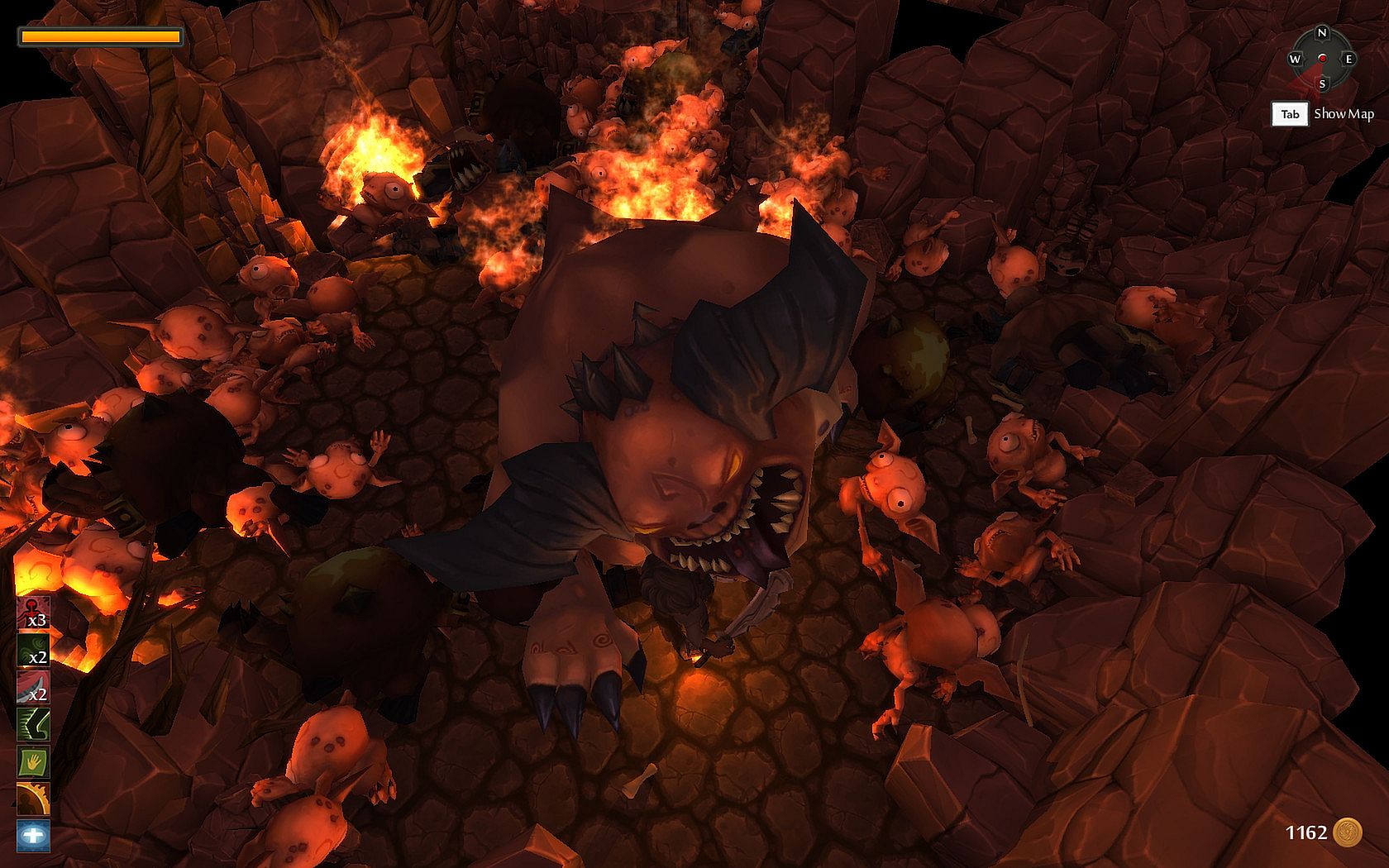
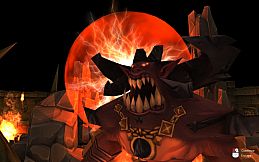
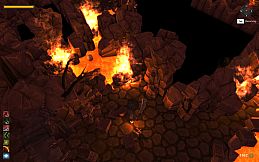
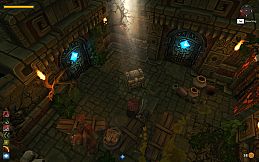
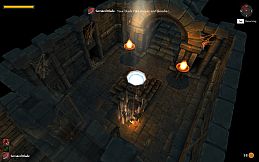
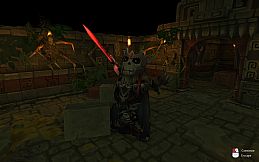
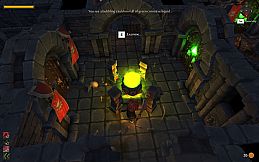
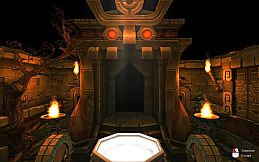
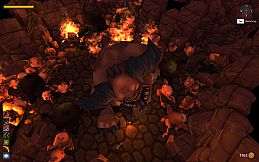
Environments range from damp stone prison levels to hotter, more hazardous areas deeper in the structure, each presenting distinct visual and tactical challenges. Enemies include varied creatures that exhibit group behaviors and self-preservation instincts, making direct fights costly and indirect strategies more reliable.
Game Modes
TinyKeep operates as a singleplayer experience centered on permadeath, where failure ends the run and forces a fresh start in a new dungeon layout. The primary mode emphasizes survival and escape through any combination of stealth, environmental manipulation, and opportunistic combat.
New Game+ provides an optional increase in difficulty for players seeking greater challenge after completing an initial escape. Three distinct endings exist, each tied to different approaches taken during the run, such as the extent of prisoner rescues or the handling of specific threats. These variations reward experimentation without altering the fundamental roguelike structure of random generation and permanent consequences.
Environments and Enemy Interactions
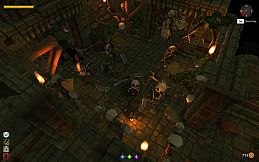
The game features multiple distinct zones that transition from cold, slimy dungeon walls to fiery pits, each with unique hazards that affect both the player and enemies equally. Monster groups demonstrate coordinated hunting patterns while also displaying internal conflicts that players can exploit by leading one faction into another.
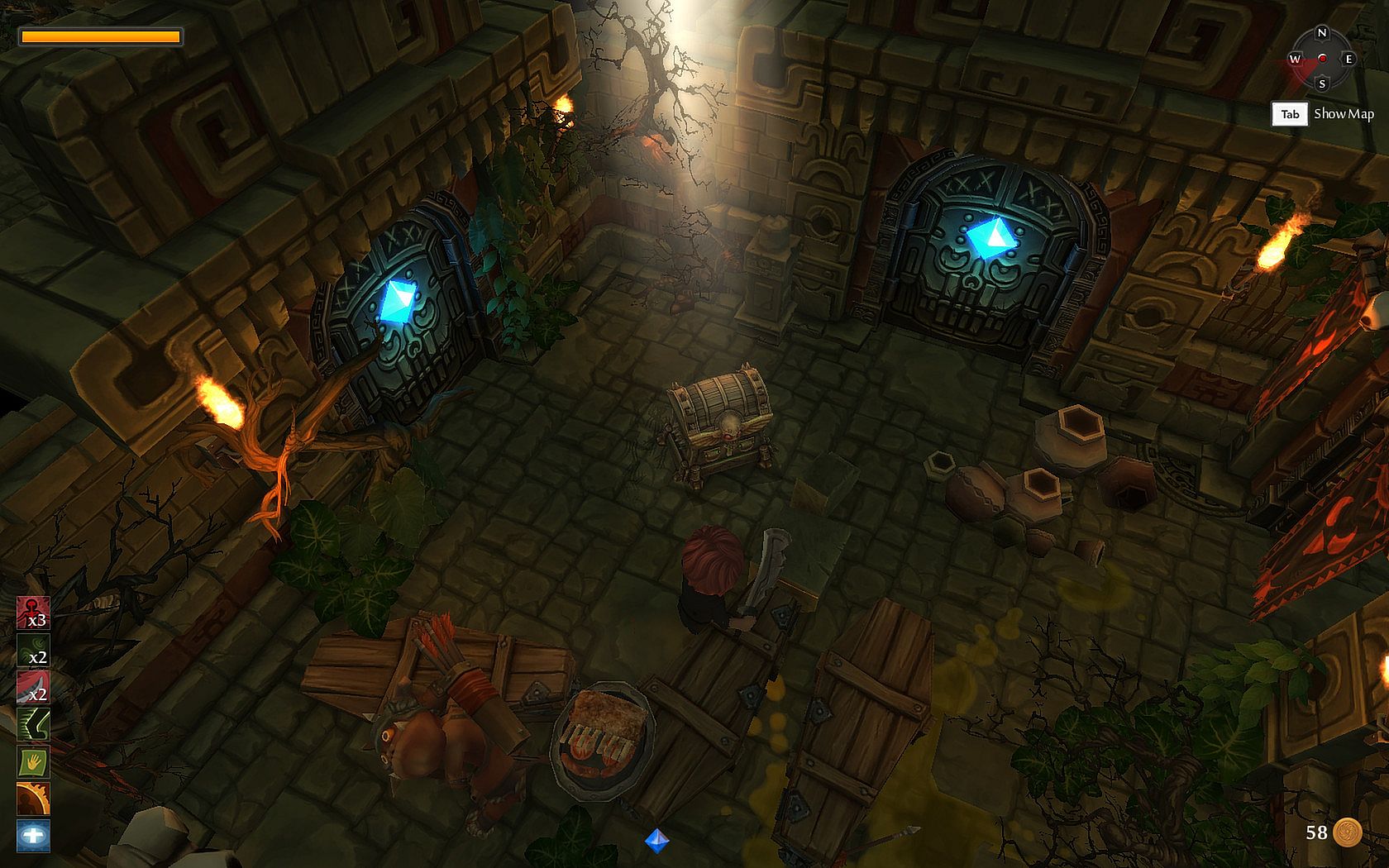
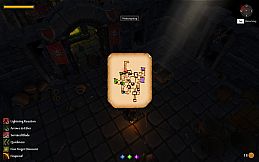
Additional depth comes from items and weapons discovered during runs, some of which introduce temporary effects like slowed time or brief invincibility. Secret elements scattered throughout the dungeons extend playtime beyond a standard escape attempt, encouraging thorough exploration in each generated space.
Is It Worth Playing?
TinyKeep suits players who enjoy roguelike mechanics combined with tactical environmental gameplay and AI-driven enemy behaviors. Its permadeath and procedural systems create high replayability for those comfortable with repeated failures and incremental learning of optimal strategies.
The game appeals most to fans of indie action adventures that prioritize clever problem-solving over traditional combat loops. Those seeking straightforward progression or modern graphical fidelity may find the 2014-era presentation and steep difficulty curve less engaging. Availability remains limited to its original PC release, with no ongoing seasonal content or major post-launch expansions confirmed in recent years.
Overall, the title delivers a focused, challenging escape experience for the right audience through its verified systems of random dungeons, intelligent monster dynamics, and multiple completion paths. Players who appreciate permadeath roguelikes with strong emphasis on traps and rivalries will find consistent value in its core loop.