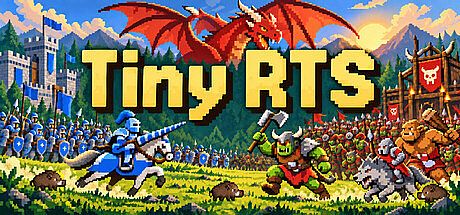


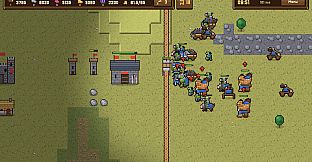
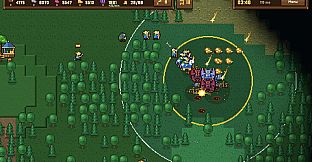
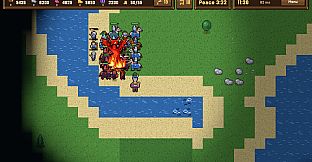
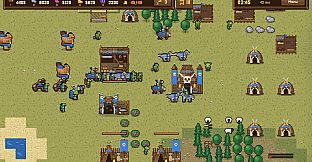
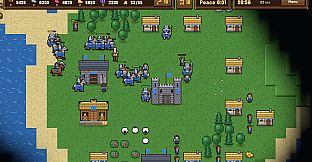
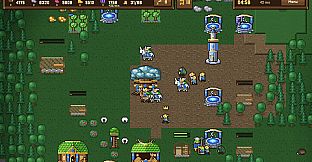
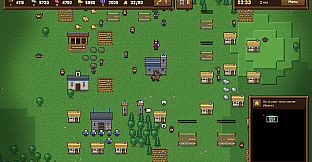
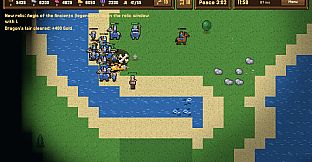
Tiny RTS is a real-time strategy game built around crisp pixel art and short online sessions. Players gather resources, expand settlements from village to castle town, progress through three ages, and command armies of humans, orcs, or elves against other players or computer opponents.
Gameplay
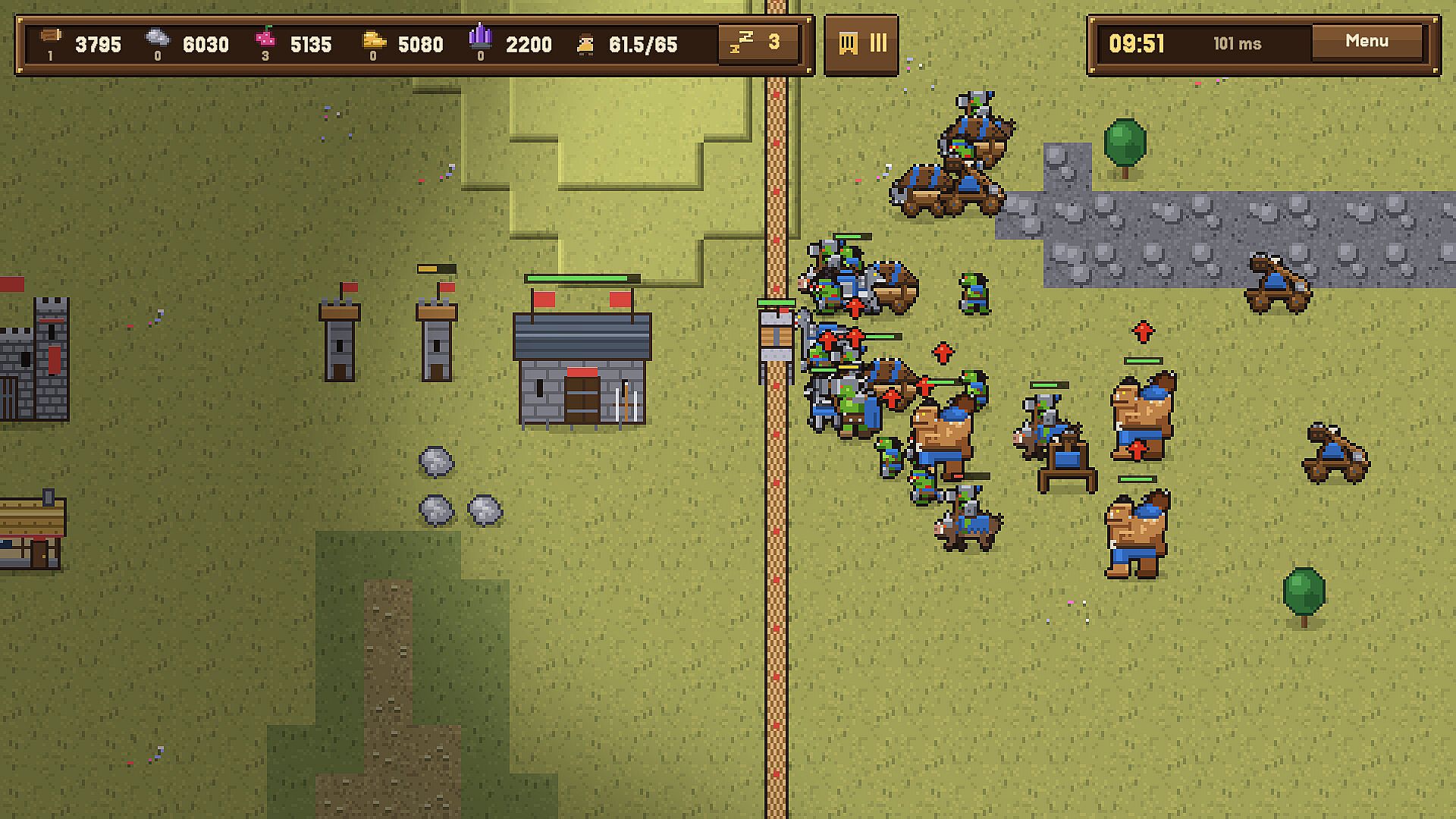
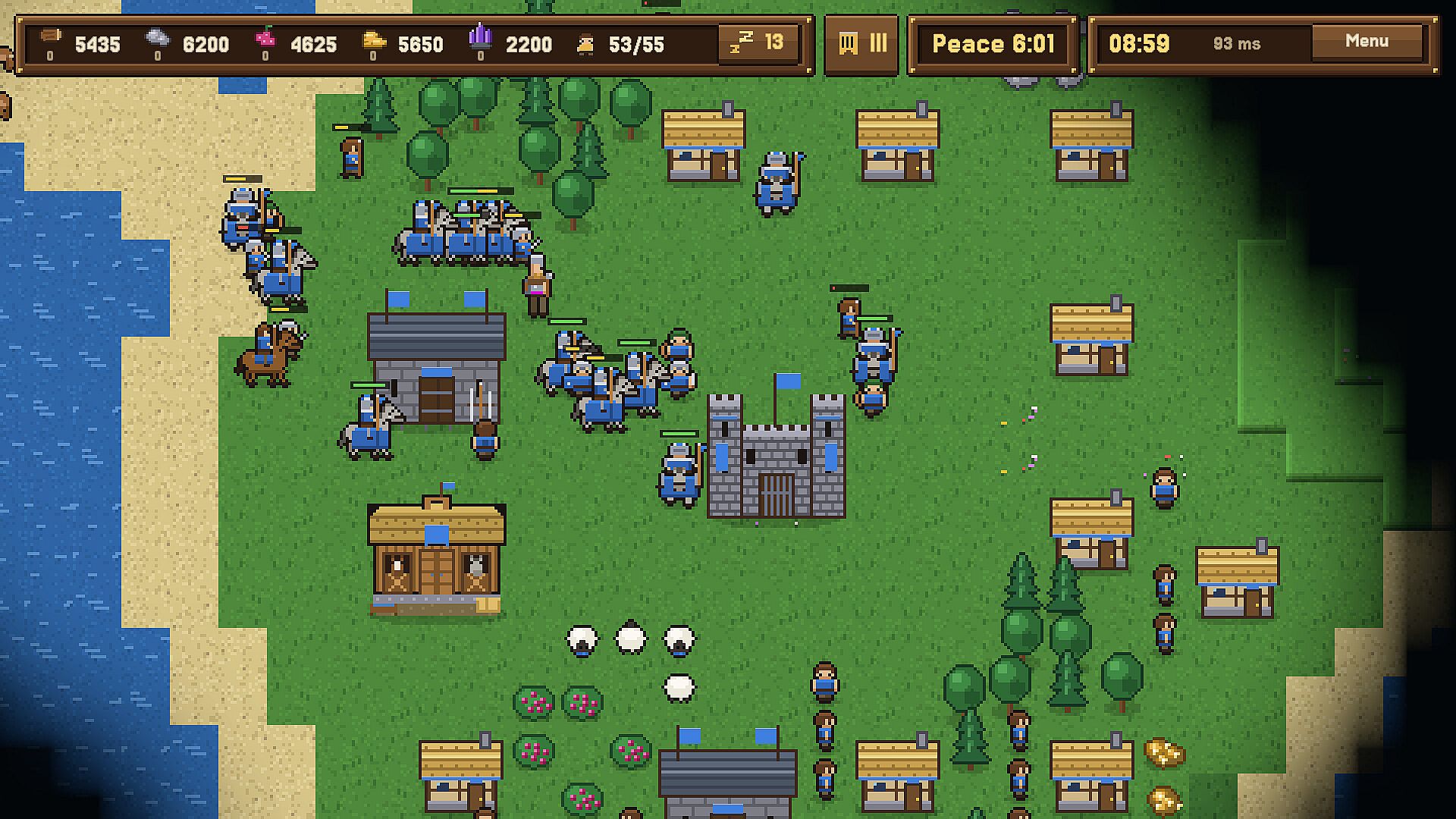
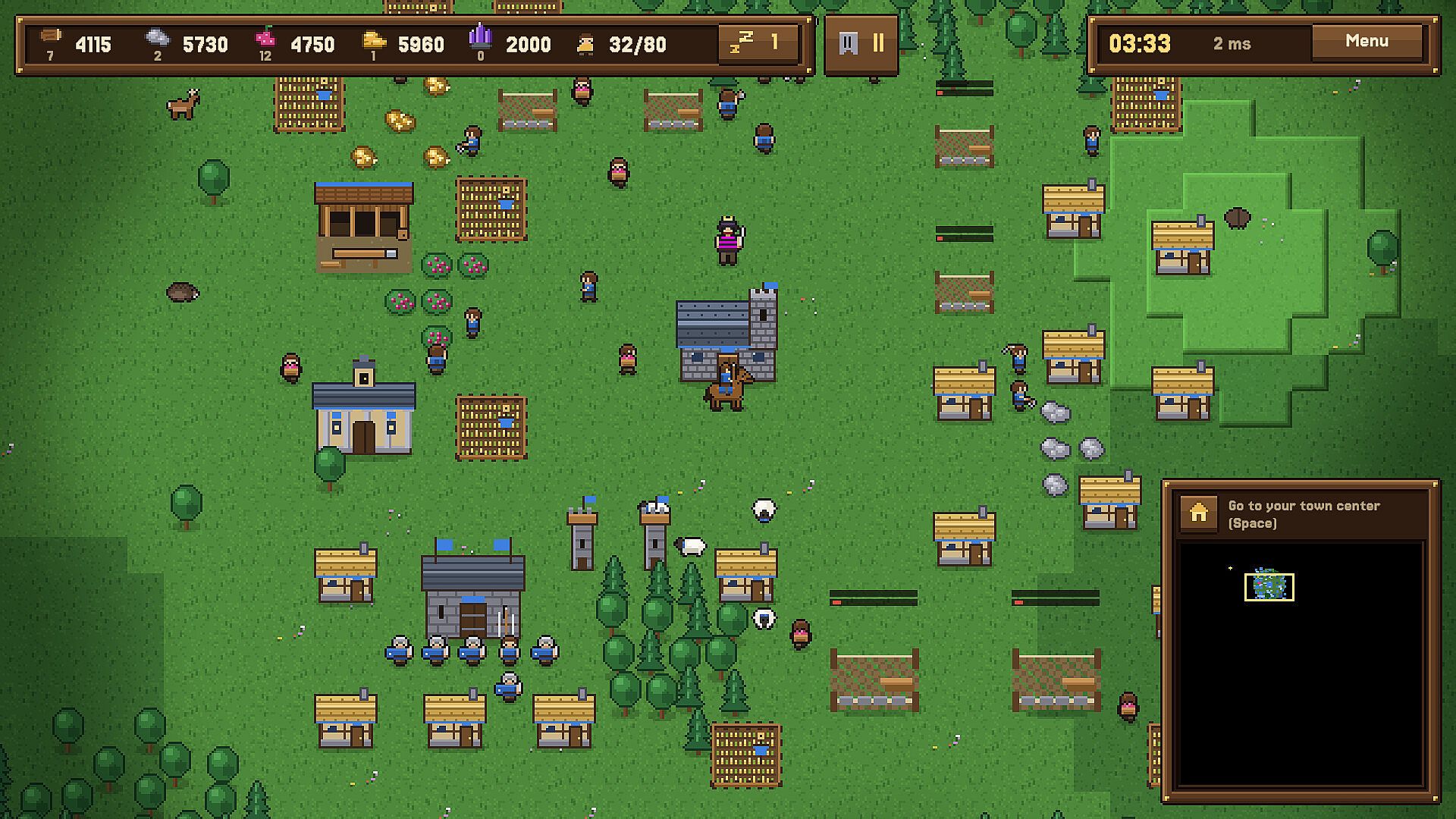
The core loop centers on resource collection and base development across multiple resource types including wood, stone, food, gold, and mana. Workers chop trees, quarry stone, farm fields, fish waters, hunt game, mine deposits, and tap crystal nodes. Markets allow trading, while a deep tech tree offers more than 150 upgrades that unlock new buildings, units, and abilities as players advance from the Village Age to the Town Age and finally the Castle Age.
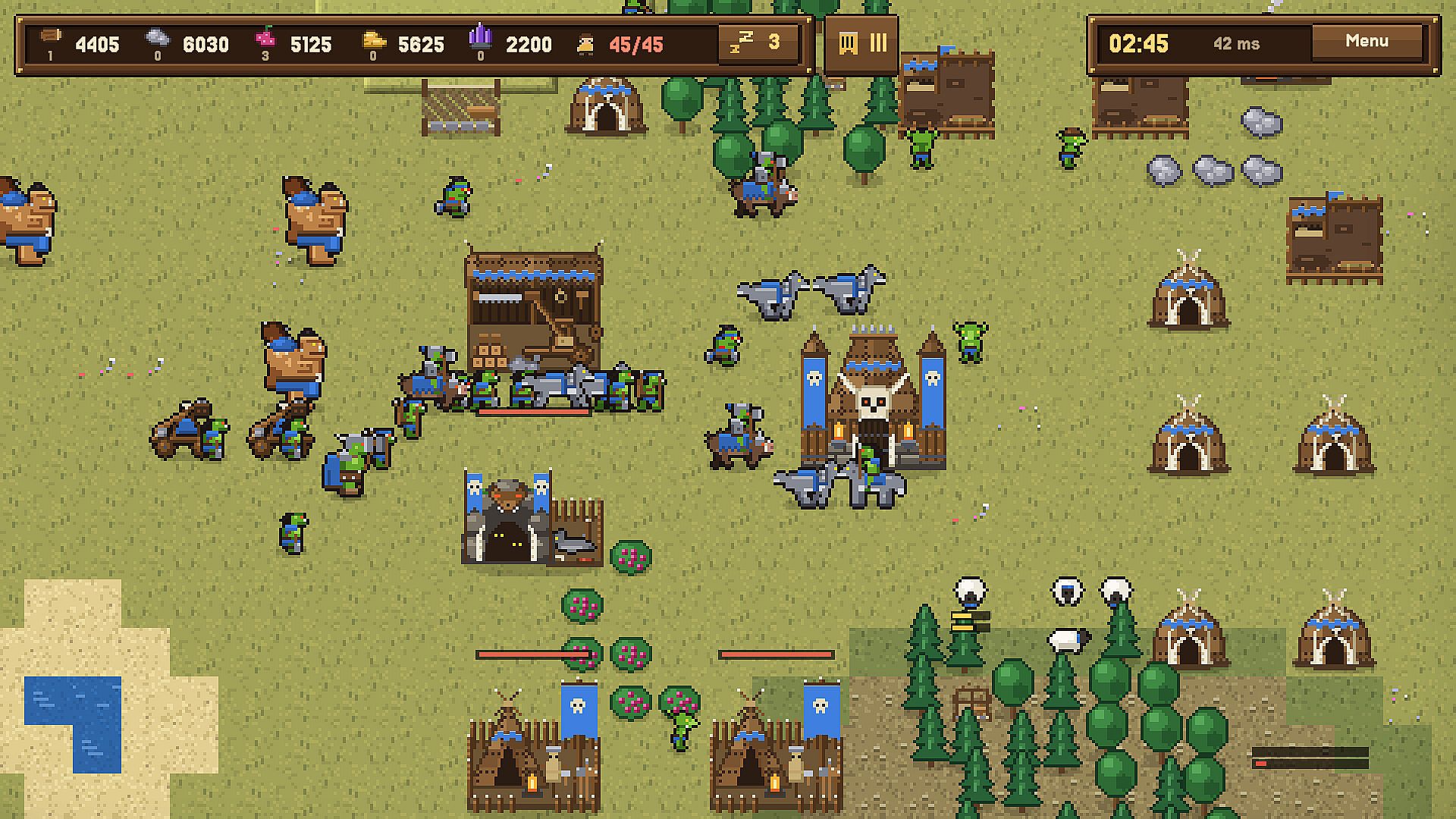
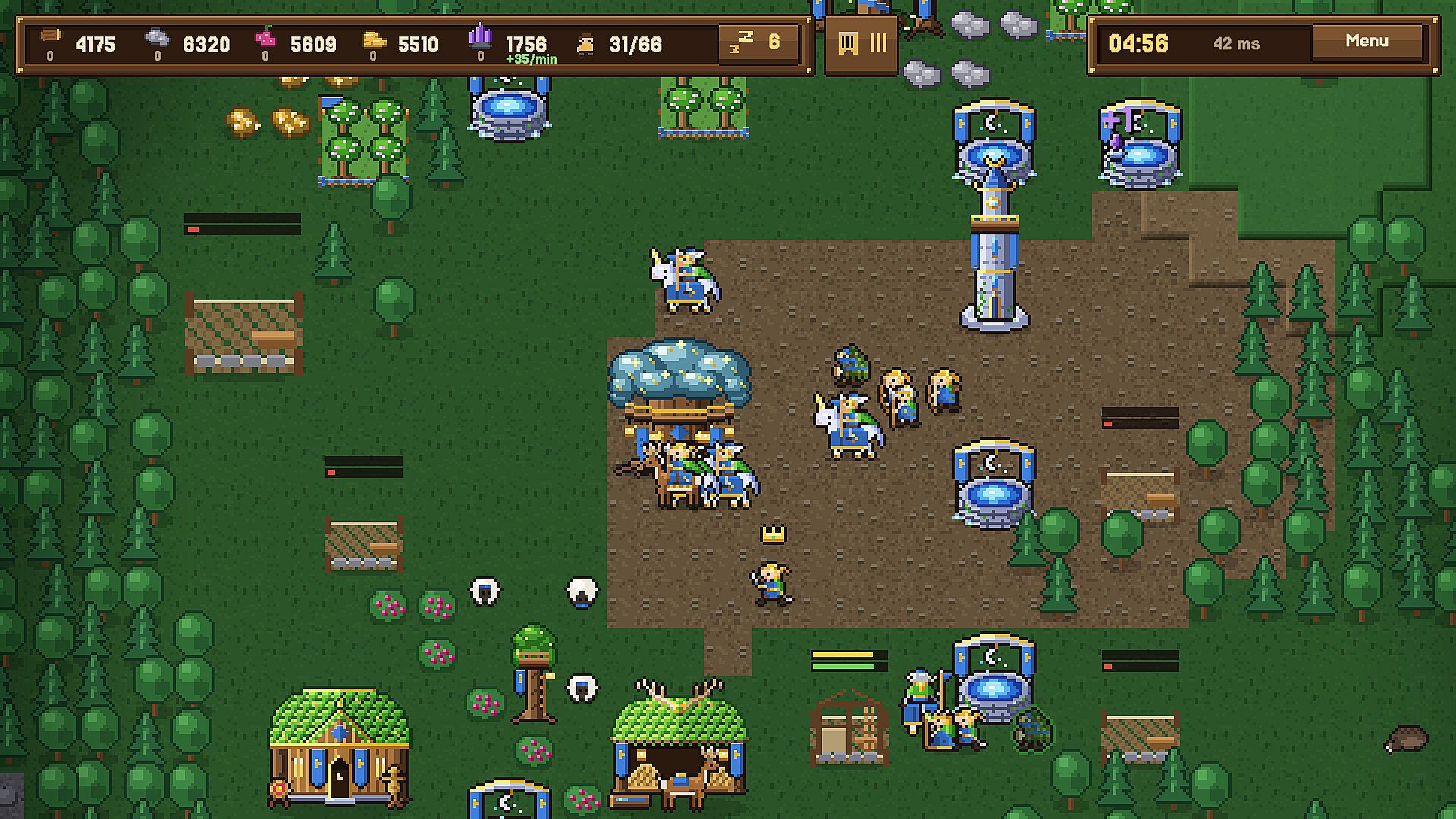
Three distinct peoples shape different playstyles. Humans construct a balanced mix of structures and, upon reaching the Town Age, select one of four cultures-Egyptian, Greek, Japanese, or Norse-each bringing unique mythic creatures and a signature hero such as the Pharaoh, Strategos, Shogun, or Jarl. Orcs emphasize aggressive raiding with goblins that occupy half a housing slot, steal resources from defeated foes, and enter bloodlust states; their War Chief levels up through five stages while hero classes battle in the pit. Elves focus on sustainable growth, forest movement, and magical support from spell towers.
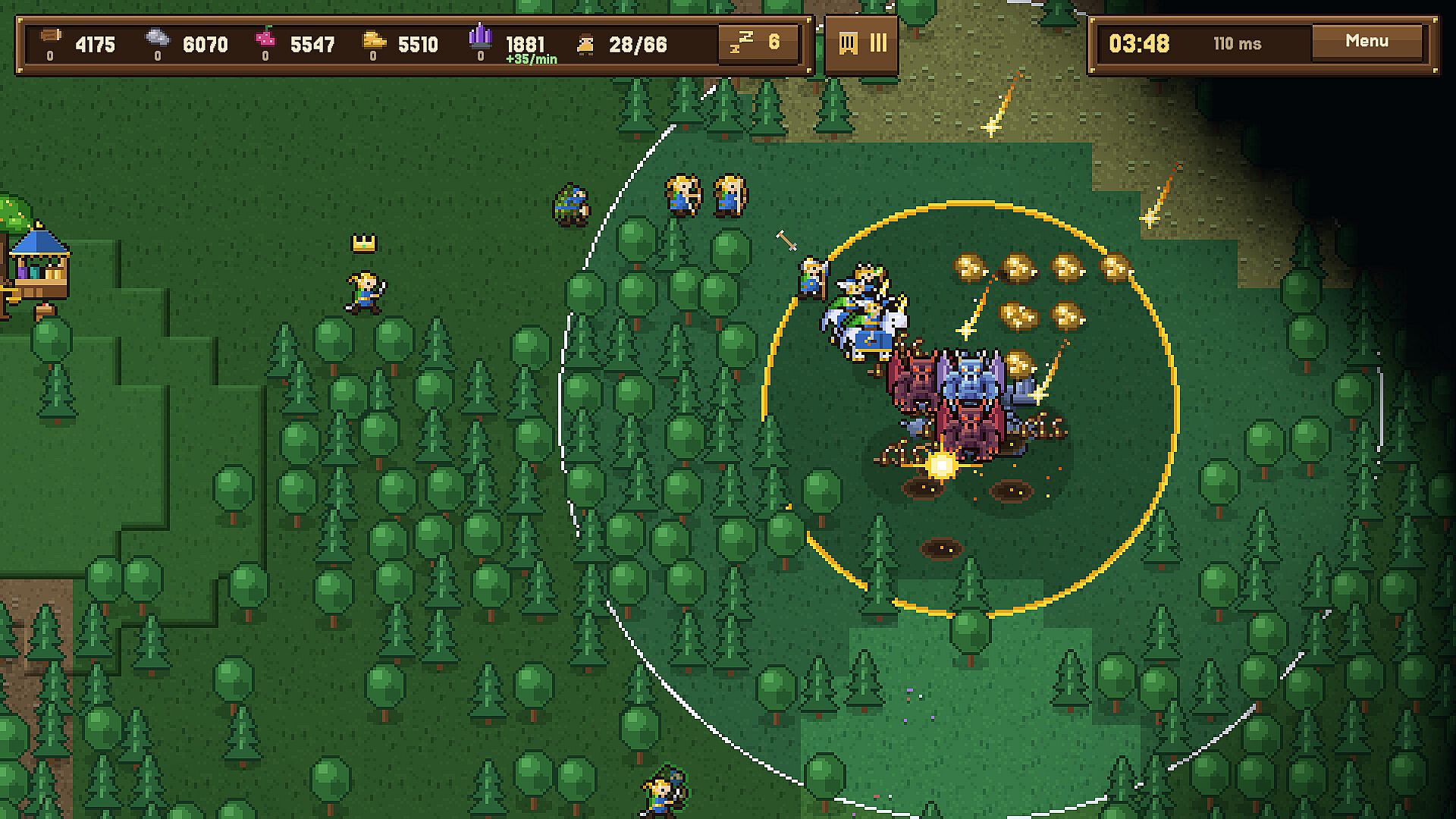
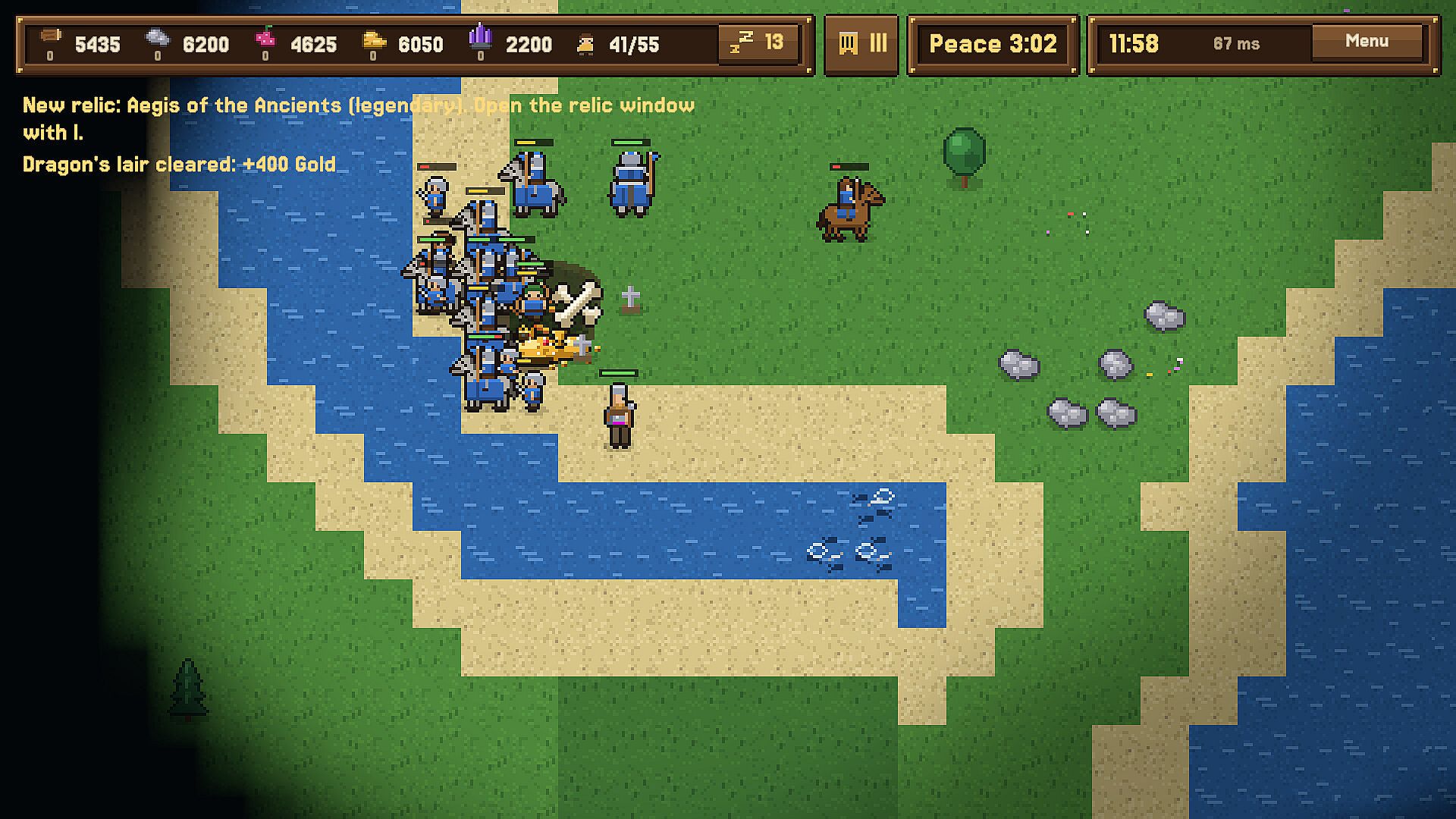
Heroes gain power through relics collected from neutral monster camps scattered across maps. These camps appear in three tiers with twelve monster types ranging from bandits and spiders near the edges to dragons and liches at the center. Relics provide bonuses but degrade during combat, forcing players to weigh risks carefully. Magic abilities vary by faction, from elven starfall and moonlight effects to orc battle cries and human thunder strikes.
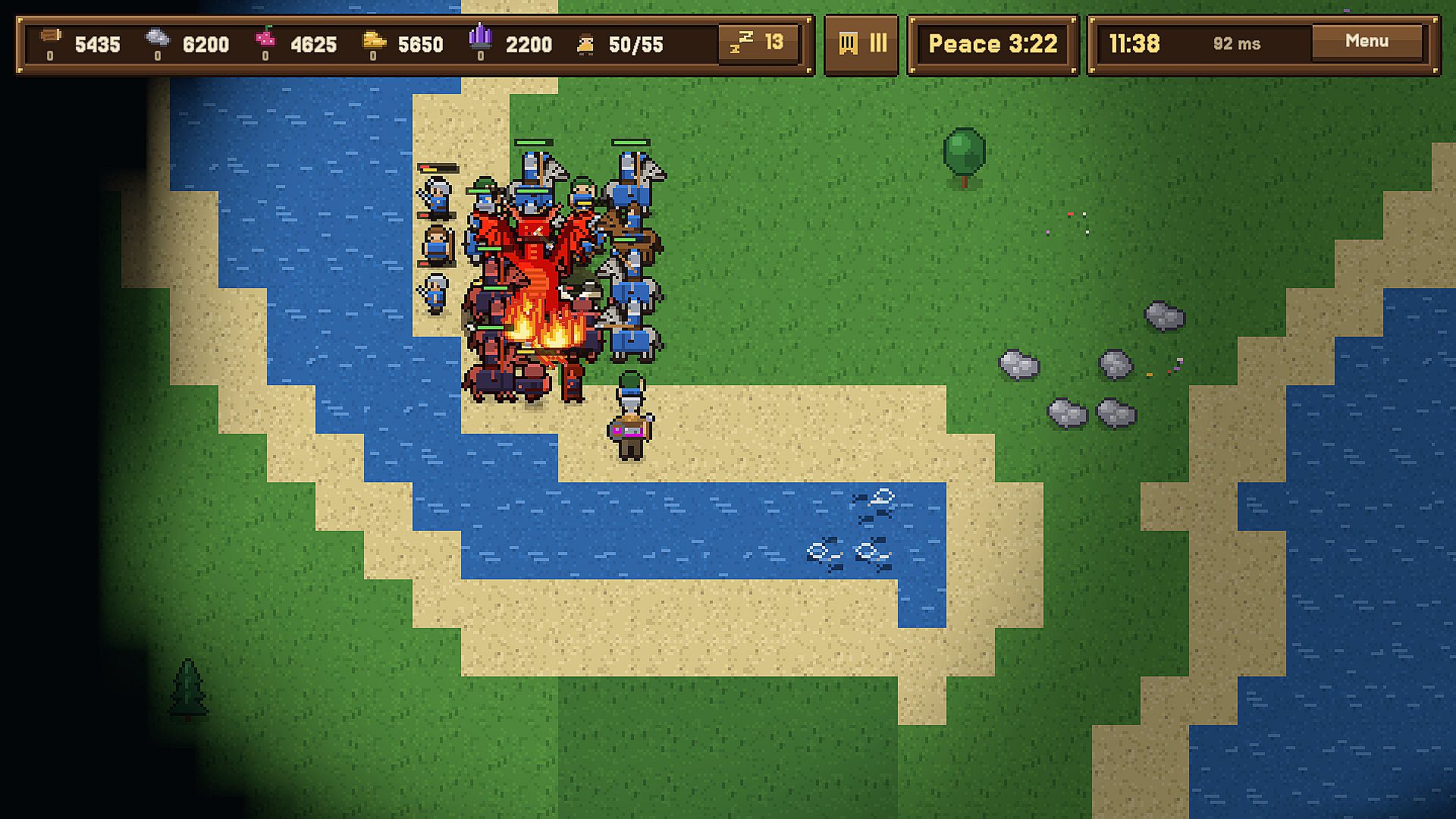
Combat follows rock-paper-scissors unit counters with swords strong against bows, bows against spears, and spears against mounted units. Defensive walls, gates, and towers protect settlements while siege engines such as rams, catapults, and ballistae breach enemy fortifications. Hills grant ranged units and towers increased range.
Game Modes
Matches support up to four players in lobbies that allow teams and computer opponents set to Easy, Normal, Hard, or Brutal difficulty. Computer players operate with fog of war visibility only, matching human information limits. Ranked 1v1 play maintains separate ratings for each people across monthly seasons and a visible leaderboard.
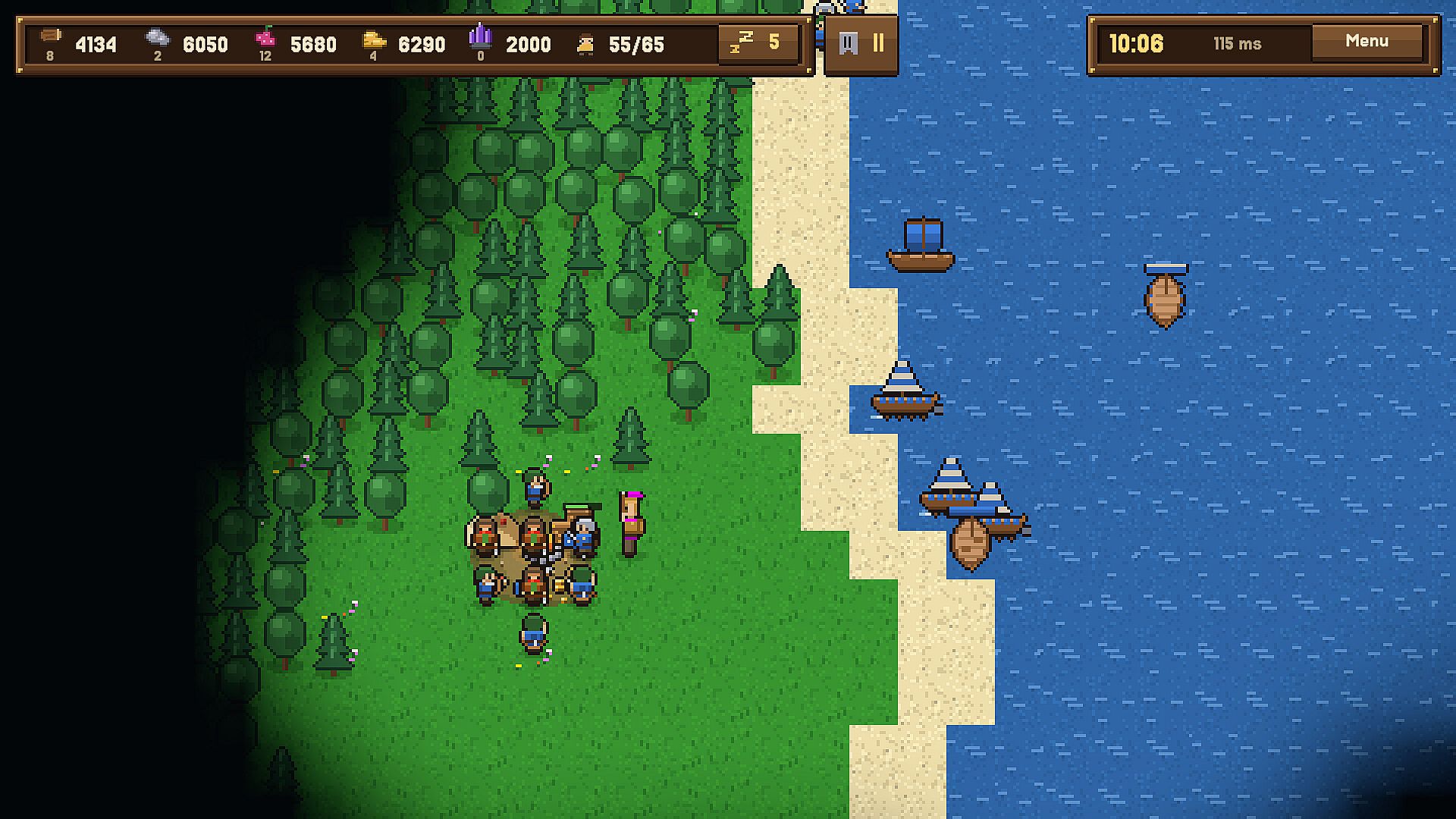
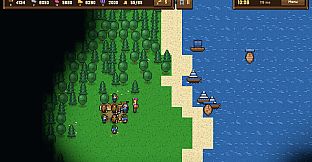
Nine map types-Lakeland, Deep Forest, Steppe, Highlands, Gold Rush, River, Coast, Inland Sea, and Islands-appear in four sizes up to Gigantic. Water plays a key role on many layouts with fishing boats supplying food, transports ferrying troops, and warships controlling sea lanes. Hills provide tactical high ground throughout.
Additional options include customizable hotkeys, post-match statistics with graphs, pause functionality, and surrender. Computer opponents offer adjustable chat levels from off to hard taunting, with a default chat filter active.
Factions and Progression
Each people features asymmetric mechanics that reward different strategies. Humans gain flexibility through cultural choices and hero relics. Orcs lean into resource theft and aggressive unit production with housing-efficient goblins. Elves emphasize defensive growth and magical area control from towers. All factions equip heroes with up to fifty distinct relics that enhance abilities over time.
Monster camps reward gold, mana, and relics when cleared, integrating neutral objectives into the map. Siege warfare and naval elements add layers to larger maps, while the tech tree encourages long-term planning within individual matches.
Is It Worth Playing?
Tiny RTS targets players who enjoy classic real-time strategy elements in a compact, pixel-art package designed for quicker sessions. The combination of base building, resource management, faction asymmetry, hero progression, and naval combat creates depth without requiring lengthy commitments. Ranked seasons and computer opponents with distinct personalities support both competitive and casual play. An internet connection is required for all matches, including those against AI, as they run on dedicated servers. The game suits fans of strategy titles seeking accessible multiplayer options alongside single-player practice against adjustable difficulty levels.