

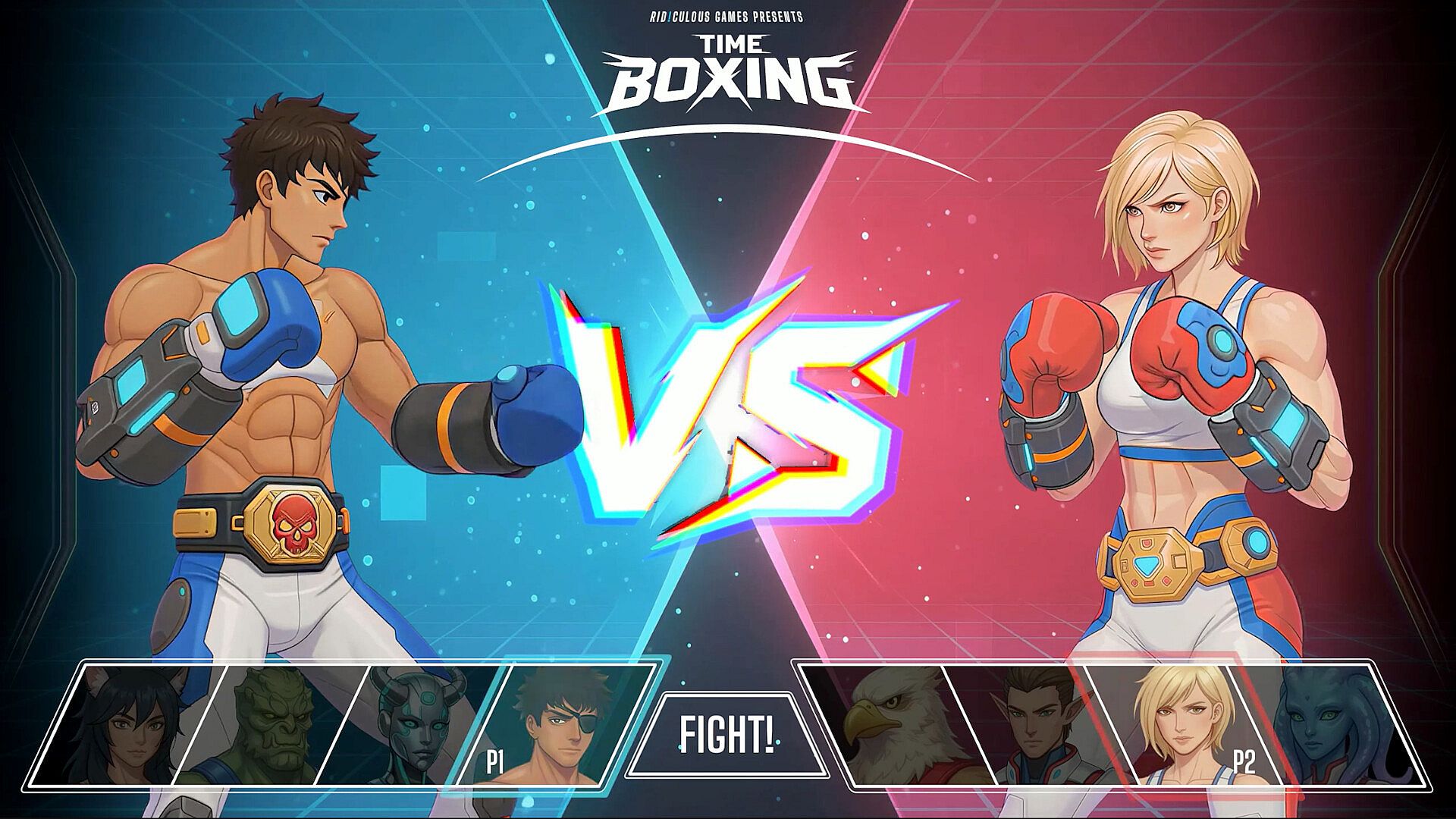
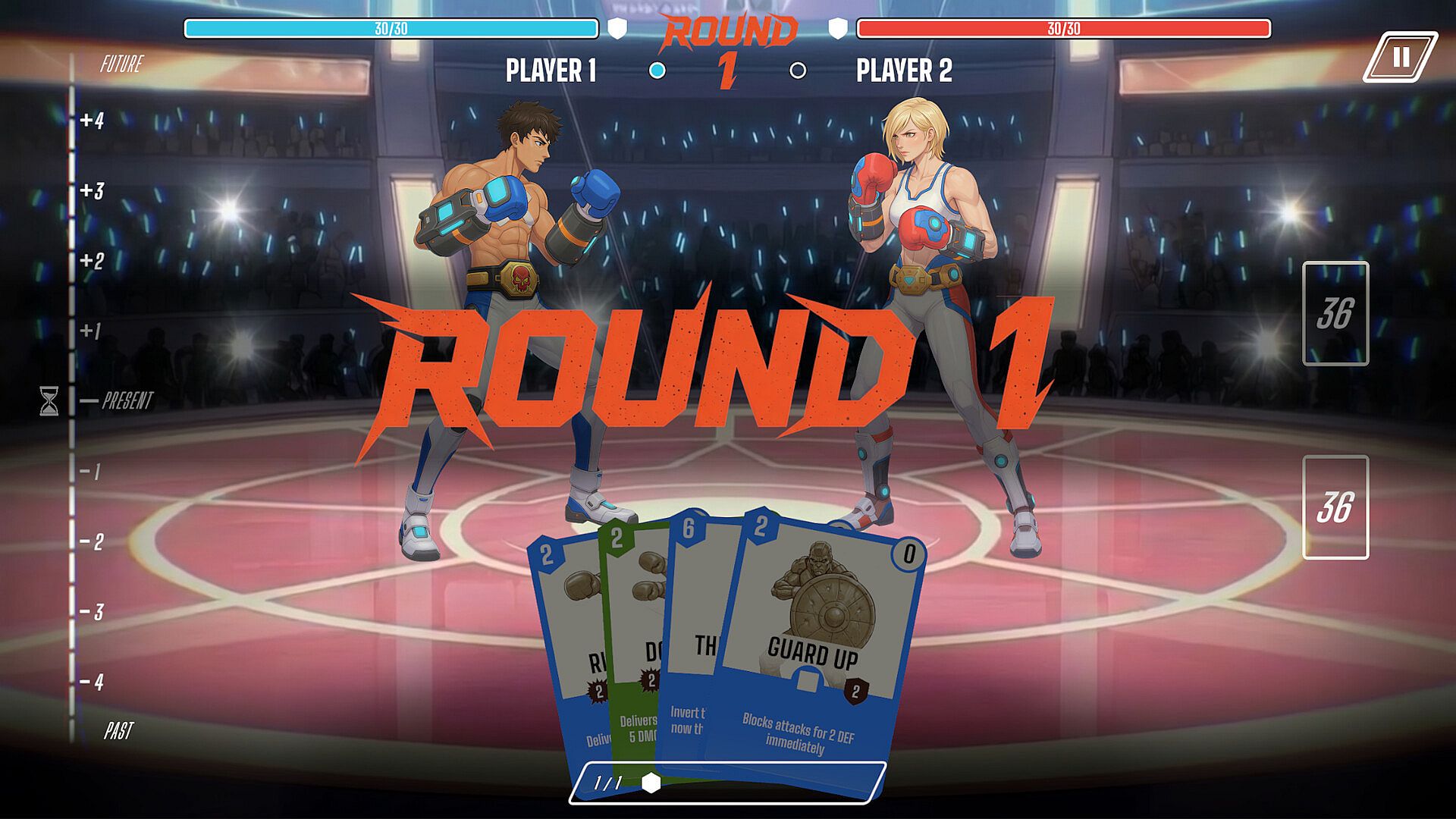
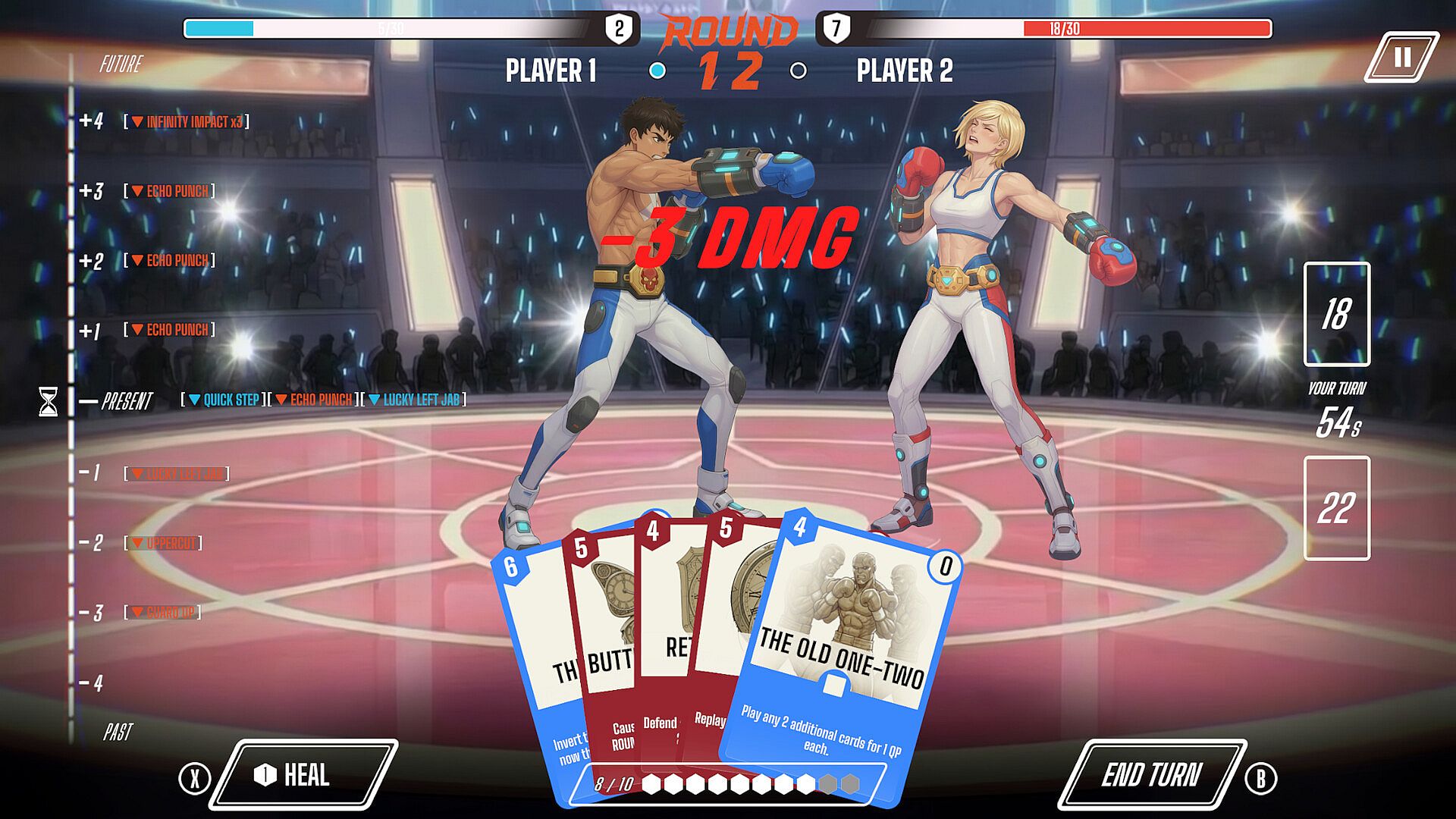
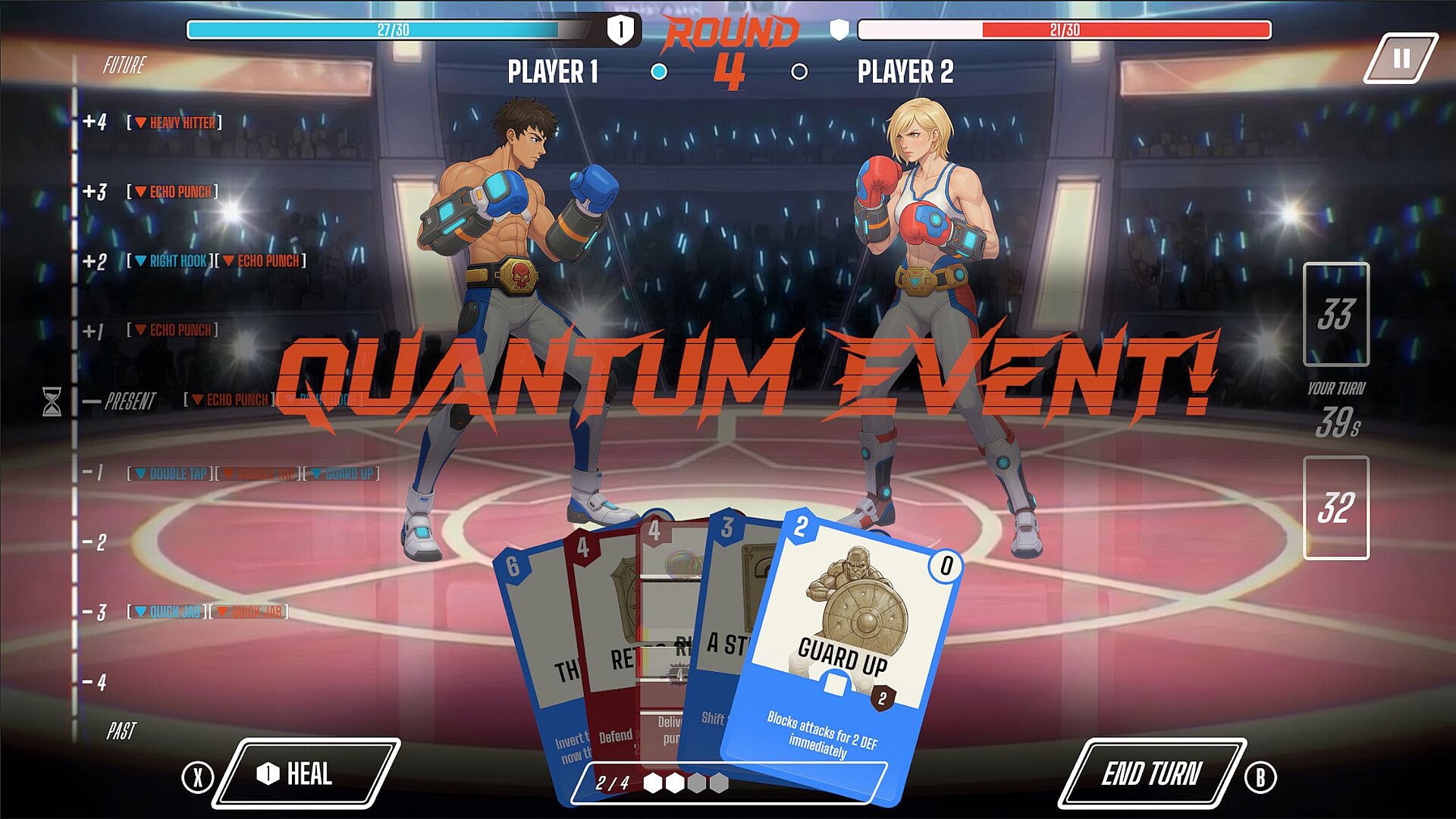
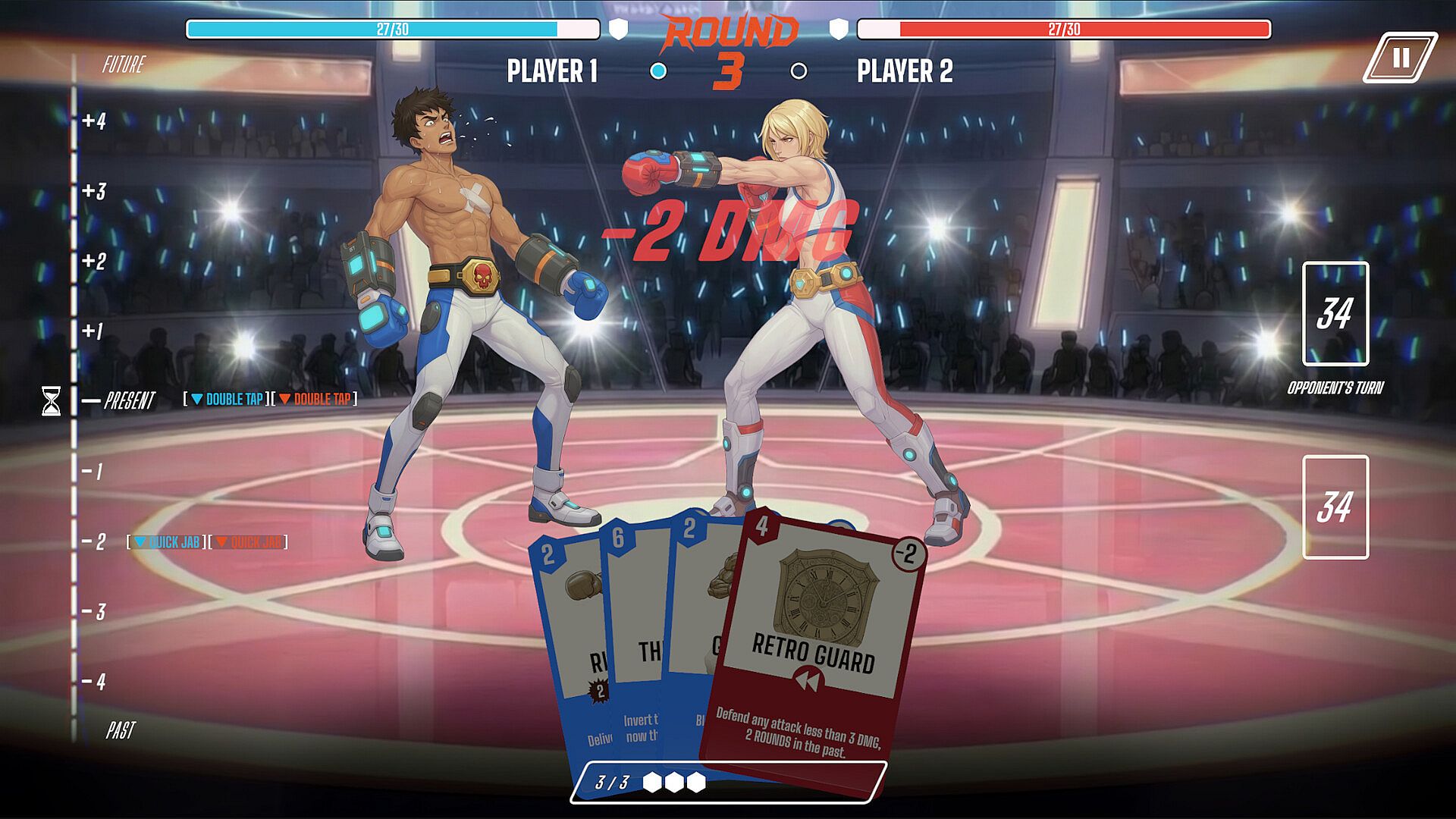
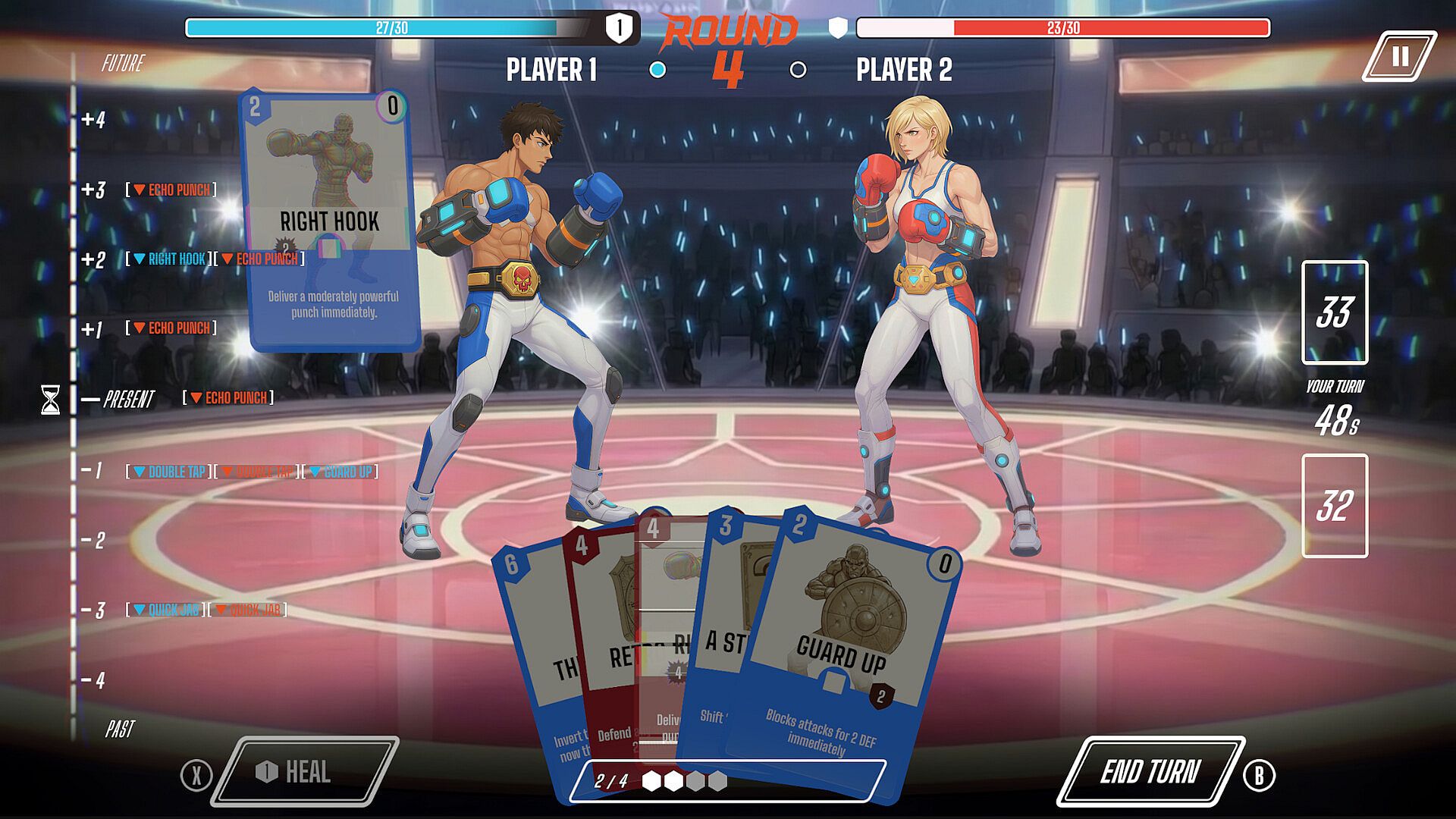


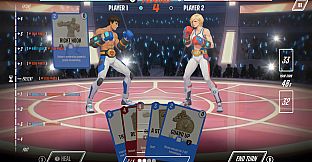
Time Boxing is a turn-based hybrid card-battler and fighting game developed for PC. Players select a boxer and engage in matches where each attack takes the form of a card drawn from a hand. The core loop revolves around managing actions across three distinct time periods while avoiding self-inflicted damage from timeline inconsistencies.
Gameplay
Matches unfold as a series of turns in which participants draw cards representing jabs, hooks, uppercuts, counters, and special abilities tied to their chosen fighter. These cards can be played in the present for immediate effect, scheduled for future turns, or used to interact with past actions already resolved. The timeline display tracks every committed move, allowing players to rewind recent punches, reposition future strikes into earlier slots, or interrupt opponent sequences in the current moment.
Resource management centers on the hand size and the flow of time itself. Stacking effects across multiple turns creates layered advantages, such as amplifying a later attack or forcing an opponent into a defensive posture. However, any future card requires a corresponding present action to close the causal loop. Failure to complete that loop triggers a paradox, redirecting the intended damage back to the player who initiated the inconsistency.
Fighters each carry signature cards and playstyles that reward different approaches. Aggressive options emphasize chaining direct blows and pressuring the opponent before they can react, while tactical variants focus on disrupting the timeline and stealing resources from earlier turns. Deck construction supports either building from scratch around a preferred boxer or selecting a pre-tuned archetype and refining it through targeted adjustments.
Game Modes
The game supports single-player matches against AI opponents and online PvP duels. Both formats follow the same core rules of card play and timeline manipulation, allowing practice of deck strategies in isolation before testing them against other participants. No additional named modes appear in official listings.
Fighters and Deck Construction
Selection begins with a roster of distinct boxers, each defined by unique abilities and card pools that shape viable strategies. One fighter might excel at overwhelming pressure through repeated present attacks, whereas another manipulates future slots to set traps that activate several turns later. Deck building occurs around these traits, with options to assemble custom collections or adopt balanced starting configurations that can be tuned further.
Card interactions reward careful reading of the shared timeline. A player might plant a powerful strike several turns ahead, then use intervening actions to protect that future slot or remove opposing threats. Paradoxes serve as a built-in risk that punishes overextension, forcing decisions that balance immediate aggression against long-term stability.
Is It Worth Playing?
Time Boxing remains unreleased with a planned date listed as to be announced. The described mechanics combine elements of card management, positioning across time periods, and risk assessment through paradoxes, which may appeal to players who enjoy deliberate, choice-heavy combat systems. Single-player options provide an entry point for learning fighter matchups and deck interactions, while online PvP adds direct competition once available. Those drawn to hybrid card and fighting experiences without traditional real-time execution can monitor development for updates on the roster and balance refinements.