







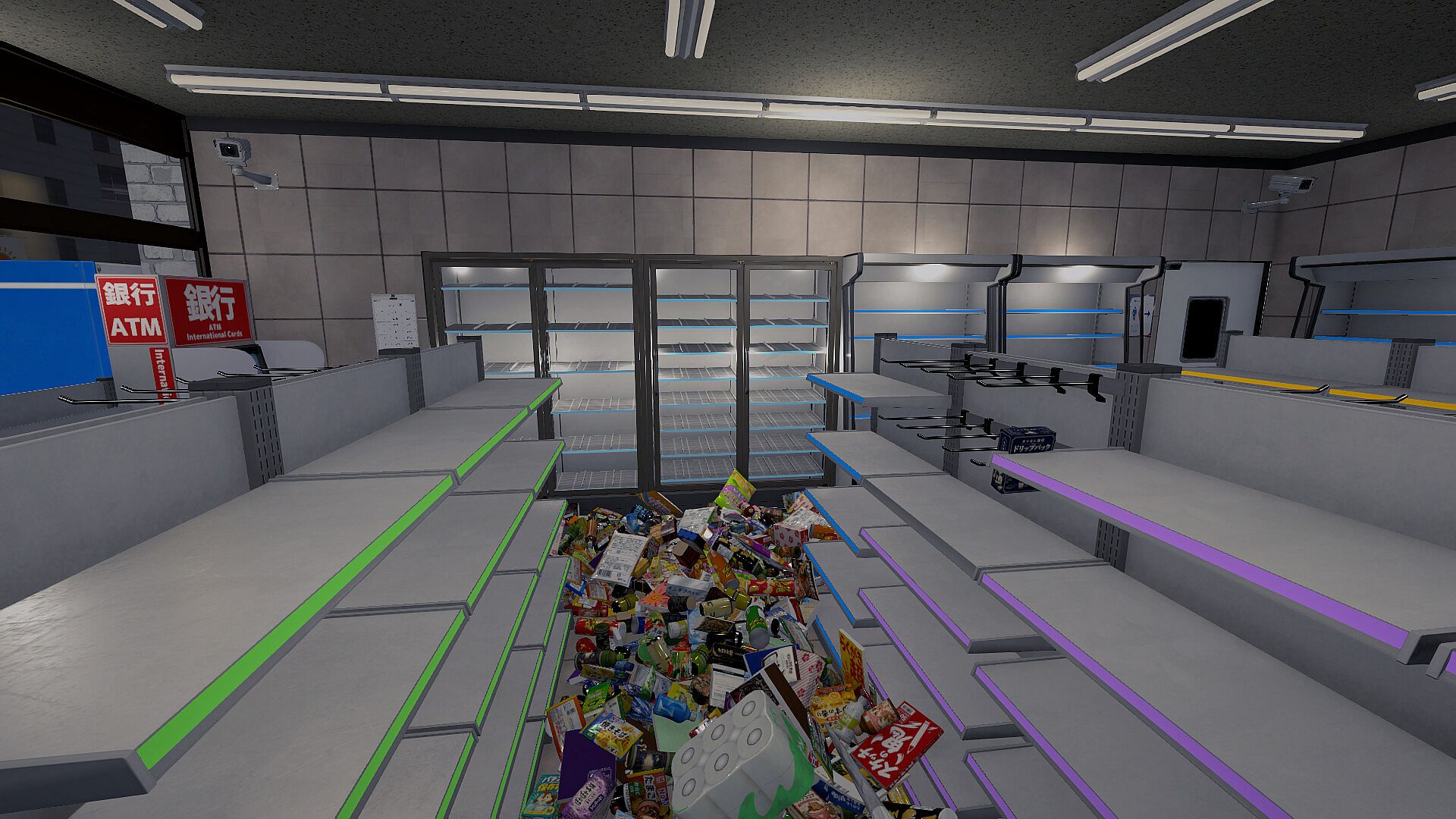
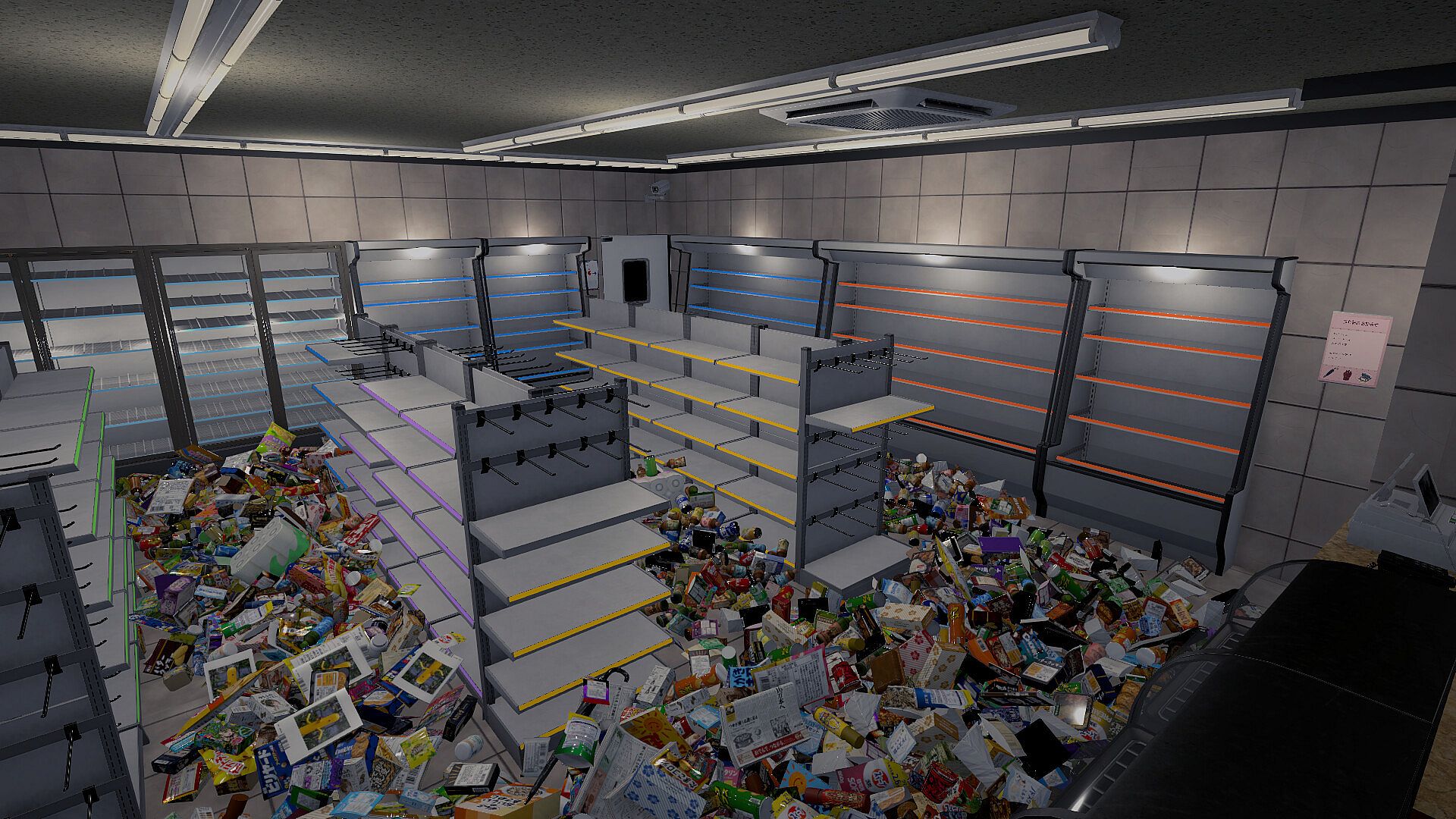
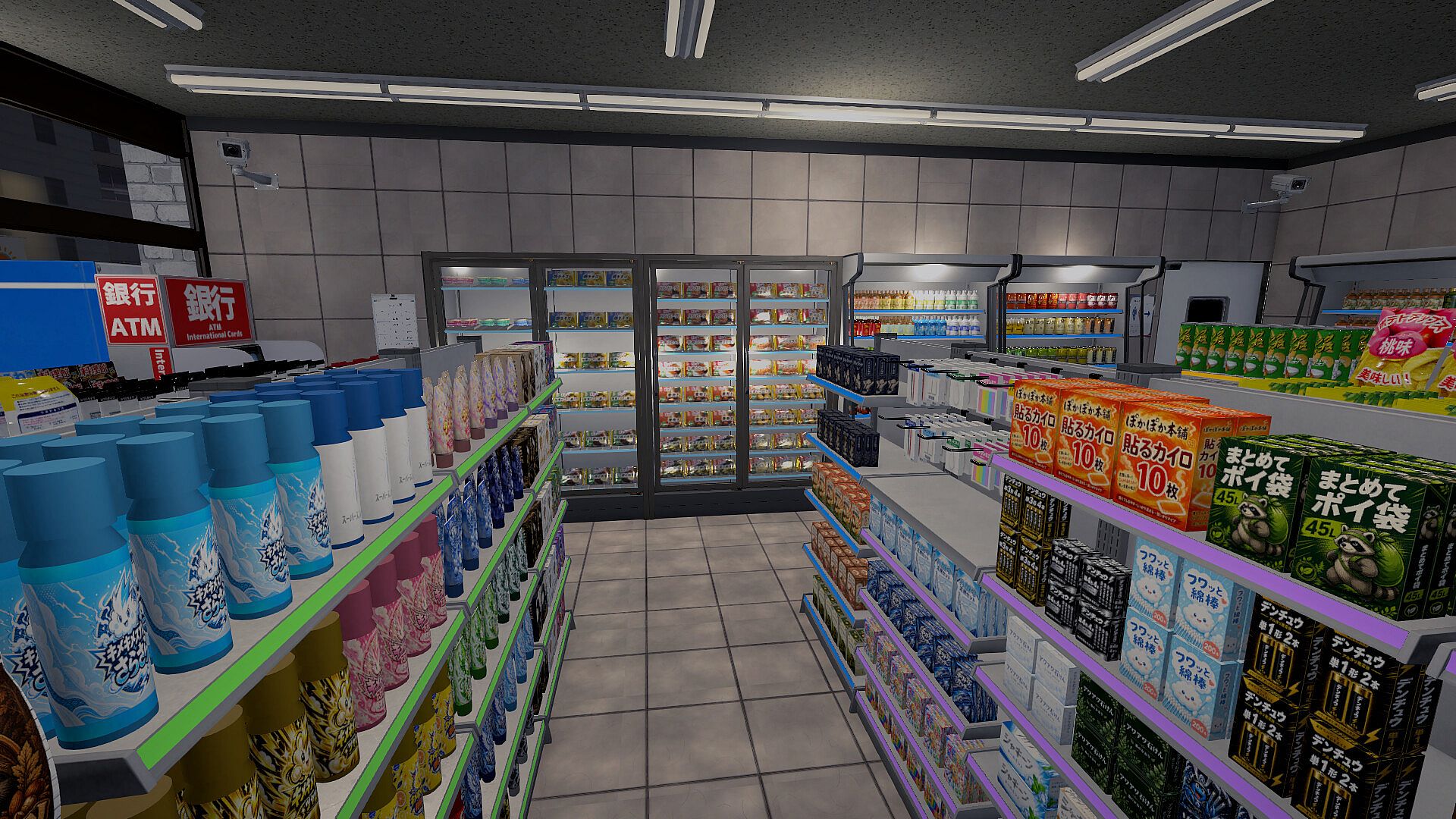
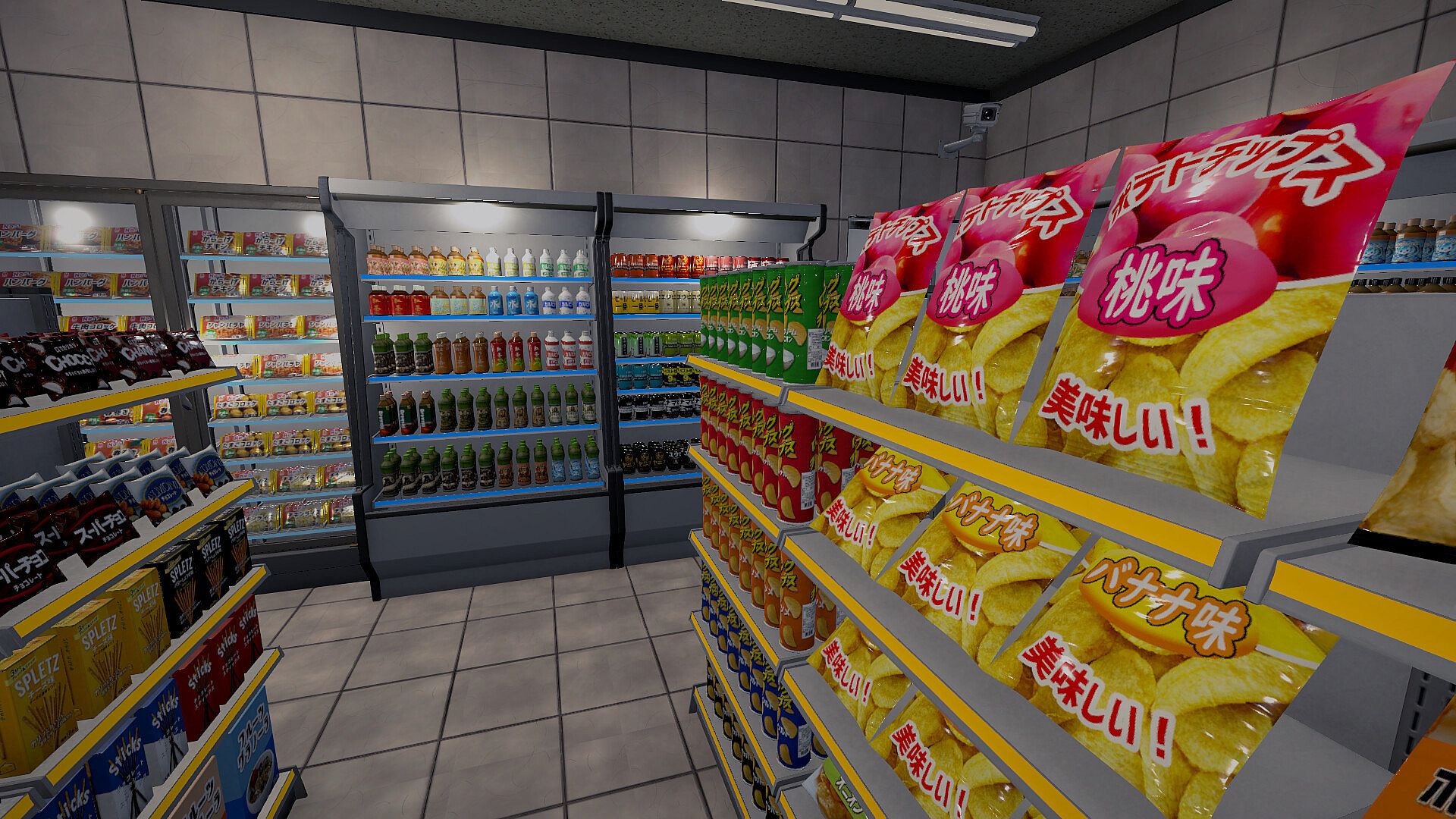
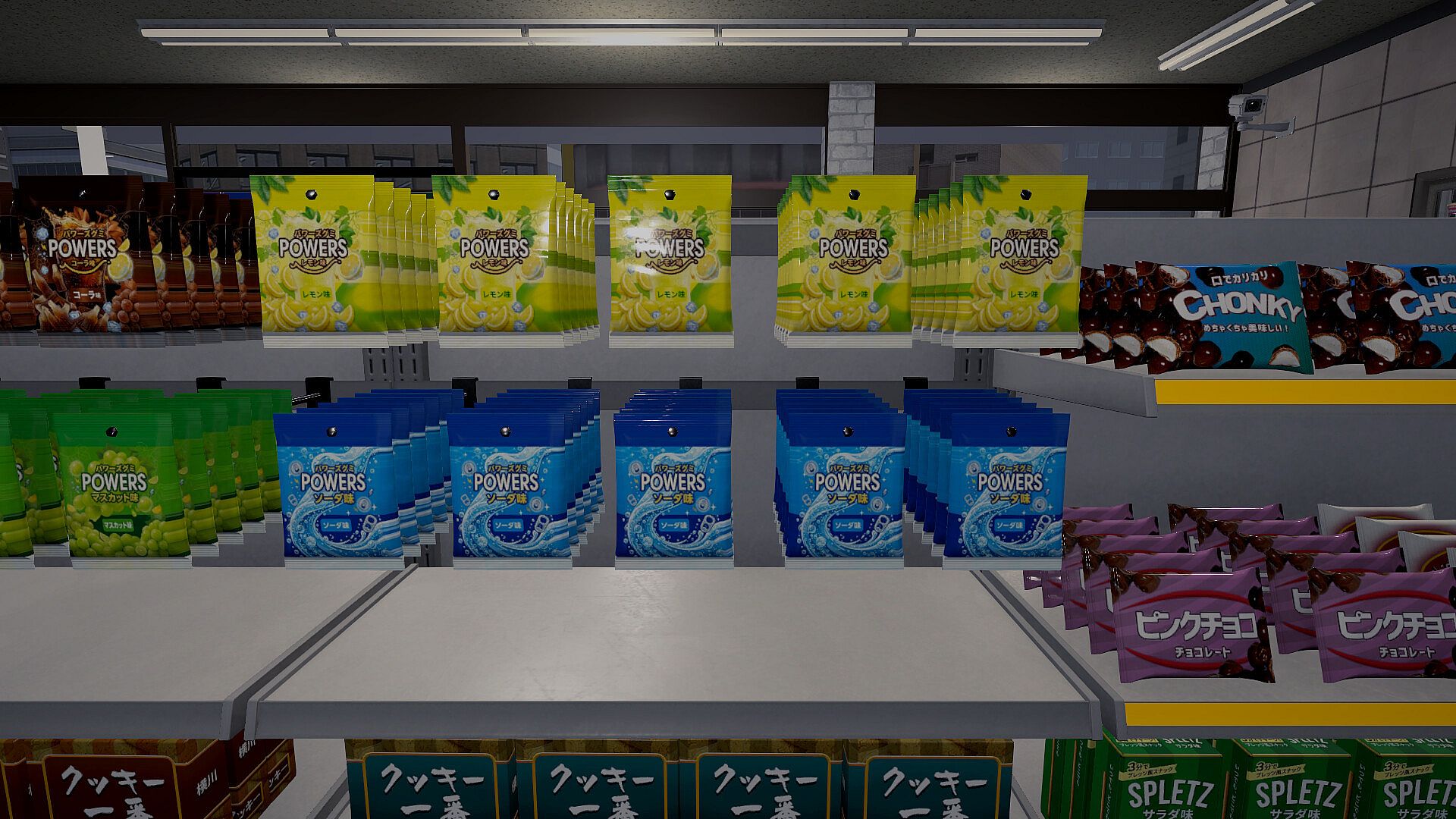
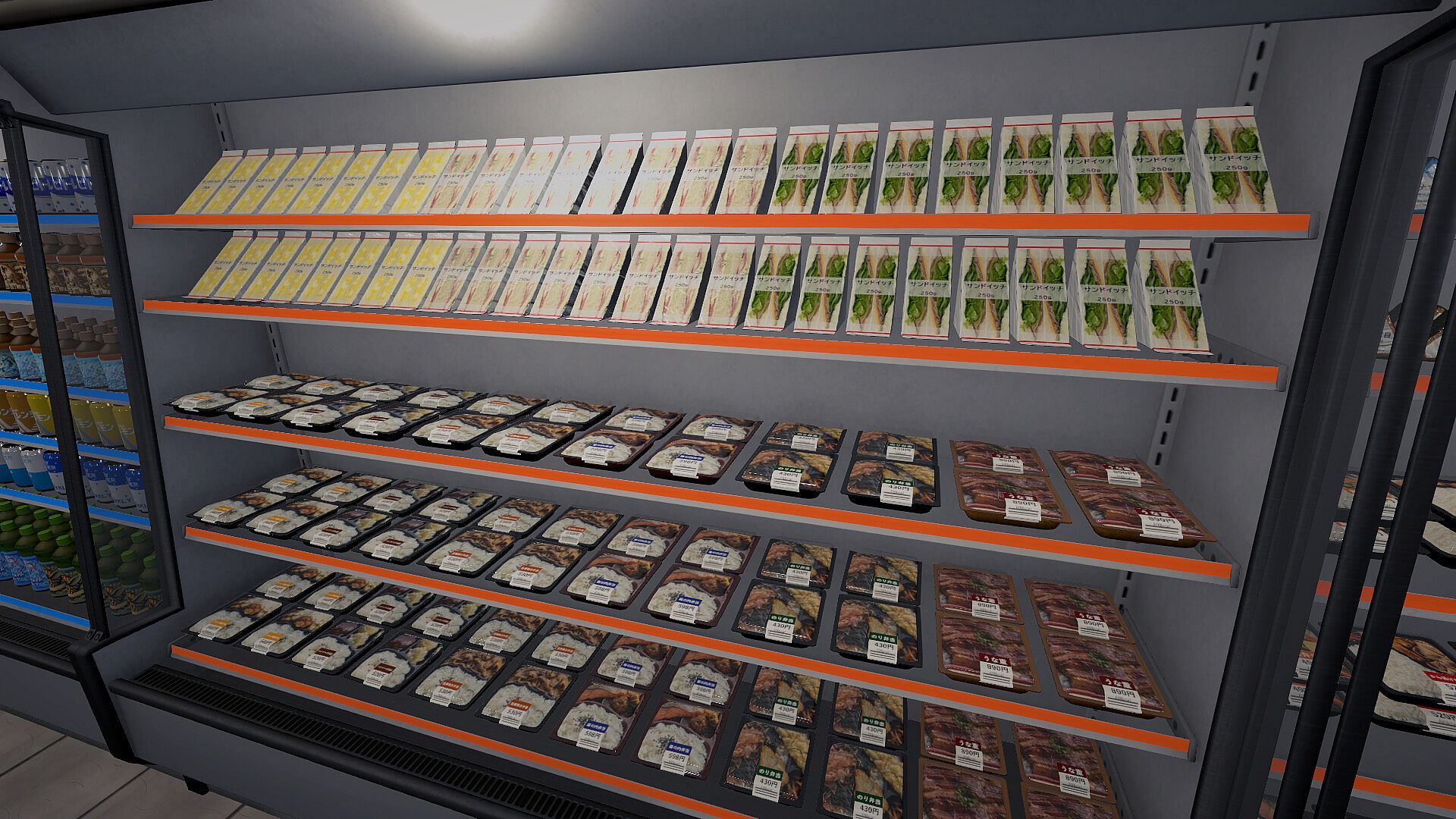
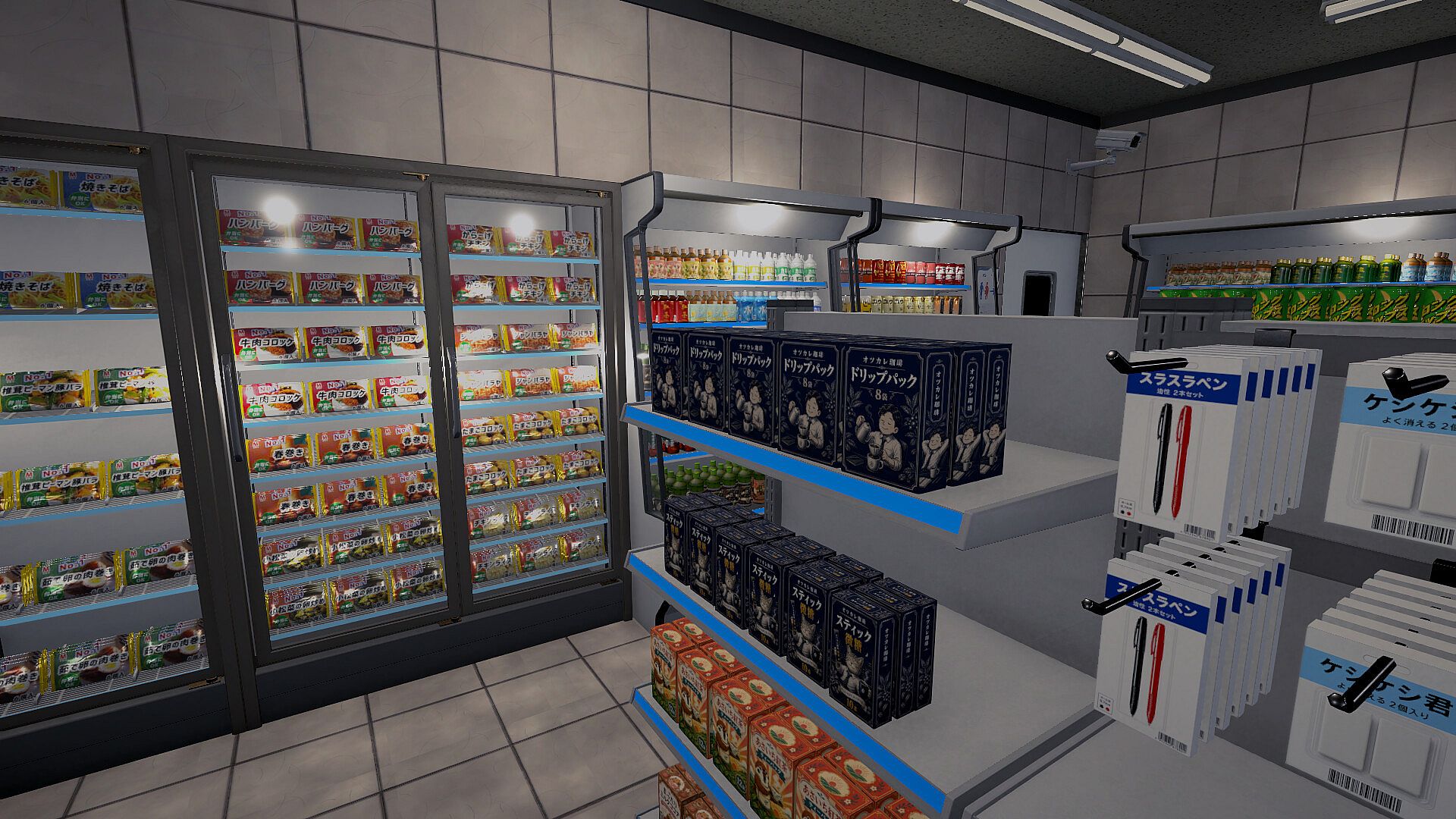
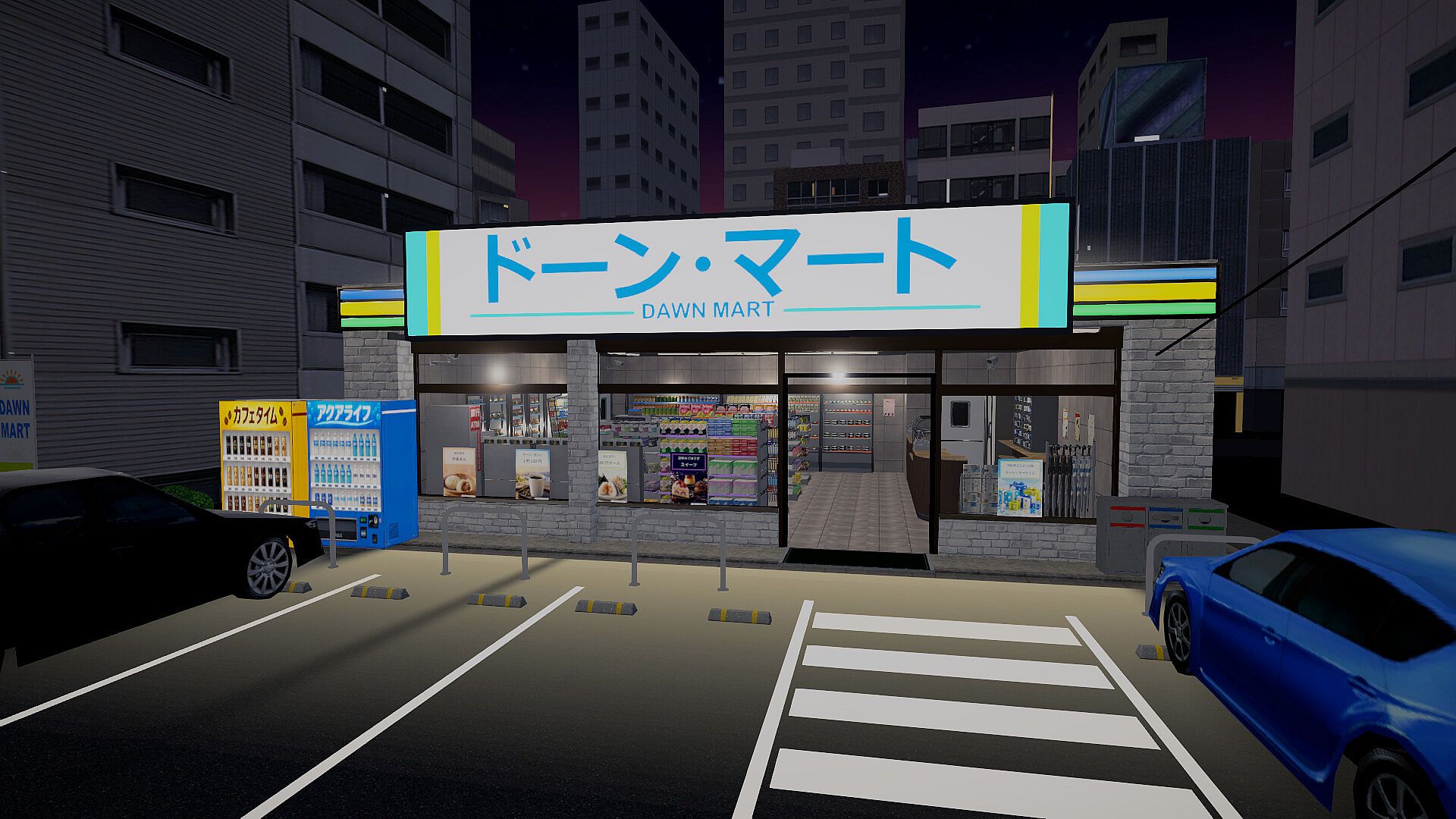
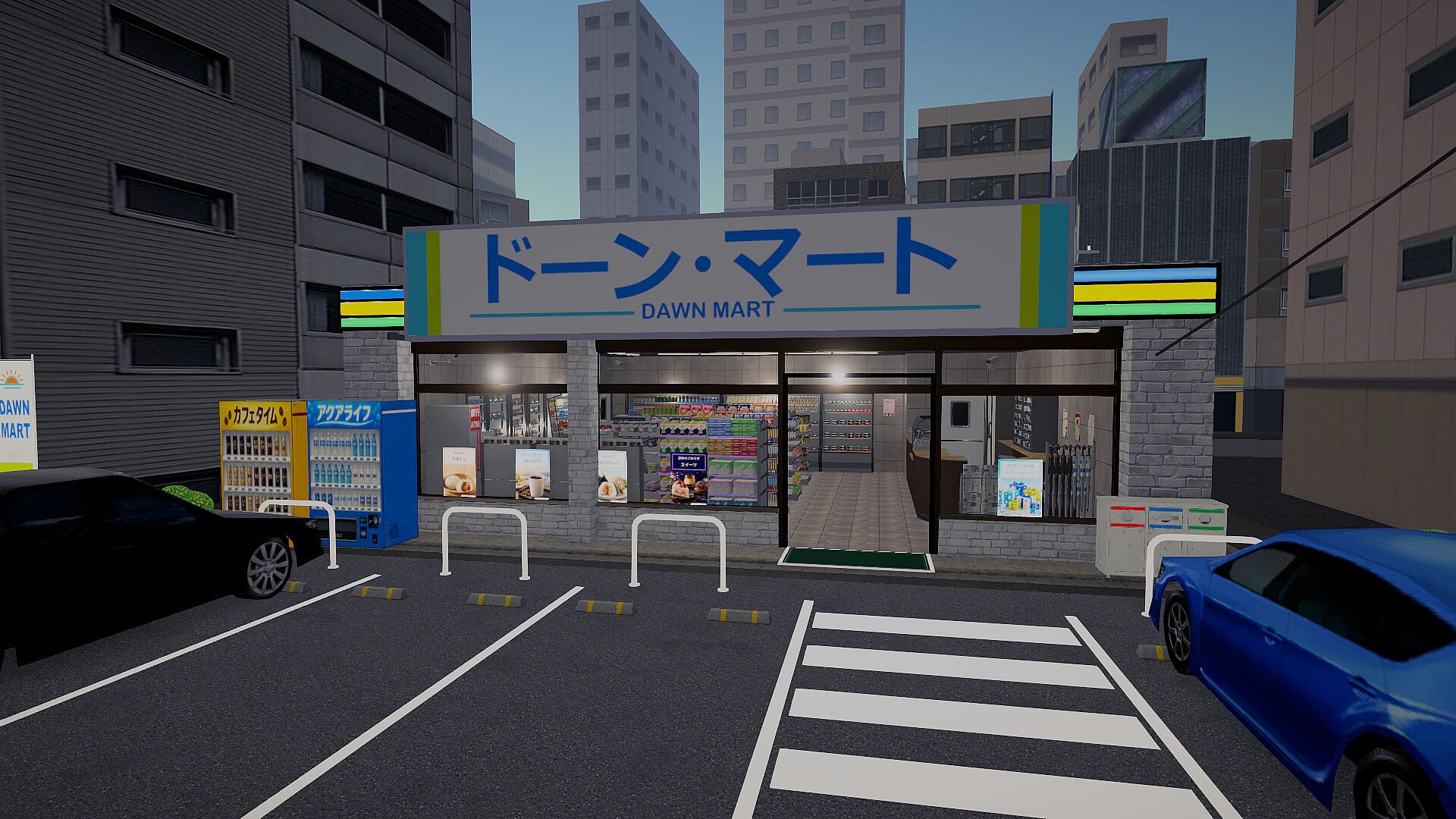
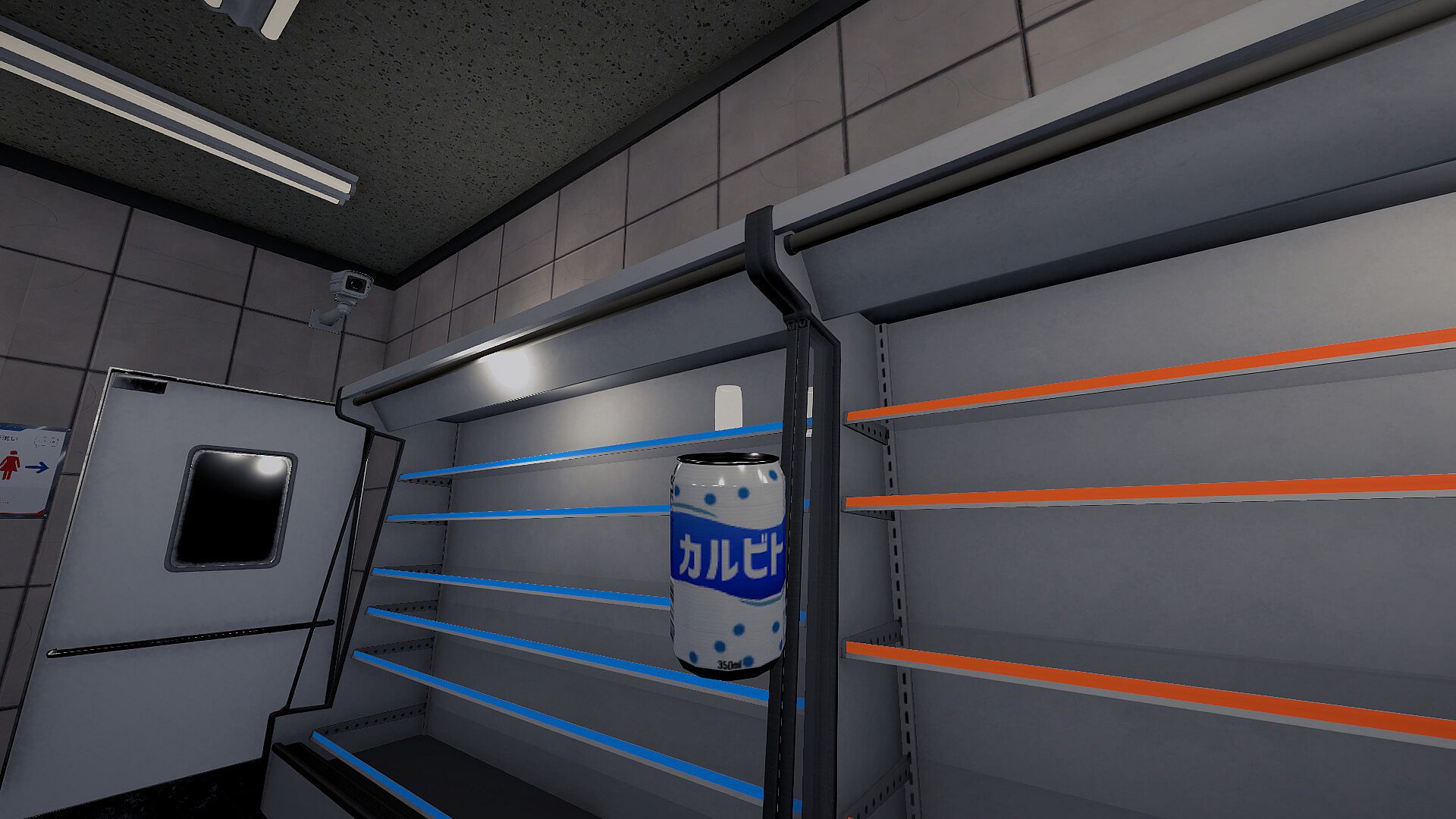
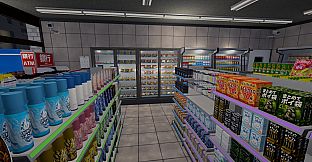
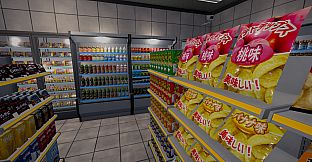
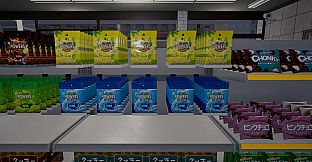
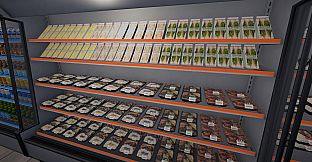
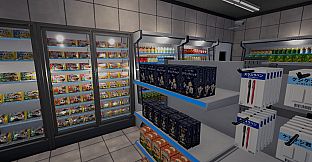


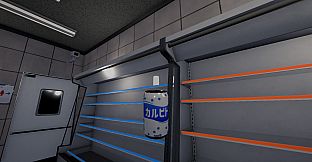
Tidy Till Dawn is a singleplayer simulation game in the indie casual genre where players take on a night shift stocking shelves at an empty convenience store. The core loop revolves around sorting nearly 4,000 individual items across 372 product types into their precise locations before morning arrives. Every item belongs in exactly one spot, and the game provides clear visual feedback through a translucent ghost overlay that turns white for correct placement and red for incorrect shelves.
Gameplay
The experience centers on methodical organization inside a detailed store layout. Players pick up merchandise and watch the ghost indicator guide them to the right shelf. Correct snaps produce a satisfying sound and visual cue that reinforces the rhythm of the task. Over multiple sessions the store becomes familiar, with specific rules like cup noodles belonging on the wall side of the center island or detergent positioned behind the ATM. A store map accessed with the M key displays colored sections by category, with finished shelves highlighted in green and matching rail colors along shelf edges to aid navigation without constant reference.
Time advances naturally during play, shifting the sky from midnight through twilight to full morning light. Environmental events add variety, including in-store announcements, manager notes that appear after completing sections, and occasional blackouts that require locating the breaker behind the register. The store remains empty of customers, yet the manager's presence lingers through these interruptions. Shelving work builds experience that unlocks a skill tree featuring abilities such as Bigger Basket, Item Radar, Aisle Nav, Summon, and Quick Stock. These tools streamline later runs while preserving the tactile satisfaction of manual placement until the final items.
Every product carries a fictional parody name, turning shelf browsing into its own quiet reward. Comfort settings cover field of view, eye height, mouse sensitivity, reticle visibility, and full key rebinding, with full gamepad support using an Xbox layout. The interface scales cleanly for Steam Deck play, and autosave works alongside three manual save slots. Japanese and English support covers both the interface and all product names.
Game Modes
The primary mode follows the narrative of a single night shift. Players start with a completely disorganized floor and work through the entire inventory at their own pace, typically requiring around three hours to finish one complete run. Progress saves automatically, and the map plus section-focused HUD keep the scale of 4,000 items manageable by highlighting only what remains in the current area.
After the initial clear, a time attack mode becomes available. This second run uses a fixed seed so the mess stays identical each attempt, letting players focus purely on improving personal best times from a fresh start. Thirty Steam achievements track various milestones across both experiences. A time-lapse replay of the completed night plays automatically once the last item is shelved and the store opens in morning sunlight.
Progression and Features
Skill progression rewards consistent play by unlocking new abilities that reduce repetition without removing the core satisfaction of hands-on shelving. The skill tree encourages experimentation across multiple nights, while the fixed-seed time attack provides a clear benchmark for mastery. Visual and audio feedback stays consistent throughout, with the ghost overlay and snap sounds remaining reliable guides even after the layout is memorized.
Additional quality-of-life elements include the ability to review the full night in time-lapse form after completion. The game avoids overwhelming players with the total item count by keeping the HUD and map focused on the active section. All mechanics emphasize precision and repetition in a calm setting, with no combat or external threats beyond the ticking clock until dawn.
Is It Worth Playing?
Tidy Till Dawn suits players who enjoy deliberate, low-pressure simulation games built around organization and pattern recognition. The combination of tactile feedback, gradual mastery of the store layout, and light narrative touches through manager notes creates a focused loop that rewards attention to detail. Those who appreciate casual titles with clear rules and satisfying completion moments will find the three-hour runs engaging without requiring intense reflexes or complex strategy.
The time attack option extends replay value for anyone seeking measurable improvement, while the skill tree adds meaningful progression that respects the appeal of manual work. Comfort options and controller support broaden accessibility. Because the game stays true to its single core activity across its full length, it delivers a consistent experience best suited to short or medium sessions where the goal is methodical completion rather than high-stakes competition. If the premise of turning a chaotic store into an orderly space appeals, the verified systems and pacing make it a strong match for that preference.











