






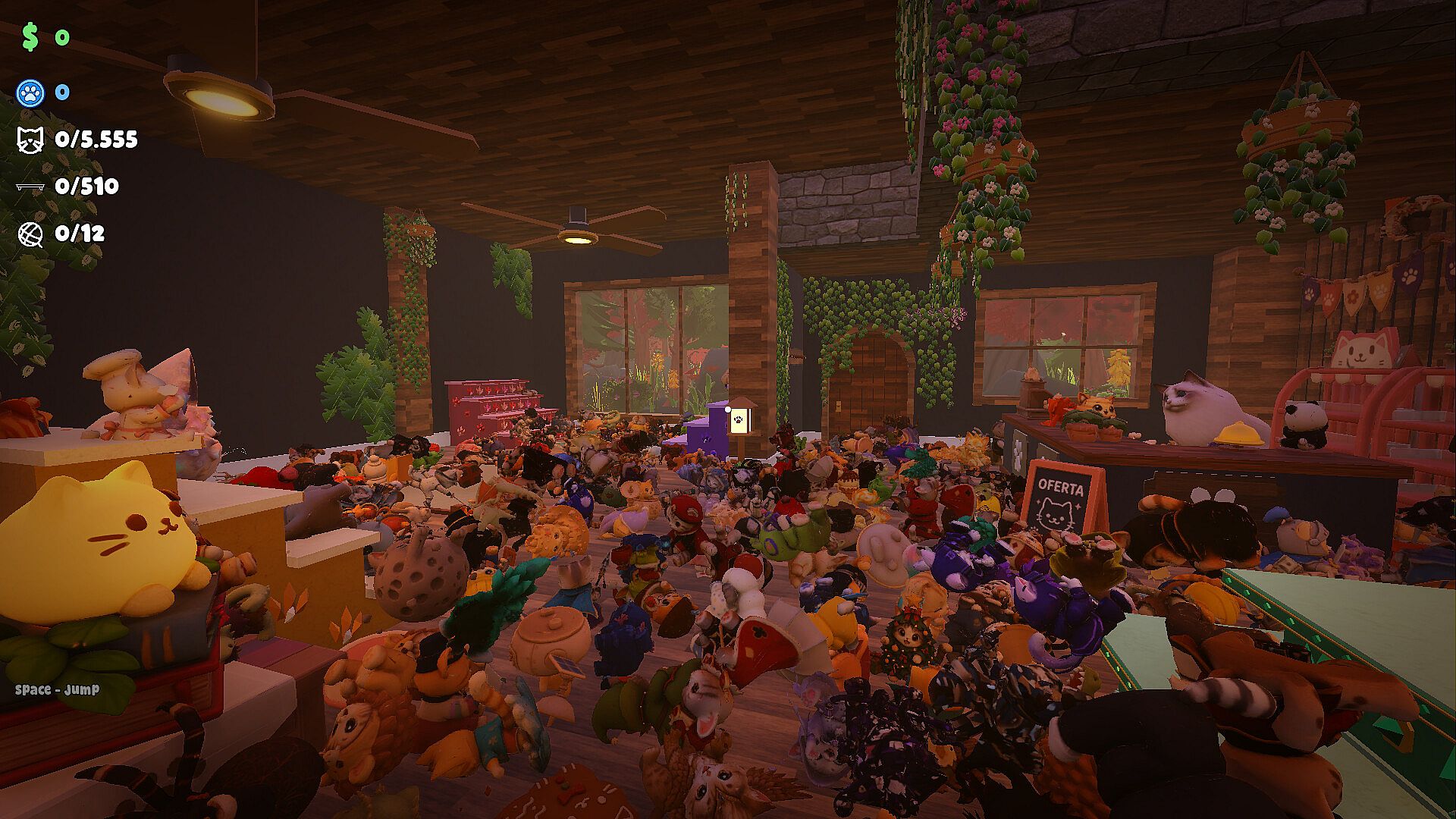
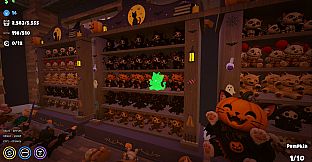
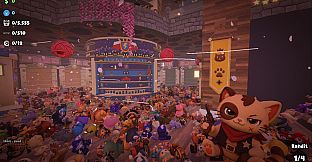
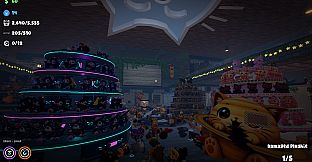
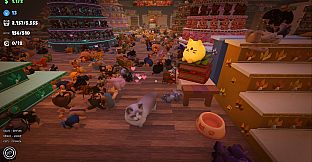
Tidy Tails is a casual simulation game centered on restoring order to a cluttered cat plushie store. Players take on the role of an organizer who sorts through thousands of unique plushies while gradually improving movement and carrying capacity. The experience emphasizes patient observation, pattern recognition, and steady progress as piles of toys give way to neatly arranged displays.
Gameplay
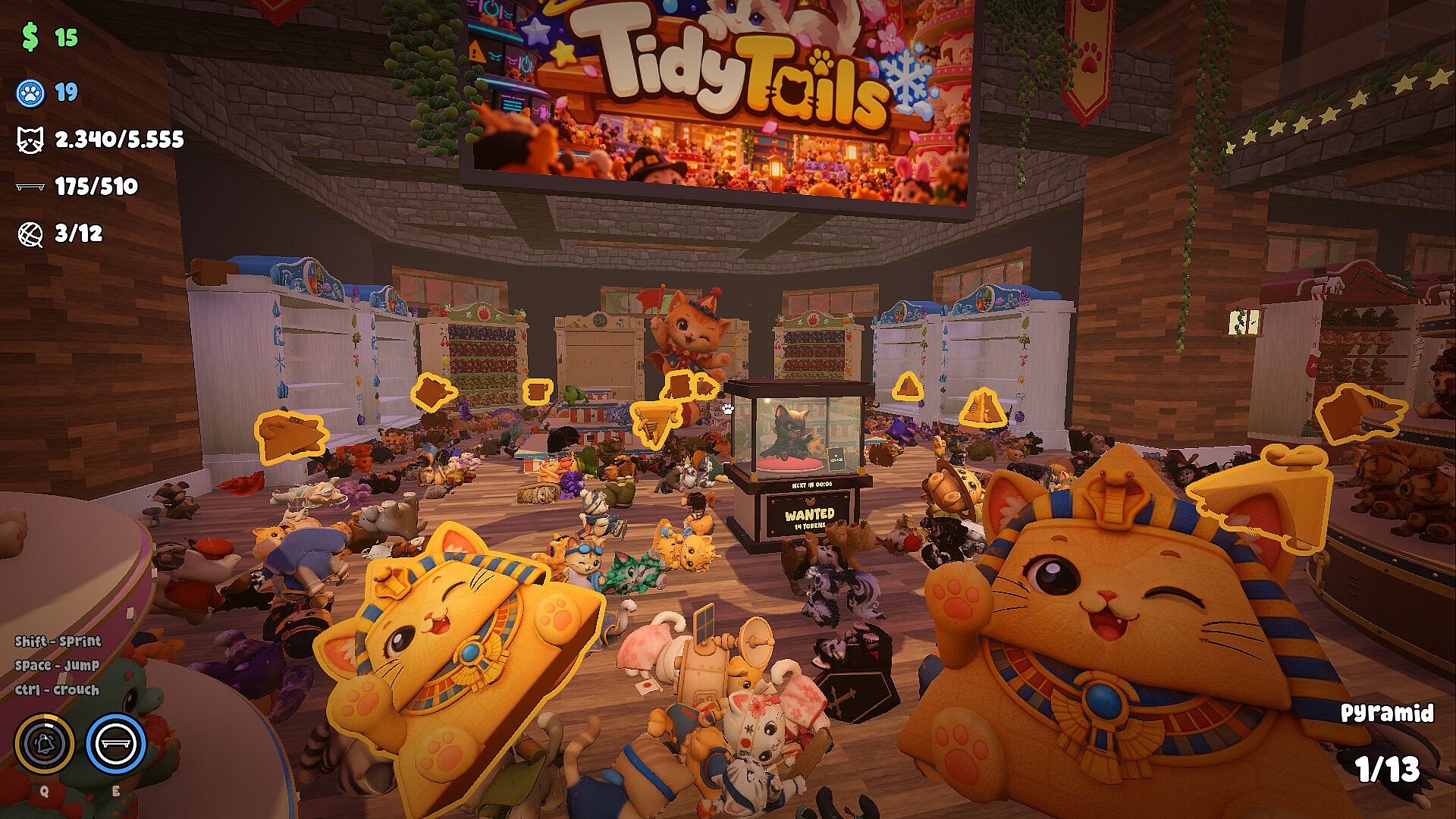
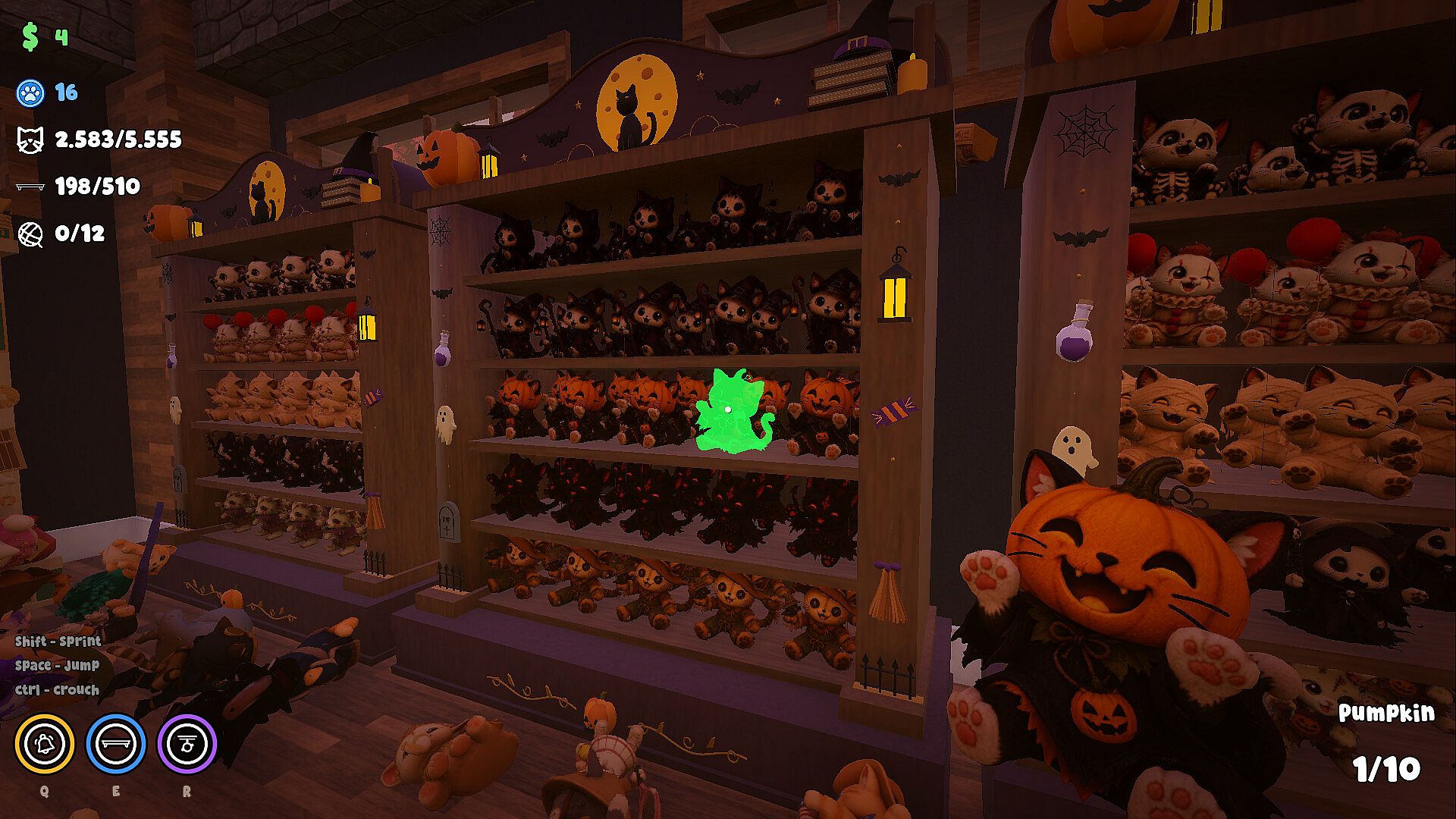
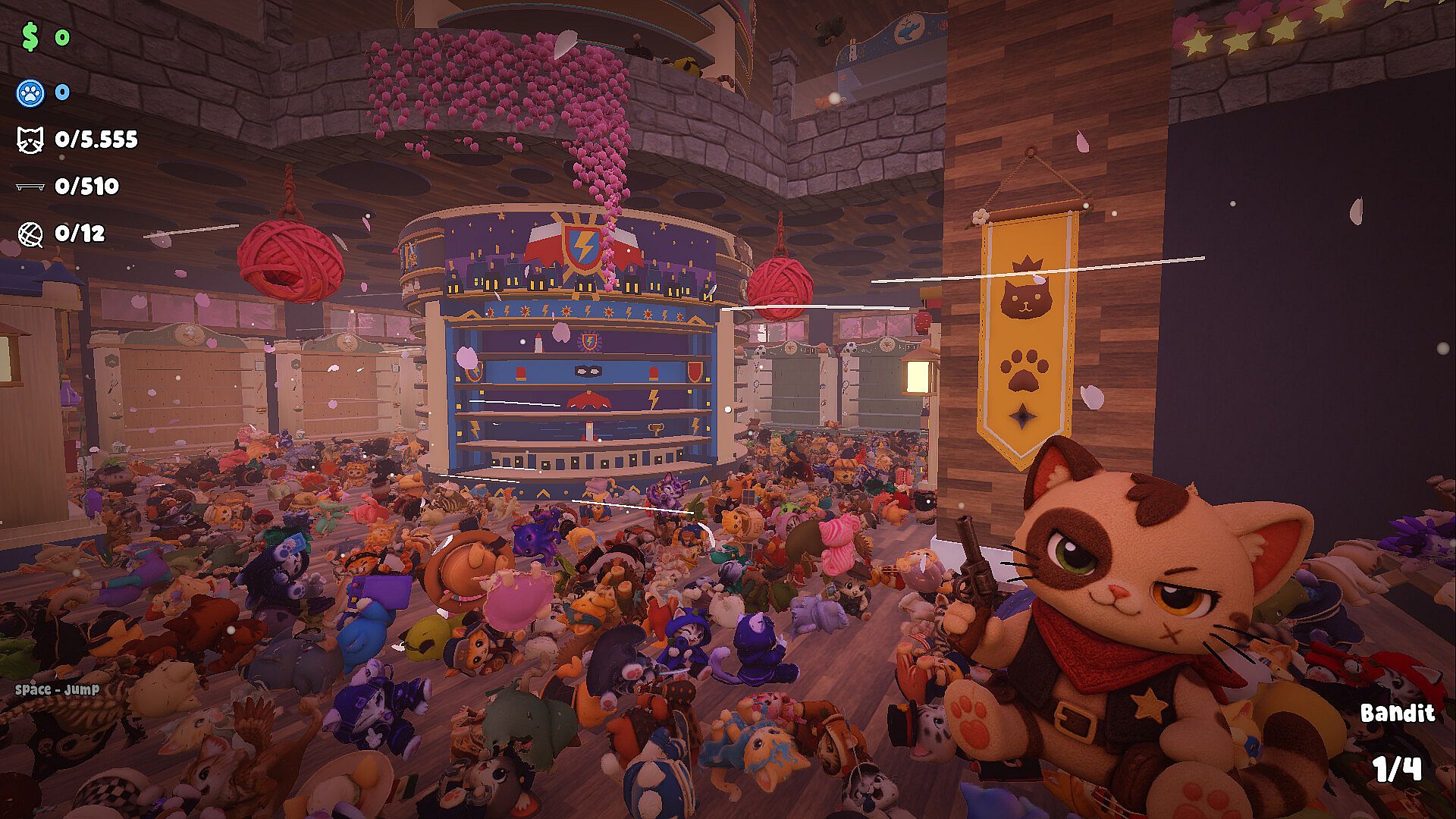
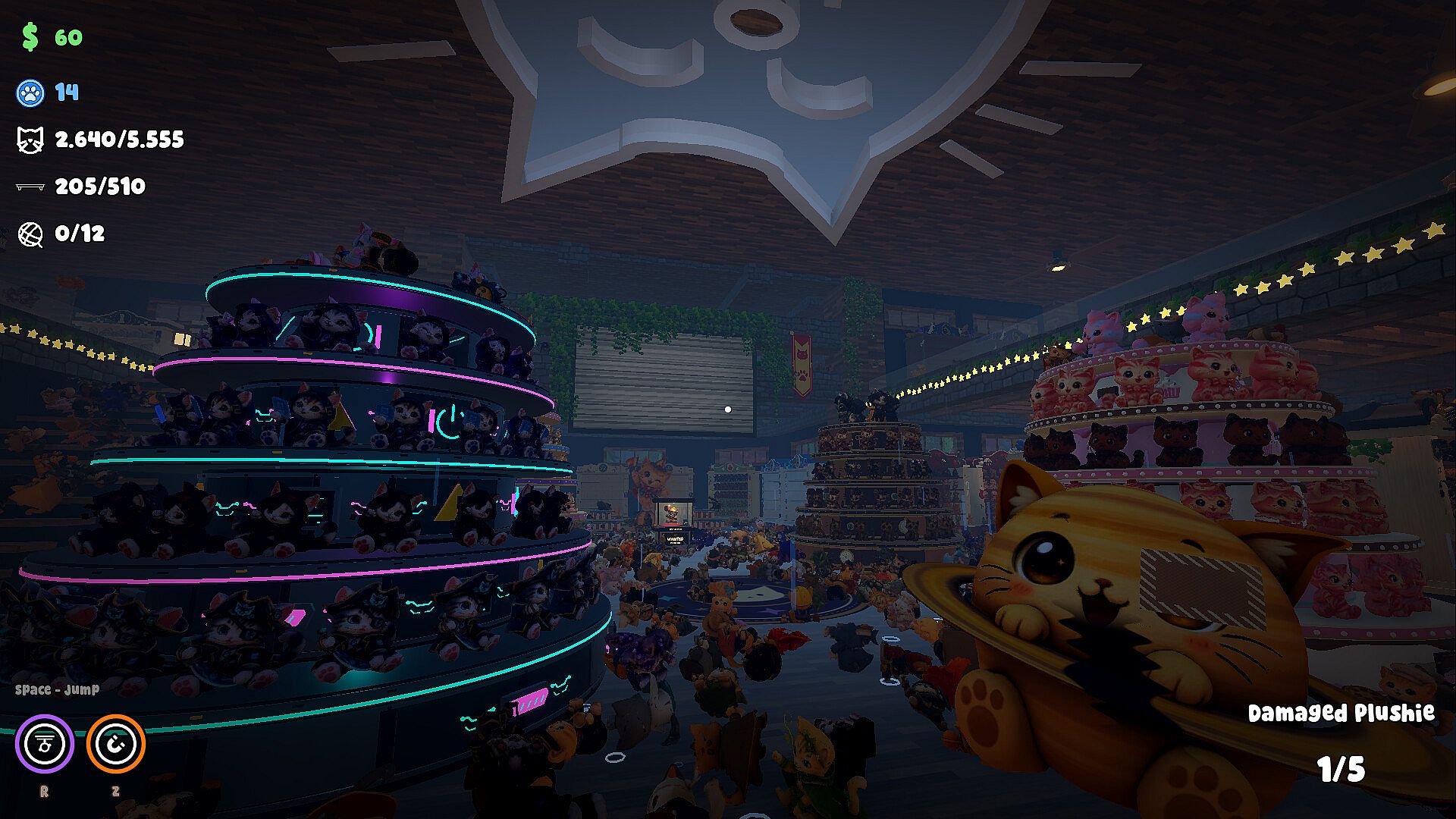
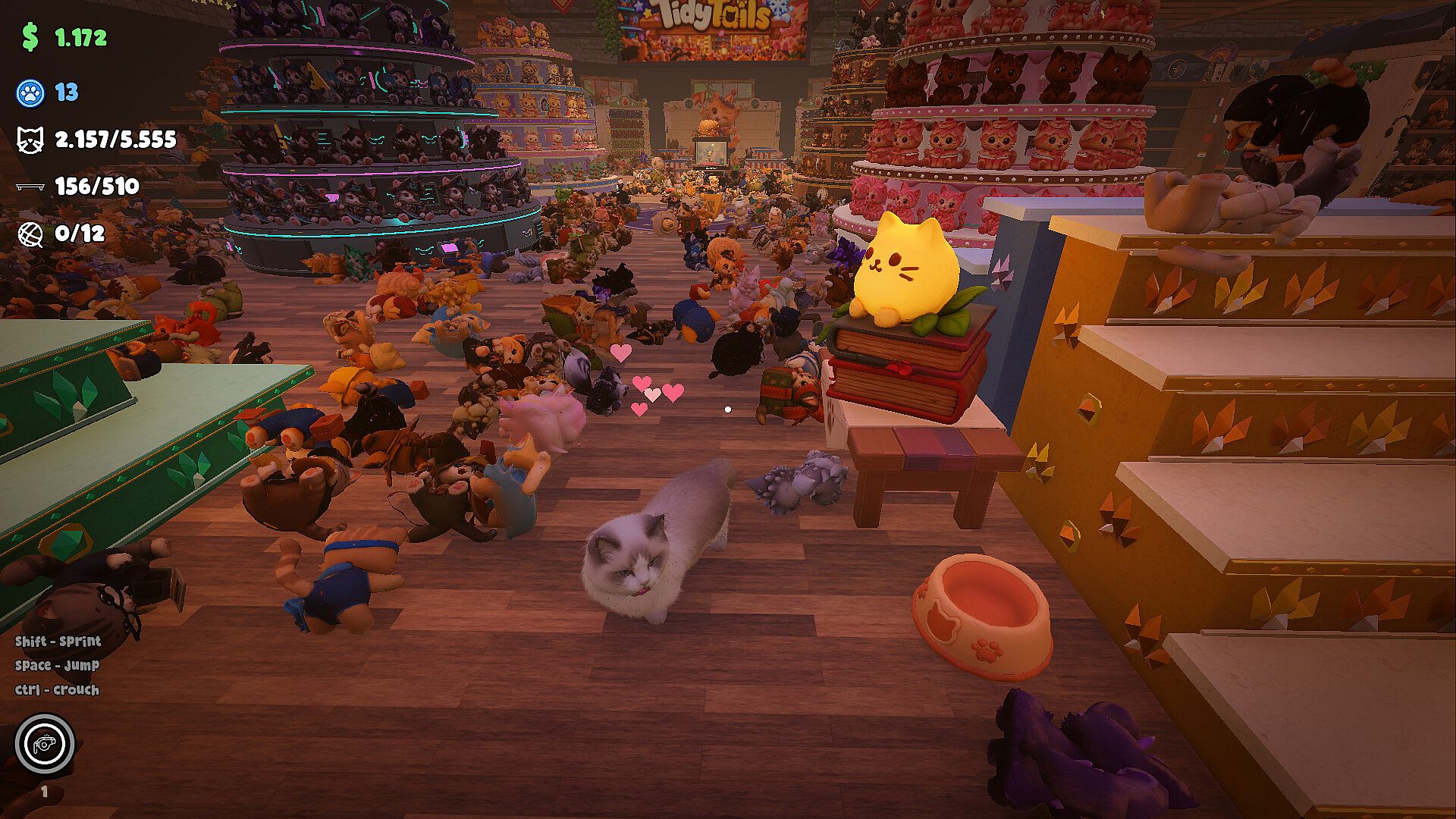
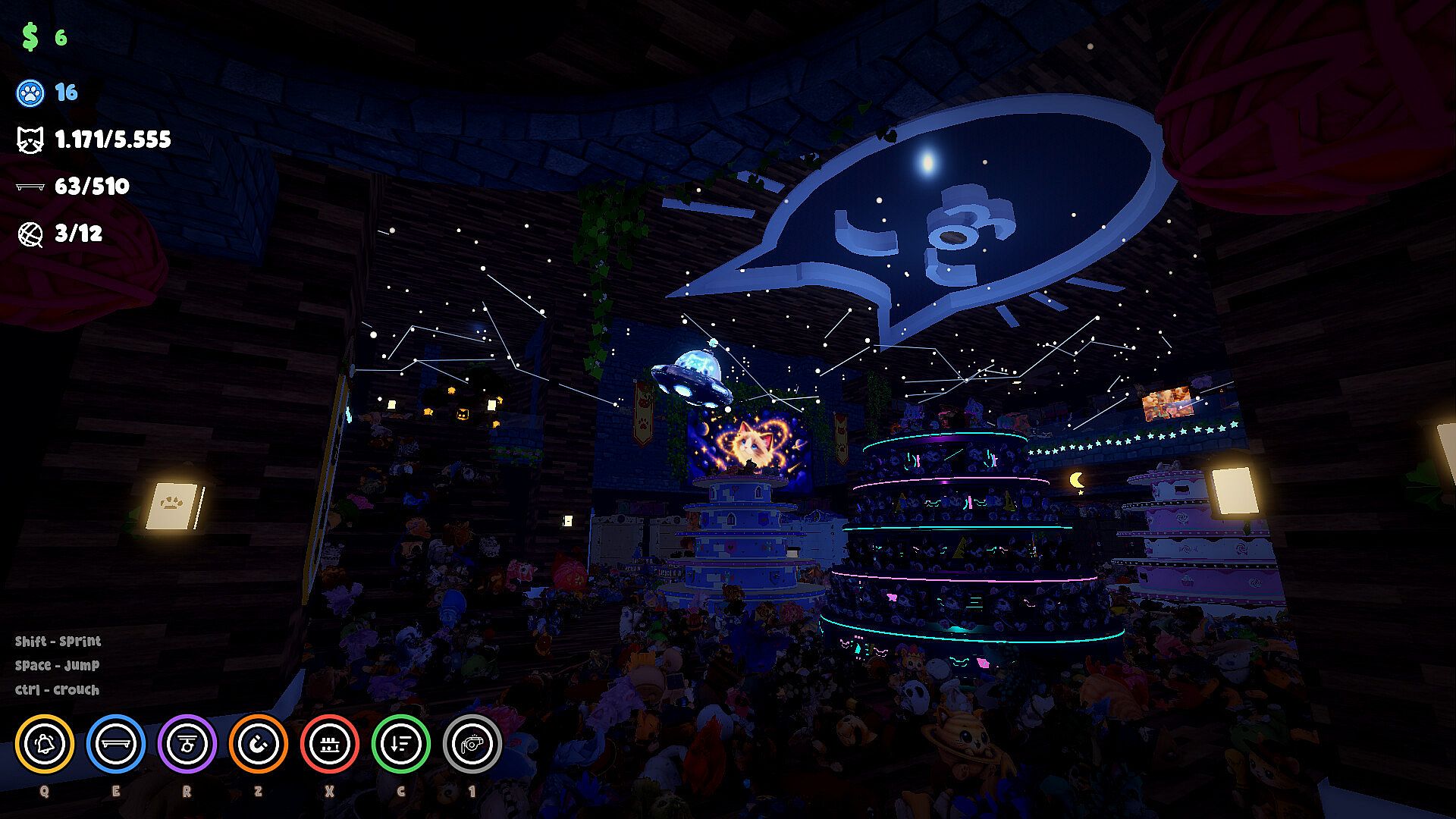
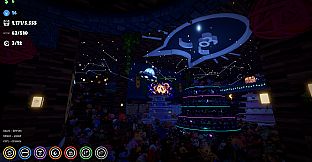
The core loop involves exploring the store floor, identifying individual plushie designs, and returning each one to its correct section. Every plushie belongs to one of several themed areas that include Christmas cats, space cats, dinosaurs, superheroes, and mythological creatures. Players learn to distinguish hundreds of variations by color, pattern, and style before placing them on the proper shelves one at a time. Early sessions focus on clearing the floor and filling basic displays, while later progress unlocks tools that allow carrying more items at once and moving through the space with greater speed. A companion cat also gains abilities that assist with locating or transporting plushies, turning the task into a shared effort between player and pet.
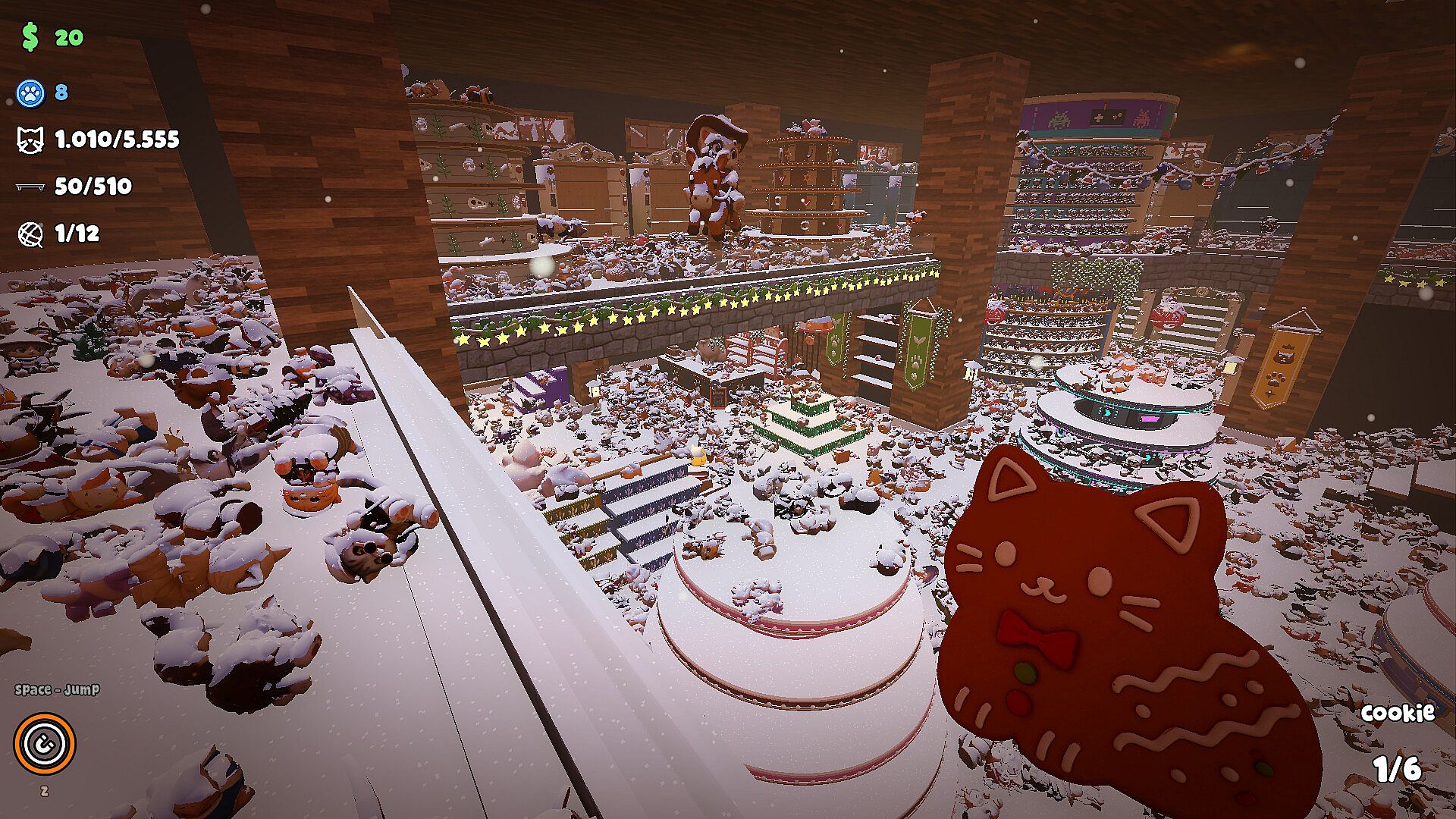
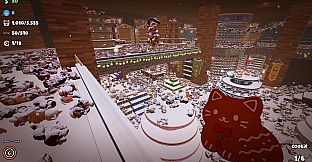
Weather events periodically alter the environment and introduce fresh mechanics. Snow covers surfaces and changes how items behave, cherry blossoms drift through the air to create new visual cues, thunderstorms affect visibility and interactions, and zero-gravity conditions let plushies float in ways that require different handling techniques. These shifts keep the store layout dynamic and encourage players to adapt their approach rather than repeat the same routine. Collectibles scattered throughout the space reward thorough exploration, while minigames provide short breaks from the main sorting work.
Game Modes
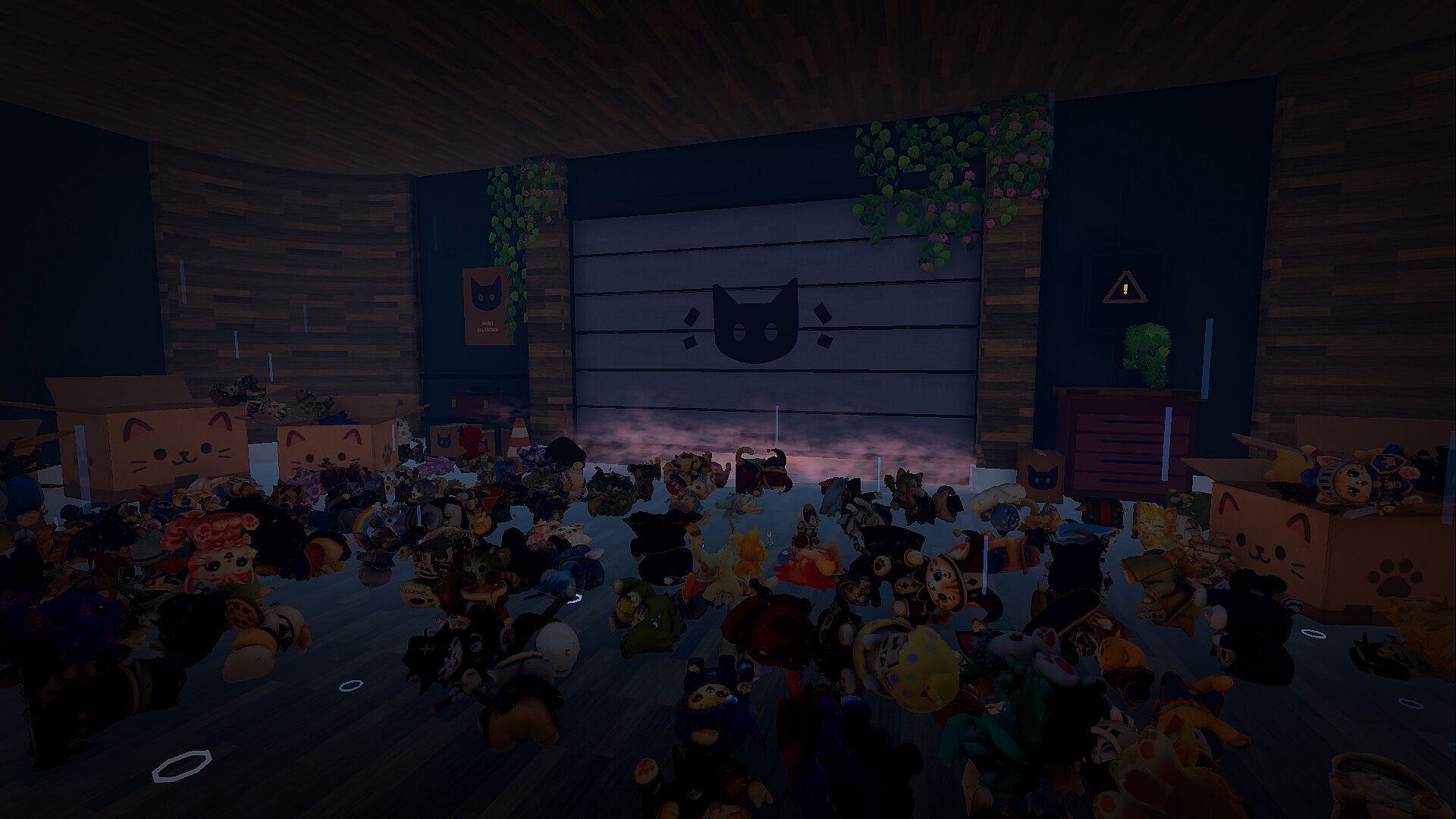
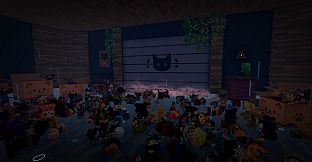
Tidy Tails operates as a single-player experience built around progressive organization. The primary activity is free-form sorting that lets players tackle sections at their own pace, learning designs through repetition and trial. As shelves fill, the store transforms from a chaotic floor covered in plushies into a structured collection that highlights completed themes. Task completion and collectible hunting integrate naturally into this loop without separate dedicated modes. The locked garage door at the back of the store serves as an ongoing point of interest that players can investigate once the main areas reach a certain level of order.
Progression and Abilities
Advancement comes through unlocking new capabilities that directly address the growing scale of the mess. Increased carrying capacity reduces the number of trips needed between piles and shelves, while speed upgrades help cover larger sections efficiently. Improved search tools make it easier to spot specific designs amid clutter, and the cat companion's growing skills add another layer of assistance. These upgrades scale with collection size, so the more plushies a player organizes, the more effective their toolkit becomes. The result is a satisfying sense of mastery as early struggles with basic placement give way to fluid, large-scale tidying sessions.
Store Transformation and Secrets
Weather changes do more than alter visuals. Each condition brings unique interactions that affect how plushies move, stack, or reveal hidden details. Snow might bury items that require digging out, while gravity shifts allow access to previously unreachable spots. These environmental shifts also tie into secret locations and additional collectibles that only appear under certain conditions. The overall store evolves visually and mechanically as sections are completed, turning the space into a showcase of organized themes rather than a single static layout. The promise of whatever waits behind the garage door adds a layer of curiosity that encourages players to finish the main task thoroughly.
Is It Worth Playing?
Tidy Tails suits players who enjoy methodical organization tasks and cozy simulation gameplay. The emphasis on recognizing patterns and steadily clearing space delivers a relaxing yet engaging loop that rewards attention to detail. Those who appreciate gradual ability growth and environmental variety will find the progression satisfying, while the minigames and collectibles provide optional depth without interrupting the main flow. The game remains focused on single-player relaxation with no competitive elements, making it a strong choice for anyone seeking a low-pressure experience built around turning disorder into order. Its indie roots and specific theme of cat plushies give it a distinct personality that stands apart from broader cleaning simulators.











