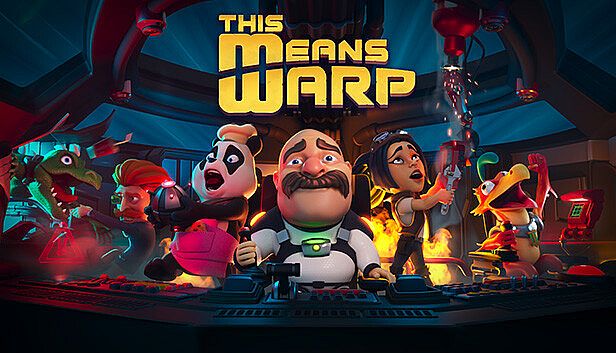


















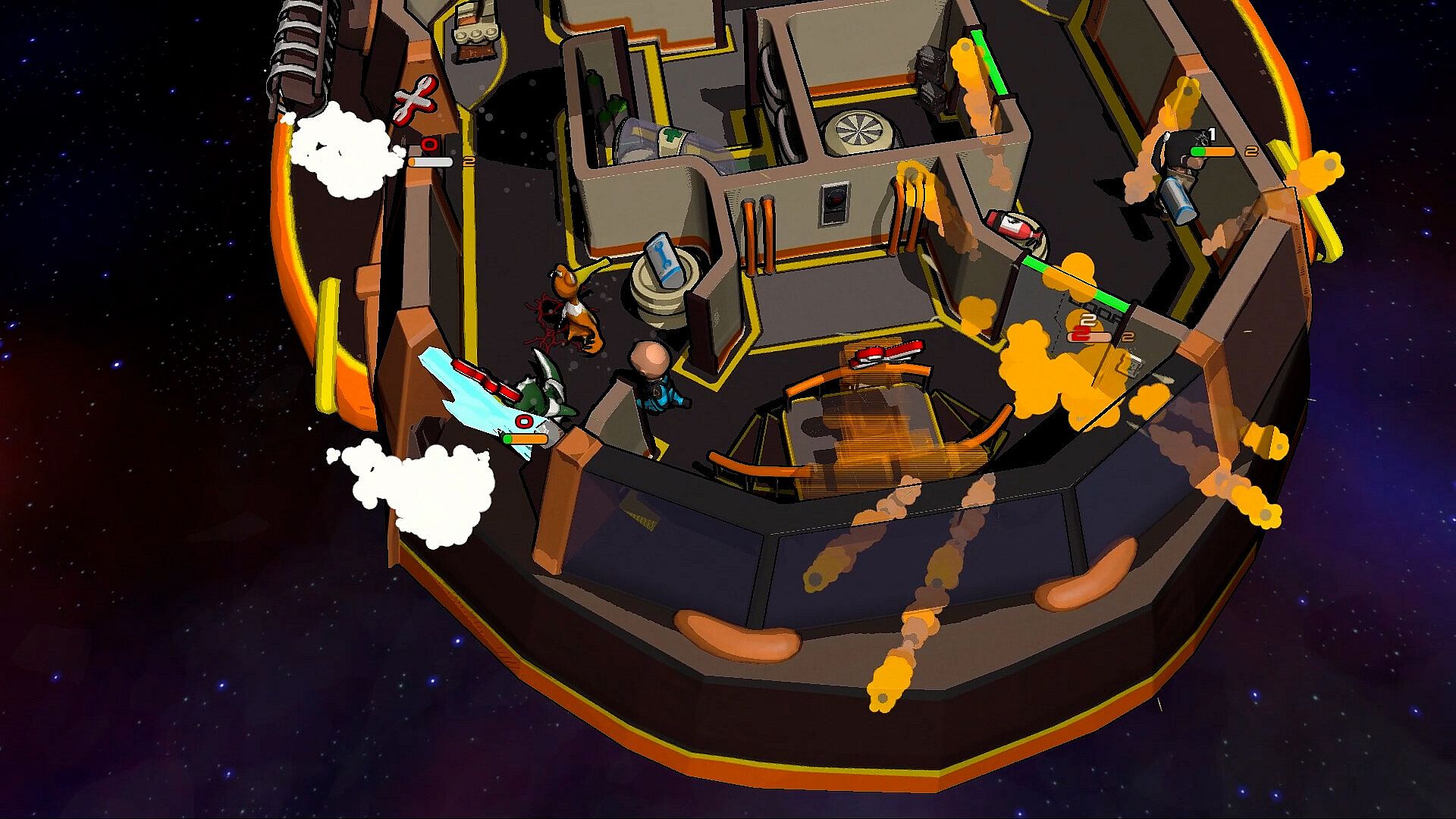
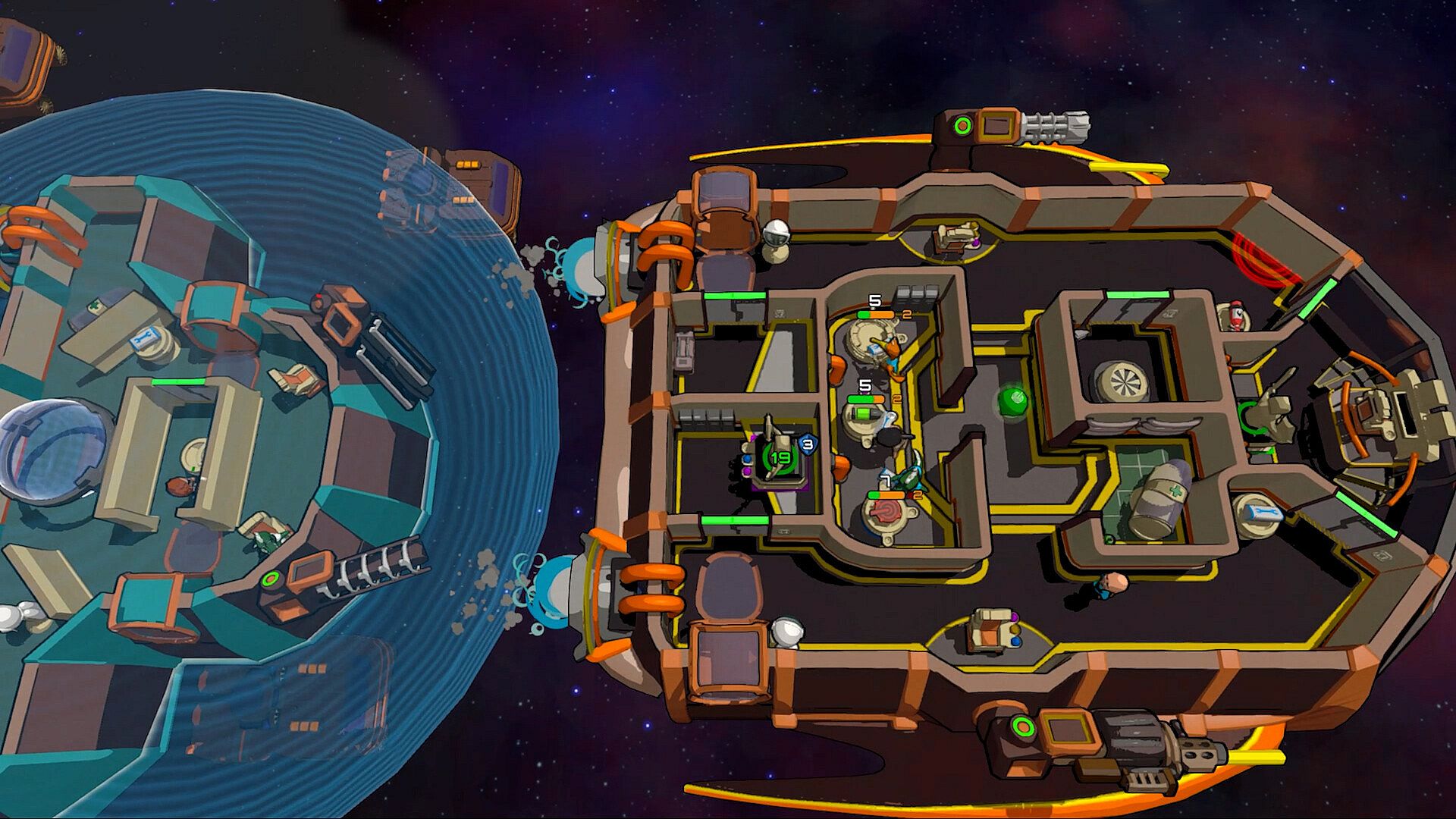
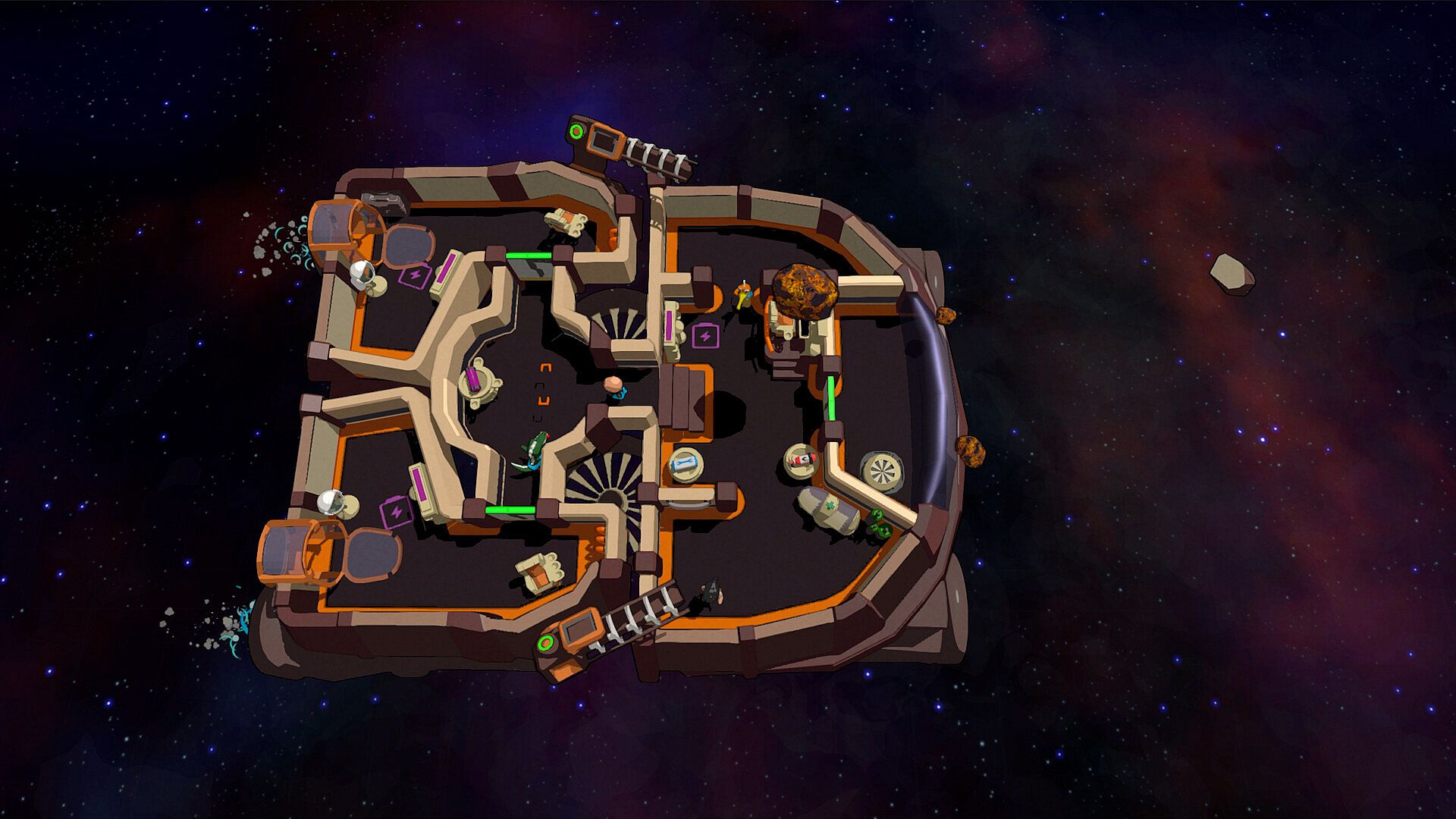
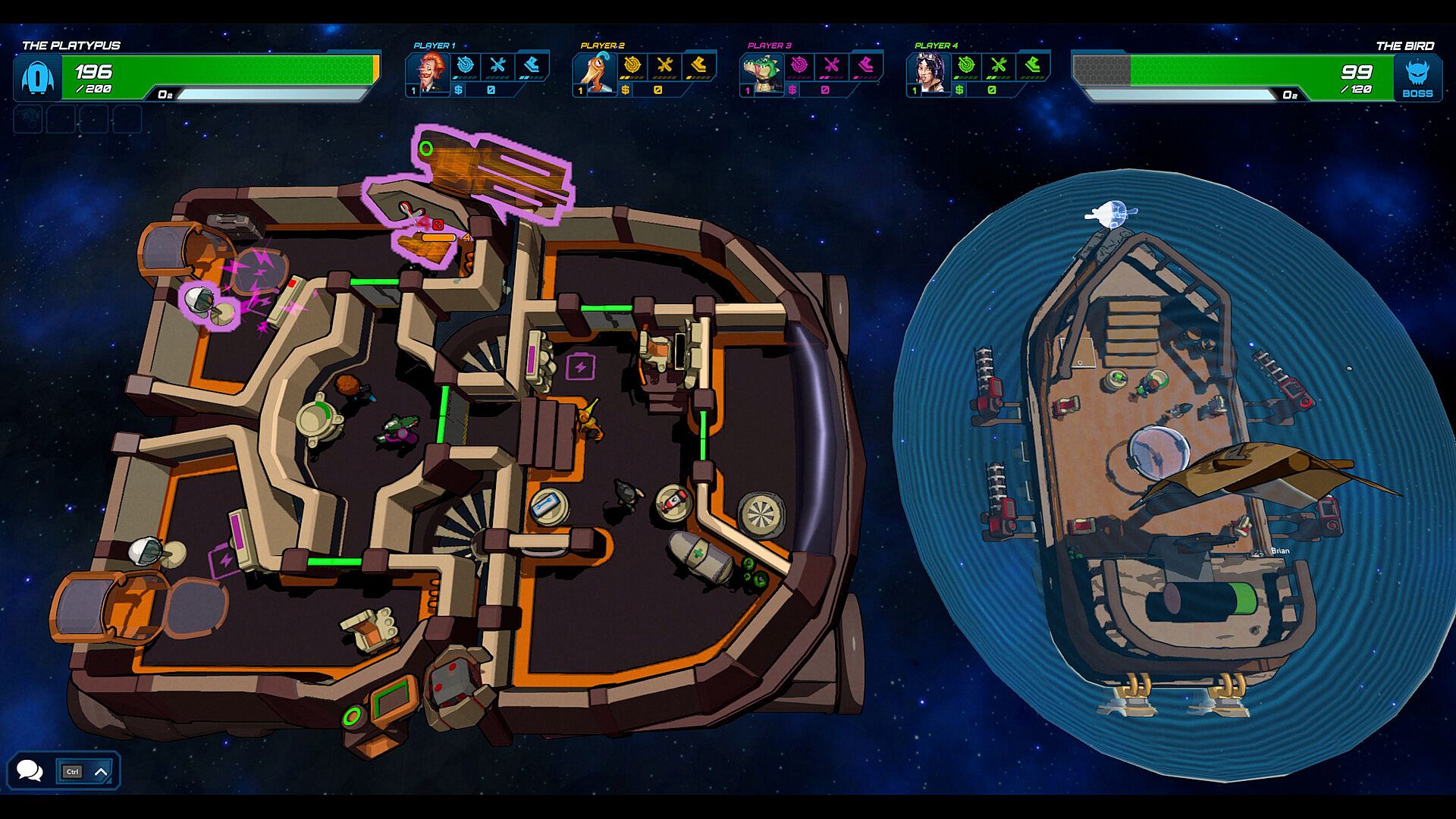
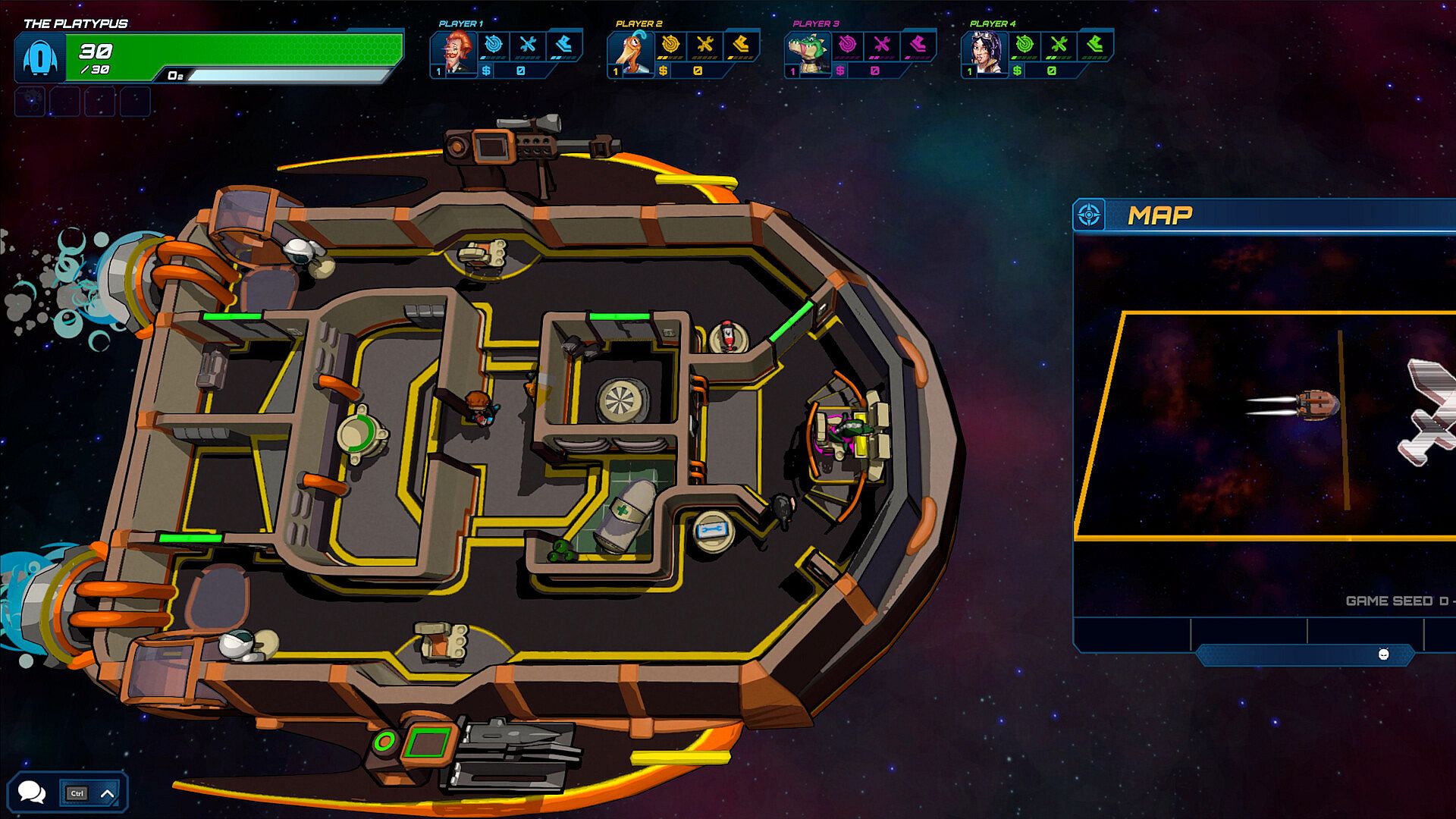
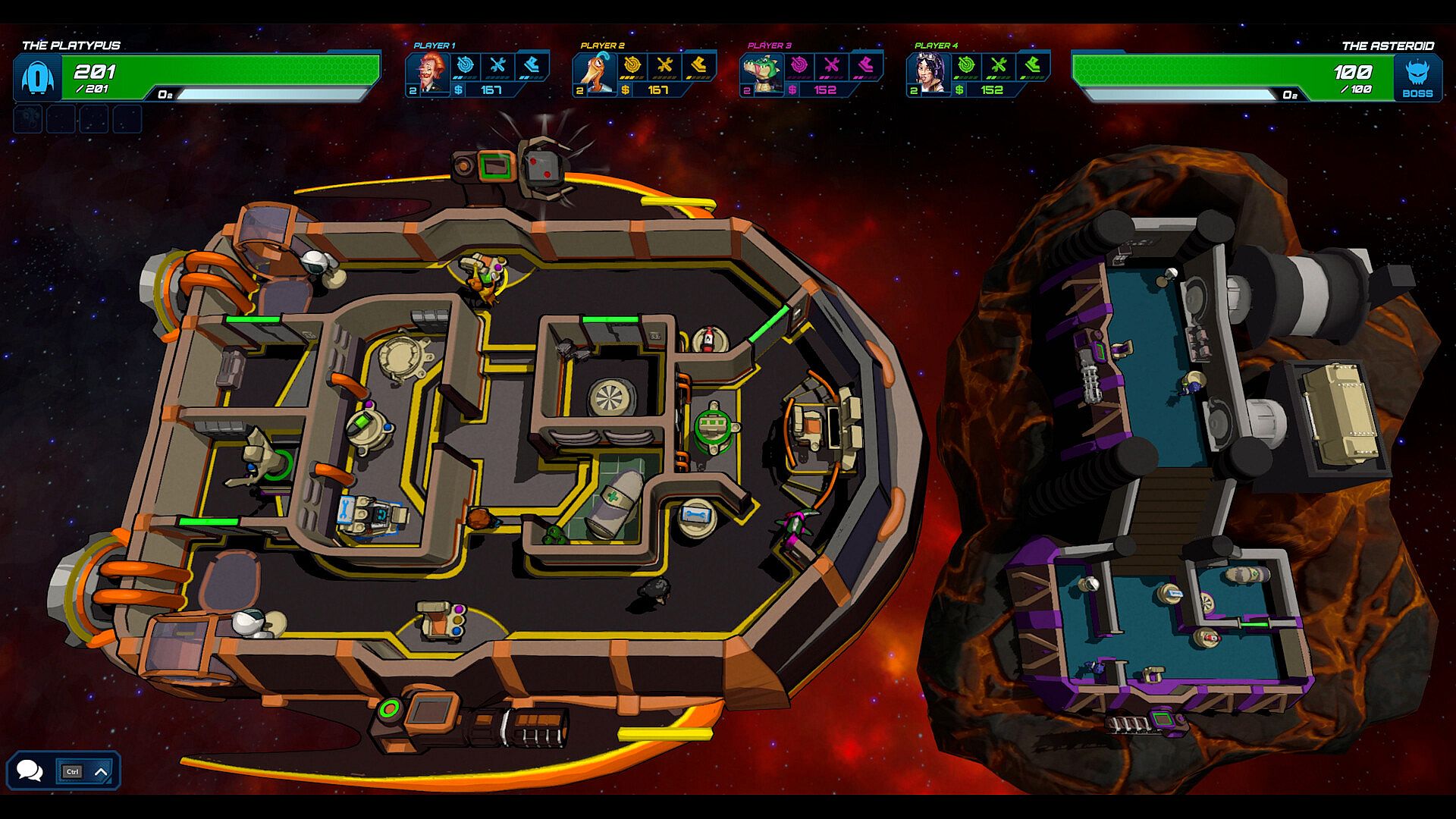
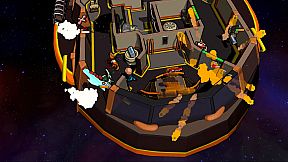
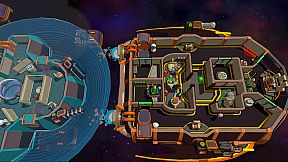
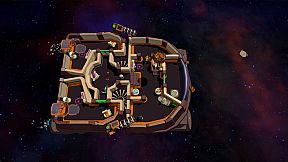
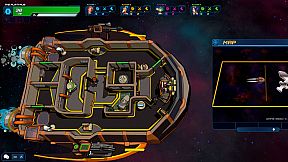
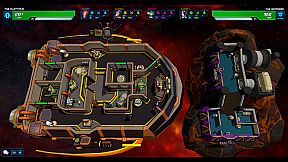
This Means Warp is a roguelite action and strategy game set in a hostile procedurally generated galaxy. Players take command of a spaceship, managing its systems while fending off waves of aggressive enemies in real-time combat. The experience blends ship upgrades, resource management, and quick decision-making, available on PC for solo runs or sessions with up to three others through local or online co-op.
Gameplay
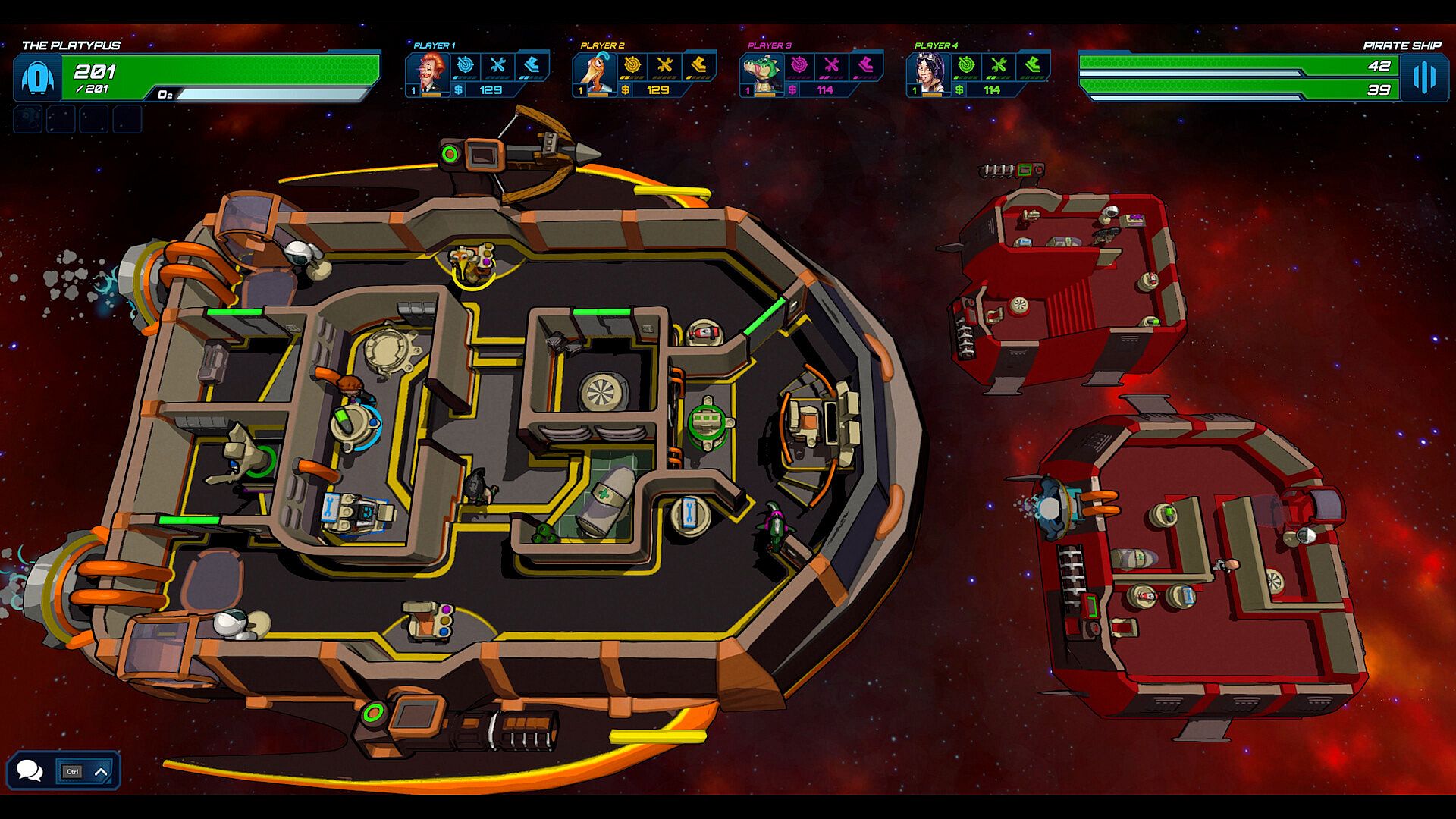
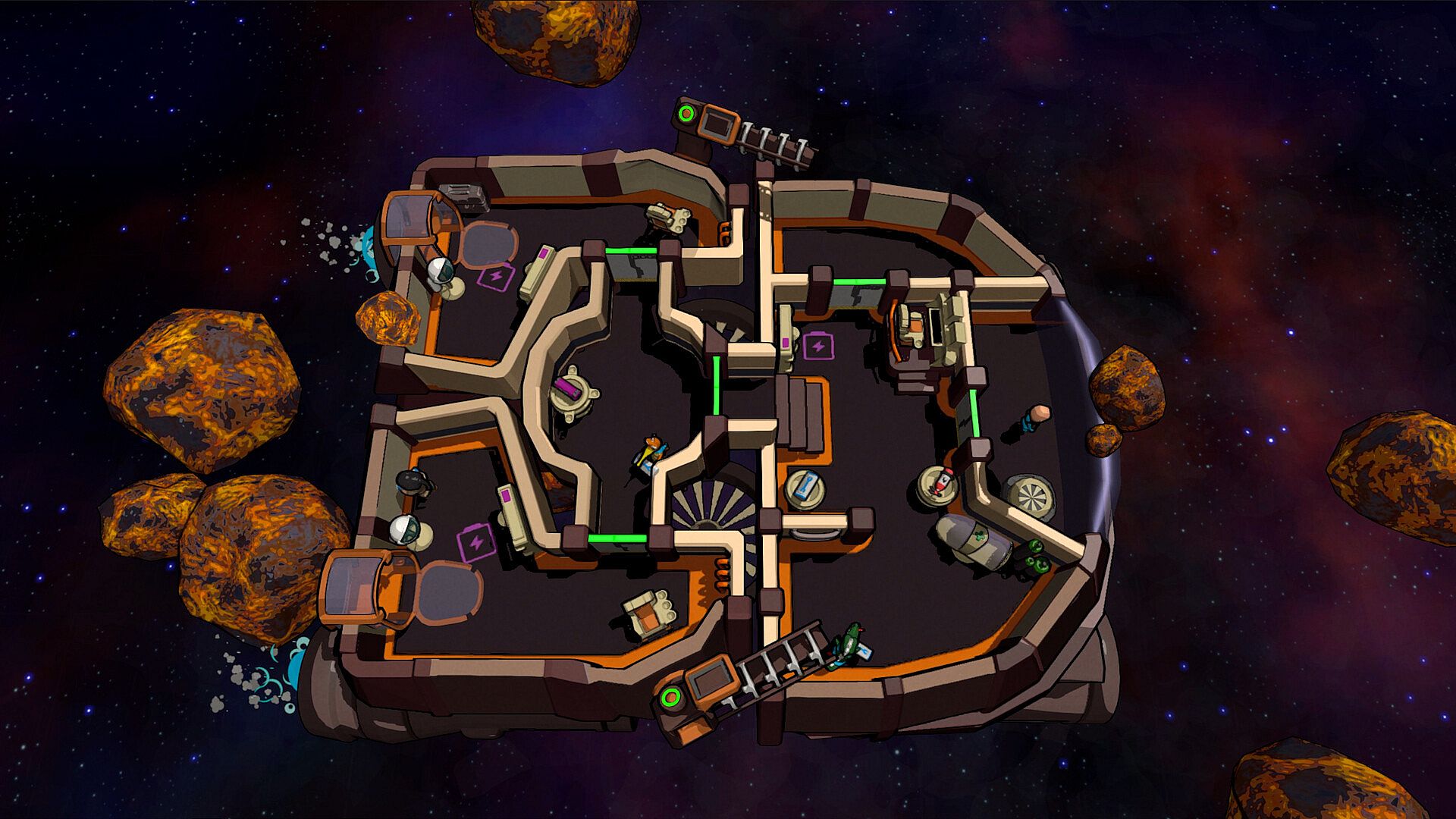
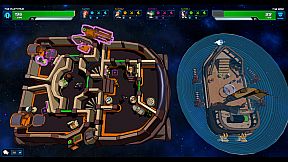
The core loop centers on navigating randomized star maps filled with encounters that range from direct ship-to-ship fights to choice-driven events. Each run begins with ship naming and captain selection, after which players chart a path through sectors while collecting resources to upgrade weapons, shields, engines, and other systems. Combat demands constant attention to multiple ship functions, as enemies deal damage that requires immediate repairs alongside offensive maneuvers.
Crew management adds another layer, with options to assign tasks like weapon firing or hull fixes to AI companions or human teammates. Characters start with different strengths in areas such as attack power, movement speed, or repair efficiency, and these attributes improve over the course of a run through collected upgrades. The procedural nature ensures varied layouts, enemy placements, and item drops, forcing adaptation rather than reliance on fixed strategies.
Real-time battles emphasize positioning and prioritization, with the ship vulnerable to cascading failures if multiple systems take hits at once. Resource gathering from defeated foes or successful encounters fuels further customization, creating a feedback loop where successful adaptations lead to stronger loadouts for later challenges.
Game Modes
Single-player runs form the foundation, allowing complete control over the ship and its AI crew while tackling the full procedural campaign alone. Co-operative play supports up to four participants either locally on the same screen or through online connections, with shared control over different ship stations or crew assignments.
Difficulty options include standard and harder settings that alter enemy aggression and resource availability. Scenario selections provide structured variations on the main experience, unlocked through play and offering curated rule changes for each attempt. These modes maintain the same core mechanics but shift the balance of threats and rewards to encourage repeated playthroughs with different approaches.
Progression and Systems
Unlocks accumulate across runs through achievements and experience points, granting access to additional captains, weapons, and ship modules. These additions expand options without creating mandatory power creep, instead increasing variety for future attempts. Encounters often include branching choices that influence immediate outcomes and long-term ship state, such as trading resources for temporary advantages or risking damage for greater rewards.
AI crew behavior can be directed on the fly to focus on specific priorities, helping maintain ship integrity during intense sequences. The emphasis remains on real-time coordination of offense, defense, and maintenance rather than turn-based planning.
Is It Worth Playing?
Player feedback on the full release shows mostly positive reception, with many highlighting the satisfying blend of roguelite progression and co-operative tension. The game suits those who enjoy strategic management combined with chaotic multiplayer sessions, where communication and quick reactions determine success. Solo play remains viable and rewarding for players who prefer independent runs with AI support.
Its accessibility for newcomers pairs with depth that rewards practice, making it suitable for casual groups or dedicated strategy fans. Availability on PC supports both short sessions and longer campaigns, with the procedural structure providing consistent replay value without requiring additional purchases.
- Procedural maps and encounters keep each attempt distinct
- Co-op options extend the experience to groups of varying sizes
- Unlock systems add new tools over time without altering core balance