











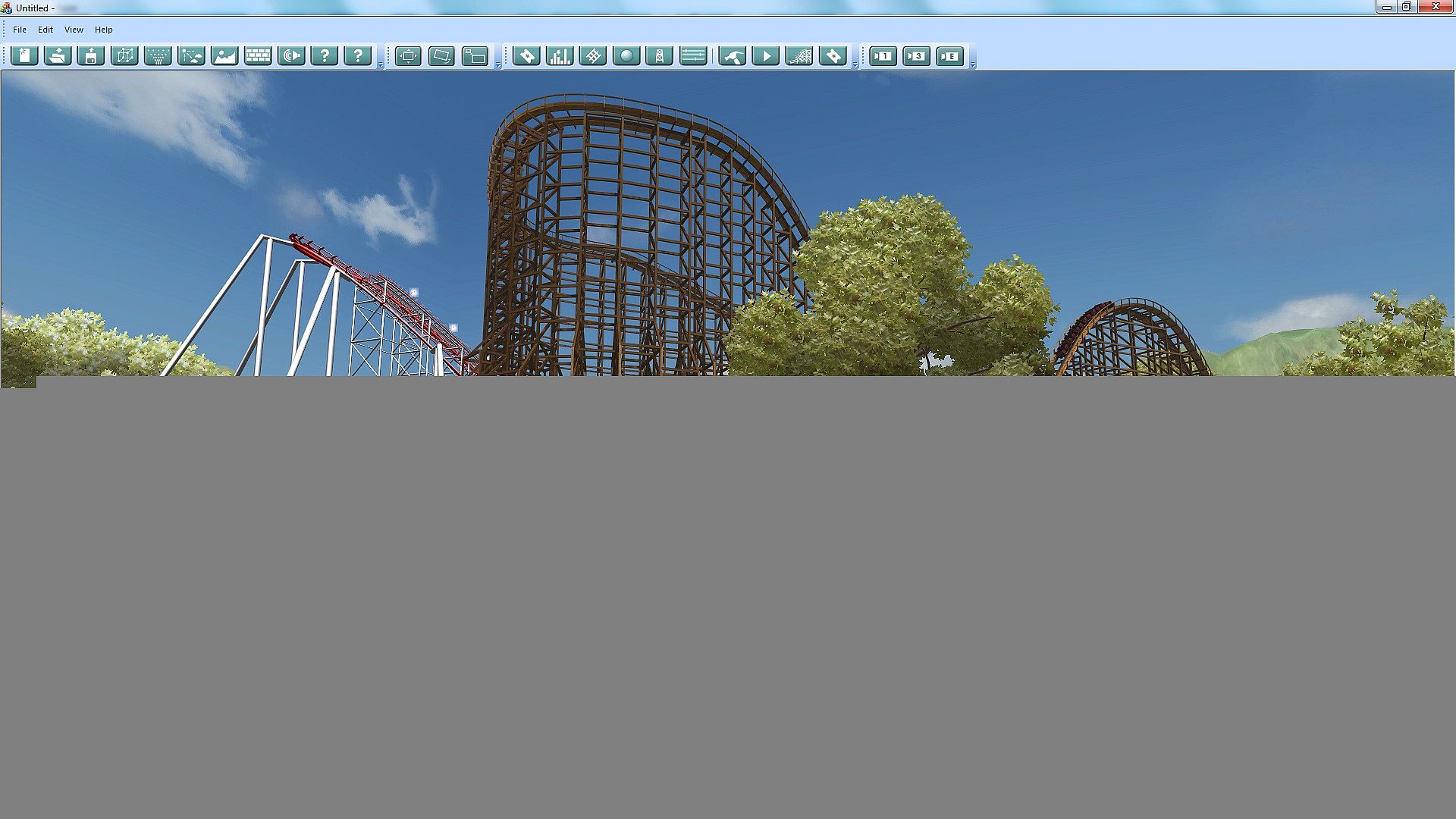
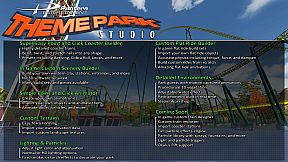
Theme Park Studio is an indie simulation game for PC that centers on the creation of custom amusement parks. Players use a detailed set of design tools to shape terrain, lay out paths, construct roller coasters, and add flat rides along with supporting elements like shops and scenery. The experience emphasizes creative freedom through procedural generation for paths, vegetation, and certain structures, combined with direct manipulation options for precise control over layouts and ride designs.
Gameplay
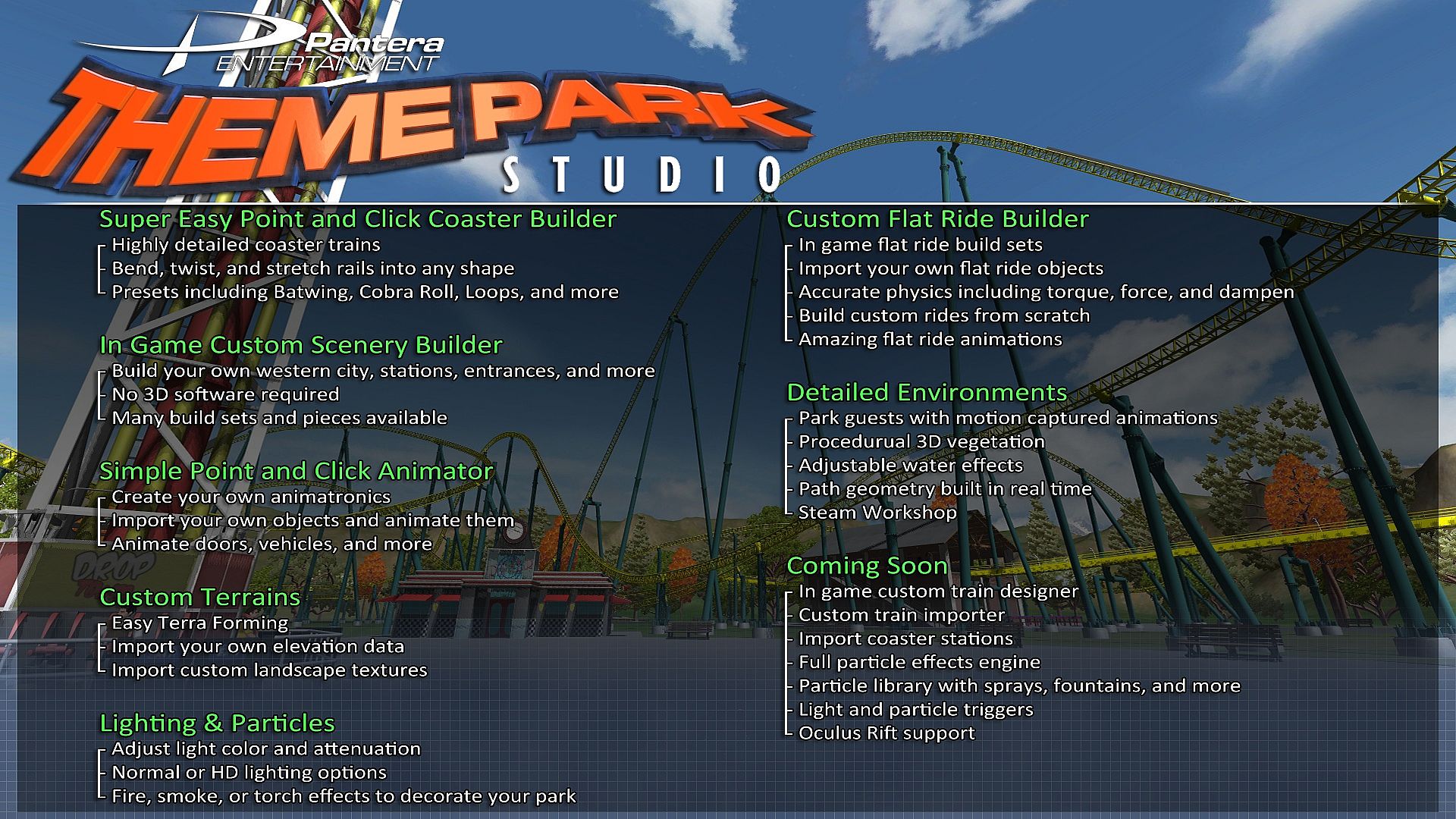
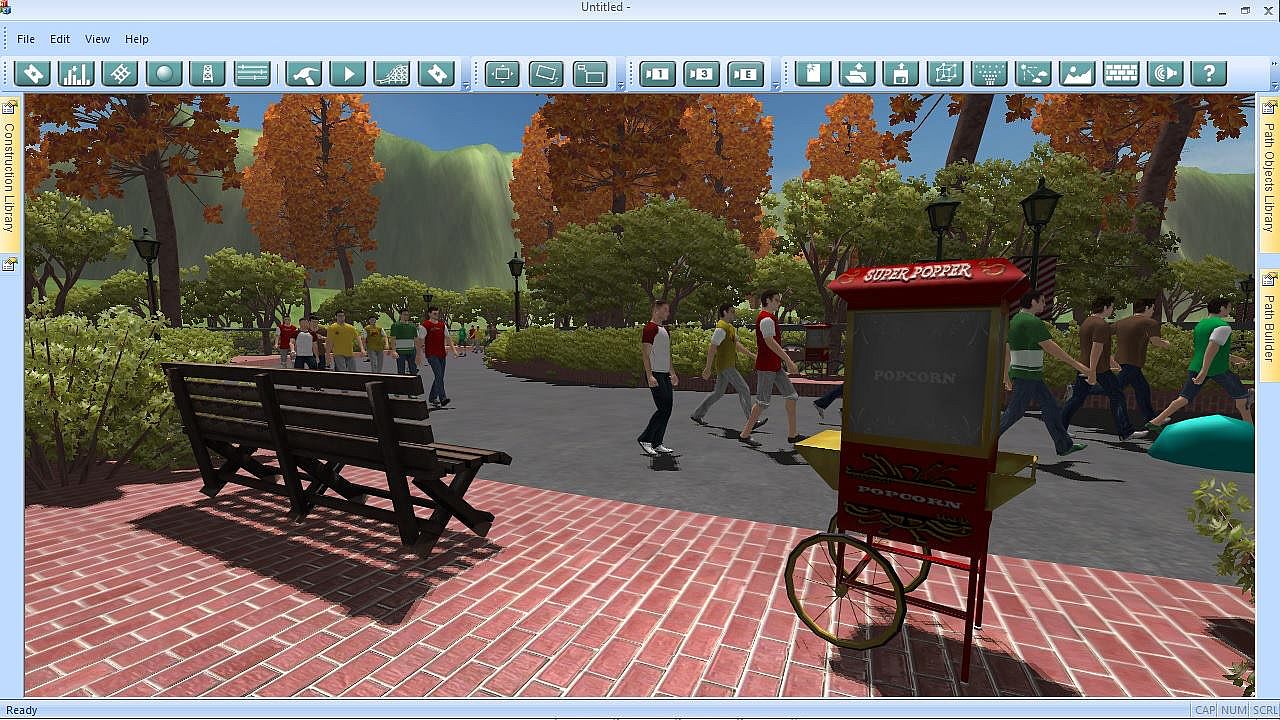
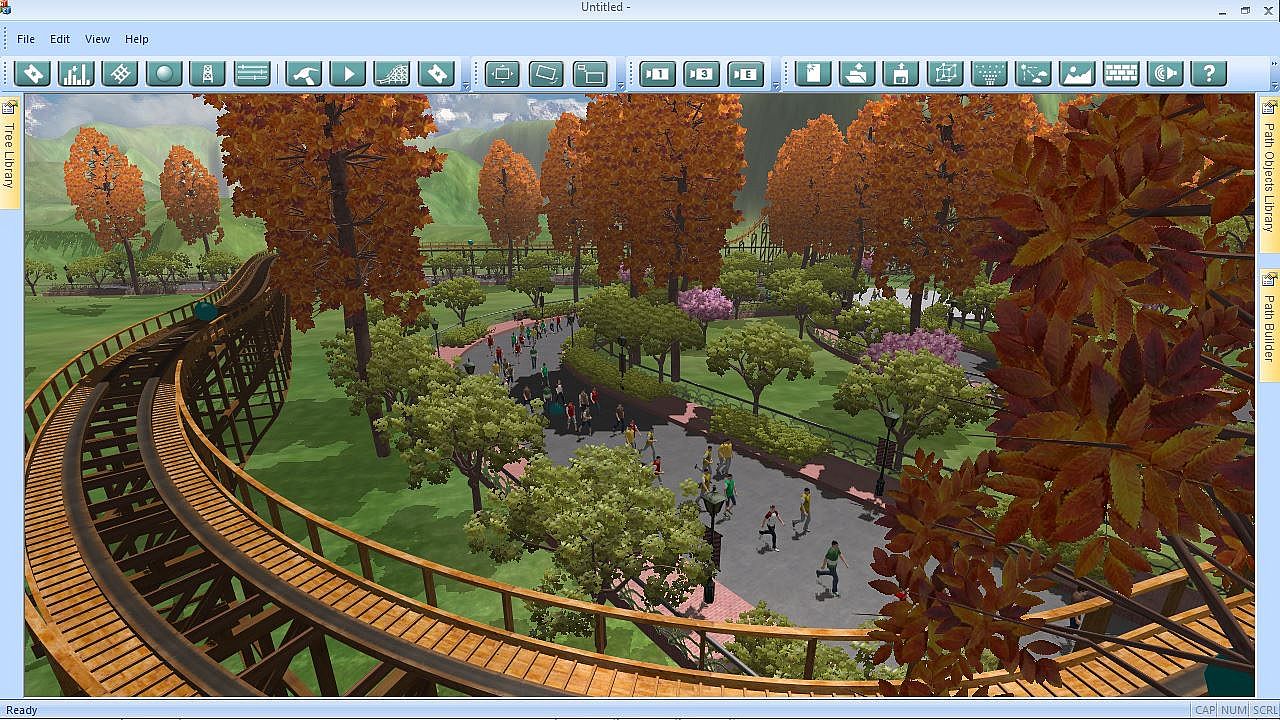
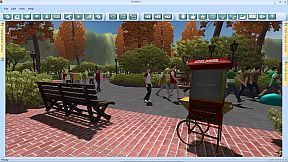
Core gameplay revolves around a step-by-step building process that begins with terrain sculpting. Users raise or lower land to form hills, valleys, lakes, and rivers while importing custom height maps and textures when desired. Path tools generate smooth, curved walkways automatically, and fences or stairs appear with single clicks. Vegetation placement relies on procedural libraries that add trees, hedges, and flower beds capable of subtle wind movement.
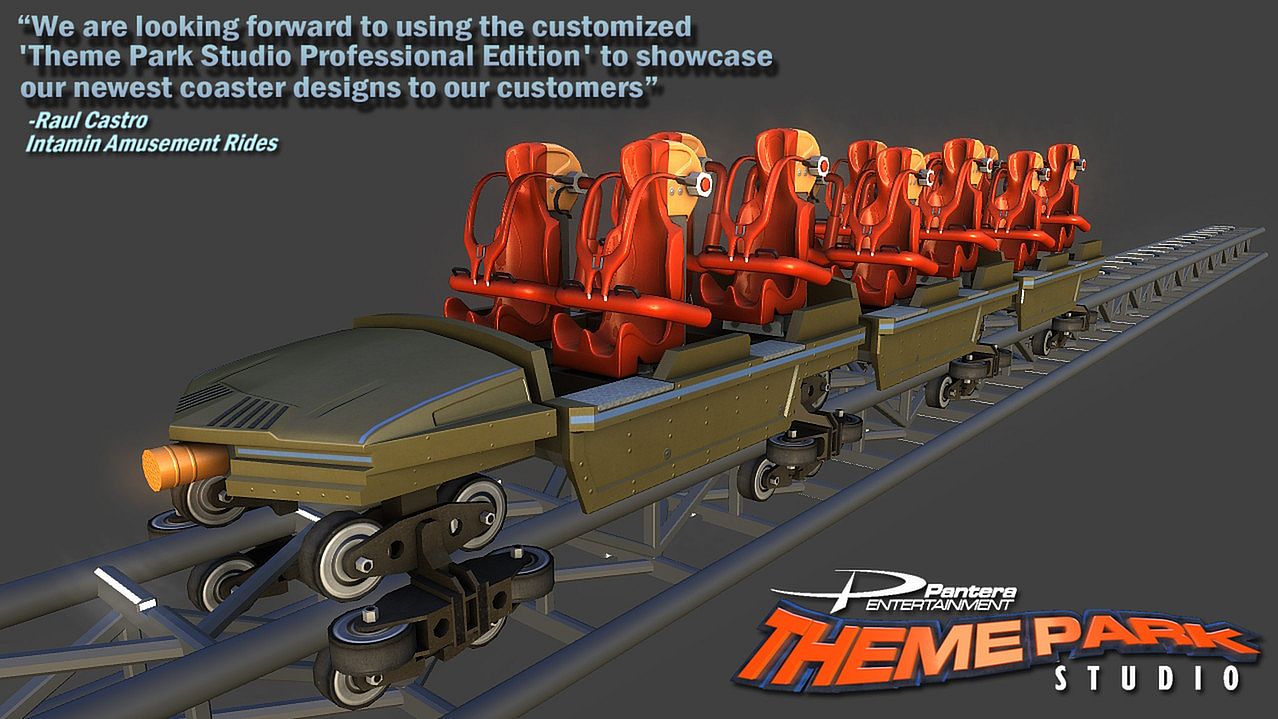
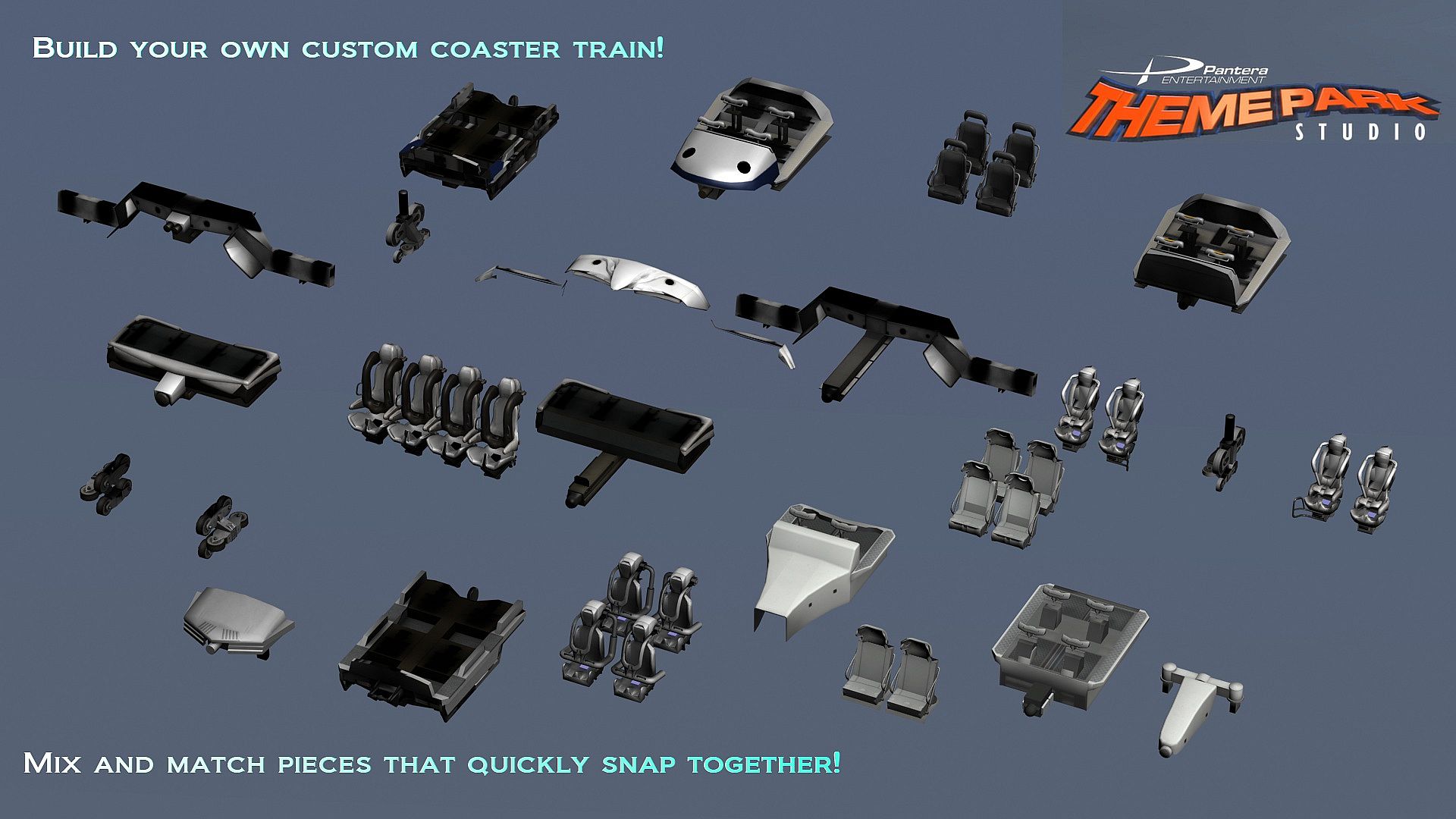
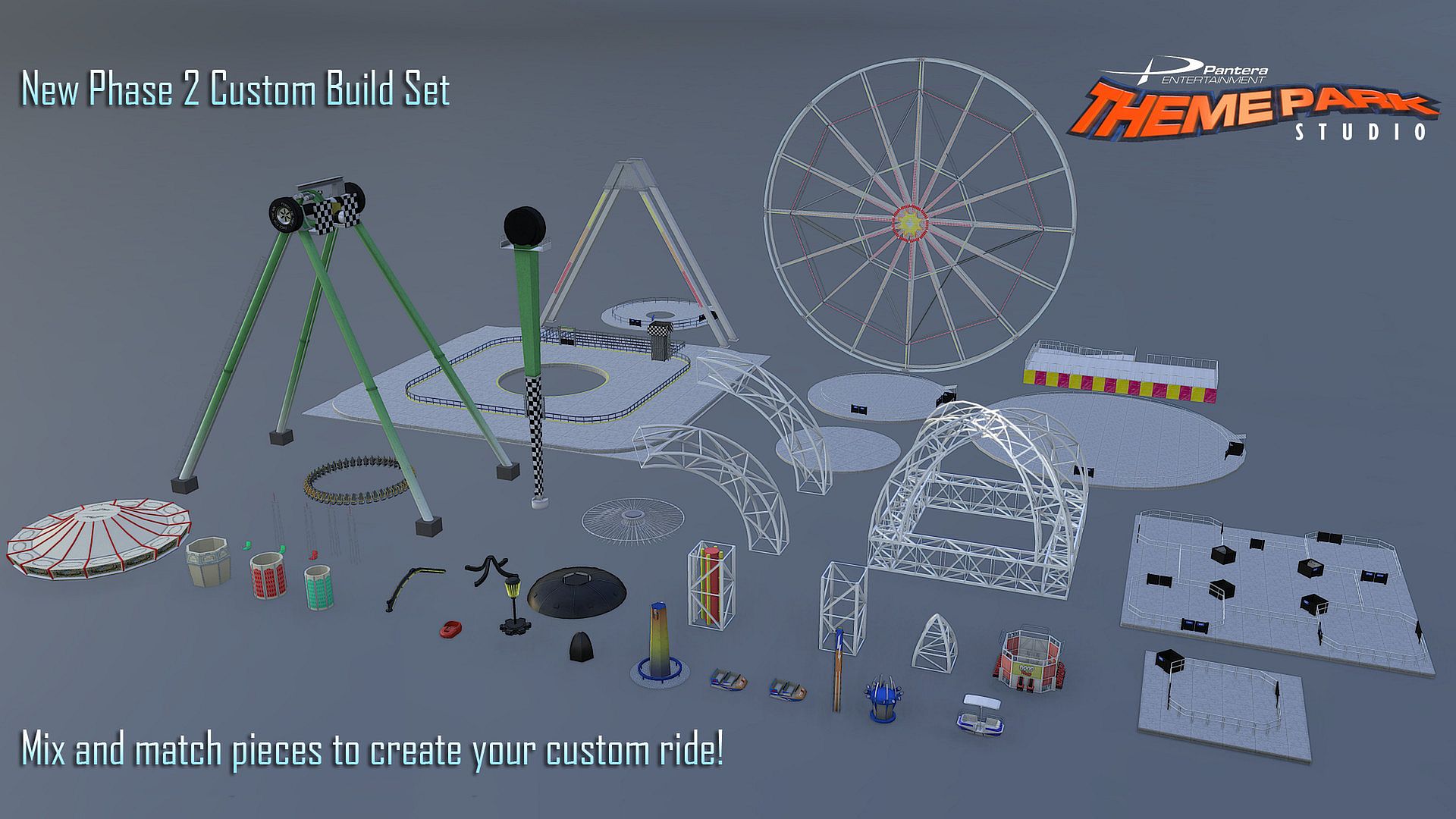
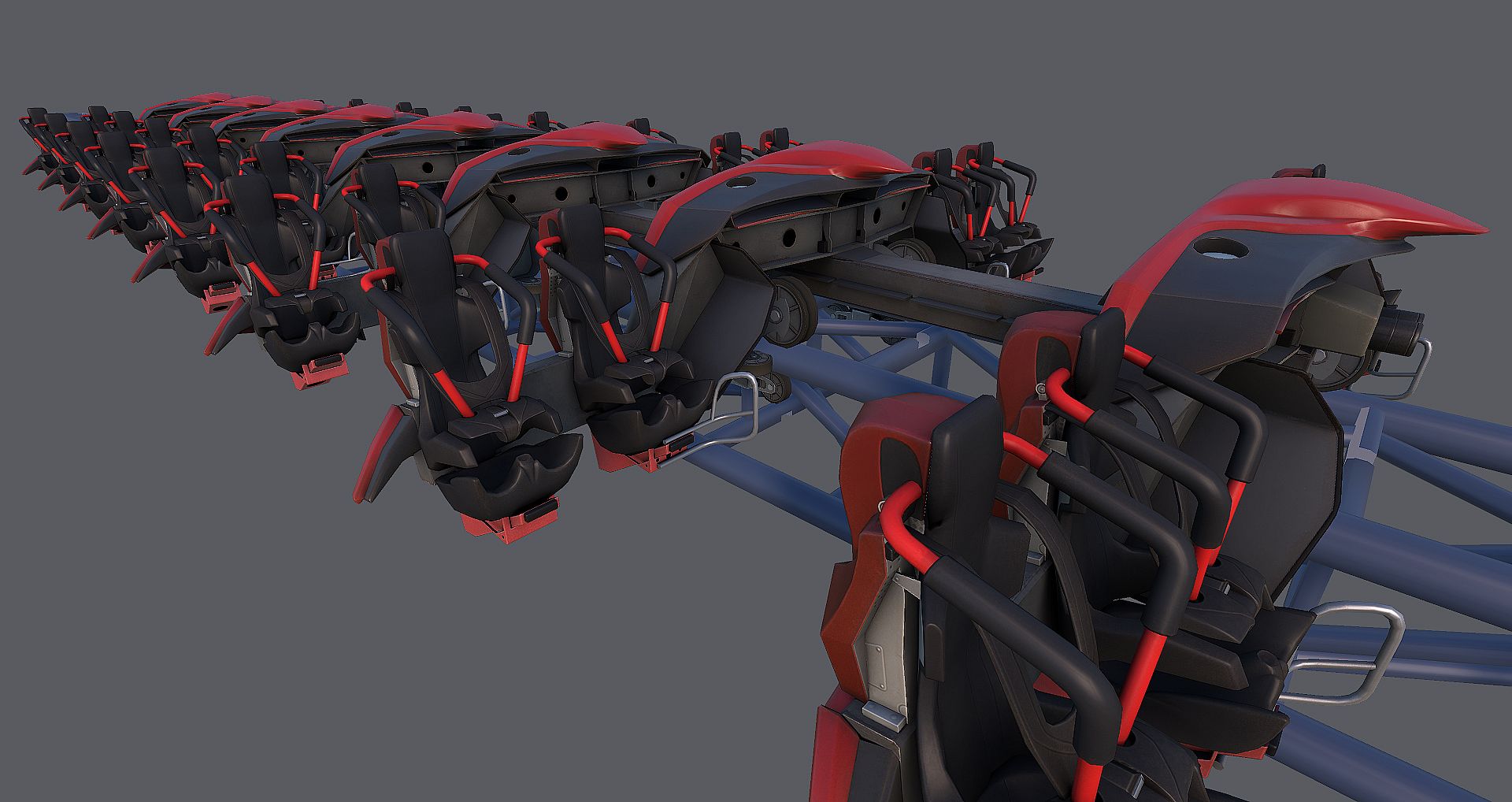
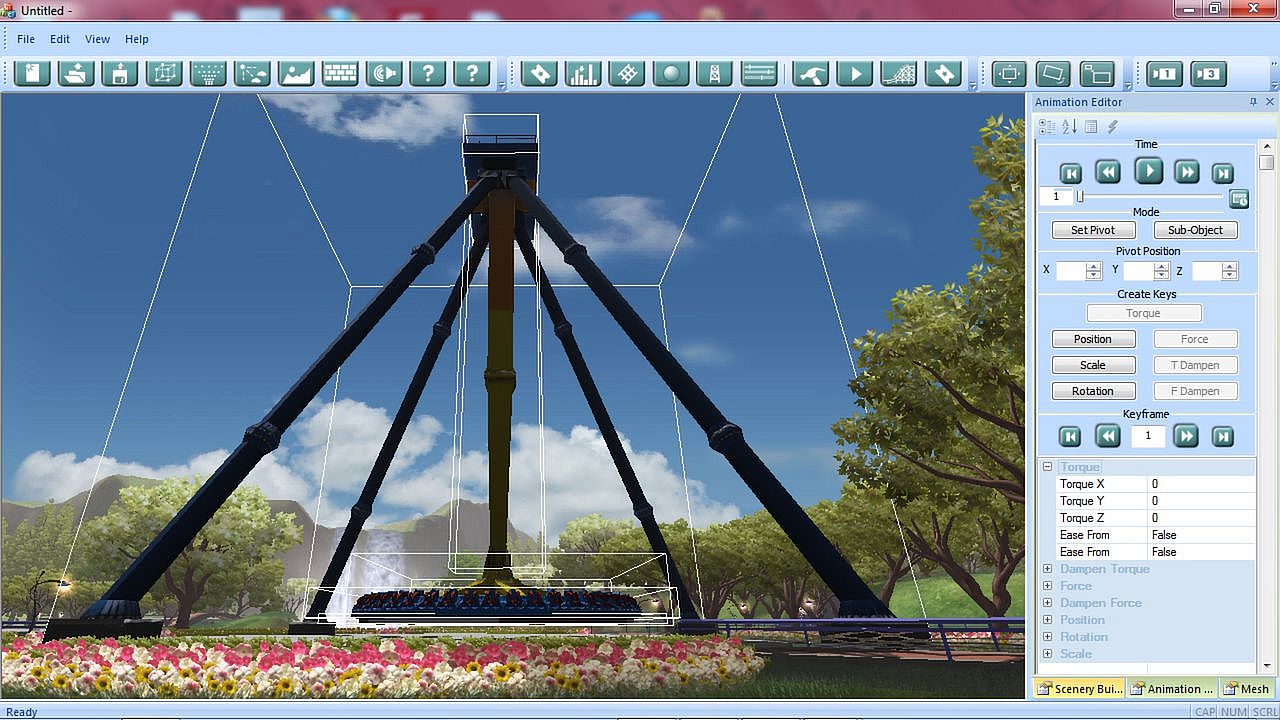
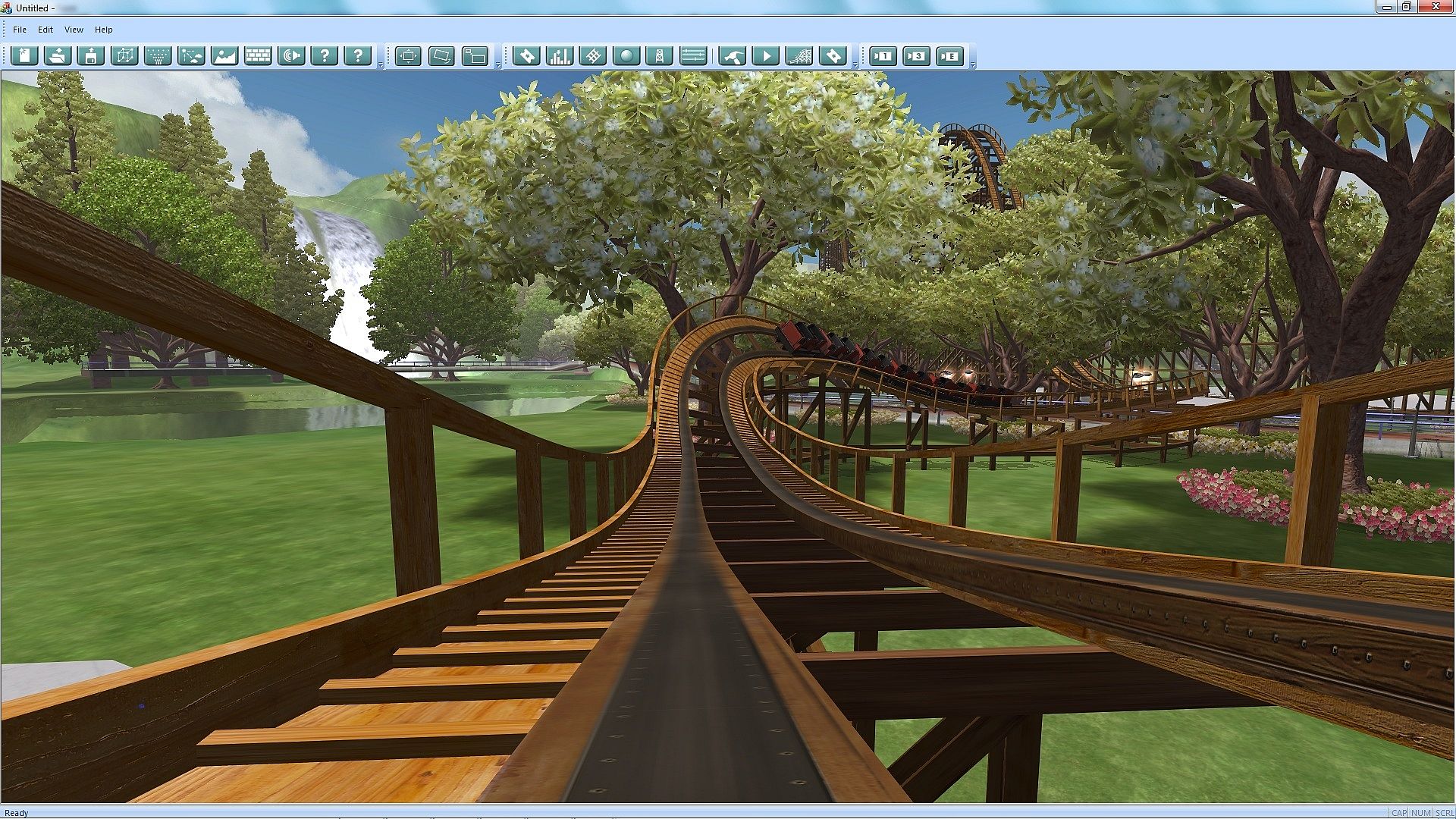
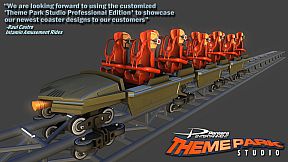
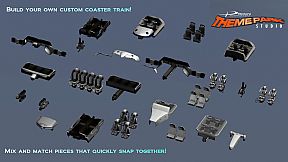
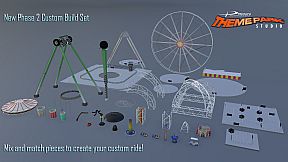
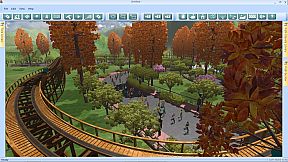
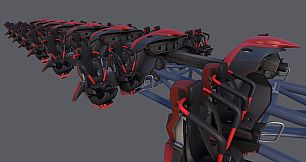
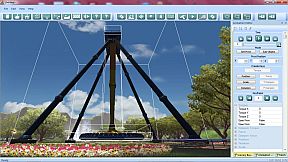
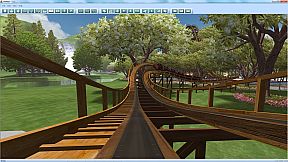
Ride construction forms a major focus. Coaster tracks bend, twist, and incorporate elements such as brakes, accelerators, tunnels, or custom meshes. Template pieces assist with specific inversions like batwings or cobra rolls. Flat rides offer even greater flexibility through a dedicated designer module. Players connect objects with custom joints, apply physics, and layer animations involving torque, force, position, rotation, and scale to produce original attractions. Pre-built ride options from a library provide quicker alternatives with full physics already integrated.
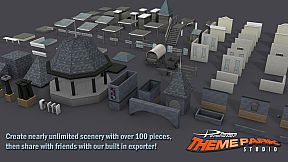
Additional layers include restaurants, gift shops, and restrooms drawn from built-in assets or imported custom meshes. Particle effects handle fountains, fireworks, smoke, and torches, with triggers available for timed shows or coaster interactions like water splashes. Water parameters such as speed, level, color, and ripples receive direct adjustment. Once complete, parks open to simulated guests who navigate the grounds and board rides, while players can switch to first-person tours of their creations.
Game Modes
The primary activity centers on park design and construction using the full toolset. This mode supports extensive customization from initial terrain work through final detailing with imported objects and environmental effects. Parks save locally and support direct uploads for community access.
A separate experience mode lets players enter completed parks for virtual tours. This includes riding coasters, flat rides, go-karts, and other attractions from a first-person perspective. Community-built parks become available through integrated browsing features, allowing seamless exploration without leaving the application. VR compatibility extends these tours across supported headsets for heightened immersion during rides and walkthroughs.
Community and Sharing Features
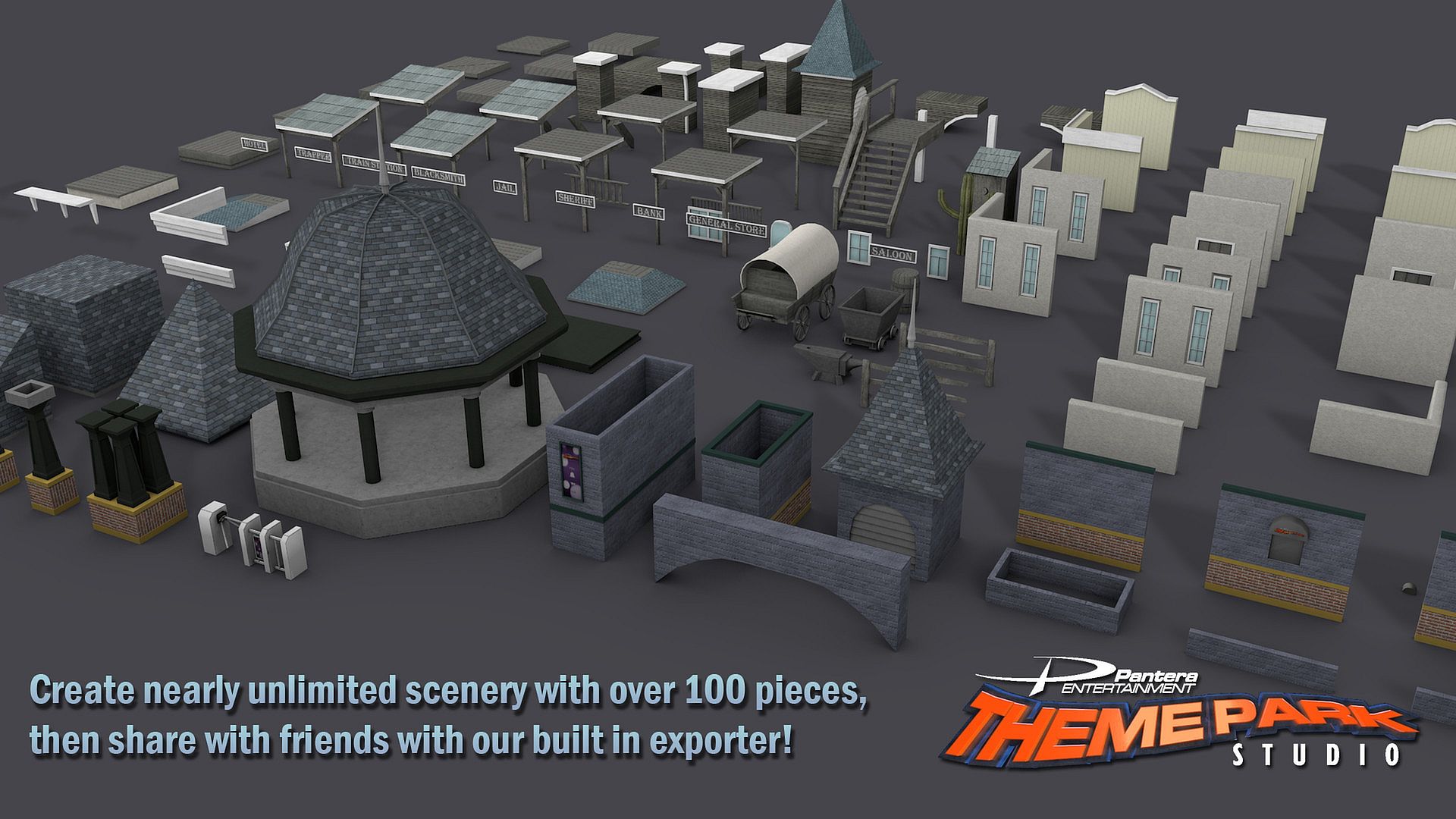
Integration with online libraries enables browsing of user-created parks, rides, custom scenery, and environments. A publish function uploads personal work directly for others to download and experience. This system fosters ongoing exchange of designs ranging from simple layouts to elaborate custom creations.
Mesh importing expands options further by allowing players to bring in their own environmental objects. Procedural vegetation and particle systems add polish that carries over into shared parks, maintaining consistency across different user contributions.
Is It Worth Playing?
Theme Park Studio suits players interested in detailed theme park construction and coaster engineering rather than traditional management simulations. The combination of terrain tools, flexible coaster editing, and the custom flat ride designer provides substantial creative depth for those who enjoy building from scratch. VR support and the ability to tour finished parks add replay value through direct interaction with designs.
Reception varies, with some users appreciating the toolset flexibility while others note limitations in polish and feature completion. The game remains available for those seeking a focused building experience on PC, particularly if community content appeals as a way to explore additional parks beyond personal creations. Individuals drawn to simulation tools and ride design will find the most alignment with its strengths, while those expecting polished management systems or frequent updates may encounter gaps.