

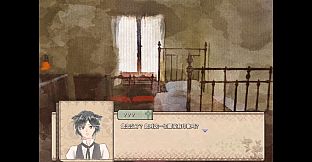
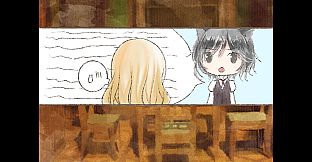
The Witch and the Wish is an indie simulation title built around visual novel storytelling and role-playing choices in a fantasy setting. Players step into the life of the Holy Lady of the Kanan Empire, a figure beloved by her people yet trapped in a repeating cycle of routine. The core experience revolves around making decisions that shape different narrative paths, with the explicit goal of reaching an outcome that aligns with personal preferences rather than following a fixed script.
Gameplay
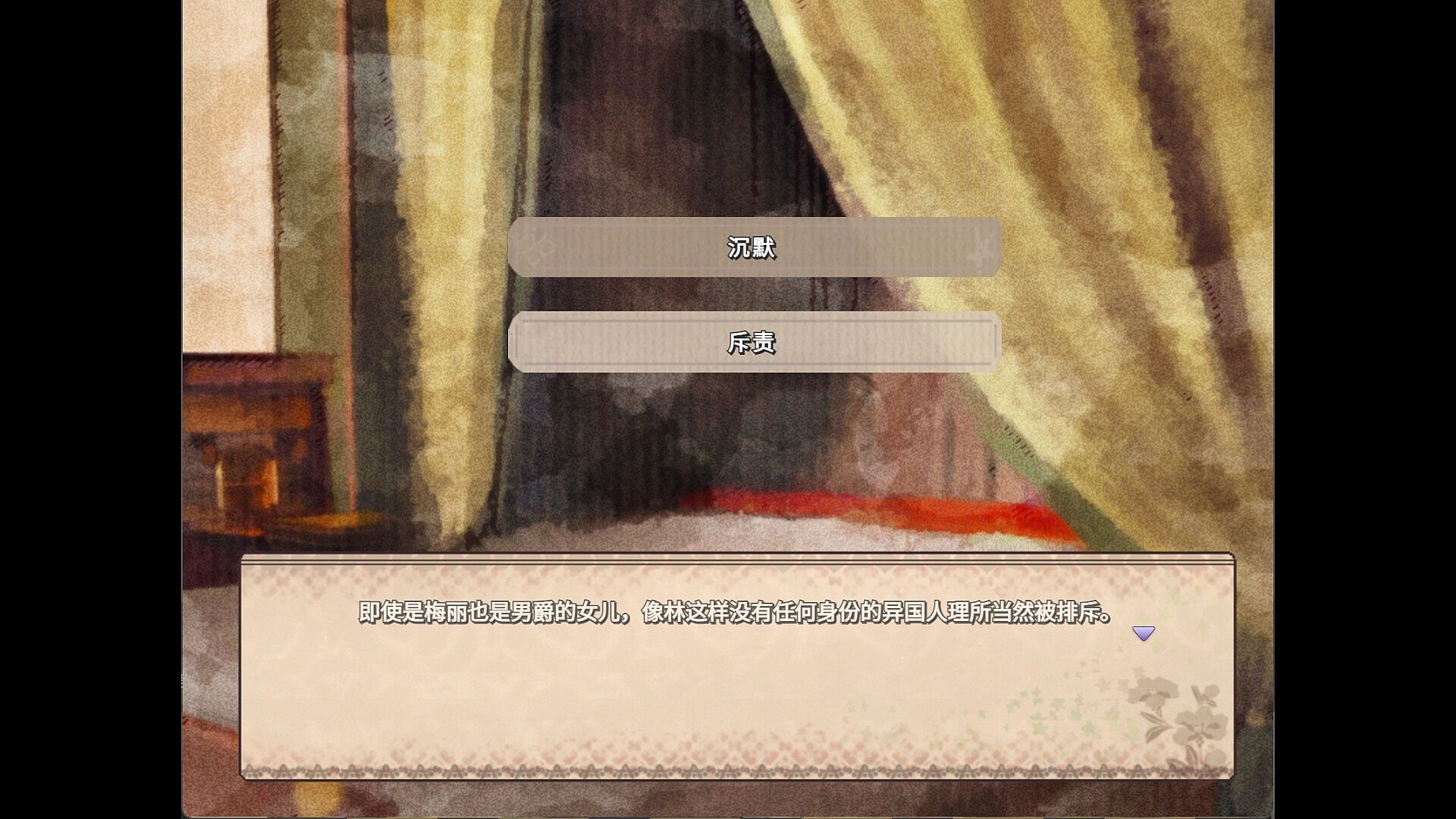
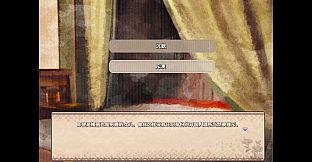
Progression centers on dialogue selections and branching decisions that alter relationships and story developments. The protagonist navigates daily life in the empire while encountering a cast of characters whose individual arcs unfold based on consistent choices across multiple playthroughs. Role-playing elements appear through the way selections influence how others perceive the Holy Lady and what secrets or sides of their personalities come to light. The structure encourages repeated play to explore variations, as the narrative emphasizes personal agency in determining the final result.
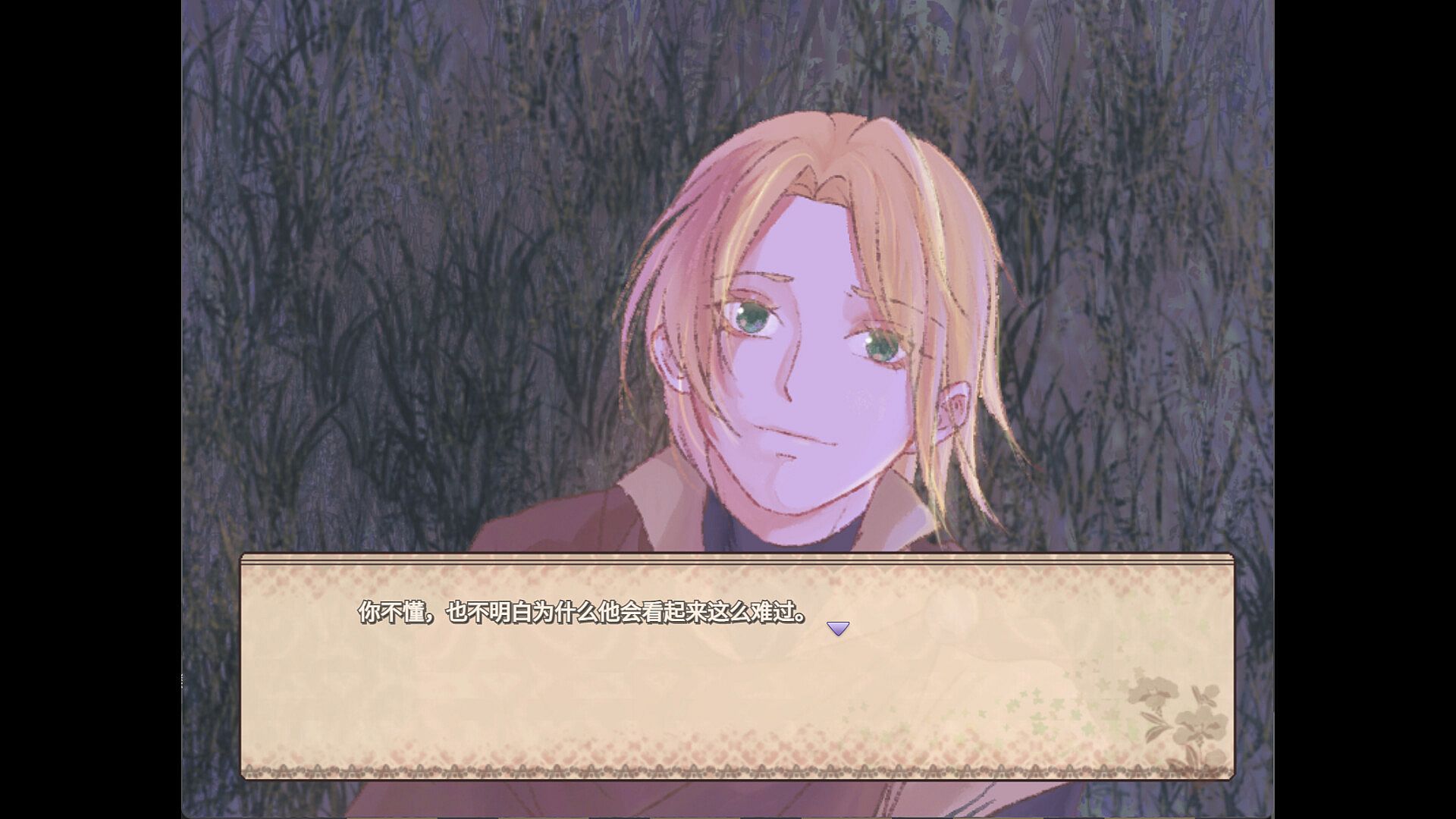
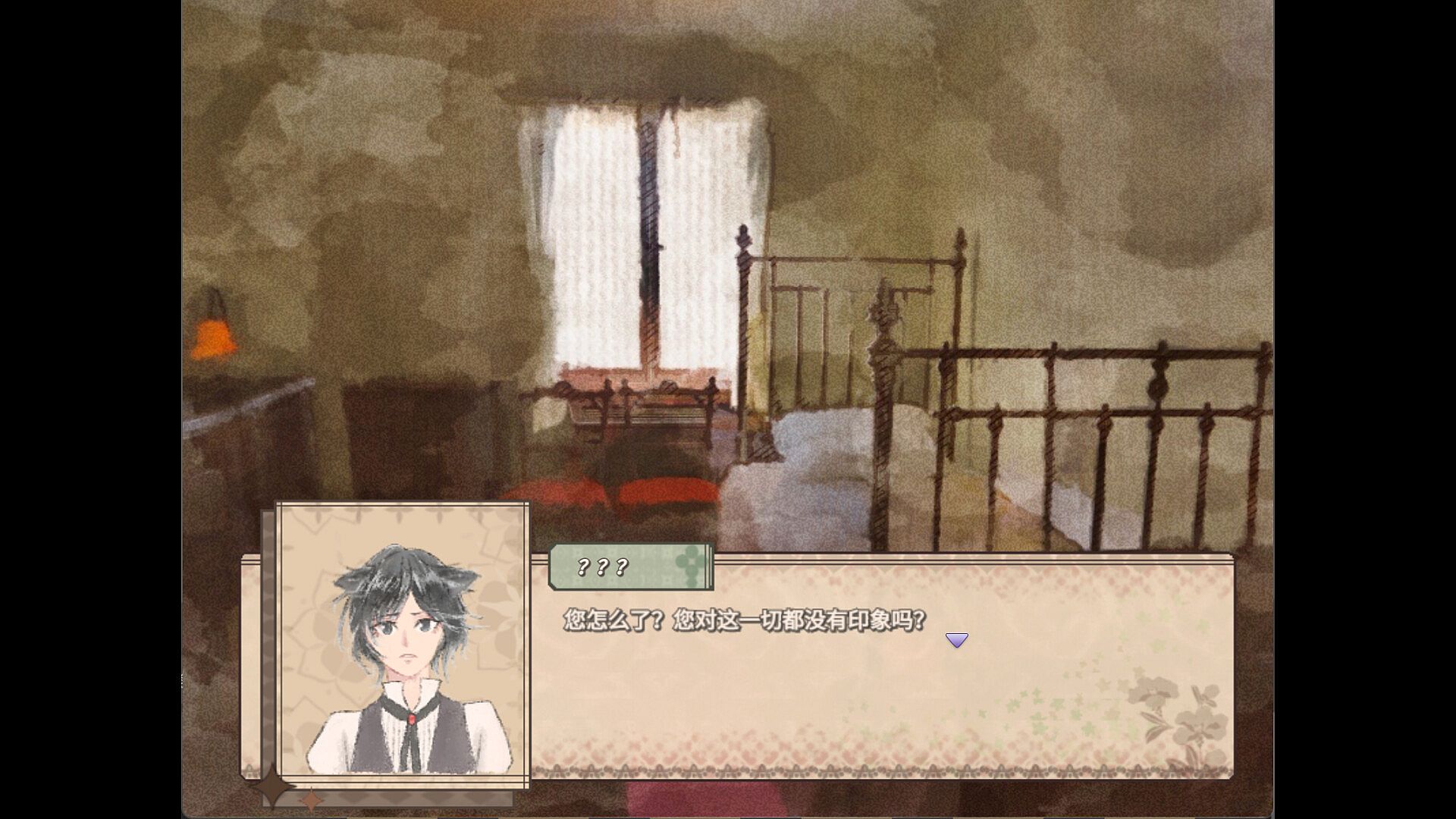
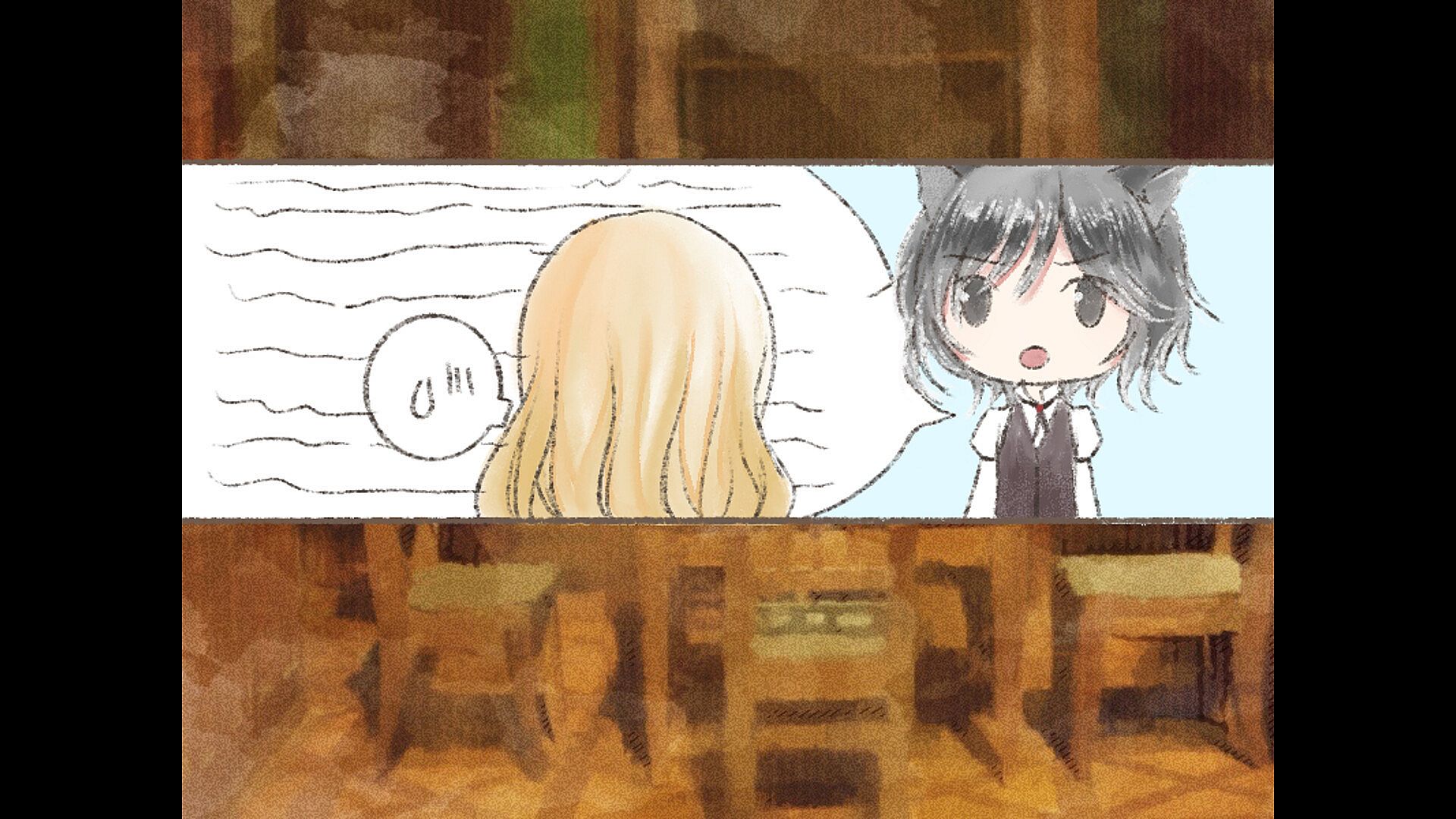
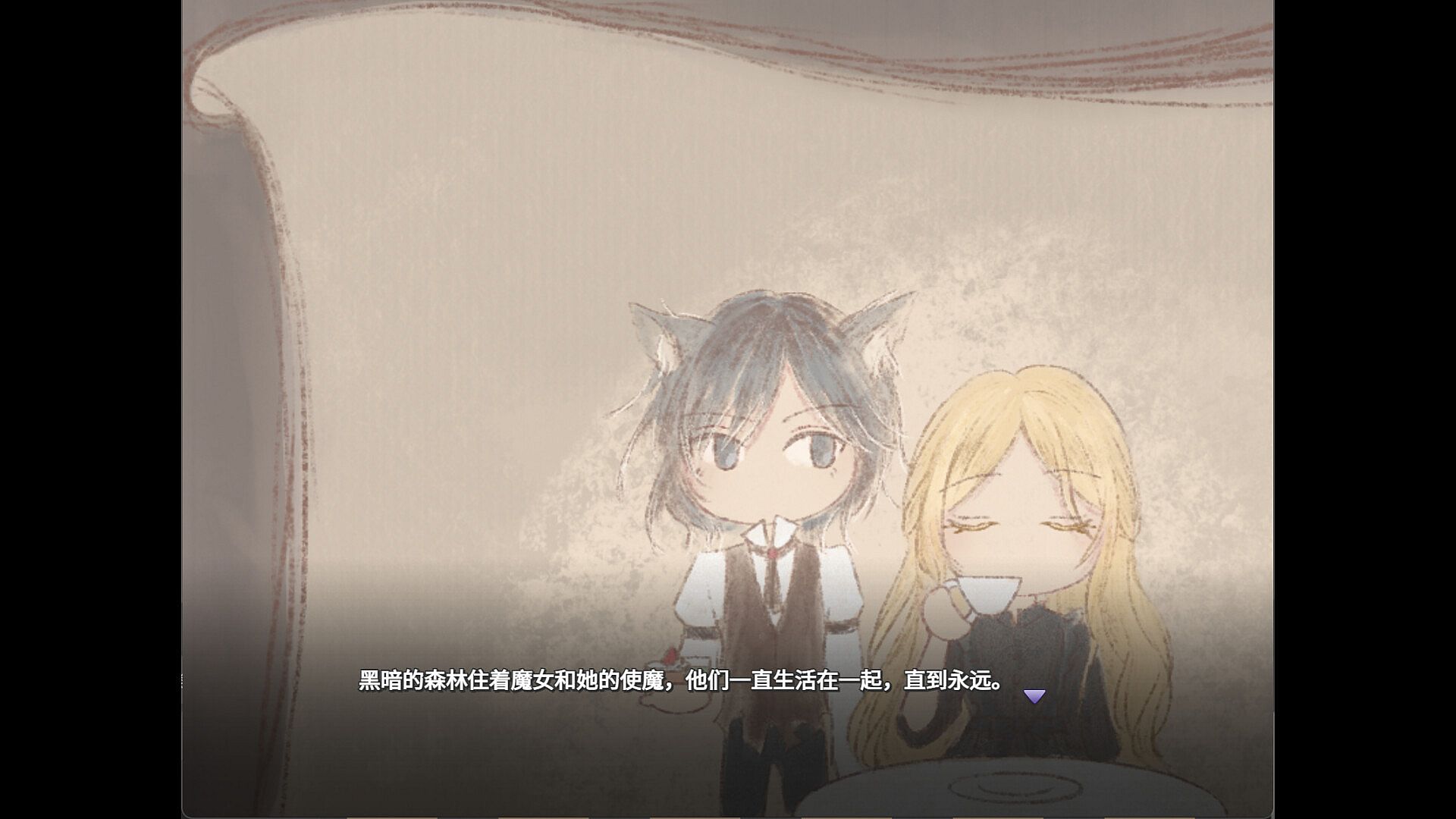
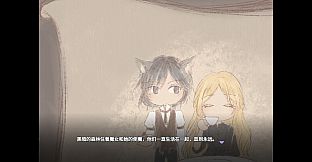
Interactions focus on key figures such as the Prince, a childhood friend whose cheerful exterior may hide other traits, and the Knight, a temple guardian whose demeanor deviates from typical expectations of nobility. Additional encounters involve the Familiar, who serves the protagonist despite her lack of prior memories of him, and the Mage from the Magic Association, whose background carries undisclosed elements. These meetings drive the role-playing aspects, where responses can reveal hidden depths or maintain surface-level exchanges depending on the path taken.
Game Modes
The primary experience consists of a single-player narrative campaign structured around multiple distinct routes. Each route ties to specific characters and allows players to pursue different relational outcomes through repeated selections. Not every character introduced leads to a dedicated ending with the protagonist, which narrows focus to the most developed paths while leaving room for side interactions. The design supports experimentation across sessions, as choices accumulate to produce varied conclusions without requiring external progression systems.
Story and Setting
The fantasy backdrop of the Kanan Empire provides the stage for the Holy Lady's accustomed existence, which players gradually influence through their decisions. Temple-related figures, including the High Priest with his outwardly serious manner and the Temple Page noted for an endearing personality, add layers to the daily environment. Two additional unknown characters appear in the narrative, one described in terms that suggest an obedient presence and another whose initial intimidating appearance conceals further intensity. The overall tale blends these elements into a cohesive exploration of repetition and change within an imperial and magical context.
Characters
The cast expands the role-playing opportunities through contrasting personalities and backstories. Key figures include:
- The Prince, whose sunny demeanor as a childhood companion may conceal unexpected qualities.
- The Knight, set apart from standard temple guardians by subtle differences in behavior.
- The Familiar, marked by secrecy and a claimed service role despite the protagonist's missing recollections.
- The Mage, connected to the Magic Association with hints of concealed aspects.
- The High Priest, whose serious appearance suggests a private sense of humor.
- The Temple Page, highlighted for an appealing and sweet disposition.
These descriptions come directly from in-game framing and guide how players approach each route without dictating outcomes.
Is It Worth Playing?
This title suits players who enjoy choice-driven visual novels with otome elements and fantasy themes, particularly those interested in exploring multiple narrative branches to achieve preferred endings. The emphasis on decision-making and character-specific paths offers replay value for anyone drawn to simulation-style storytelling where outcomes depend on consistent selections. As an upcoming release planned for 2027 with current support limited to Simplified Chinese, it appeals most to enthusiasts willing to engage with the core mechanics of route selection and relationship building in an empire setting. Those seeking linear stories or extensive mechanical systems beyond narrative choices may find the focus narrower than broader simulation or role-playing experiences.