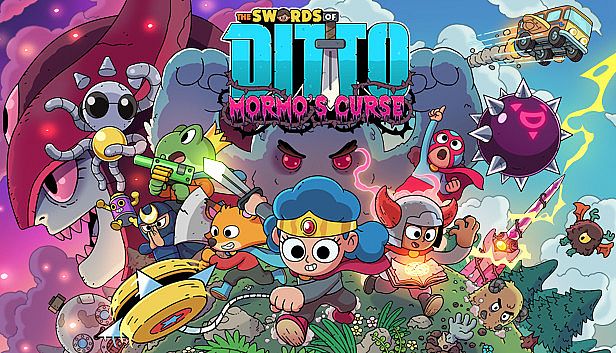















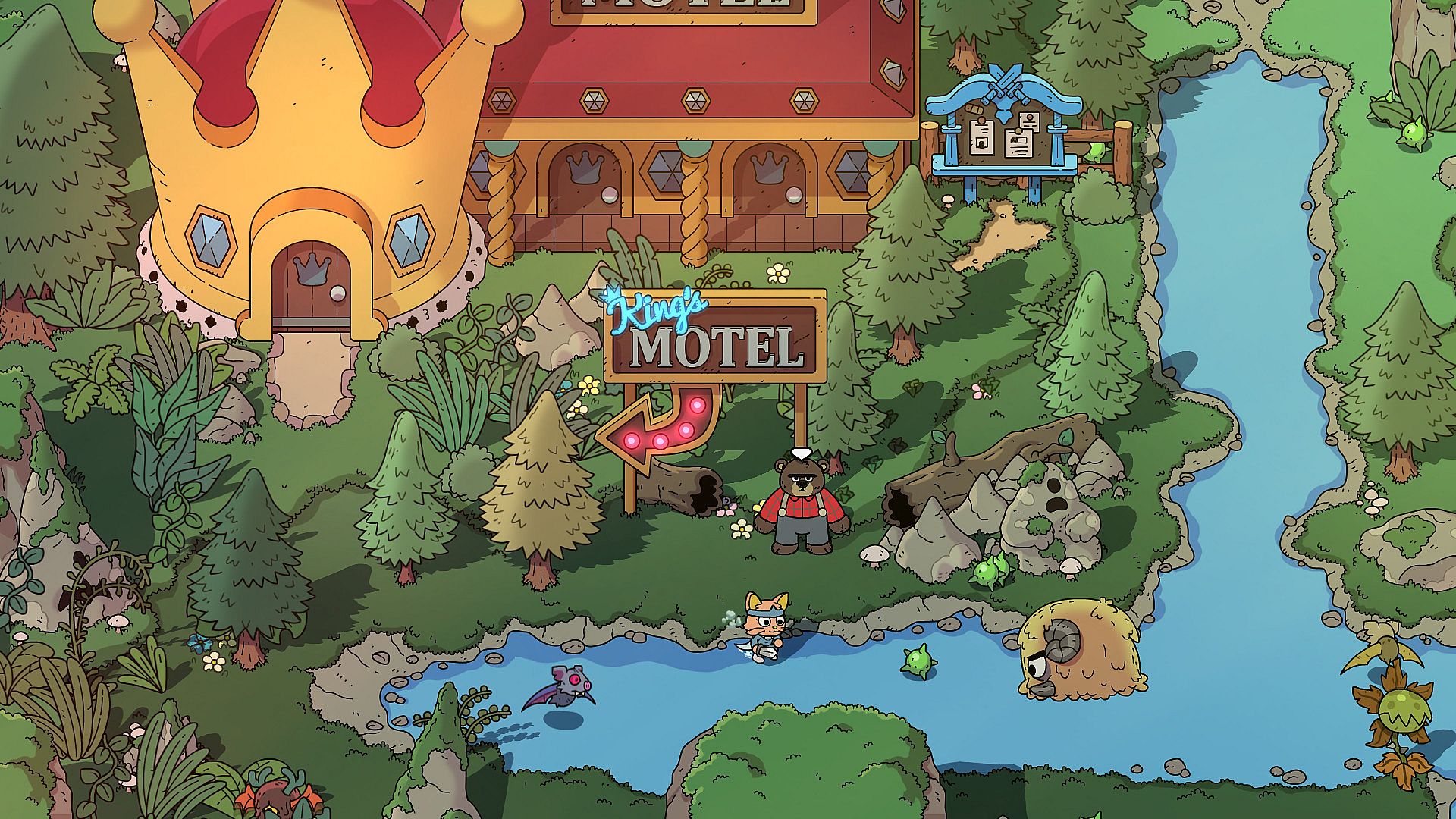
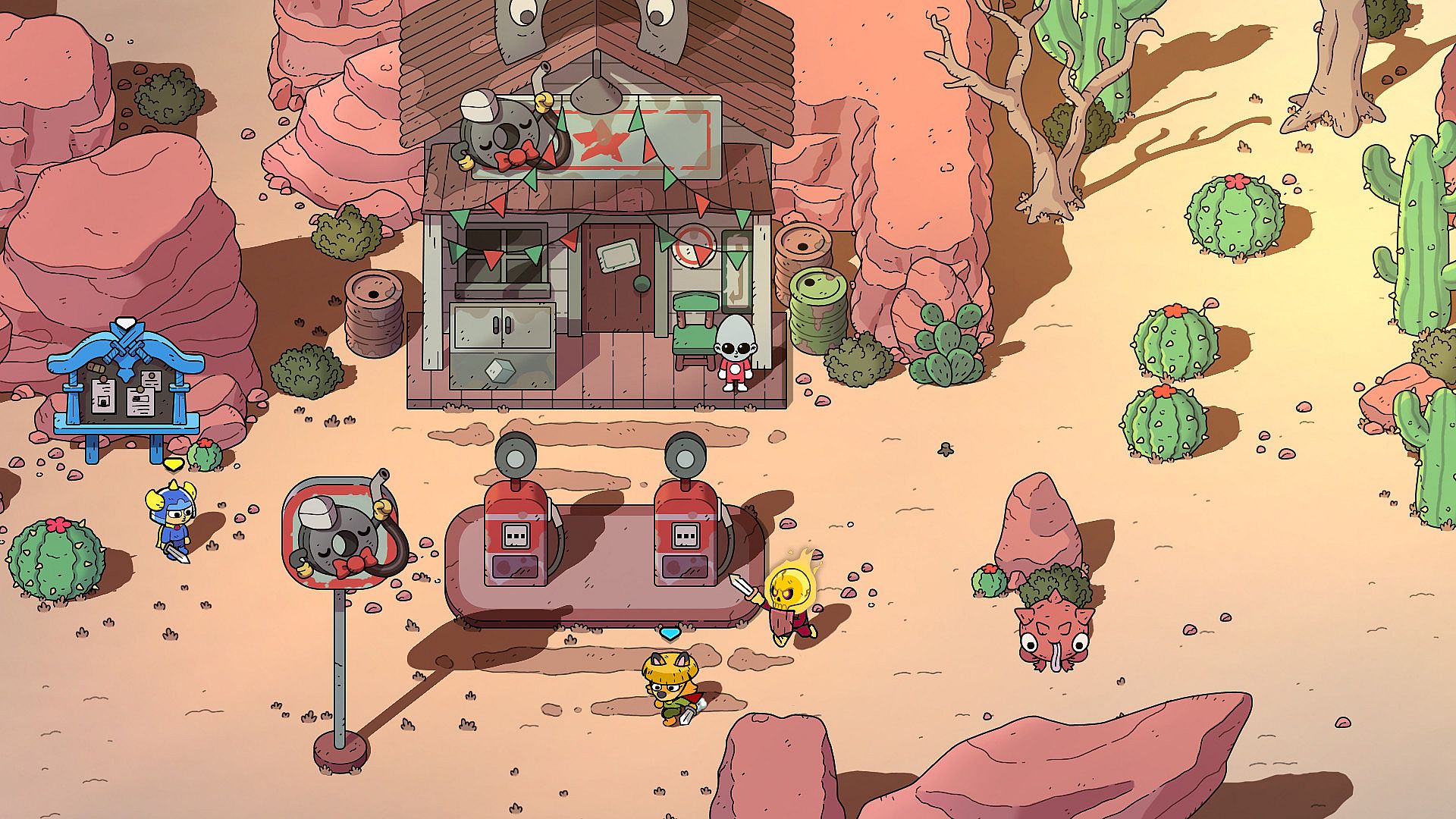
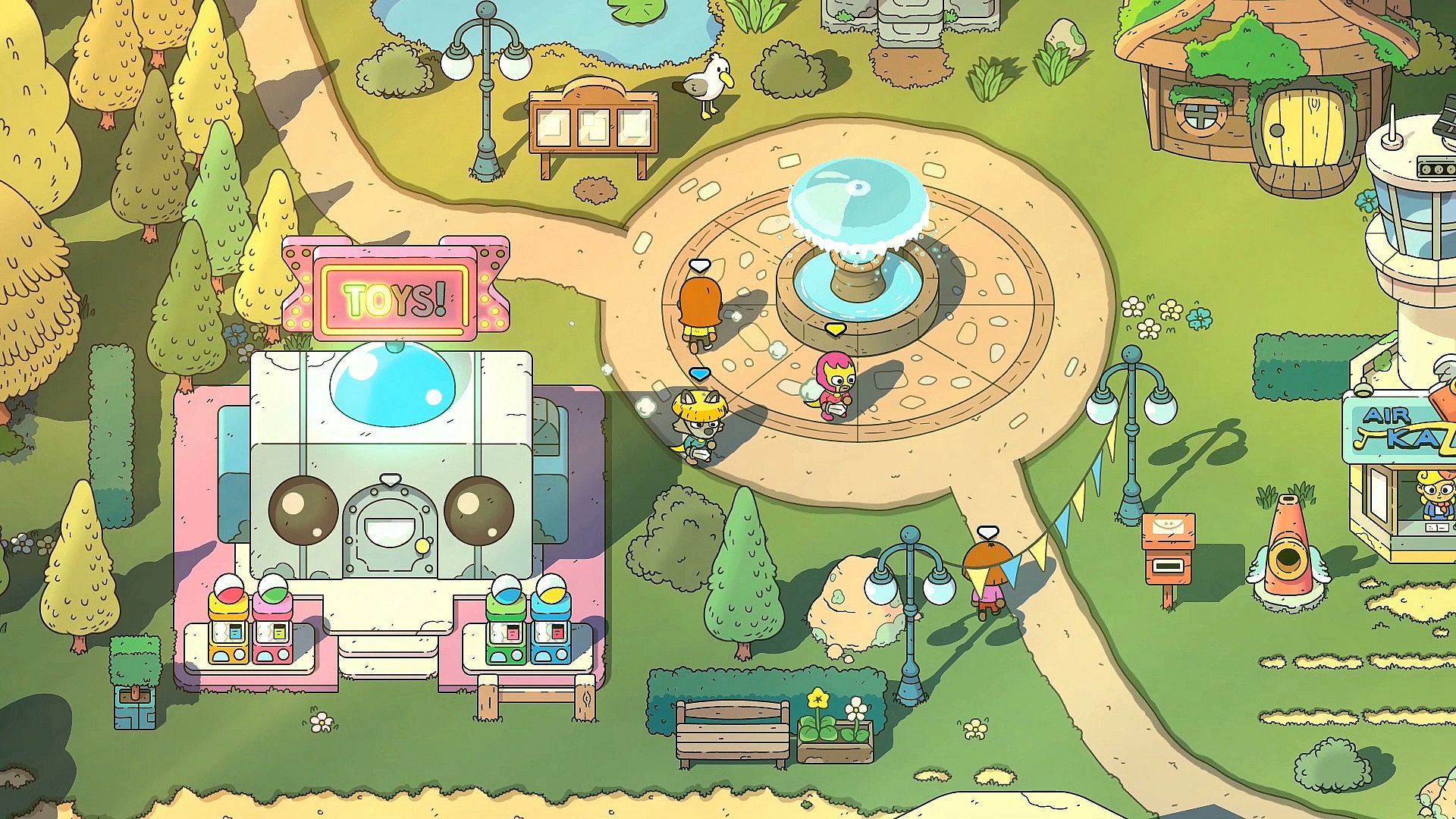
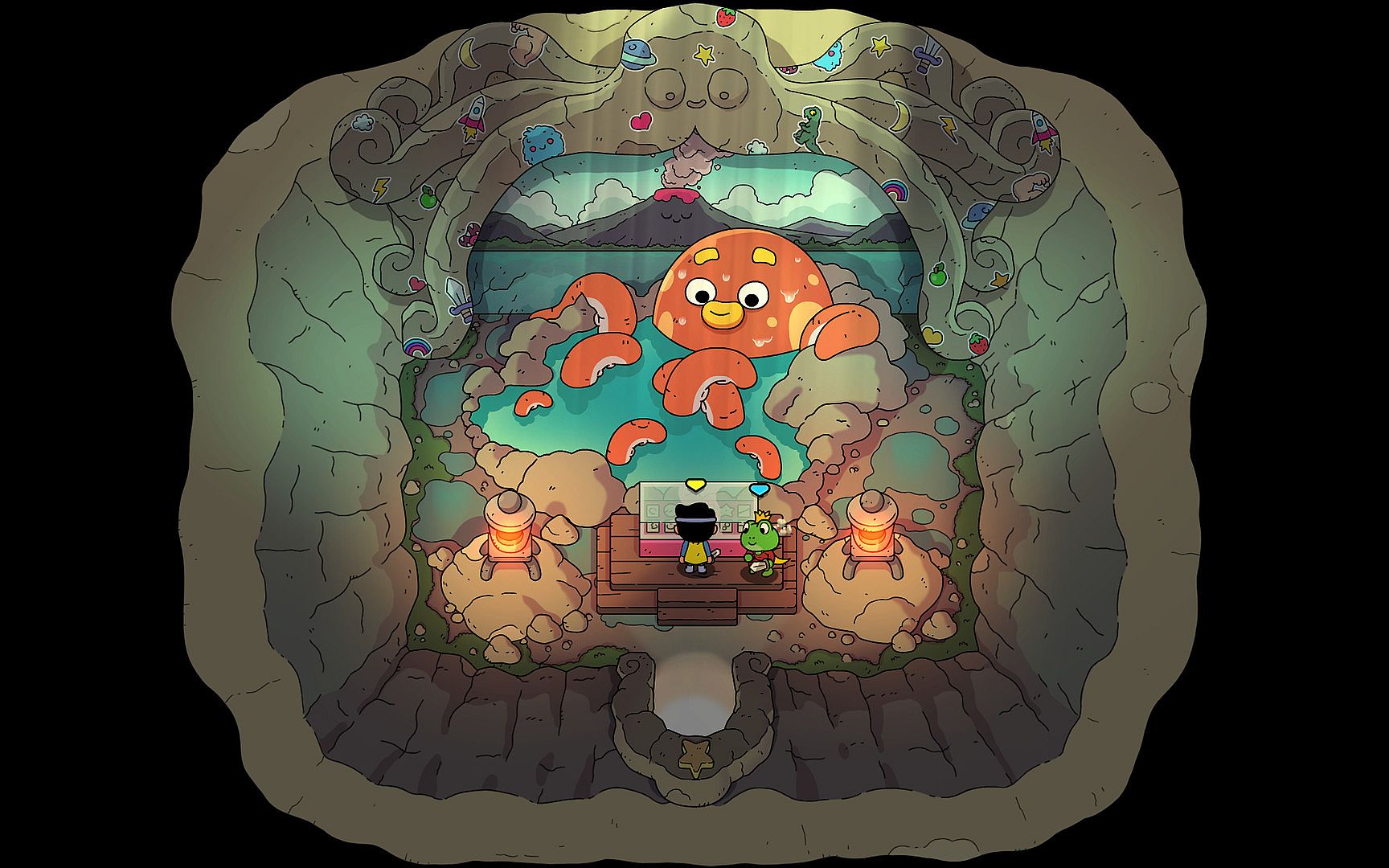
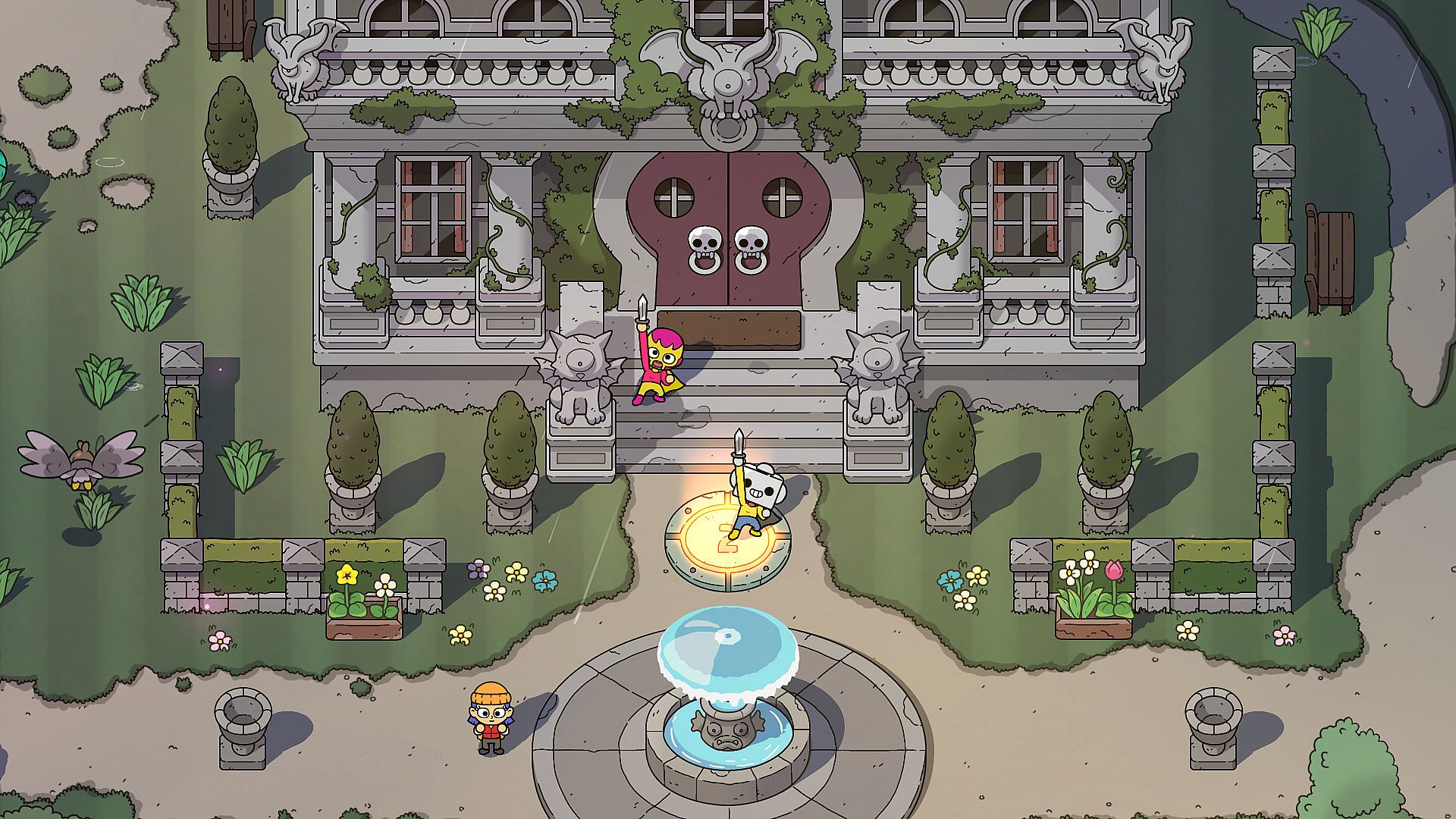



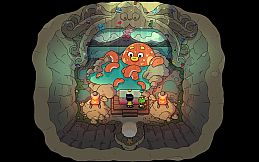
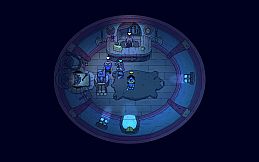

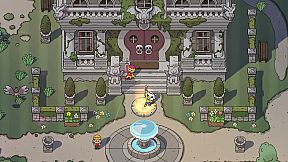
The Swords of Ditto: Mormo's Curse is a roguelite action RPG set on an island plagued by the sorceress Mormo. Players take on the role of successive heroes who must explore an overworld, clear dungeons, gather resources in a village hub, and ultimately confront the antagonist using the mystical Sword of Ditto. Each run generates a distinct layout and set of challenges while carrying forward certain elements from prior attempts, creating a sense of shared legacy across multiple playthroughs.
Gameplay
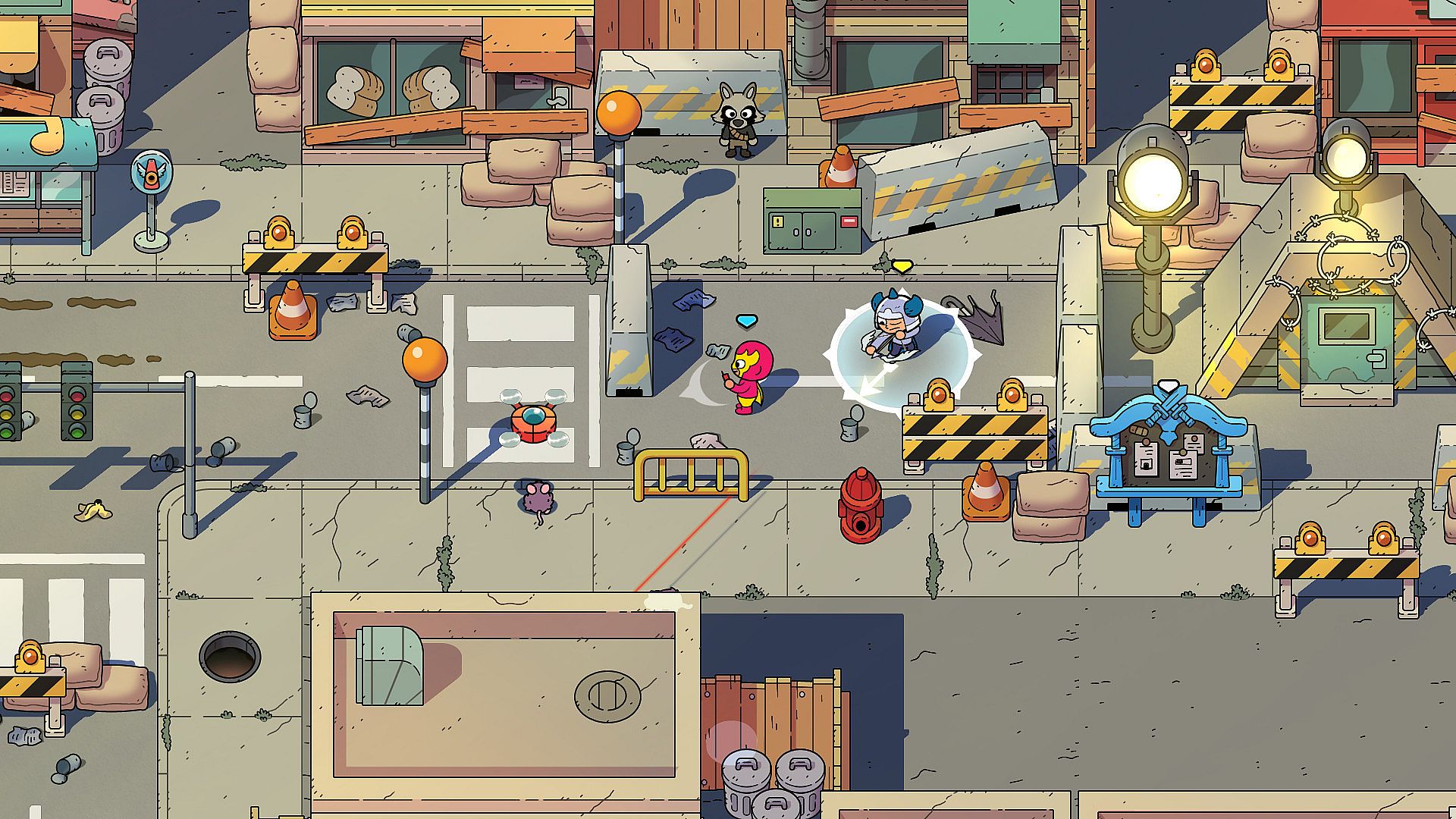
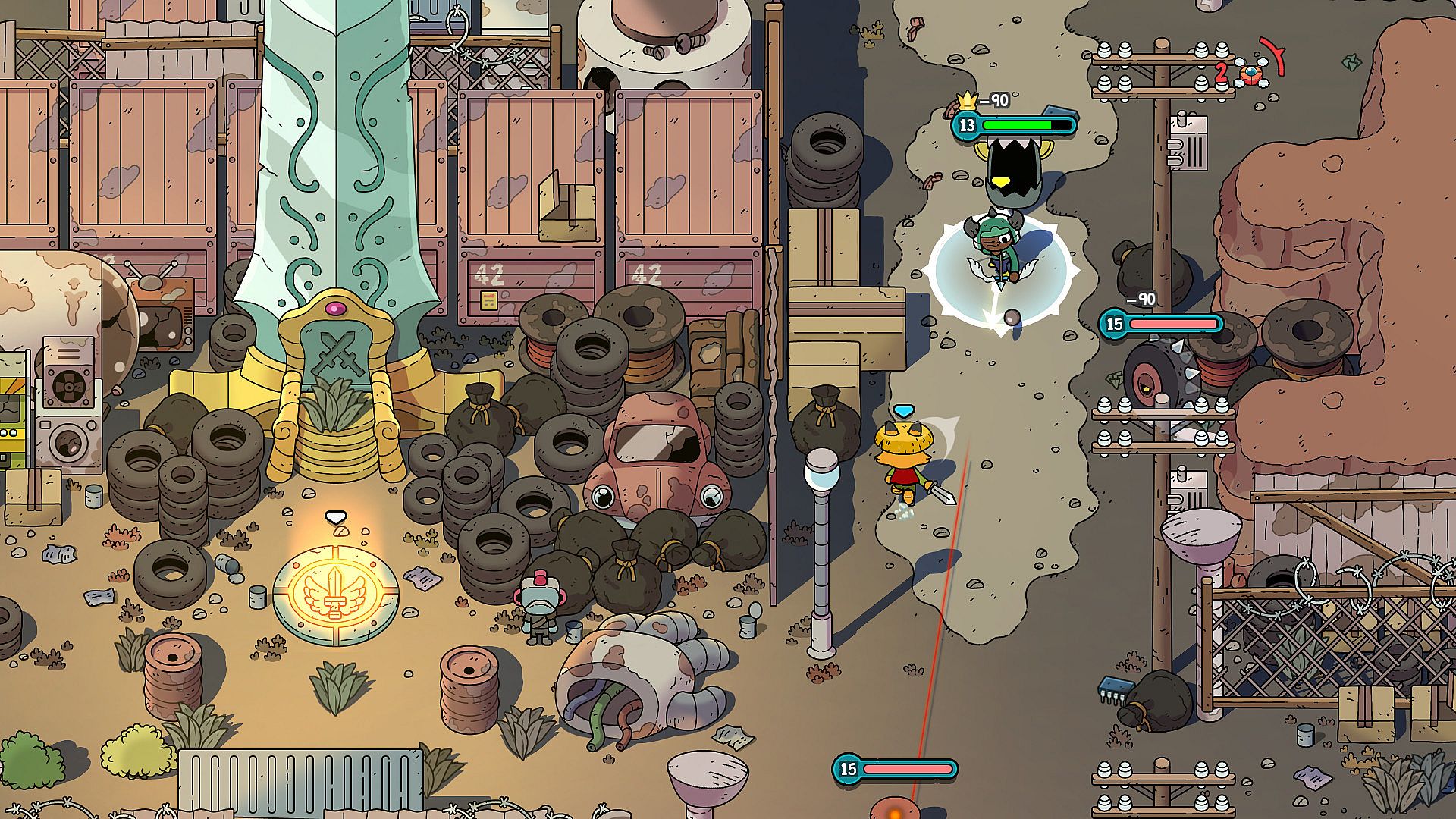
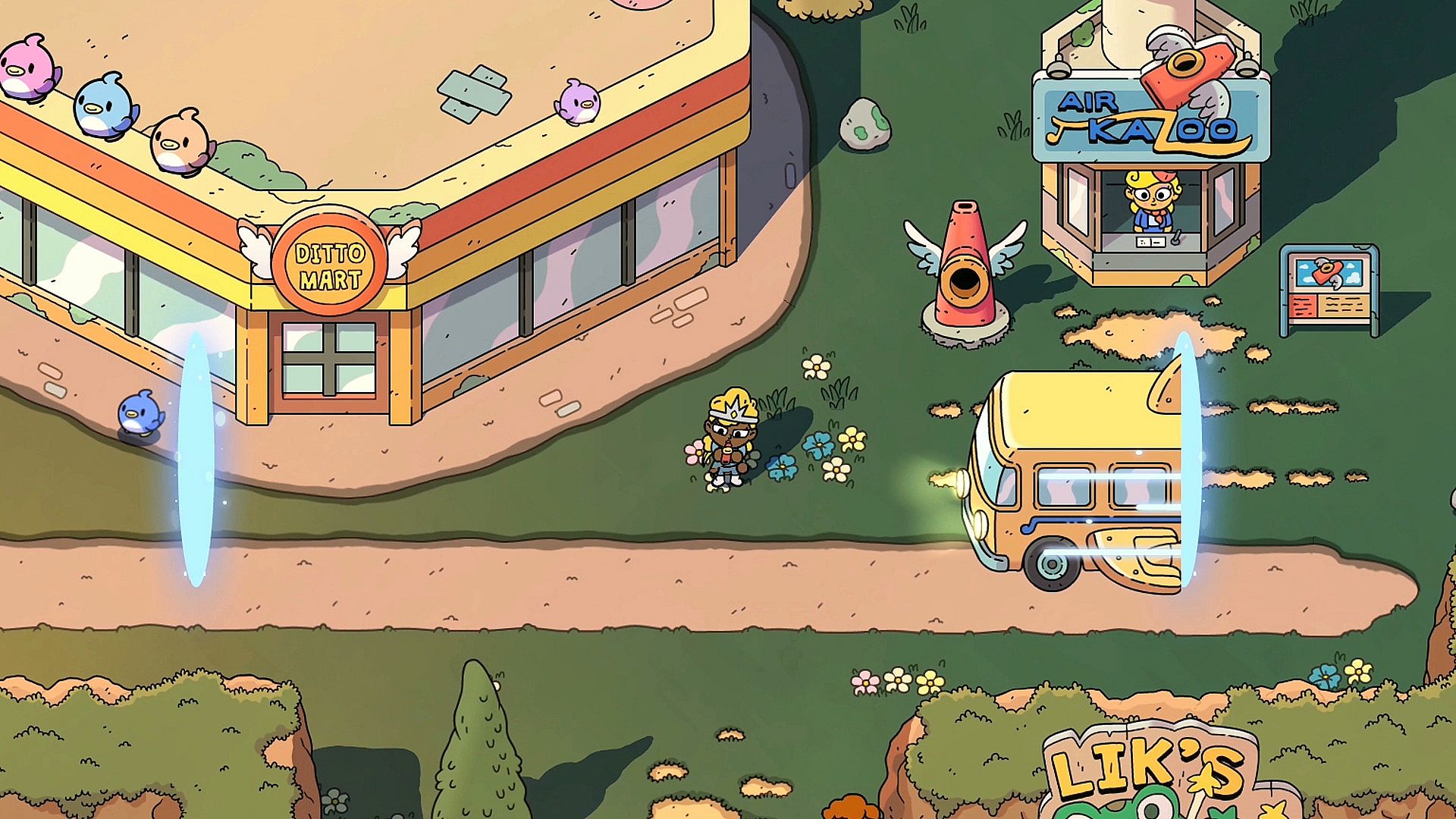
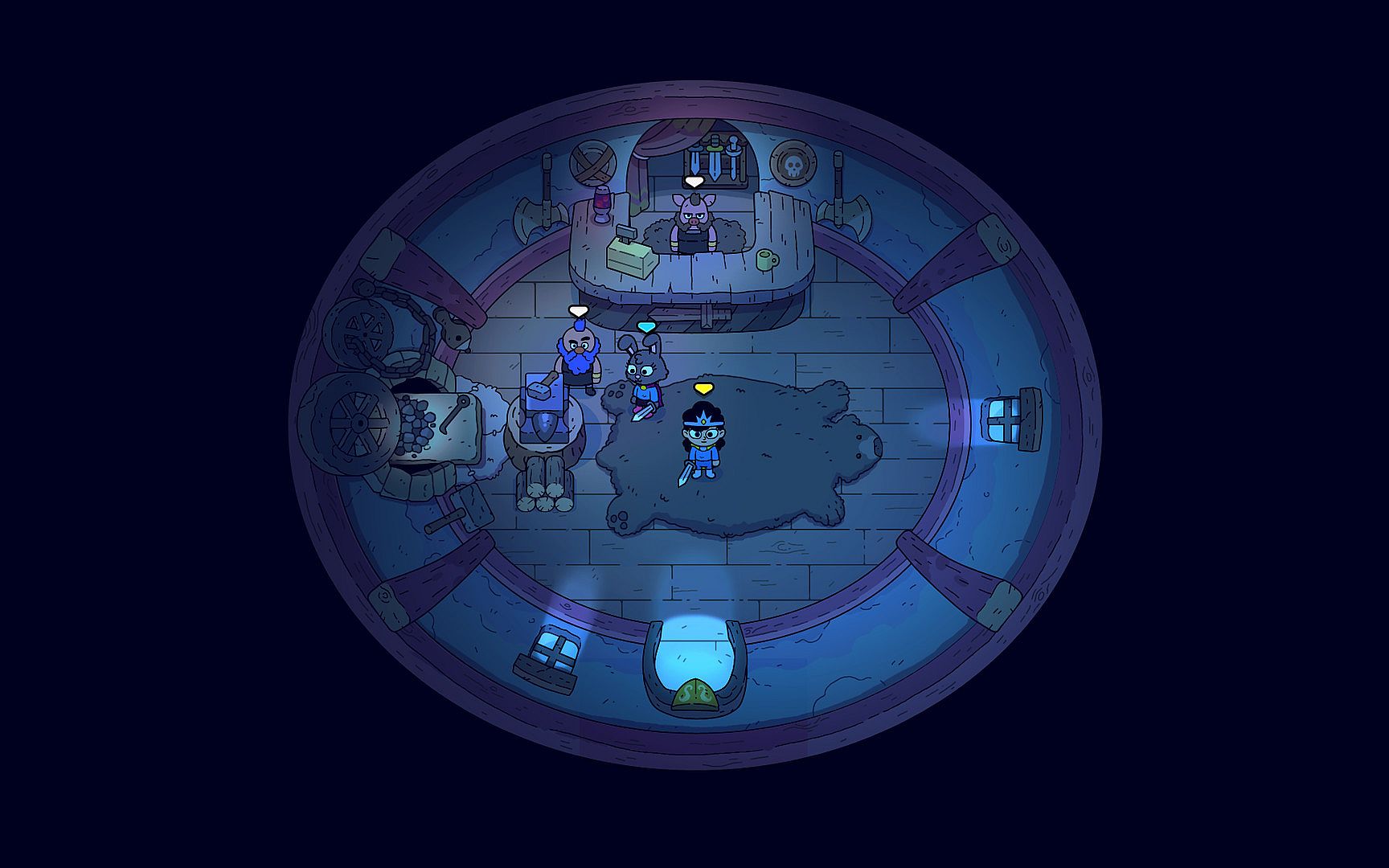
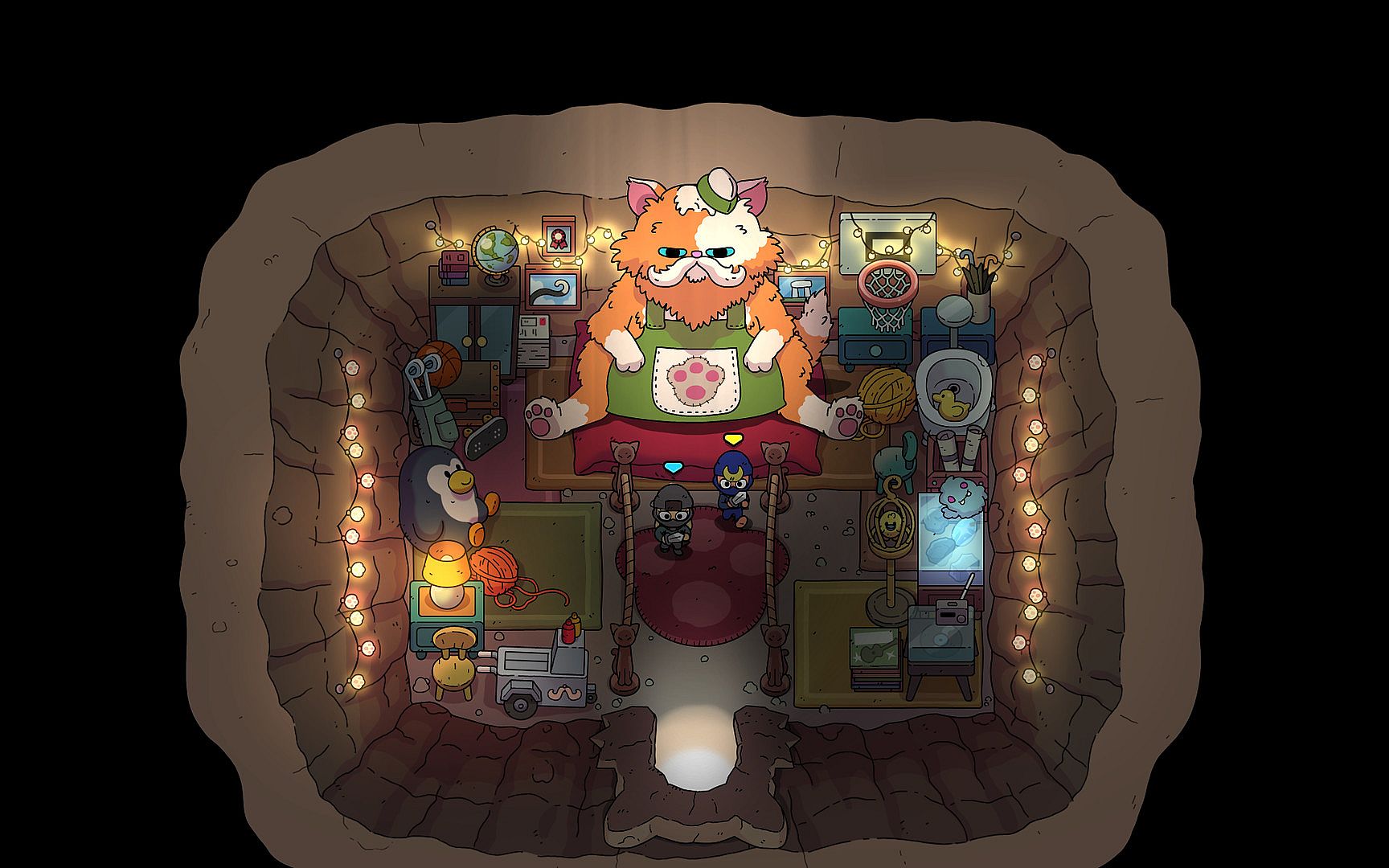
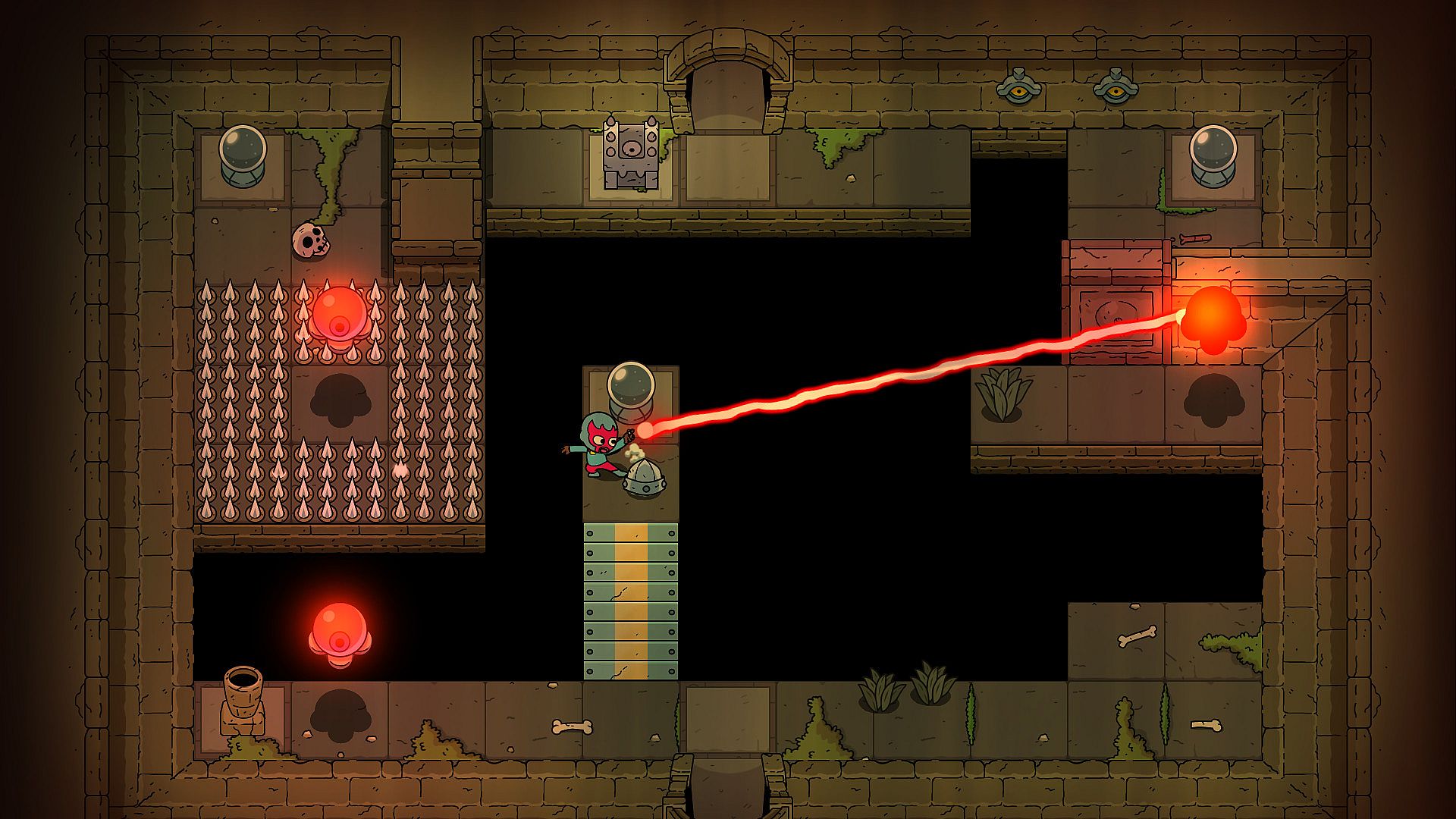
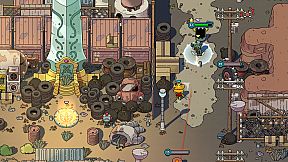
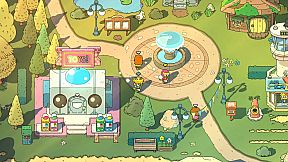
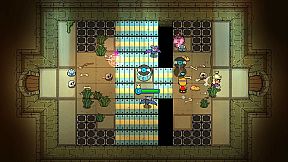
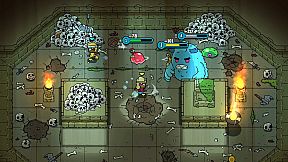
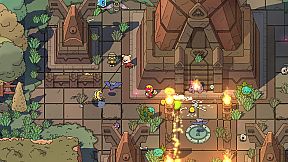
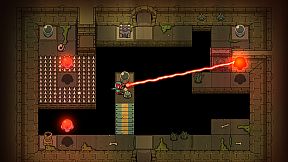
Core loop centers on real-time combat combined with light RPG progression. Heroes move through a colorful 2D overworld filled with enemies, hidden paths, and resource nodes. Dungeons feature room-based layouts where players clear foes, solve simple environmental puzzles, and collect loot before facing a boss. Back in the village, gathered materials upgrade equipment and unlock new options for future runs. Stickers attach to gear or the hero to grant permanent or temporary perks such as increased damage, extra health, or special abilities. The system encourages experimentation because different sticker combinations alter playstyle significantly from one hero to the next.
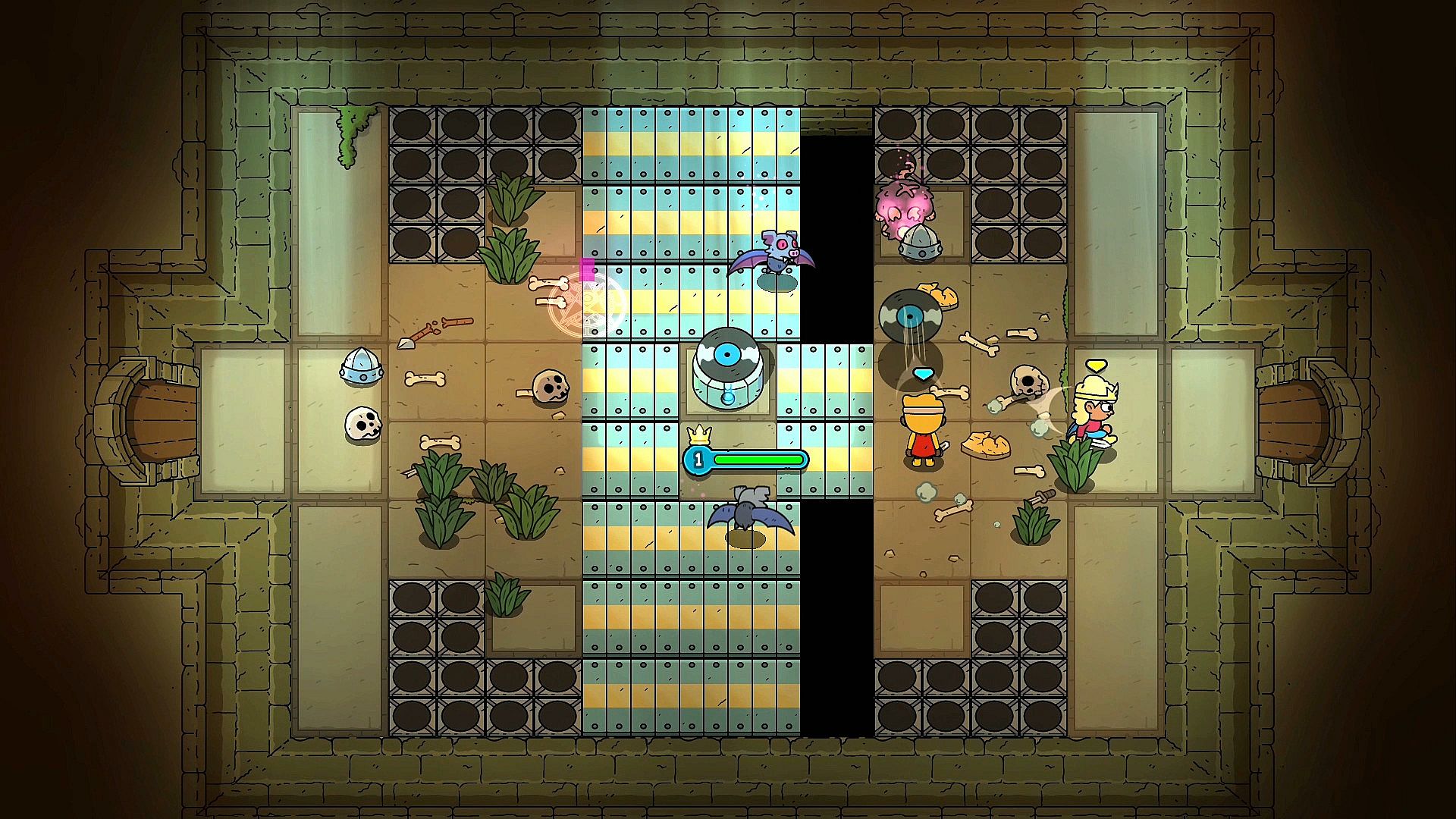
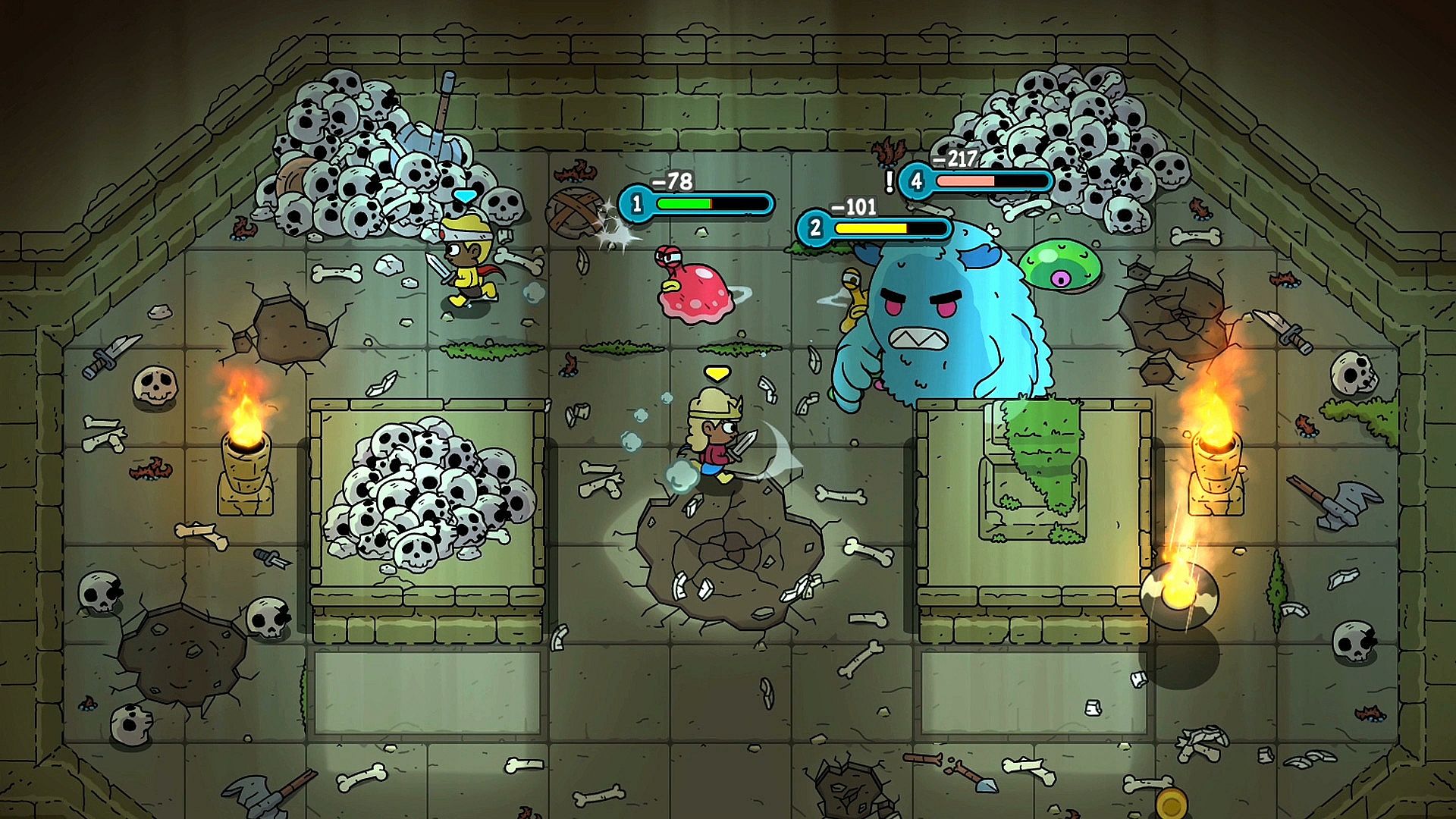
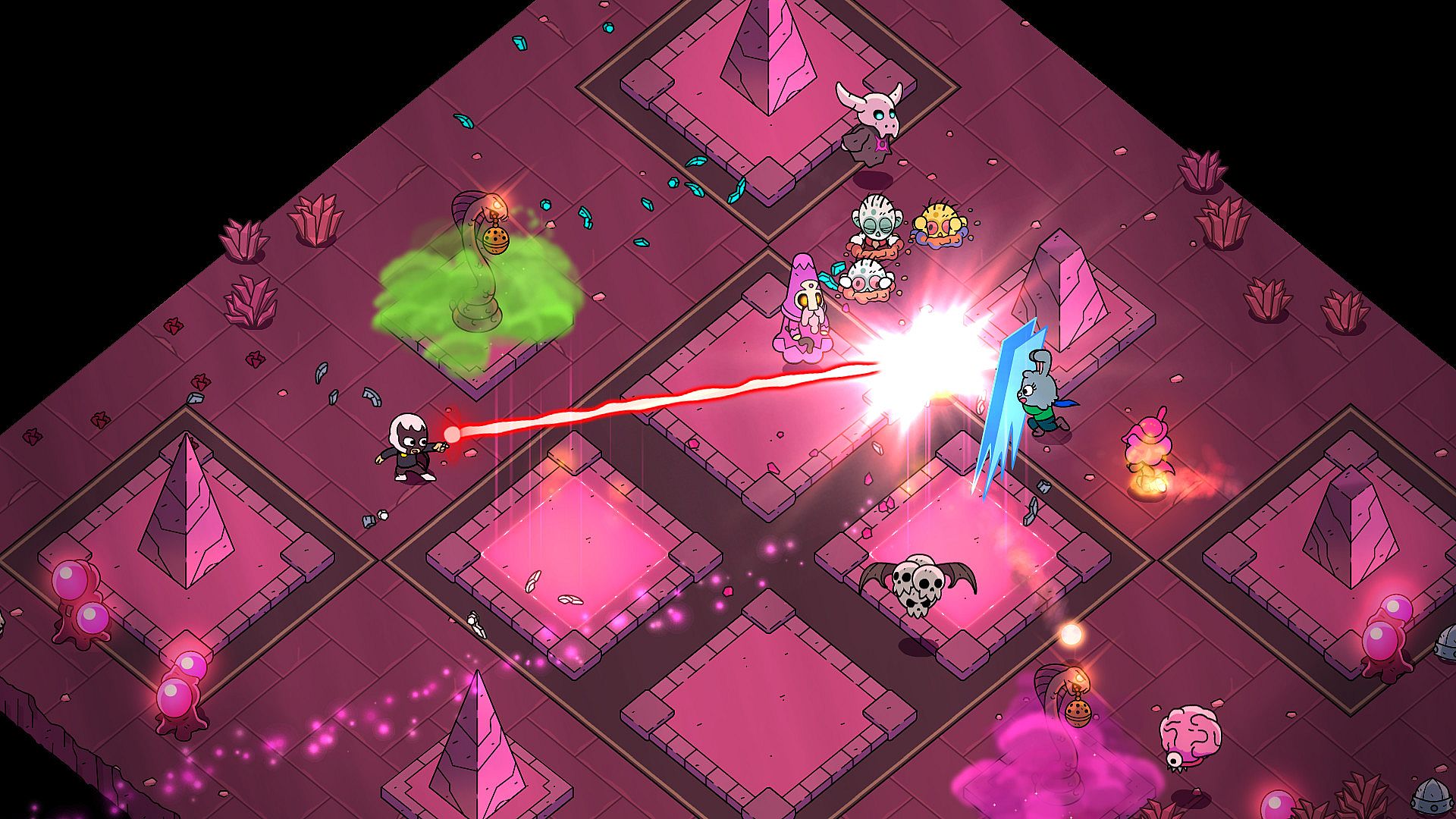
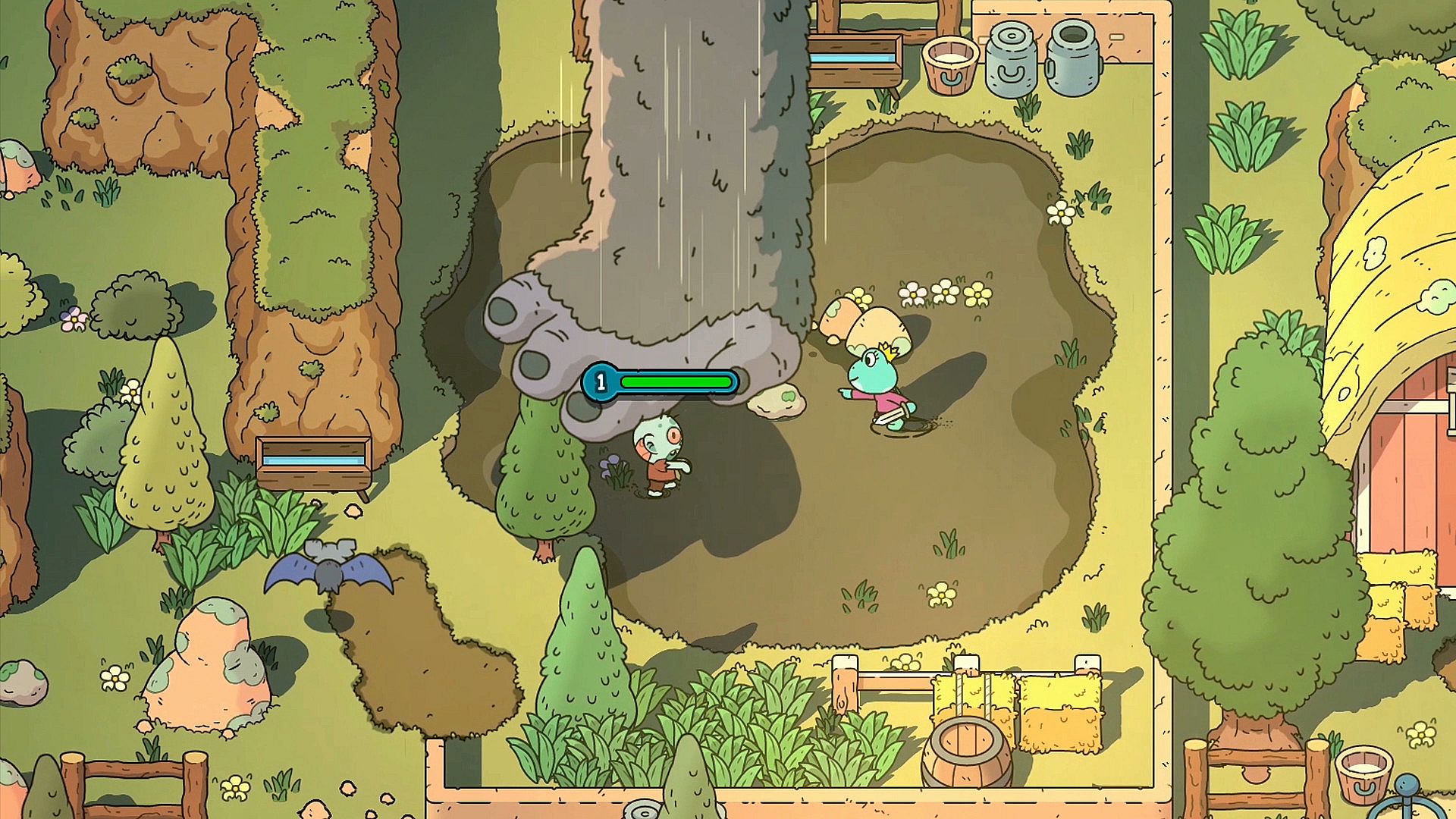
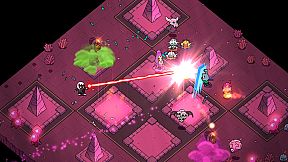
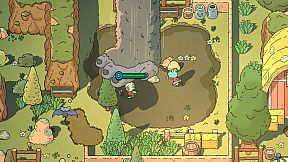
Combat mixes standard sword and bow attacks with unconventional weapons. Players can throw a vinyl record like a Frisbee, swing a magic golf club, or summon a colossal foot from above. These options require timing and positioning because each has distinct range, speed, and cooldowns. Rolling provides a brief invincibility window to dodge incoming attacks. Exploration rewards careful observation since many secrets sit behind breakable walls or require specific items found only in earlier runs.
Game Modes
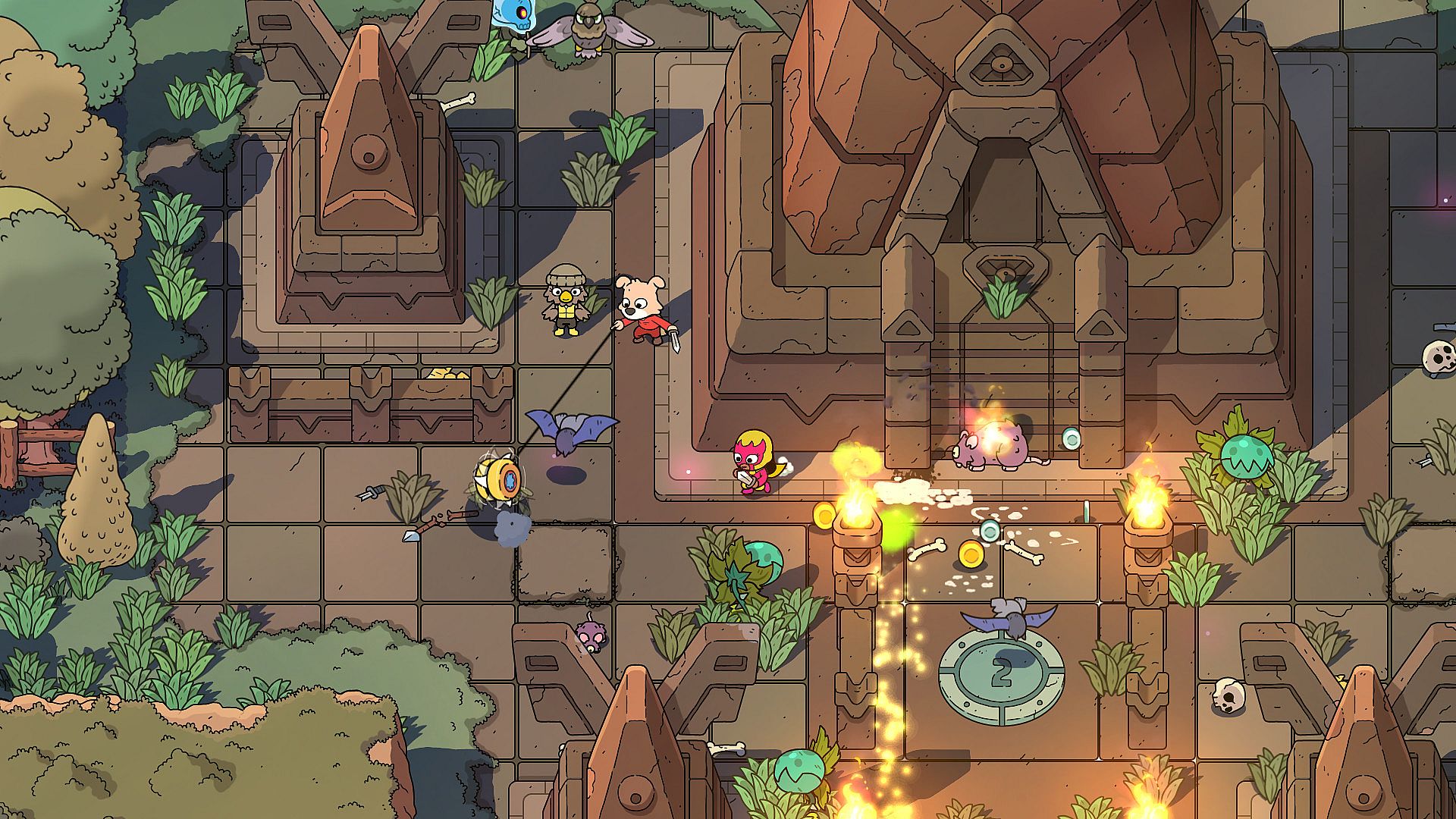
The game supports solo play and local co-op for two players on the same screen. In co-op, a second hero joins at any time and both characters share the same screen space. A revival mechanic allows one player to hug the other to restore health after a defeat, reducing frustration for paired adventurers. Difficulty settings include a standard mode with respawning at the village after death while keeping most collected items and currency, plus an optional stricter mode that enforces full permadeath for those seeking greater challenge. Players can switch between these approaches when starting a new hero.
Quest structure remains flexible. Main objectives guide progress toward Mormo, yet side missions appear in optional caverns and wells. Dungeons can be tackled in any order, and nothing forces a linear path. This freedom lets players focus on exploration, combat grinding, or direct confrontation depending on preference.
Progression and Legacy
Each new hero inherits certain advantages from previous failures and successes. Weapons and items recovered from fallen heroes become available in later runs, while village upgrades persist across attempts. This creates incremental power growth without eliminating the roguelite risk of losing temporary progress. New biomes and areas expand the overworld variety, ensuring repeated playthroughs encounter fresh terrain and enemy placements. Stickers and Toys of Legend further customize each run, rewarding collection and strategic equipping.
Is It Worth Playing?
The title suits players who enjoy roguelite structure blended with deliberate exploration and light co-op elements. Local multiplayer adds accessibility for shared sessions, while the adjustable difficulty accommodates both cautious newcomers and veterans who prefer higher stakes. Feedback from players remains mixed, with praise for the art direction, weapon variety, and legacy mechanics offset by criticism of pacing in some runs. Those drawn to charming 2D action adventures with meaningful progression across multiple attempts will find the most consistent enjoyment. The game stands as a complete package on PC with no requirement for additional purchases to access core features.