


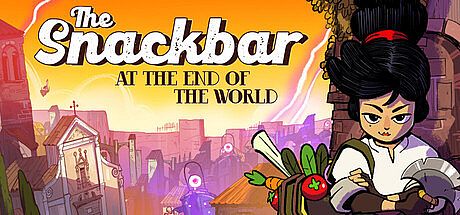


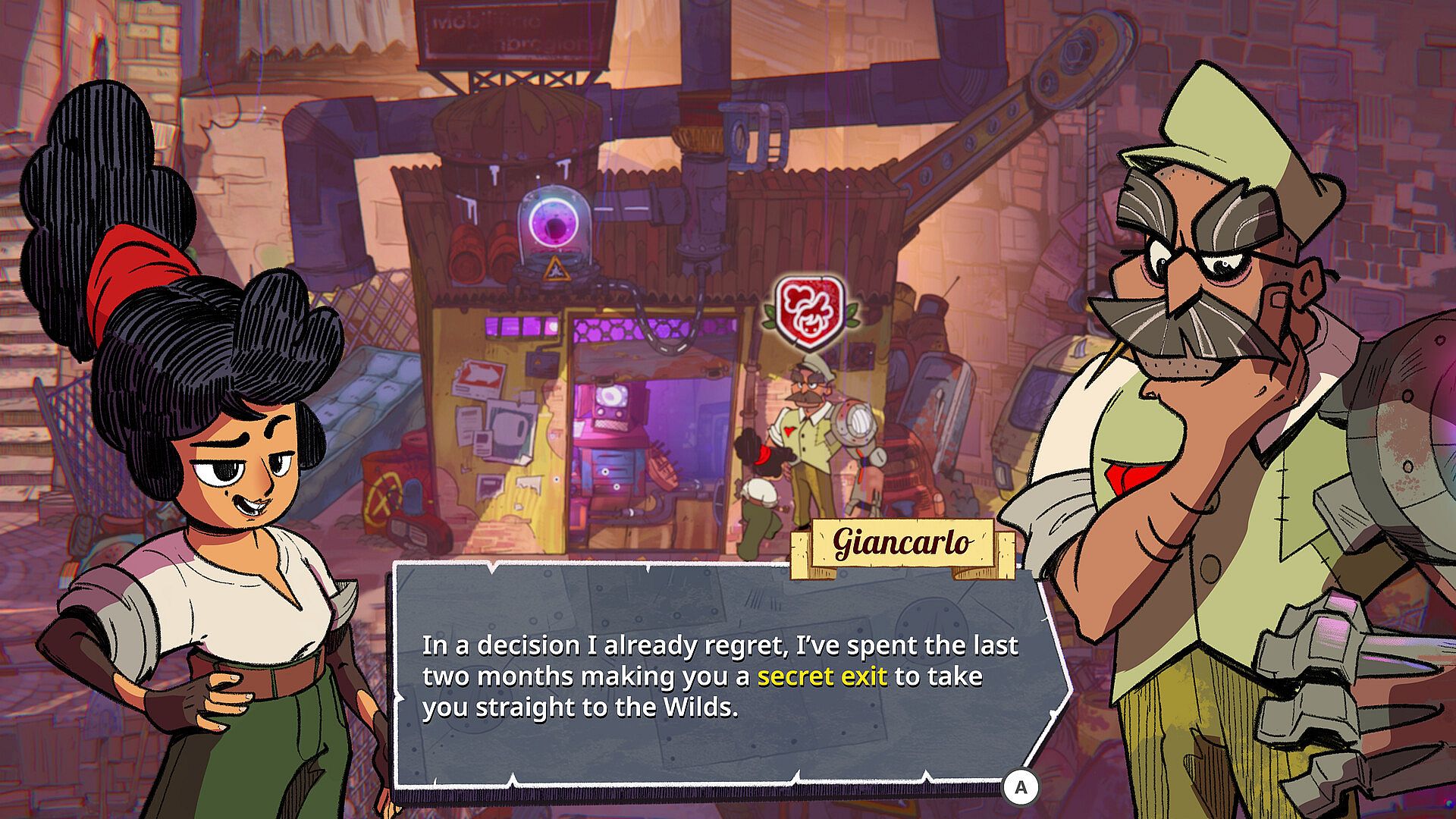
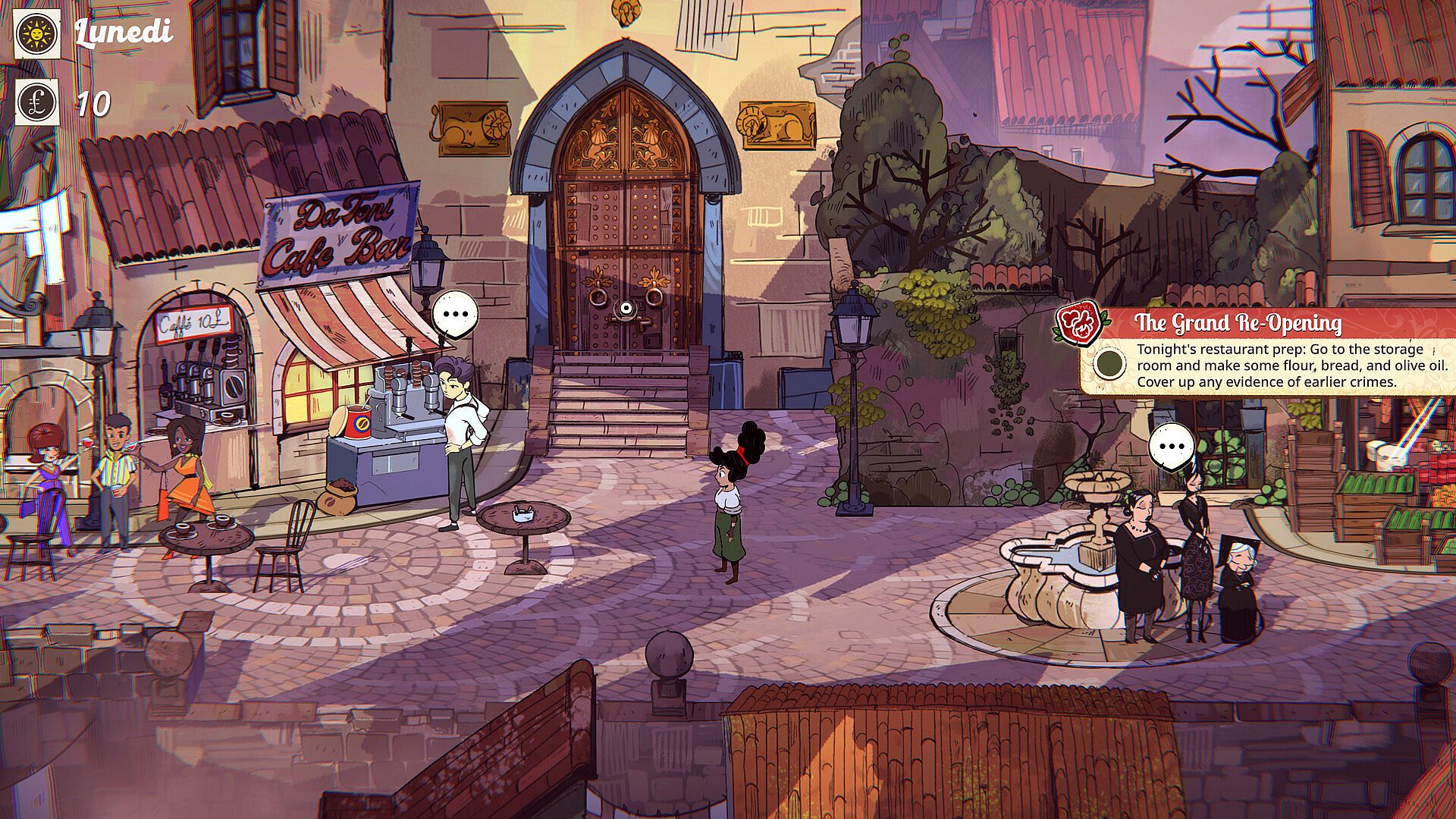
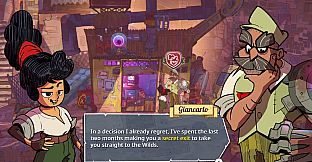
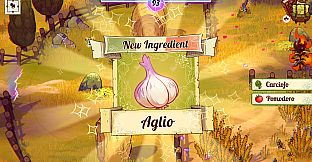
The Snackbar at the End of the World is a single-player top-down action RPG that blends foraging, combat, cooking, and restaurant management in a magical alternate-reality version of 1960s Italy. Players step into the role of a novice chef who takes over a struggling family restaurant after an aunt is arrested for foraging in the forbidden wilds beyond the city walls. The goal centers on gathering ingredients, preparing meals, earning enough to secure the aunt's release, and navigating the pressures of a corrupt local government led by the tyrannical Sindaco.
Gameplay
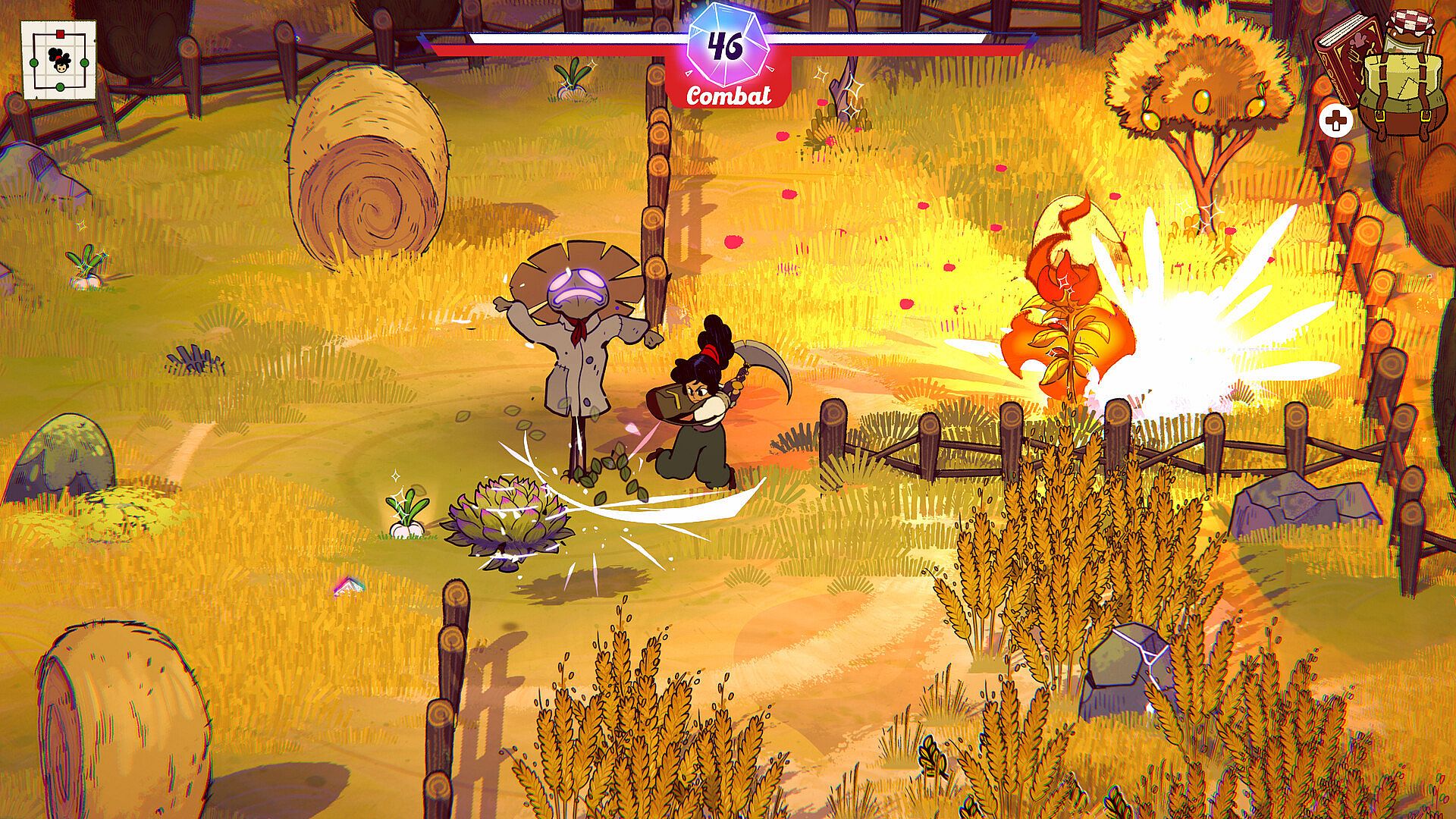
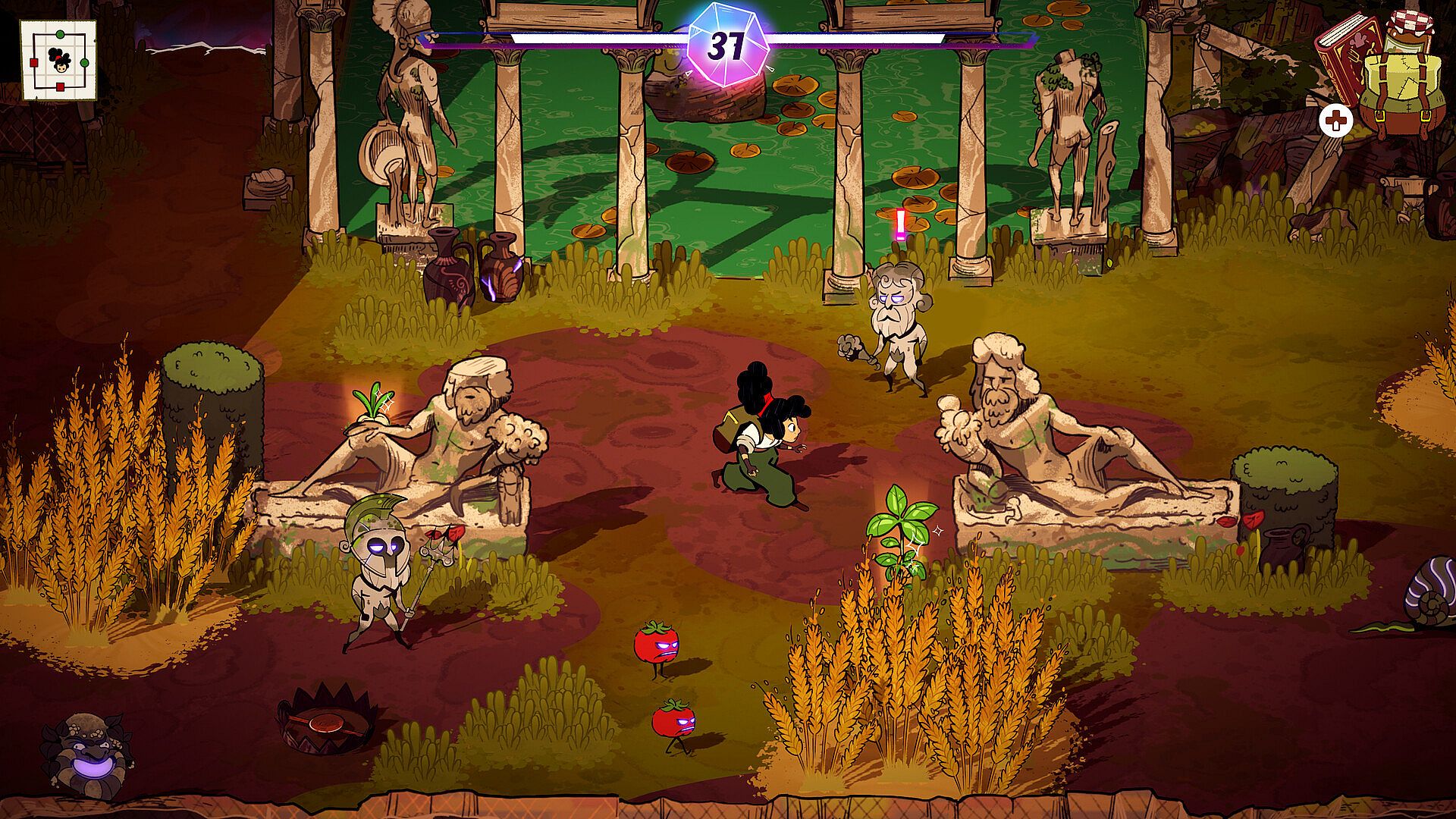
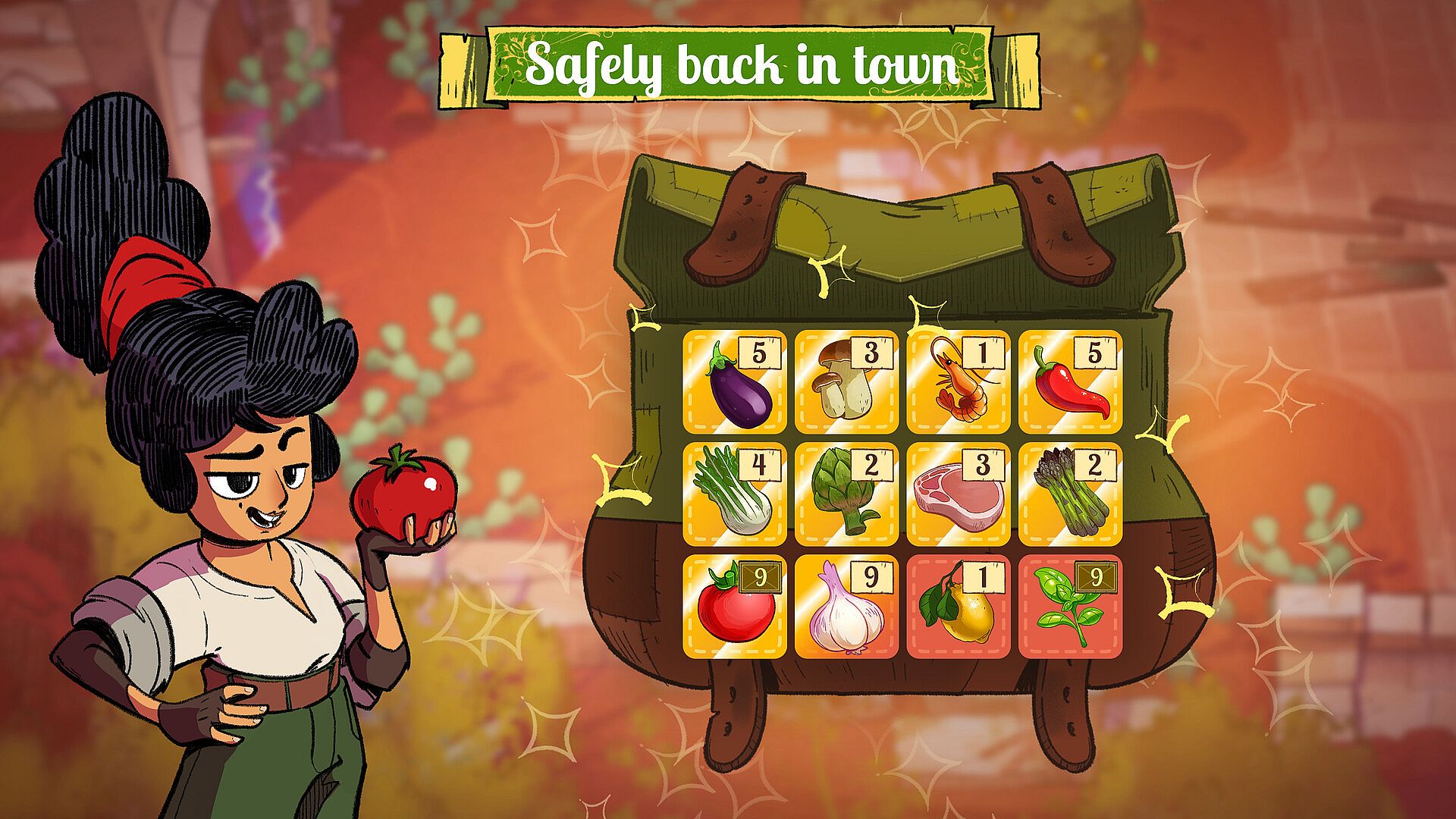
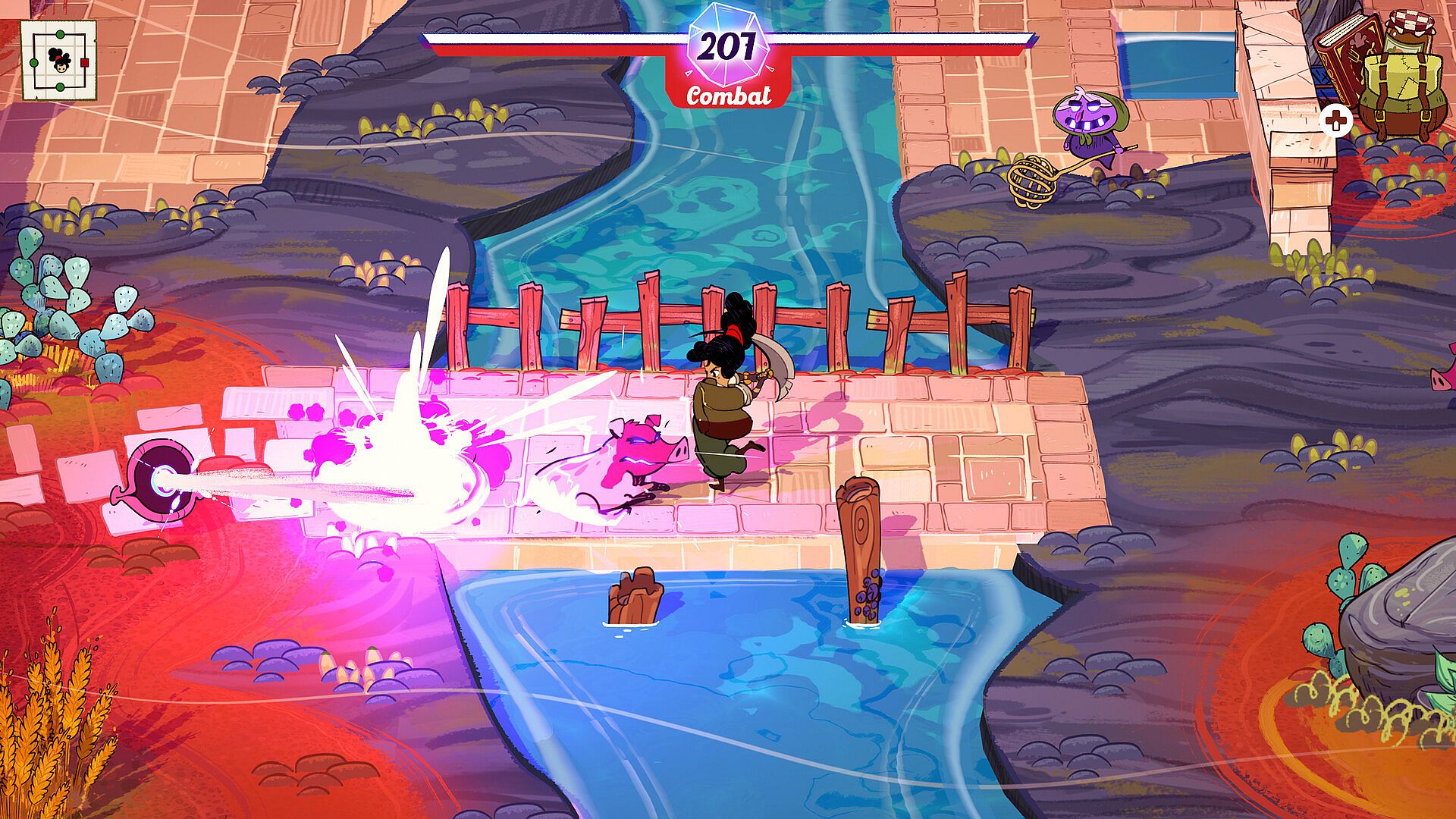
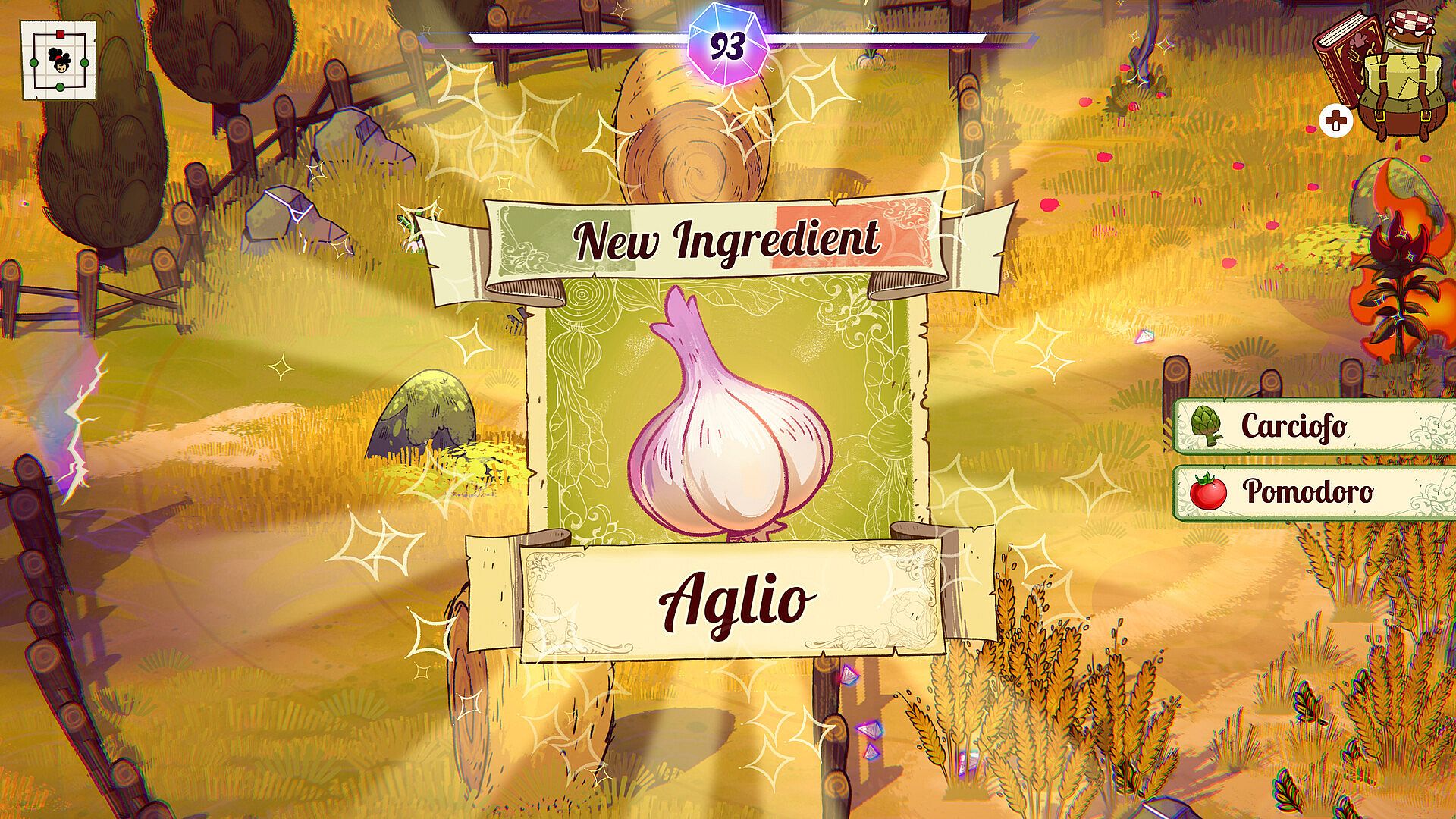
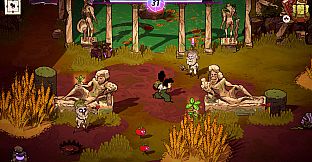
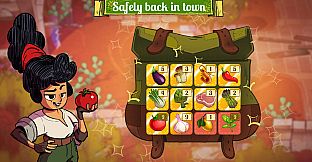
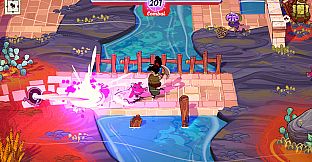
Core gameplay revolves around a day-and-night cycle that structures each session. During the day, players venture into the forbidden wilds to forage and hunt for ingredients. These resources often appear as sentient or magically enhanced creatures, including razor-sharp artichokes and other irritable vegetables that players can battle, dodge, or sneak past. Exploration includes narrative-driven quests that reveal new ingredients, upgrades, and story elements while uncovering details about the town's people and the creatures beyond the walls.
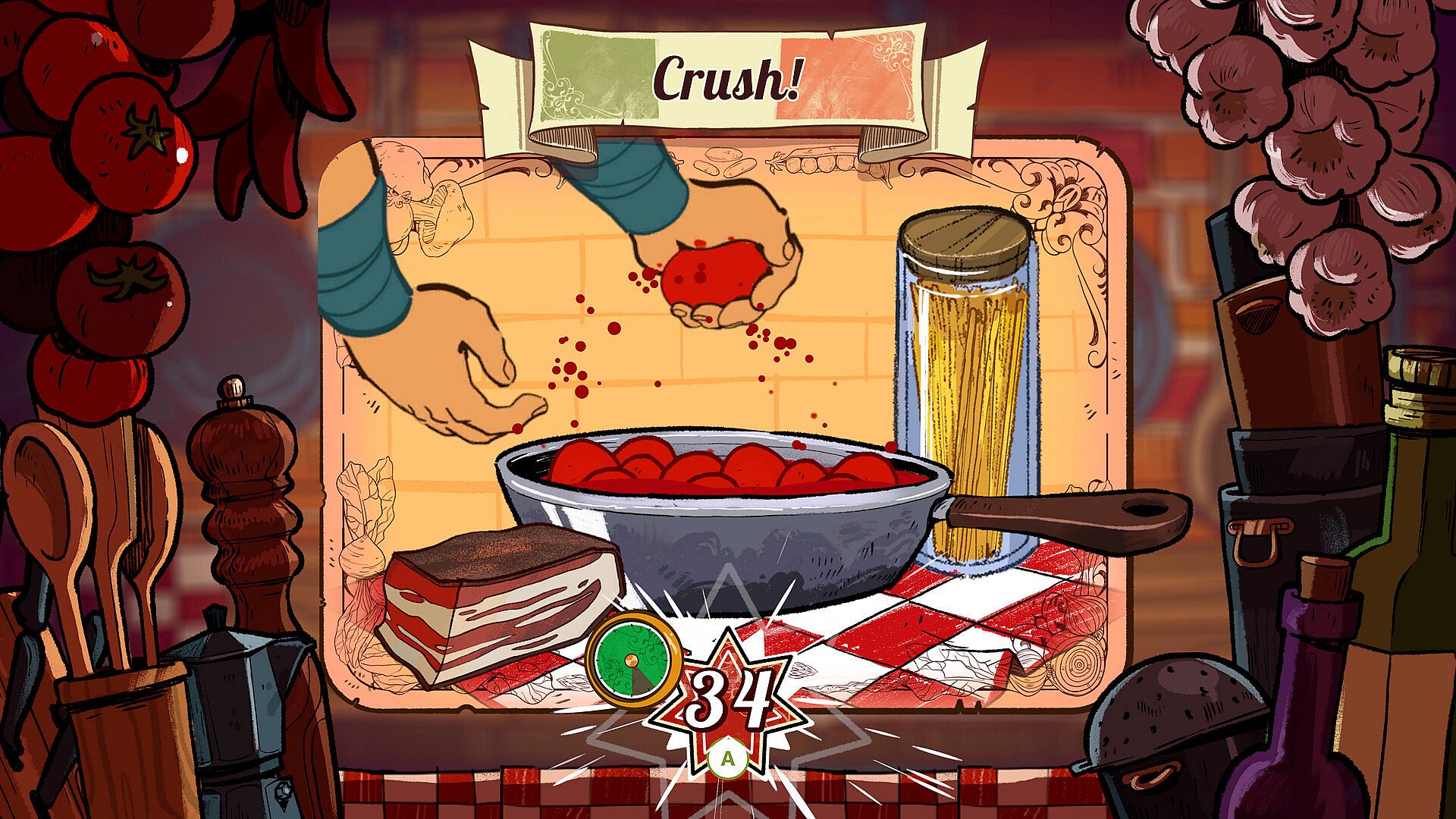
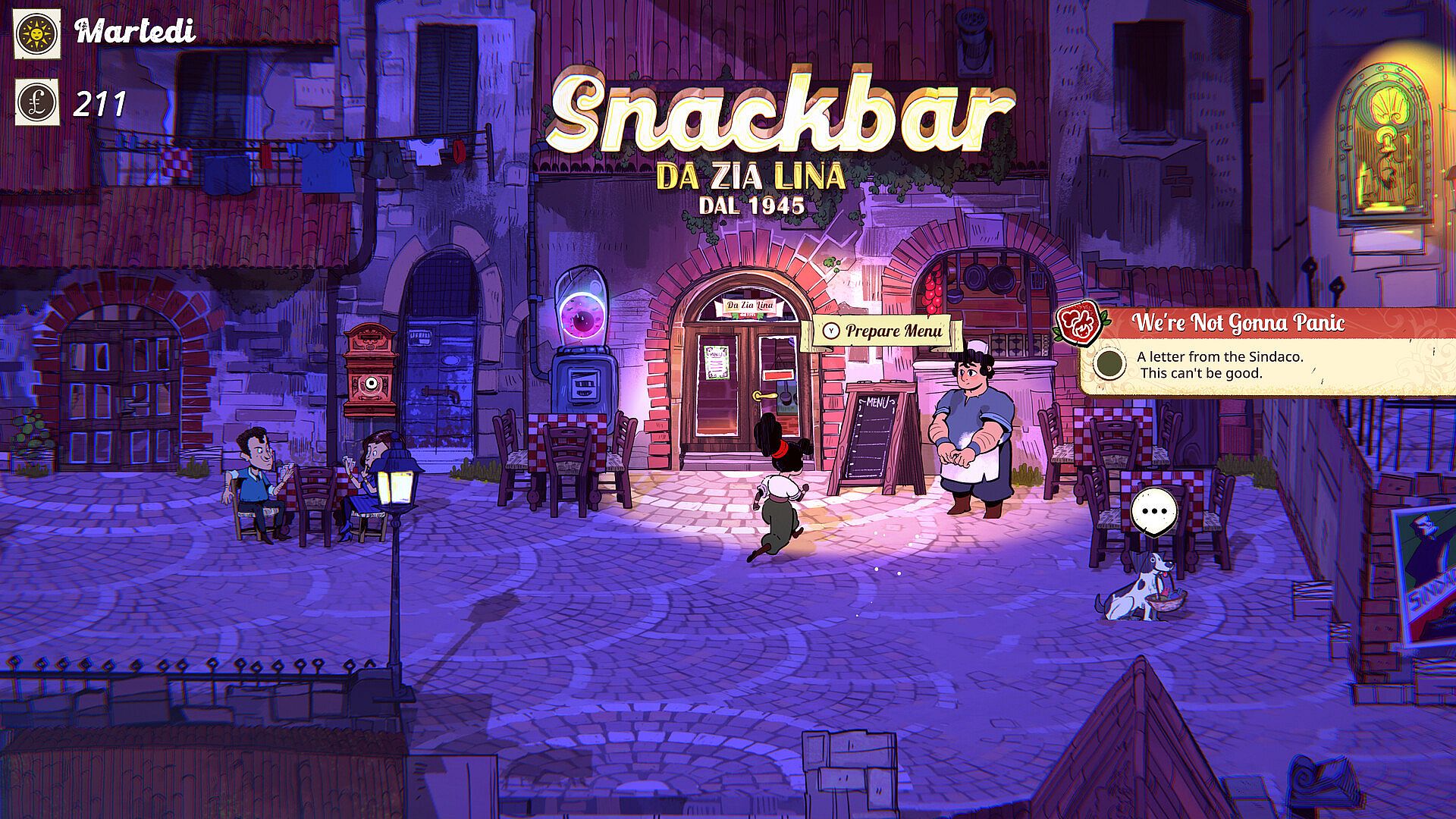
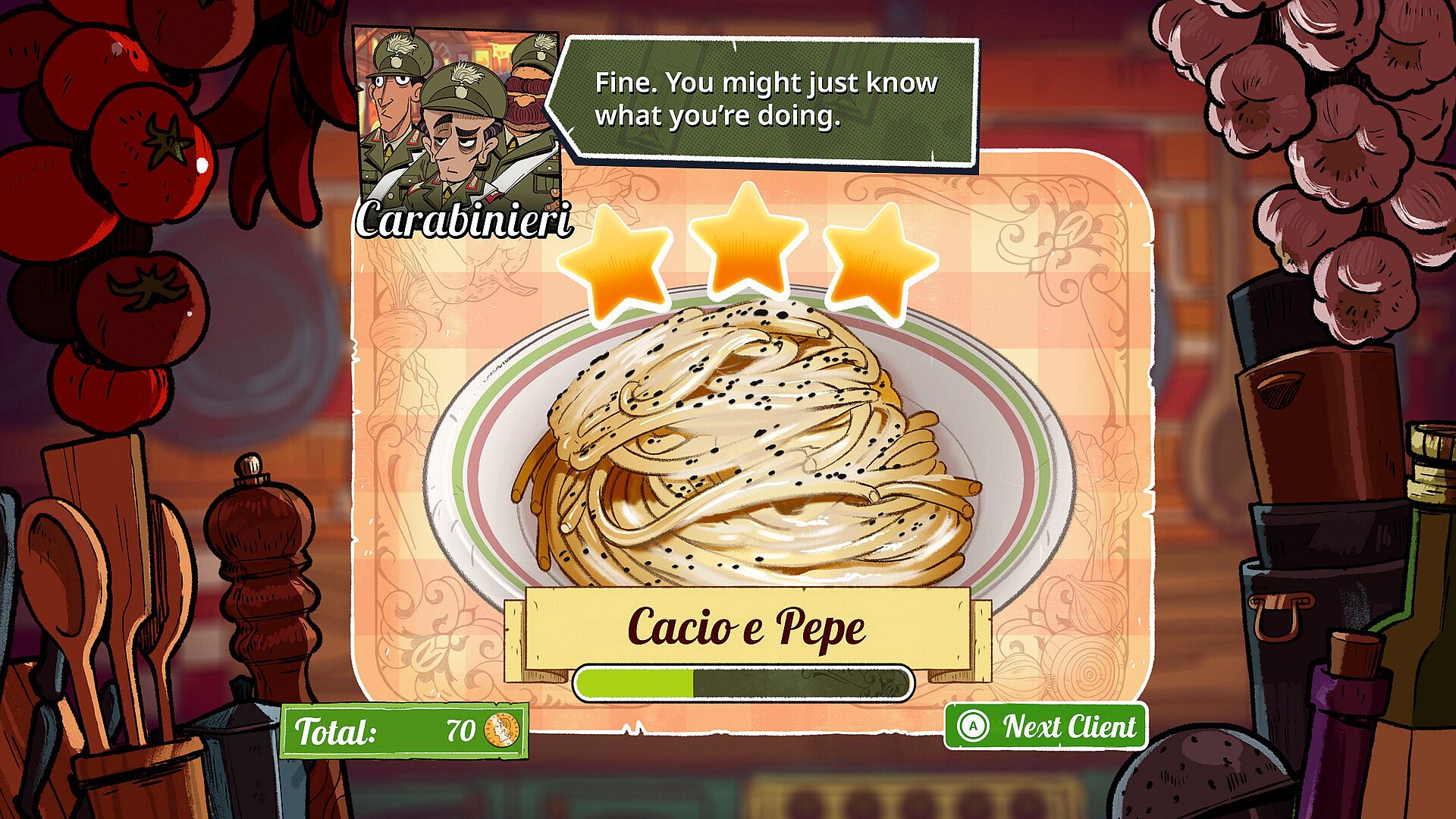
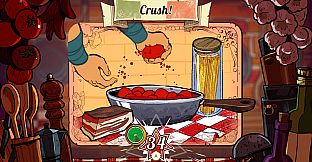
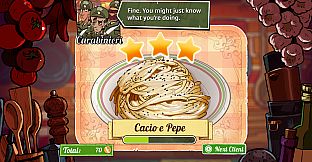
Combat and movement emphasize choice. Players slice through enemies or opt for stealth to gather what they need without direct confrontation. Gear upgrades improve capabilities in the wilds, allowing access to tougher areas and better yields. Back in town, the focus shifts to the restaurant. Cooking involves mini-games that replicate real techniques, such as perfectly tempering eggs for Spaghetti alla Carbonara or chopping tomatoes for Bruschetta al Pomodoro. Successful service generates revenue used for restaurant improvements, neighborhood upgrades, and further progress toward freeing the aunt.
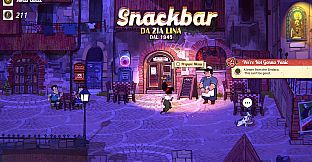
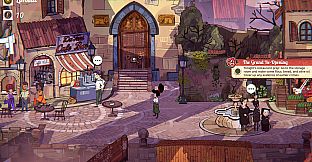
The hand-drawn 2D art style supports the setting with detailed environments drawn from real Italian towns and villages. Every asset, animation, line of dialogue, and sound effect comes from human creators, aligning with the game's emphasis on personal relationships and food traditions.
Game Modes
The experience operates as a unified single-player campaign without separate multiplayer or competitive modes. Progression ties directly to the daily loop of exploration in the wilds and evening restaurant service. Narrative quests form the backbone of advancement, offering branching opportunities to assist townsfolk, discover new recipes, and expand the neighborhood while managing the constant threat of government interference.
Resource management integrates with combat and stealth choices. Players decide how aggressively to pursue ingredients each day, balancing risk against the need to stock the restaurant for dinner service. Upgrades to gear, the restaurant itself, and surrounding areas provide tangible improvements that carry forward through the story.
Story and Setting
The narrative follows a bittersweet tale of family, defiance, and resilience amid bureaucratic obstacles. Set in a hilltop town isolated by a magical anomaly, the world mixes nostalgic 1960s aesthetics with fantastical elements like enchanted vegetables and a raccoon-run market accessible through a portal. Quests highlight human connections and the role of food in bringing people together, even as players contend with vengeful produce and autocratic officials.
Progression systems support this focus. Leveling gear enhances survival in contested foraging zones, while restaurant and neighborhood improvements reflect growing influence and stability. The tone balances humor with deeper themes of grief and triumph through everyday acts like perfecting a pasta recipe.
Is It Worth Playing?
The game targets players who enjoy indie action RPGs that combine exploration, light combat, and management elements with strong narrative focus. Its unique mix of contested foraging, cooking mini-games based on authentic recipes, and town-building offers a distinct loop not commonly found in the genre. As an upcoming title with a Steam page now live for wishlisting, it appeals particularly to those drawn to hand-crafted 2D worlds, humorous writing, and stories centered on food and community resistance.
Without released versions or player data available yet, suitability depends on interest in the described mechanics and setting. Fans of chill-action experiences with meaningful daily routines and progression through upgrades will likely find the premise engaging once it reaches early access. The emphasis on human-created content and real-world recipe integration adds a personal layer that sets it apart for the right audience.











