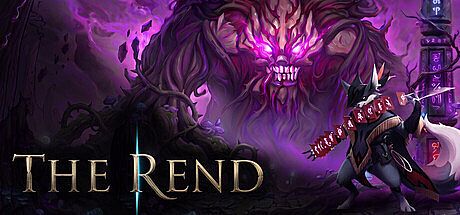



The Rend: Trials of the Drift is an action indie game for PC that centers on run-based combat through a corrupted world. Players select a hero and push forward across three zones while collecting resources to shape builds and reach a final confrontation aimed at mending the Weave.
Gameplay
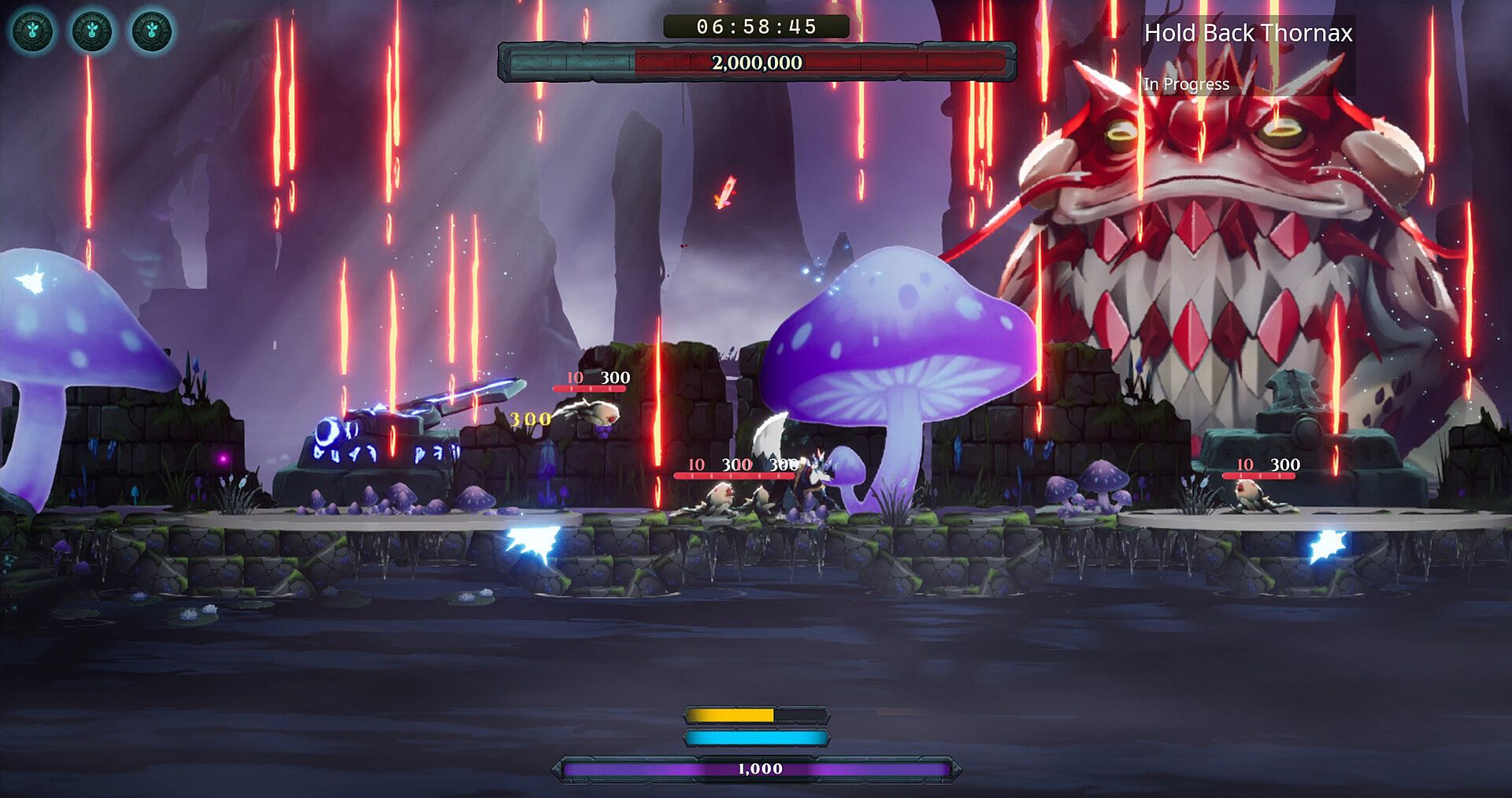
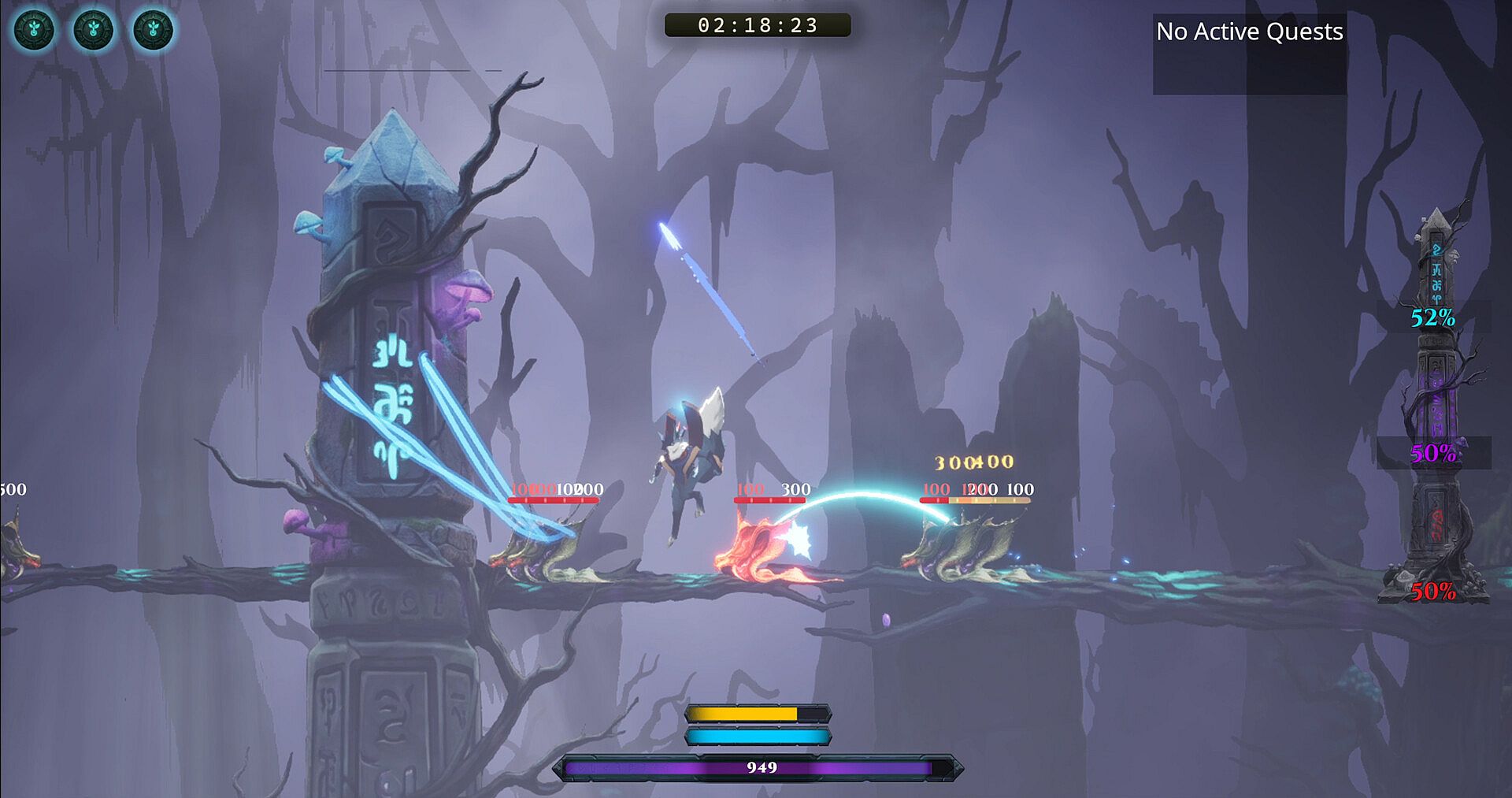
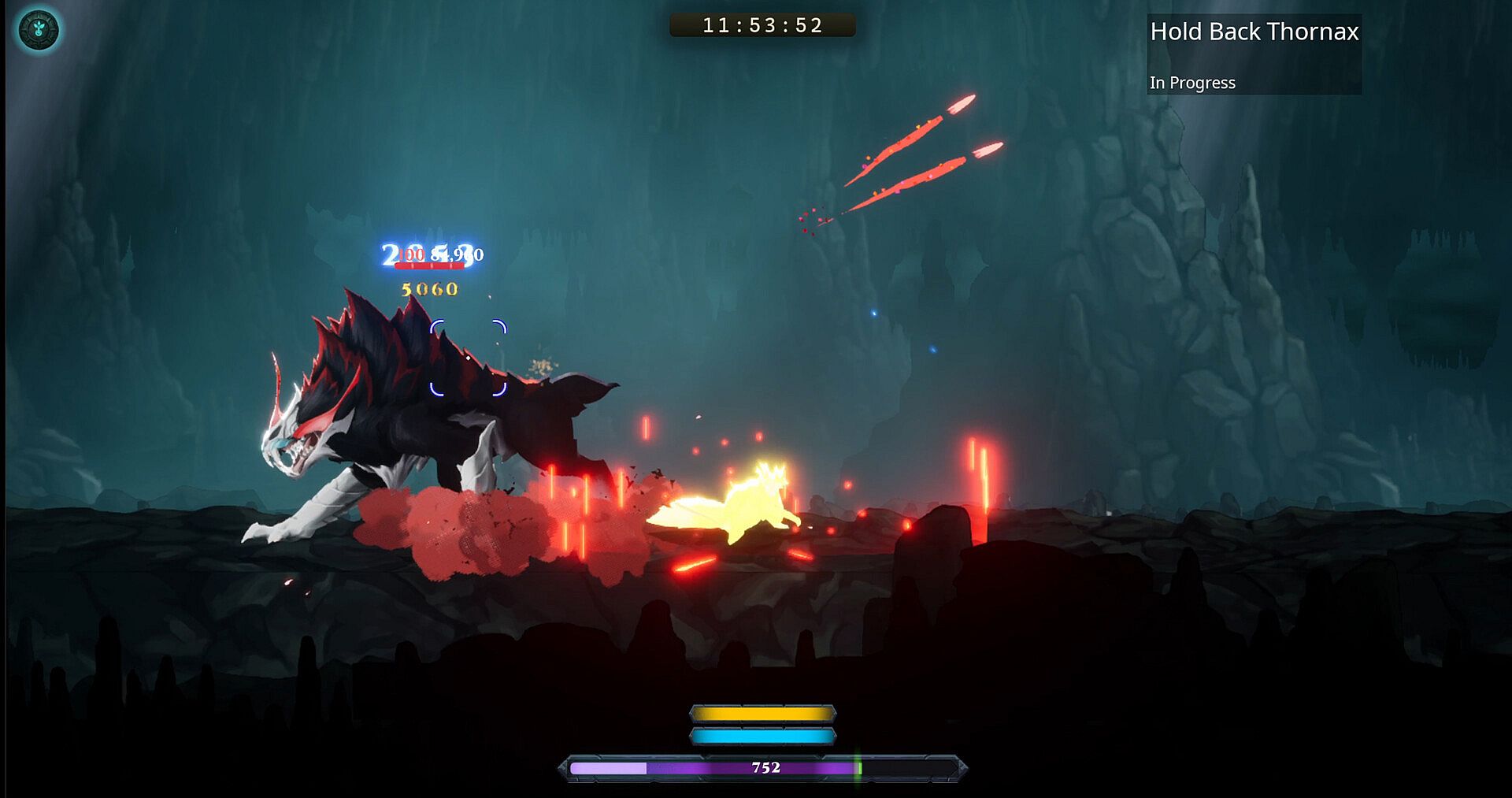
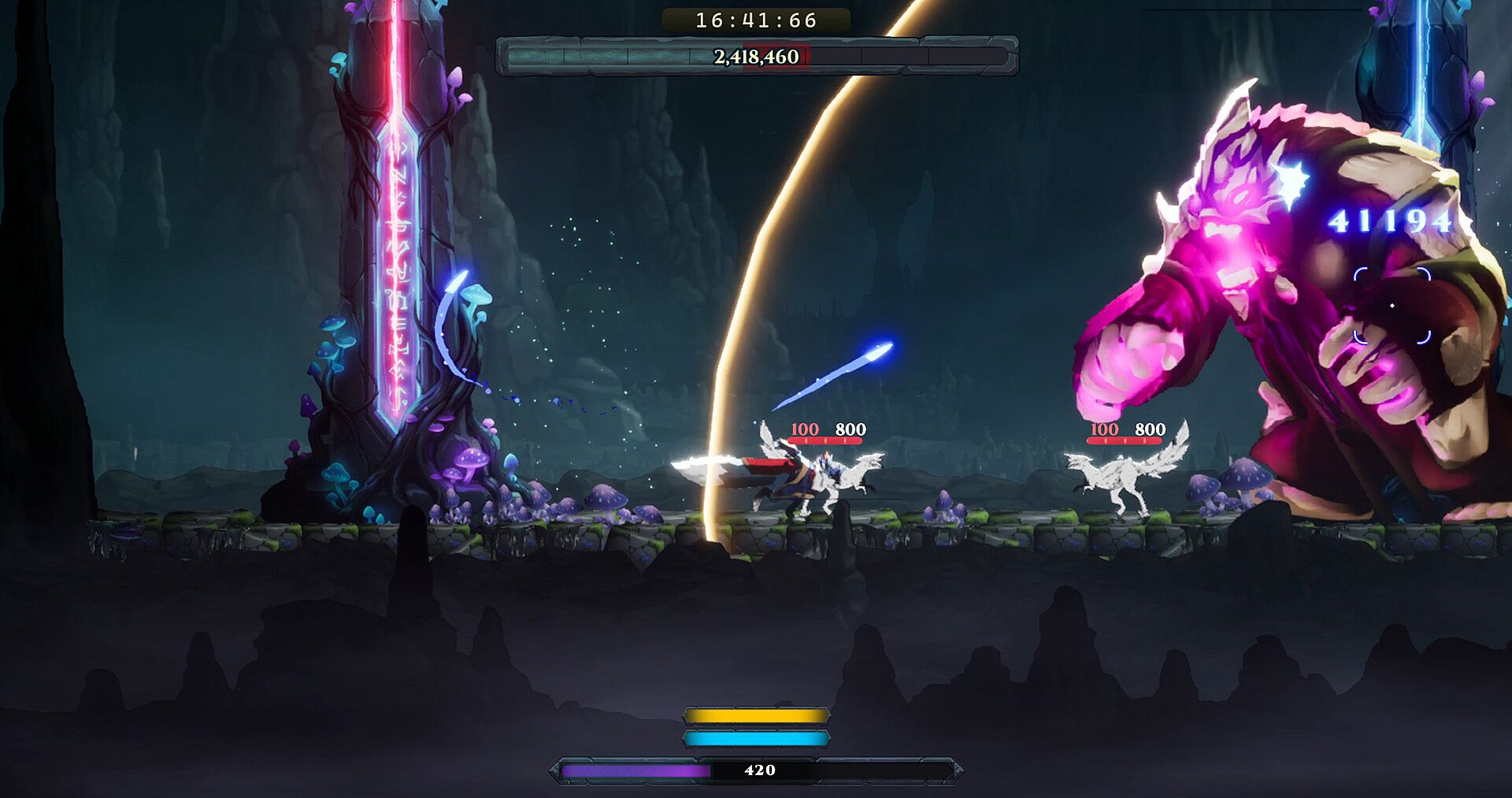
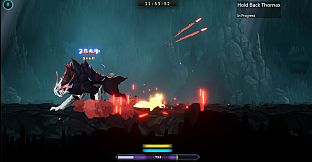
Combat forms the core loop. Players use fast melee attacks, ranged magic options, and evasive movement including dashes and jumps to handle packs of corrupted enemies. Timing and positioning matter against bosses that demand clean execution of patterns. Perfect strikes allow chaining hits for increased damage and reduced costs on defensive weaves, sometimes enabling powerful finishers on tougher foes.
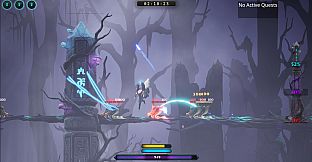
Each run advances through three distinct zones. Maeroths Marsh opens the wetlands with initial fights toward a Totem. The Ruins follow as players move deeper into broken terrain and prepare for the next challenge. The Caverns close the sequence with a descent into the final stretch. New enemies, rewards, and encounters appear in each area, keeping the path varied.
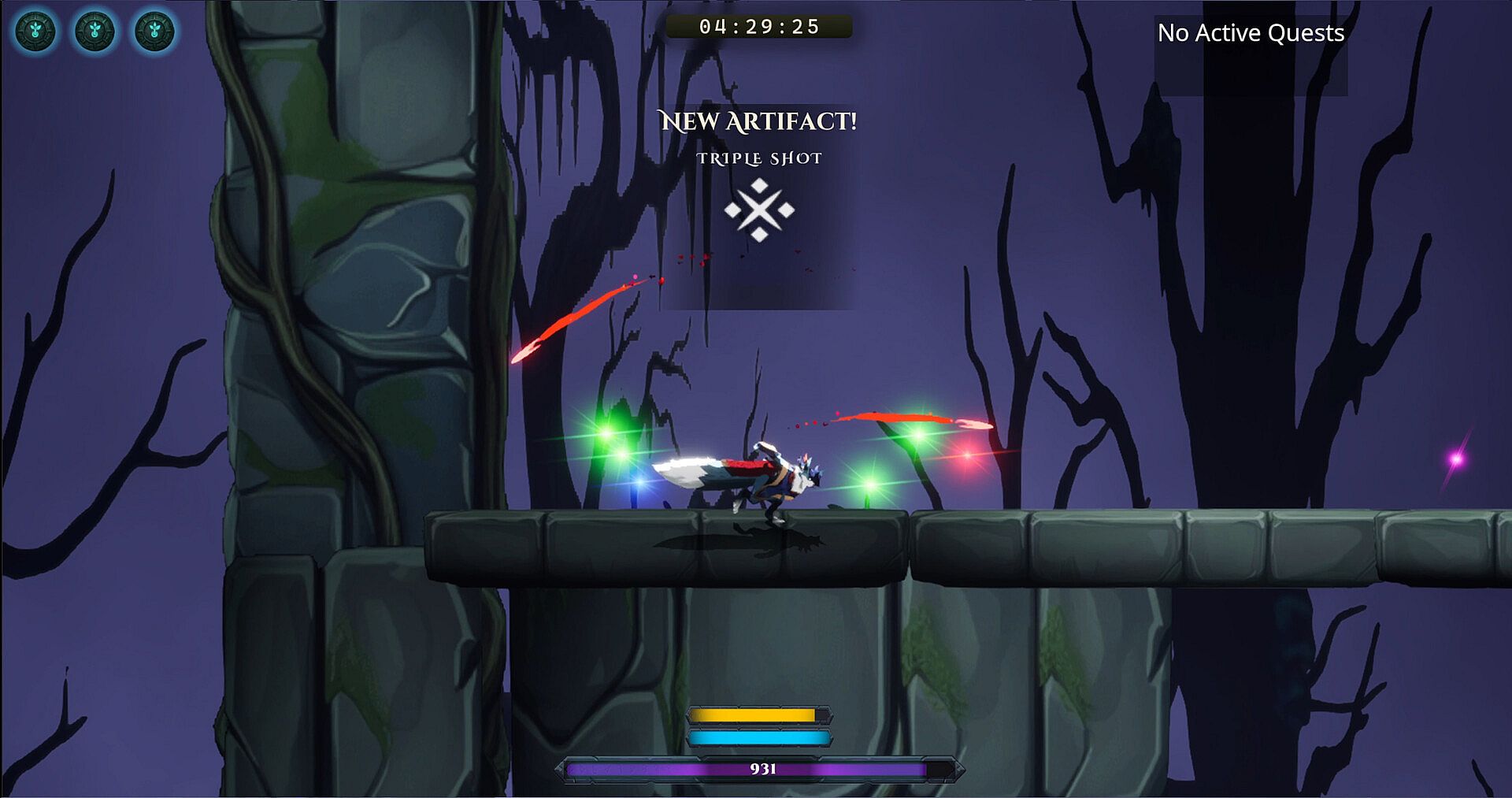
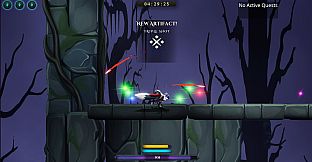
Build shaping happens during runs. Slaying enemies yields Resonance that converts into power-ups. These upgrades support attack speed, critical strikes, survivability, or other adaptations based on what drops. Artifact Stashes scattered through zones provide equippable items that further alter playstyles. Progression carries forward when higher-tier clears improve chances for Core Magic and Relic Paths, which unlock lasting options for subsequent attempts.
Game Modes
Standard runs follow the three-zone structure with progressive encounters and a final boss. Rewards scale with performance, feeding into permanent power options that influence future attempts.
Legendary Mode, also called Distorted Weave, introduces a chaotic variant. Distortions alter each run in unpredictable ways, increasing difficulty and variety while punishing errors more severely. This mode builds on the base loop with faster pacing and harsher conditions.
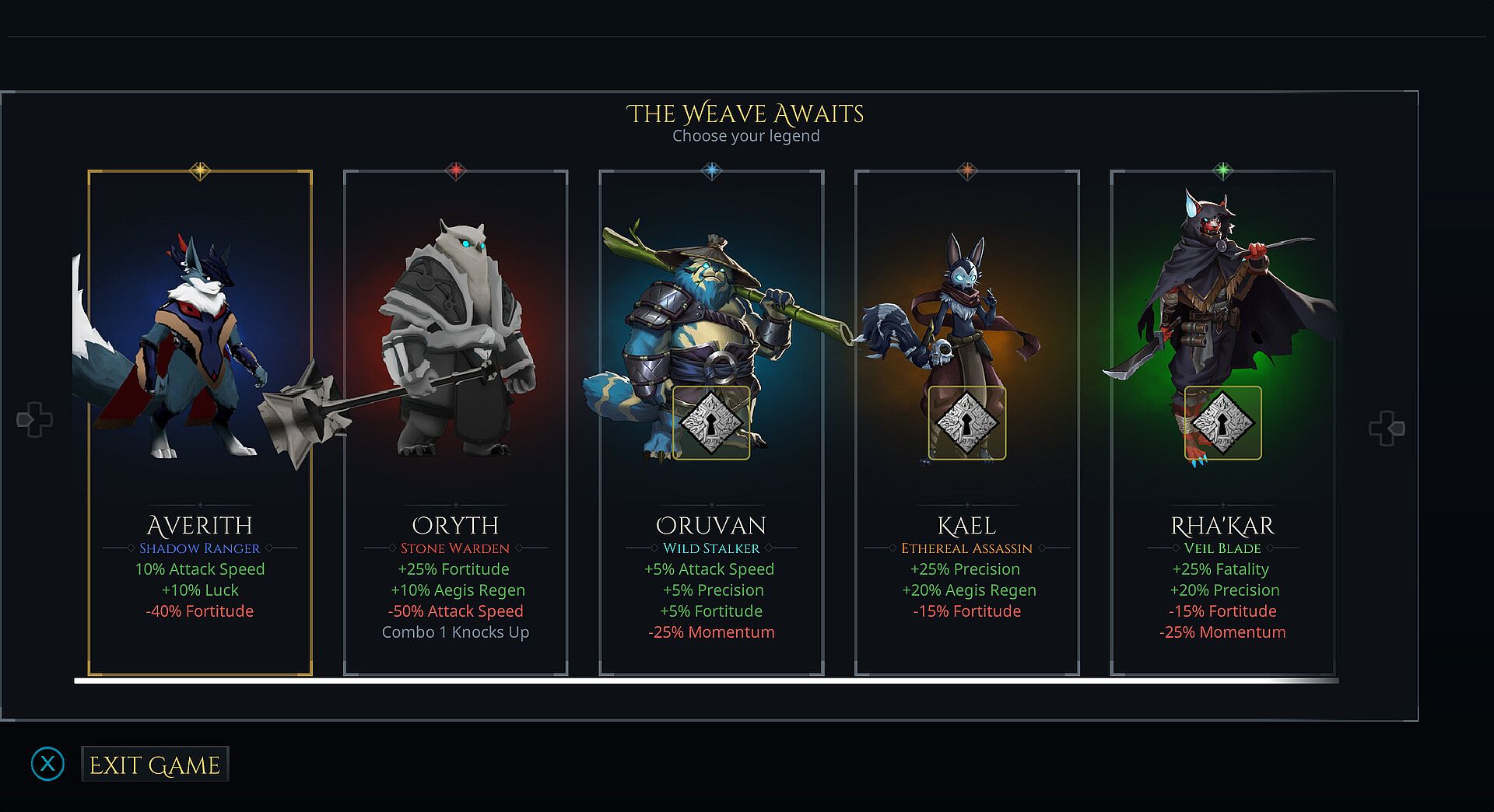
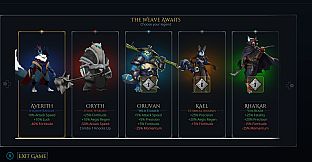
Hero selection adds another layer. Different characters bring unique starting points, and community input has already shaped the first available hero with others planned. Magic types such as stasis, fracture, drift, pulse, or ruin further customize core and relic abilities as upgrades accumulate.
Progression and Builds
Resonance collection drives short-term power spikes within a run. Players turn these into targeted upgrades that match their preferred combat style. Artifact Stashes add another dimension by offering equippable changes that can shift an entire build mid-run.
Longer-term systems reward consistent performance. Strong clears across encounters raise the odds of earning Core Magic and Relic Paths. These elements persist between runs and open new approaches for later attempts, encouraging repeated play to refine strategies.
Exploration within zones supports build variety. Searching for stashes and managing encounters determines the resources available, making each attempt feel distinct even when following the same zone order.
Is It Worth Playing?
The game remains in active development with recent major reworks focused on the full three-zone loop, encounters, and progression. Devlogs highlight community feedback as a driving force, including a character vote that selected the first hero and the addition of Legendary Mode. Playtests are available through the developer site, and the title sits on wishlist status ahead of fuller release.
This setup suits players who enjoy single-player action games with run-based structure, build experimentation, and incremental meta-progression. Combat emphasizes timing and movement over complex systems, while zone variety and distortion effects in Legendary Mode provide replay hooks. Those drawn to indie action titles that evolve through player input will find the current state worth following as updates continue.