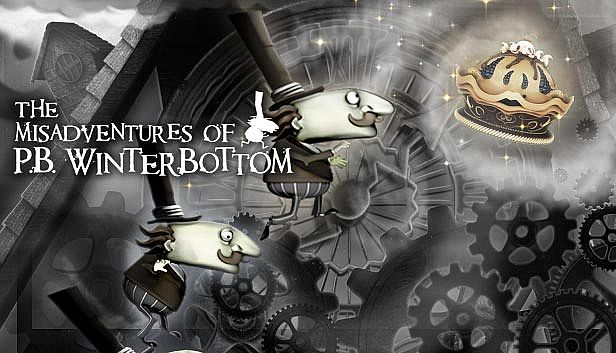



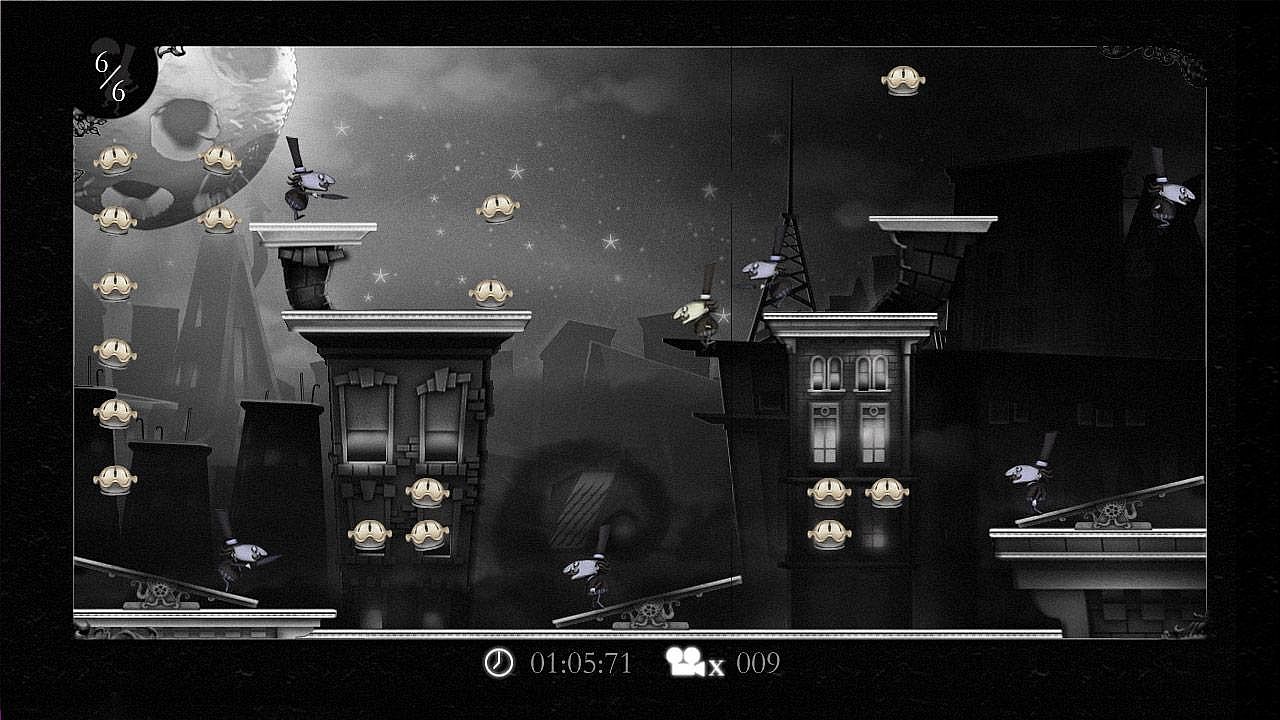
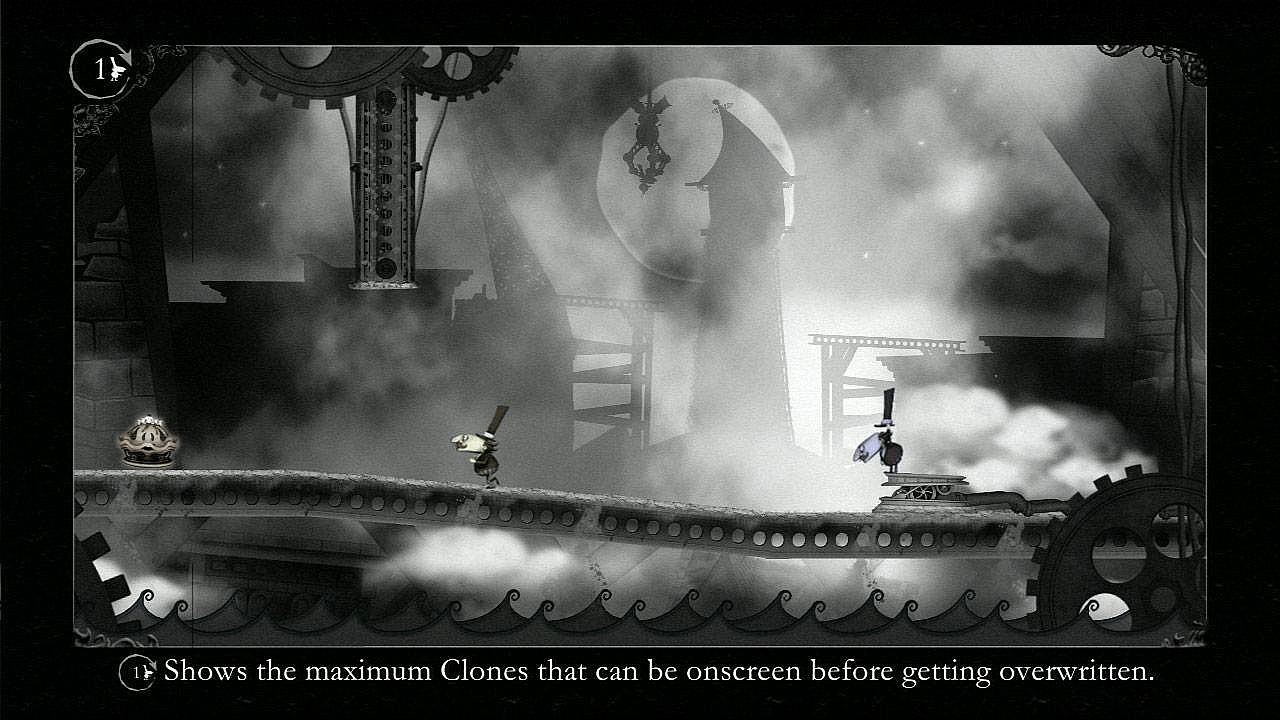
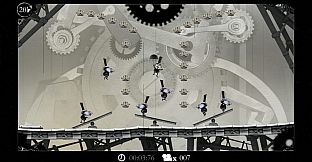
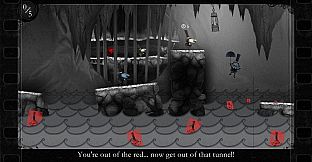
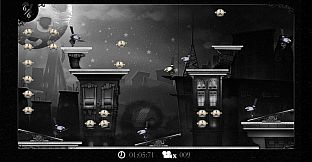
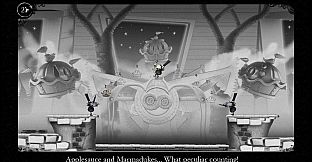
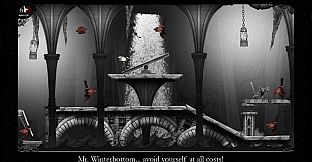
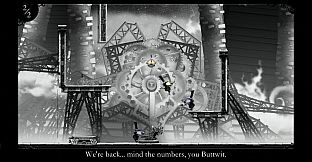
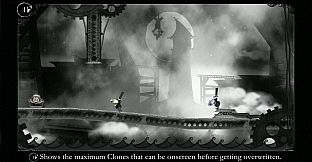
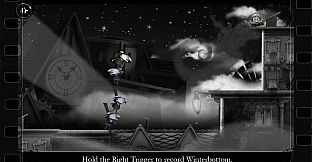
The Misadventures of P.B. Winterbottom is a 2D puzzle-platformer adventure game centered on time manipulation and precise puzzle solving. Players control the gluttonous pie thief Winterbottom as he navigates levels filled with floating pastries, using his ability to record and loop versions of himself to reach otherwise inaccessible areas.
Gameplay
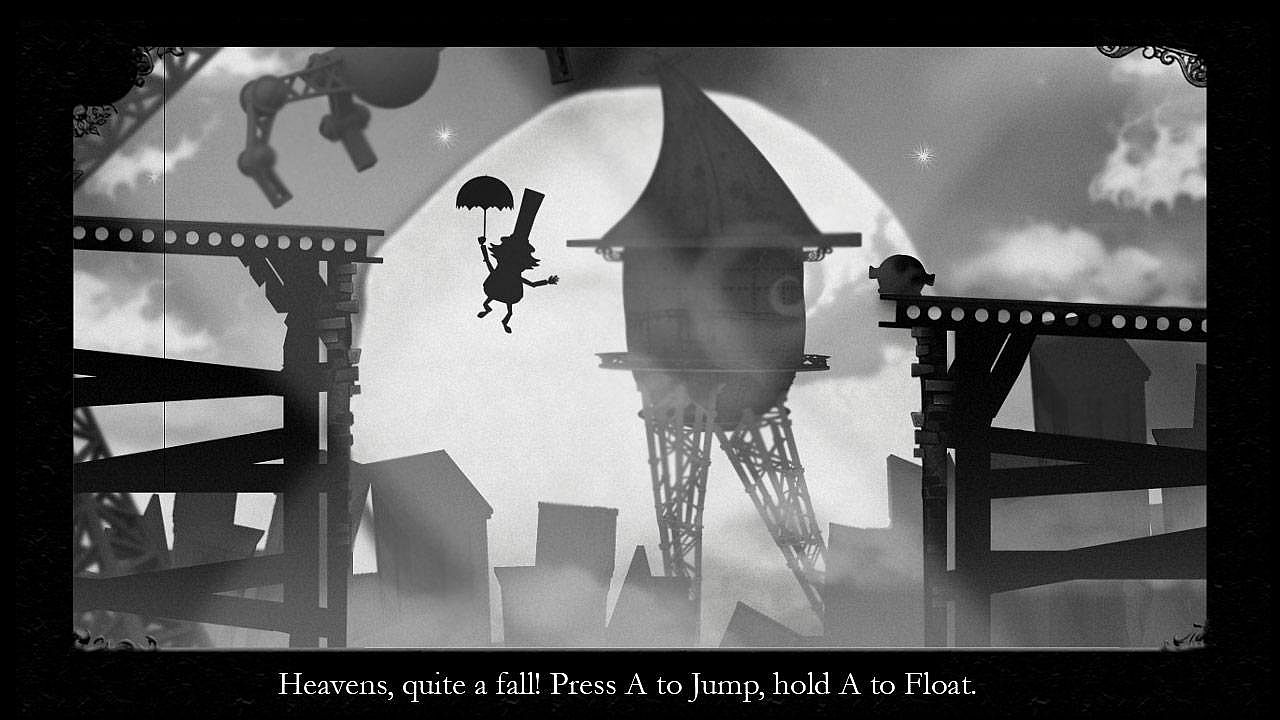
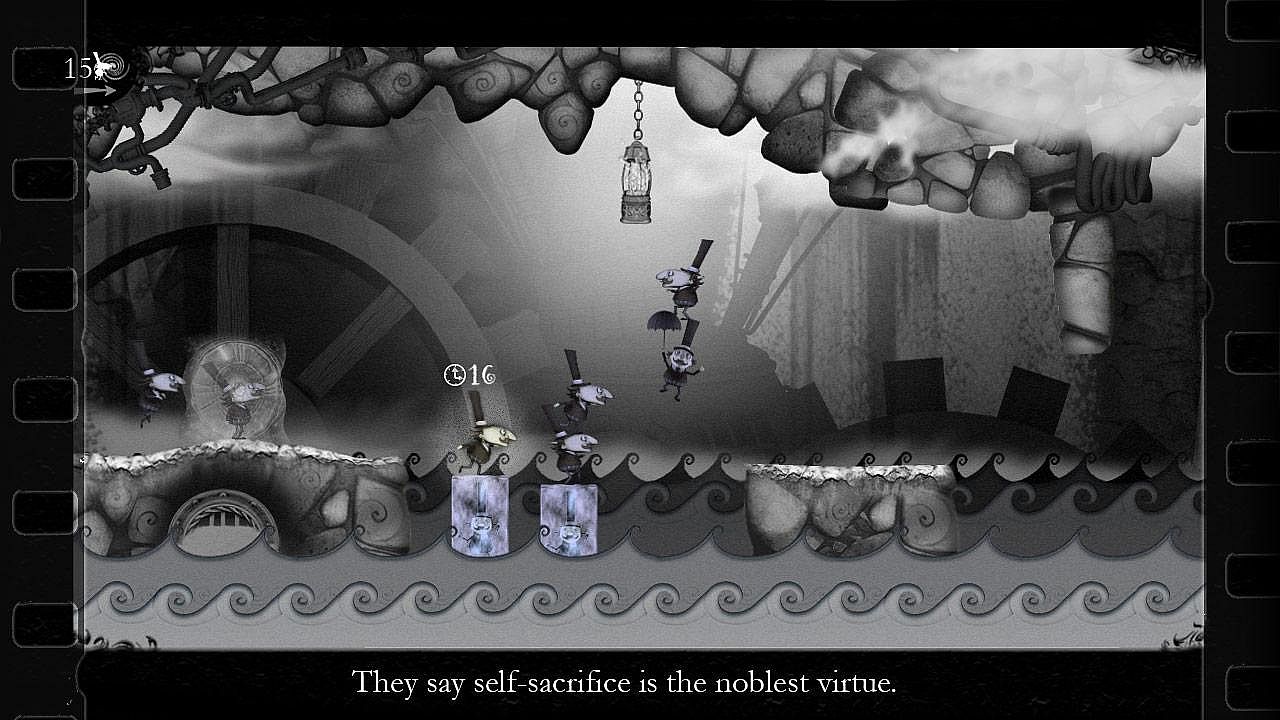
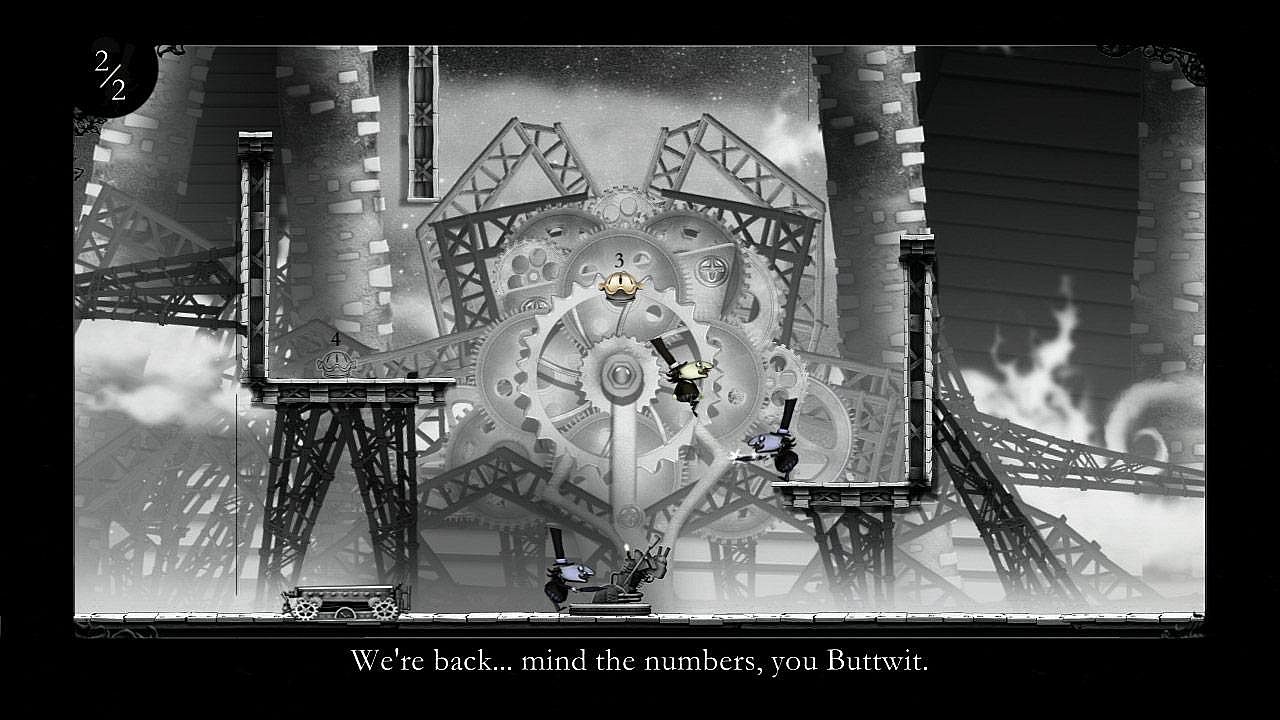
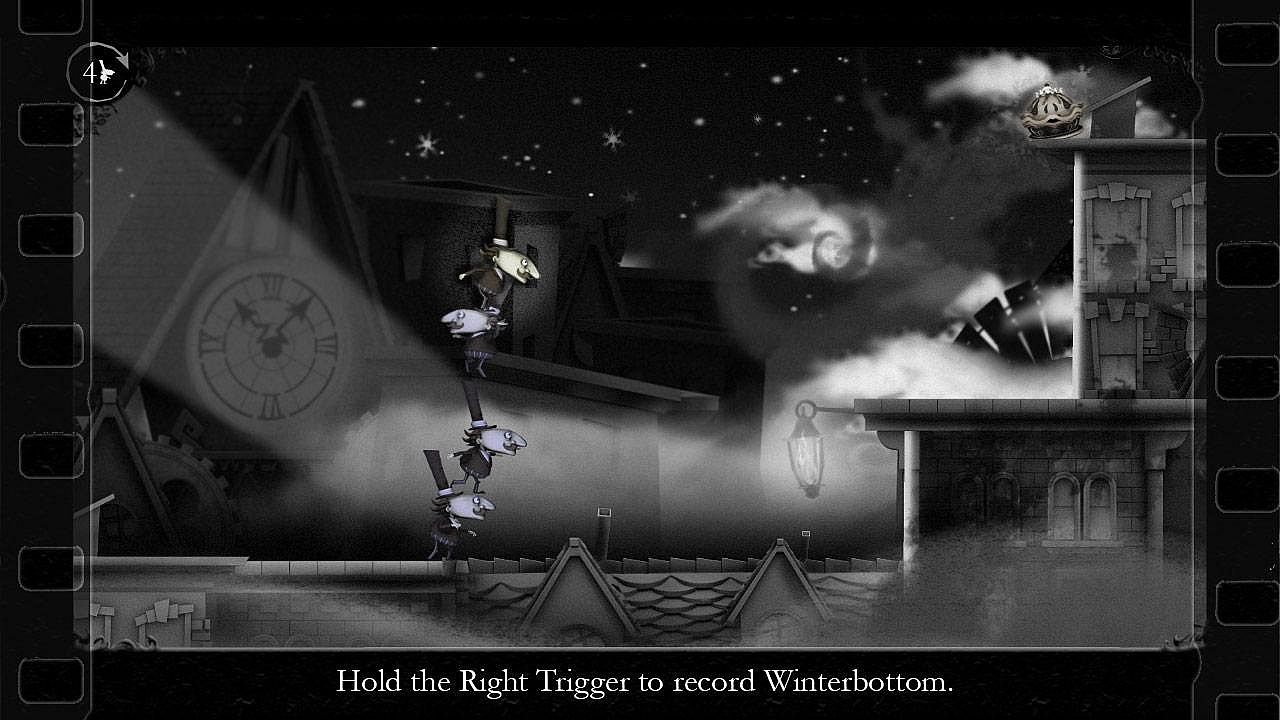
Core movement includes running, jumping, and using an umbrella to glide downward or smack objects and switches. The standout mechanic involves holding a record button to capture a sequence of actions, after which a clone repeats those movements in a continuous loop. These clones serve as platforms, activate levers, provide momentum through collisions, or occupy specific spots while the player controls the original character to complete the objective.
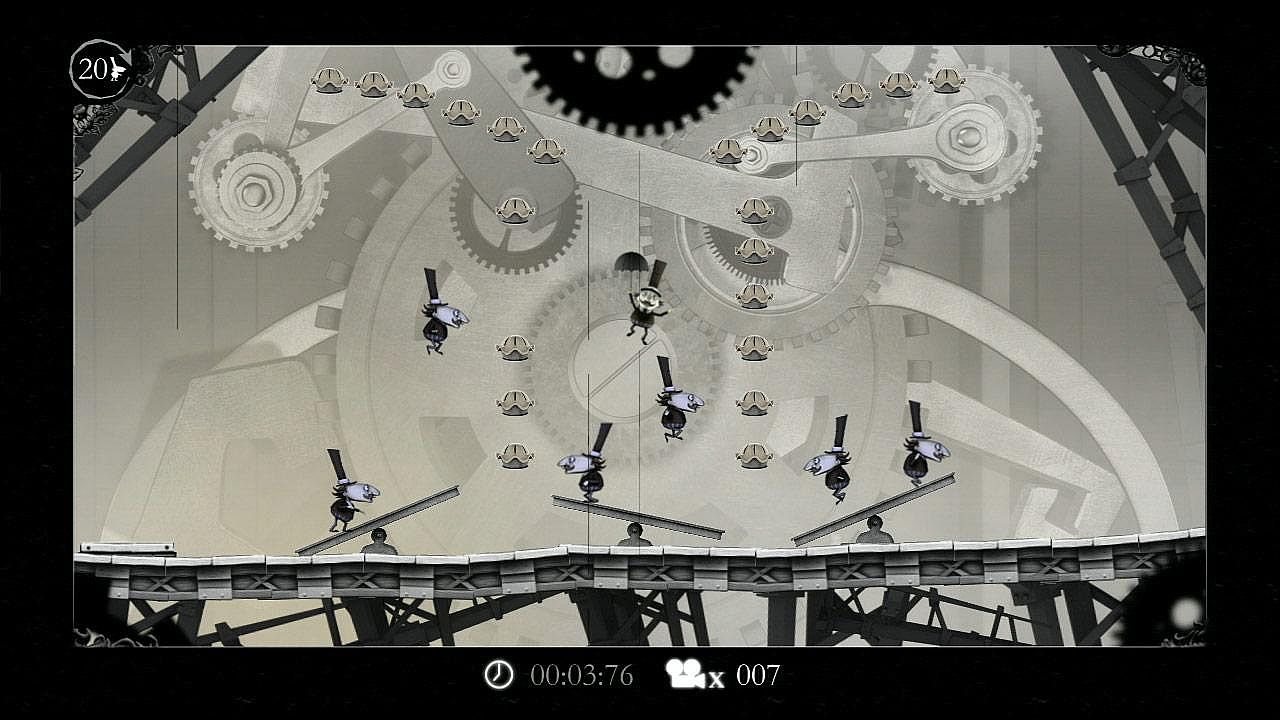
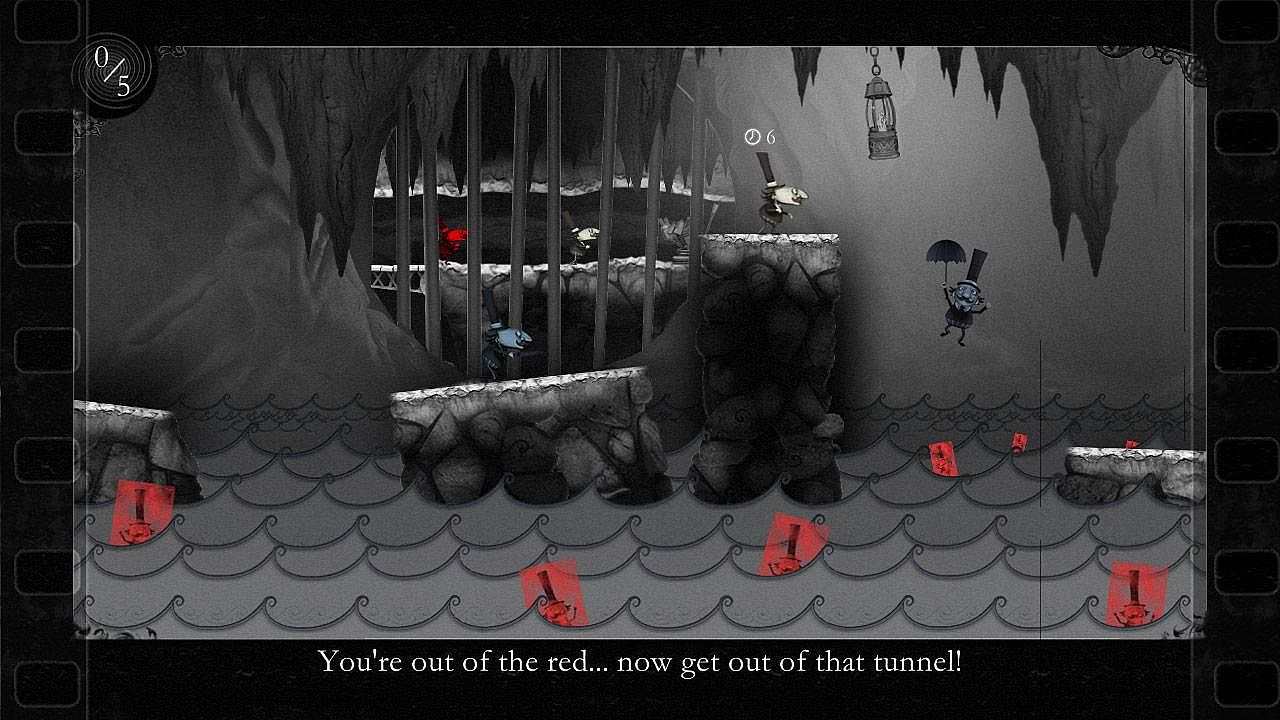
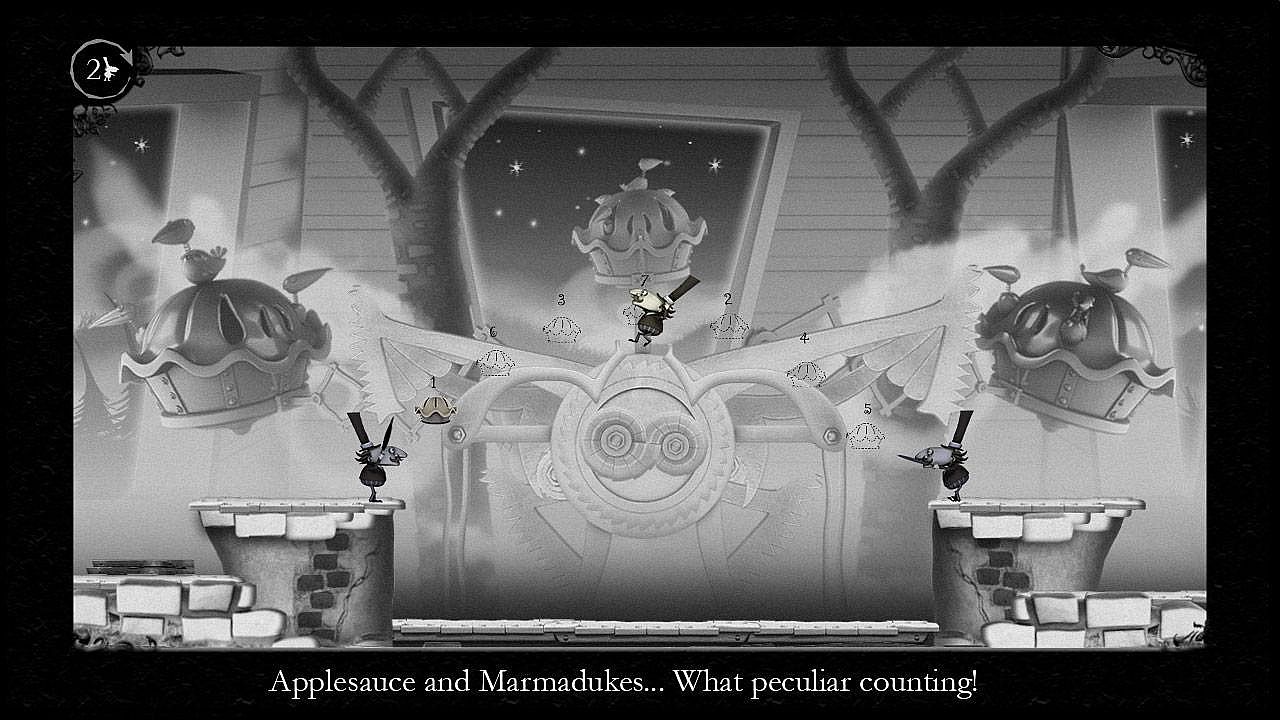
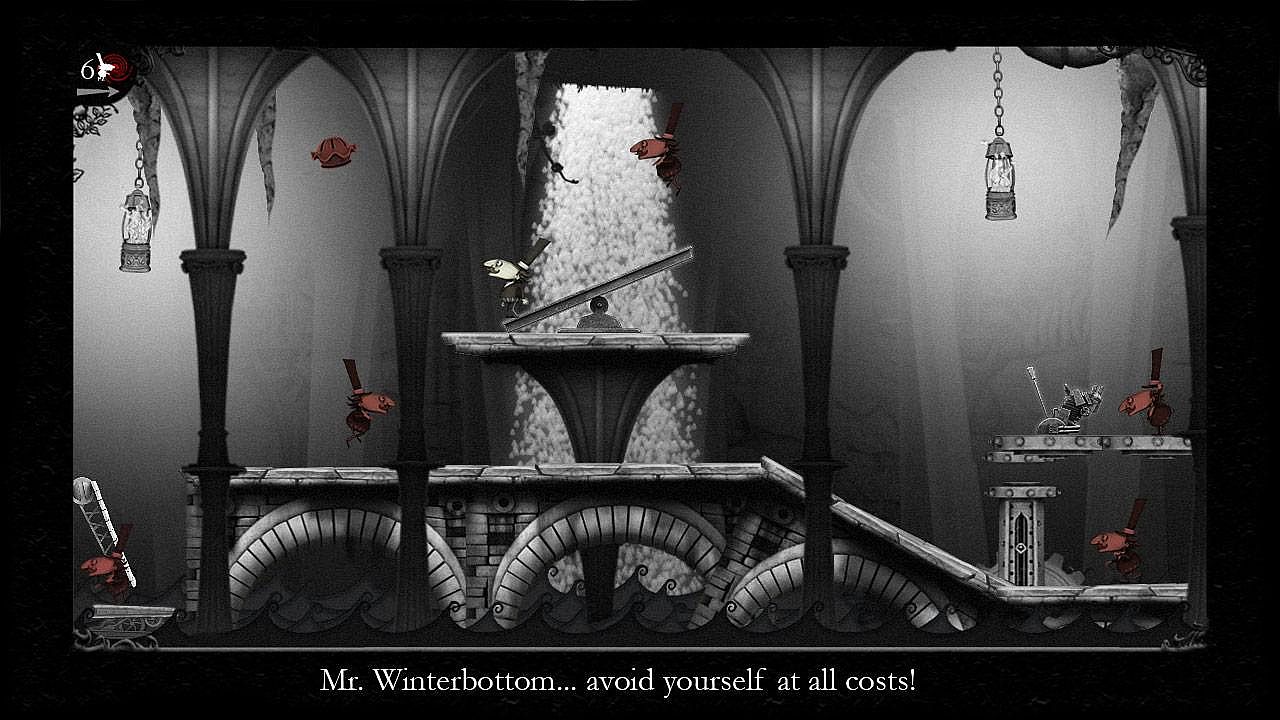
Each puzzle requires collecting every pie scattered across the stage. Early challenges focus on basic positioning and timing with a limited number of clones. Later stages introduce restrictions such as collecting pies in a specific sequence, limiting interactions to clones only, or using portals that alter recording rules. Clones can be removed by smacking them, and some levels feature hostile red clones that must be avoided. The game emphasizes experimentation, with multiple solutions often available for the same puzzle through creative sequencing and positioning.
Levels feature static 2D screens with Victorian-inspired machinery, springs, see-saws, and environmental hazards. Progress relies on logical planning rather than reflexes alone, though tight timing becomes essential in advanced puzzles. Death simply restarts the current attempt without penalty.
Game Modes
The primary experience consists of story-driven puzzle levels organized into chapters, accessible through a central theatre hub. Players select individual stages or progress through sequences that gradually introduce new rules and mechanics across dozens of unique setups.
Bonus content includes time trial stages and short challenges unlocked after completing main levels. These emphasize efficiency, tracking completion time and the number of clones used, with leaderboards available for comparison. The structure allows players to tackle content in varying orders once unlocked, adding flexibility to the overall progression.
Visuals and Presentation
The game adopts a deliberate silent-film aesthetic rendered in black and white with grain effects, intertitles, and rhyming narration delivered through on-screen text. Piano and organ music underscore the whimsical yet macabre tone. Levels evoke early 20th-century illustrations with skeletal clock faces, water towers, and misty cityscapes that support the time-travel theme without overwhelming the focus on puzzle clarity.
Character animations remain simple and expressive, highlighting Winterbottom's portly gait and umbrella flourishes. The consistent visual language helps players quickly identify interactive elements like switches and portals amid the stylized environments.
Is It Worth Playing?
This remains a single-player experience with no ongoing updates or seasonal content. Reception centers on its inventive cloning system and steadily increasing puzzle complexity, which many describe as mentally engaging and occasionally frustrating due to precision demands. Positive feedback highlights the satisfying moments when multiple clones align perfectly, while noting the steep difficulty curve that rewards persistence.
Fans of deliberate puzzle-platformers will find strong appeal in the focused mechanics and replayable bonus trials. Those seeking fast action or multiplayer elements may find the deliberate pacing and trial-and-error approach less suitable. At its modest price point, the game offers a compact yet memorable collection of challenges for players who enjoy testing spatial reasoning and timing in a distinctive package.