


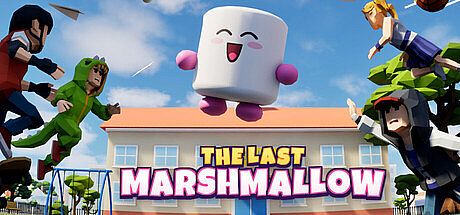



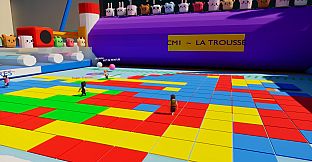
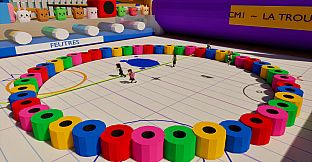
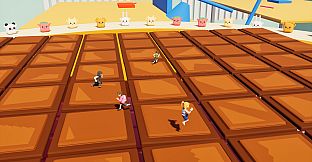

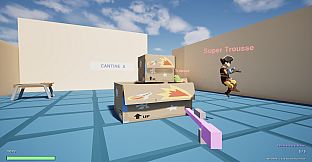
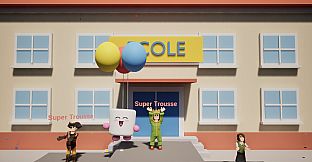
The Last Marshmallow is an action indie game built around chaotic multiplayer minigames set in a school playground. Players compete across a full school day to claim the single remaining marshmallow, using physical interference and strategic item choices to outlast everyone else.
Gameplay
Each round places participants in one of several playground challenges where movement, timing, and direct contact matter. Players can shove, bump, or betray others at any moment, turning friendly competition into sudden reversals. Between rounds, participants draft from a pool of items such as paper balls, banana peels, a megaphone, or a magnet. These tools provide temporary advantages or ways to disrupt opponents, and choosing the right one for the upcoming situation often decides survival. Customization options let players select a color, hat, and nickname before matches begin, while marbles earned from completed days unlock additional characters and accessories. Progress and victory counts can be compared directly with friends or across a wider player base.
Game Modes
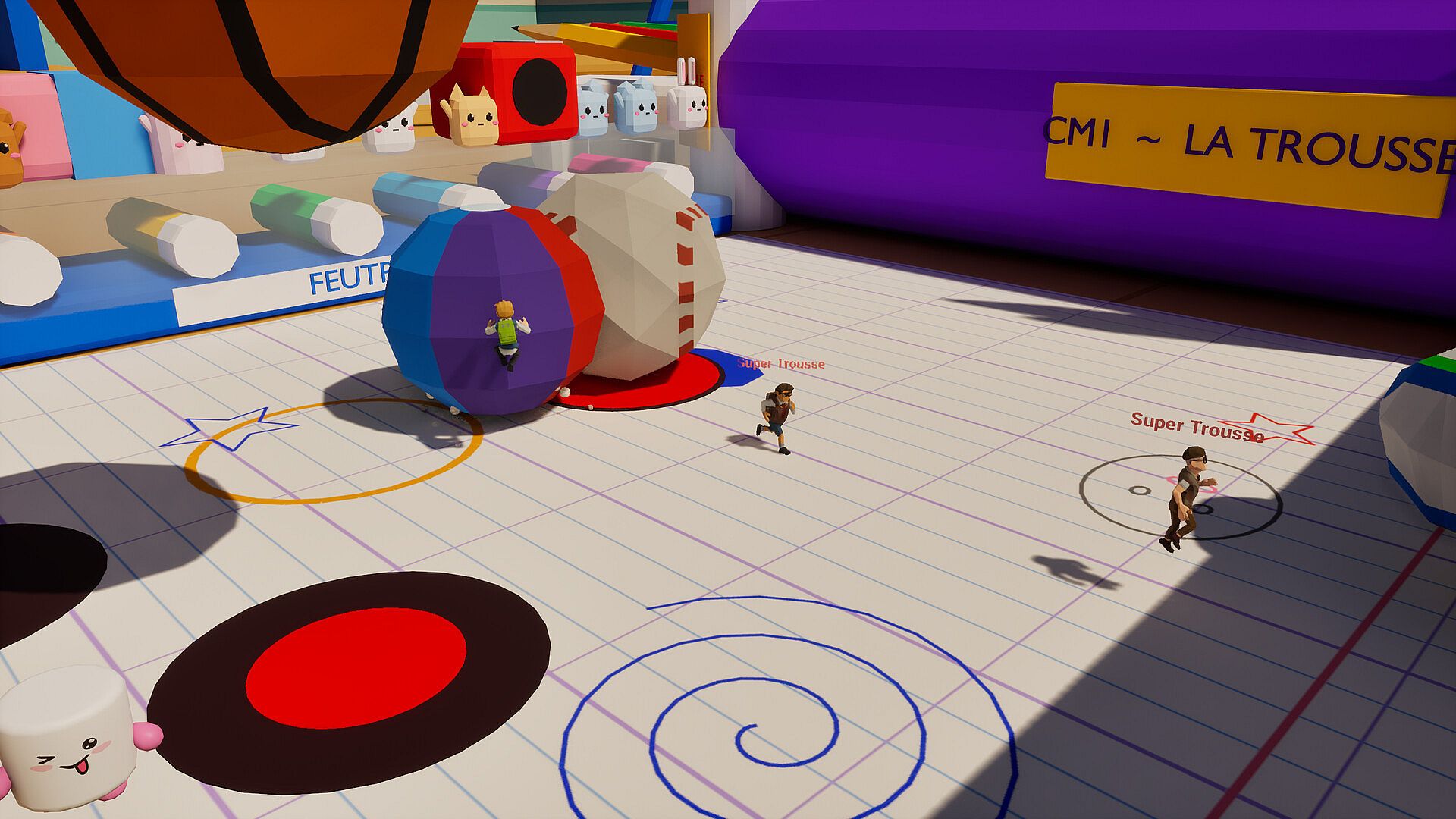
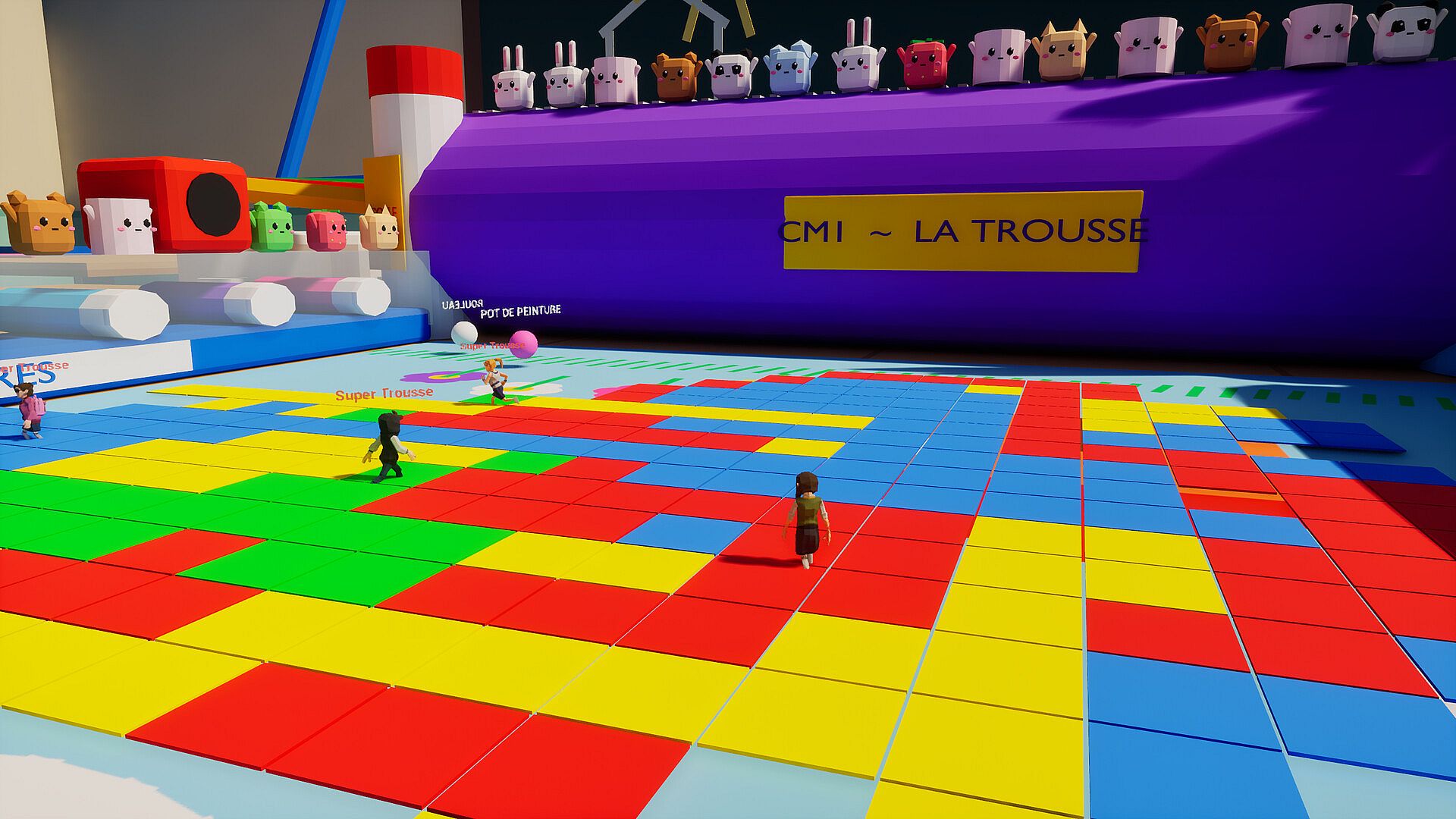
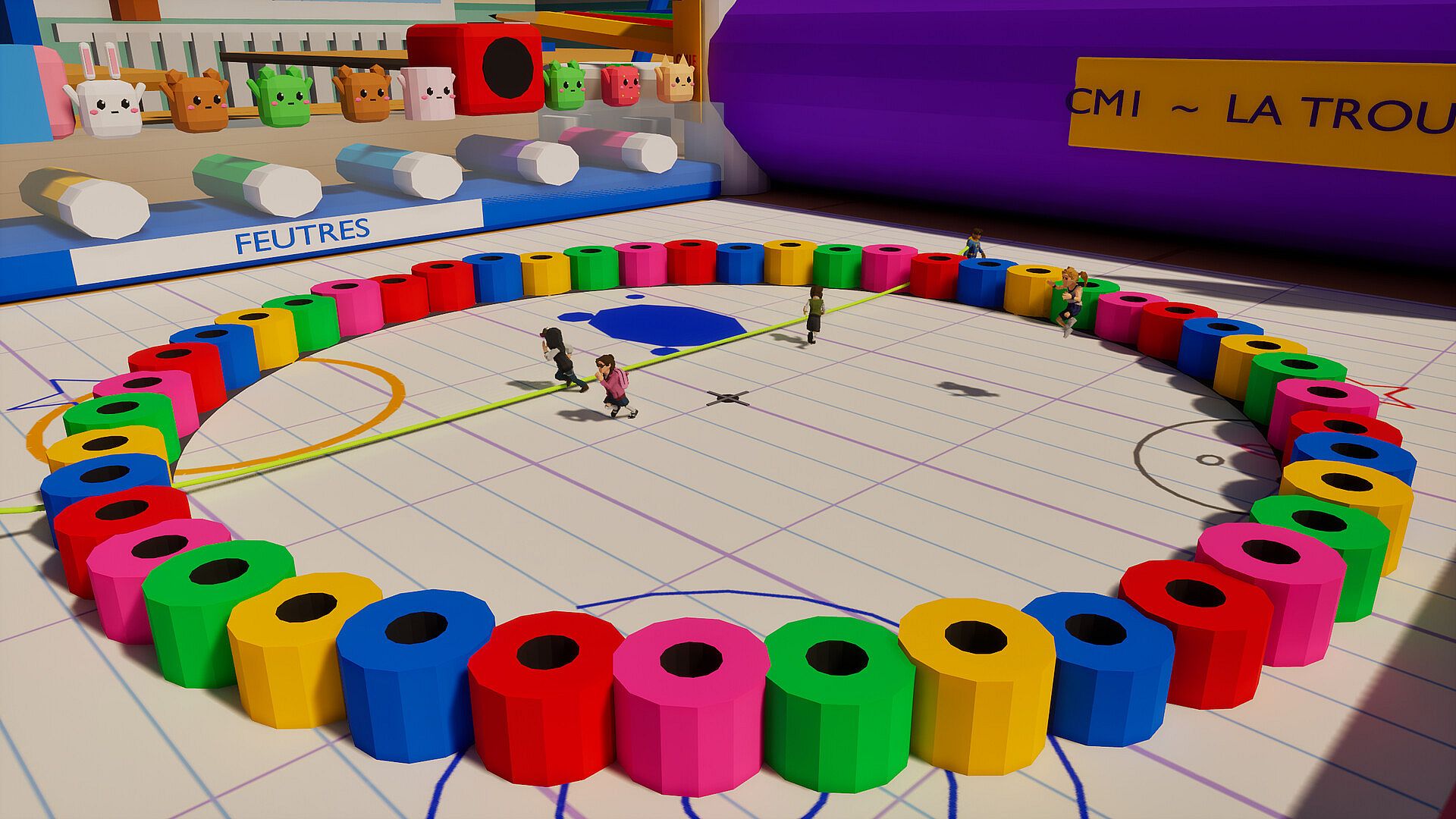
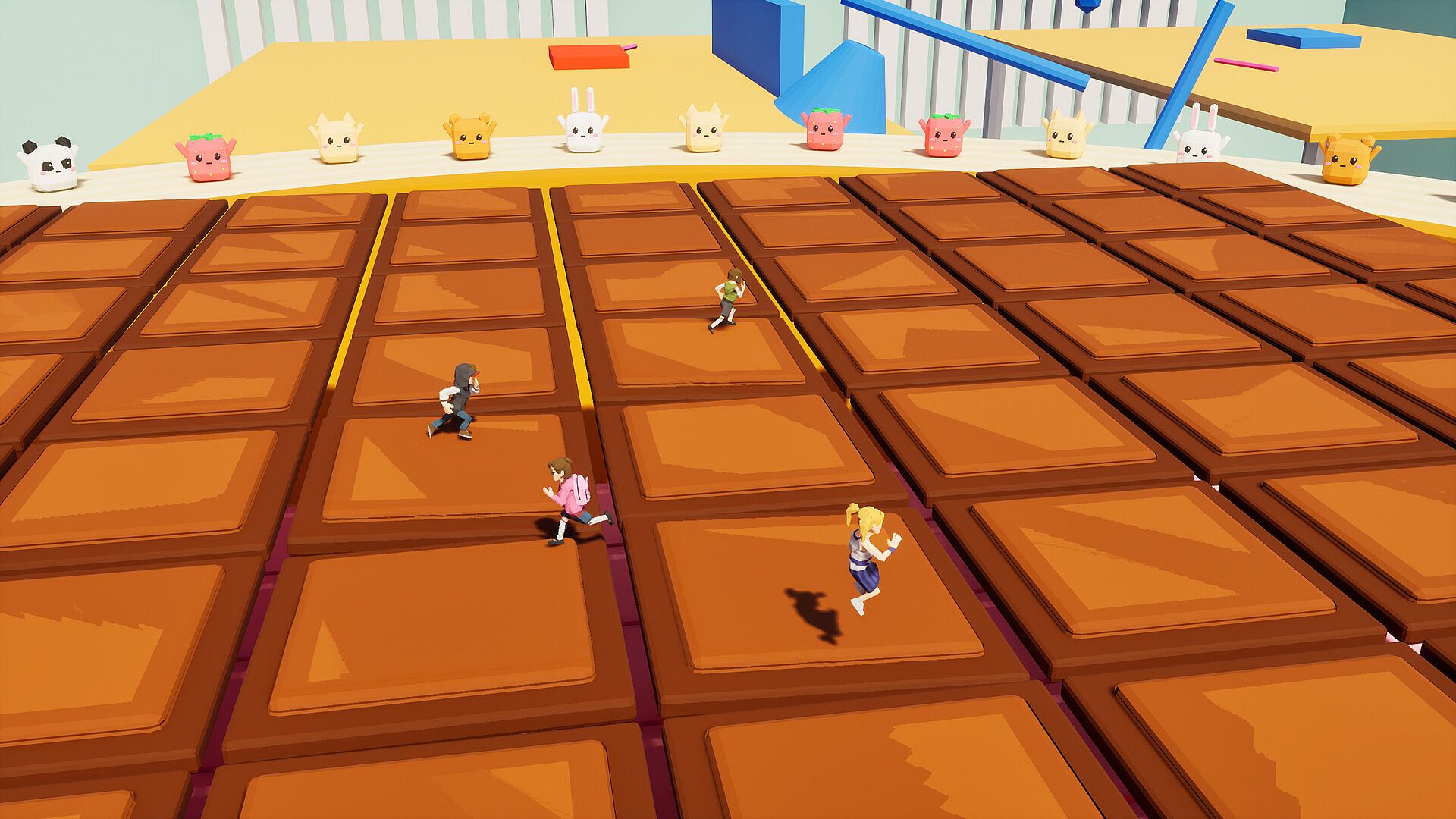
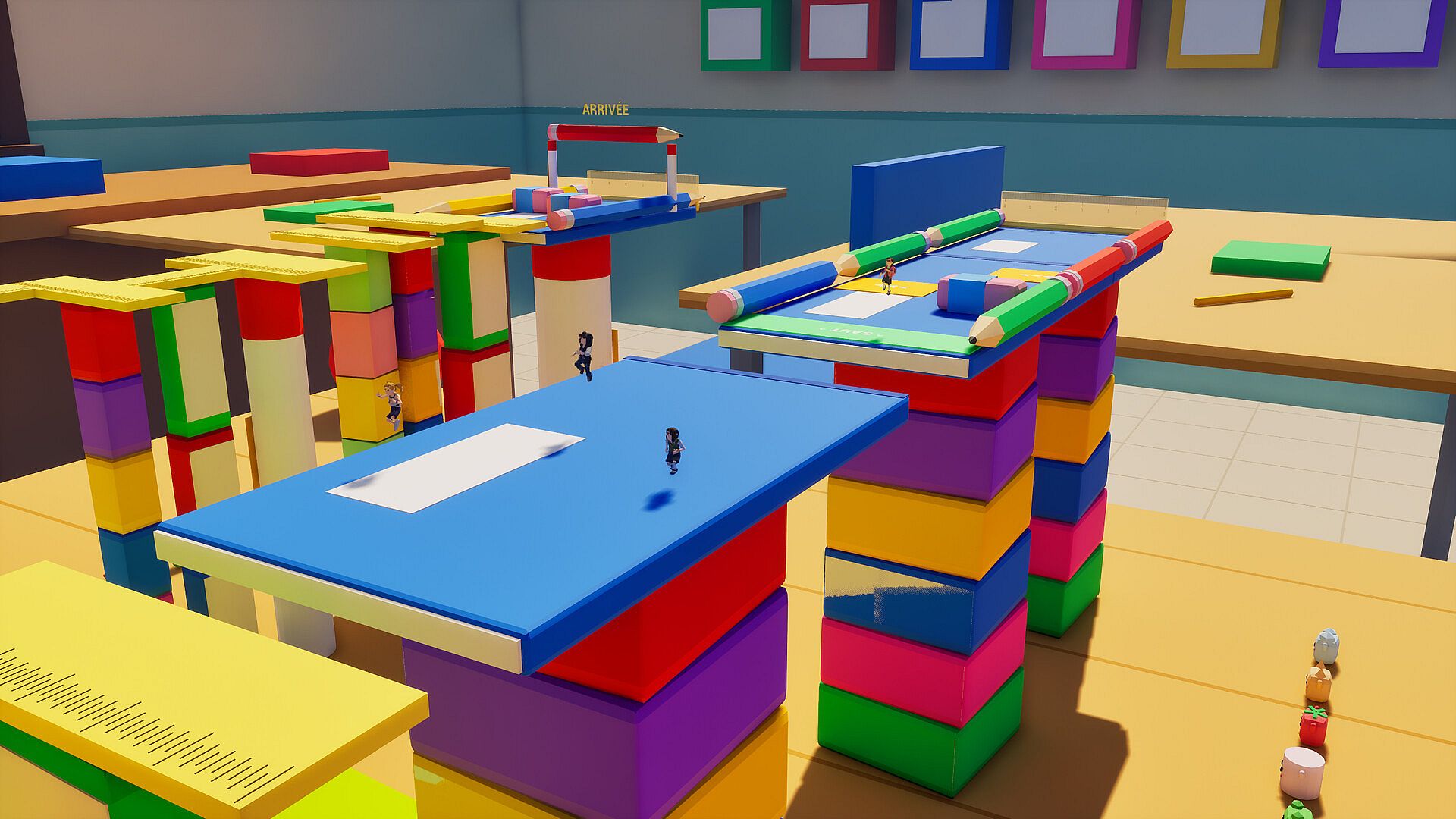
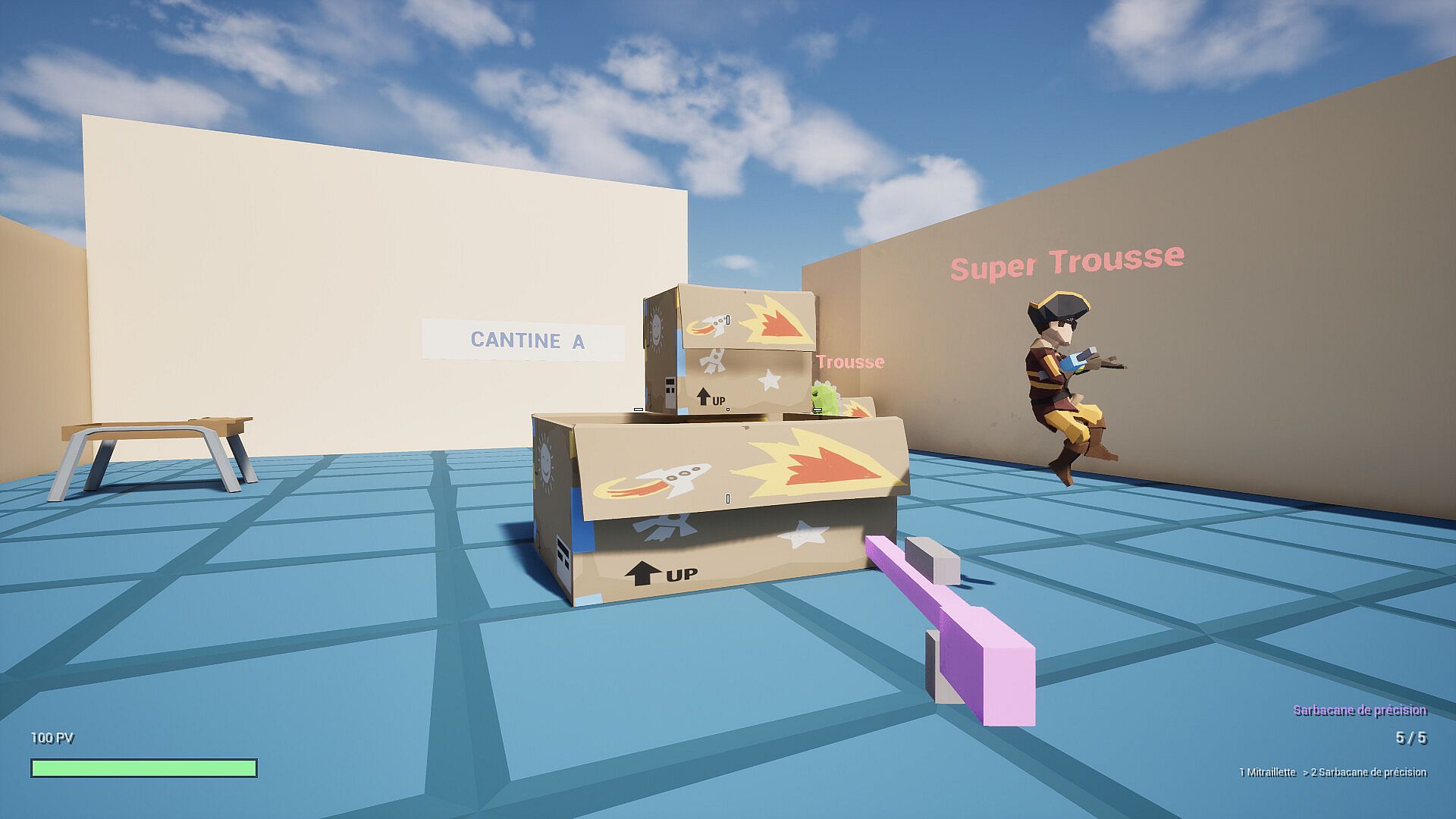
The core experience revolves around school-day sessions that players can set to short, medium, or long lengths. Before each round, the group votes on the next minigame from the available selection. The eleven minigames include dodging giant falling balls, passing an exploding pumpkin, painting sections of the playground in a chosen color, racing, jumping rope, answering quiz questions, testing memory, engaging in paintball, and several additional variations. Mallow, the last marshmallow, serves as the in-game host who explains rules, celebrates winners, and comments on early eliminations. At the end of the day, the surviving champion receives Mallow in a short ceremony, though the prize itself reacts with visible reluctance.
Progression and Customization
Marbles function as the main currency for expanding the roster. Regular play steadily adds new characters and hats, encouraging repeated sessions to complete collections. Nickname and color choices carry over across matches, giving each player a consistent identity. The system supports both casual drop-in play and longer sessions where item drafting and voting add layers of decision-making beyond pure reaction time.
Who the Game Targets
The structure suits groups that enjoy quick rounds with high interaction and the ability to interfere directly with others. Local or online sessions with two to eight participants benefit most from the betrayal mechanics and item choices. Solo practice is possible through the available modes, but the design centers on shared play where reactions to friends' moves create the main tension.
Is It Worth Playing?
The game delivers a focused party experience built on short, repeatable minigames and consistent opportunities for player-driven chaos. Its strength lies in the combination of physical interference, item drafting, and voting that keeps every session unpredictable. Players who prefer structured party games with clear rules and visible progression through unlocks will find the loop satisfying. Those seeking deeper single-player campaigns or long-term competitive ladders may find the scope narrower, yet the core loop remains accessible for repeated group sessions without requiring extensive setup or learning curves.












