



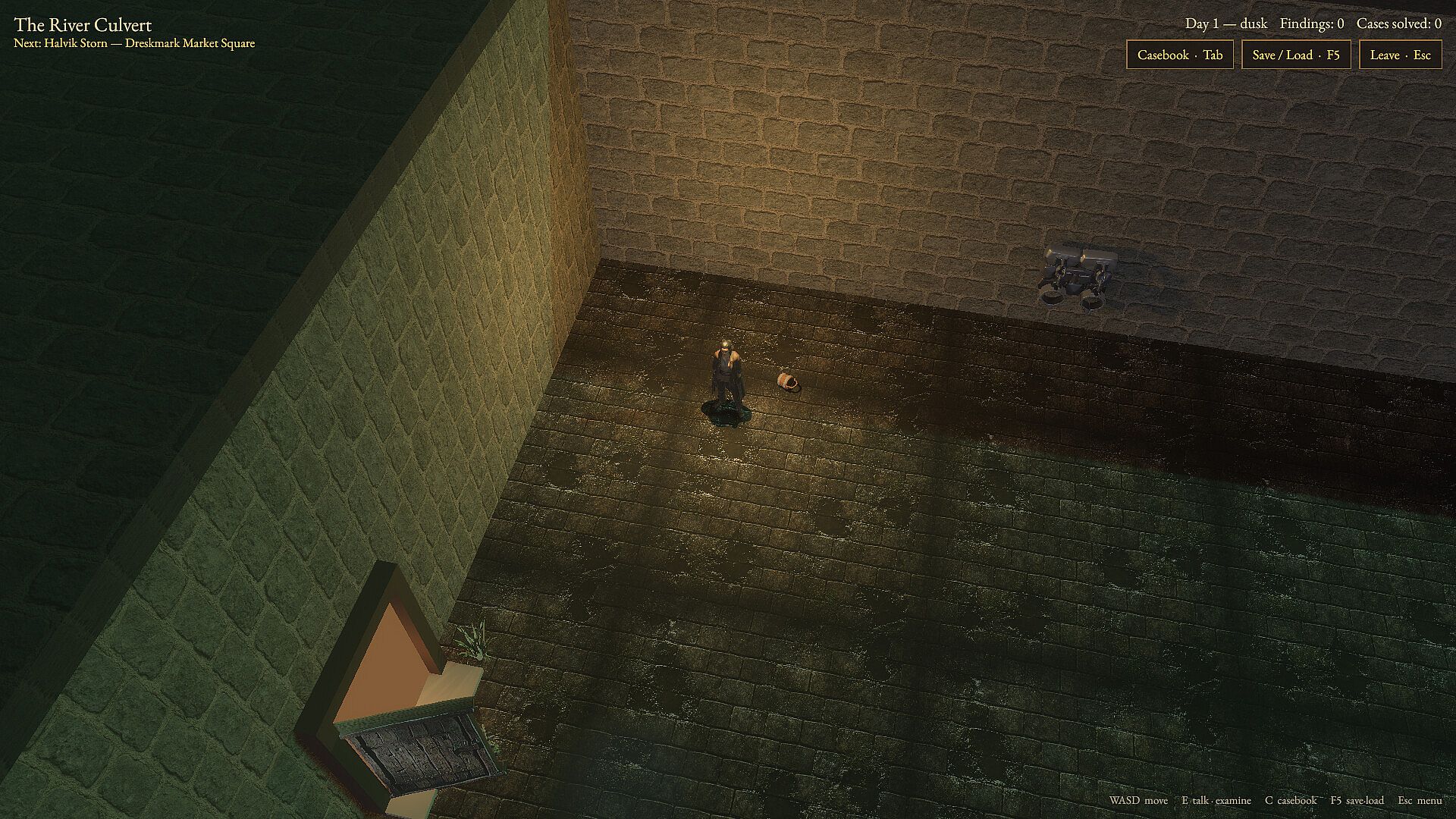
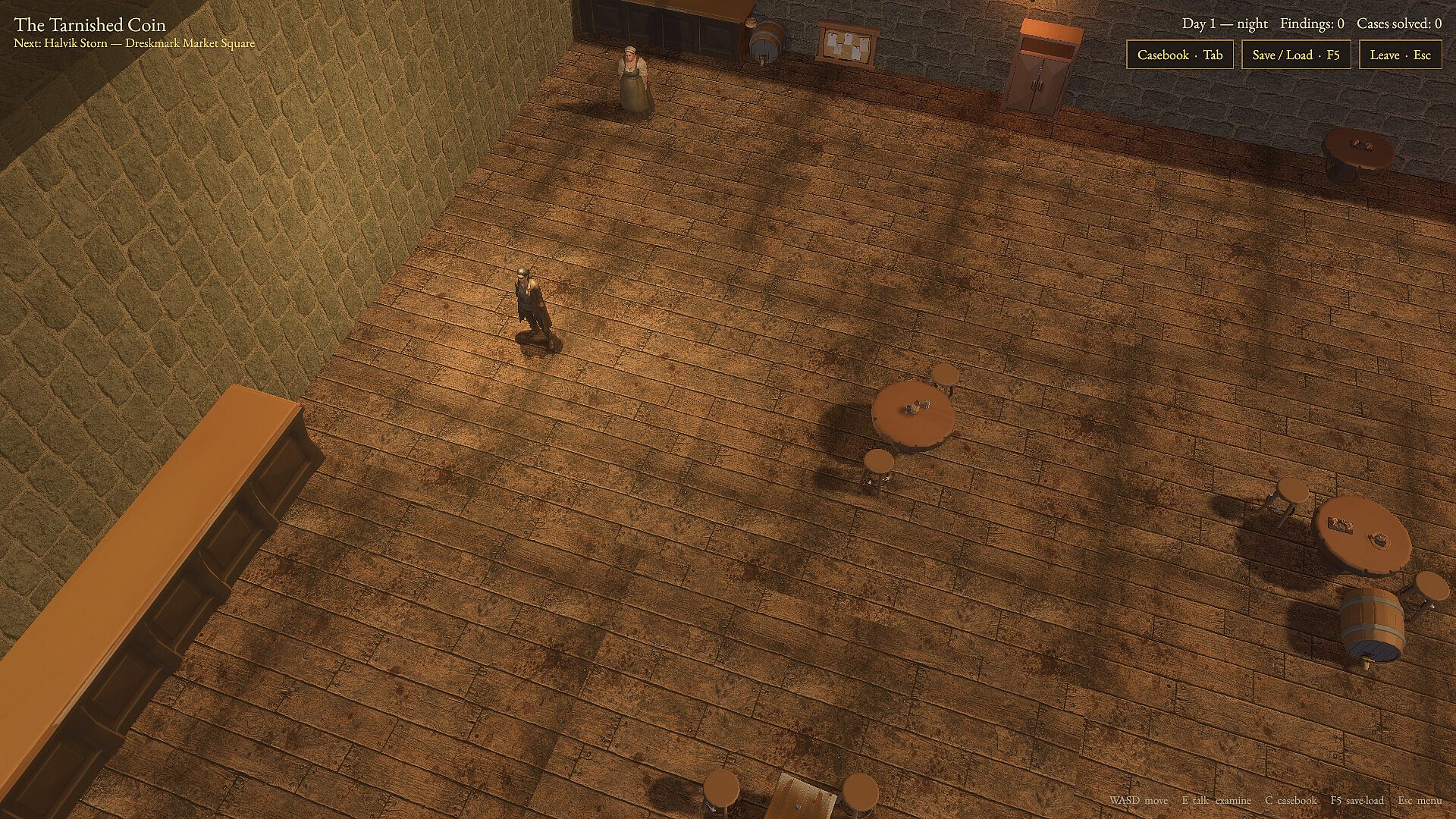
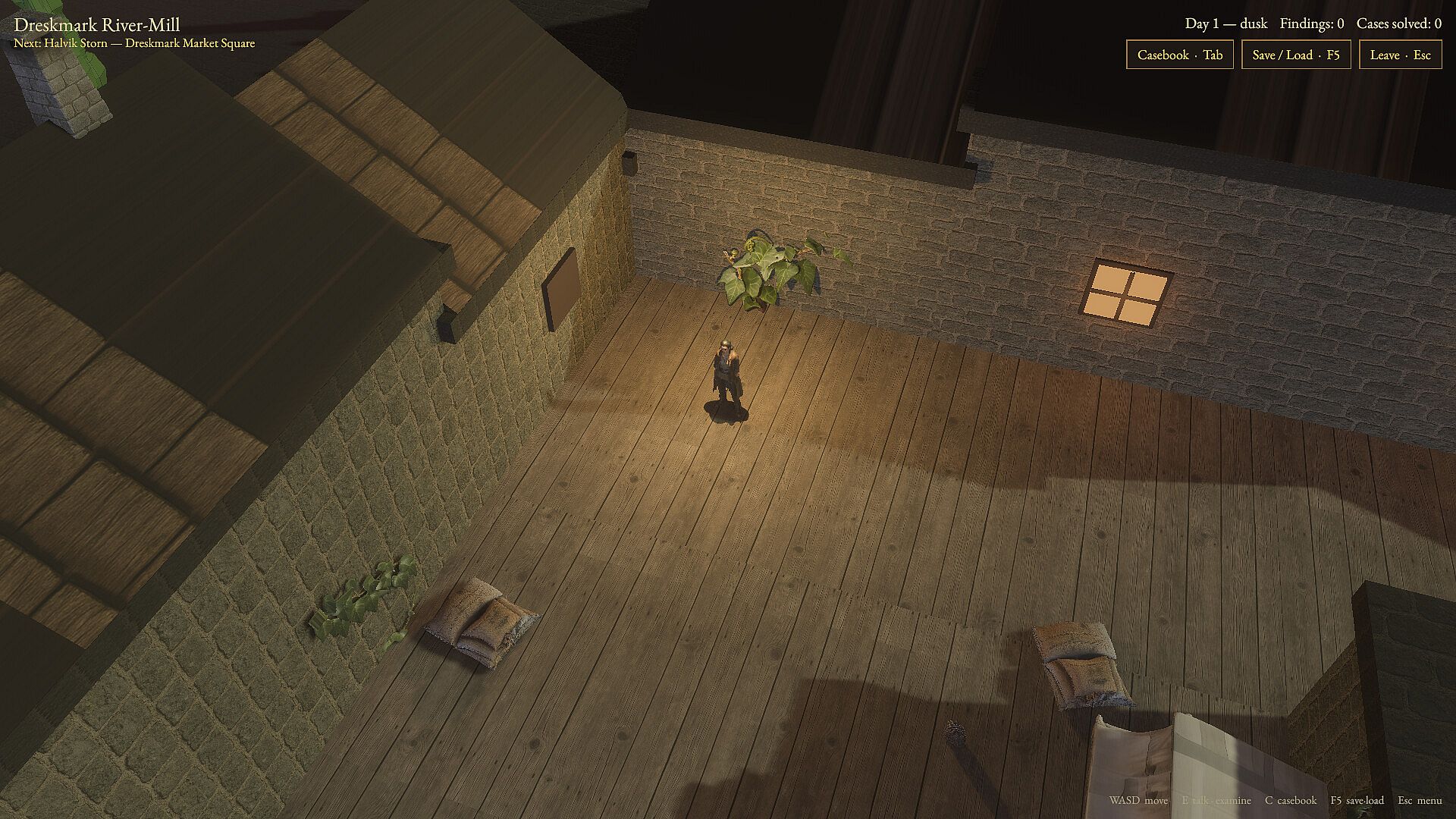
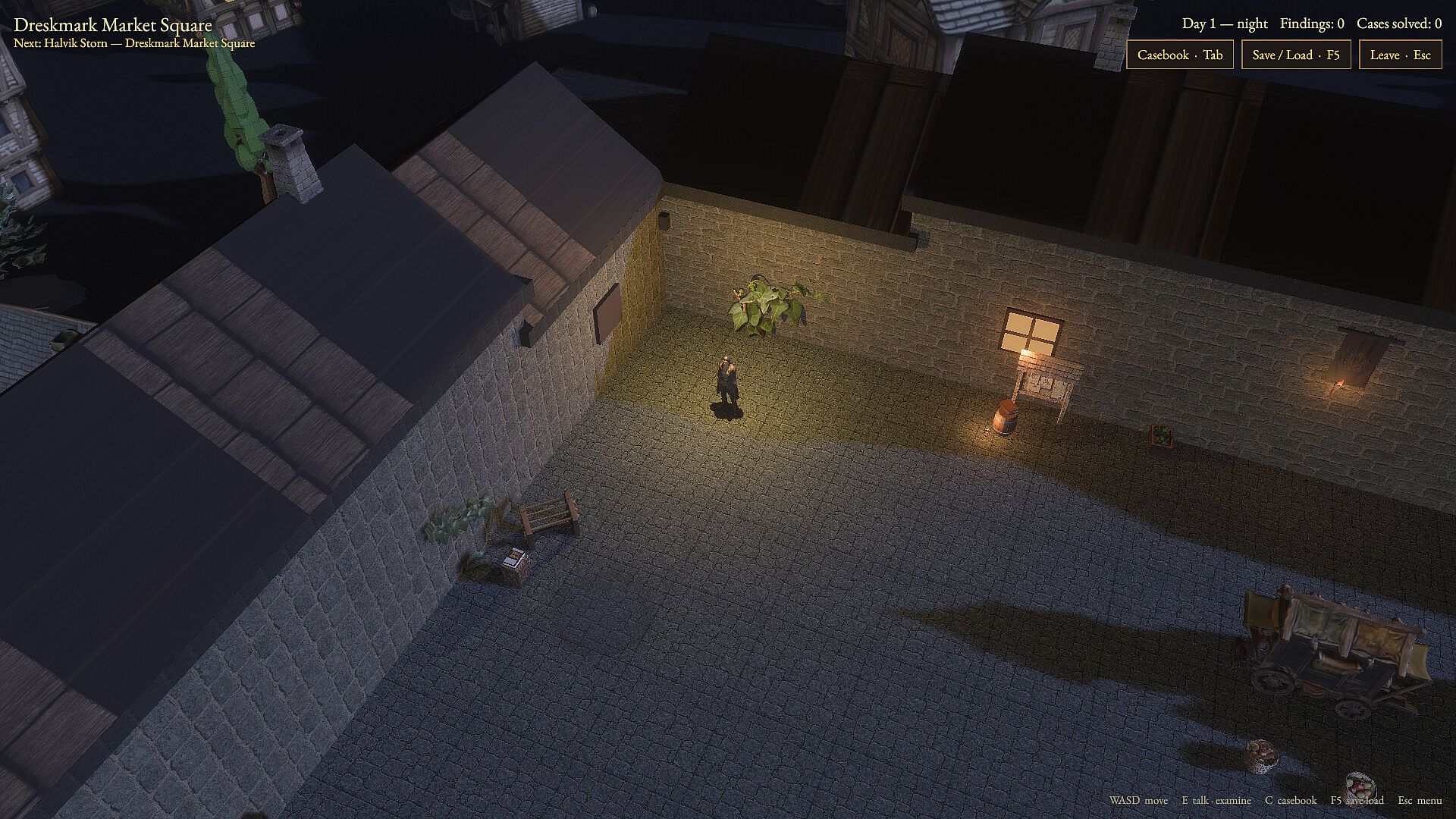
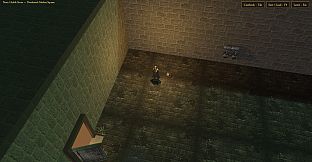
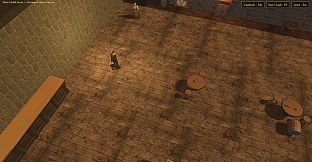
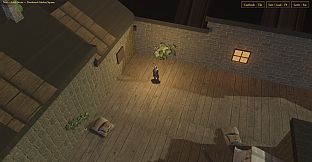
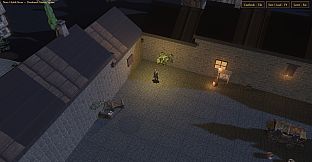
The Hushed Ledger is a singleplayer RPG built around deduction and investigation in a river town where debts and secrets shape daily life. Players take the role of one of several detectives sent to Dreskmark after a mill fire raises questions that no one will answer directly. The experience centers on uncovering hidden connections through careful observation and conversation rather than action or combat.
Gameplay
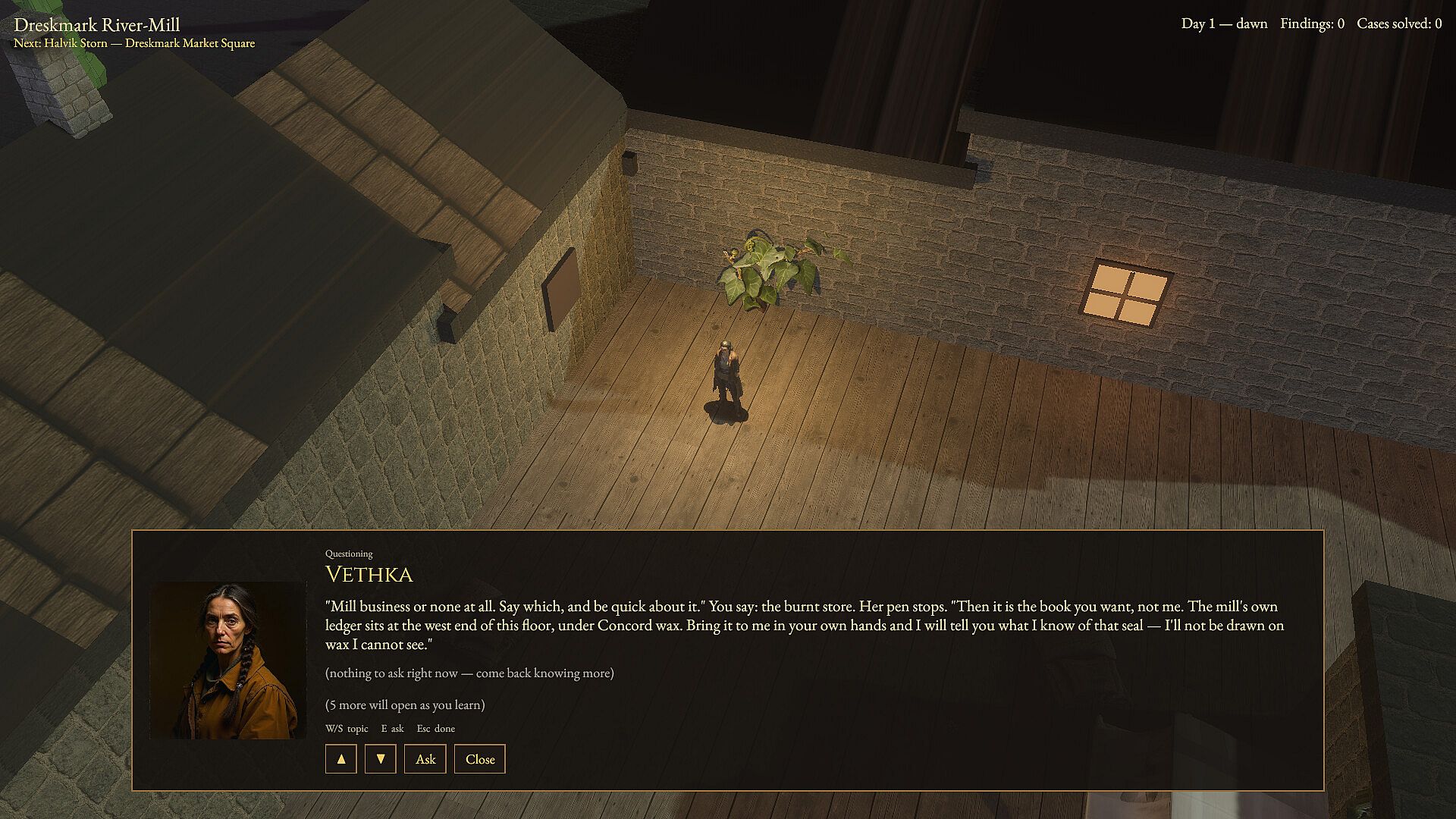
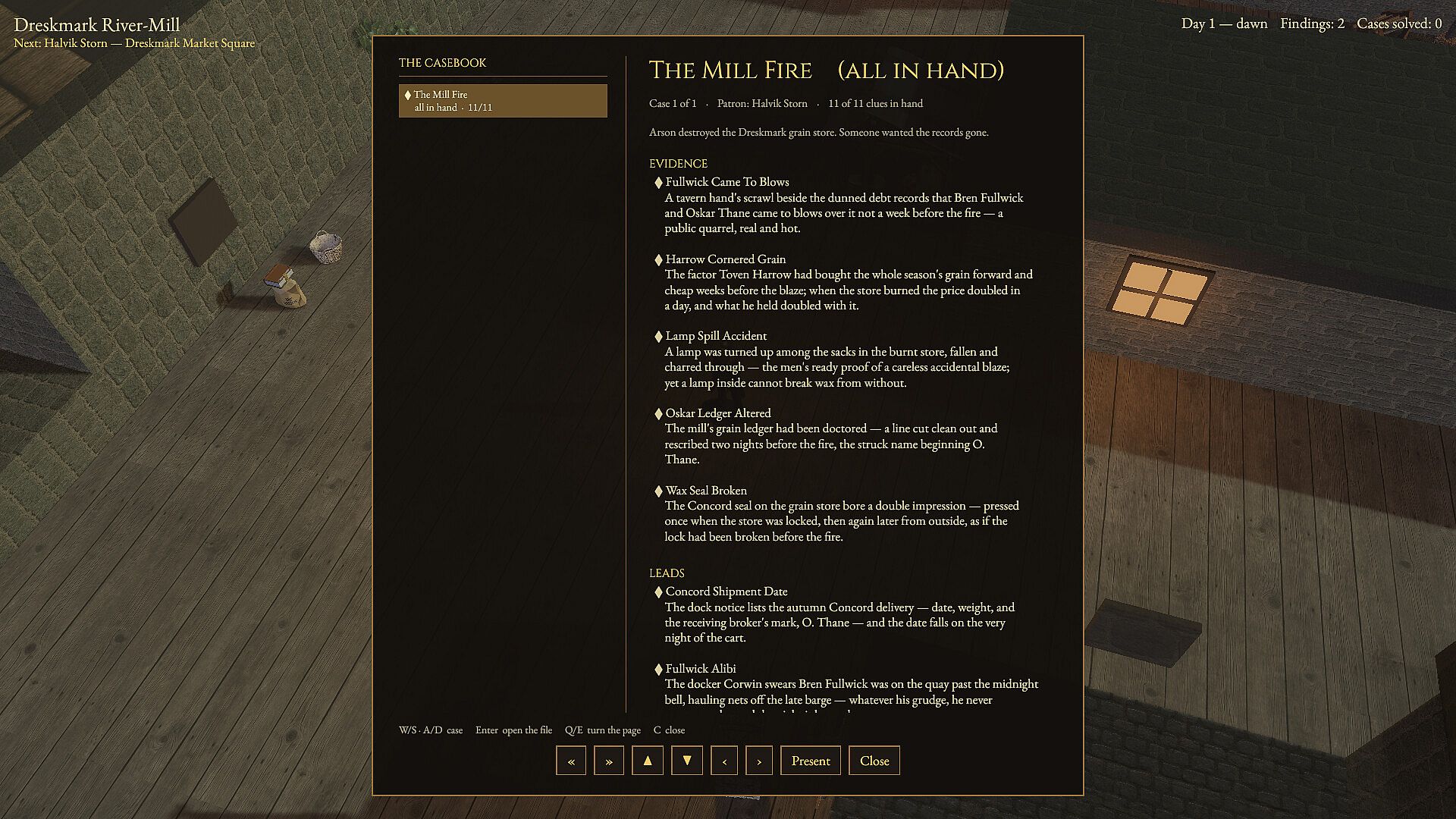
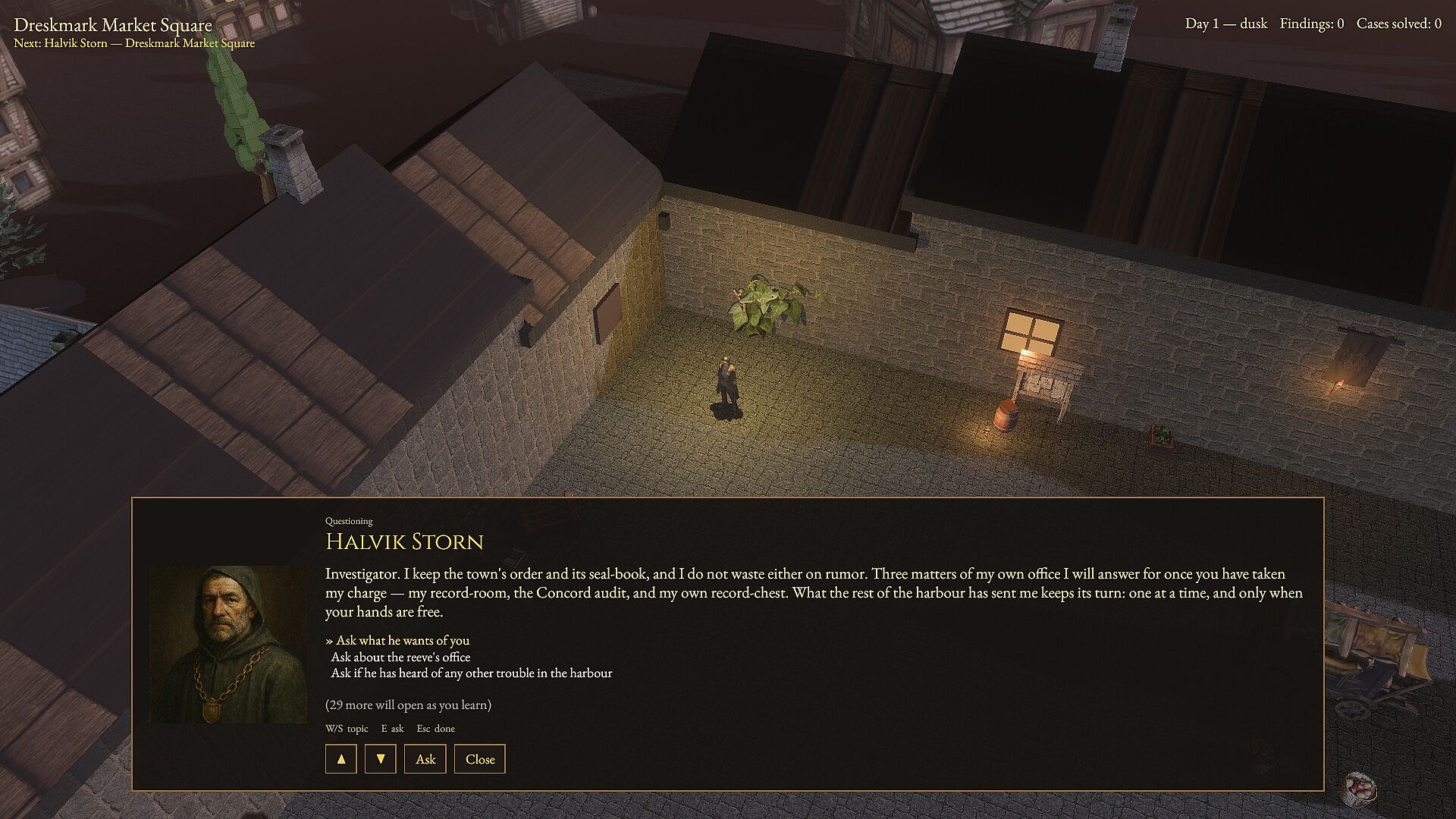
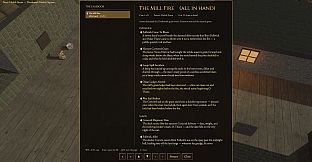
Progression relies on gathering evidence from the environment and from townsfolk who share information only when certain topics have already surfaced in conversation. A noticed detail or an overheard name can open new lines of inquiry, while asking about something unknown yields nothing. The casebook fills with facts, leads, and contradictions as the player records them, creating a personal record that reflects what has actually been discovered rather than a predetermined path.
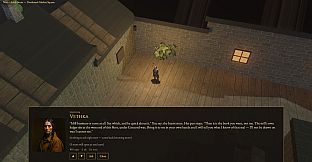
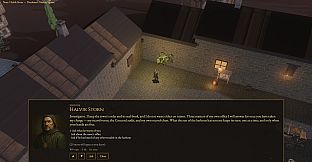
Every case follows fair-play rules. The clues needed to reach a conclusion sit in the world from the start, and any accusation must rest on information the town itself has provided. Players can reach incorrect conclusions, and the game registers those outcomes without correction. Eight distinct detectives offer different perspectives, each highlighting unique observations in the same locations and dialogues. The town itself spans seven districts rendered as one continuous space, with fully voiced residents whose repeated lines vary in phrasing on subsequent encounters.
Discovery remains gated by what has already been mentioned. Rumors spread ahead of the player, and new questions become available only after prior conversations have introduced the relevant subjects. No random elements alter clue placement or dialogue responses, so the same question asked under identical conditions always produces the same answer.
Game Modes
The core structure consists of twenty-eight individual cases that players can approach in any order once access opens through prior progress. Each case stands alone yet contributes to an accumulating understanding of the town's unspoken economy of favors and the trade known locally as the Hush. Selecting different detectives changes which details stand out during investigation, effectively providing distinct playthrough paths through the same set of cases.
After evidence collection, a separate verdict phase requires the player to decide what action to take based on the facts established. This step operates independently of the deduction itself, turning the outcome into a personal judgment rather than a single correct solution. The absence of combat or resource management keeps focus entirely on the sequence of questions, observations, and recorded conclusions.
The Town and Its People
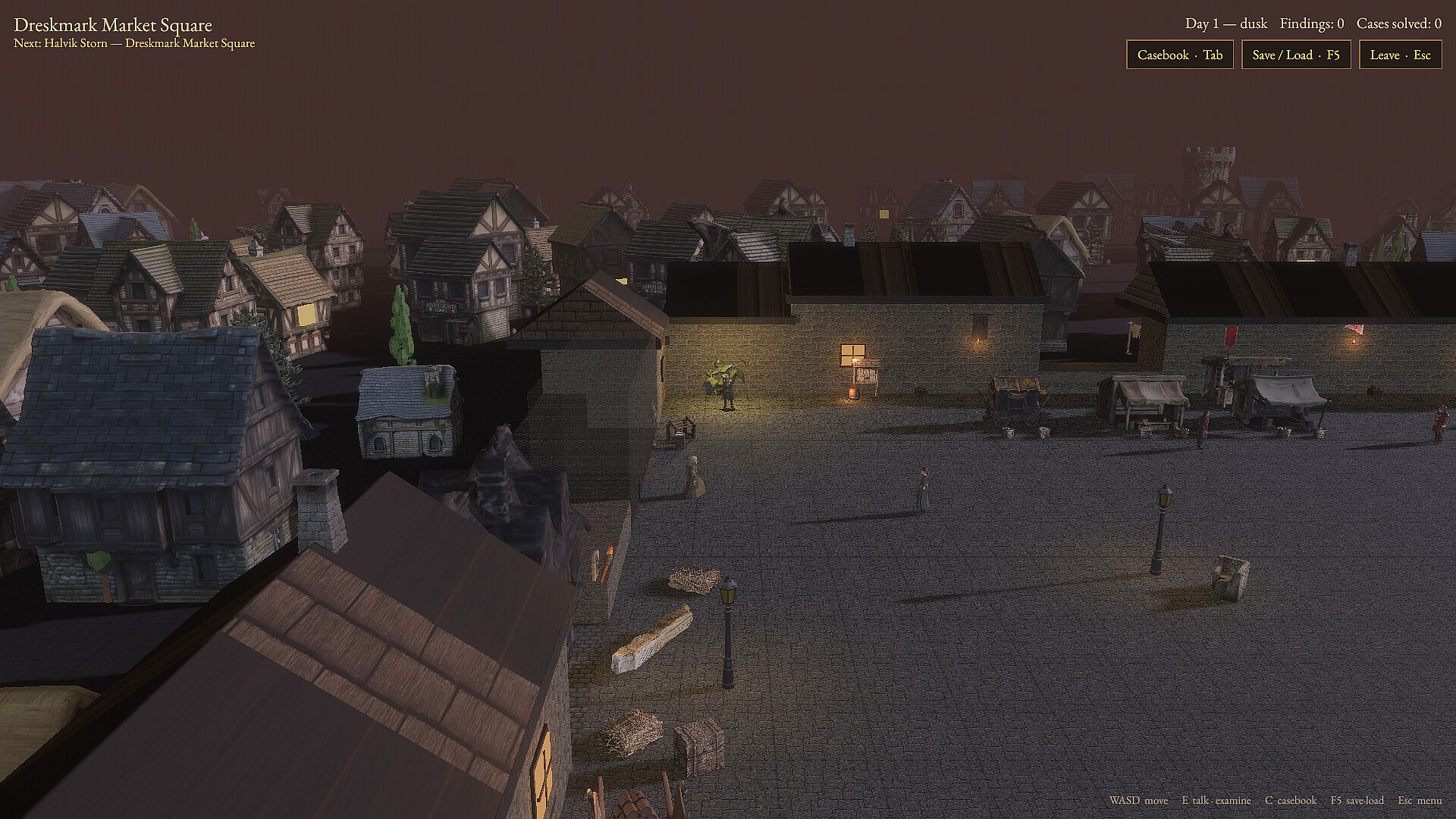
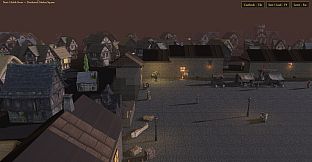
Dreskmark operates as a single living location rather than a series of isolated maps. Movement between the mill yard, the bond house, the docks, and the other districts feels continuous, with residents going about their routines in ways that reflect the town's collective memory of past events. Voices repeat with natural variation, reinforcing the sense that these are individuals with limited patience for repeated inquiries.
The setting draws from the broader world of Orenvalt, where formal records and unwritten obligations coexist. Players encounter the consequences of debts settled quietly and names left in chalk on doors, all without any mechanical systems that introduce chance or procedural generation.
Is It Worth Playing?
The Hushed Ledger suits players who enjoy methodical investigation and the responsibility of forming their own conclusions from available evidence. Its design rewards patience and attention to dialogue and environmental details over reflexes or combat skill. The twenty-eight cases provide substantial content for those who appreciate replaying with different detectives to surface alternate observations.
Because the simulation contains no randomness and every clue remains exactly where placed, missed information stays available for later discovery. This structure appeals to anyone who values consistent, fair-play mysteries and the freedom to reach wrong verdicts without the game intervening. Availability on PC makes it accessible for extended sessions focused on careful note-taking and conversation management.