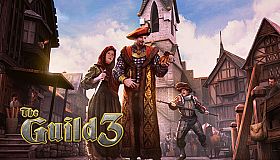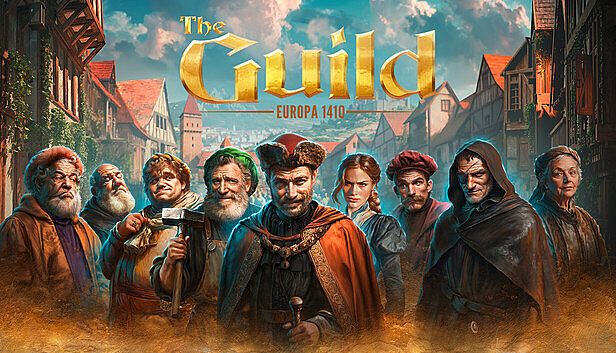




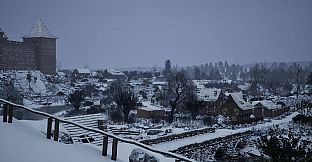
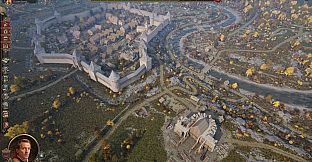
The Guild - Europa 1410 is a strategy simulation game set in medieval Europe where players build a family dynasty through business management, political maneuvering, and strategic decisions in a living city environment.
Gameplay
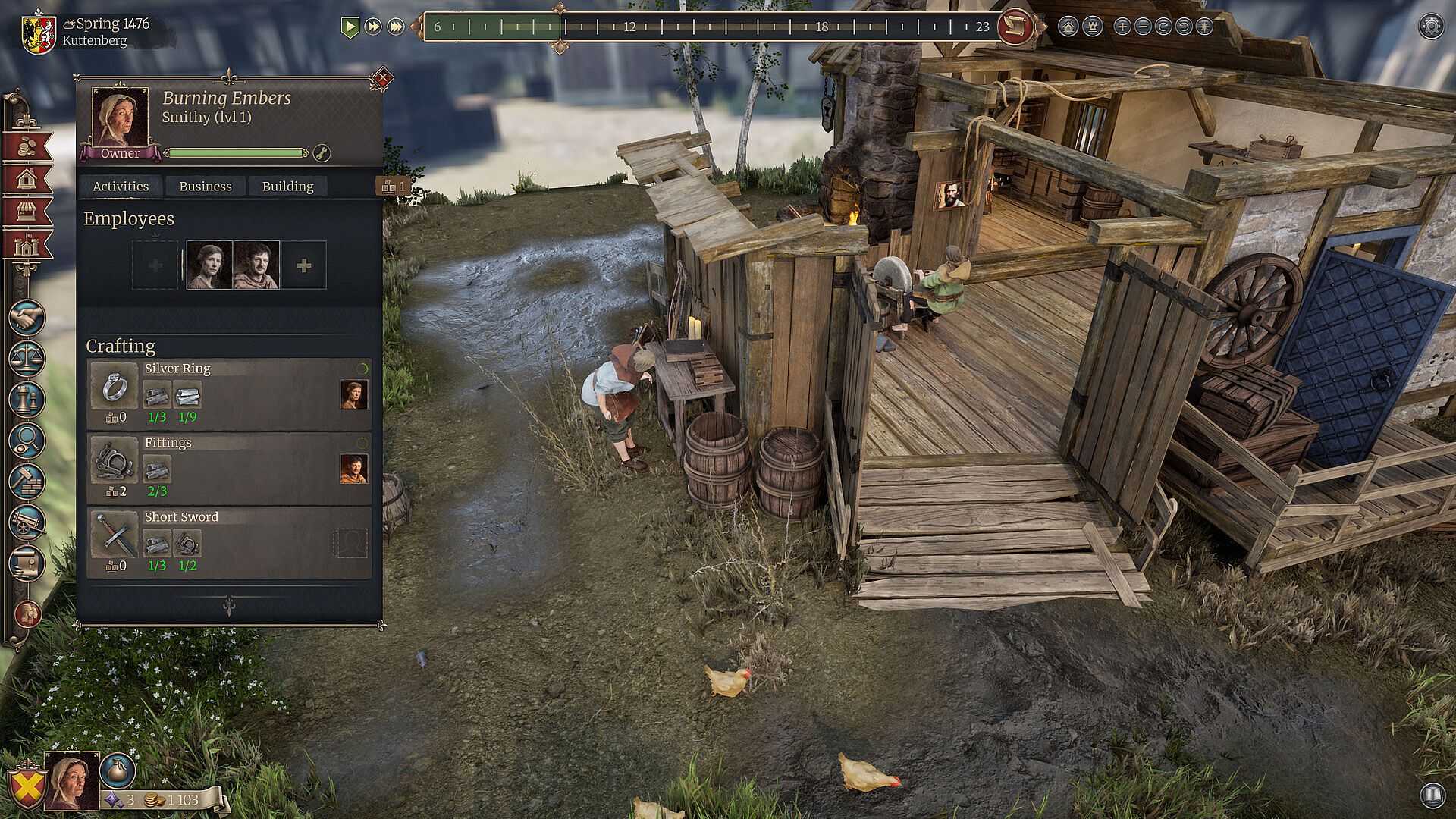
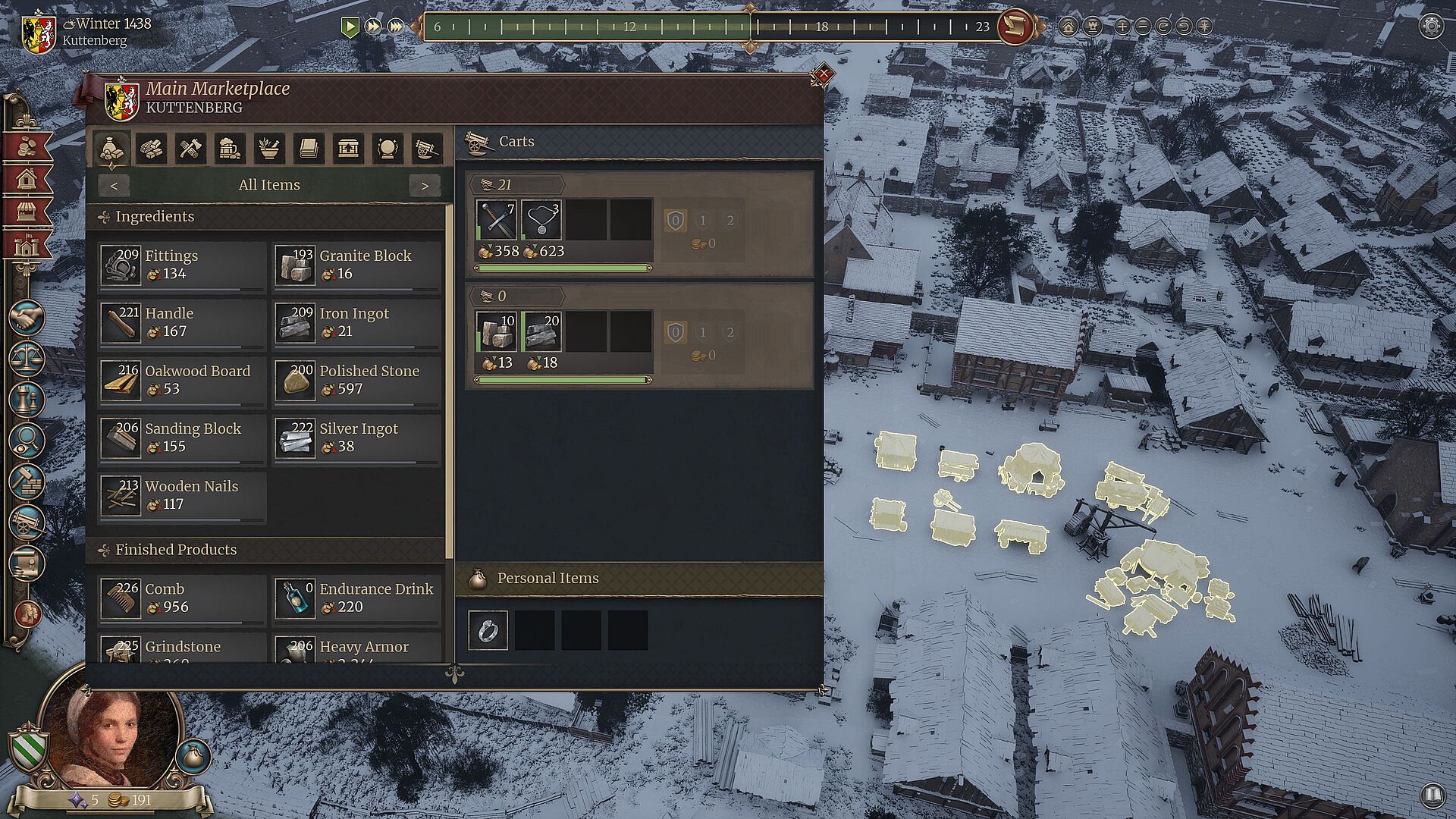
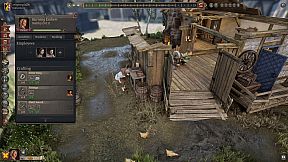
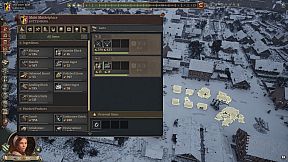
Players begin with a modest business in one of several professions, such as blacksmith, alchemist, tailor, or innkeeper. The core loop centers on managing production, sourcing raw materials, crafting goods, and selling them to generate profit while balancing costs like taxes and wages. Time advances in daily turns that also represent seasonal changes, requiring careful planning of upgrades, worker assignments, and market responses to maintain steady income.
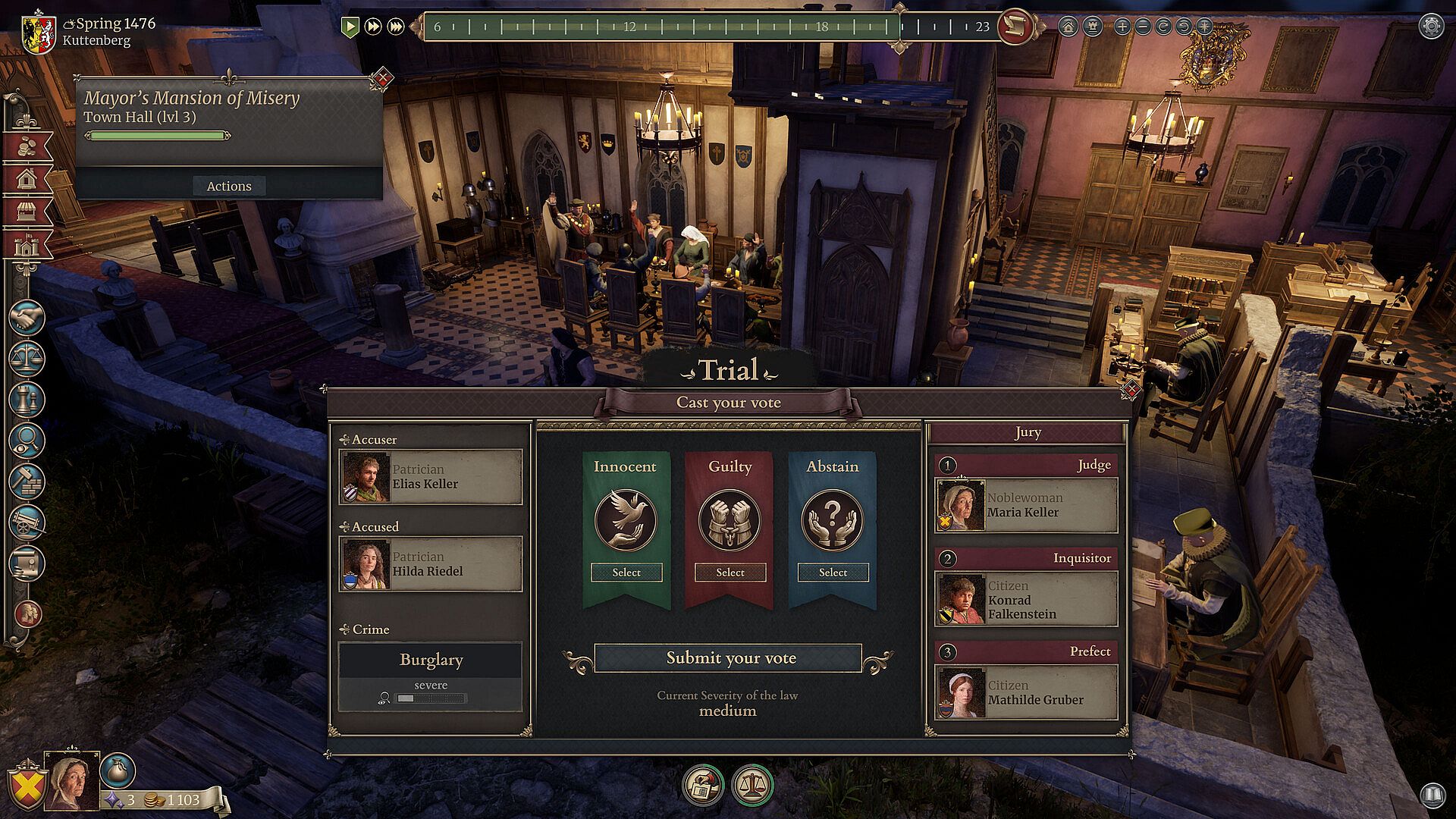
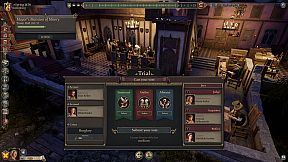
Business growth alone does not secure lasting power. Players must navigate relationships with other citizens, using popularity, alliances, or underhanded tactics like bribes and blackmail to gain influence. Criminal options include organizing cart robberies, directing thieves for pickpocketing, scouting buildings for loot, or arranging kidnappings for ransom. Those who prefer order can instead hire guards to patrol streets and enforce the law, earning respect from law-abiding residents. Every action carries consequences, as evidence of crimes can surface later in legal proceedings.
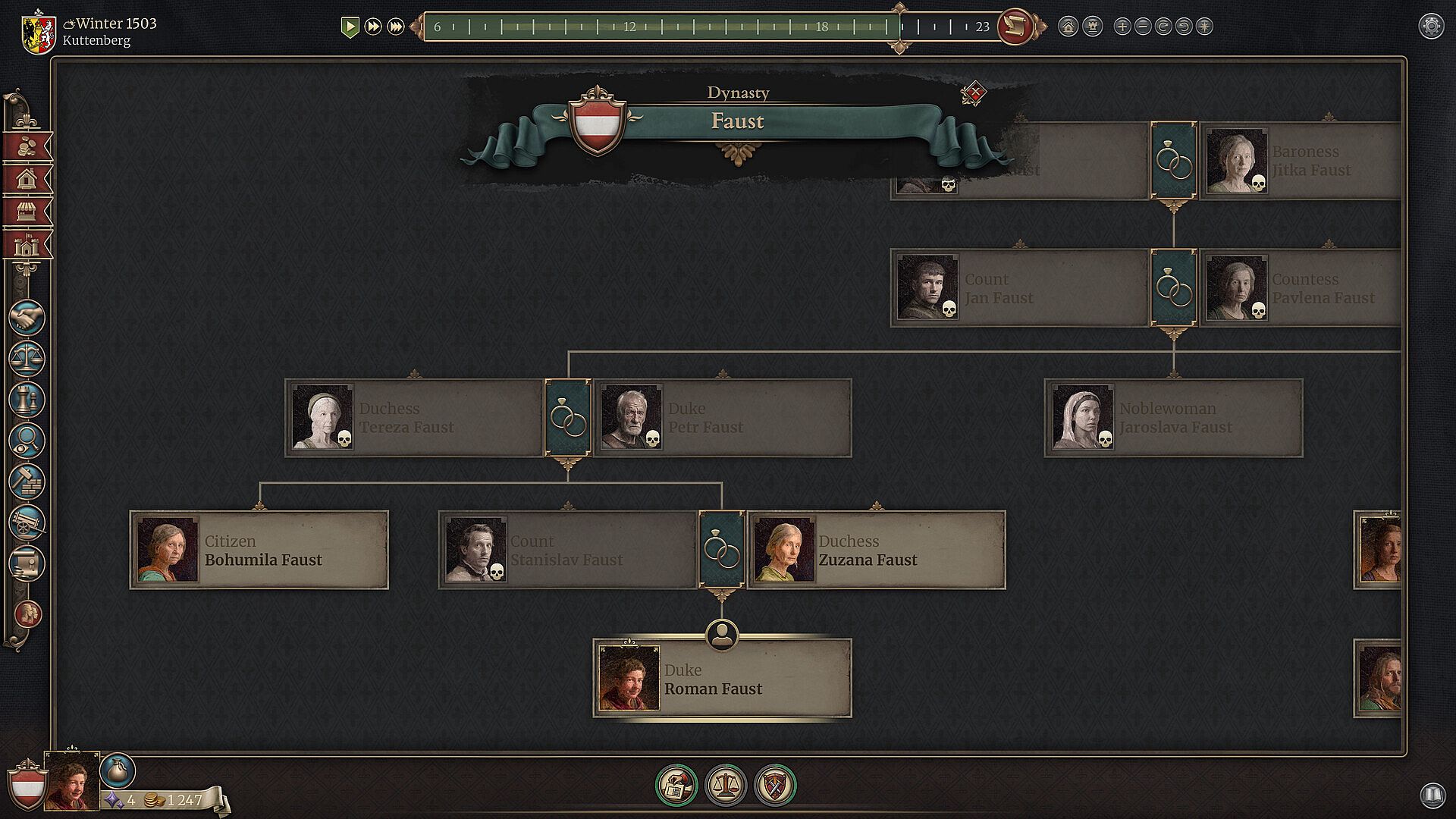
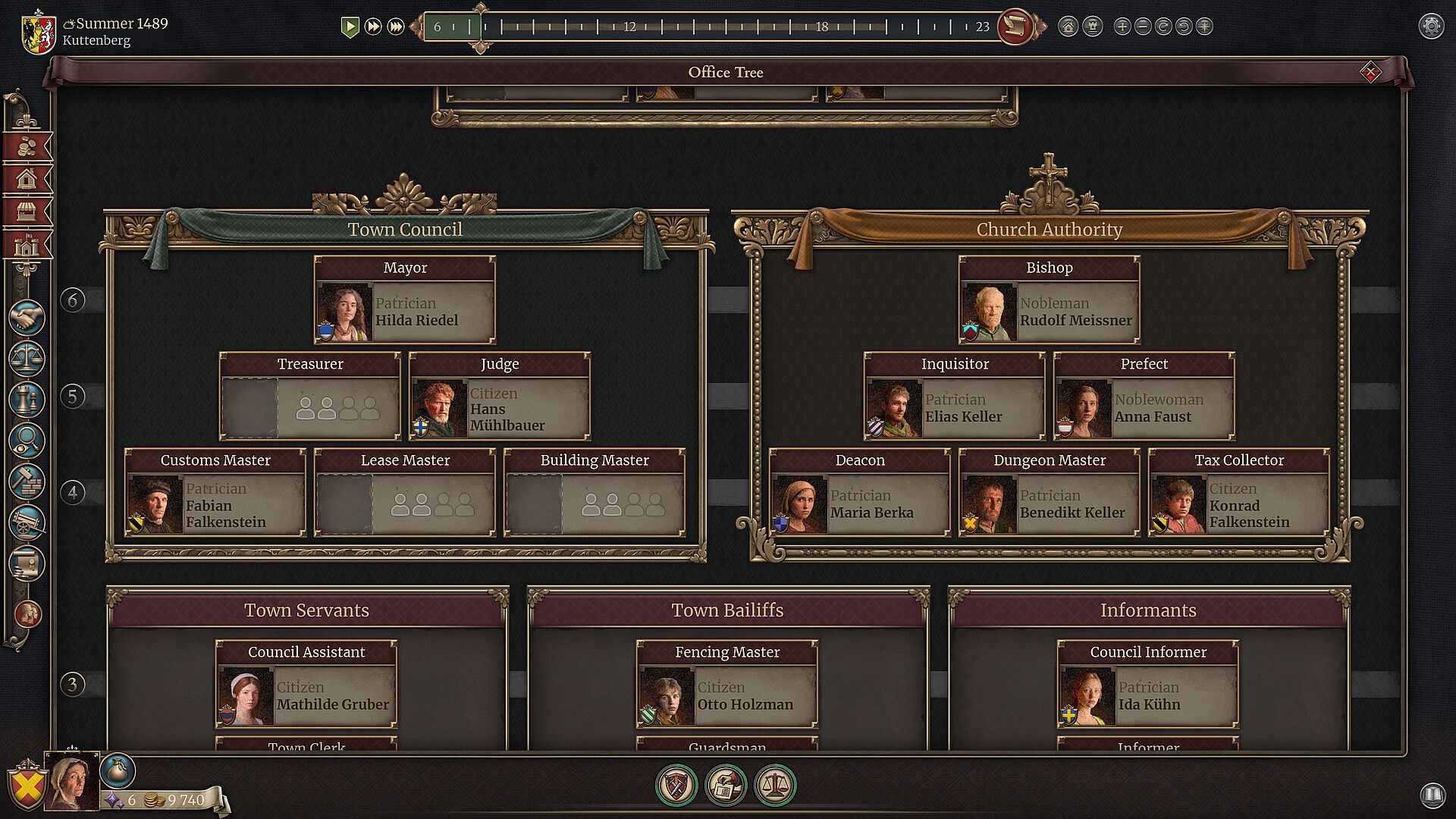
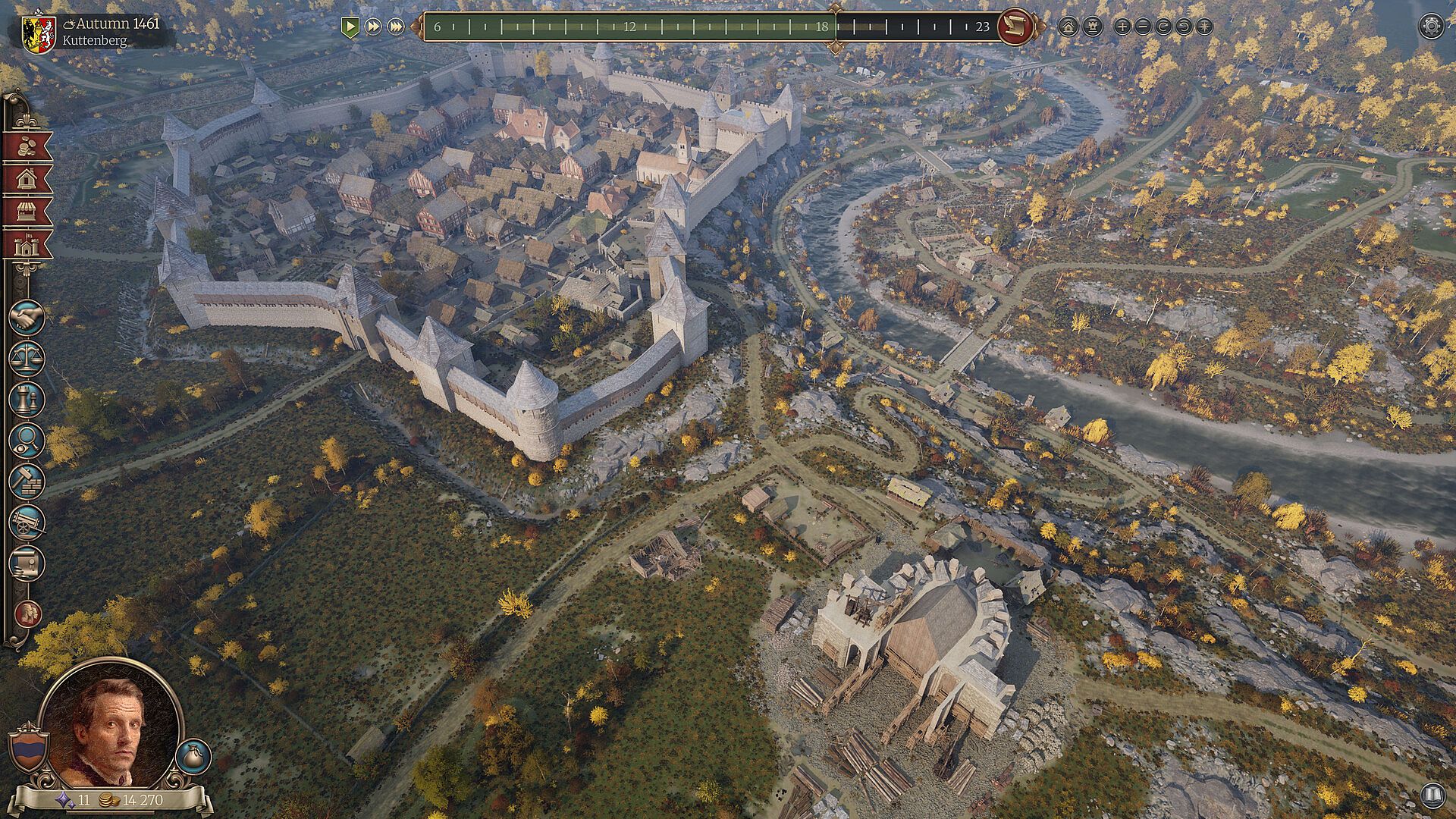
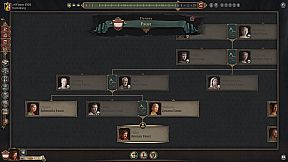
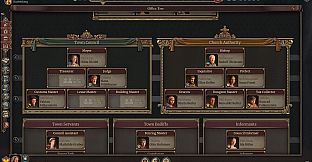
Politics forms another major pillar. Securing city offices allows players to shape laws that benefit their enterprises and hinder rivals. Family matters add depth, as courting a spouse and raising heirs ensures succession and protects accumulated wealth across generations. The simulation tracks how decisions ripple through the city, with new districts emerging and the urban landscape evolving based on player-driven growth and economic activity.
Game Modes
The game supports single-player campaigns focused on personal dynasty building and city dominance. In this mode, the emphasis stays on long-term planning across multiple in-game years without external interference.
Multiplayer accommodates up to twelve participants who can compete for influence, collaborate on shared goals, or pursue independent paths within the same city. Each session generates unique outcomes depending on how players interact through trade, alliances, or direct rivalry.
Key Mechanics and Features
Professions deliver distinct experiences, with each one tying into different production chains and social positions that influence access to resources or political opportunities. Trade and crafting remain central, supported by detailed management of workshops, supply chains, and customer demand. Diplomacy and cunning extend beyond business into personal vendettas and strategic partnerships that affect long-term standing.
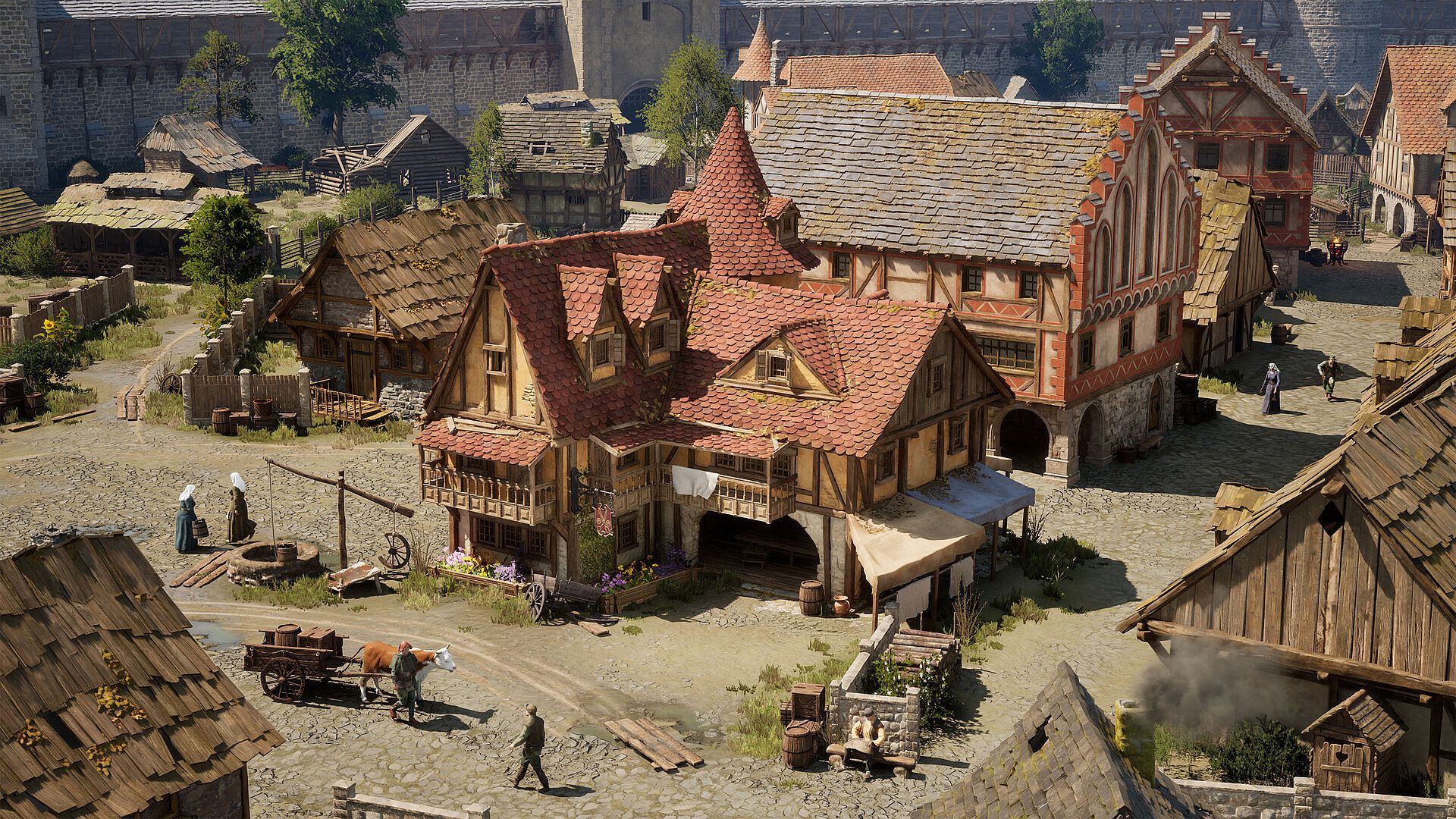
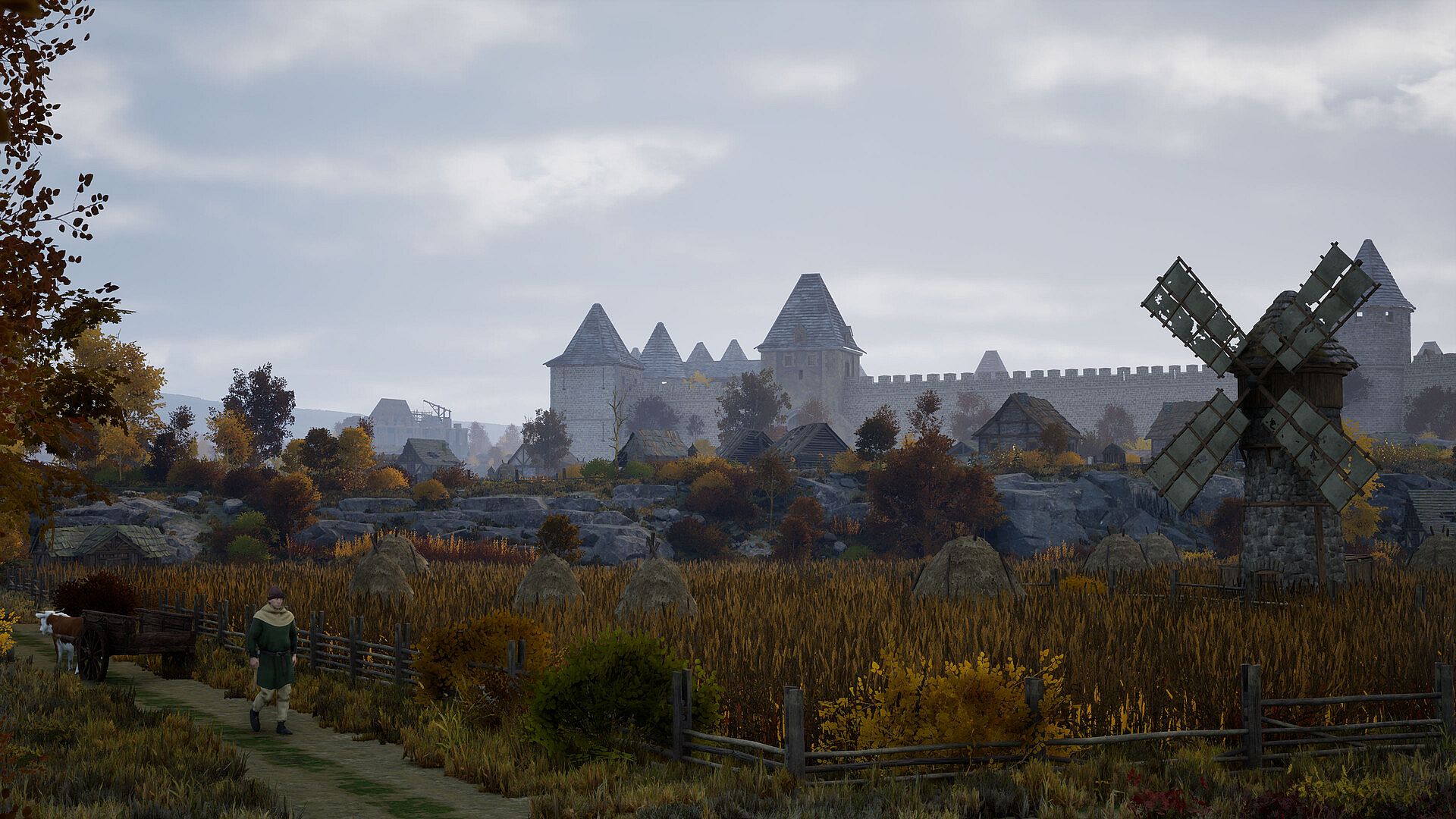
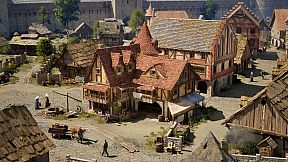
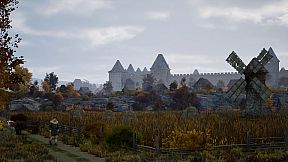
State-of-the-art visuals render bustling marketplaces, active workshops, and historic architecture with high fidelity, enhancing the sense of a responsive medieval world. New districts form and the city transforms visibly as player actions drive economic expansion and urban development.
Is It Worth Playing?
The full game enters Early Access on July 16, 2026, following a public demo that introduced core systems in the city of Kuttenberg with starter professions limited to alchemist, smith, and innkeeper. The demo received mixed feedback, with roughly 46 percent of reviews rating the experience positively. Players who enjoy methodical economic simulations, dynasty management, and layered political systems may find the upcoming Early Access version appealing once additional content and refinements arrive through community-supported updates. Those seeking faster-paced action or highly narrative-driven stories should consider waiting for more substantial post-launch feedback before committing.