







Sunkeeper is a cosmic idle game in the indie casual genre for PC. It places players in control of a growing solar system that evolves from a single faint star into a vibrant collection of orbiting worlds filled with developing civilizations.
Gameplay
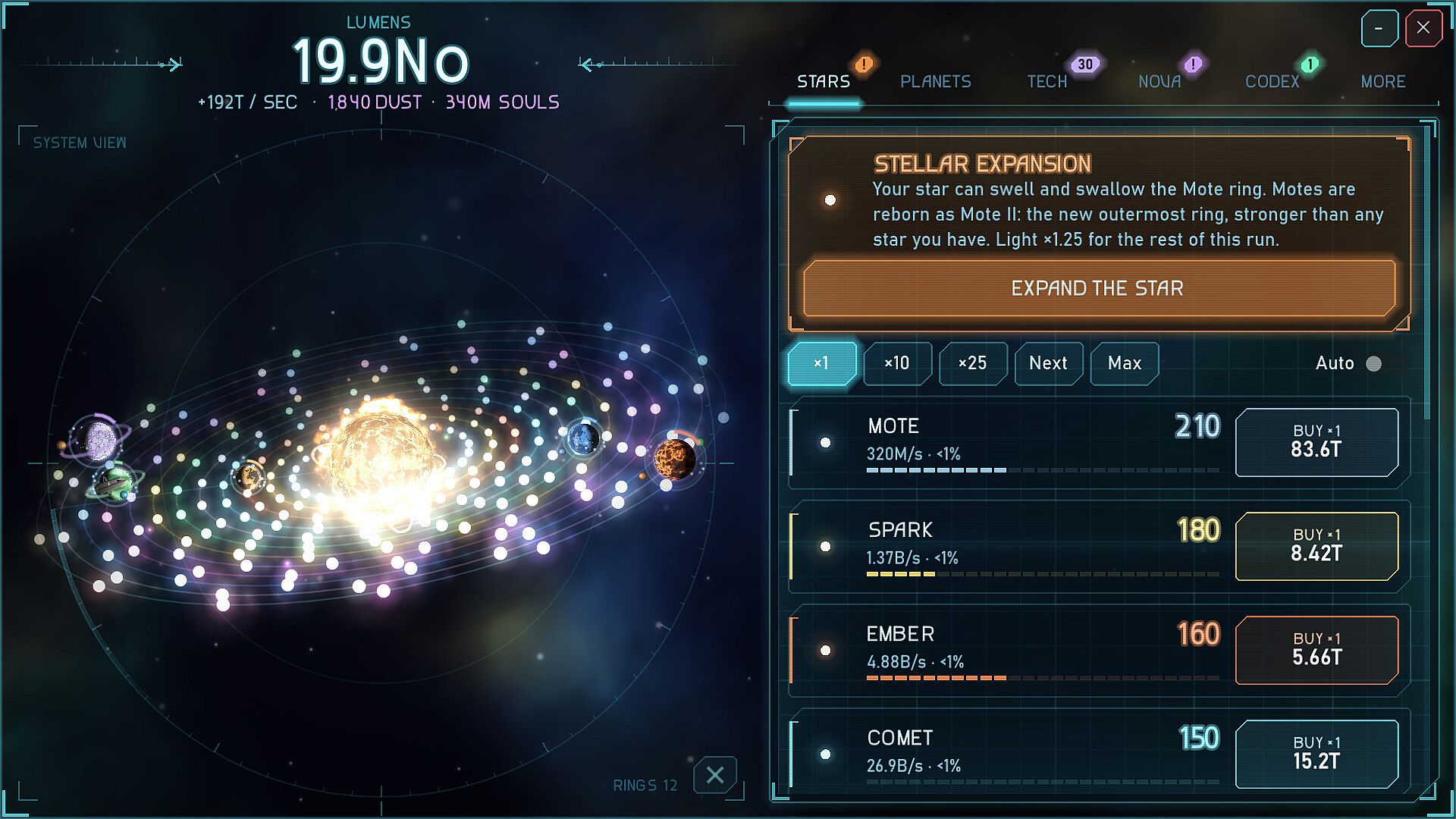
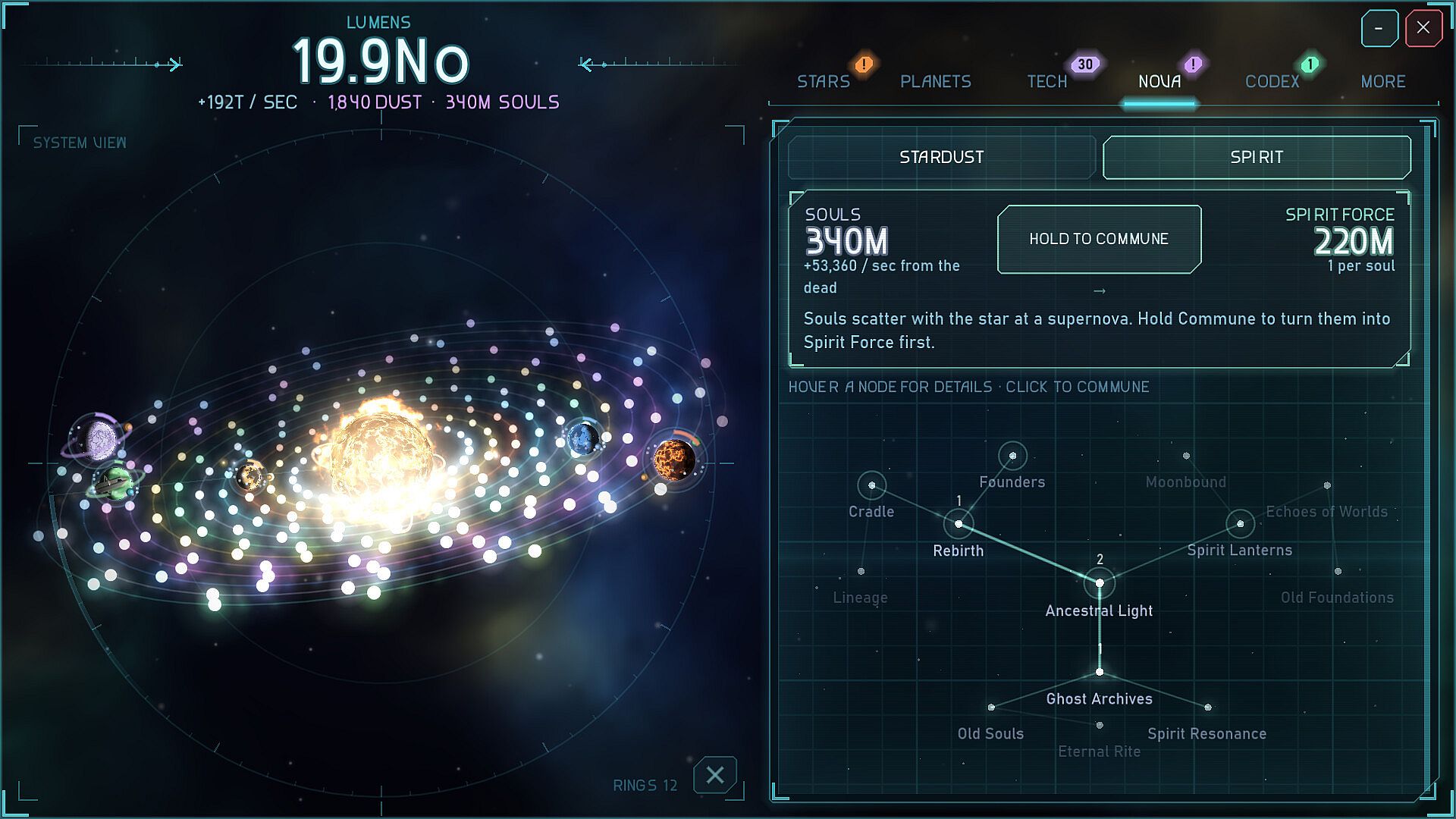
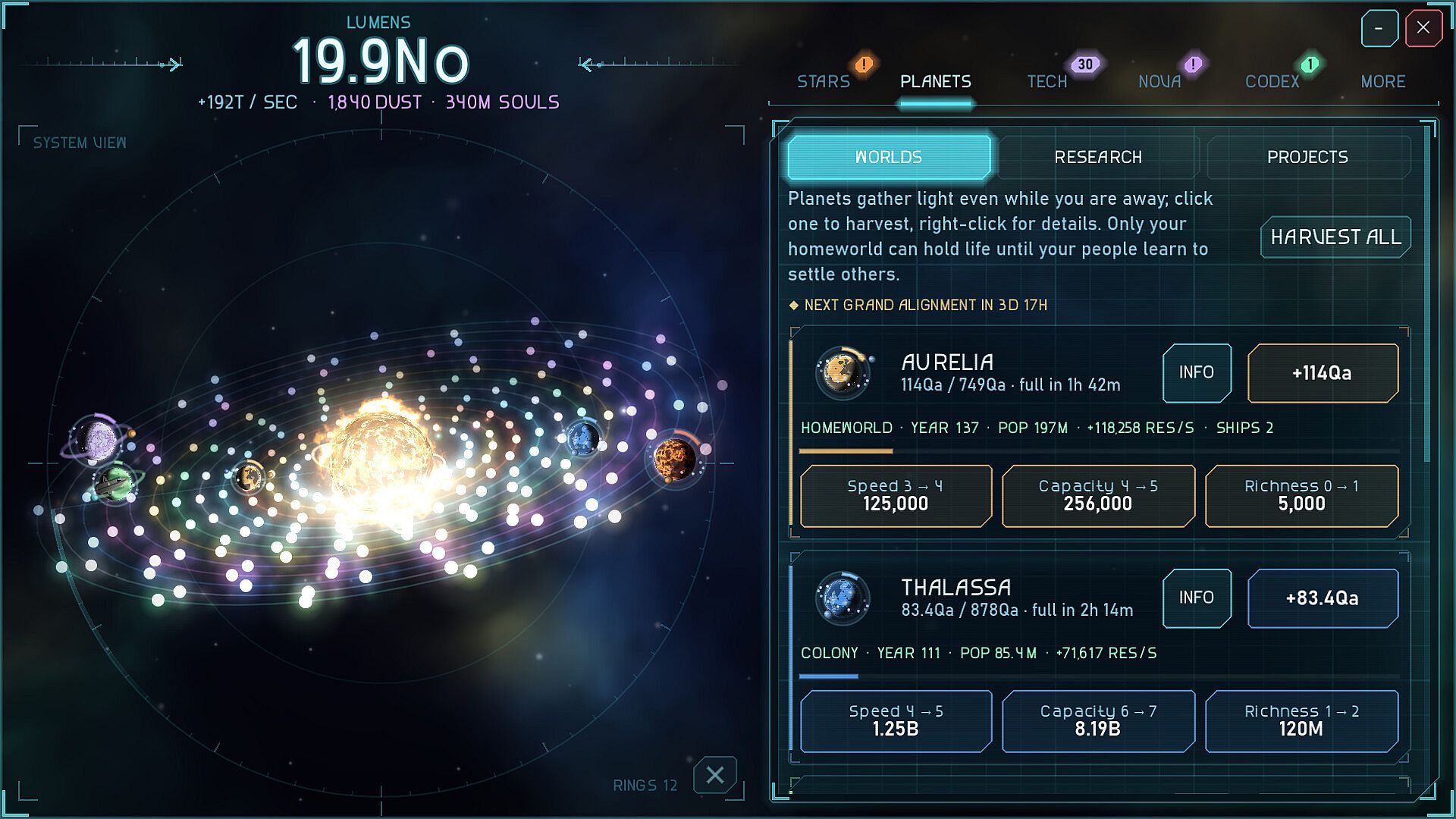
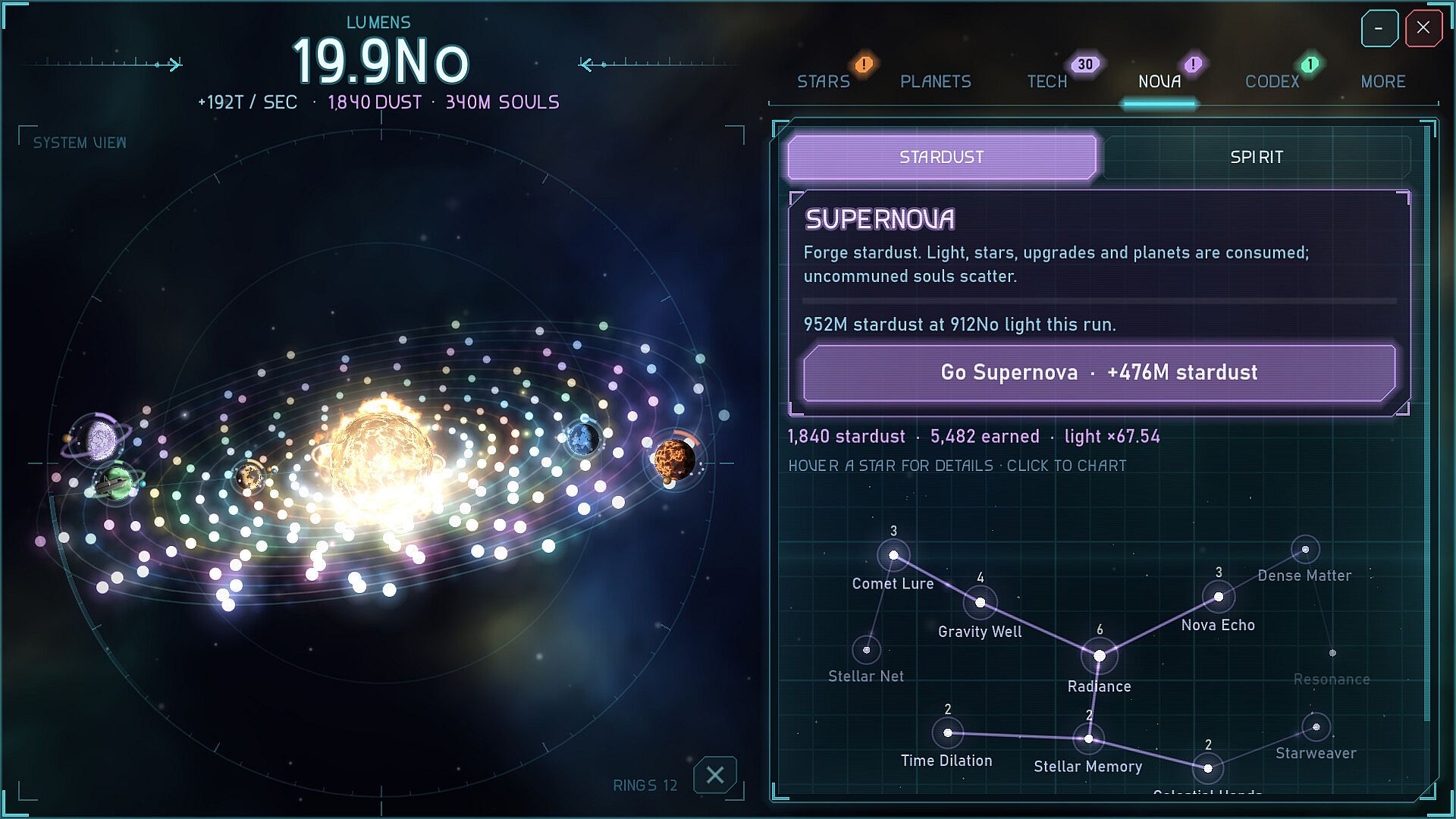
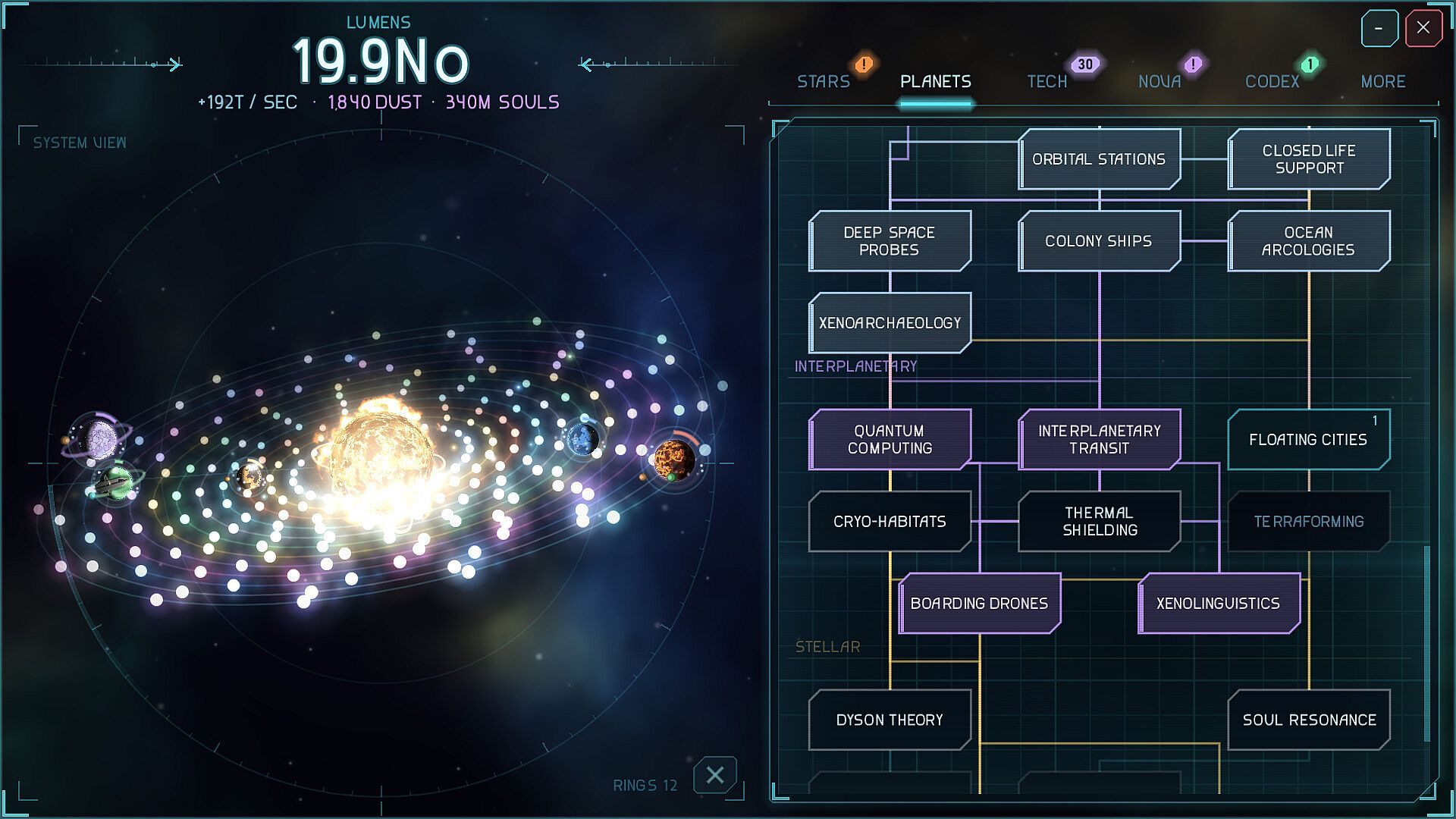
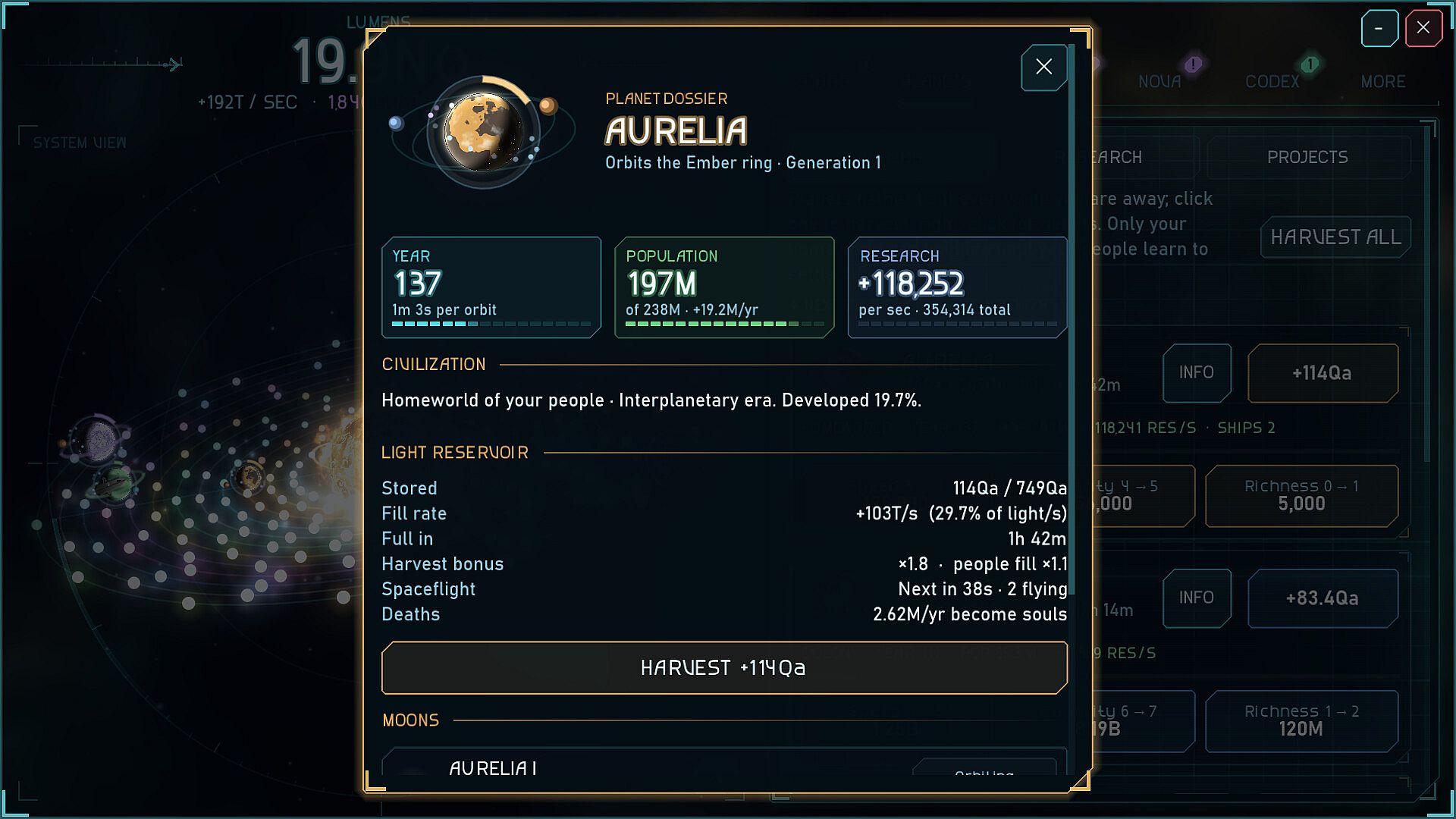
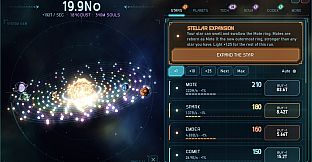
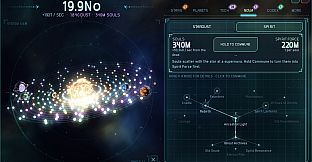
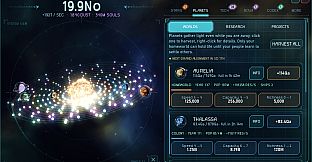
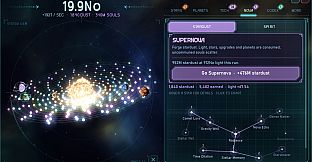
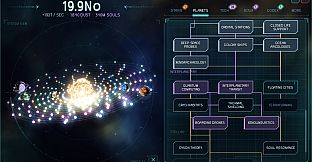
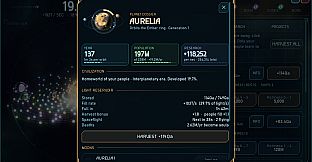
The core loop centers on tapping to ignite the initial star and then managing its expansion across twelve rings of stars. Each ring grows in light output as it advances, with options to expand the sun itself or trigger a supernova that resets the run while preserving permanent elements like constellations and spirit progress. Planets begin with small populations and advance through seven eras via a technology tree of forty items, supported by real-time research that continues during offline periods. Mega-projects such as the Great Library and Dyson Swarm appear in orbit as development proceeds, accompanied by visual changes including city lights, auroras, and ring stations.
Rites activate during specific celestial events like planetary transits or comet passages, offering timed power bursts that combine with shooting star catches and cascades for multiplying bonuses. The combo meter tracks chained actions, and occasional corona frenzies multiply click value dramatically for short windows. A separate stellar nursery allows planting and crossbreeding fourteen varieties of protostars for lasting bonuses, with the grid expanding over time even when the game runs in the background.
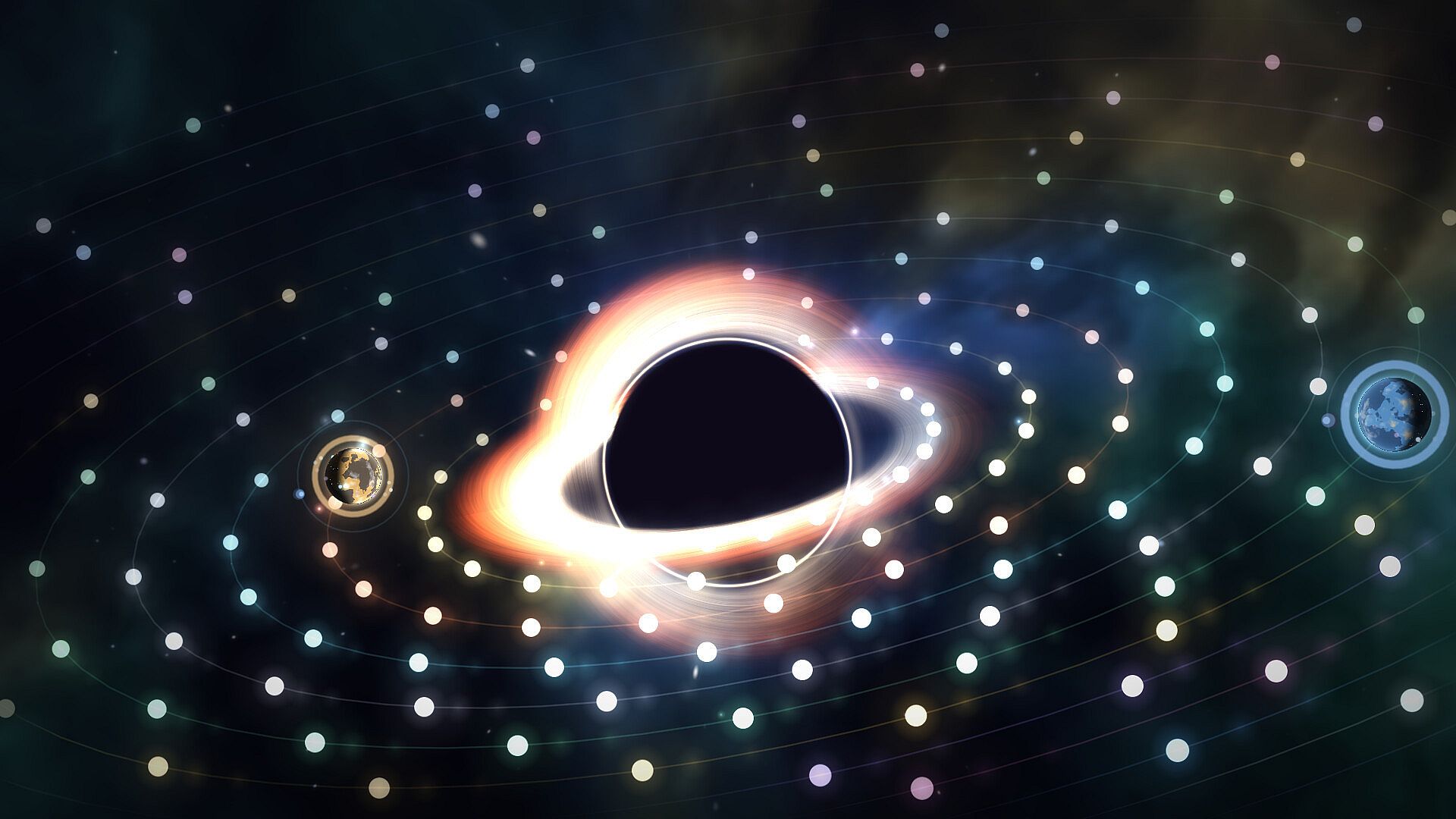
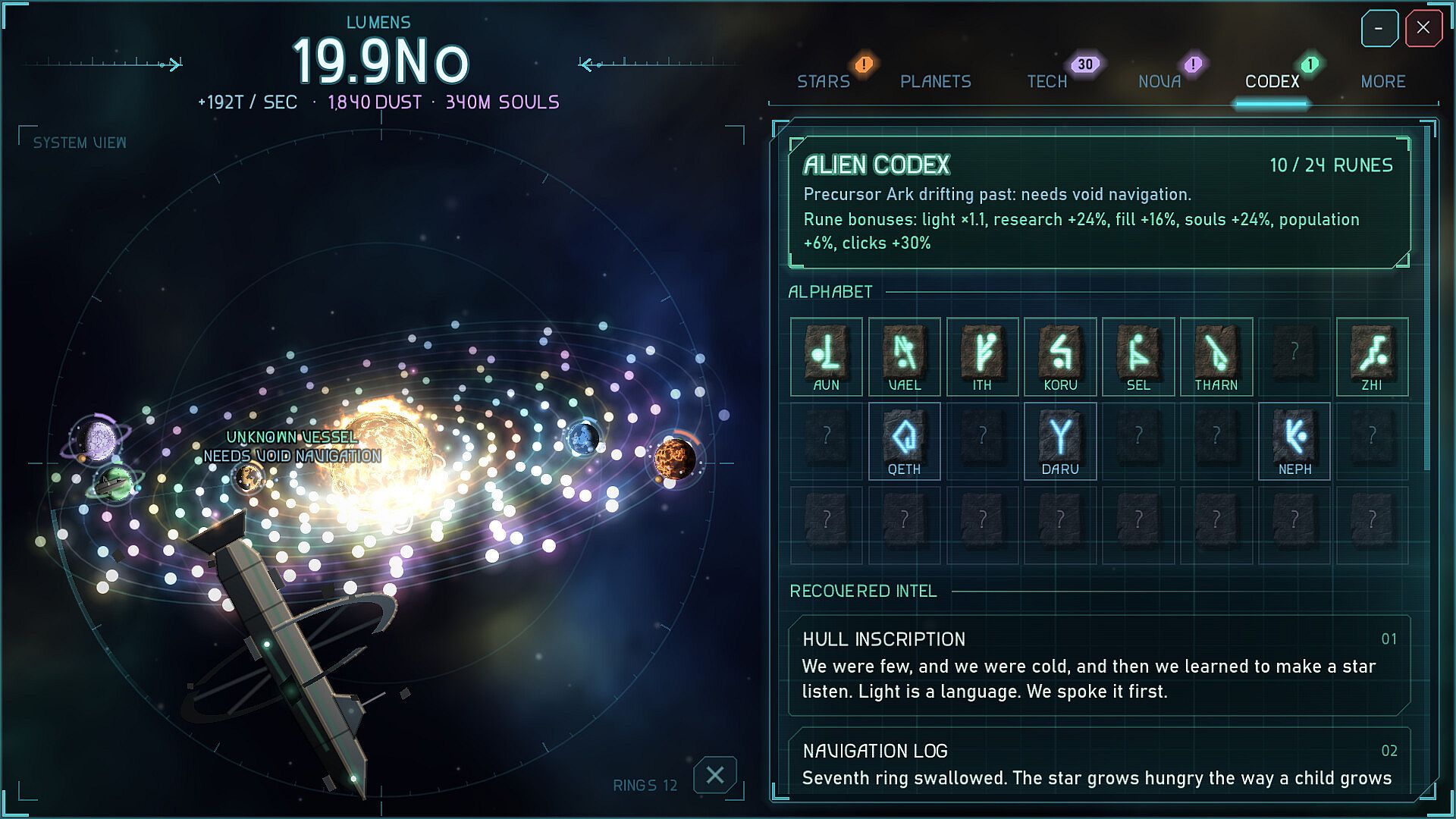
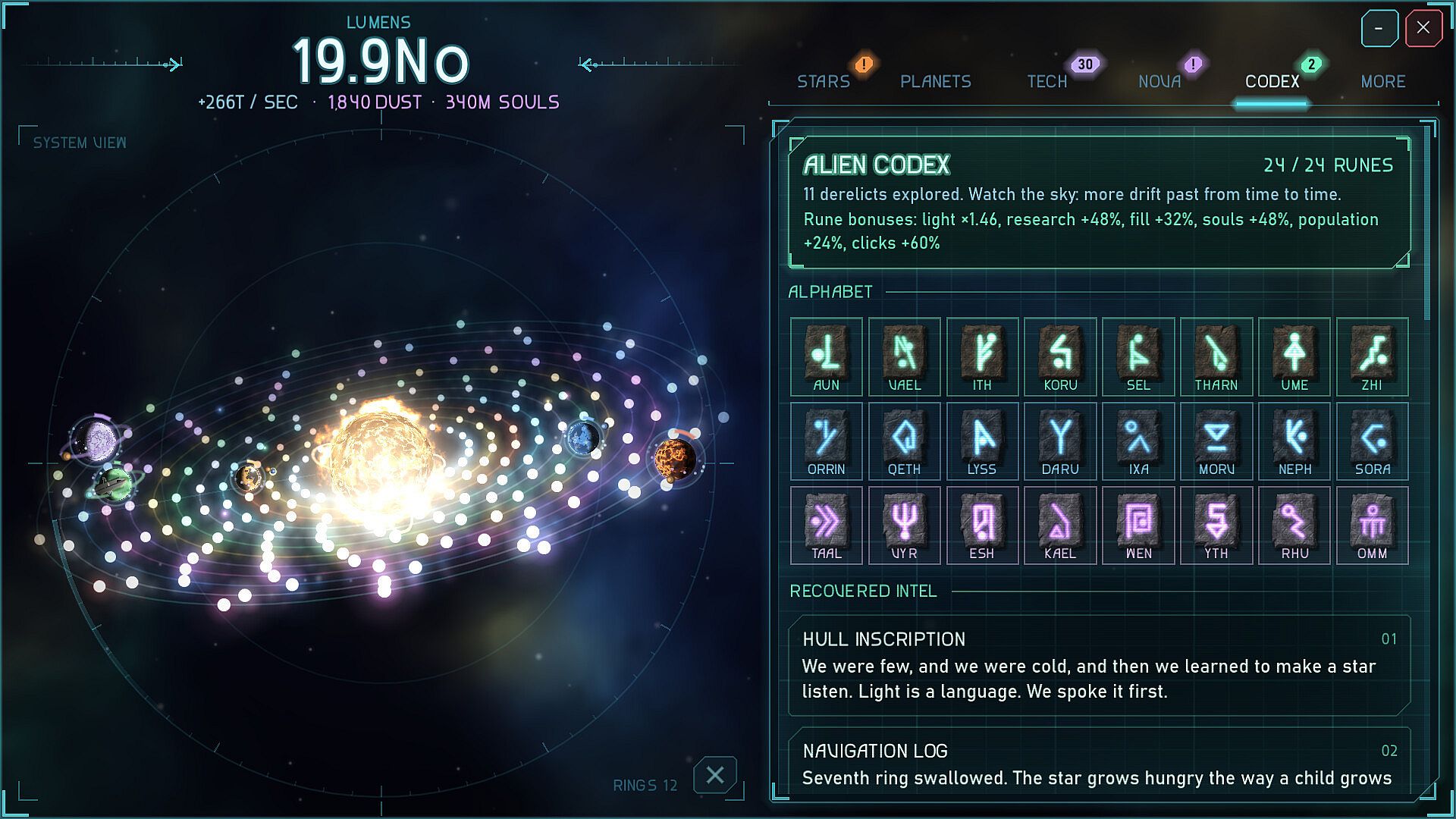
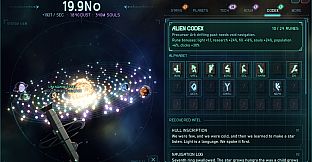
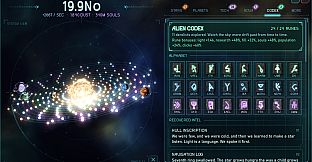
Additional systems include drifting derelict ships that yield runes forming a lost alphabet and encrypted records once boarding technology is researched. Completing the alphabet unlocks a black hole phase with altered visuals and multiverse access, where multiple systems can be tended simultaneously using quanta to adjust constants across runs.
Game Modes
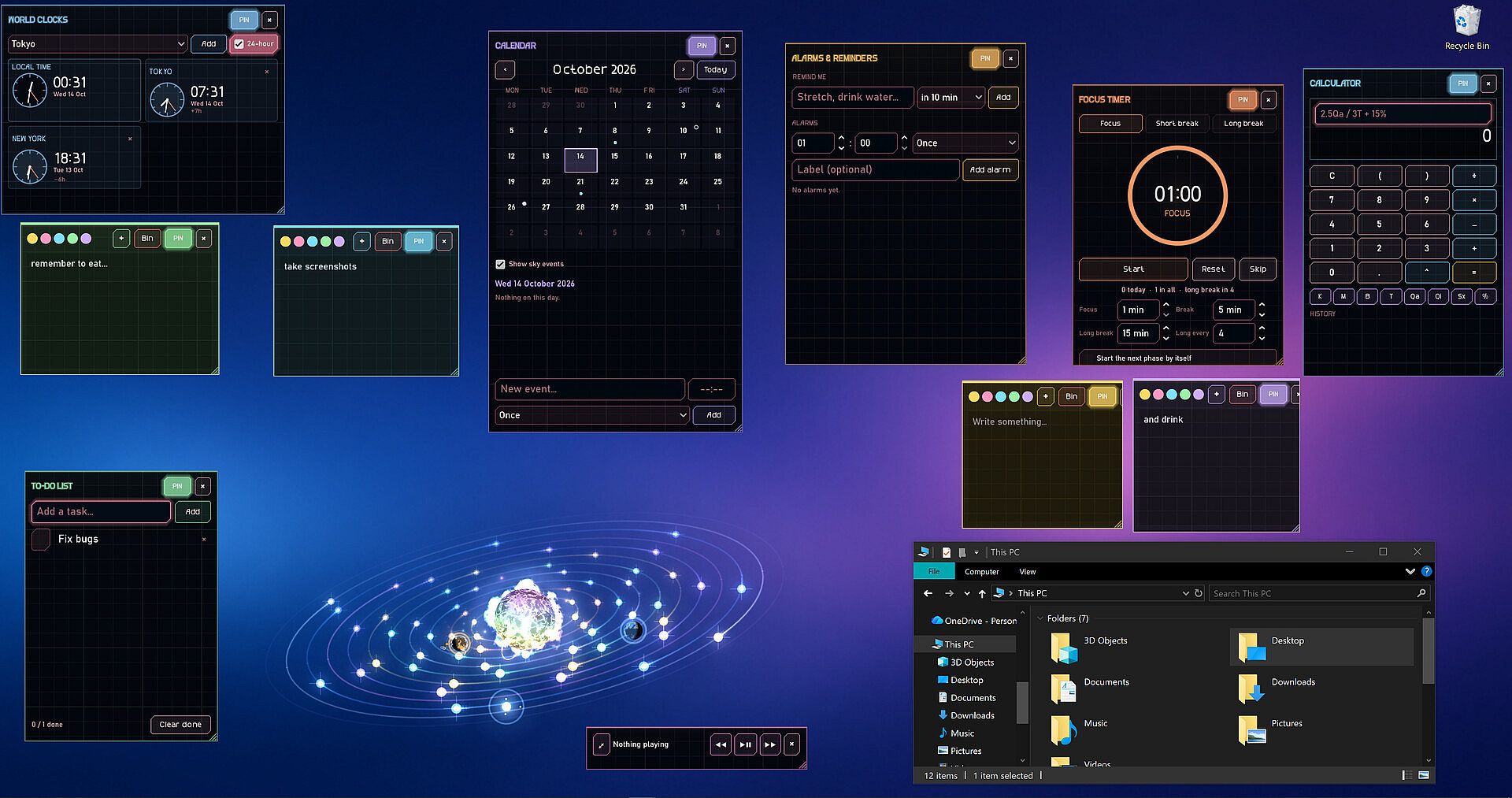
Speedrun mode adds a visible run timer and supports leaderboards for competitive timing of progression milestones. Desktop mode removes the window frame entirely, rendering the sun, planets, and orbits directly over the wallpaper for seamless integration with other applications. Players can zoom the view and interact through empty space without disrupting underlying programs.
The game supports both idle and active styles through resizable windows, always-on-top options, and low background frame rates. Offline progress keeps planets advancing, research completing, and the nursery maturing regardless of whether the main view is open.
Visuals and Atmosphere
Animated solar flames, flowing magma effects, and bloom lighting enhance the central star, while eight nebula palettes allow customization of the background sky. Photo mode captures moments of alignment, meteor showers, solar storms, and rare visitors such as a star leviathan or distant galaxies. Frost effects on the lens and Grand Alignments of founding worlds appear only during live observation, reinforcing the sense of a living system.
Companion Tools
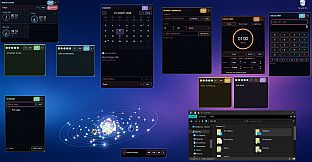
Separate helper windows styled to match the game provide practical utilities that run independently. These include a focus timer, calculator, to-do list, sticky notes, a music player supporting local folders with media key integration, world clocks with alarms, and a calendar that incorporates both personal events and real astronomical occurrences such as meteor peaks and lunar phases.
Is It Worth Playing?
Sunkeeper suits players who enjoy idle progression games that operate quietly in the background while offering depth for active sessions. Its combination of offline advancement, permanent upgrades across runs, and desktop integration makes it particularly appealing for those who want a cosmic simulation that persists without constant attention. The branching technology tree, rite timing challenges, and nursery crossbreeding add layers of strategy for engaged play, while the companion tools extend its utility beyond pure entertainment. Controller support and a full set of achievements further broaden accessibility for different preferences. Those seeking a relaxing yet mechanically rich experience that evolves over real time will find its systems rewarding without demanding full focus at all times.











