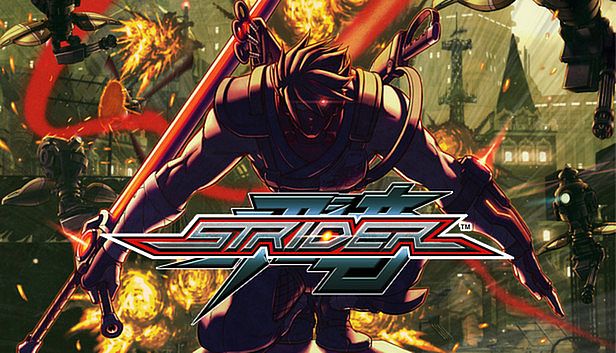



















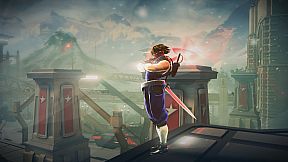
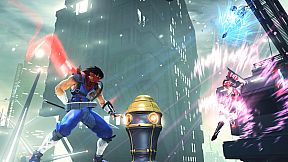
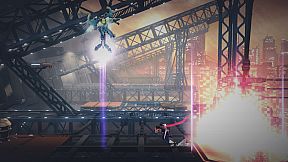
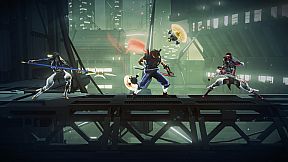
Strider is a 2D side-scrolling action-adventure game that places players in control of the ninja assassin Hiryu as he infiltrates a sprawling futuristic metropolis to confront Grand Master Meio. The title blends precise platforming with rapid combat in an interconnected environment that encourages exploration and aggressive movement. Released for PC in 2014, it revives the classic Strider character with updated visuals and mechanics while preserving the core focus on speed and agility.
Gameplay
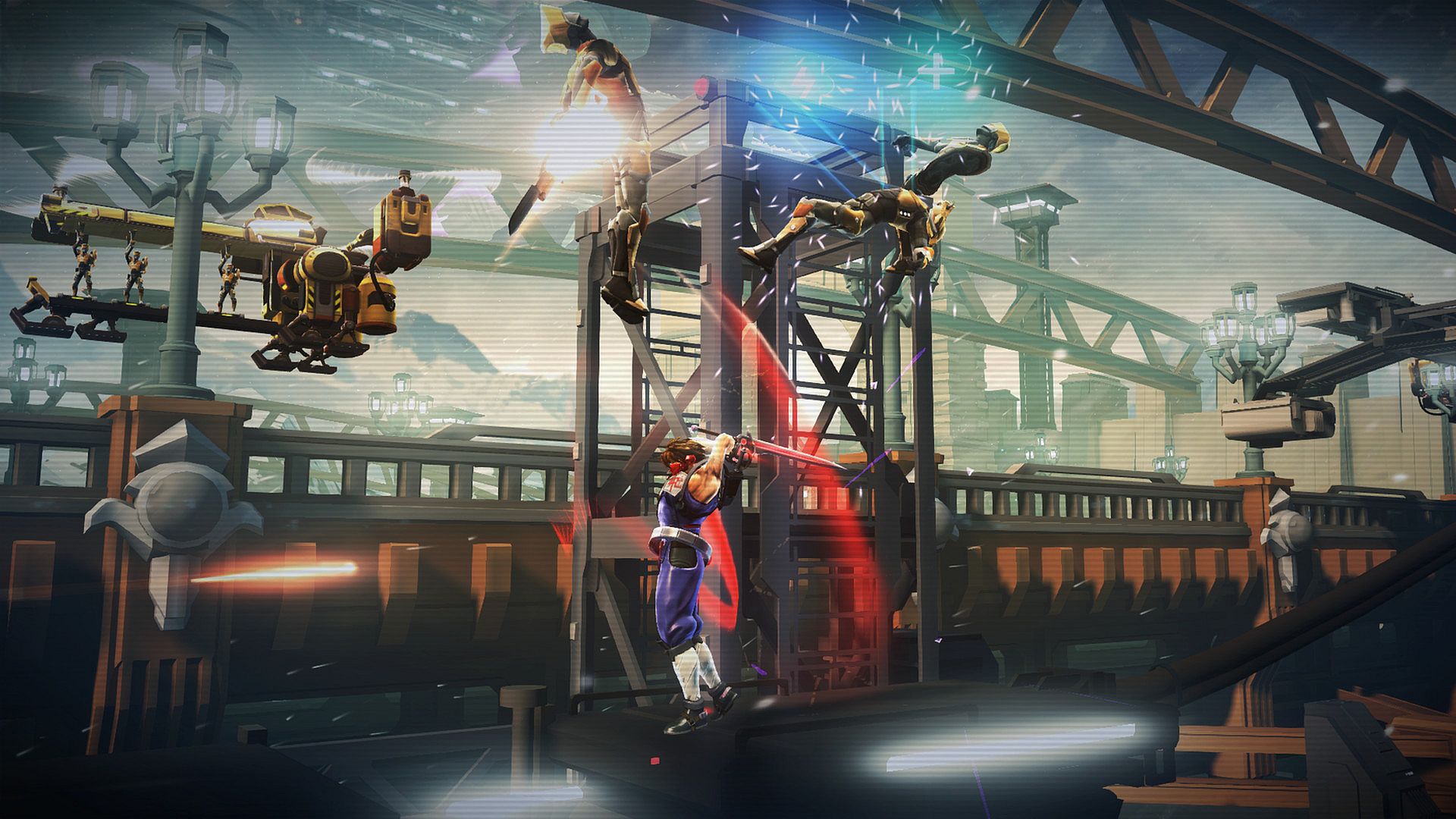
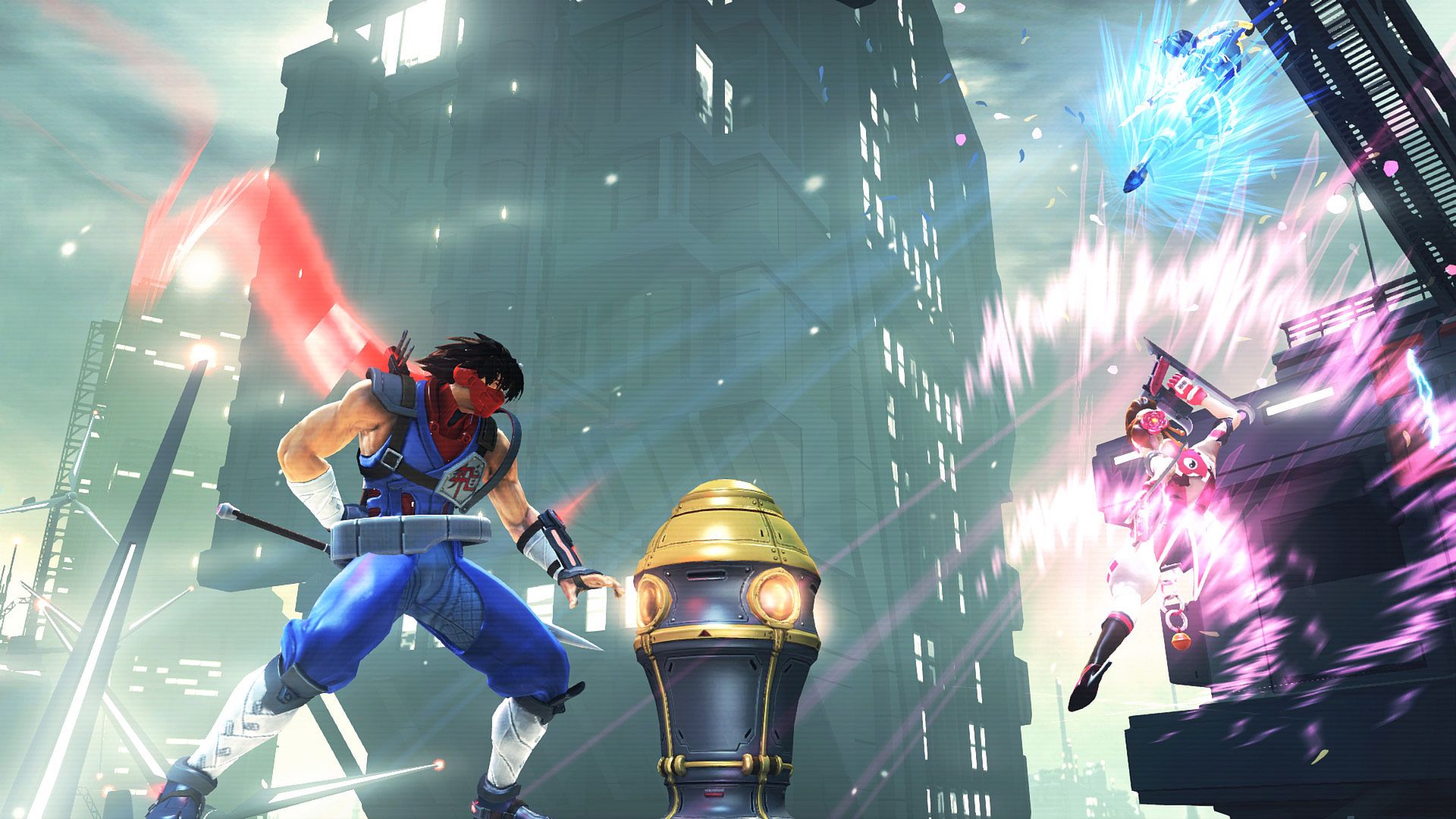
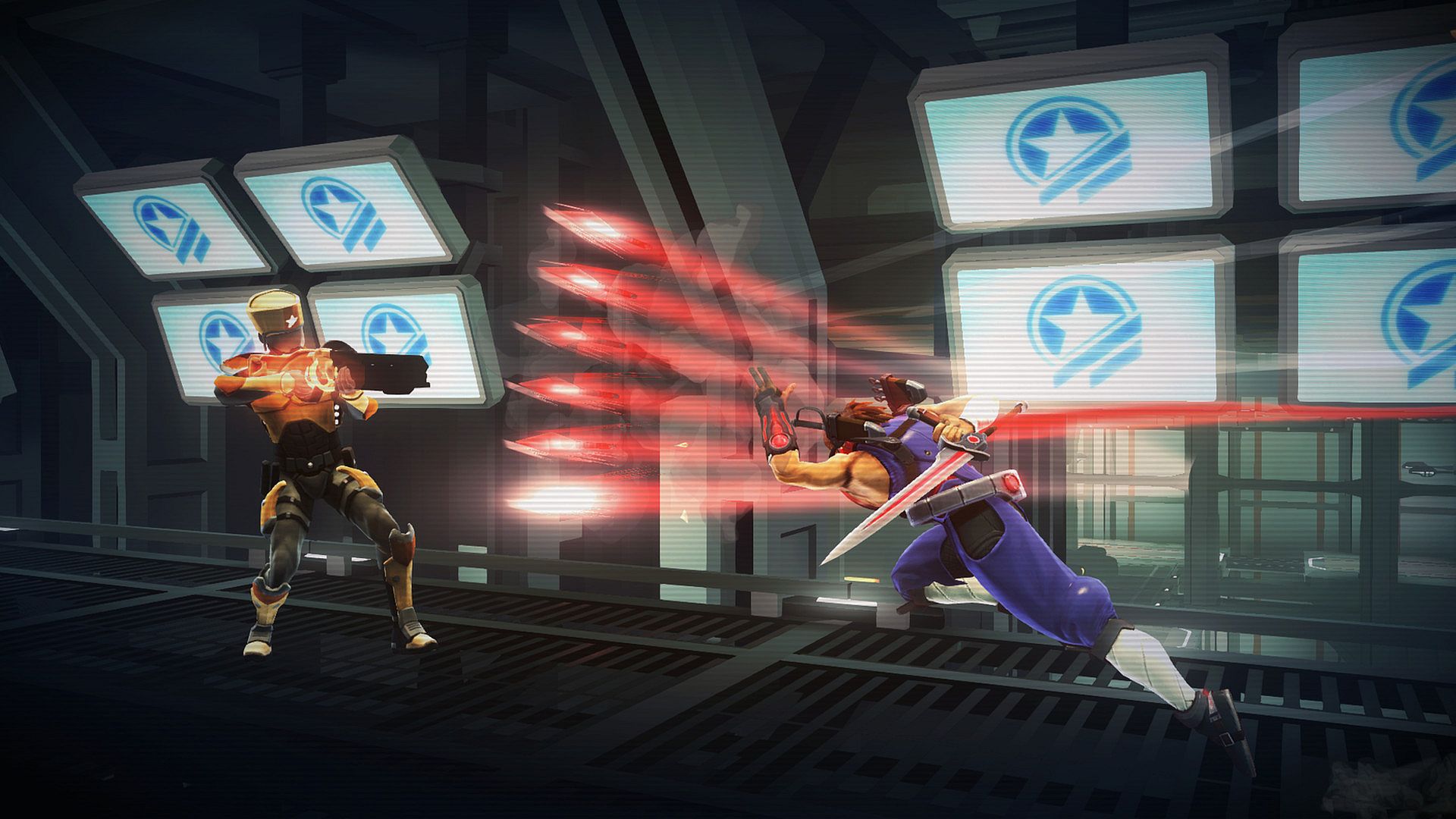
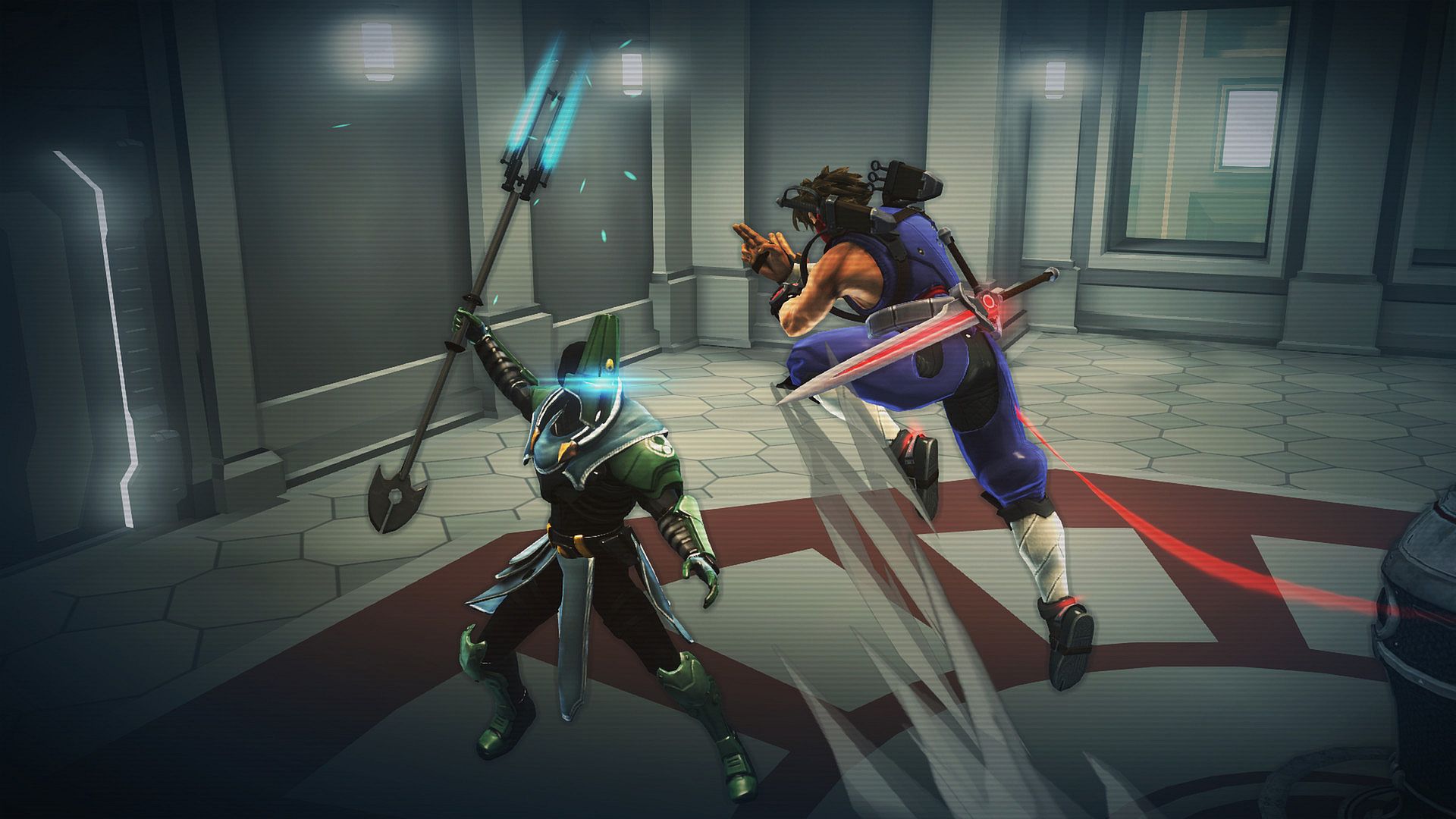
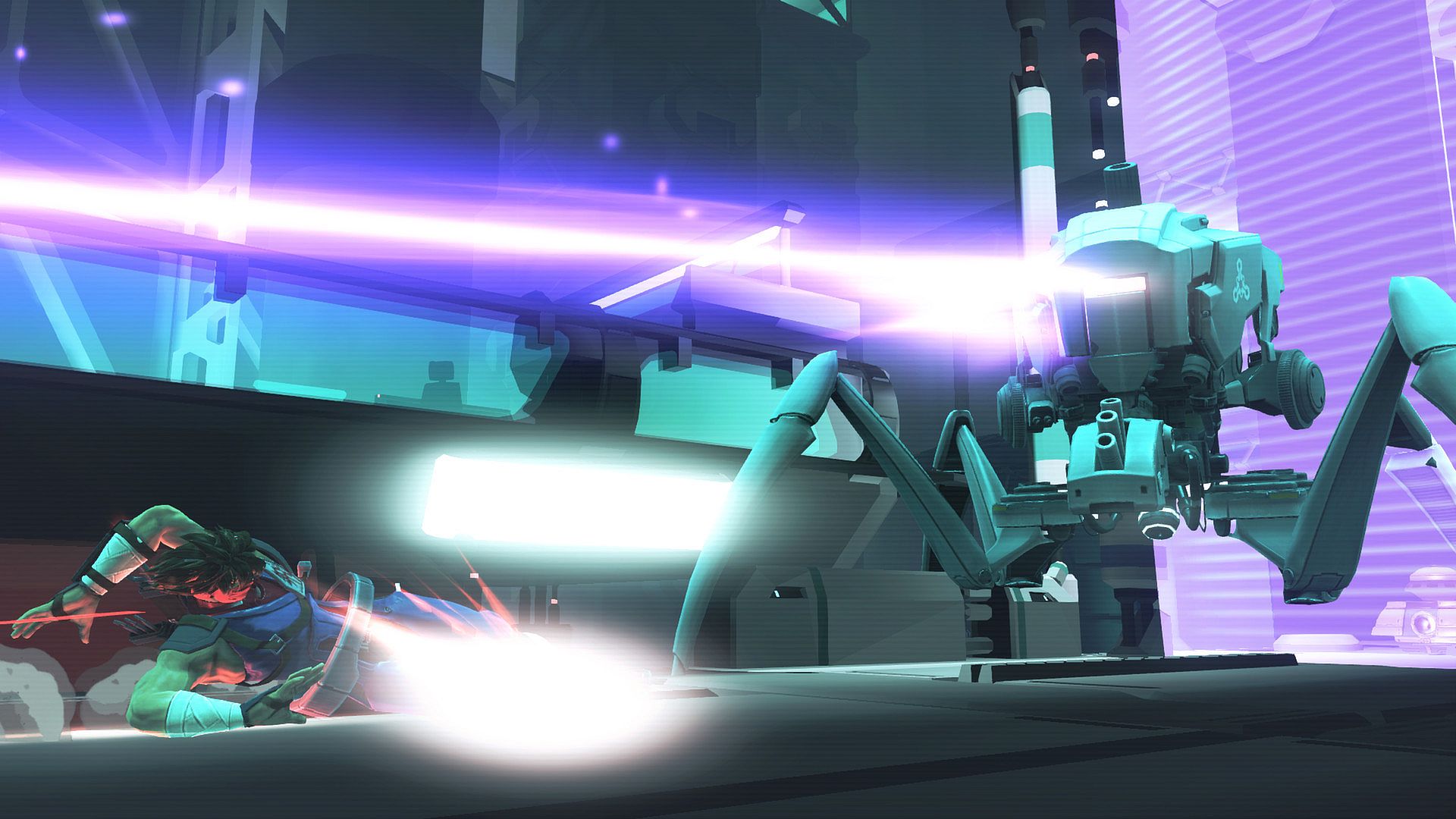
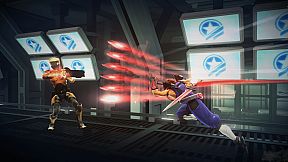
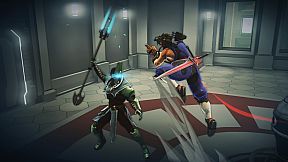
Combat centers on the plasma cypher, a versatile weapon that supports multiple attack styles. Players can switch between scorching flames, freezing blasts, and bullet deflection to handle different threats efficiently. Basic attacks chain into combos, while special maneuvers allow Hiryu to slice through groups of foes or strike from unexpected angles. The system rewards timing and positioning rather than complex button sequences.
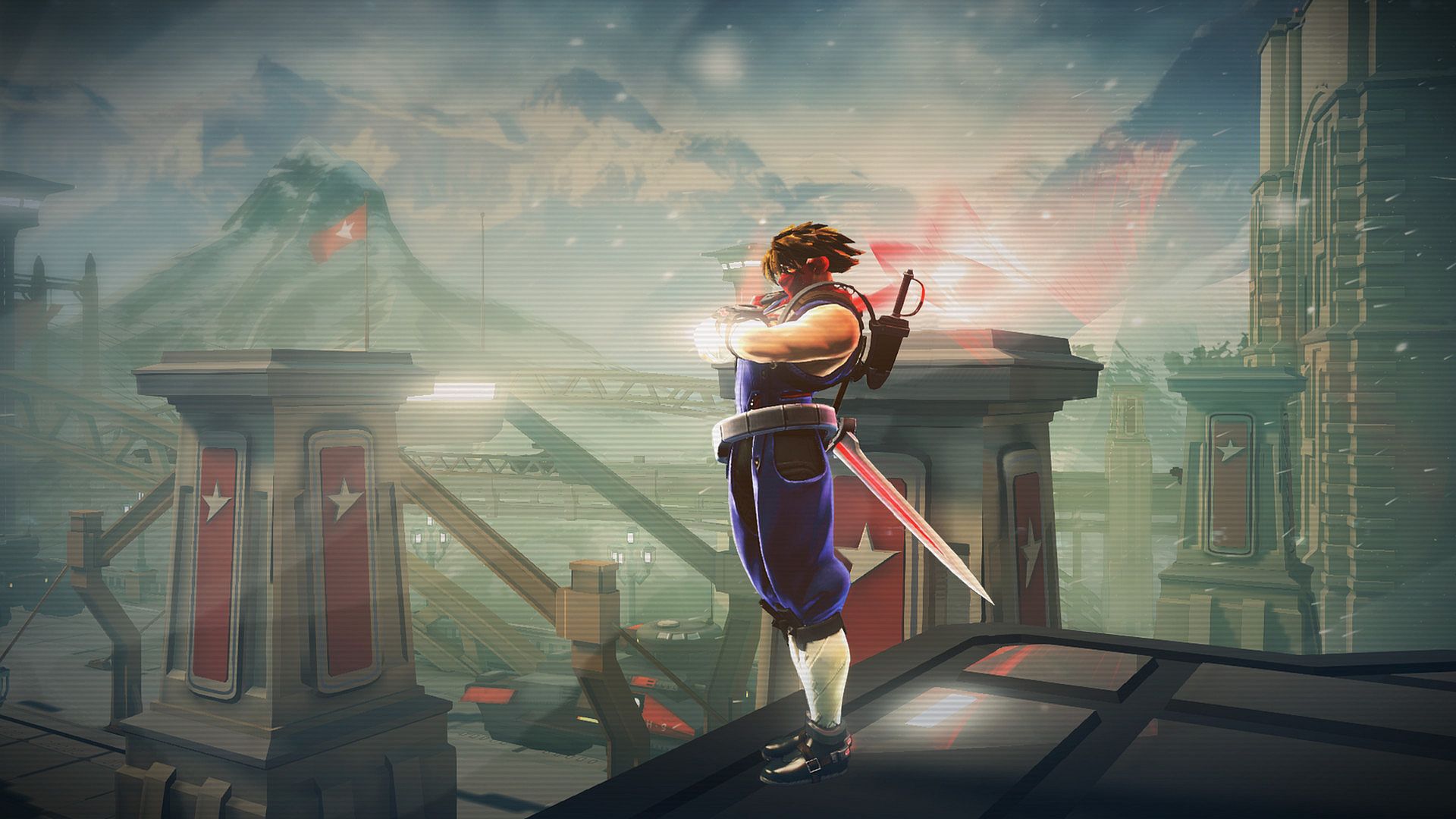
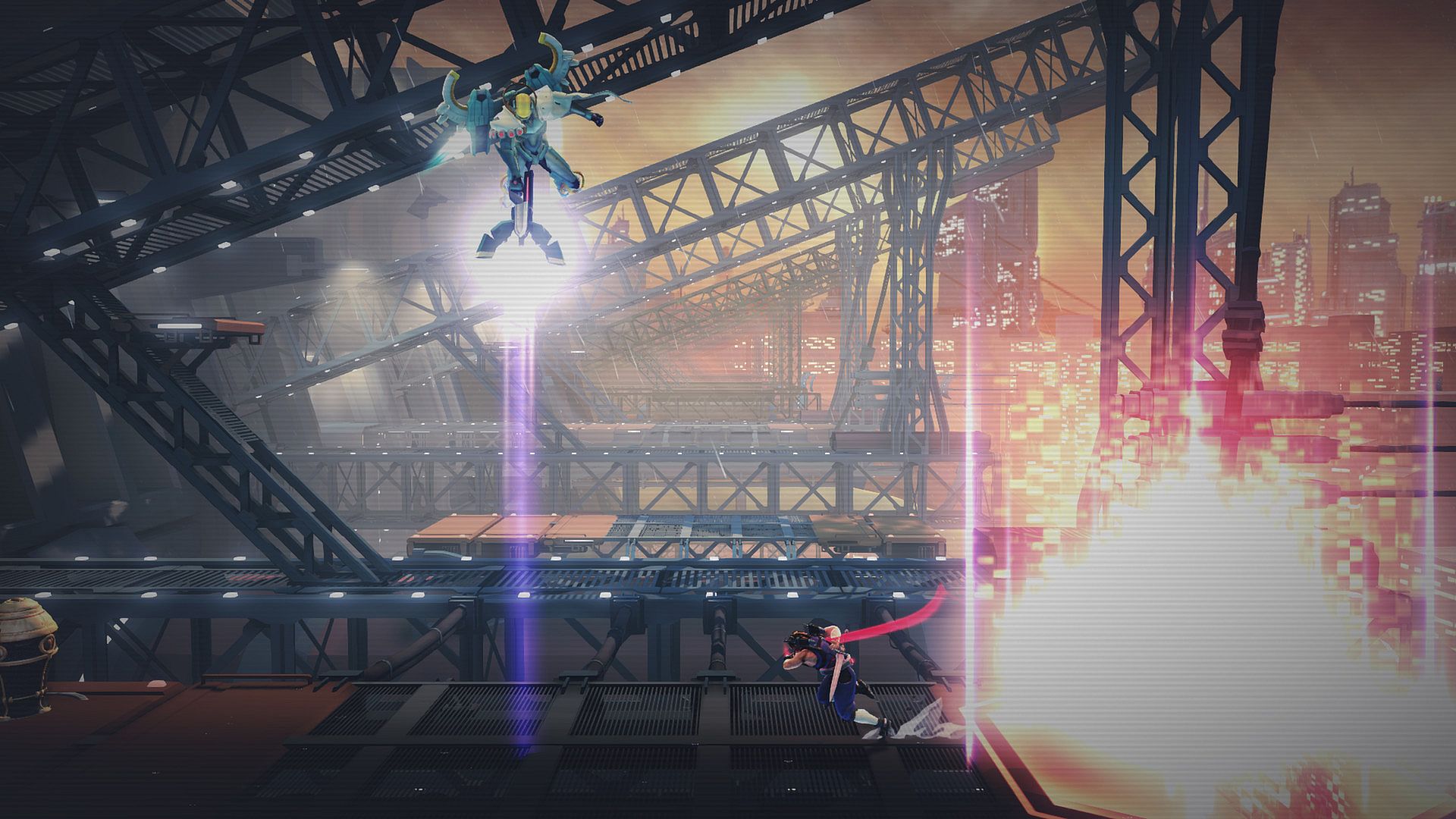
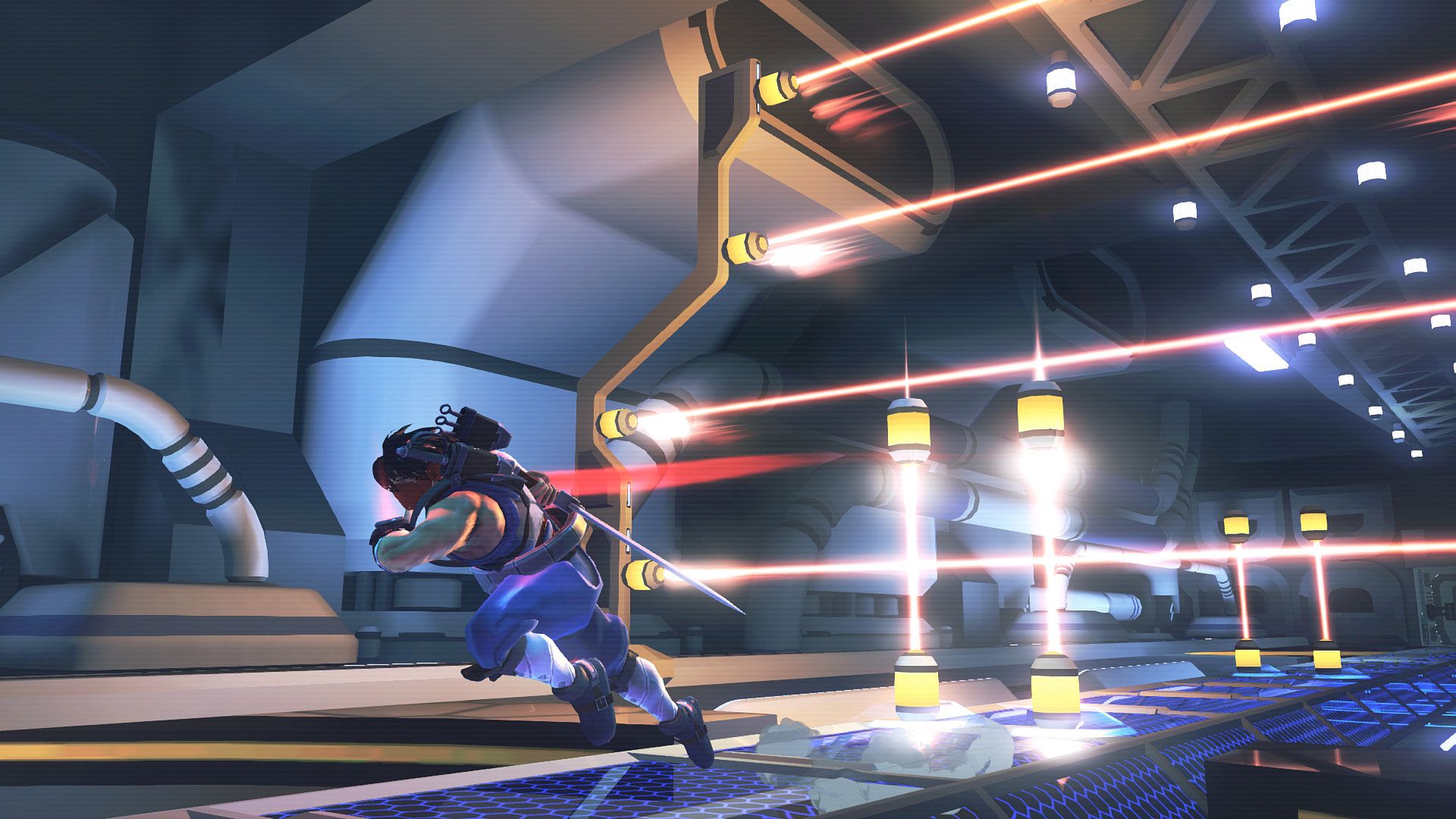
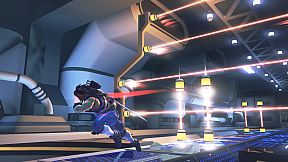
Traversal forms the other half of the loop. Hiryu runs, jumps, and climbs across walls and ceilings with fluid ninja-like speed. The world design connects areas vertically and horizontally, letting players backtrack or approach objectives from multiple directions once new abilities or paths open. This structure creates natural progression without rigid level gates.
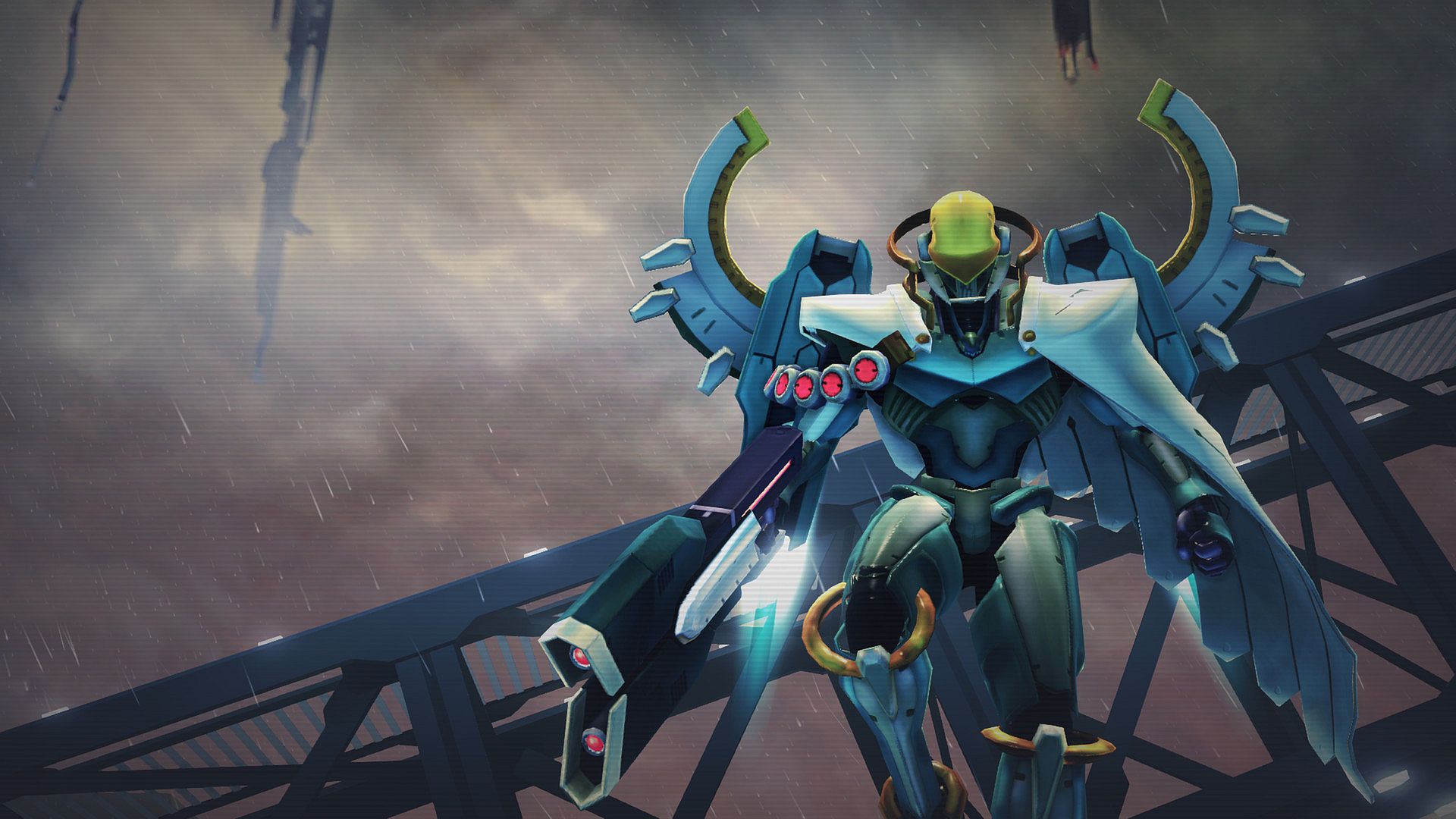
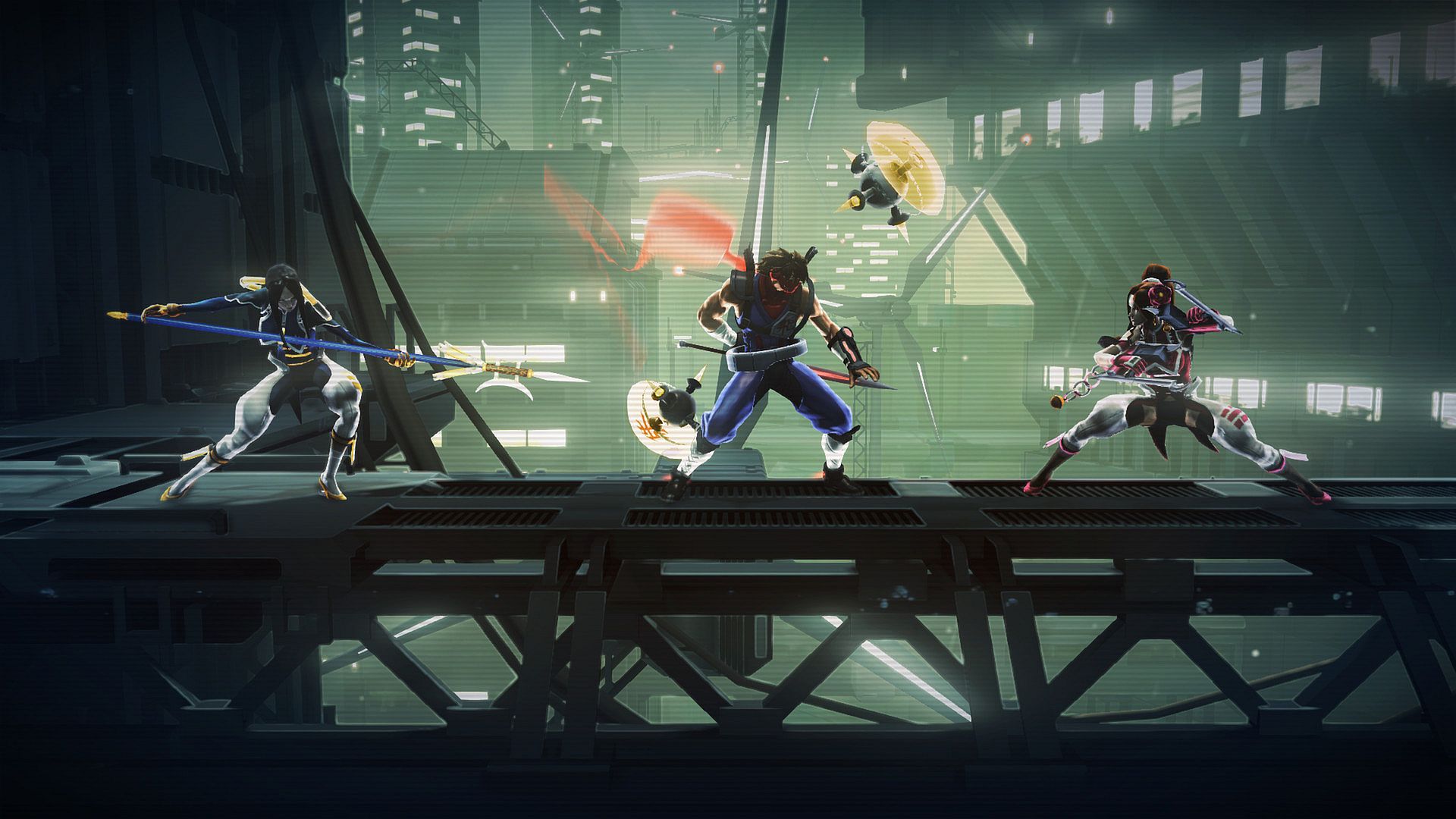
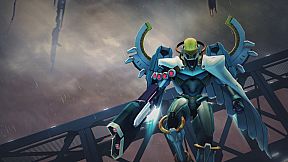
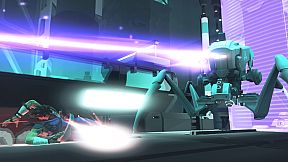
Enemies range from standard cybernetic soldiers to larger bio-mechanical creatures. Each type demands adjusted tactics, such as using freeze effects on fast targets or deflecting projectiles from ranged units. The interconnected layout means combat often occurs in the middle of movement sequences, keeping encounters dynamic.
Game Modes
Story mode serves as the primary experience. It features three difficulty settings that adjust enemy aggression and damage output while keeping the same core objectives and world layout. Completion times typically fall between four and six hours on a first playthrough, with additional time available for collecting upgrades and exploring optional routes.
Two challenge modes become available after progress in the main campaign. Beacon Run tasks players with racing through enemy-filled sections to reach checkpoints as quickly as possible. Survival pits Hiryu against successive waves of opponents, testing endurance and resource management. Both modes support score tracking and global leaderboards for competitive play.
Progression and Customization
Players unlock new abilities and upgrades by locating items scattered throughout the world. These enhancements expand movement options and cypher functions, gradually increasing the range of viable strategies. Eleven alternate costumes, known as Fallen Striders, can be collected to change Hiryu's appearance, with a color customization feature unlocked once all are found.
The progression remains linear in its main path yet open in exploration. Backtracking reveals shortcuts and hidden areas that reward thorough play without requiring excessive grinding.
Is It Worth Playing?
Strider delivers a focused, high-speed action experience suited to players who enjoy tight platforming and responsive combat in a compact package. The interconnected world and varied enemy encounters provide consistent engagement across a short campaign, while the challenge modes add replay value through time trials and wave survival.
Reception has been generally favorable, with critics noting the polished controls and faithful update to the series' roots. The game runs smoothly on modern hardware and requires no additional purchases or ongoing support to enjoy its full content. Those seeking lengthy campaigns or multiplayer features may find the scope limited, but fans of classic side-scrolling action will appreciate the precise execution and lack of unnecessary complexity.
Overall, the title stands as a solid choice for short sessions or completionist runs, emphasizing skill over systems bloat. Its straightforward design makes it accessible yet demanding enough to encourage multiple attempts at higher difficulties or better challenge scores.