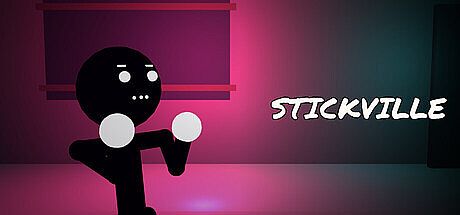


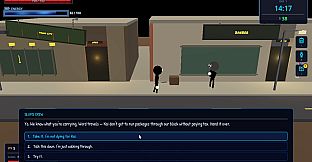
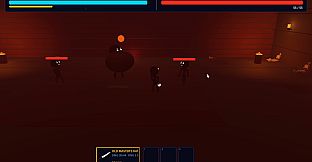
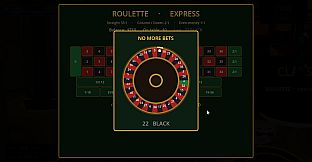
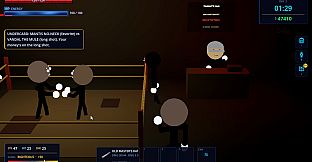
Stickville is a gritty 2.5D RPG for PC that combines life simulation with real-time brawling. Players begin broke in the slums of a stick-figure city and advance through honest work, crooked schemes, street fights, and high-stakes gambling to reach the neon-lit downtown towers.
Gameplay
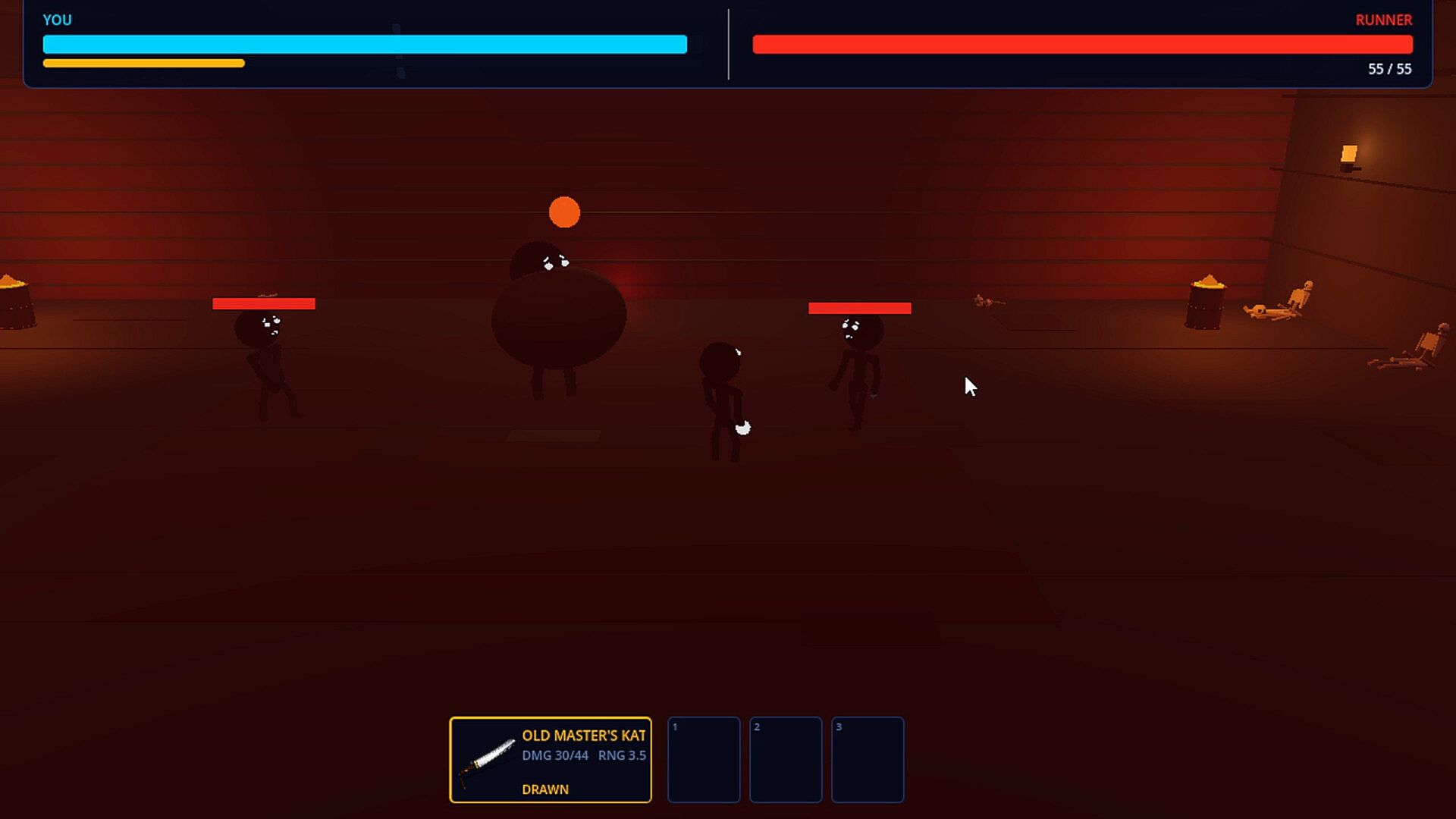
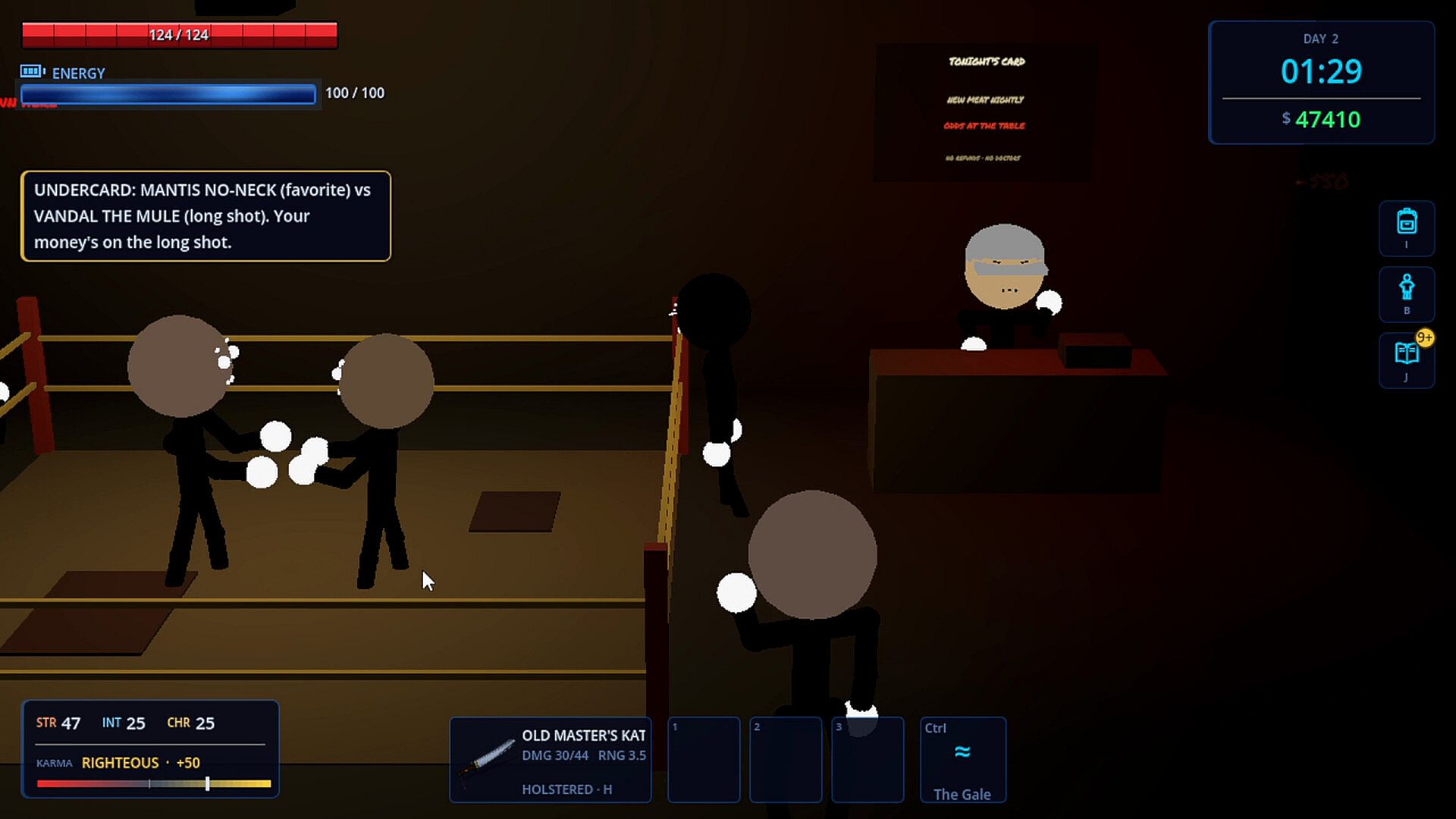
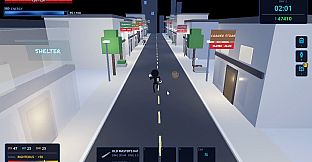
The core loop centers on survival and upward mobility in a city divided by wealth and reputation. Early progress involves taking low-paying jobs or riskier hustles to earn cash, then spending it on basic needs like a better mattress or simple furniture. Combat occurs in real time and relies on stamina management, positioning, and reading opponent movements. Players start with fists but can grab improvised weapons such as bats or blades found on the streets. A back-alley dojo teaches martial-arts techniques that expand the moveset over time. Overextending in a fight leads to fatigue, while desperation triggers an adrenaline surge that alters combat dynamics. Defeat does not end the run; the character wakes at home with reduced funds and new grudges that affect future encounters.
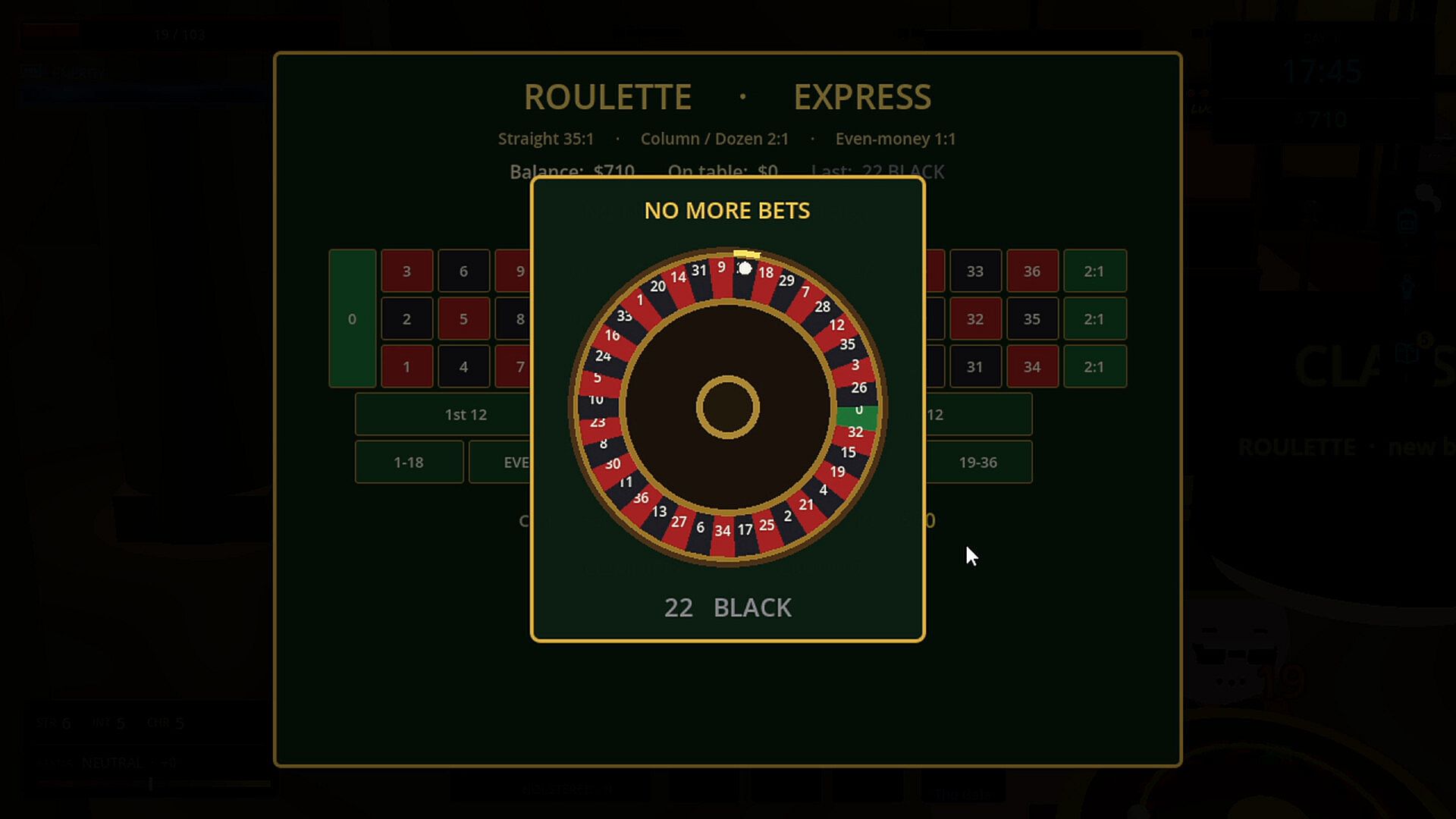
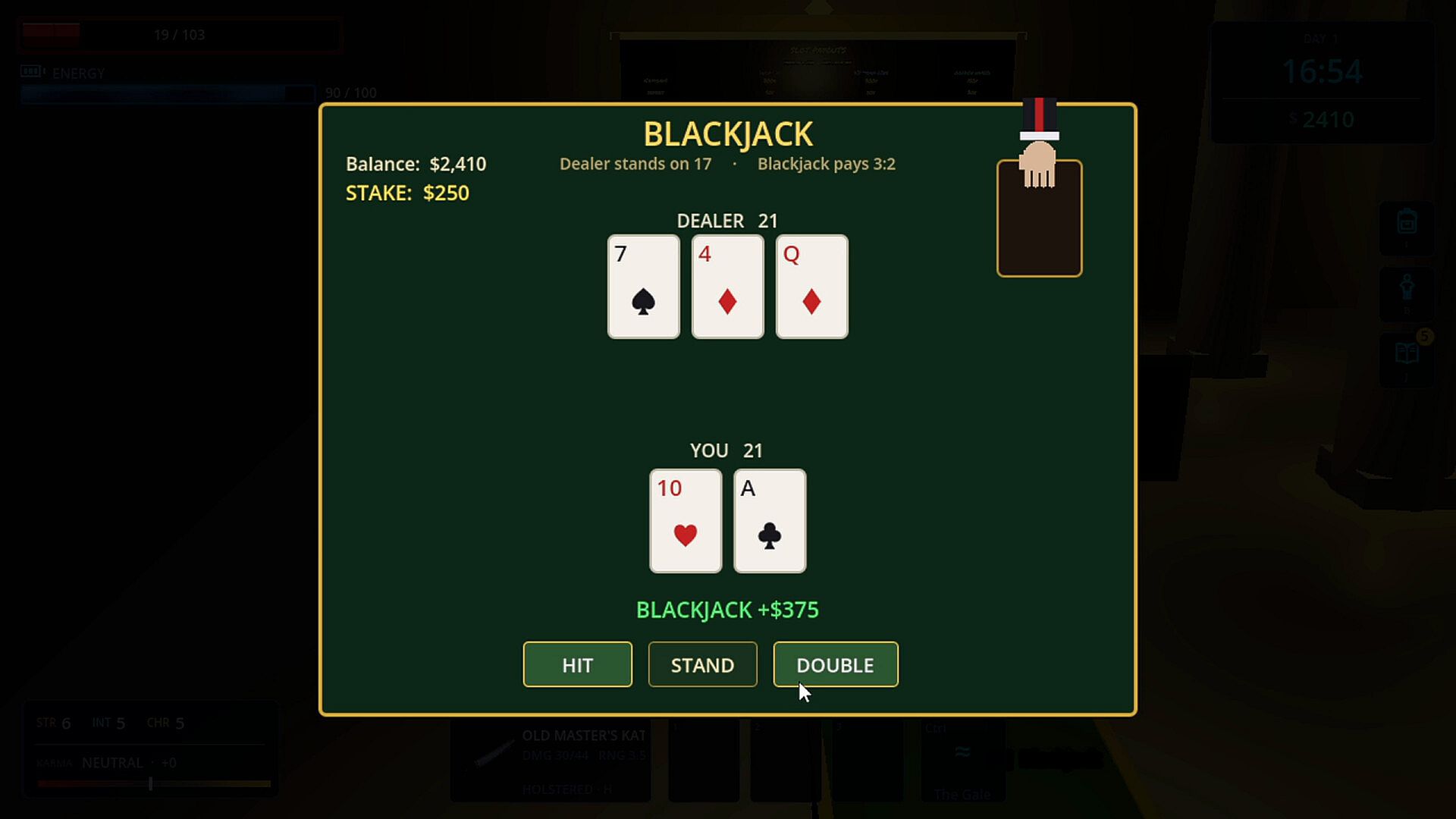
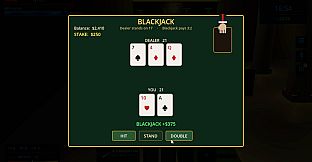
Gambling forms another major pillar. Tables require active observation rather than pure chance. Players watch for tells in dice games, shell games, or larger setups run by notable figures like the Countess. Success comes from spotting rigged mechanics and maintaining composure under pressure. Winnings fund further upgrades, including a scavenged computer for mining SLUMcoin and expanding a personal wardrobe that visibly changes how other characters react.
Game Modes
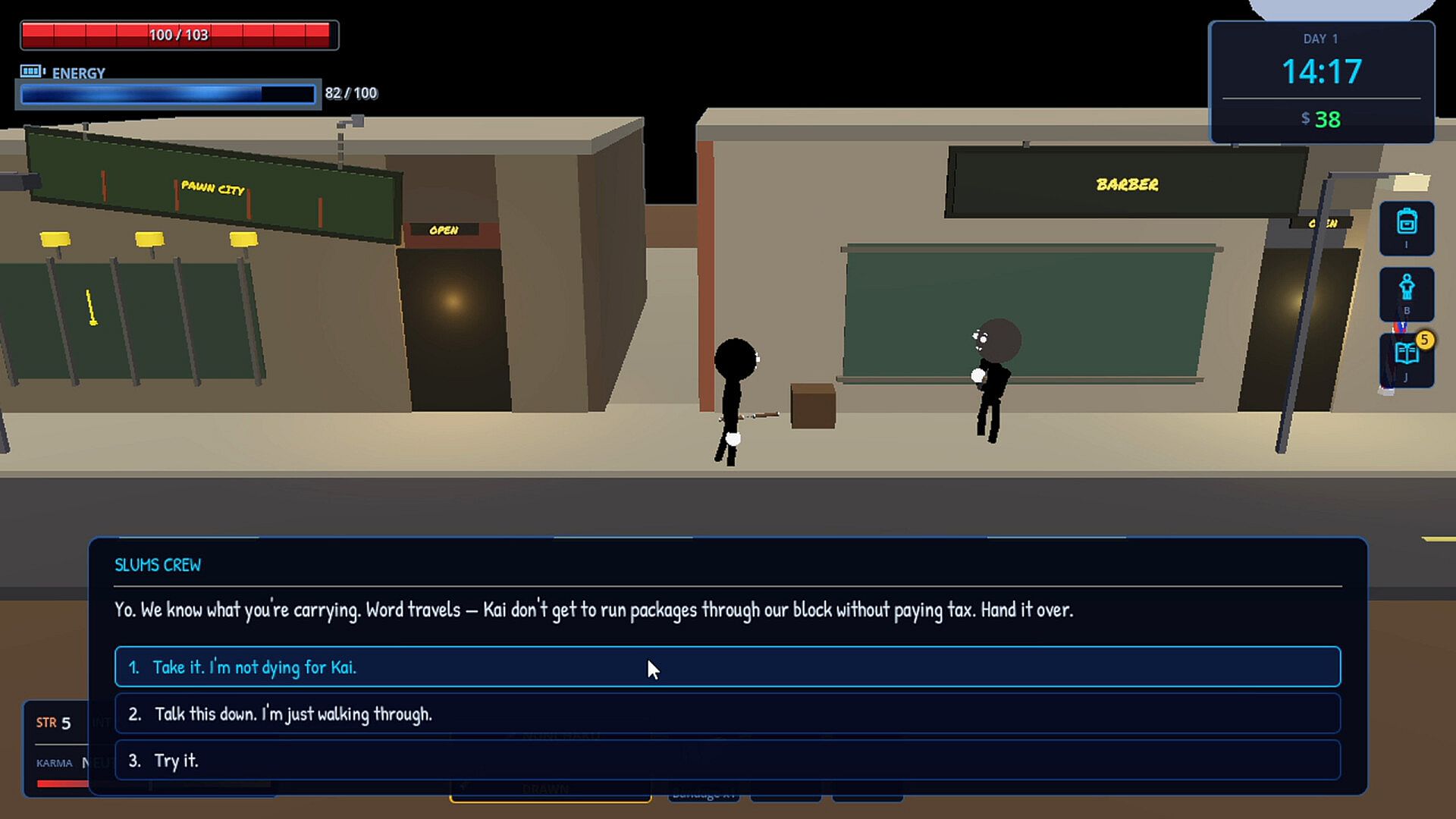
Stickville operates as a single-player experience without separate competitive or cooperative modes. Progression unfolds through an open city structure where players move between districts that respond differently based on current status, clothing, and past actions. The slums offer cheap opportunities and frequent conflicts, while midtown avenues and downtown towers present higher rewards alongside stricter social consequences. A karma system tracks meaningful choices around mercy, integrity, and cruelty, influencing available questlines and long-term relationships. Hidden threads appear only through exploration and journal notes that record every decision and connection. The game maintains a consistent focus on personal advancement rather than structured campaigns or multiplayer sessions.
The City and Its Districts
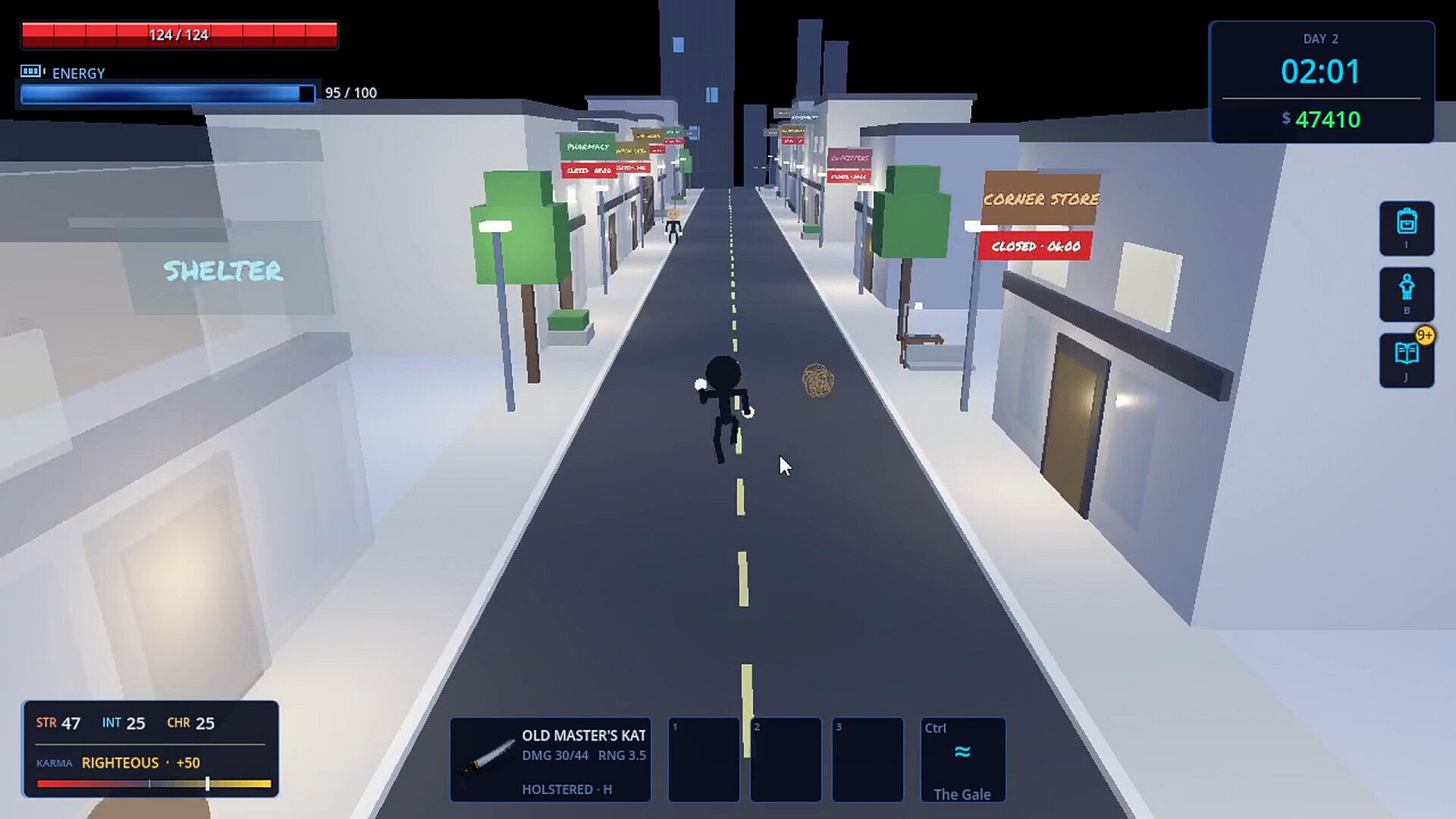
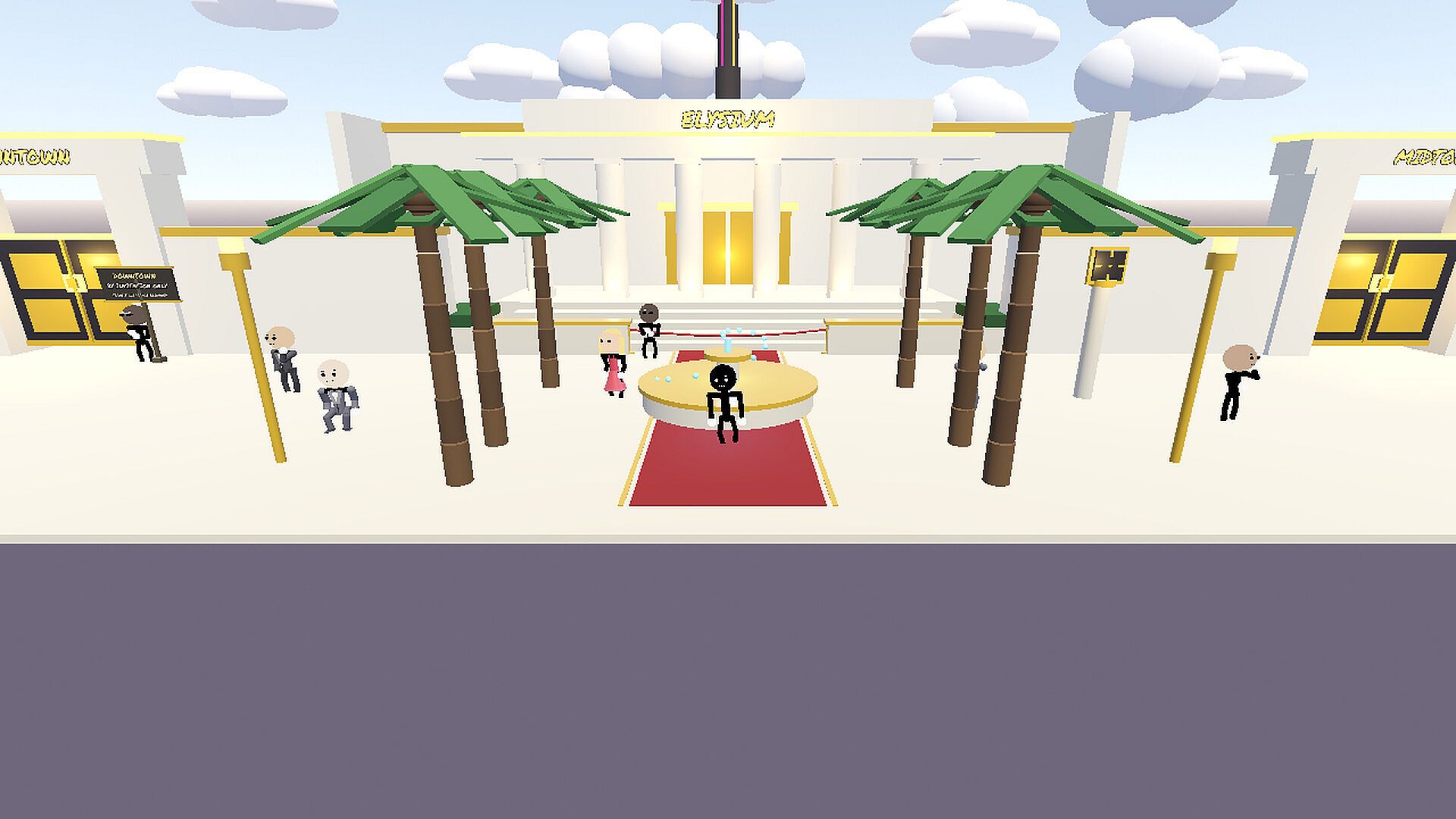
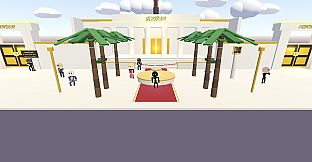
Stickville features a vertically layered urban environment that visually and mechanically rewards climbing the social ladder. Rain-slicked slums contrast with the bright casino strip, bustling midtown avenues, and polished glass towers of downtown. Each area alters available jobs, fight opportunities, and gambling venues. Reputation carries across districts, so crossing the wrong person in one neighborhood can close doors elsewhere. Furniture purchases and home improvements create tangible changes that players can walk through, turning an initial mattress on the floor into a personalized space that supports better rest and recovery.
Is It Worth Playing?
Stickville targets players who enjoy deliberate progression systems built around resource management, combat timing, and observable gambling mechanics. The mature rating reflects its focus on drugs, alcohol, gambling, strong language, and weapon violence within an original setting where every brand, character, and street sign was created specifically for this world. Those drawn to life-sim elements paired with hands-on brawling and decision tracking will find a cohesive loop that emphasizes earned advancement over quick resets. The absence of named multiplayer features keeps the emphasis on solitary character growth and city exploration. Players seeking a grounded, consequence-driven RPG with visible environmental feedback should consider the demo to test the combat and gambling systems before committing further.