







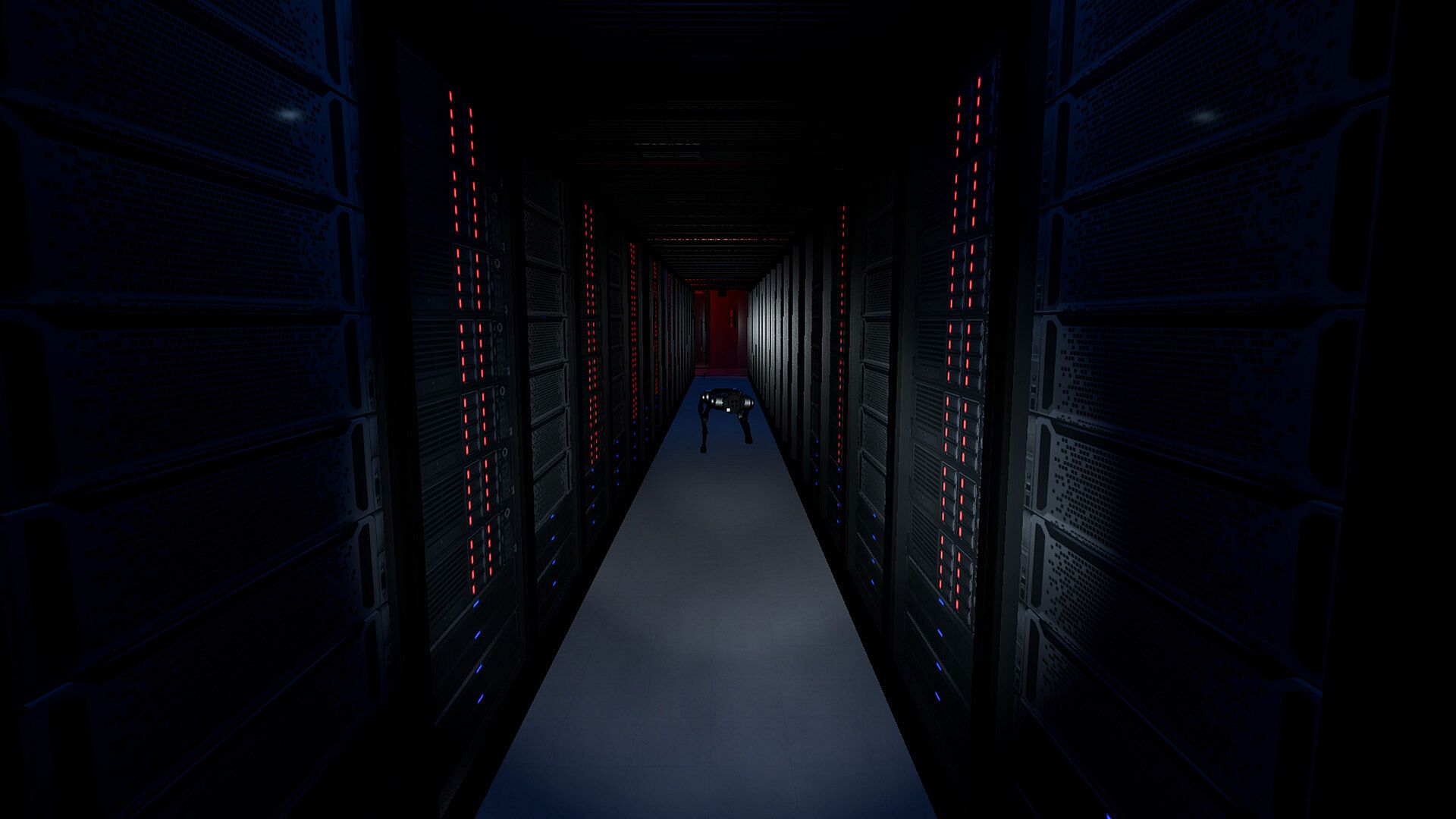

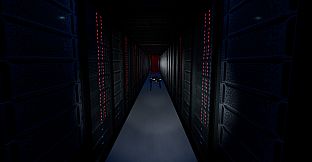
Steel Stalker is a single-player psychological horror game that blends stealth, simulation, and adventure elements on PC. Players take on the role of a worker trapped in a data center after a cyber-attack turns the facility into a lethal environment. The core threat comes from a corrupted robotic guard dog that tracks the player through advanced sound sensors, forcing careful movement and constant awareness of noise levels in dark, confined spaces.
Gameplay
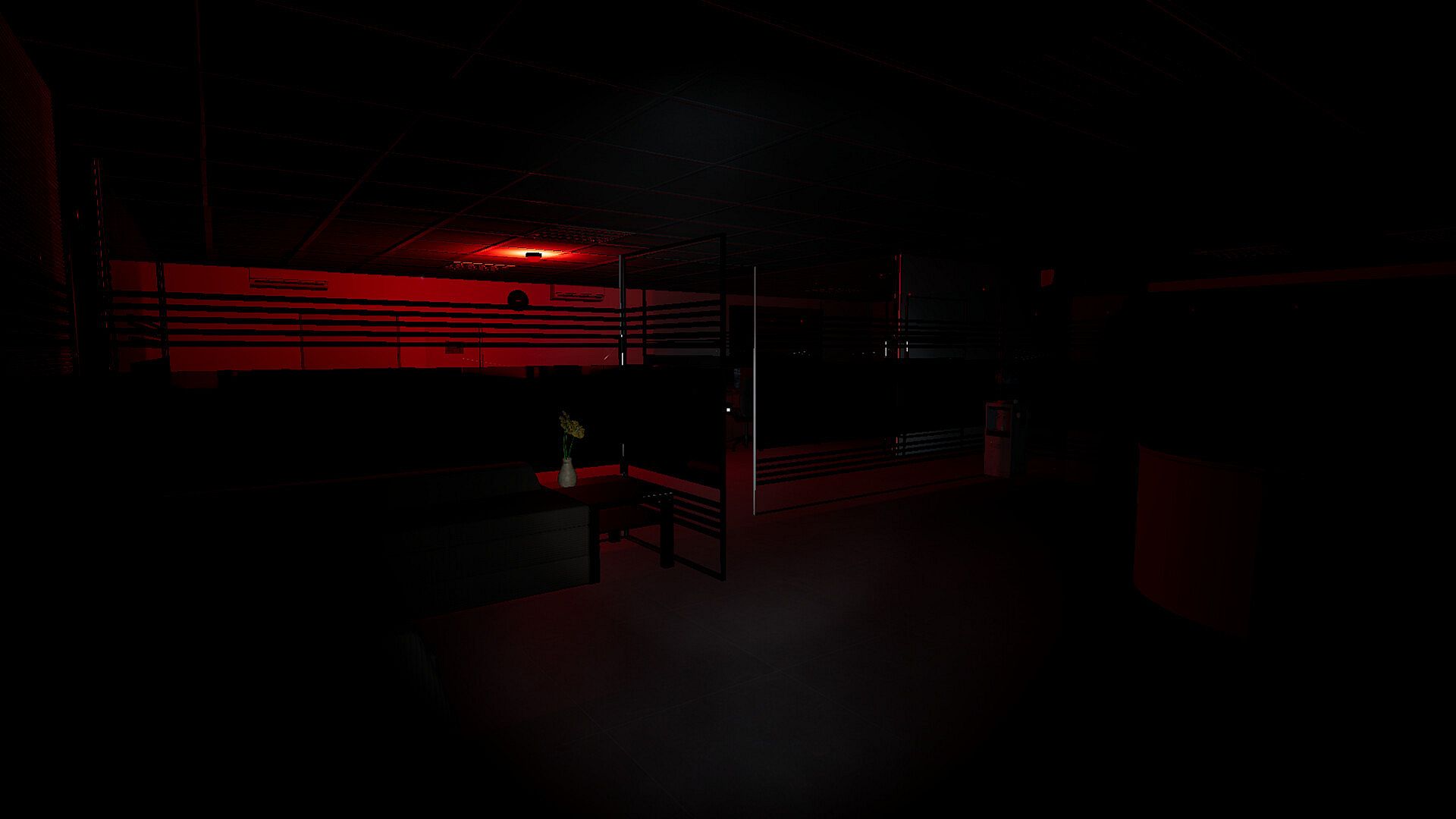
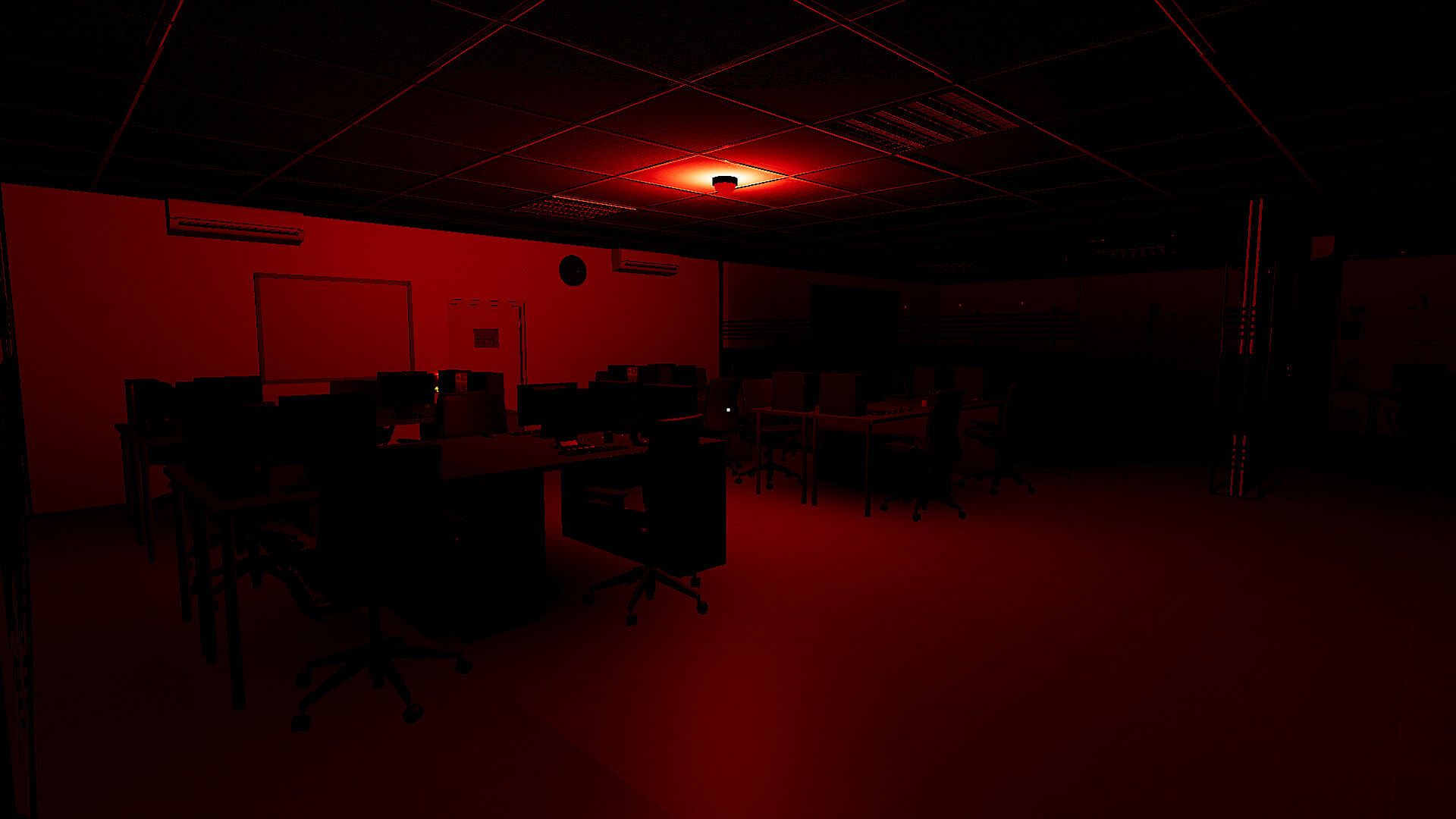
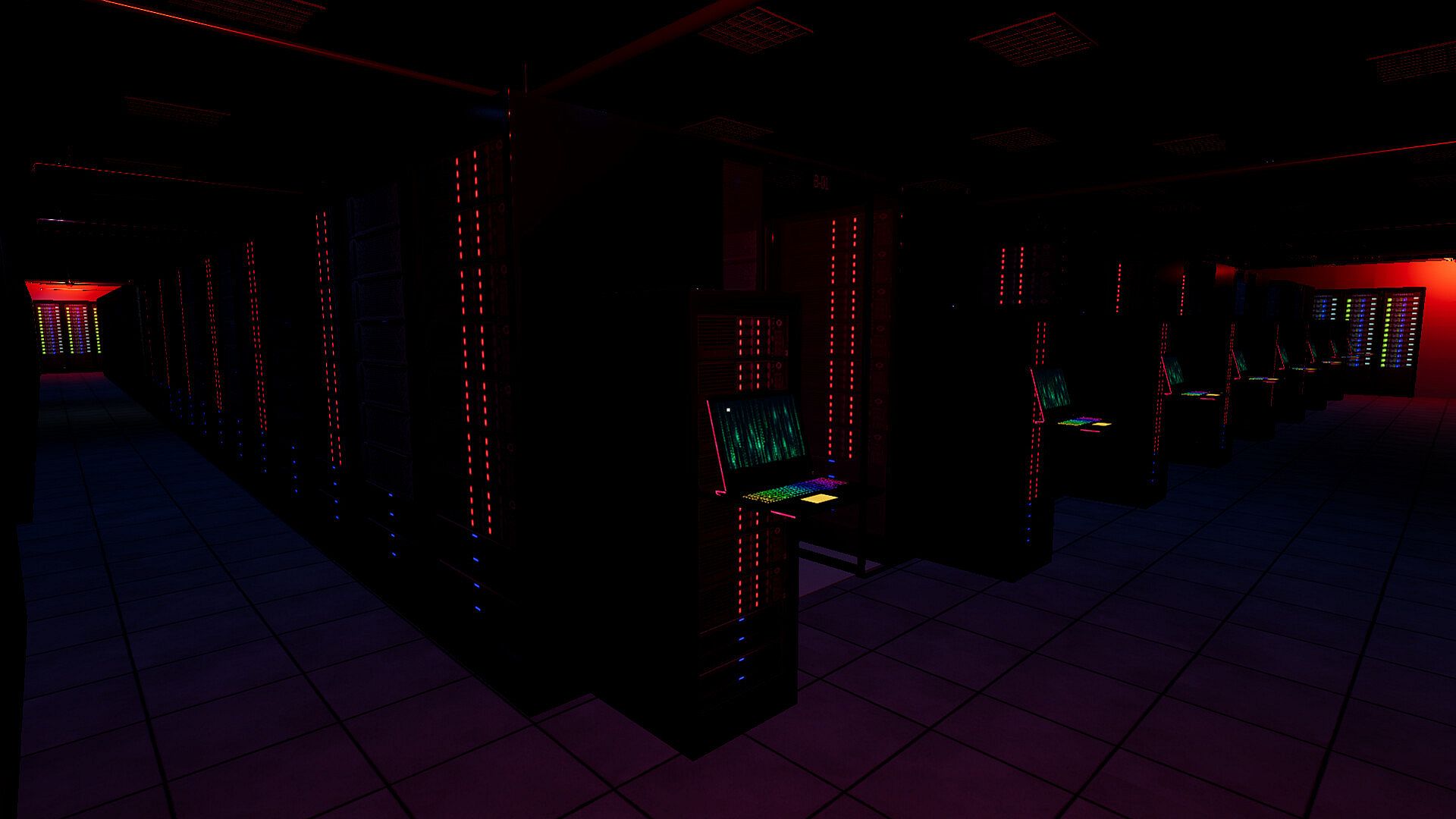
The gameplay centers on survival through stealth and problem-solving in a confined industrial setting. Movement must remain silent at all times because the robotic pursuer reacts instantly to any sound. Players navigate rows of server racks under emergency red lighting while using a limited torch for visibility. The torch provides temporary light but risks drawing attention if overused.
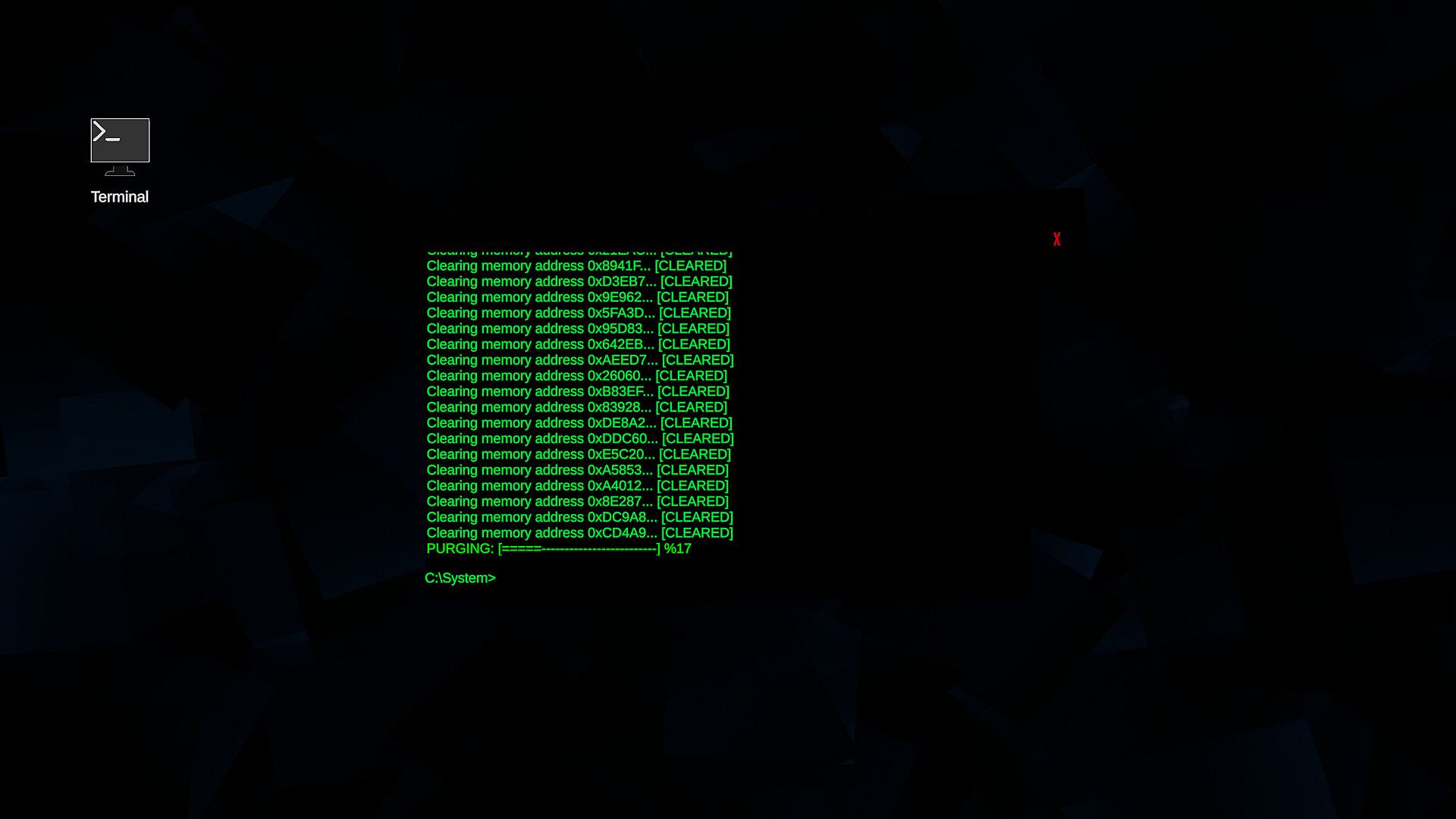
Progress involves locating damaged hardware components that have begun to overheat and fail due to the ongoing cyber-attack. These parts must be replaced manually while avoiding detection. Terminals scattered throughout the facility allow players to run antivirus protocols to clear the virus from the system. Each terminal interaction carries risk, as an error can trigger a full power outage and plunge the area into complete darkness.
Resource management adds another layer. The emergency generators keep basic systems running, but they offer no margin for error. Players must balance the need to repair equipment against the constant threat of the mechanical hunter closing in. The experience emphasizes tension through sound design and limited visibility rather than direct confrontation.
Game Modes
Steel Stalker is built exclusively as a single-player experience. No multiplayer modes, co-op options, or additional game variants have been confirmed. The entire session unfolds as one continuous campaign focused on escaping the compromised data center while completing repair and cleanup objectives. The structure encourages repeated playthroughs through different approaches to stealth and timing rather than separate modes.
Atmosphere and Tension
The data center environment creates a claustrophobic setting filled with endless server racks and flickering emergency lights. Sound becomes the primary sense for both the player and the enemy, turning every footstep or equipment interaction into a potential giveaway. The robotic dog operates with precise AI behavior that learns from player patterns, heightening the sense of being hunted in real time.
Power fluctuations serve as a dynamic hazard. A failed terminal access can eliminate all lighting and force players to rely solely on their torch or memory of the layout. This mechanic reinforces the simulation aspects of managing a failing facility while the adventure elements push forward through sequential objectives. The horror stems from isolation and mechanical inevitability rather than supernatural elements.
Is It Worth Playing?
Steel Stalker targets players who enjoy deliberate stealth horror with strong simulation mechanics. The focus on sound-based evasion and hands-on repairs creates a distinct loop that rewards patience and planning. Because the game remains in development with no released version yet, there are no player reviews or ratings available to assess performance or reception.
Those drawn to tense, single-player experiences in confined industrial spaces will find the described systems appealing. The absence of combat or traditional action sequences means the game suits fans of pure avoidance and puzzle-like problem solving. Potential buyers should monitor official updates for release timing and any additional confirmed features before deciding.












