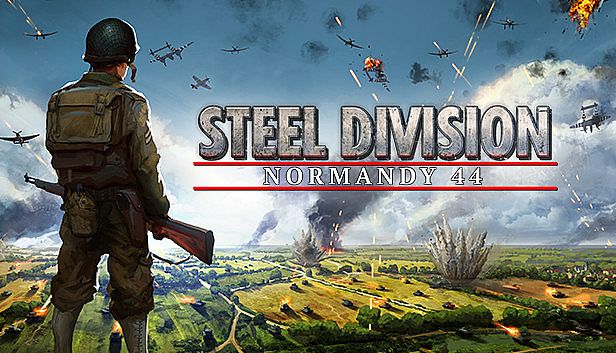















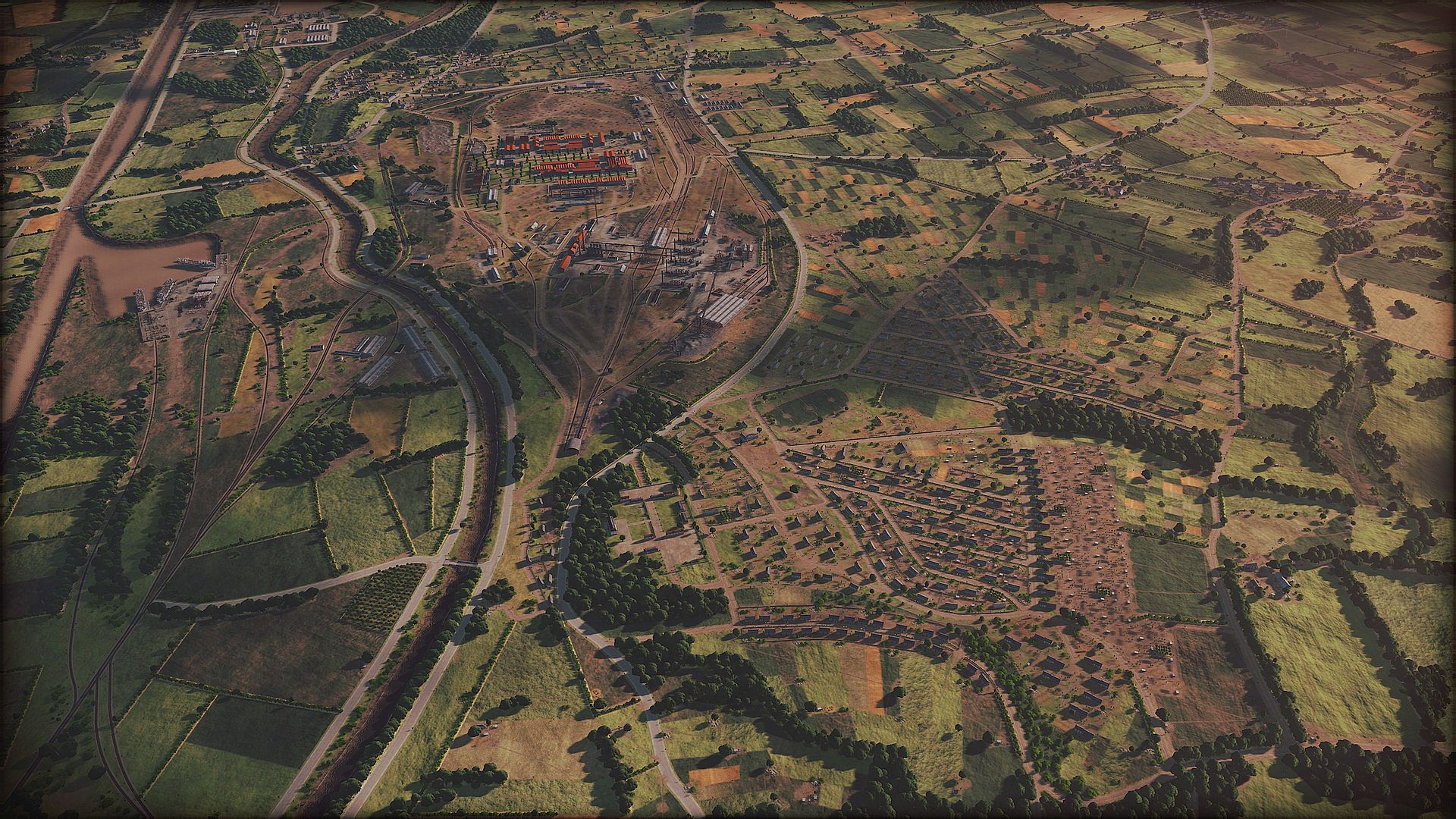
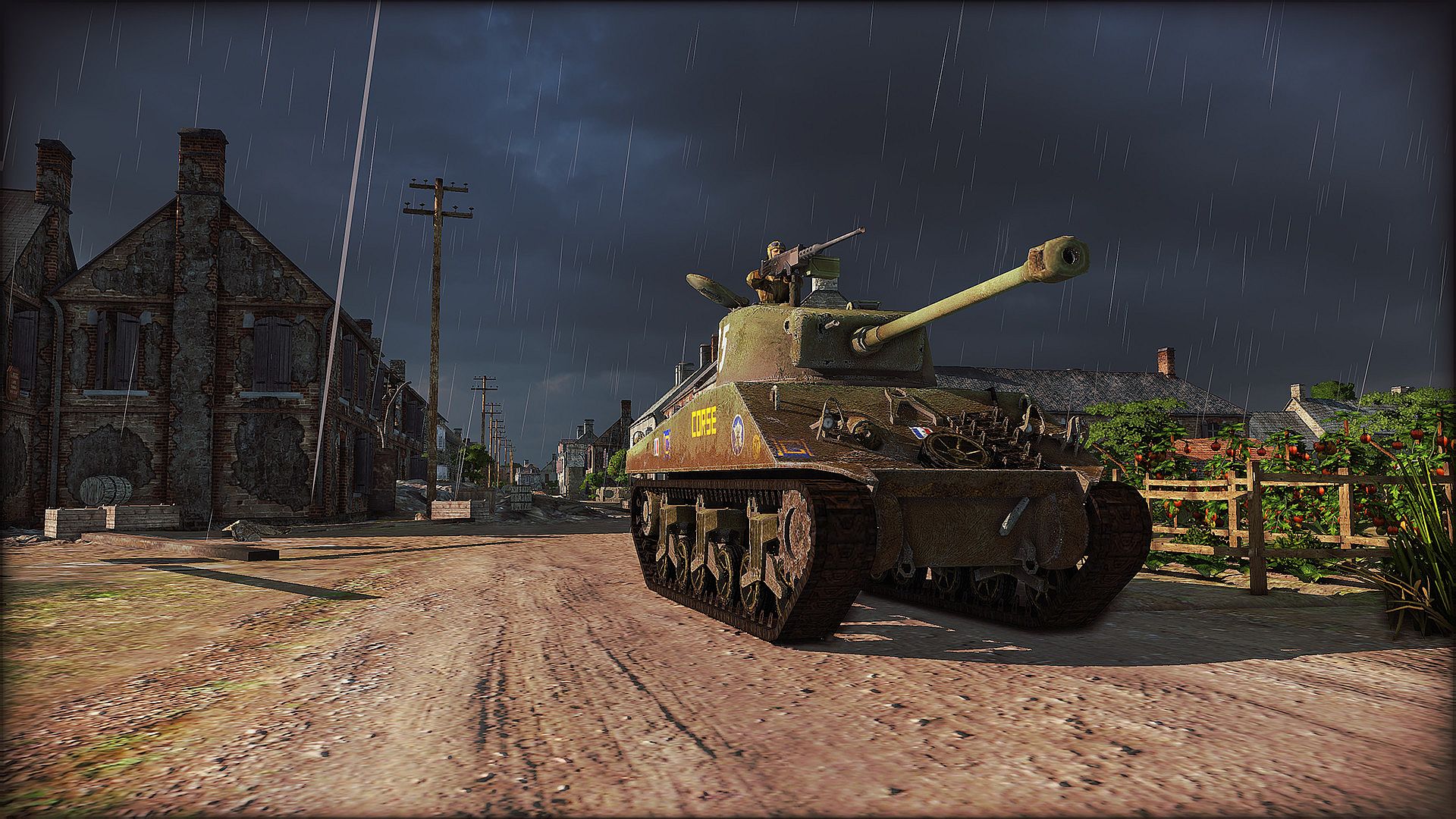
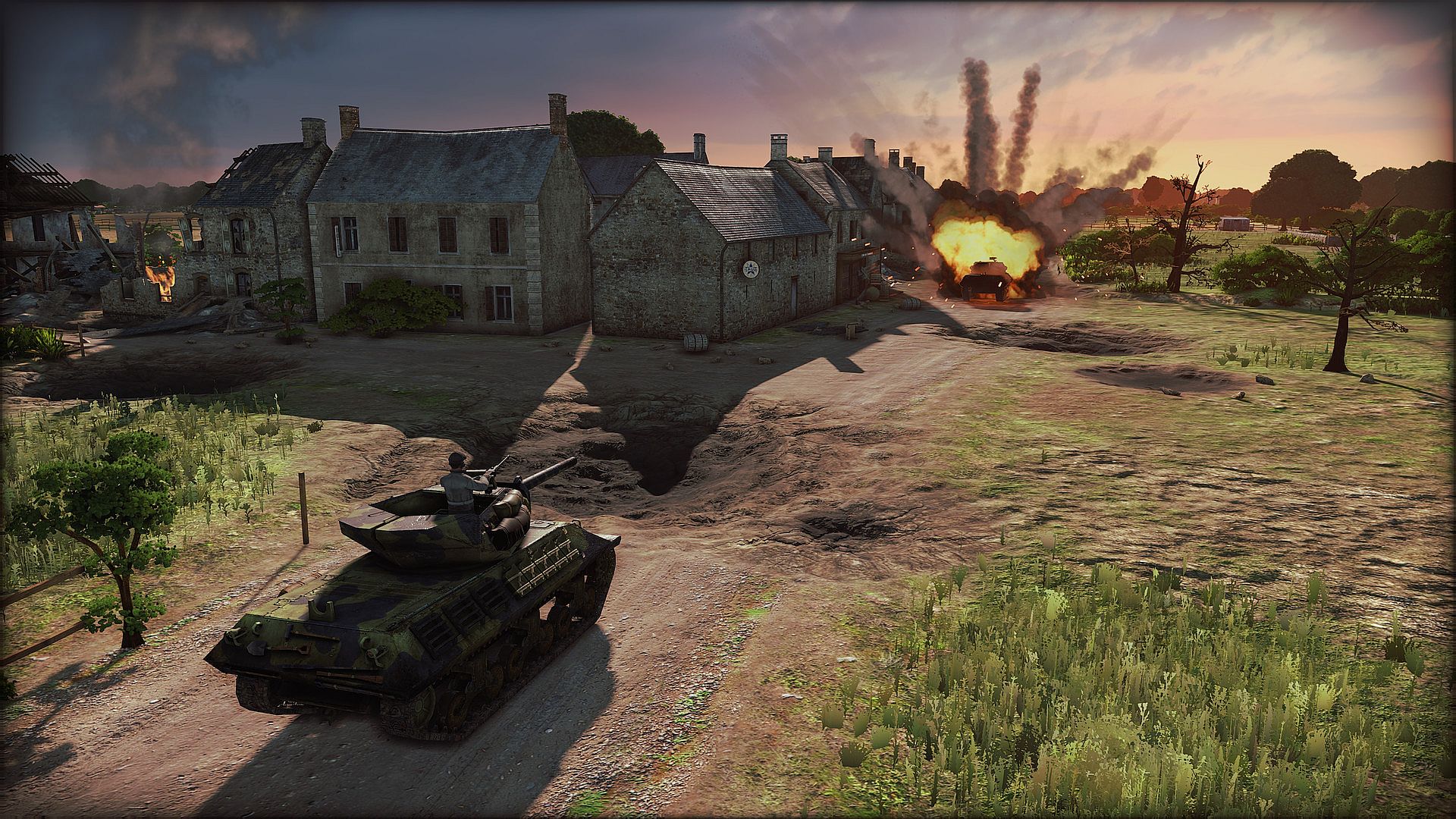
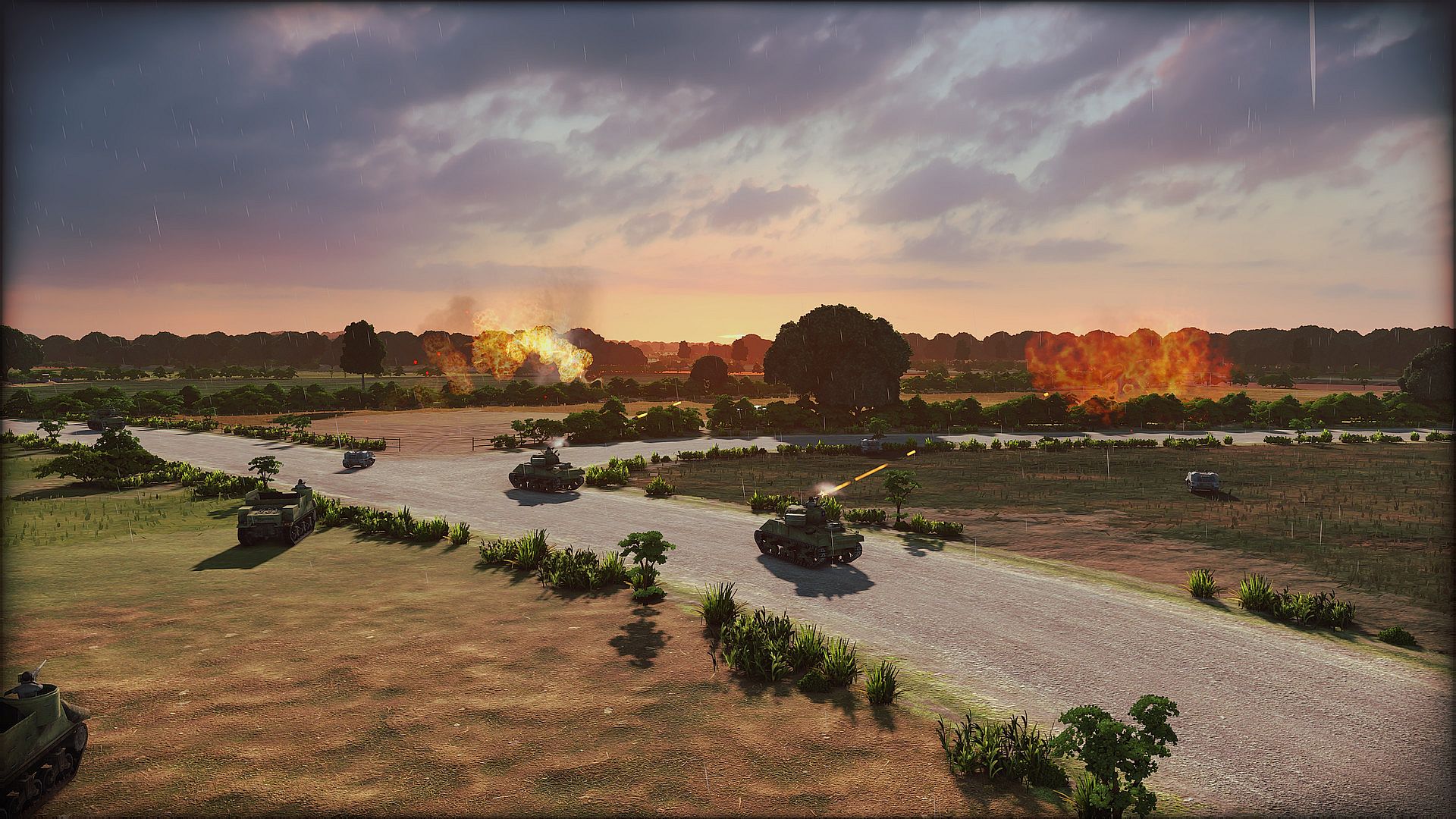
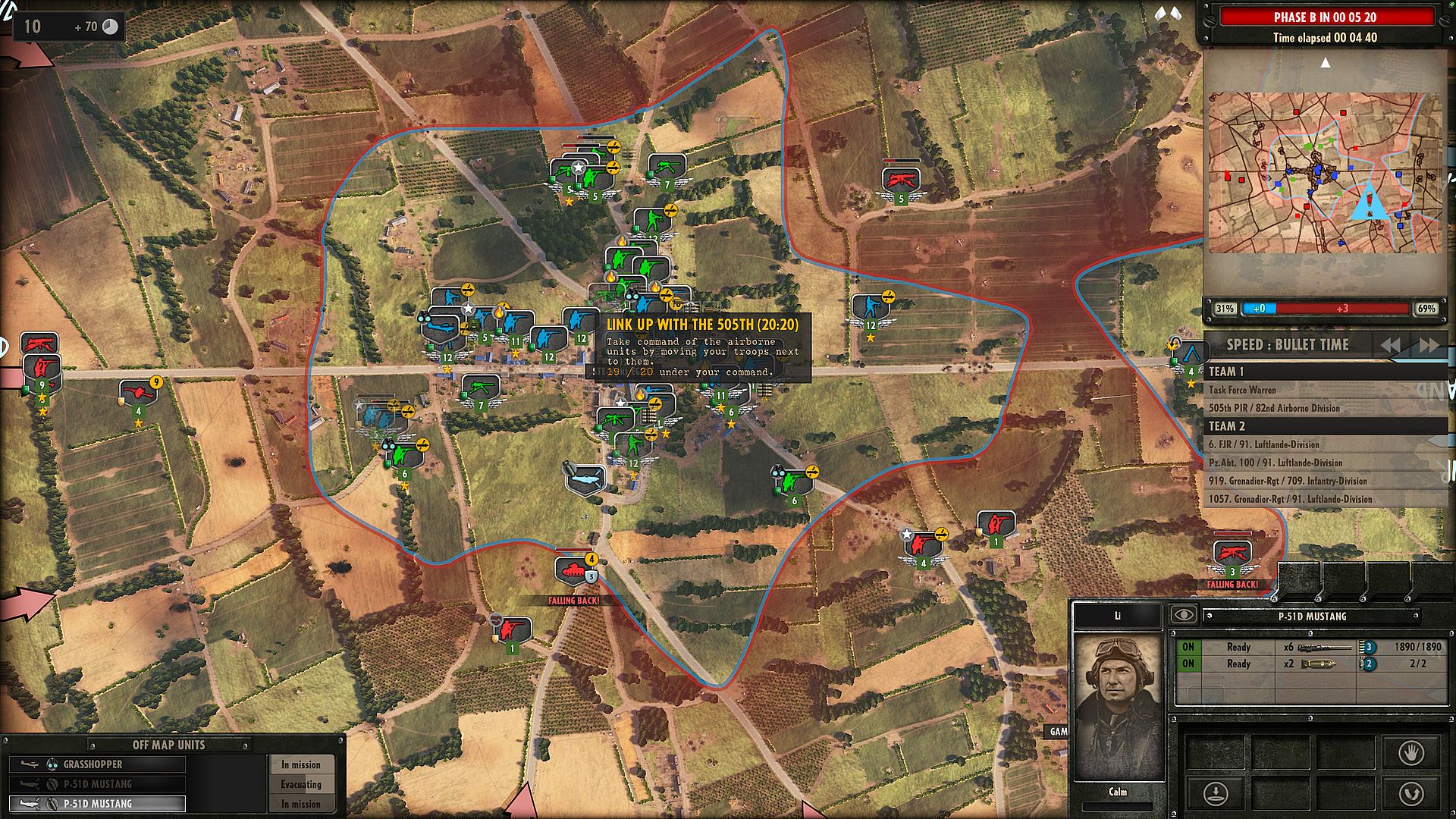
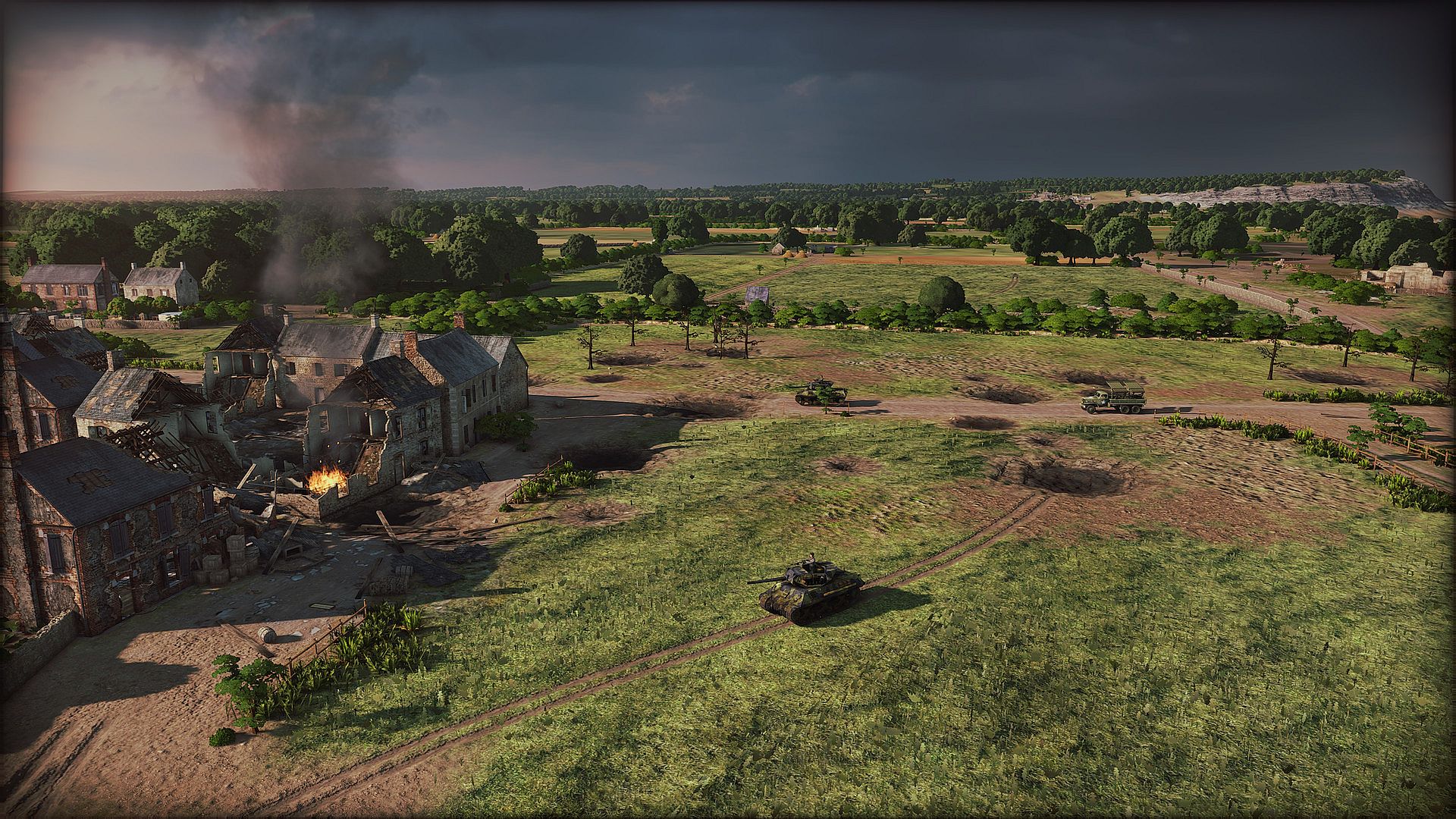
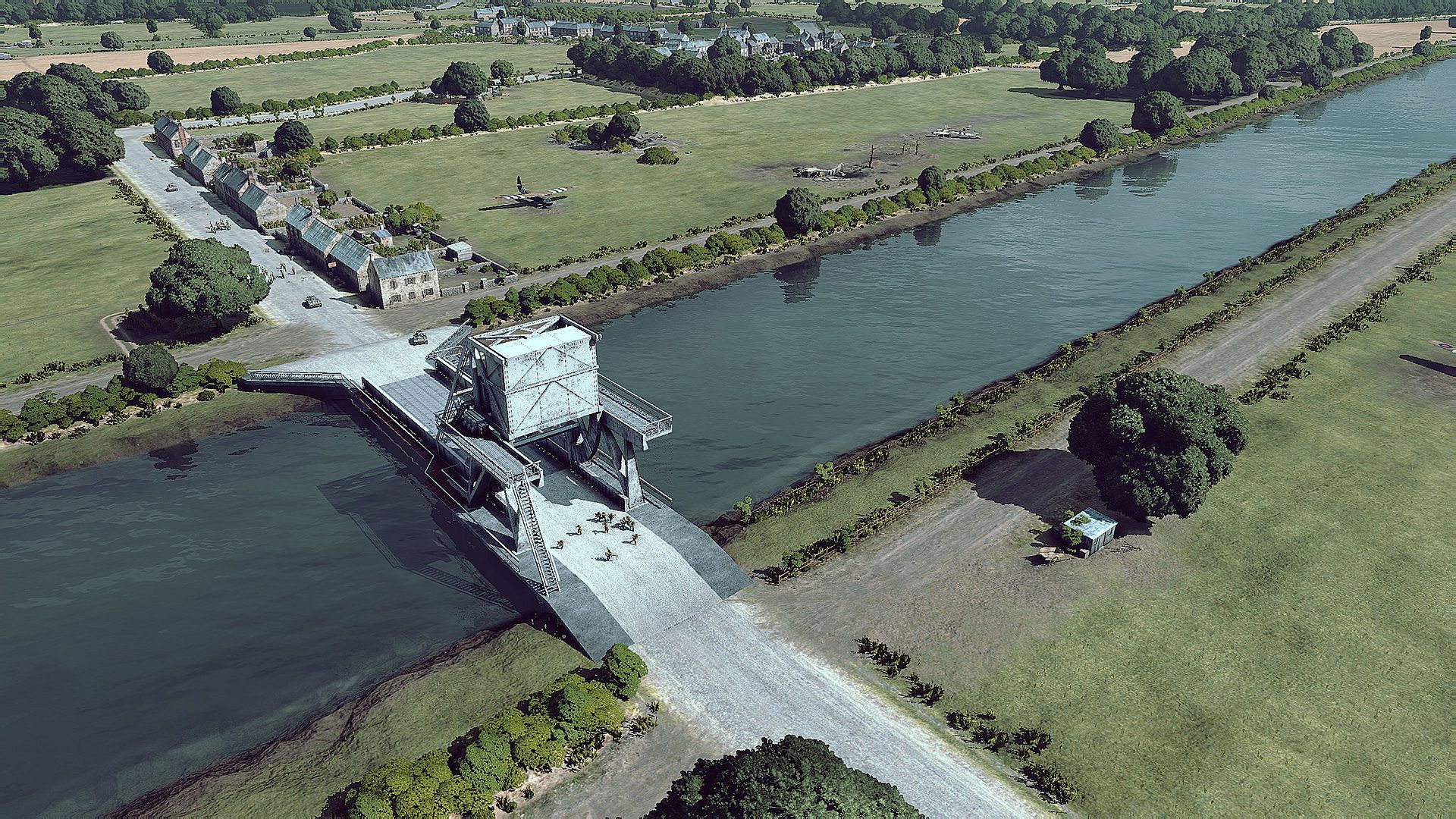
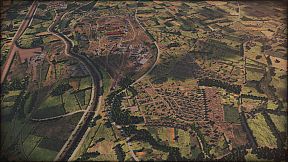
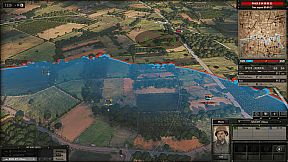
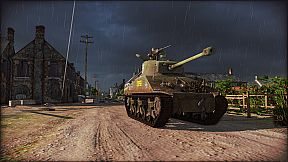
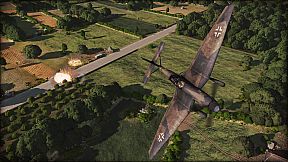
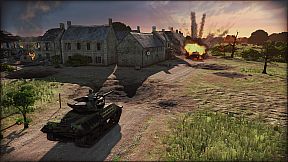
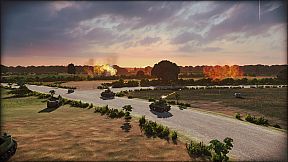
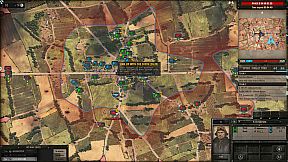
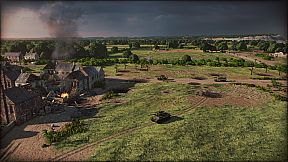
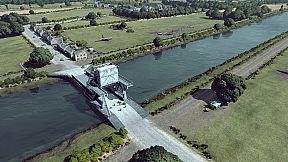
Steel Division: Normandy 44 stands as a tactical real-time strategy game set during the 1944 Allied invasion of Normandy. Players direct historically accurate military units across large battlefields, managing infantry, armor, artillery, and support elements in tense, large-scale engagements. Developed by Eugen Systems, the title emphasizes precise command decisions over broad-brush tactics, drawing from detailed research into World War II equipment and formations.
Gameplay
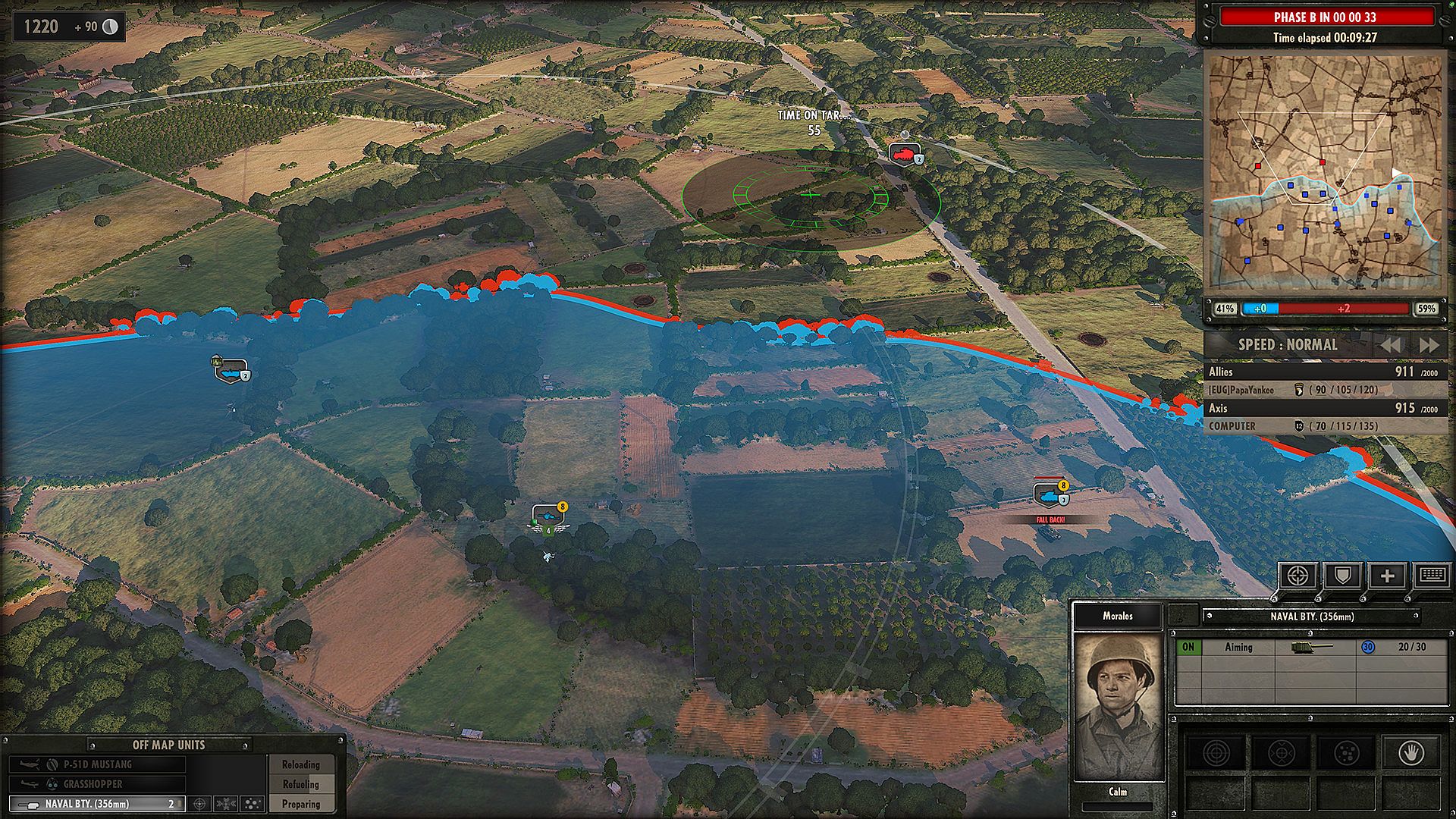
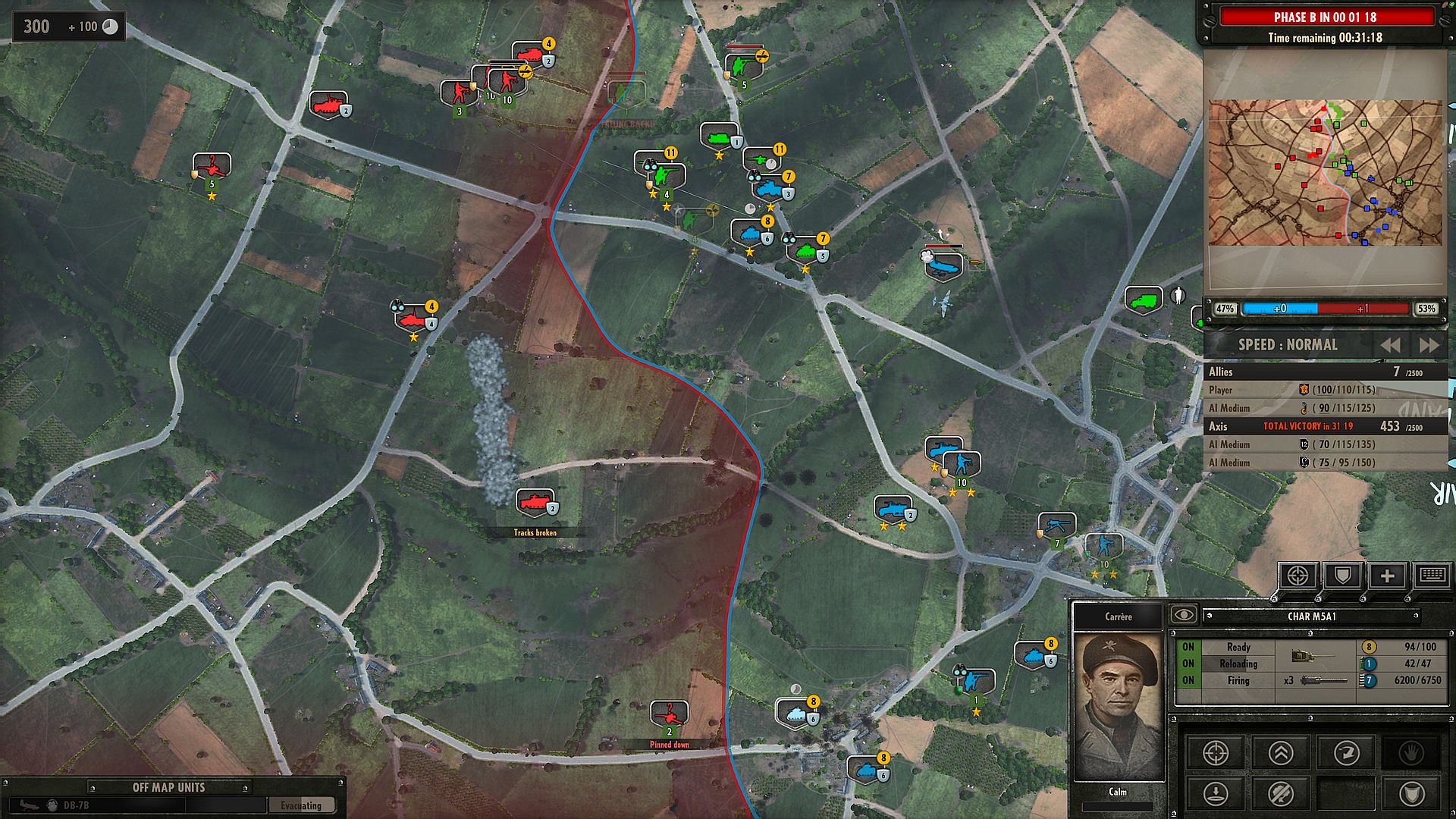
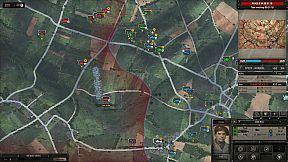
The core loop revolves around deploying and maneuvering units from specific divisions while adapting to terrain, line-of-sight restrictions, and supply constraints. Each engagement requires careful positioning of tanks and troops to exploit weaknesses in enemy lines without overextending limited resources. Players issue orders in real time, balancing offensive pushes with defensive setups as reinforcements arrive or ammunition runs low.
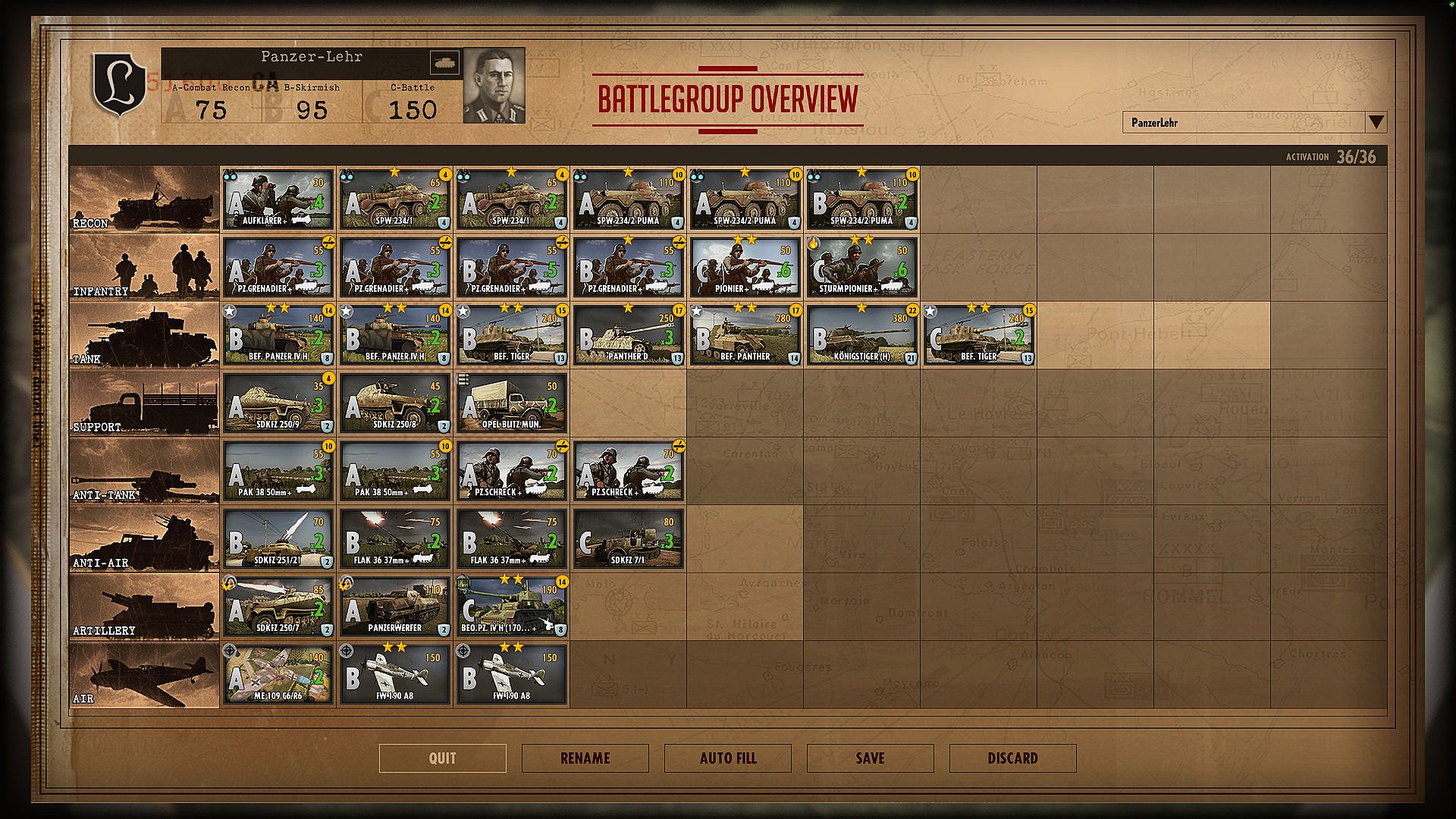
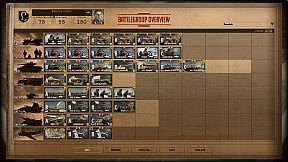
Division selection shapes available units and overall strengths. The American 101st Airborne brings airborne infantry and light equipment suited for rapid insertion. The German 21st Panzer offers armored punch with medium and heavy tanks. The 3rd Canadian Division provides balanced infantry and artillery options. Similar choices exist for other Allied and Axis forces drawn from six nations involved in the campaign. Success depends on matching division capabilities to map objectives and opponent composition.
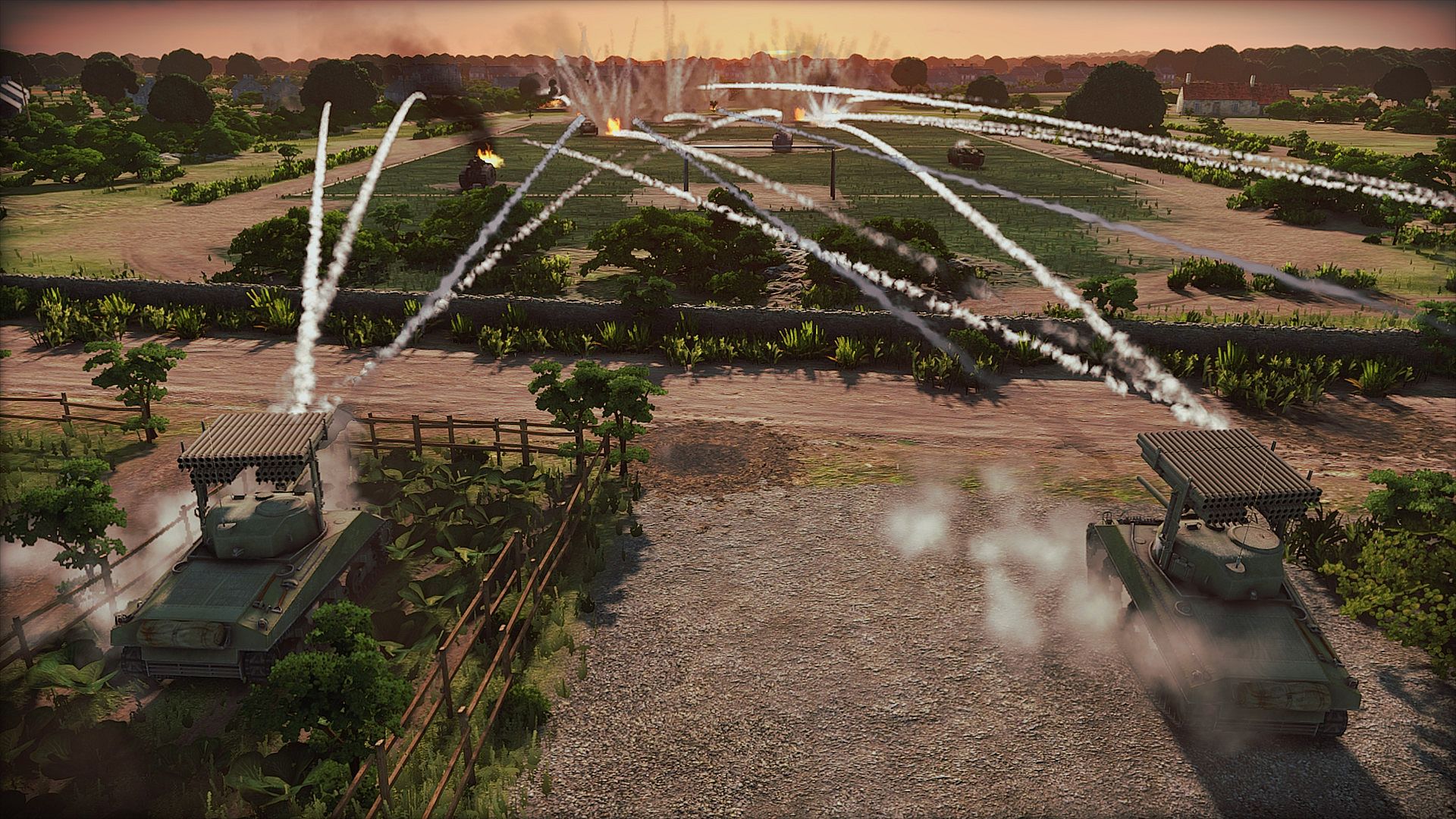
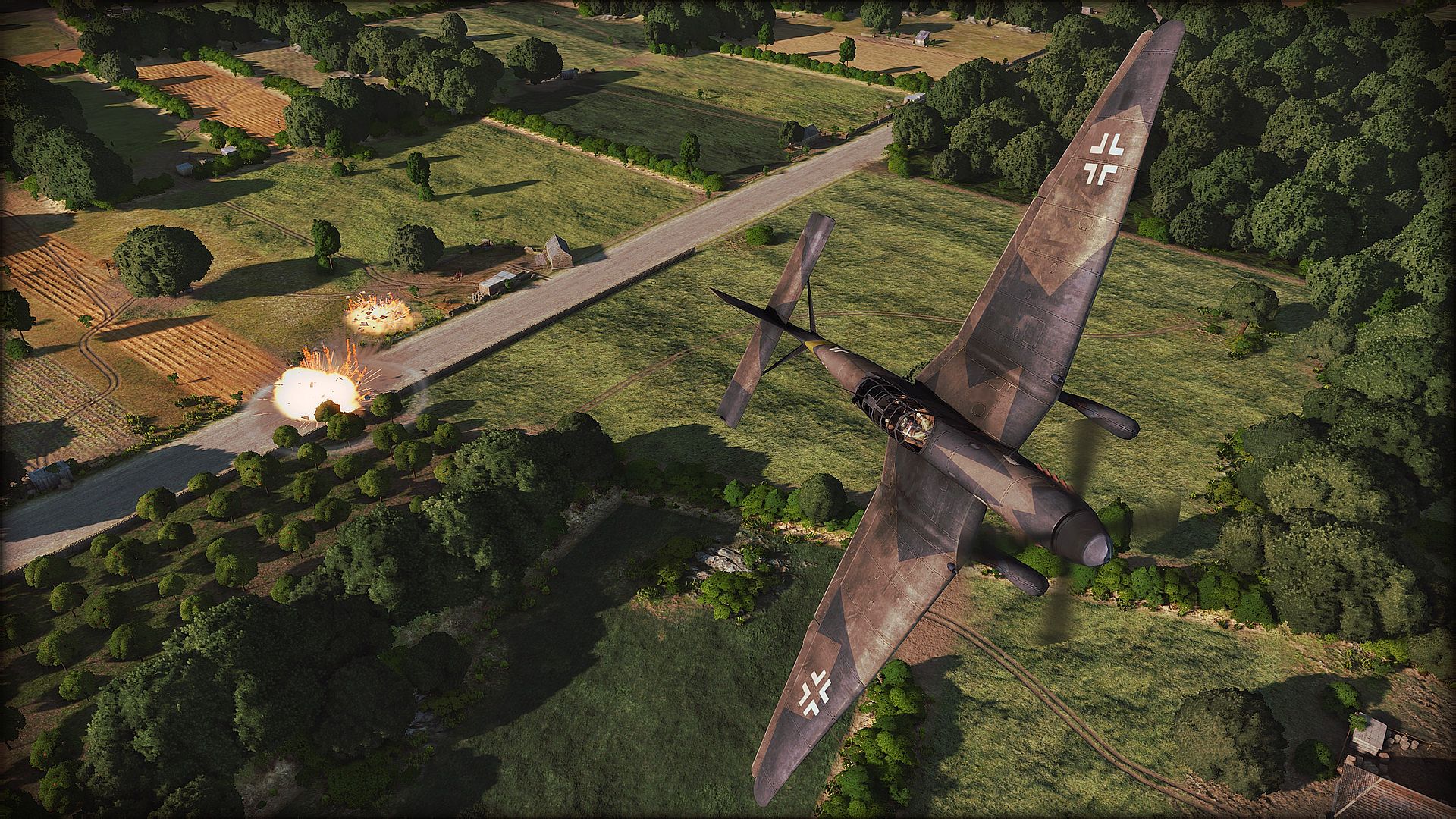
Mechanics reward observation and timing. Artillery strikes and air support calls must account for travel time and accuracy, while infantry squads seek cover to avoid suppression. Vehicle crews can abandon damaged tanks, and supply trucks keep forward elements operational. These systems create layered decision-making where a single misplaced unit can shift the outcome of an entire sector.
Game Modes
Single-player campaigns form the structured experience. Three separate campaigns each contain four linked missions. The 101st Airborne campaign offers an easier entry point, the 21st Panzer campaign sits at medium difficulty, and the 15th Scottish Infantry campaign presents the hardest challenge. Missions connect narratively, carrying surviving units forward when possible and altering available forces based on prior results.
Skirmish and scenario modes allow practice against artificial intelligence on maps sized for various player counts. These options replicate the rules and unit pools of competitive play, letting commanders test different divisions and starting conditions without human opponents. All multiplayer formats remain accessible in solo or cooperative settings against AI.
Multiplayer battles support direct competition between players. Matches occur on large maps where each side fields complete divisions, emphasizing coordination across multiple sectors. Victory conditions focus on territorial control and destruction of key enemy assets rather than simple elimination.
Divisions and Historical Detail
The game features dozens of divisions drawn from historical orders of battle. Each arrives with authentic equipment lists, including specific tank variants, anti-tank guns, and support vehicles used during the Normandy fighting. This roster encourages repeated playthroughs as commanders explore how different national doctrines interact on the same terrain.
Unit statistics reflect real-world performance data. Armor thickness, gun penetration values, and movement speeds align with documented specifications. Visual models and sound effects further ground the experience in the period without sacrificing clarity during fast-paced moments.
Is It Worth Playing?
Steel Division: Normandy 44 suits players who enjoy methodical, large-scale tactical command in a World War II setting. The emphasis on division identity and realistic constraints creates depth for those willing to study maps and unit matchups. Campaigns deliver a focused single-player path, while skirmish and multiplayer options extend replay value through varied opponents and conditions.
The title remains available on PC with no requirement for ongoing subscriptions or seasonal content. Its systems reward patience and tactical reading over rapid reflexes, making it a strong fit for strategy enthusiasts seeking historical accuracy rather than arcade-style action. Those drawn to the genre will find consistent mechanical satisfaction across its modes.