

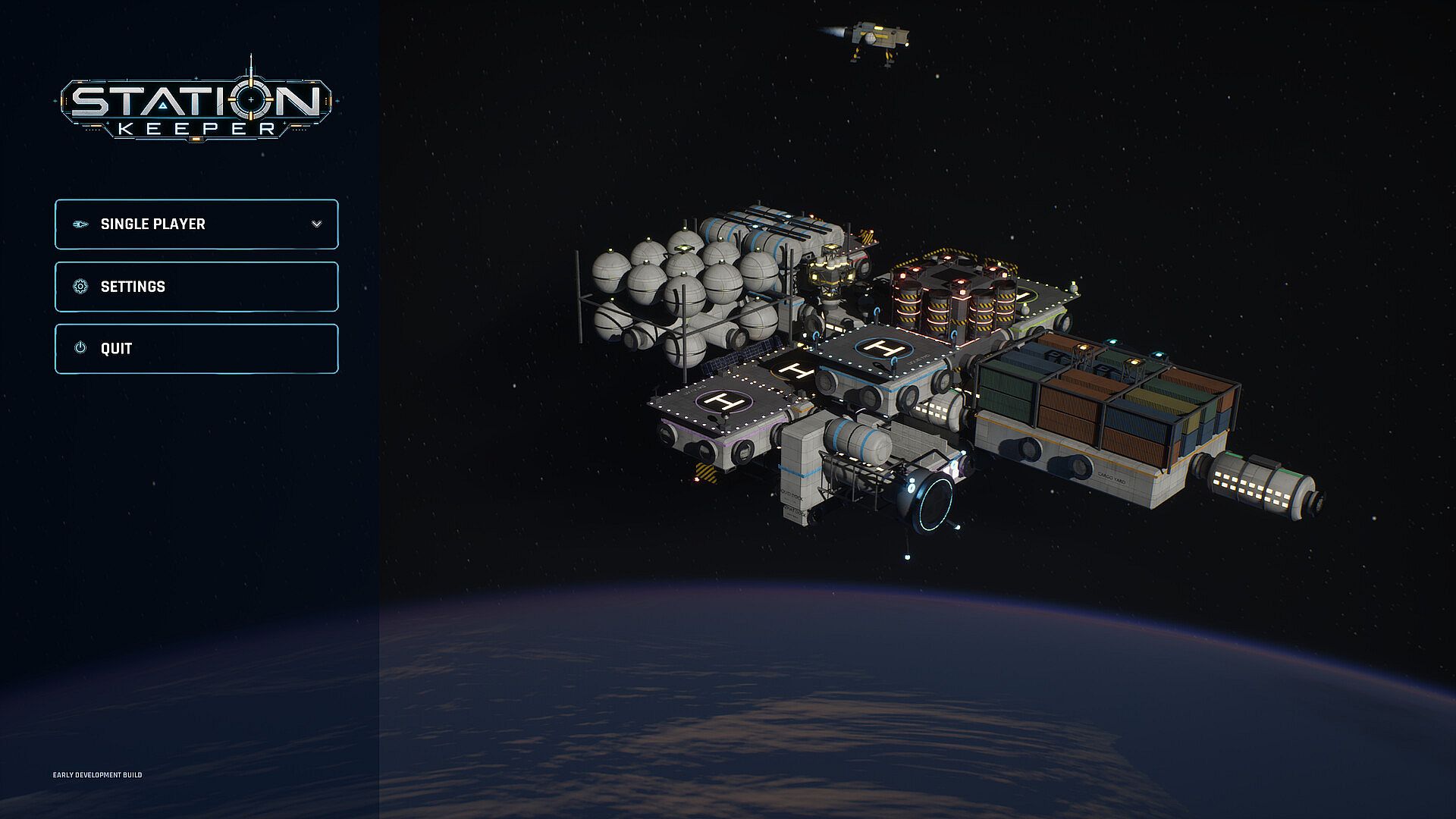
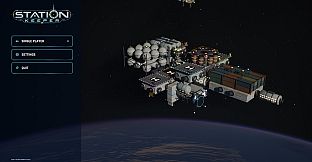
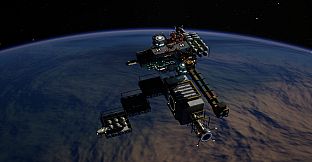
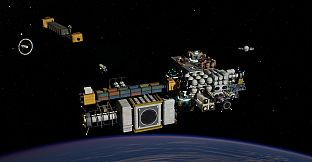
Station Keeper is a real-time space station management simulation that blends strategy, building, and resource oversight on PC. Players take command of an orbital outpost, expanding it from a basic core with landing pads into a bustling hub that handles incoming ships, diverse cargo, and tenant needs while balancing power and life support.
Gameplay
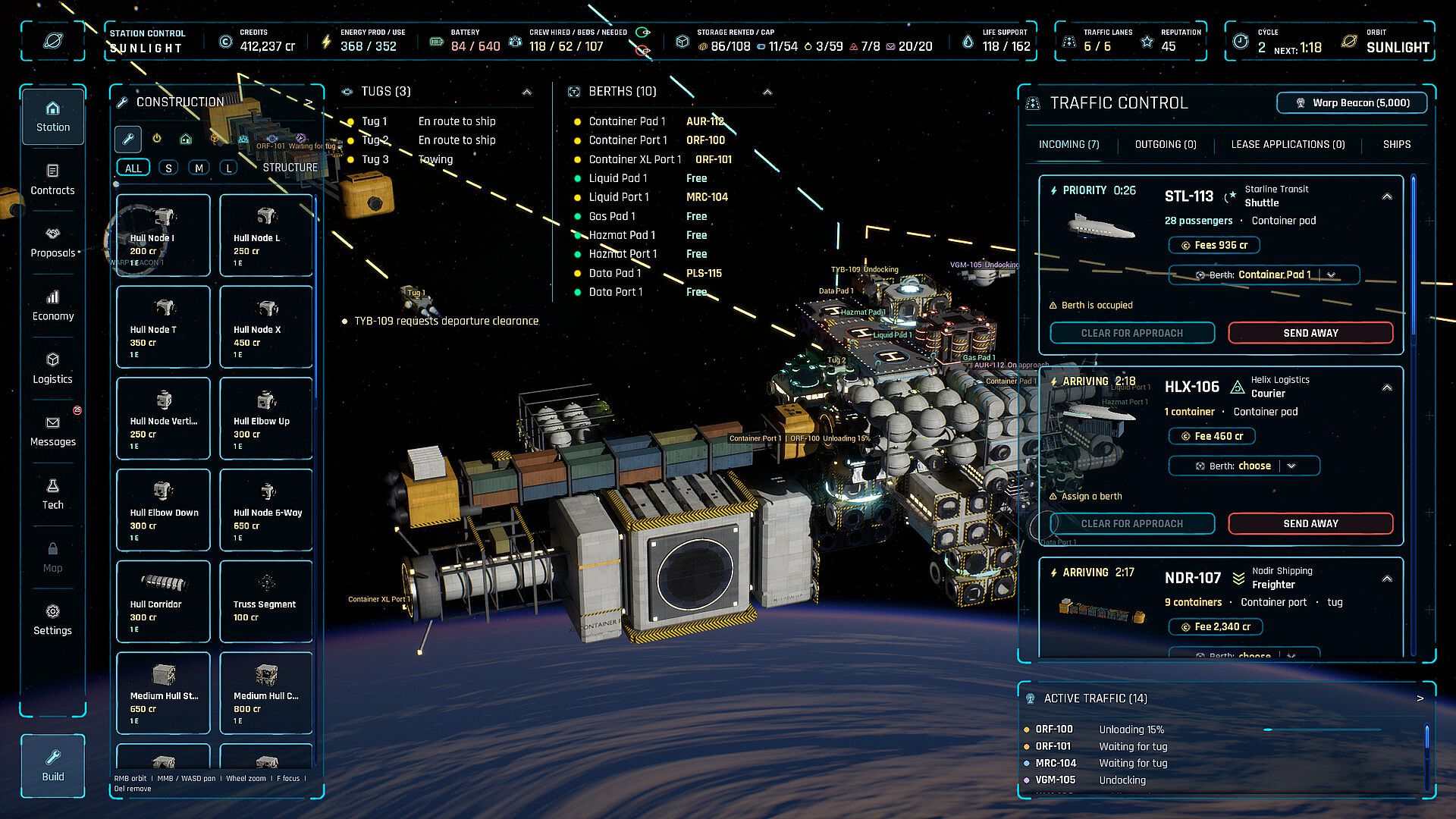
The core loop centers on constructing and connecting station modules using hull nodes, corridors, trusses, and adapters in varying sizes. Modules must link back to the core through hatches for crew and power flow or trusses for power alone, or they remain nonfunctional. Resources such as energy, crew, and life support must scale with expansion to avoid darkened sections during growth.
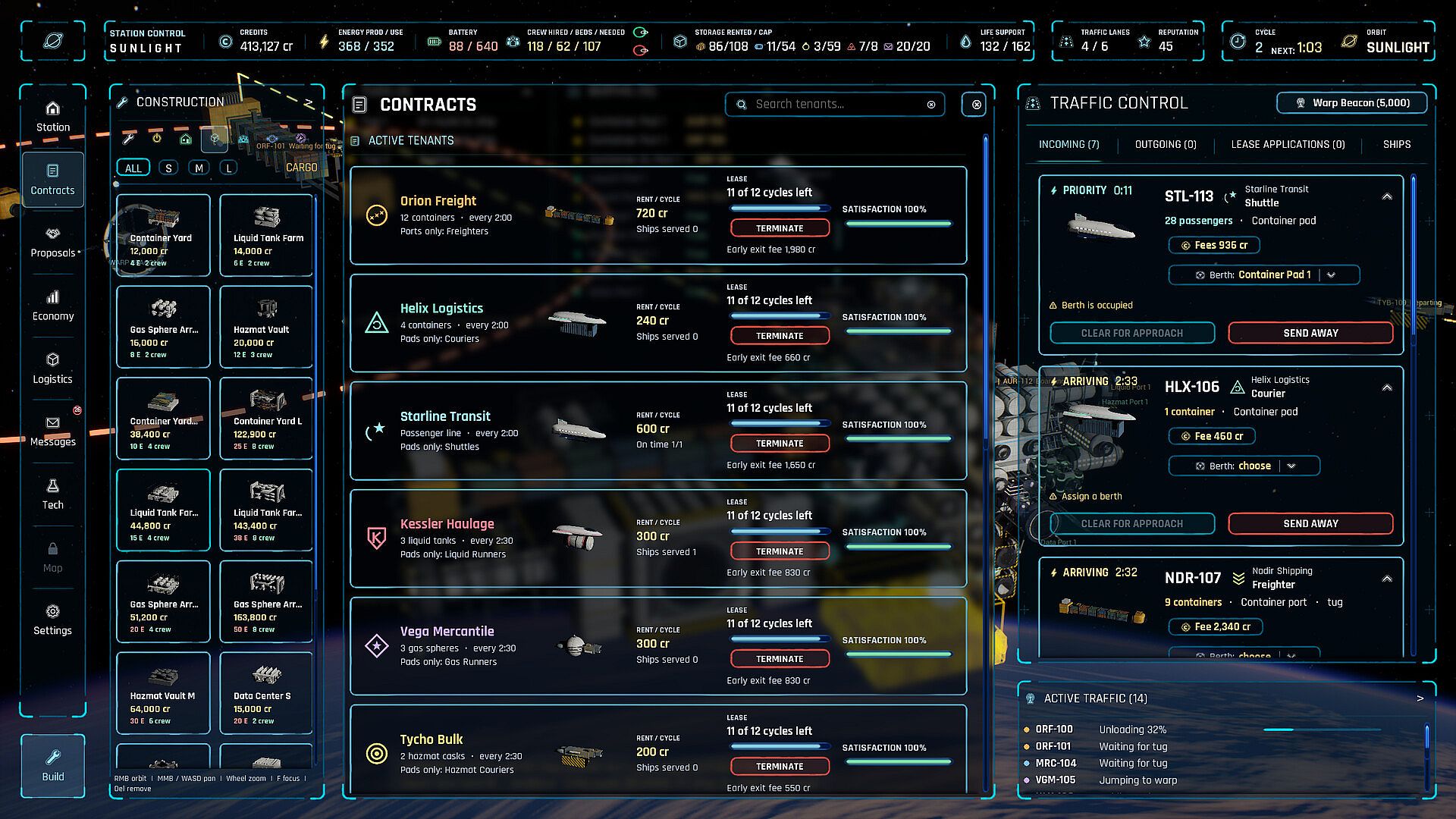
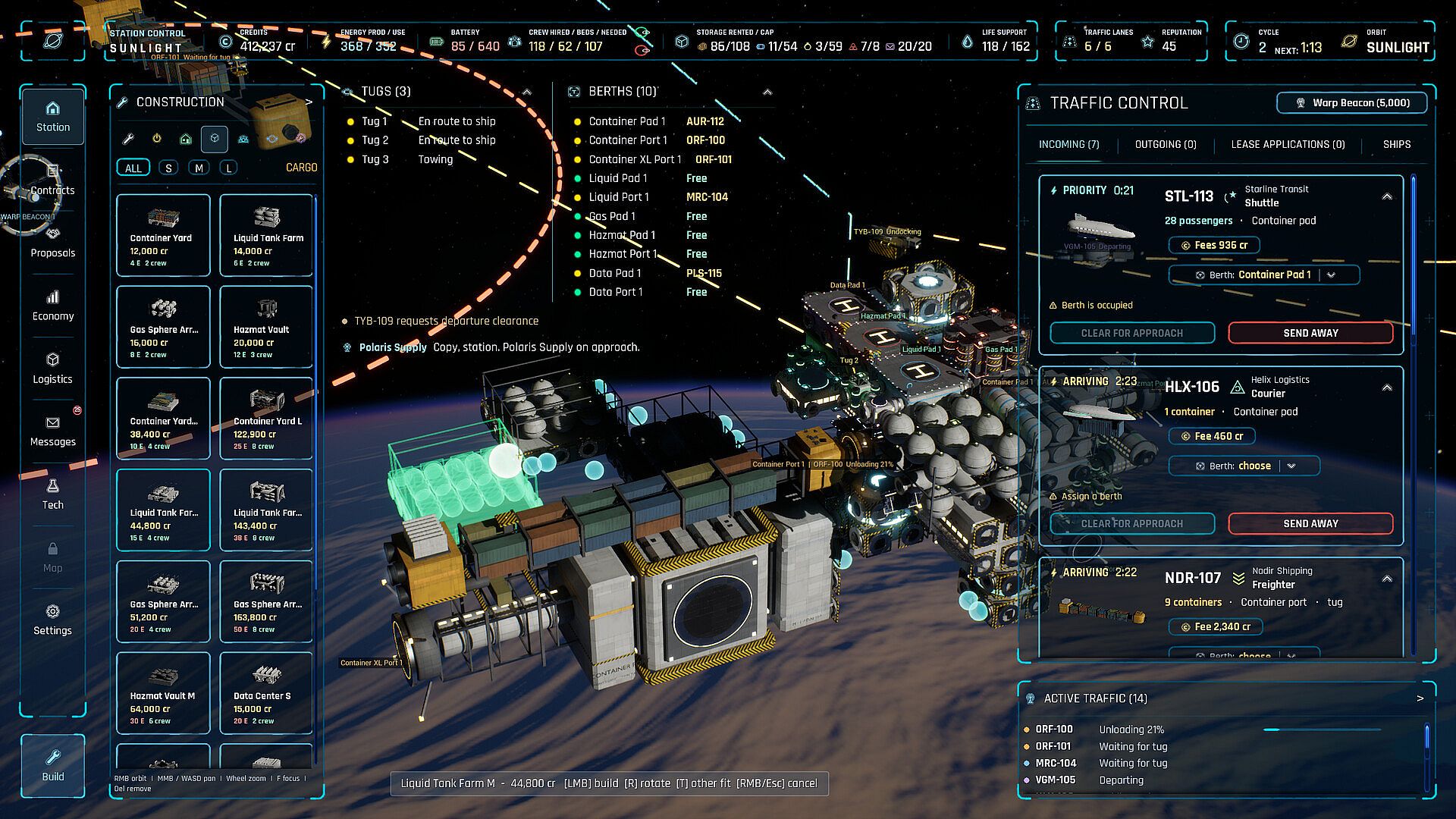
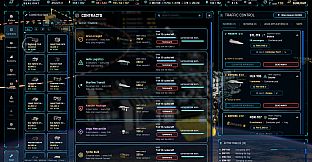
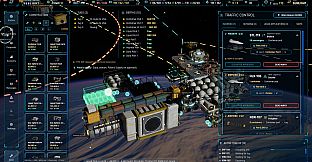
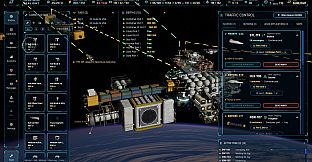
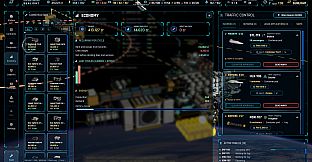
Traffic control forms another key system. Ships arrive at warp beacons and request docking permission. Commanders assign berths, deploy tugs for larger vessels, and manage limited lanes where only a set number of ships can maneuver simultaneously. Building dedicated towers helps during peak periods. Reputation suffers if captains wait too long, leading them to divert elsewhere.
Cargo and passenger handling adds depth. Containers, liquids, gas, hazardous materials, and data each require specialized storage, pads, and ports with different payout rates. Liquids move quickly through pumps, gas commands premiums, data tenants rent server space and bandwidth, while hazmat offers high rewards but risks penalties during power loss. Scheduled passenger lines follow timetables, and premium services demand appropriate lounges and hotels.
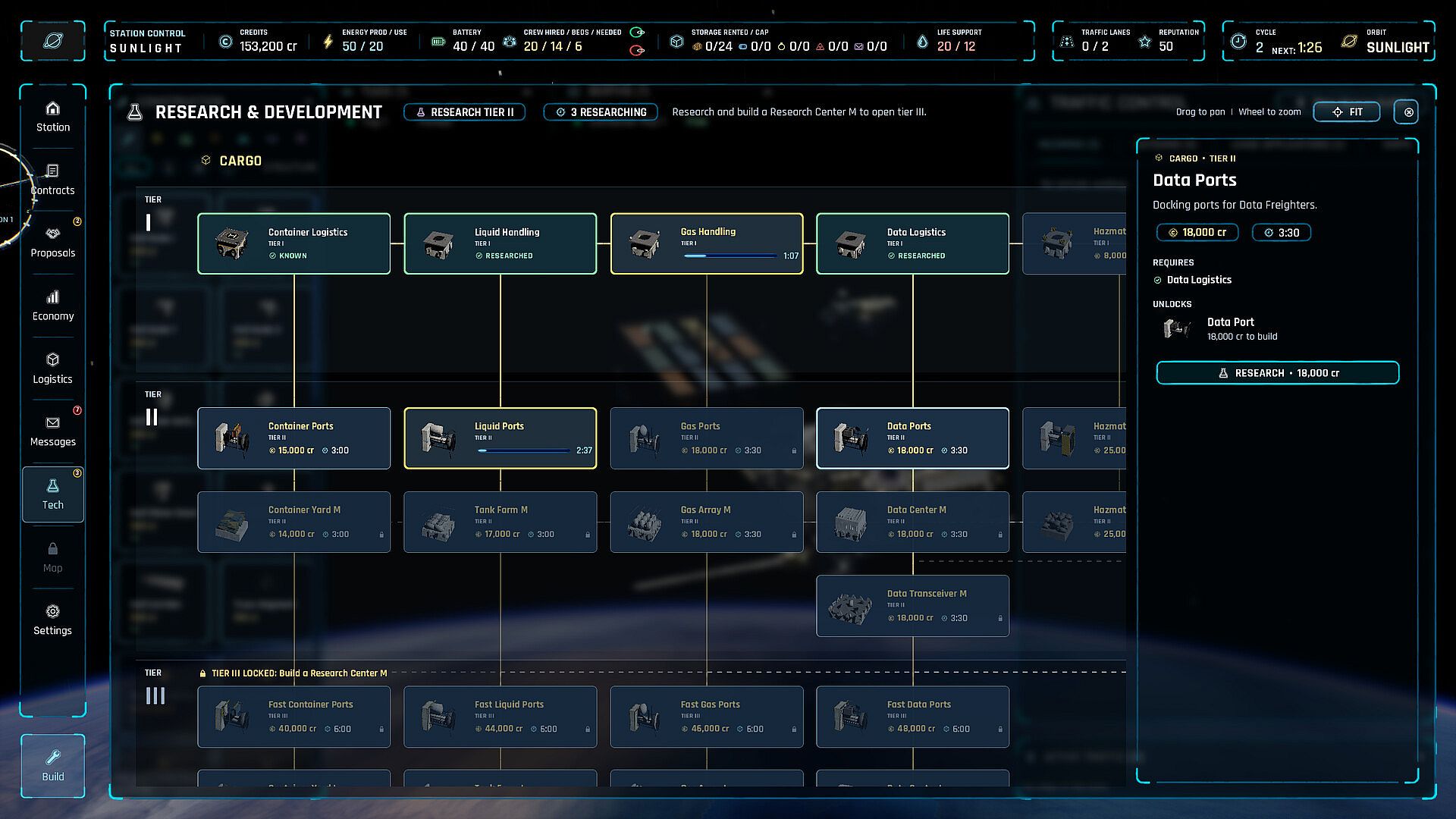
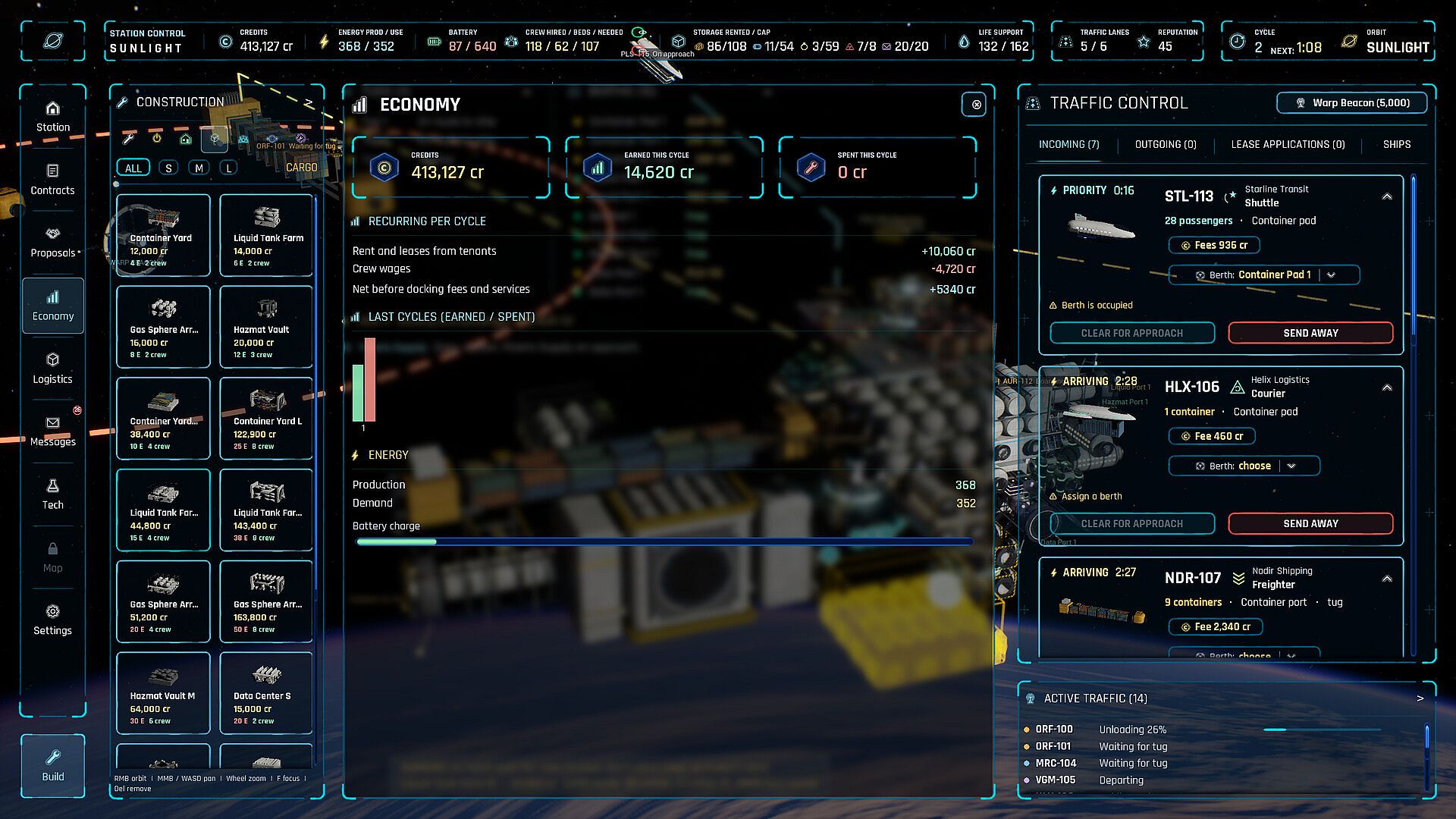
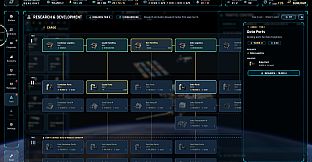
Companies lease space for cycles, paying rent and docking fees. Offers specify cargo types, payments, and ship fleets, requiring sufficient room before acceptance. Happy tenants improve reputation and attract better contracts, while early lease breaks carry costs. A tiered research tree spans cargo, structure, power, operations, and corporate areas. Research labs unlock new tiers, faster ports, larger hulls, twin-tug operations, improved contracts, and additional options.
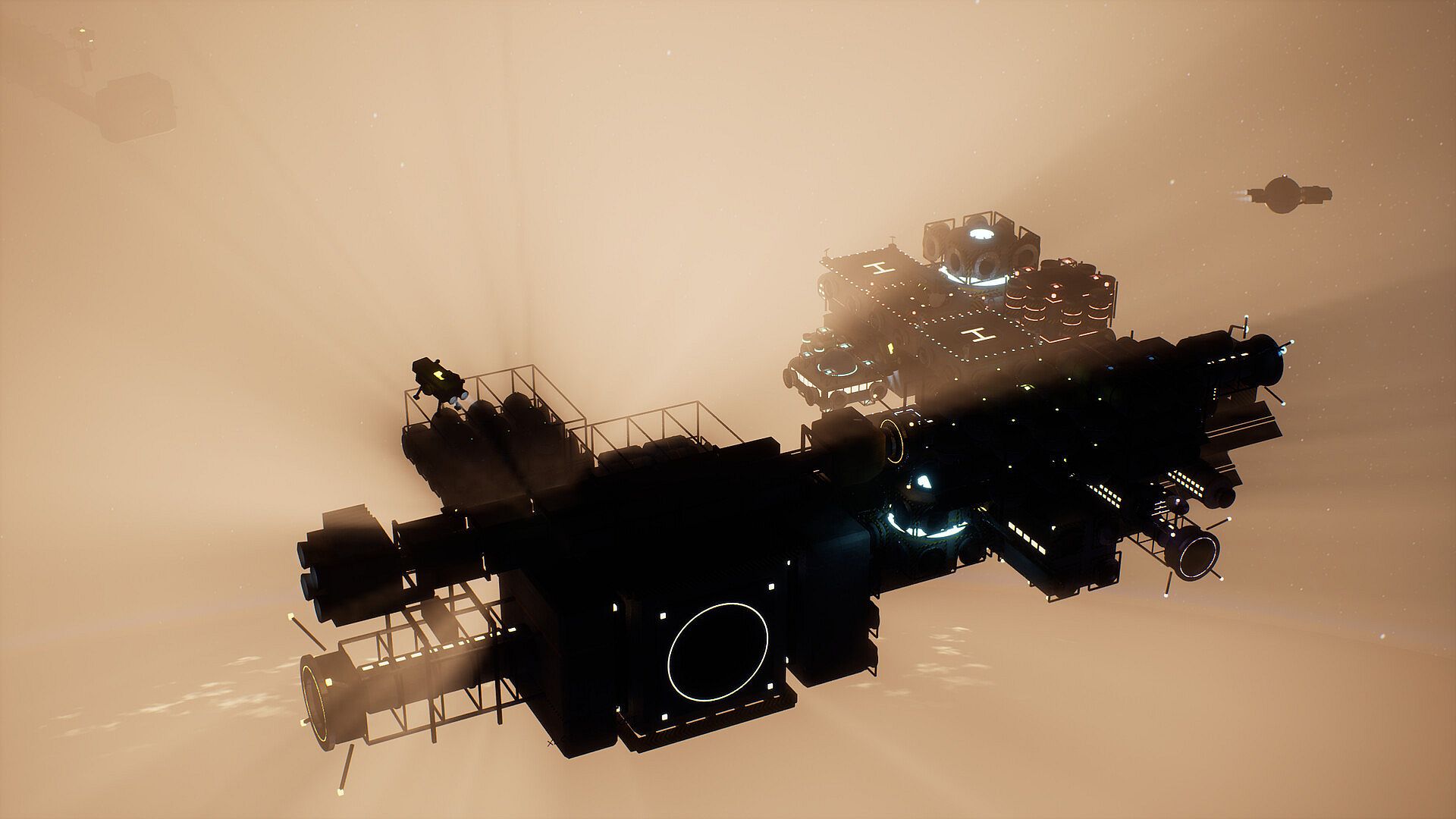
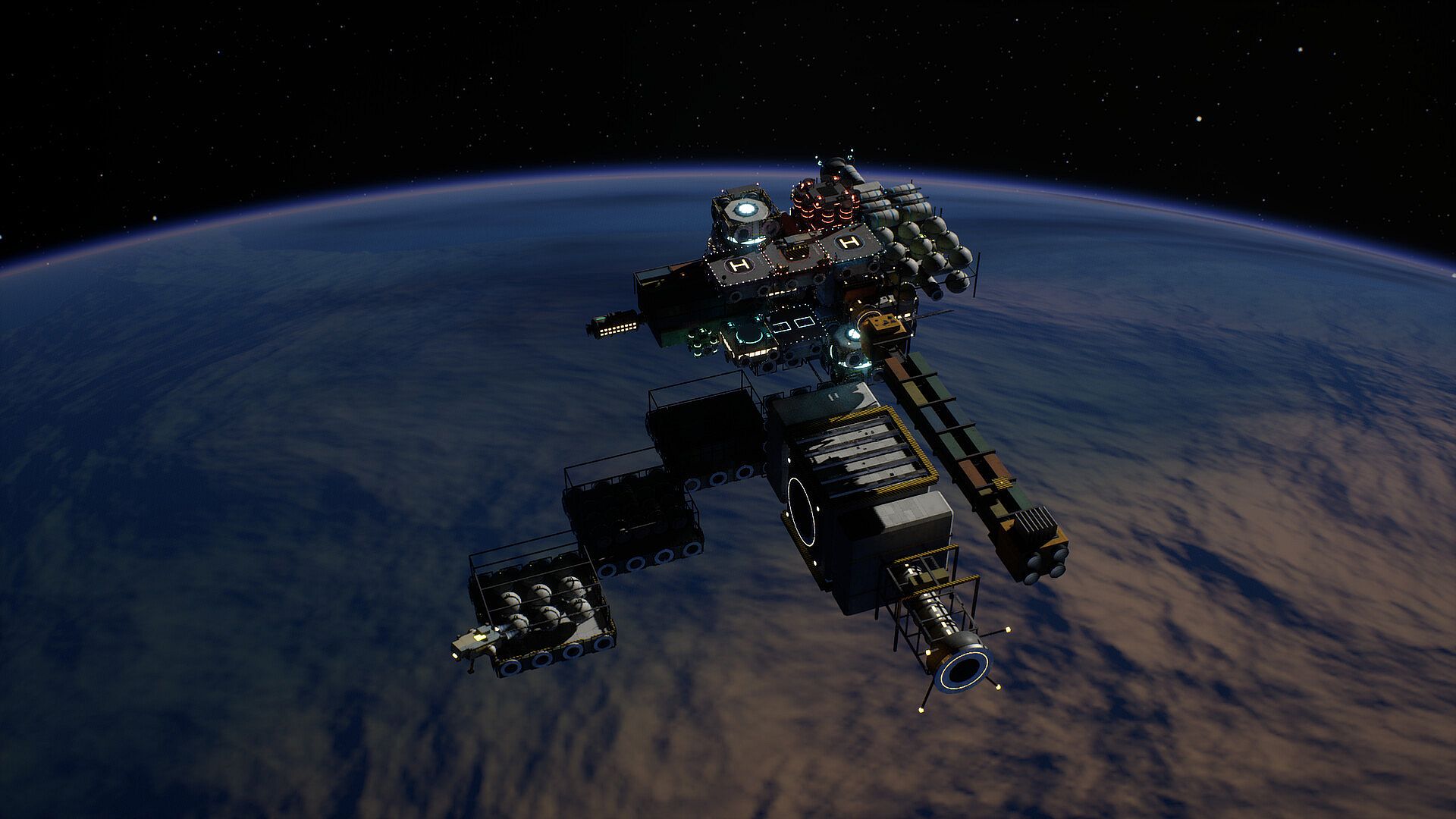
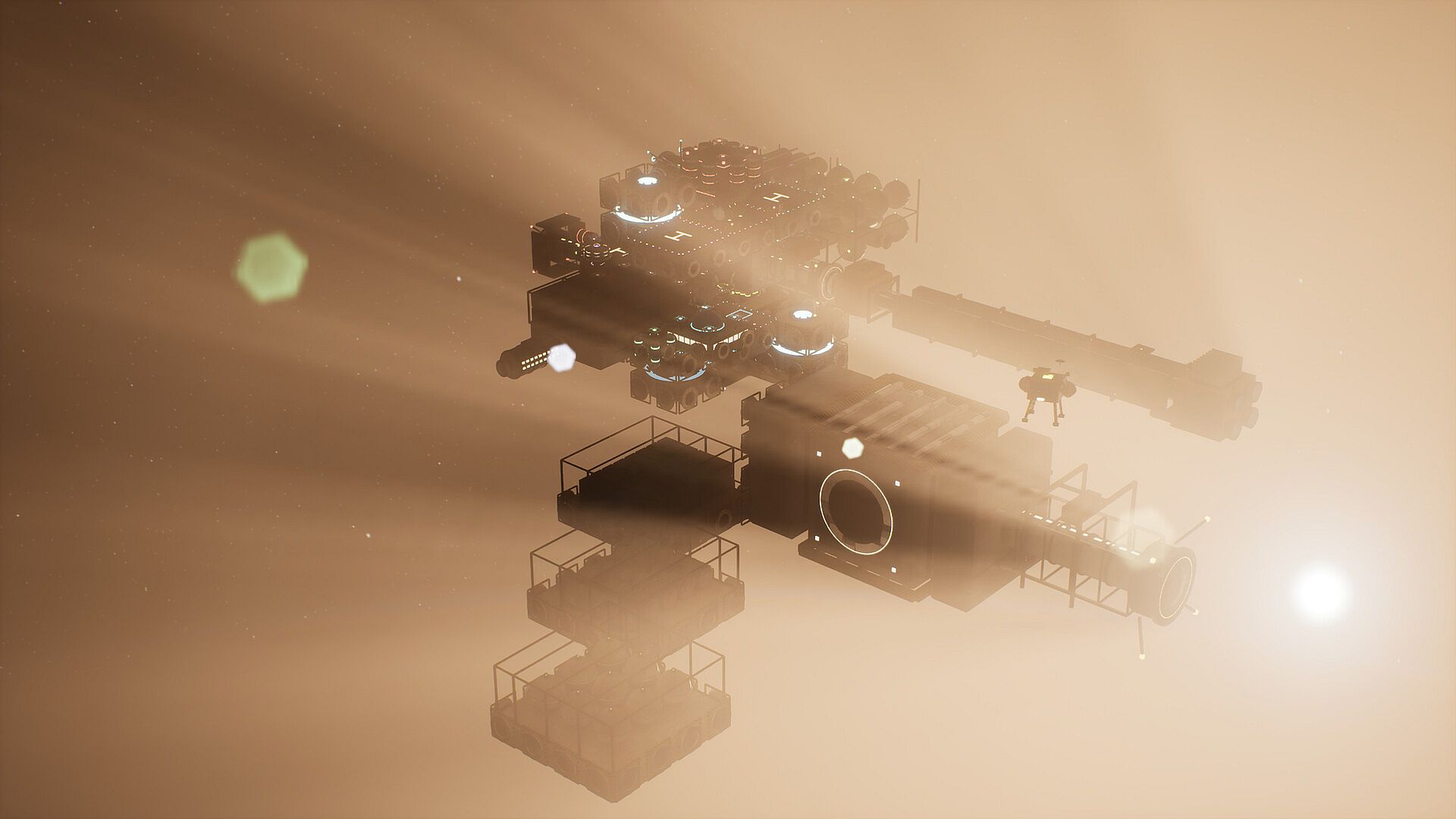
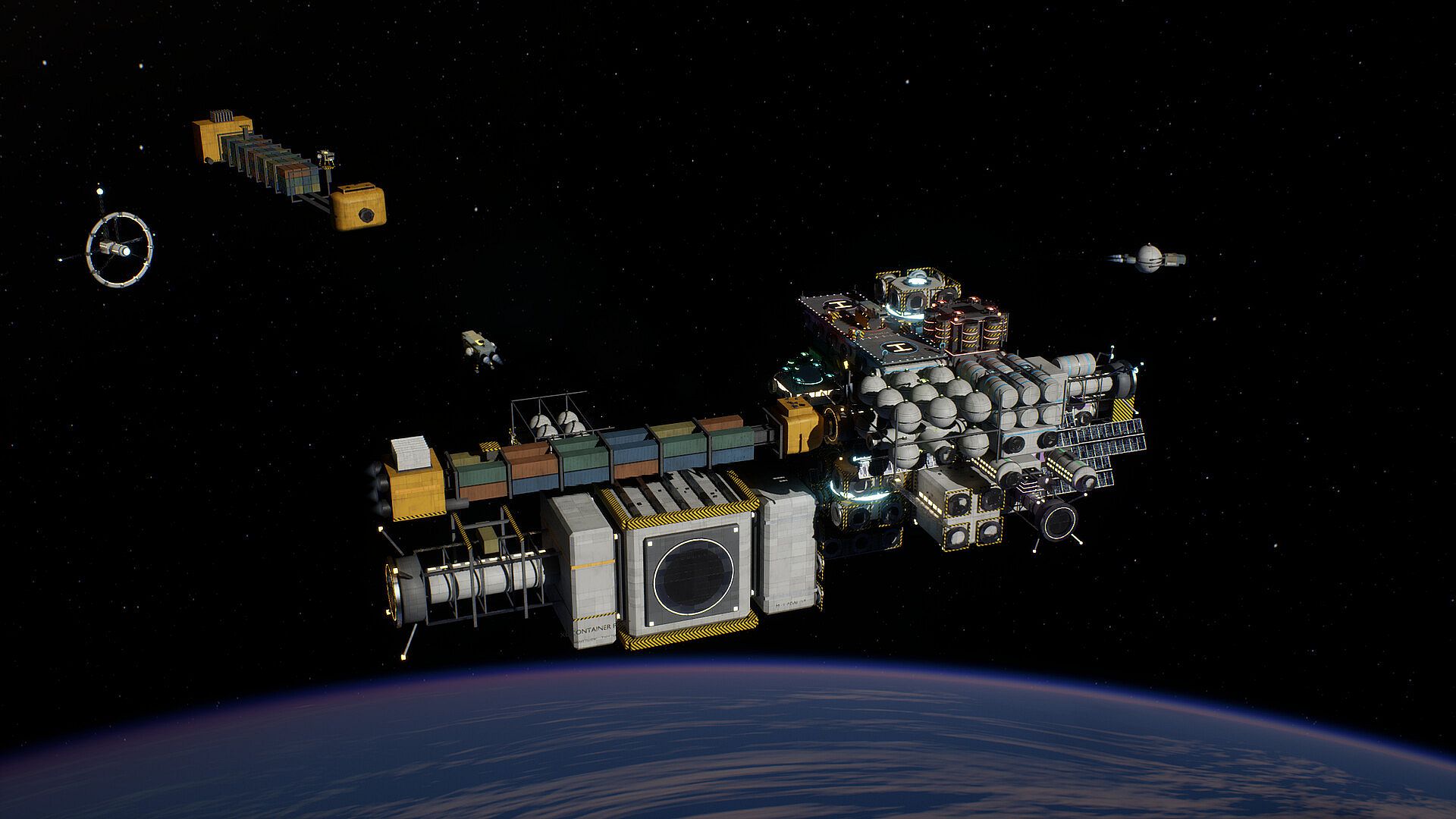
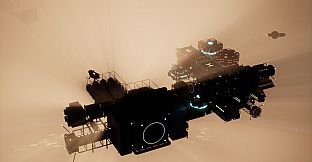
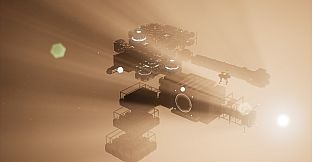
The station orbits a planet, cycling through daylight, sunset, and eclipse. Solar arrays lose output in shadow, so batteries must sustain operations. Visual elements include sunrise views over the planetary horizon, lit berths in darkness, and engine flares from departing freighters.
Game Modes
Station Keeper supports sandbox play for open-ended station building and management. Scenarios provide structured challenges with elevated difficulty. The development roadmap lists career and story mode as upcoming features for a guided progression from small platform to interstellar hub, along with industrial buildings and space weather hazards for additional variety.
Building and Expansion
Construction emphasizes modular design across small, medium, and large hull classes plus heavy spines and extra-large ports. Special modules generate extra income through fuel sales or passenger attractions. Complex connection rules ensure functional layouts, and resource pacing prevents overextension. The technology tree encourages targeted upgrades that open new cargo types and operational efficiencies.
Is It Worth Playing?
Station Keeper suits players who enjoy deliberate station-building simulations with layered management demands. Its real-time traffic handling, specialized cargo systems, and orbital power cycle create a focused loop around growth and efficiency. The game remains in active development, with core mechanics already playable and additional modes planned. Those drawn to indie strategy and simulation titles focused on orbital logistics will find its systems rewarding, particularly when balancing expansion against resource limits and reputation. Availability is currently on PC, with ongoing updates shaping its final form.