










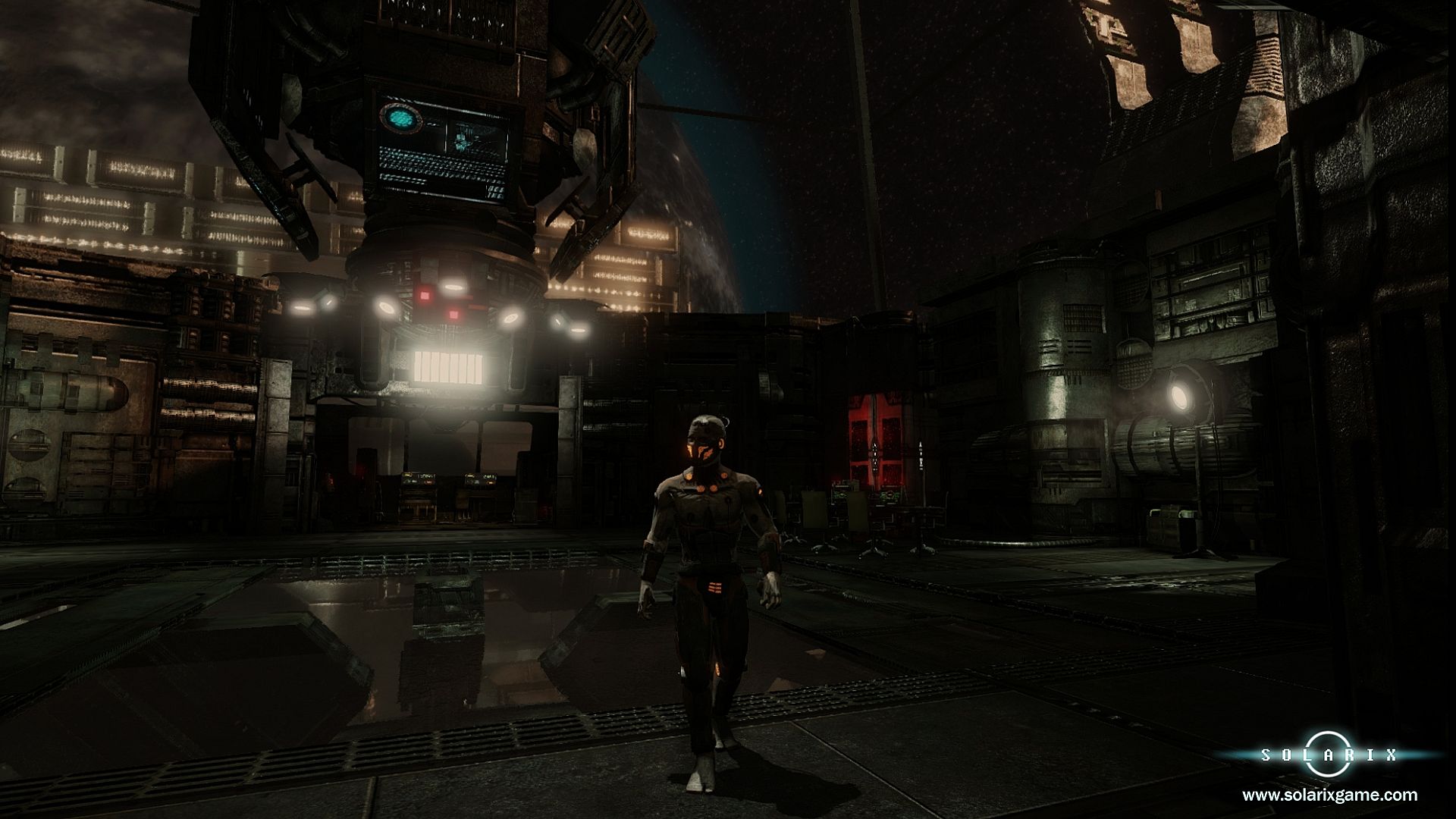

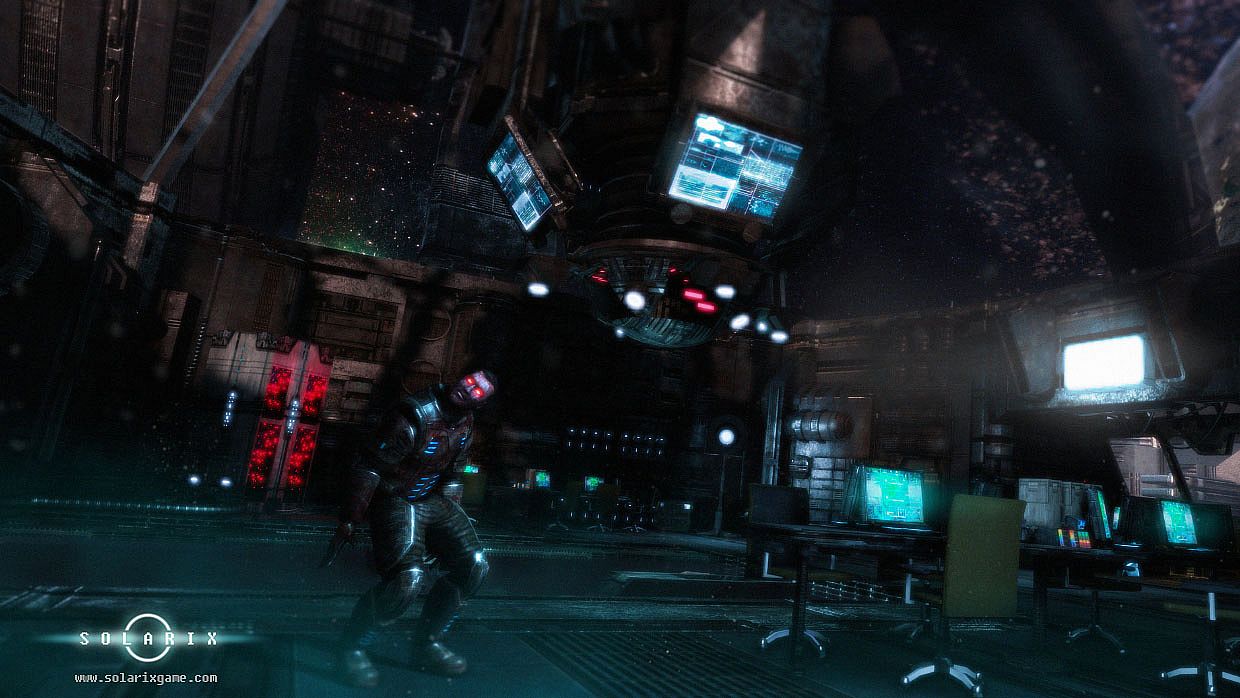
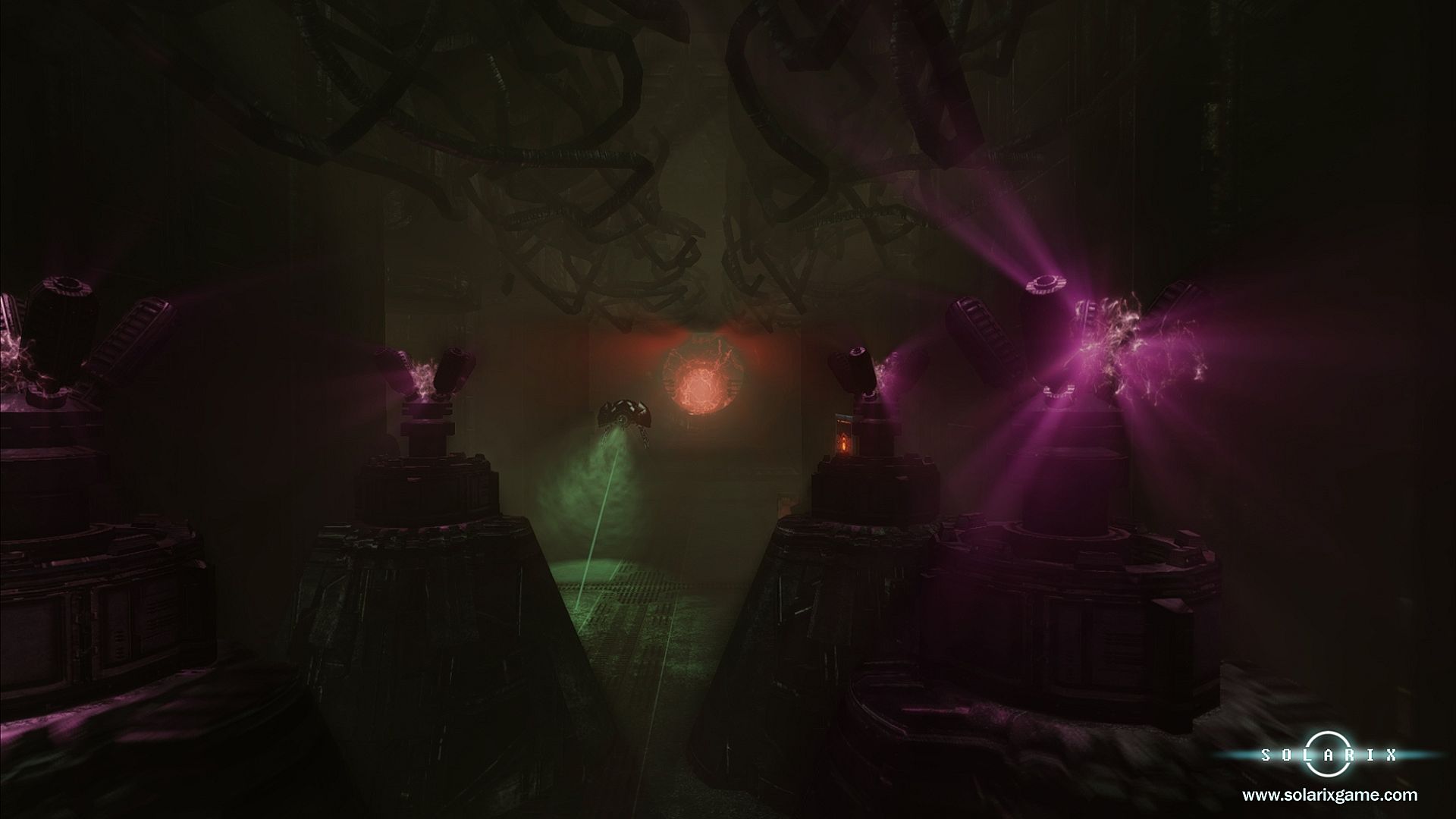
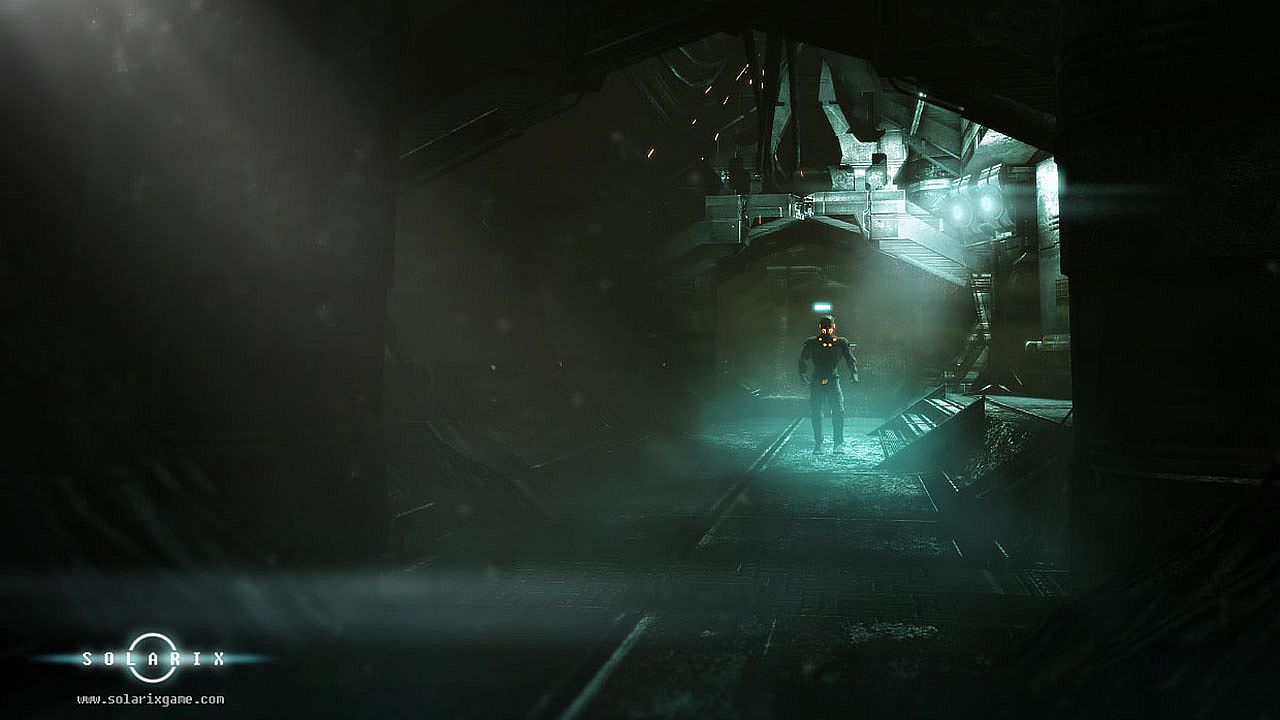
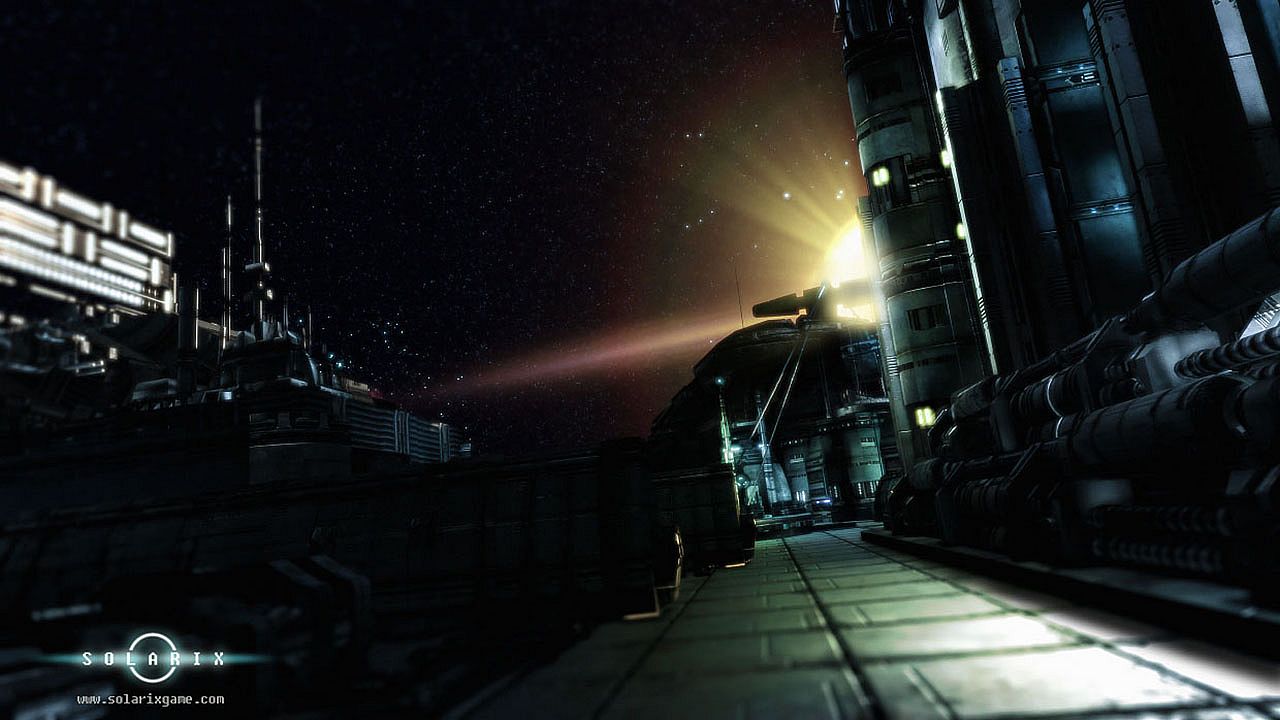
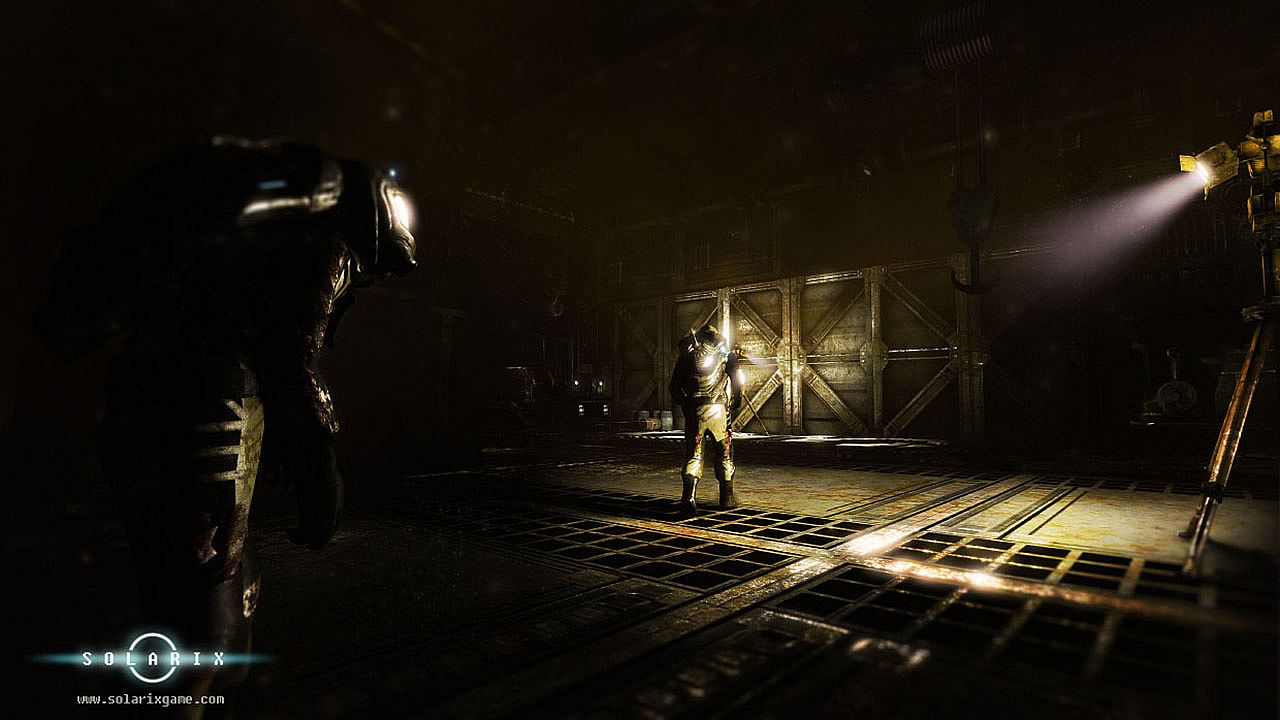
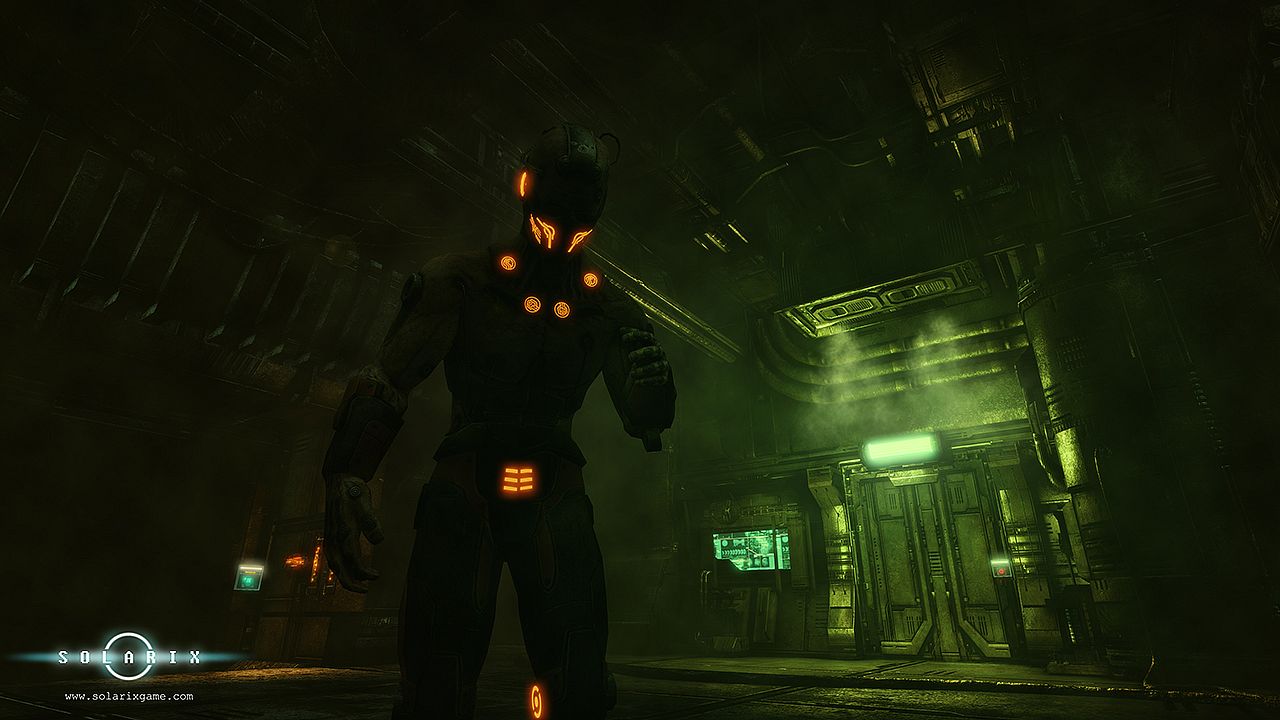
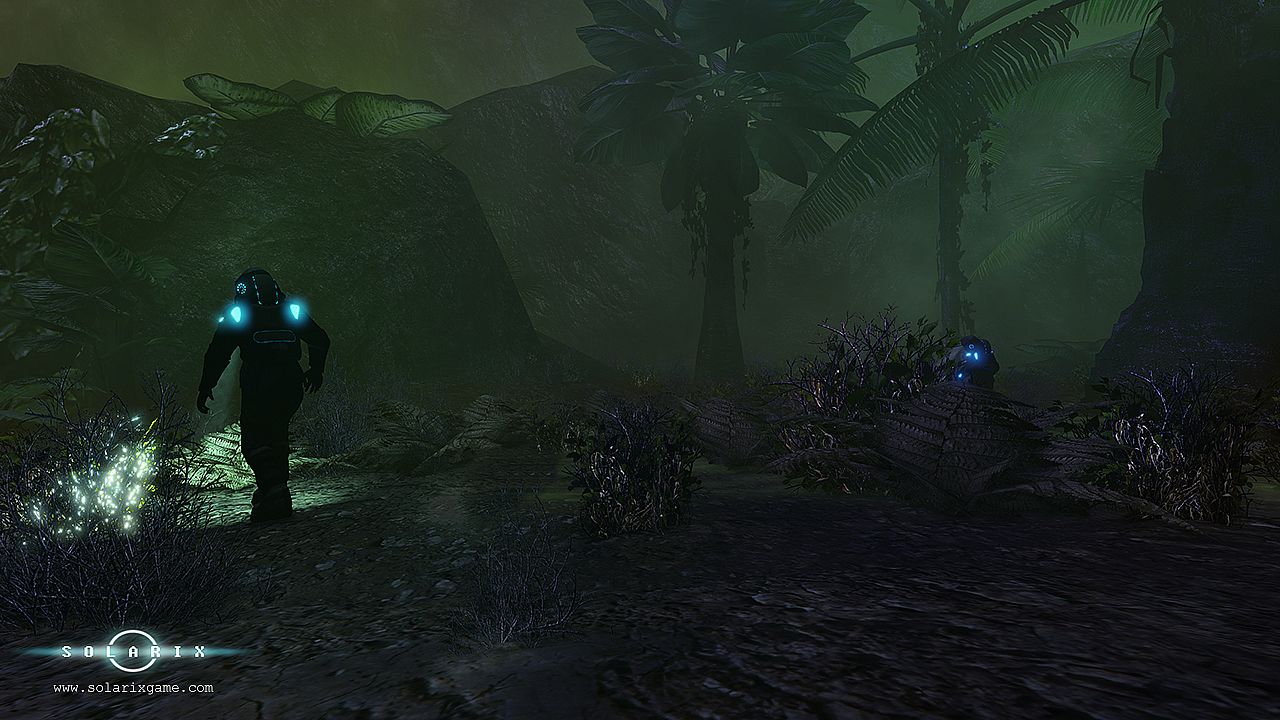





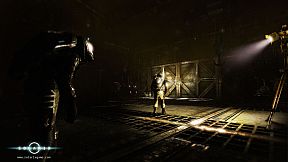

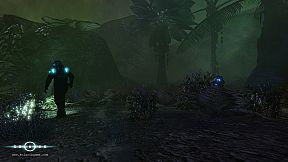
Solarix is a single-player science-fiction stealth-horror action game developed for PC. Players take on the role of an electrical engineer navigating the aftermath of a deadly infection aboard an interstellar research station, where survival depends on managing both external threats and internal psychological strain.
Gameplay
The core loop centers on exploration and decision-making across twelve chapters set in varied locations that range from tight corridors and underground facilities to larger open areas and exotic environments. Players interact with the world through a combination of stealth movement, direct confrontation, puzzle solving, and environmental manipulation. A light meter tracks visibility, encouraging careful positioning around light sources and shadows to avoid detection.
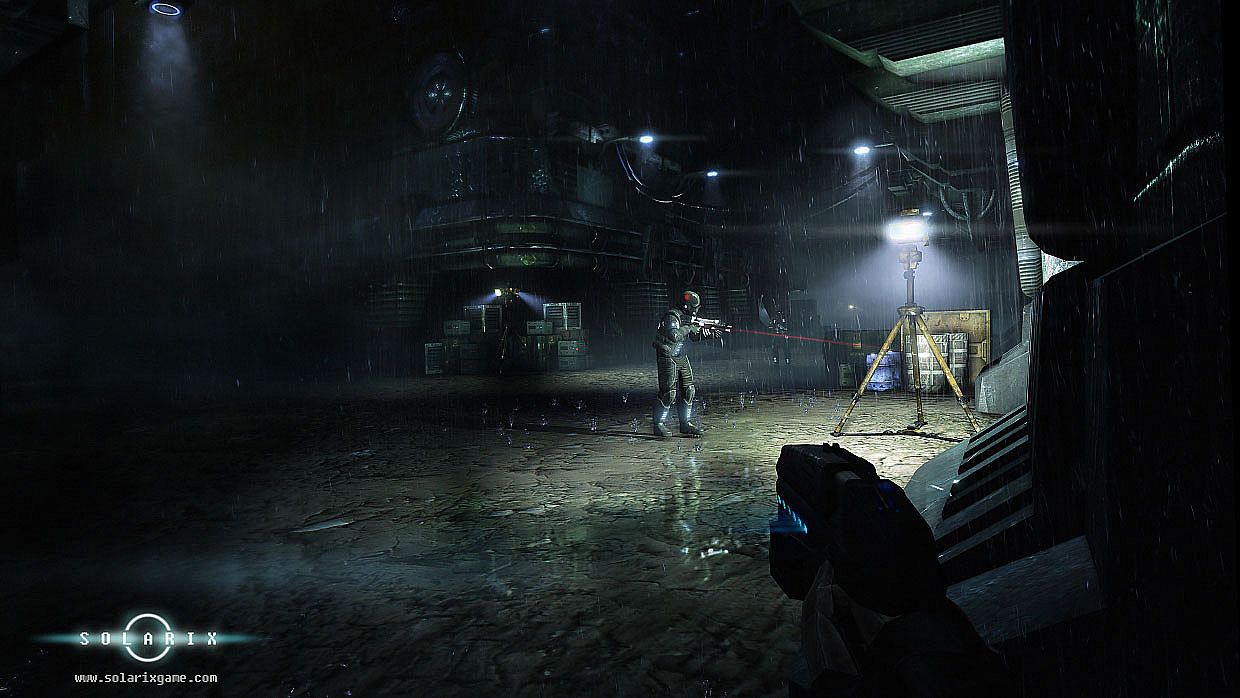
Combat options include firearms such as pistols and shotguns, which require ammunition gathered through exploration, alongside non-lethal tools like a taser for knocking out enemies. Hacking tools allow interference with security systems, including turrets, cameras, sniper robots, and drones. Enemies feature distinct behaviors, with human remnants and monstrous infected showing different patrol patterns and response times. Puzzles often demand gathering information from the surroundings in an adventure-game style before progressing.
Advanced AI governs enemy awareness, with voice lines and varying detection ranges that respond to player actions like noise or visible movement. Strategies shift per level, sometimes favoring evasion from aggressive monsters and other times requiring direct engagement after collecting resources.
Game Modes
Solarix offers no separate multiplayer modes and focuses entirely on a single-player campaign. Within that structure, players choose their approach freely on each level. One path emphasizes stealth kills and careful headshots with limited ammunition. Another relies on non-lethal takedowns using the taser while studying patrol routes to clear areas quietly.
Players can also create darkness by shooting out lights rather than targeting foes directly. A full ghost run remains possible by monitoring the light meter and avoiding all contact, using throwable objects to distract patrols instead of weapons. When detection occurs near monsters, the pistol serves as a temporary defensive tool until cover is reached. Later sections allow a more aggressive style with shotguns once sufficient ammo has been located through prior exploration.
Story and Atmosphere
The narrative follows the engineer's efforts to contain the spreading infection while confronting the station's remaining crew and his own deteriorating mental state. Professional voice acting supports background elements and character interactions that add psychological layers to the survival experience. The design prioritizes sustained tension over sudden scares, building unease through the environment and the player's uncertain role in unfolding events.
Unique characters appear across the chapters, providing context for the station's collapse and the infection's impact. Progression reveals more about the outbreak and the engineer's personal stakes without relying on traditional jump-scare mechanics.
Is It Worth Playing?
Solarix launched in 2015 and maintains a mixed reception on its primary distribution platform, with 60 percent of user reviews rated positive. Critics assigned aggregate scores in the low to mid 50s range, noting strengths in atmosphere alongside criticisms of technical execution and level design consistency.
The game suits players who enjoy deliberate stealth-horror experiences with multiple viable approaches to each encounter. Those seeking polished modern graphics or frequent updates will find the title dated in presentation and mechanics. Availability remains limited to its original PC release with no ongoing seasonal content or expansions confirmed in recent years. Individuals drawn to atmospheric single-player titles that reward observation and flexible strategies may still find value in its focused campaign despite its age.