




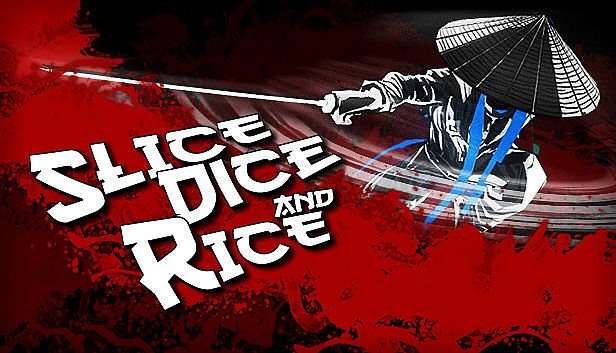

















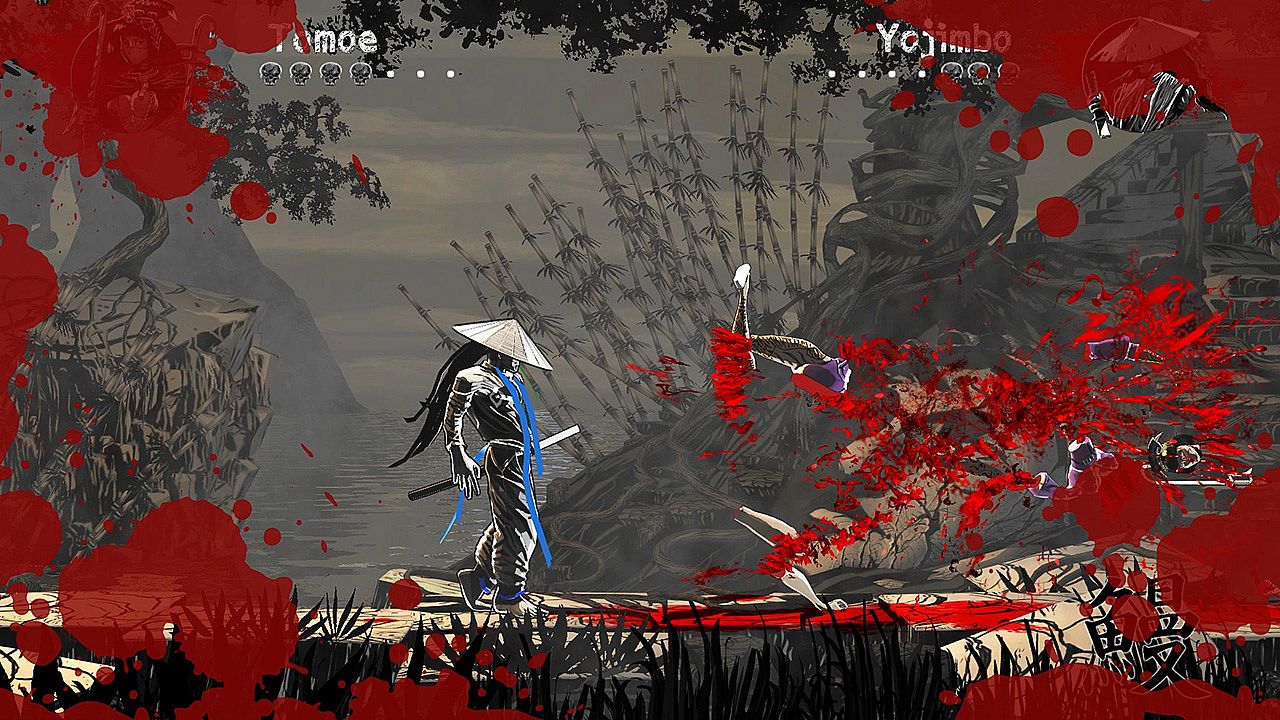
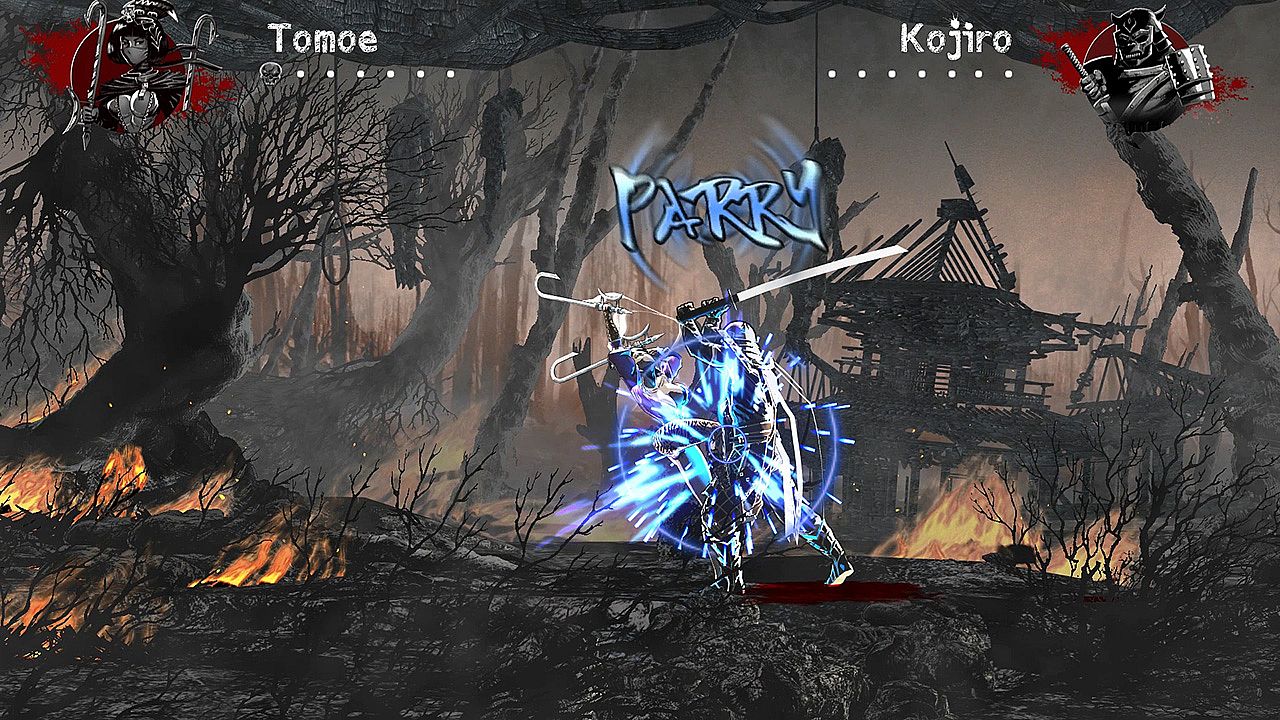
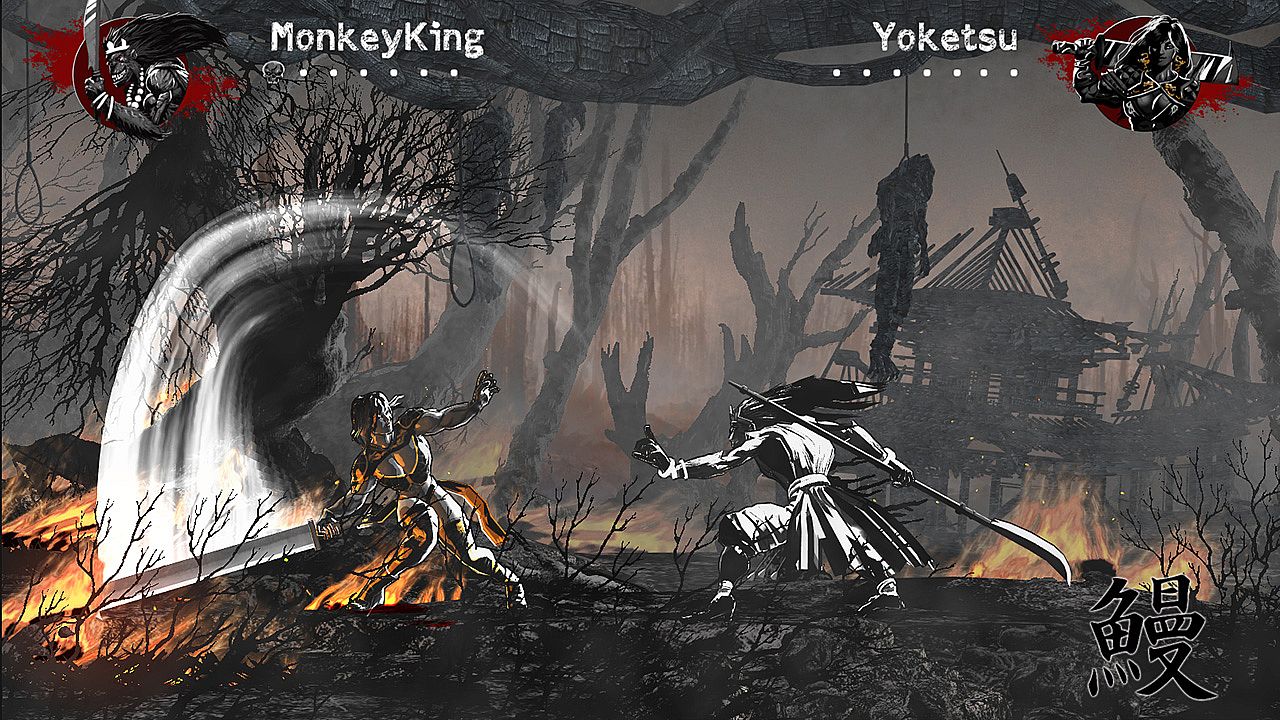
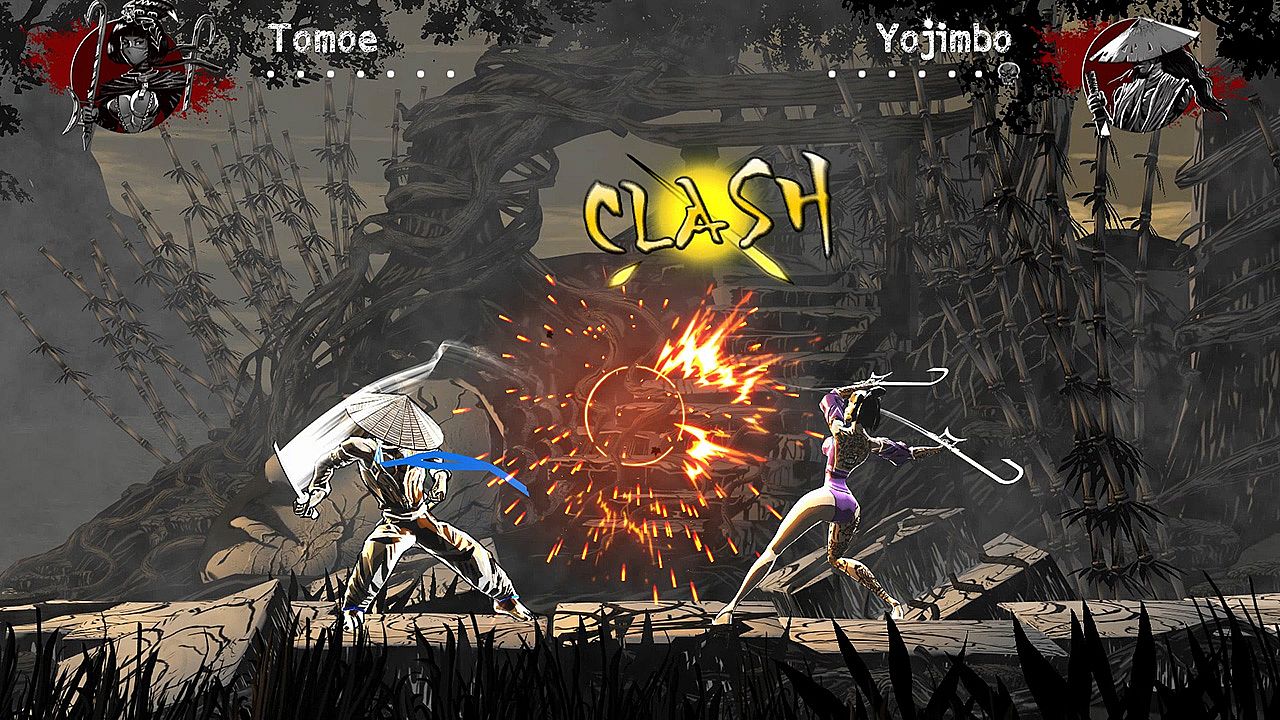
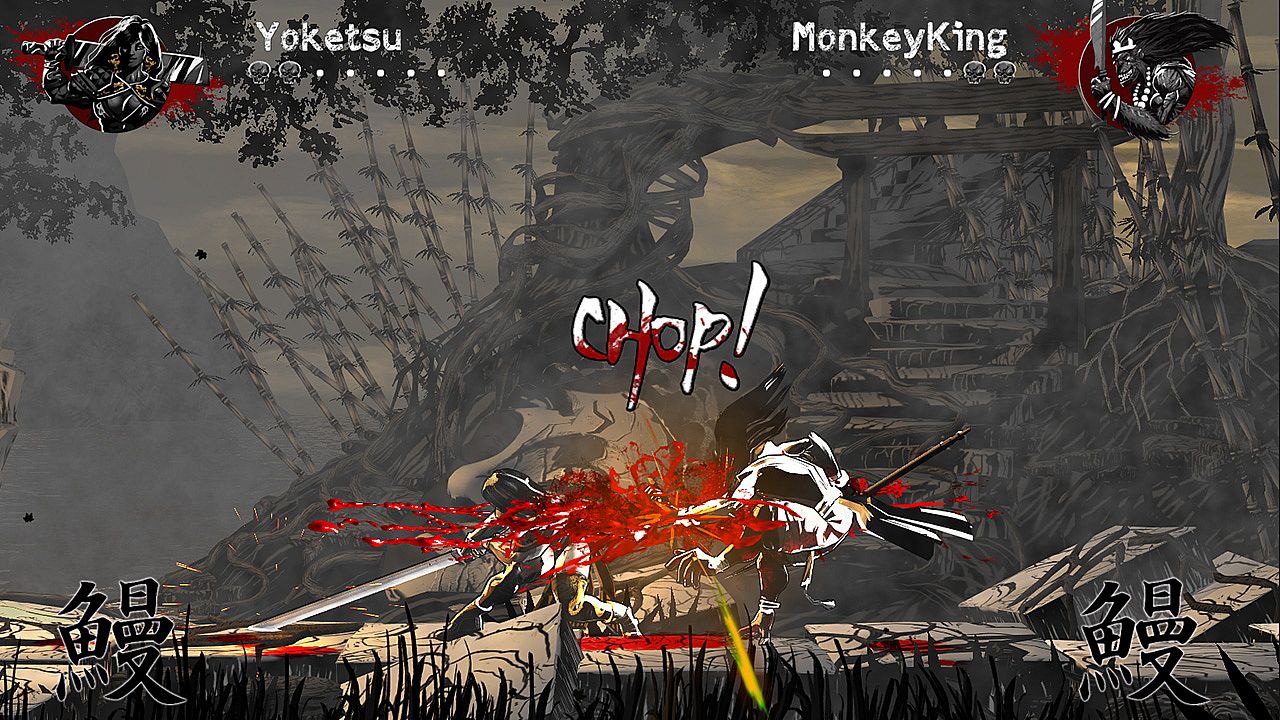
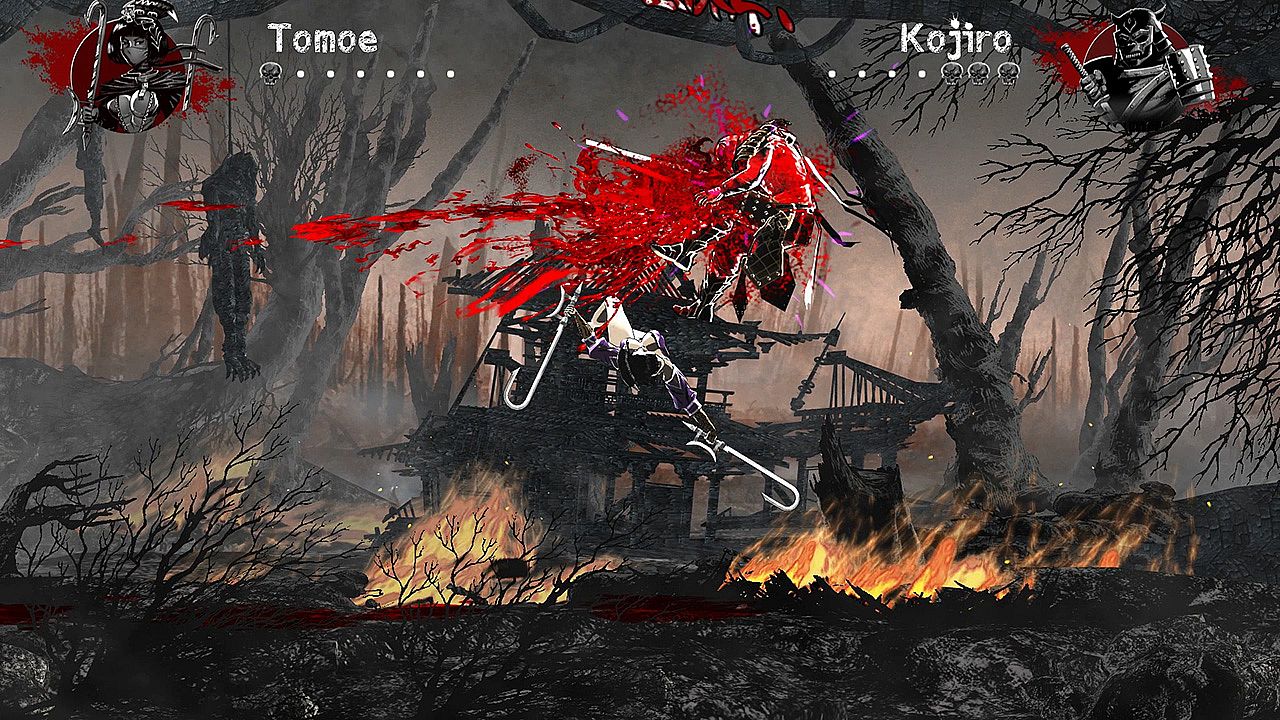








Slice, Dice & Rice stands out as an indie action fighting game built around precise, high-stakes duels rather than drawn-out exchanges. Set in an alternate Japanese underworld, the title draws direct inspiration from Bushido Blade by eliminating traditional health bars entirely. Instead, every encounter hinges on locating a single opening in an opponent's defense to deliver a decisive strike that ends the round.
Gameplay
The core loop emphasizes timing, positioning, and psychological reads over memorized combos. Basic attacks feel immediate and responsive, allowing players to focus on the flow of combat without complex button sequences. Moves support cancels for feints that trick opponents into committing, while parries, dodges, and direct clashes add layers of counterplay. Each minor wound slows movement or limits options, turning minor errors into potential turning points that demand constant adaptation.
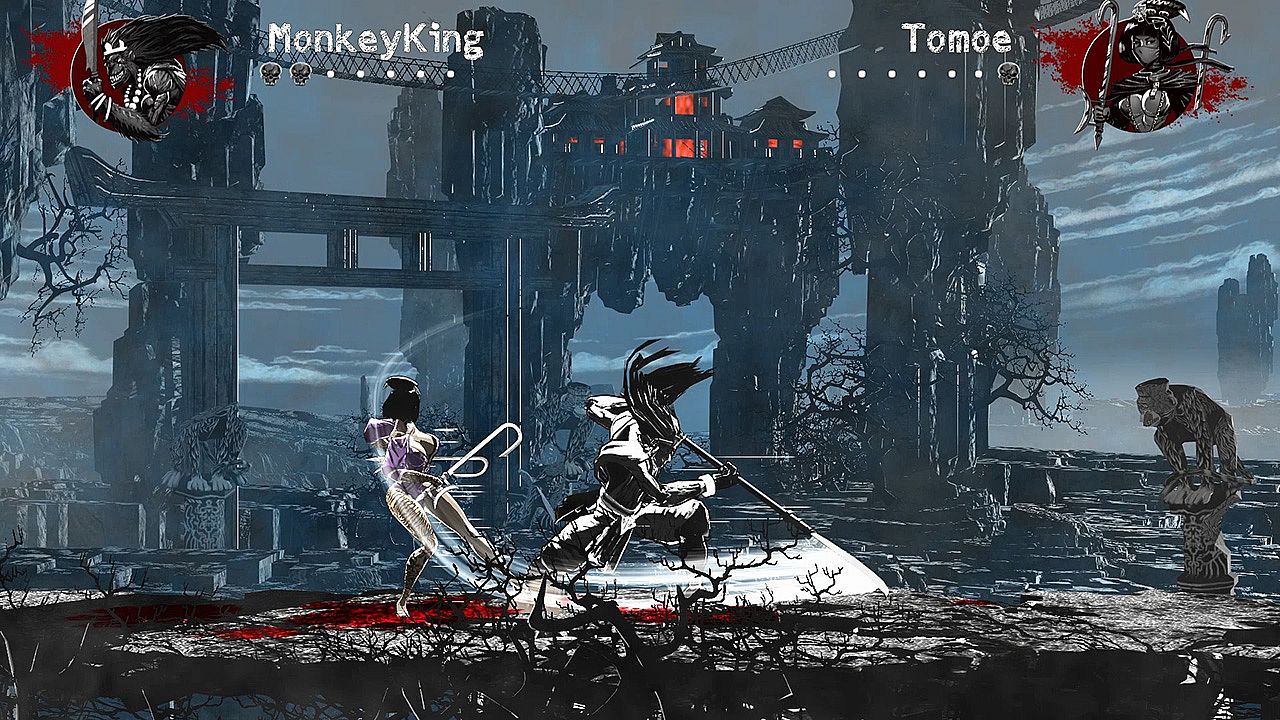
Characters bring distinct approaches that alter how these systems play out. A swift monk relies on fist strikes for speed and pressure, whereas a heavily built fighter wields a massive sword that trades mobility for powerful, committed swings capable of punishing mistakes through sheer endurance. These differences create varied mind games across matches, where one style might favor aggressive probing and another rewards patient observation.
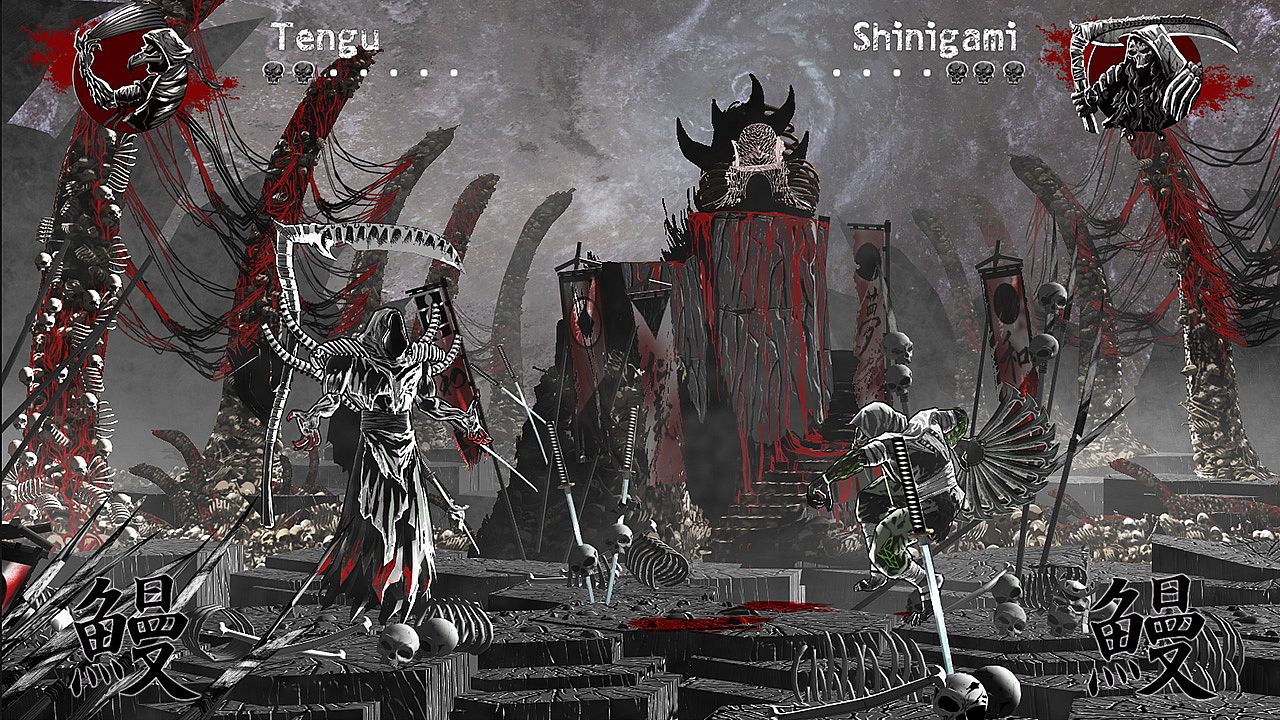
Stages reinforce the tense atmosphere with six hand-drawn environments that provide clear sightlines and subtle elevation changes without cluttering the action. The visual style keeps focus squarely on the fighters and their weapons, highlighting the weight and reach of each strike.
Game Modes
Story mode lets players follow individual character arcs through a series of encounters that introduce their backgrounds and unique approaches. VS mode supports direct matches against CPU opponents or friends in local play, allowing quick tests of different matchups and strategies. Dojo serves as a dedicated space for practicing timing, feints, and defensive responses in a controlled setting.
These options keep sessions varied while staying true to the game's emphasis on one decisive exchange. Local multiplayer receives particular attention for its responsive controls during shared play, though online connectivity has seen limited activity in practice.
Characters and Progression
Eight fighters populate the roster, each carrying personal motivations that unfold across their dedicated paths. The variety extends beyond appearance to mechanical feel, encouraging experimentation with different weapons and movement patterns. No two characters share identical toolkits, which keeps repeated sessions fresh even after initial mastery of the fundamentals.
Progression ties directly to understanding these differences rather than unlocking external content. Repeated play reveals deeper interactions between styles, such as how a fast character pressures a slower one or how defensive tools clash in specific situations.
Is It Worth Playing?
Slice, Dice & Rice delivers a focused experience for players who enjoy deliberate, read-heavy combat over flashy sequences. The absence of health bars creates constant tension where every action carries weight, rewarding patience and observation more than rapid button mashing. Those drawn to samurai-inspired duels or games that strip fighting down to its tactical essentials will find the mechanics engaging and the character variety sufficient for extended sessions.
Reception highlights strong responsiveness and strategic depth alongside notes on the modest number of modes and sparse online population. The title suits solo practice or local matches particularly well, where the core systems shine without external distractions. If precise timing and mind games appeal more than traditional health management or large rosters, the game offers a distinctive alternative worth trying on PC.














